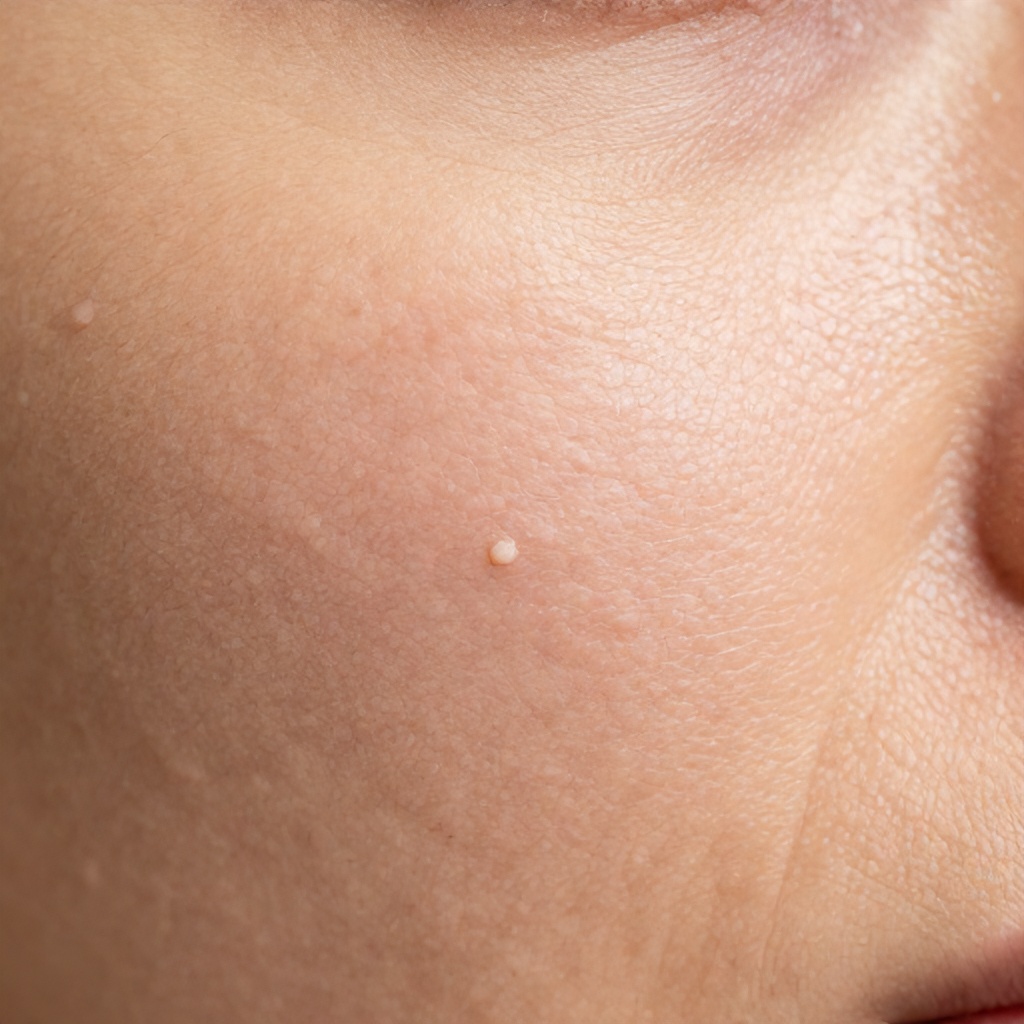
Whiteheads and visible pores are common skin irregularities that many people notice when examining their skin up close. These small but often frustrating skin features are a natural part of our skin’s anatomy and function, yet they can sometimes become more prominent or problematic, leading to what we generally refer to as blemished skin.
Understanding Whiteheads and Visible Pores
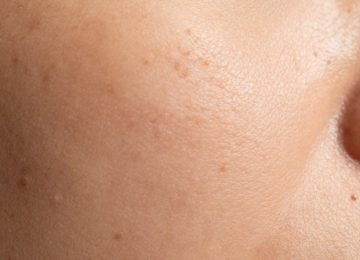
When you get a close-up view of your facial skin, you might observe tiny bumps and openings. Let’s break down what you’re actually seeing.
Whiteheads: Closed Comedones Explained
Whiteheads, scientifically known as closed comedones, are a type of acne lesion. They form when a pore becomes completely clogged with a combination of dead skin cells and sebum, which is the natural oil your skin produces. Unlike blackheads, which have an opening to the skin surface and oxidize, whiteheads remain closed beneath a thin layer of skin. This gives them their characteristic whitish or flesh-colored appearance.
These small bumps are typically non-inflamed, meaning they aren’t usually red or painful unless they become infected or irritated. They are a clear sign of clogged pores, often found on the T-zone (forehead, nose, chin) but can appear anywhere on the facial skin.
Visible Pores: More Than Just Openings
Pores are tiny openings on the skin surface that allow hair follicles to emerge and sebum to reach the skin. Everyone has pores; they are essential for healthy skin function. When we talk about “visible pores” or “enlarged pores,” we’re usually referring to pores that appear larger than average, making them more noticeable. This can be due to several factors, including genetics, excess sebum production, and a buildup of dead skin cells that stretch the pore opening.
The appearance of visible pores can also be influenced by how light reflects off the skin texture. On some complexions, like a warm tan skin tone, shadows within slightly enlarged pores might make them seem more pronounced. While pores don’t actually open and close like doors, their size can fluctuate based on what’s inside them and the surrounding skin’s elasticity.
Why Do These Skin Imperfections Appear?
The development of whiteheads and the prominence of visible pores stem from a combination of internal and external factors. Understanding these causes is the first step toward effective management of blemished skin.
Excess Sebum Production
One of the primary culprits behind both whiteheads and enlarged pores is an overproduction of sebum. Our sebaceous glands naturally produce this oily substance to keep skin moisturized and protected. However, when these glands go into overdrive, the excess oil can mix with dead skin cells and debris, leading to clogged pores. This buildup creates the perfect environment for whiteheads to form and can also stretch the pore walls, making them appear larger.
Dead Skin Cell Buildup
Our skin constantly sheds old cells and generates new ones. This process, known as cell turnover, is vital for healthy skin. But sometimes, dead skin cells don’t shed properly. Instead, they accumulate on the skin surface and inside the pores. This sticky mixture of dead cells and sebum is a recipe for blocked follicles, directly contributing to the formation of comedones and exacerbating the appearance of skin irregularities.
Hormonal Fluctuations
Hormones play a significant role in regulating sebum production. Androgen hormones, in particular, can stimulate the sebaceous glands. This is why many people experience breakouts and more visible pores during puberty, menstruation, pregnancy, or periods of high stress. Hormonal shifts can trigger a cascade of events that lead to increased oiliness and a higher likelihood of developing acne lesions.
Genetics
Unfortunately, some aspects of our skin condition are simply inherited. If your parents had oily skin, enlarged pores, or were prone to whiteheads and other forms of acne, there’s a good chance you might too. Genetics can influence everything from the size of your pores to the activity level of your sebaceous glands and your skin’s natural cell turnover rate.
Environmental Factors and Skincare Habits
The world around us and how we treat our skin also contribute. High humidity can increase oil production, while pollution can introduce irritants and free radicals that damage skin and contribute to clogged pores. Using comedogenic skincare products – those that are formulated with ingredients known to block pores – can also directly lead to whiteheads. Improper cleansing, or even over-cleansing with harsh products, can disrupt the skin barrier and worsen its condition.
Practical Strategies for Smoother Skin Texture
Managing whiteheads and reducing the appearance of visible pores requires a consistent and gentle approach to skincare. The goal is to keep pores clear, regulate oil production, and support healthy skin cell turnover without causing irritation.
Gentle and Effective Cleansing
Start with a good cleansing routine. Wash your facial skin twice a day, morning and night, using a mild, non-comedogenic cleanser. Avoid harsh scrubbing or abrasive cleansers, which can irritate the skin and potentially trigger more oil production. A gentle touch is key to maintaining a healthy skin barrier.
Targeted Exfoliation
Exfoliation is crucial for preventing dead skin cell buildup, which is a major contributor to clogged pores and whiteheads. Chemical exfoliants are generally preferred over physical scrubs for blemished skin, as they are less likely to cause micro-tears or irritation.
- Salicylic Acid (BHA): This oil-soluble ingredient penetrates deep into the pores, dissolving sebum and dead skin cells. It’s particularly effective for treating and preventing whiteheads and blackheads.
- Glycolic Acid (AHA): An alpha hydroxy acid that works on the skin surface, helping to shed dead cells and improve overall skin texture. It can make pores appear less noticeable by smoothing the surrounding skin.
Introduce exfoliants slowly, perhaps 2-3 times a week, to see how your skin reacts before increasing frequency.
Consistent Moisturizing
Even if you have oily skin or visible pores, moisturizing is non-negotiable. Dehydrated skin can sometimes produce more oil to compensate, leading to a vicious cycle. Choose a lightweight, non-comedogenic moisturizer that won’t clog your pores. Look for ingredients like hyaluronic acid or ceramides to support skin hydration without adding greasiness.
Sun Protection Every Day
Daily sun protection is vital for overall skin health and can indirectly help with the appearance of pores and blemishes. UV radiation can damage collagen, which supports the structure around your pores, potentially making them appear larger. Sun exposure can also worsen post-inflammatory hyperpigmentation from acne lesions. Use a broad-spectrum SPF 30 or higher every morning, rain or shine.
Introducing Specific Treatments
Certain active ingredients are highly effective in addressing the root causes of whiteheads and managing pore visibility.
- Retinoids (Topical): Derivatives of Vitamin A, retinoids (like retinol or tretinoin) are powerful ingredients that normalize skin cell turnover, prevent pores from clogging, and can reduce the appearance of enlarged pores over time. Start with a low concentration and use them gradually, as they can cause initial dryness or irritation.
- Niacinamide: Also known as Vitamin B3, niacinamide can help reduce inflammation, minimize the appearance of pores, and regulate sebum production. It’s a gentle ingredient that can be easily incorporated into most skincare routines.
When to Seek Dermatological Advice
If you’re struggling with persistent whiteheads, widespread acne lesions, or if your skin condition is significantly impacting your confidence, it’s wise to consult a dermatologist. A skin analysis by a professional can identify underlying issues and recommend prescription-strength treatments or in-office procedures that might be more effective for severe cases. They can offer personalized advice beyond general cosmetic recommendations.
What to Avoid for Healthier Skin
Just as important as knowing what to do is understanding what habits can worsen your skin’s condition. Avoiding these common pitfalls can make a big difference in managing blemished skin.
Resist Picking and Squeezing
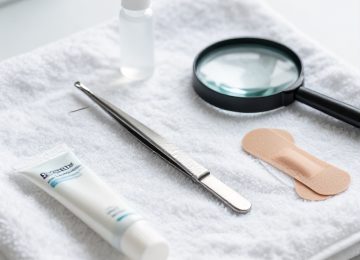
It’s incredibly tempting to pick at whiteheads or try to squeeze out what’s in your pores, especially when you have a close-up view. However, this is one of the worst things you can do. Picking can push bacteria deeper into the skin, leading to inflammation, infection, and potentially permanent acne scars or dark spots. Leave extractions to trained professionals if absolutely necessary.
Steer Clear of Over-Exfoliation
While exfoliation is beneficial, too much of a good thing can be detrimental. Over-exfoliating, whether with harsh scrubs or too many chemical exfoliants, can strip your skin’s natural barrier, leading to irritation, redness, and increased sensitivity. This compromised barrier can actually make your skin more prone to breakouts and inflammation. Listen to your skin and adjust your routine accordingly.
Avoid Harsh, Stripping Products
Products containing high concentrations of alcohol, strong astringents, or irritating fragrances can strip the skin of its natural oils. This can lead to a rebound effect where your skin produces even more sebum to compensate, worsening oiliness and increasing the likelihood of clogged pores. Opt for gentle, pH-balanced formulas designed for sensitive or acne-prone skin.
Beyond the Close-up: Embracing Your Skin
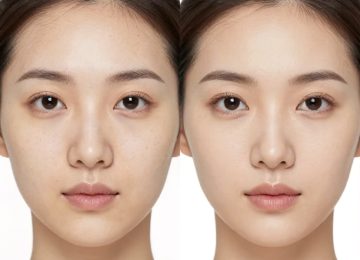
While a close-up view of blemished skin can highlight every whitehead and visible pore, it’s important to remember that perfect, pore-less skin is largely an illusion. Skin has texture, it has features, and it has irregularities. Focusing solely on perceived skin imperfections can lead to frustration and an unhealthy relationship with your appearance.
The journey to healthier skin is about consistent care, patience, and understanding your unique skin topography. It’s about implementing practical skincare steps that support your skin’s natural functions and protect its barrier. Embrace the process, celebrate small improvements, and remember that healthy skin is beautiful skin, regardless of every tiny detail.
Ultimately, a holistic approach that combines effective skincare with healthy lifestyle choices will yield the best results for managing whiteheads and improving the overall aesthetic context of your skin. Be kind to your skin, and it will thank you.