Banish Breakouts: Your Practical Guide to Clearer Skin
Unwanted blemishes don’t discriminate — they can plague anyone, from teenagers to seasoned professionals.
Acne, those pesky pimples and blackheads, can feel like a relentless foe. While it might not be a life-threatening health hazard, the impact of acne on our emotional and social well-being is undeniable. Many people battling breakouts experience a dip in self-confidence, which can affect everything from enjoying social engagements to feeling productive in professional environments. Understanding what causes these skin imperfections and what you can do about them is the first step toward regaining your stride and your glow.
The Way to Safely Banish Blackheads?
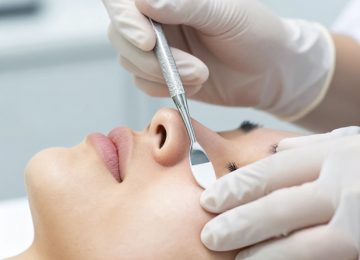
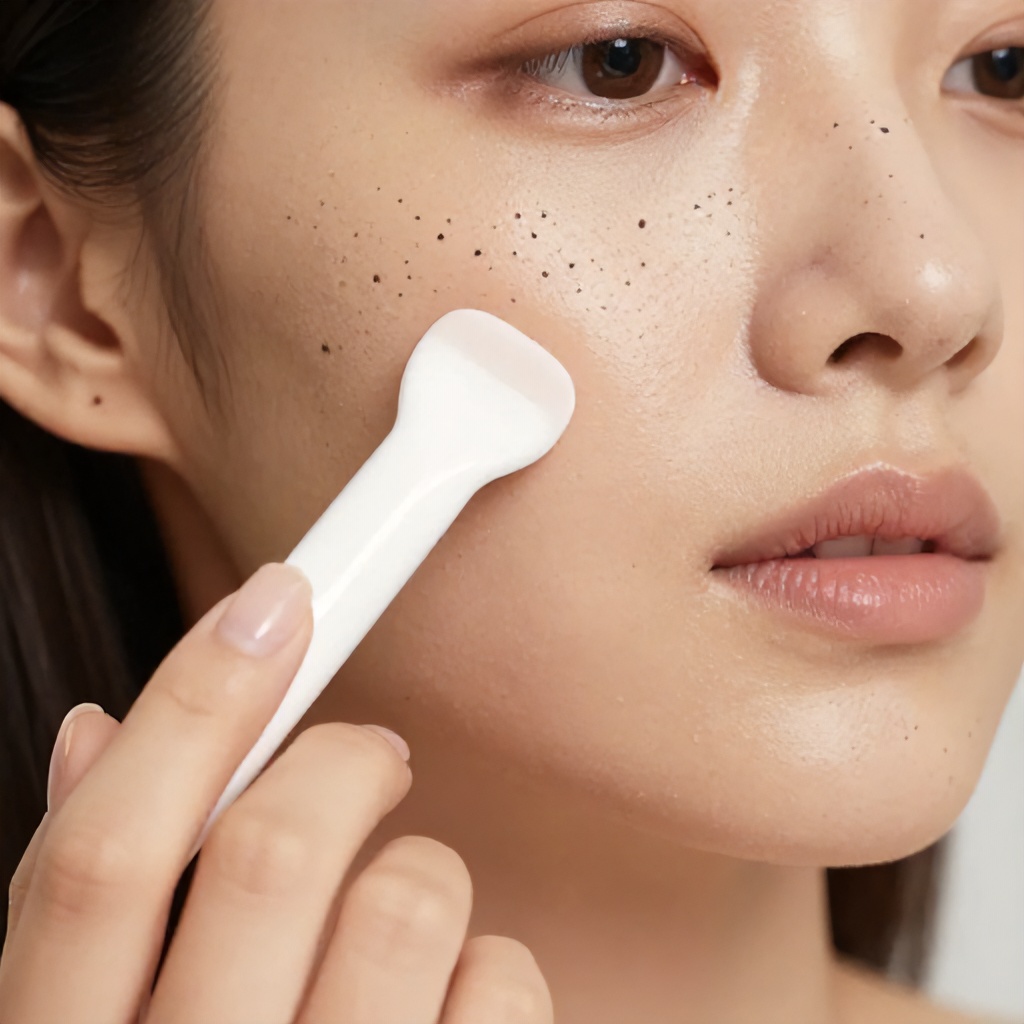
The allure of squeezing or popping blackheads can be tantalizing, yet this seemingly harmless action can lead to an unfortunate escalation. Instead of succumbing to the urge, a more prudent approach involves either topical treatments or seeking professional extraction from a healthcare provider.
How To Get Rid of Back Pimples Fast Naturally
What’s more embarrassing than a pimple on your cheek? It’s back pimples! They are often painful and consistently embarrassing. Simply due to their location on our backs, we tend to feel more helpless. Thankfully, there are effective strategies to tackle these stubborn spots.
Hormonal Acne in Adult Women
Hormones play a critical role in adult women for developing acne. Here are some key points you need to know regarding hormonal acne.
Understanding the Roots of Acne
Acne is a common skin condition that happens when hair follicles become plugged with oil and dead skin cells. This leads to various types of blemishes, including whiteheads, blackheads, pimples, and sometimes even deeper cysts. The primary culprits are excess oil production, clogged pores, bacteria, and inflammation. For teenagers, hormonal shifts during puberty are a major driver. In adult women, hormonal acne can be linked to menstrual cycles, pregnancy, or conditions like PCOS. Even stress can trigger breakouts by influencing hormone levels.
Strategies for Tackling Acne: From Teens to Adults
Whether you’re a teenager navigating early breakouts or an adult dealing with persistent skin concerns, there are effective ways to manage acne. It’s about finding the right approach for your specific needs and skin type. This isn’t just about aesthetics; clear skin can significantly boost self-confidence and reduce anxiety around social engagements.
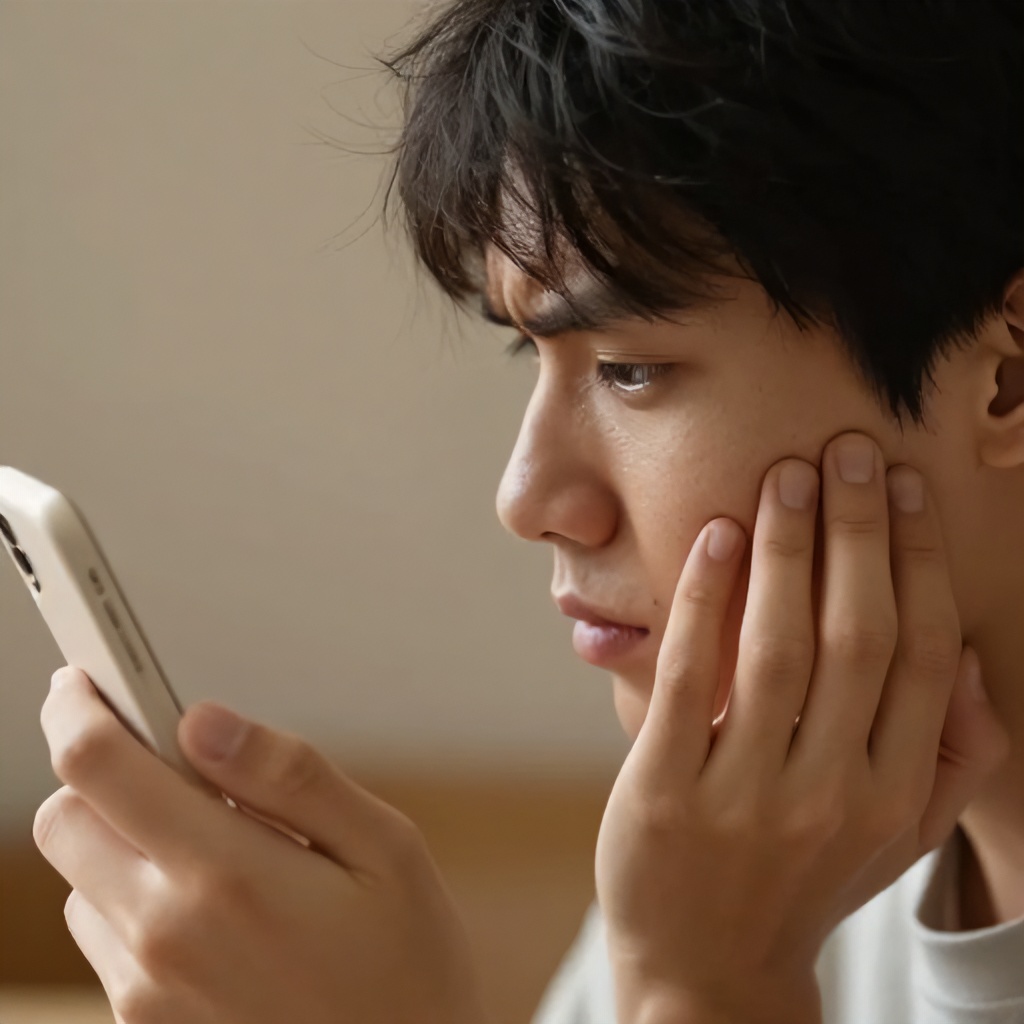
Gentle Cleansing is Key
Washing your face twice a day with a mild, non-comedogenic cleanser is fundamental. Avoid harsh scrubbing, which can irritate your skin and worsen inflammation. Look for cleansers that contain ingredients like salicylic acid or benzoyl peroxide, which can help unclog pores and kill acne-causing bacteria. Over-washing can strip your skin of its natural oils, leading to a rebound effect of even more oil production.
The Power of Topical Treatments
Over-the-counter (OTC) topical treatments are often the first line of defense. These include creams, lotions, and gels that you apply directly to the affected areas. Key ingredients to look for are:
- Salicylic Acid: This beta-hydroxy acid (BHA) exfoliates inside the pore, helping to dissolve pore blockages and reduce inflammation. It’s excellent for blackheads and whiteheads.
- Benzoyl Peroxide: This ingredient kills acne-causing bacteria (P. acnes) and helps to reduce inflammation. It’s effective for inflammatory pimples. Start with a lower concentration (2.5% or 5%) to minimize dryness and irritation.
- Retinoids (like Adapalene): Available OTC in some formulations, retinoids are vitamin A derivatives that help prevent pores from becoming clogged and can improve skin texture over time. They can cause initial dryness and peeling, so it’s important to use them sparingly at first.
When to Seek Professional Help
If OTC treatments aren’t cutting it, or if you have severe or cystic acne, it’s time to consult a dermatologist. They can offer prescription-strength topical treatments, oral medications (like antibiotics or hormonal therapies for adult women), or in-office procedures.
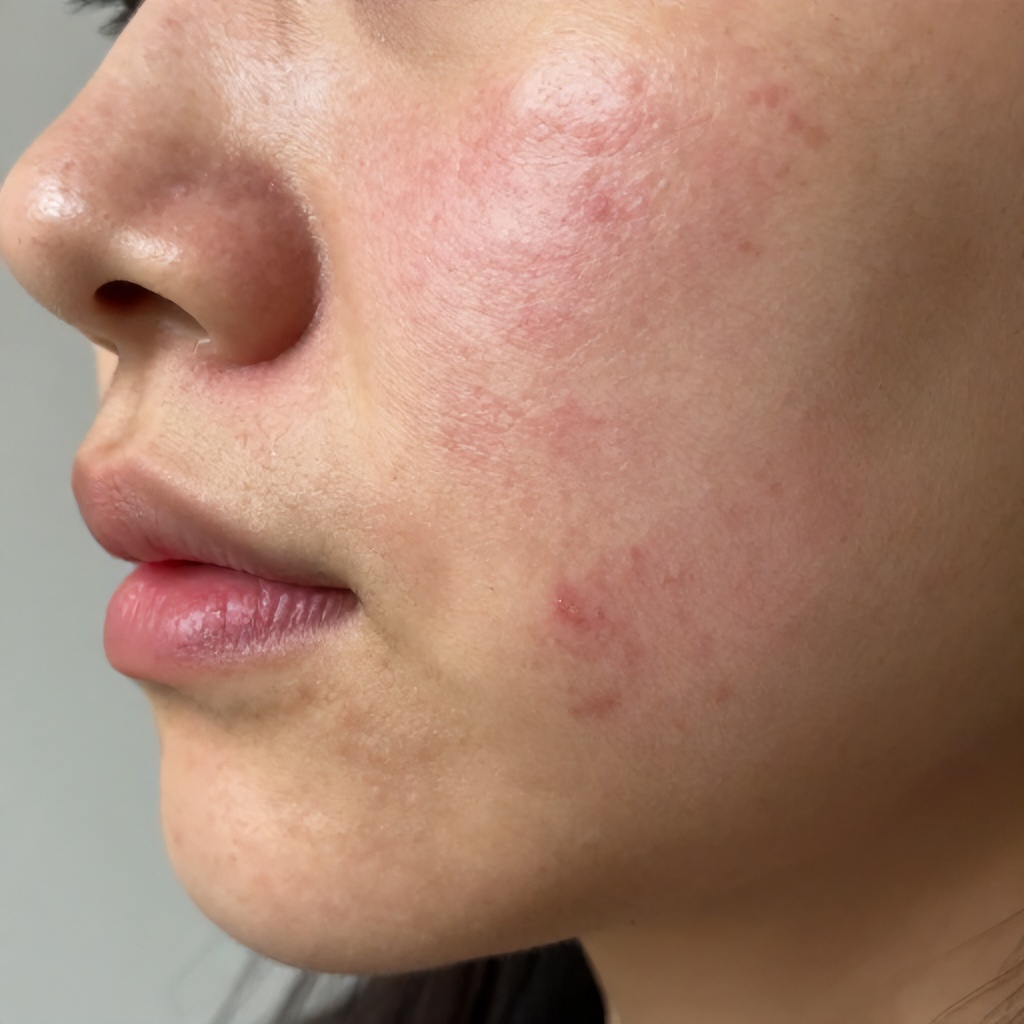
The Danger of Picking at Pimples
Resist the urge to pick, pop, or squeeze your pimples. This can push bacteria deeper into the skin, leading to more inflammation, infection, and the potential for permanent acne scars. It can also delay healing and increase the risk of spreading bacteria to other areas of your face.
Professional Extraction for Stubborn Blemishes
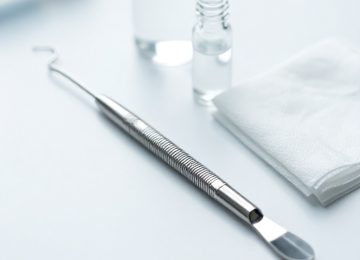
For blackheads and whiteheads that just won’t budge, a dermatologist or licensed esthetician can perform professional extraction. This is done with sterile instruments in a controlled environment, significantly reducing the risk of infection and scarring compared to DIY attempts. This is a much safer approach than attempting to use a beauty tool at home without proper training.
Addressing Specific Acne Concerns
Acne isn’t one-size-fits-all. Different types of acne and individual skin concerns require tailored approaches.
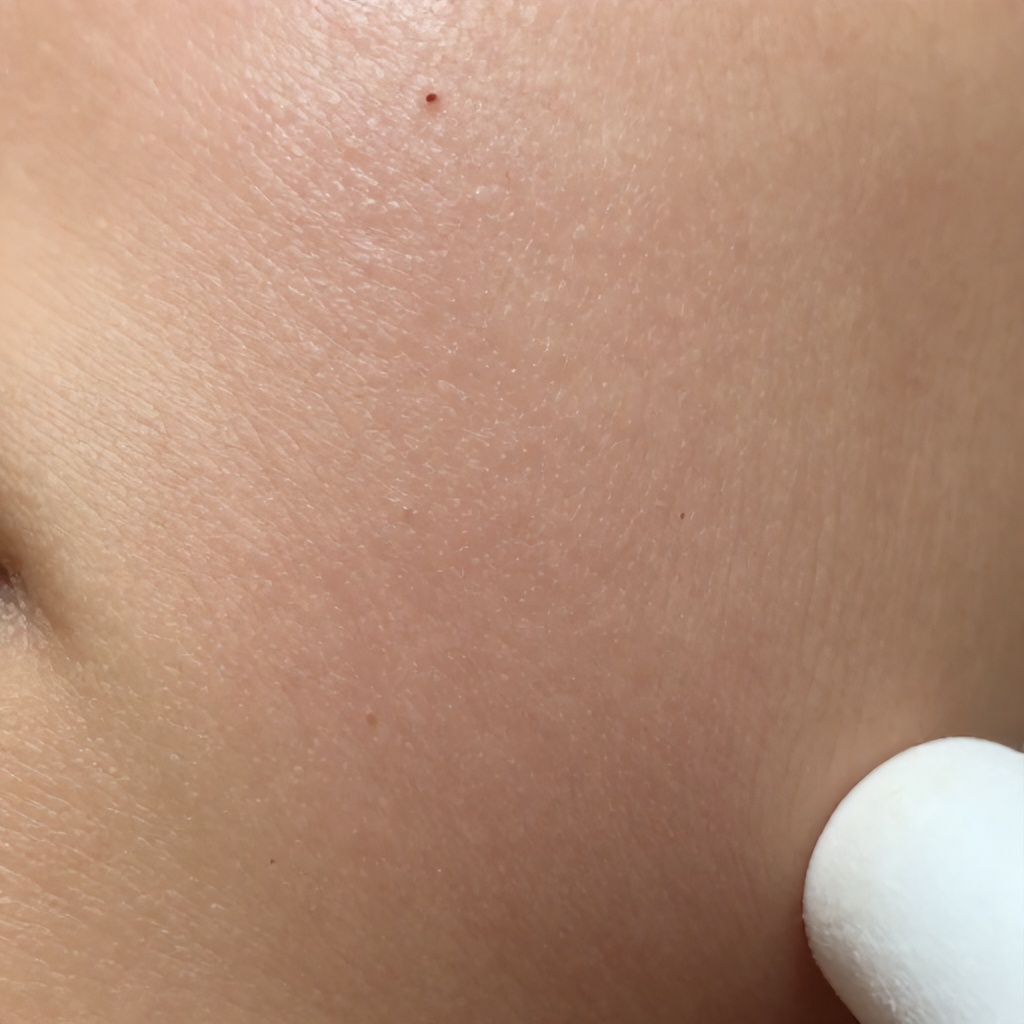
Tackling Hormonal Acne
For adult women experiencing hormonal acne, especially around the jawline and chin, a dermatologist might recommend hormonal therapies. This can include birth control pills or spironolactone, which help regulate androgen levels that contribute to excess oil production. Topical treatments can also be effective, but addressing the hormonal imbalance is often key.
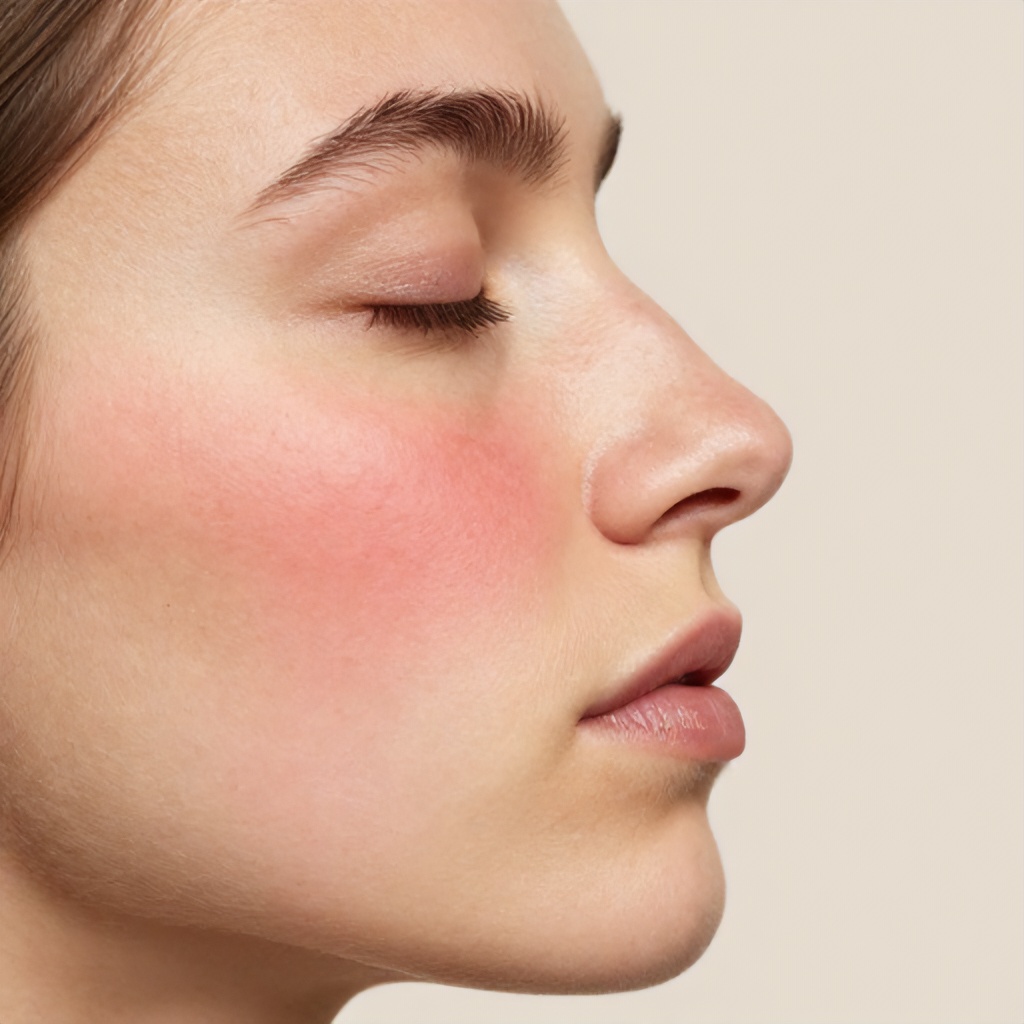
Managing Redness and Inflammation
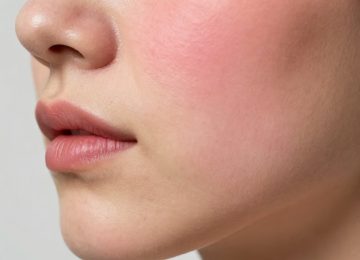
Inflamed pimples often appear red and raised. Ingredients like niacinamide, green tea extract, and centella asiatica (cica) can help calm the skin and reduce redness. Cool compresses can also provide temporary relief. Prescription topical corticosteroids might be used for severe inflammation, but this is typically a short-term solution.
Dealing with Acne Scars
Once active breakouts are under control, you might be left with acne scars. These can range from dark spots (post-inflammatory hyperpigmentation) to pitted or raised scars. Treatments for acne scars include:
- Topical treatments: Vitamin C, retinoids, and alpha-hydroxy acids (AHAs) can help fade dark spots and improve skin texture.
- Chemical peels: These use acids to remove the outer layers of skin, revealing smoother, less scarred skin underneath.
- Microneedling: This procedure uses tiny needles to create micro-injuries in the skin, stimulating collagen production and improving scar appearance.
- Laser therapy: Different types of lasers can target pigment, resurface the skin, and stimulate collagen.
It often takes a combination of treatments to achieve the best results for acne scars.
Lifestyle Factors That Influence Acne
What you do outside of your skincare routine can have a significant impact on your skin.
Diet and Hydration
While the link between diet and acne is complex and varies from person to person, some studies suggest that high-glycemic index foods (like white bread and sugary drinks) and dairy might trigger breakouts in some individuals. Staying well-hydrated is always beneficial for overall skin health. Focusing on a balanced diet rich in fruits, vegetables, and whole grains supports healthy skin from the inside out.
Stress Management
Stress can wreak havoc on your skin. When you’re stressed, your body releases cortisol, a hormone that can increase oil production and inflammation. Finding healthy ways to manage stress, such as exercise, meditation, yoga, or spending time in nature, can indirectly help improve your complexion. Making self-care a priority is essential.
Sleep and Skin Health
Getting adequate sleep (7-9 hours per night) is vital for skin repair and regeneration. During sleep, your body works to heal and restore itself, including your skin. Lack of sleep can exacerbate inflammation and make existing acne worse. Creating a consistent sleep schedule can contribute to clearer skin.
Hygiene Habits
Regularly washing your face, cleaning your phone screen, and changing your pillowcases can help reduce the spread of bacteria and oil that can contribute to breakouts. Be mindful of touching your face throughout the day, as this can transfer dirt and germs. Avoid using dirty makeup brushes or beauty tools that can harbor bacteria.
The Emotional and Social Impact of Acne
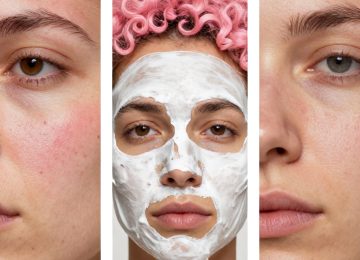
It’s important to acknowledge that acne is more than just a physical condition; it can deeply affect how we feel about ourselves and how we interact with the world. The constant presence of skin imperfections, especially when viewed under a magnified view, can lead to feelings of self-consciousness. This can make social engagements feel daunting and even impact performance in professional environments where first impressions matter. For teenagers, acne can be particularly challenging as they navigate identity and peer relationships. For seasoned professionals, it can feel like an unwelcome reminder of adolescence, impacting confidence in high-stakes situations.
The desire for clear skin is often tied to a desire for increased self-esteem and a feeling of normalcy. When acne is well-managed, individuals often report feeling more comfortable in their own skin, leading to greater social ease and a boost in overall happiness. Remember, you are not alone in this struggle, and seeking support, whether from friends, family, or a healthcare professional, is a sign of strength.
Your Action Plan for Clearer Skin
Taking control of your acne involves a consistent and informed approach. Here’s a step-by-step plan to get you started:
- Assess Your Acne: Understand the type of acne you have (blackheads, pimples, cysts) and where it typically appears.
- Start with Gentle Basics: Implement a consistent cleansing routine with a mild cleanser and lukewarm water.
- Incorporate Targeted Treatments: Introduce OTC topical treatments with ingredients like salicylic acid or benzoyl peroxide. Start slowly to gauge your skin’s reaction.
- Be Patient: It takes time to see results. Stick with your routine for at least 4-6 weeks before deciding if a product isn’t working.
- Hydrate and Protect: Use a lightweight, non-comedogenic moisturizer and wear sunscreen daily, as many acne treatments can make your skin more sensitive to the sun.
- Examine Lifestyle Factors: Consider your diet, stress levels, sleep habits, and hygiene. Make small, sustainable changes where needed.
- Consult a Professional: If your acne is persistent, severe, or causing significant distress, schedule an appointment with a dermatologist. They can provide personalized advice and prescription treatments.
- Prioritize Self-Care: Remember that your well-being is paramount. Managing acne is a marathon, not a sprint. Be kind to yourself throughout the process.
Achieving clearer skin is a journey, and with the right knowledge and consistent effort, you can significantly improve your complexion and your confidence. Embrace the process, celebrate small victories, and remember that healthy skin is beautiful skin.