Blackheads: What They Are and How to Deal With Them
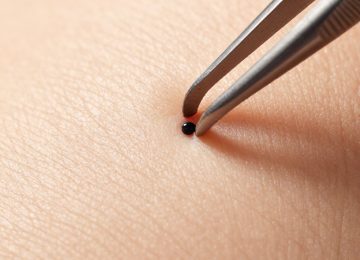
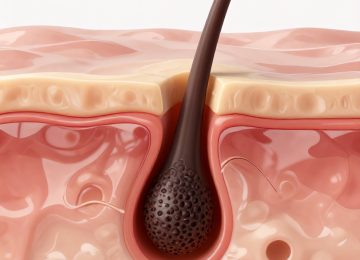
Blackheads aren’t actually dirt trapped in your pores; they’re a mix of dead skin cells and skin oils that have oxidized. That dark color comes from the sebum turning darker when it’s exposed to air, not from grime. While the surface can pick up some dirt and pollutants from things like smog, the gunk inside a blackhead is mostly your own skin’s stuff. Keeping your face clean is key to preventing them in the first place.
Understanding What Blackheads Are
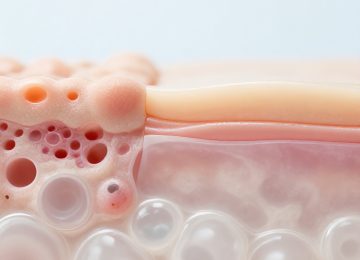
Think of your pores as tiny openings on your skin. They have a really important job: they’re where your hair grows from, and they also act as little highways for skin oils, called sebum, to travel to the surface. This sebum is like your skin’s natural moisturizer, protecting it and keeping it healthy. An average adult has around 20,000 pores on their face alone!
Sometimes, these pores can get clogged. When sebum and dead skin cells team up and block a pore, it can lead to a few different types of blemishes. If the pore stays closed off, it might form a whitehead. But if the pore opens up to the air, the trapped sebum and dead cells get exposed. This is where the “blackhead” appears.
The “black” part isn’t dirt. It’s the sebum itself reacting with the oxygen in the air, much like a cut apple turns brown. This oxidation process darkens the plug inside the pore. While the outer layer of a blackhead can certainly come into contact with external dirt and pollution from things like smog, this doesn’t actually cause the blackhead itself. The gunk inside is primarily your skin’s own production.

Why Blackheads Form
So, how do these little dark spots pop up? It all comes down to what’s happening inside your pores. Your skin naturally produces sebum, an oily substance that’s essential for keeping your skin hydrated and protected. At the same time, your skin is constantly shedding dead cells. Normally, these dead cells and excess sebum make their way out of your pores.
However, sometimes these two things can get a bit stuck. When dead skin cells and sebum accumulate and form a plug within a pore, it creates a blockage. If this plug is exposed to the air, it oxidizes and turns dark, becoming a blackhead. It’s a common form of acne, and it’s not necessarily a sign of poor hygiene.
Factors like hormonal changes, genetics, and even certain skincare products can influence how much sebum your skin produces and how quickly your skin cells shed, all of which can contribute to blackhead formation. Environmental factors like smog and pollutants can also play a role, though they’re more likely to affect the surface of the plug rather than being the primary cause.
Blackheads vs. Other Acne Types
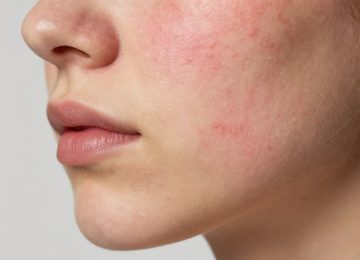
It’s helpful to know how blackheads fit into the broader picture of acne. A blackhead is technically a type of non-inflammatory acne lesion. Unlike a pimple or a pustule, blackheads don’t typically get red, swollen, or painful. This is because the pore isn’t as inflamed.
A whitehead, on the other hand, is also a clogged pore, but it’s covered by a thin layer of skin. This prevents the sebum from oxidizing, so it stays white or yellowish. When bacteria get involved in a clogged pore, that’s when you can get those red, inflamed bumps we often call pimples or pustules. So, while blackheads are a type of acne, they’re generally less severe than inflammatory acne.
What You Can Do About Blackheads
The good news is that there are many effective ways to manage and reduce the appearance of blackheads. It starts with a consistent skincare routine.
Face Cleansing: Your First Line of Defense
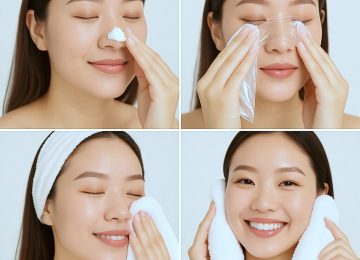
Regular and proper face cleansing is absolutely essential for preventing blackheads. Washing your face twice a day, once in the morning and once at night, helps to remove excess oil, dirt, and dead skin cells before they have a chance to clog your pores. Use a gentle cleanser that’s suitable for your skin type.
Avoid harsh scrubbing, which can irritate your skin and potentially make acne worse. Instead, focus on gentle massage motions to lift away impurities. After cleansing, pat your skin dry with a clean towel.
Exfoliation: Unclogging the Pores
Exfoliation is a powerful tool for tackling blackheads. It helps to remove the buildup of dead skin cells that can contribute to pore blockages. There are two main types of exfoliation:
-
Chemical Exfoliants: These use acids to break down the bonds between dead skin cells. Ingredients like salicylic acid and glycolic acid are fantastic for this. Salicylic acid is particularly effective because it’s oil-soluble, meaning it can penetrate into your pores to help dissolve the clog from within. Glycolic acid is great for surface exfoliation and can help improve skin texture.
-
Physical Exfoliants: These involve using a scrub with fine particles to manually slough away dead skin cells. While some people find these satisfying, it’s important to use them gently to avoid micro-tears in the skin.
Incorporating an exfoliating product into your routine once or twice a week can make a significant difference in keeping your pores clear and reducing the appearance of blackheads.
Targeted Treatments for Blackheads
Beyond general cleansing and exfoliation, there are specific treatments that can help. Products containing salicylic acid are often recommended for their ability to get into the pores and clear out blockages. You might find them in cleansers, toners, or spot treatments.
Retinoids, which are derivatives of vitamin A, are also very effective. They help to speed up cell turnover, preventing dead cells from accumulating and clogging pores. They can also help to thicken the epidermis, making pores appear smaller over time.
Professional Treatments and Procedures
For persistent blackheads, professional treatments can be beneficial. A dermatologist or esthetician can perform deep pore cleansing, which involves safely extracting blackheads. They might also recommend treatments like chemical peels or microdermabrasion, which provide more intensive exfoliation.
Some people explore treatments like dermarolling. This involves using a device with tiny needles to create microscopic punctures in the skin, which can stimulate collagen production. Increased collagen can lead to firmer, more resilient skin, which in turn can make pores appear less noticeable. However, it’s important to have dermarolling done by a professional to ensure safety and effectiveness.
Can You Shrink Pores?
It’s a common desire to want to shrink pores, and while you can’t fundamentally change the size of your pores (they’re determined by genetics and the structure of your skin), you can make them appear smaller. When pores are clogged with sebum and dead cells, they stretch and look larger. By keeping them clean and clear through regular skincare, you can reduce this stretching effect.
Furthermore, treatments that boost collagen production, like retinoids and certain professional procedures, can help firm up the skin around the pores, making them look tighter and less prominent. A healthy, plump skin barrier can give the illusion of smaller pores.
The Sun’s Role in Pore Appearance
This is a truth that often gets overlooked, especially during sunny months: UV rays can actually make your pores look larger. When your skin is exposed to too much sun, the collagen that supports your pores and keeps them firm can be weakened. As the skin loses elasticity around the pores, they can appear to widen.
This is precisely why wearing sunscreen every single day is non-negotiable. Protecting your skin from the damaging effects of UV rays helps to maintain its structure and elasticity, which in turn helps your pores look their best. So, never skip that sunscreen!
The sun can definitely contribute to skin aging, and this aging process can impact the appearance of your pores. By being diligent with sun protection, you’re not just preventing sunburn; you’re investing in the long-term health and appearance of your skin, including how your pores look.
Acne Positivity and Self-Care
It’s also important to remember that acne, including blackheads, is incredibly common. Many people experience it at some point in their lives, and it doesn’t define your worth or your beauty. Practicing acne positivity means accepting your skin, even with its imperfections, and focusing on gentle, effective care rather than striving for an unrealistic ideal.
Your skincare routine should be a form of self-care, not a source of stress. Find products and practices that make you feel good and that are kind to your skin. Celebrate the progress you make, and be patient with yourself. Healthy skin is a journey, not a destination.
Are blackheads the same as dirt?
No, blackheads are not dirt. They are a mixture of dead skin cells and oxidized skin oils (sebum) that have become trapped in a pore and exposed to the air, causing them to darken.
Can I squeeze blackheads?
While it can be tempting, squeezing blackheads is generally not recommended. It can push bacteria deeper into the skin, leading to inflammation, infection, and potentially scarring. It’s better to use targeted skincare treatments or seek professional extraction.
How often should I exfoliate for blackheads?
For most people, exfoliating once or twice a week is sufficient for managing blackheads. Over-exfoliating can irritate the skin and worsen acne. Listen to your skin and adjust as needed.
Tip: Double Cleansing for Stubborn Blackheads
If you wear makeup or sunscreen, consider double cleansing. Start with an oil-based cleanser or micellar water to break down makeup and sebum, followed by a water-based cleanser to remove any remaining impurities. This thorough approach can be very effective in preventing pore blockages.
Warning: Avoid Harsh Scrubs
While exfoliation is important, avoid harsh physical scrubs with large, jagged particles. These can cause micro-tears in the skin, leading to irritation and potentially worsening acne. Opt for gentle chemical exfoliants or finely milled physical exfoliants.