How to Safely Use Hydrogen Peroxide for Blackhead Removal
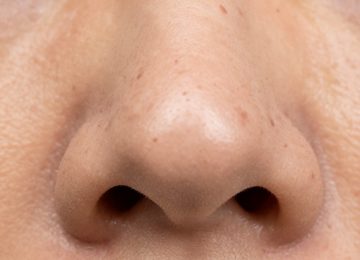
Hydrogen peroxide can be a helpful tool for tackling blackheads, acting as a chemical compound that aids in skin improvement. It’s a well-known remedy for various skin concerns, and when used correctly, it can be an effective part of your skincare routine for blackhead removal.

This article breaks down what hydrogen peroxide is, why it might help with blackheads, and exactly how to use it safely to achieve clearer skin.
Can You Use Hydrogen Peroxide for Blackheads?
Hydrogen peroxide, a simple peroxide chemical compound, has been utilized for a range of skin issues, including blackheads. It’s generally considered safe when applied appropriately.
The compound works by helping to remove dead skin cells, which can contribute to the formation of blackheads. By clearing away these cells, it can eventually help in reducing the appearance of blackheads and other minor skin imperfections.

Beyond exfoliation, hydrogen peroxide also offers protective benefits. It acts as an antiseptic and disinfectant, creating a cleaner environment on the skin’s surface.
Related Read: Face Masks for Acne Scars
How to Use Hydrogen Peroxide for Blackheads
1. Diluted Hydrogen Peroxide for Blackhead Treatment
Even with a diligent skincare routine, blackheads can be a persistent concern for many. Fortunately, using diluted hydrogen peroxide can be a straightforward step towards their removal.
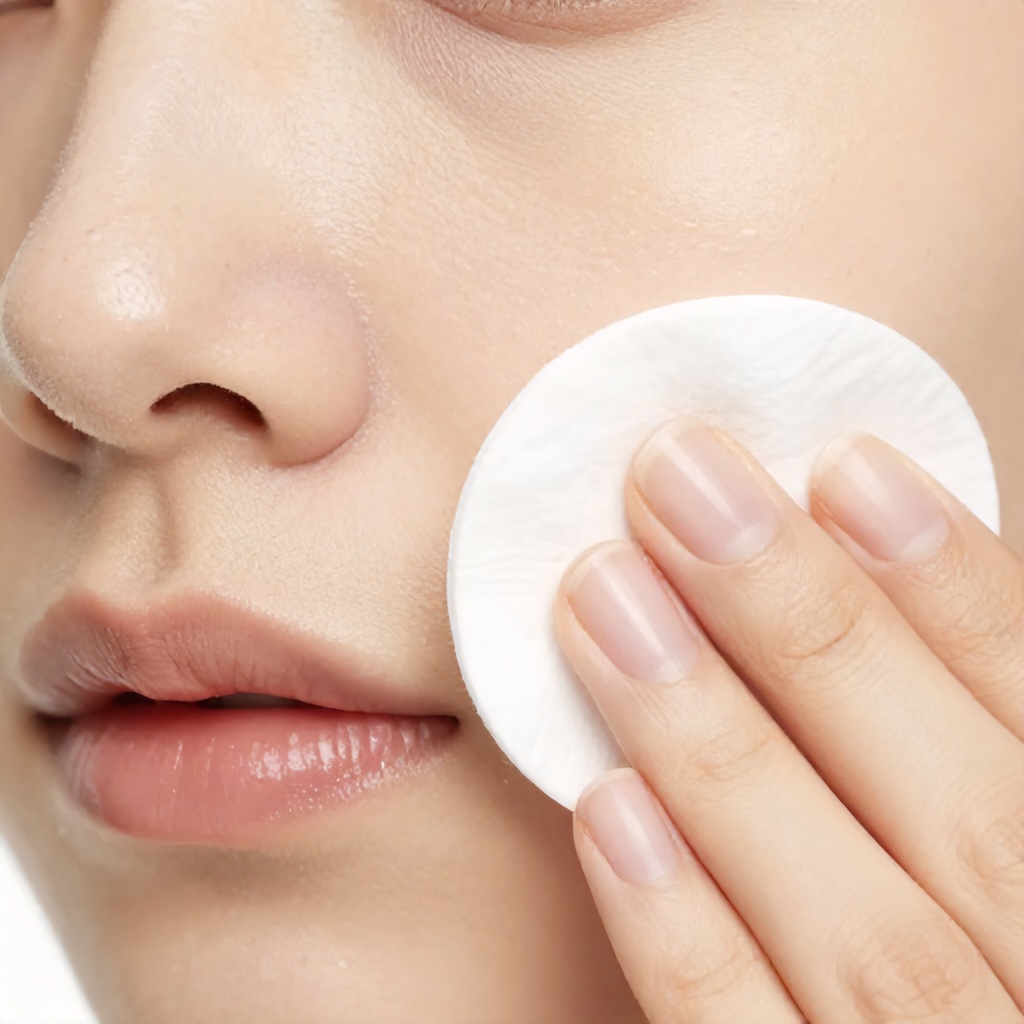
Here’s a simple method to try:
- Begin by thoroughly cleansing your face. This removes excess oil, dirt, and any lingering bacteria that could worsen breakouts.
- Next, gently exfoliate the areas where you have blackheads. This helps to loosen the debris within the pores.
- Soak a cotton ball with a small amount of diluted hydrogen peroxide. Make sure it’s damp, not dripping wet.
- Gently dab the cotton ball directly onto your blackheads. Avoid rubbing vigorously.
- Finish by applying a moisturizer. Opt for something nourishing like olive oil or avocado oil, which can help protect your skin after treatment.
This process works by cleaning the skin and allowing the diluted hydrogen peroxide to help break down the material causing the blackheads.
Aim to repeat this treatment up to three times a week, allowing your skin time to recover between applications.
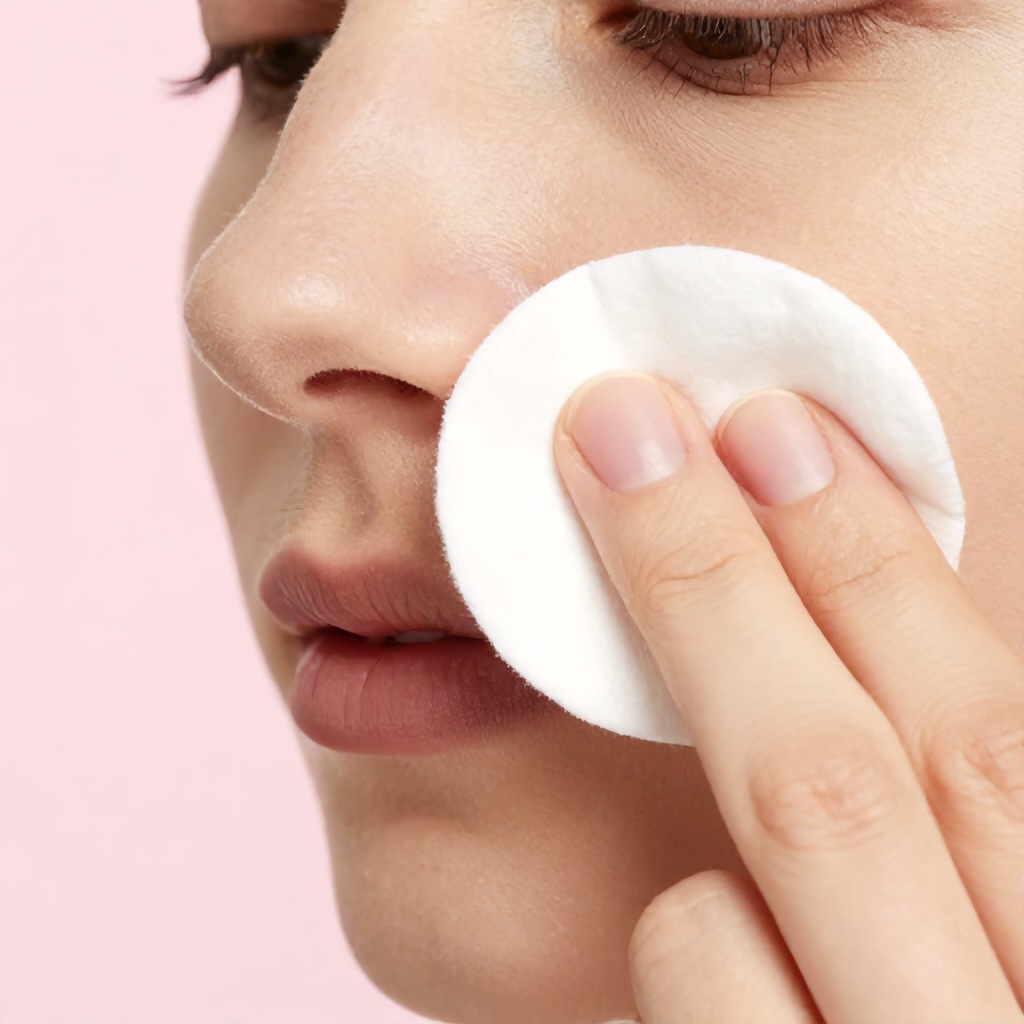
Important Note: Hydrogen peroxide can have a drying effect on the skin. Always remember to moisturize afterward to prevent excessive dryness and irritation.
Related Read: Homemade Blackhead Removal Mask
2. Baking Soda and Hydrogen Peroxide for Blackheads
Baking soda is another ingredient often praised for its skin benefits. When combined with hydrogen peroxide, it can create a potent mixture for blackhead removal and can contribute to a more glowing complexion.
Here’s how to prepare and use this effective combination:
Ingredients:
- Baking soda
- Hydrogen peroxide
Preparation Time: 3-5 minutes
Procedure:
In a small bowl, mix one teaspoon of baking soda with one teaspoon of hydrogen peroxide. Stir until you achieve a paste-like consistency. If it’s too thick, add a tiny bit more hydrogen peroxide; if it’s too thin, add a little more baking soda.
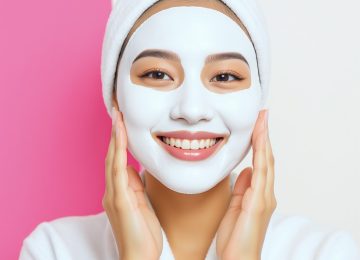
Once you have your paste, apply it directly to the areas affected by blackheads. Gently massage the paste into your skin using circular motions. Leave the mask on for about 5-10 minutes. You might feel a slight tingling sensation, which is normal.
After the allotted time, rinse your face thoroughly with lukewarm water. Pat your skin dry with a clean towel.
This mask works twofold: the baking soda acts as a gentle exfoliant, scrubbing away dead skin cells and impurities, while the hydrogen peroxide helps to disinfect and break down the pore-clogging material. The combination can leave your skin feeling smoother and looking brighter.
You can use this mask once or twice a week. Be mindful of your skin’s reaction; if you experience any significant redness or irritation, reduce the frequency or discontinue use.
Skin Care Tips: Always perform a patch test on a small, inconspicuous area of your skin before applying any new treatment to your entire face, especially if you have sensitive or acne-prone skin.
3. Hydrogen Peroxide with a Gentle Cleanser
For those with slightly more sensitive skin, incorporating hydrogen peroxide into your existing cleanser can be a gentler approach to tackling blackheads.
Ingredients:
- Your regular facial cleanser
- Diluted hydrogen peroxide (3% solution is standard)
Procedure:
In the palm of your hand, combine a small amount of your usual facial cleanser with just a few drops of diluted hydrogen peroxide. Mix them together well.
Apply this mixture to your damp face and gently massage it in, focusing on areas prone to blackheads. Be careful to avoid the delicate eye area.
Rinse your face thoroughly with cool water and pat dry.
This method allows the cleansing properties of your regular product to work alongside the mild antiseptic and exfoliating action of hydrogen peroxide, offering a less intense but still effective way to manage blackheads.
Use this cleanser mixture no more than twice a week, and always follow up with a good moisturizer to keep your skin hydrated.
Warning: Never use undiluted hydrogen peroxide directly on your skin. Always dilute it with water or mix it with another product as instructed. High concentrations can cause burns, irritation, and skin damage.
4. Hydrogen Peroxide Spot Treatment
Sometimes, you just need to target those stubborn individual blackheads. A spot treatment using hydrogen peroxide can be effective for this.
Ingredients:
- Diluted hydrogen peroxide (3% solution)
- Cotton swab
Procedure:
Cleanse your face as usual.
Dip a clean cotton swab into the diluted hydrogen peroxide, ensuring it’s just damp.
Carefully apply the swab directly onto each individual blackhead. Hold it there for a few seconds.
Allow the area to air dry. You don’t need to rinse it off immediately, but if you feel any discomfort, you can rinse with cool water.
This targeted approach helps to dry out the blackhead and can aid in its eventual expulsion. Use this method sparingly, perhaps only on the most stubborn spots, and no more than once a day.
Remember to moisturize your skin afterward, especially if you notice any dryness.
Best Blackhead Removers: While hydrogen peroxide can be effective, consider incorporating other proven blackhead removal methods into your skincare routine, such as salicylic acid cleansers or clay masks, for a well-rounded approach.
Important Considerations for Using Hydrogen Peroxide
While hydrogen peroxide can be a useful ally in your fight against blackheads, there are a few crucial points to keep in mind for safe and effective use. It’s not a miracle cure for all acne types, and it’s essential to listen to your skin.
Patch Testing is Key: Before applying any hydrogen peroxide mixture to your face, always do a patch test. Apply a small amount to an inconspicuous area, like behind your ear or on your inner forearm. Wait 24 hours to check for any signs of irritation, redness, or allergic reaction. If you experience any adverse effects, do not use it on your face.
Dilution is Non-Negotiable: The standard 3% hydrogen peroxide solution found in most drugstores is already a diluted form. However, for facial use, it’s often recommended to dilute it further with an equal part of water. Never apply undiluted hydrogen peroxide to your skin, as it can cause chemical burns and significant irritation.
Frequency Matters: Overuse of hydrogen peroxide can strip your skin of its natural oils, leading to dryness, redness, and increased sensitivity. Start with using it only once or twice a week and observe how your skin responds. Adjust the frequency based on your skin’s tolerance.
Moisturize, Moisturize, Moisturize: As mentioned, hydrogen peroxide has a drying effect. This is why moisturizing after each application is vital. A good moisturizer will help to replenish lost hydration and support your skin barrier, preventing flakiness and discomfort.
Sun Sensitivity: Some individuals may find their skin becomes more sensitive to the sun after using hydrogen peroxide. It’s always a good practice to wear sunscreen daily, but be extra diligent if you’re incorporating hydrogen peroxide into your skincare routine.
Not for All Skin Types: If you have very dry, sensitive, or compromised skin (e.g., eczema, rosacea), hydrogen peroxide might not be the best option for you. It’s always wise to consult with a dermatologist if you have underlying skin conditions or are unsure about using a particular ingredient.
Acne Positivity: Remember that everyone’s skin is different, and what works for one person might not work for another. Embrace your skin’s journey, and focus on gentle, consistent care rather than harsh treatments. Scars can fade over time, and healthy skin is the ultimate goal.
By following these guidelines, you can safely explore hydrogen peroxide as a potential remedy for blackheads and work towards clearer, healthier-looking skin.
Frequently Asked Questions About Hydrogen Peroxide and Blackheads
Q: Can hydrogen peroxide permanently remove blackheads?
A: Hydrogen peroxide can help reduce the appearance of blackheads by exfoliating dead skin cells and potentially killing acne-causing bacteria. However, blackheads are caused by pores becoming clogged with oil and dead skin cells, which can happen repeatedly. Consistent, gentle skincare is key to managing them long-term, rather than expecting a permanent removal from a single ingredient.
Q: How long does it take to see results from using hydrogen peroxide for blackheads?
A: Results can vary from person to person. Some individuals might notice a slight improvement in the appearance of blackheads within a few days of consistent use, while others may take a couple of weeks. It’s important to be patient and observe your skin’s response.
Q: Can hydrogen peroxide help with acne scars?
A: While hydrogen peroxide’s primary action is on active blackheads and surface debris, its exfoliating properties might indirectly contribute to improving the appearance of very superficial acne scars over time by promoting cell turnover. However, for more significant acne scars, other treatments specifically designed for scar revision are generally more effective.
Q: Is it safe to use hydrogen peroxide on acne-prone skin?
A: Yes, it can be safe for acne-prone skin when used correctly and in diluted form. Its antiseptic properties can help combat acne-causing bacteria. However, acne-prone skin can sometimes be sensitive, so always start with a low concentration, dilute it, and monitor for any signs of irritation. If your acne is severe or persistent, consulting a dermatologist is recommended.