Understanding the Basics of Manual Extraction
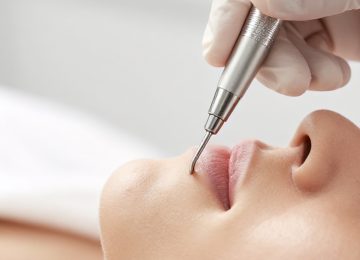
Safe blackhead removal requires a sterile approach and a light touch to prevent permanent scarring or broken capillaries. Using a comedone extractor is a common method for clearing pore congestion, but it must be performed with precision to protect your skin barrier. When you apply too much pressure, you risk pushing bacteria deeper into the dermis, which often leads to inflammation or secondary breakouts. Focus your efforts on open comedones—those dark, visible spots—rather than deep, painful cysts that require professional dermatological care.
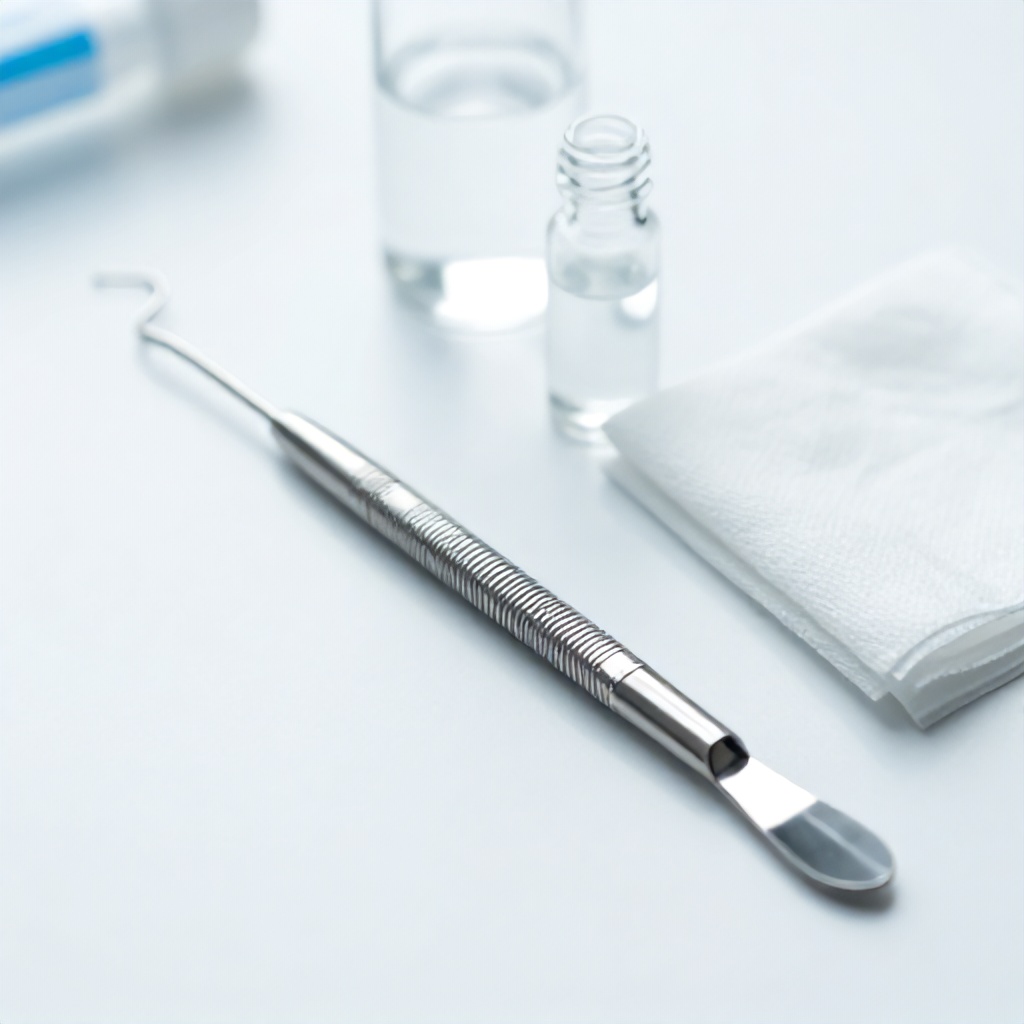
Before touching your skin, your hands and your tools must be completely sanitized. Rubbing alcohol is the standard for disinfecting any skincare instrument. If you skip this step, you are effectively introducing new bacteria to your pores. Cleanliness is the foundation of effective epidermal care. If you are prone to scarring or have active acne, it is better to skip manual extraction entirely and rely on chemical exfoliants like salicylic acid to manage pore health.
Choosing the Right Comedone Extractor
Not all tools are created equal. You will find various shapes and sizes on the market, but the most versatile option is a dual-ended stainless steel tool. One end typically features a thin wire loop, while the other might have a small, flat spoon shape. Stainless steel is essential because it is non-porous and can be sterilized repeatedly without rusting or degrading.
Selecting Your Tool
- Look for high-grade surgical stainless steel to avoid metal allergies or skin irritation.
- Choose a tool with a textured grip to ensure it does not slip while you are working on sensitive areas.
- Avoid plastic tools, as they are difficult to sanitize properly and can harbor bacteria in microscopic scratches.
Keep your collection simple. You do not need a massive kit with ten different shapes. A single, well-made instrument is enough for regular pore maintenance. If the edges of the loop are sharp or jagged, discard the tool immediately. A quality dermatological tool should have smooth, rounded edges that glide over the skin surface without cutting it.
Step-by-Step Extraction Process
Preparation is the most important phase of the process. You need to soften the sebum inside the pore to make extraction easier. A warm shower or a steam session for five minutes will do the trick. This relaxes the skin and opens the follicle, allowing the plug to release with minimal force. Do not attempt to use these tools on dry, cold skin, as this will cause unnecessary trauma and bruising.
- Cleanse your face thoroughly with a gentle, pH-balanced cleanser to remove makeup, oil, and surface debris.
- Sanitize your tool by soaking it in 70 percent isopropyl alcohol for at least two minutes.
- Place the loop of the extractor directly over the center of the blackhead.
- Apply gentle, even pressure downward. If the plug does not release after one or two tries, stop.
- Wipe the extracted material off the tool with a fresh cotton pad after every single pass.
- Apply a soothing, alcohol-free toner or a spot treatment to the area once you finish.
Be patient with your skin. If a blackhead is stubborn, it is not ready to be removed. Forcing it will only result in a red, swollen mark that takes much longer to heal than the original blackhead. True skin clarity comes from consistency, not aggressive, once-a-month deep cleaning sessions.
Managing Sebaceous Filaments Versus Blackheads
Many people mistake sebaceous filaments for blackheads. Sebaceous filaments are a natural part of your skin structure; they are tiny, greyish, or tan dots that help channel oil to the surface of your skin. If you squeeze them out, they will almost always return within a few days. Removing them aggressively is a common mistake that can permanently stretch your pores, making them appear larger over time.
Blackheads are true clogs, usually darker in color and slightly raised. When you use a facial tool, focus only on these blockages. If you are unsure, look for a firm, hard plug. If the substance that comes out is soft, stringy, or clear, you are likely dealing with a sebaceous filament and should leave it alone. Prioritize pore maintenance through topical skincare like retinoids or niacinamide instead of constant manual extraction.
Post-Extraction Care and Healing
Your skin will be sensitive after you use a comedone extractor. Avoid harsh actives like high-strength vitamin C, glycolic acid, or physical scrubs for at least 24 hours. Your primary goal is to calm the inflammation and restore the barrier. Use a simple, fragrance-free moisturizer to lock in hydration and prevent the skin from overproducing oil as a defensive response to the pressure.
Ice can be a helpful tool if you notice slight redness or swelling after your session. Wrap a clean ice cube in a thin, sterile cloth and gently press it against the area for thirty seconds. This helps constrict the blood vessels and reduces the appearance of irritation. Keep your hands away from your face for the rest of the day to avoid transferring bacteria to the treated spots.
Signs You Should Stop Manual Extraction
There are specific scenarios where manual extraction is counterproductive. If you have active, inflamed acne, pustules, or cysts, do not use a tool. These conditions are bacterial infections, and applying pressure will spread the infection to surrounding follicles, potentially causing a larger breakout. Dermatological hygiene dictates that you should only work on non-inflamed, stable clogs.
Watch for signs of broken capillaries, which look like tiny, spider-web-like red lines on the skin. This is a sign that you are applying too much force. Once these vessels are damaged, they do not go away on their own and often require professional laser treatment to correct. If you find yourself needing to press hard, put the tool down. Your skincare routine should be doing the heavy lifting, not your manual effort.
Integrating Tools into a Long-Term Routine
Think of your extraction tool as a rare emergency measure rather than a daily habit. If you find yourself reaching for it every day, your current skincare products are likely failing to address the root cause of your pore congestion. A consistent routine using salicylic acid as a chemical exfoliant will dissolve the glue holding dead skin cells and oil together inside the pore. This makes the occasional extraction much easier and less frequent.
Maintain your tools by storing them in a clean, dry case. Never leave them sitting out on a bathroom counter where they can collect dust or moisture from the shower. Once a month, give them a deep clean with a small brush and soap before sanitizing them with alcohol. When the metal begins to show signs of wear, such as scratches or tarnishing, replace the tool. A degraded tool can harbor bacteria that are impossible to fully eliminate, putting your skin health at risk.
Focusing on skin texture and clarity is a marathon, not a sprint. By using your tools sparingly and prioritizing the health of your moisture barrier, you can achieve a refined look without the damage associated with improper extraction. Listen to your skin, observe how it reacts to different techniques, and adjust your approach accordingly. Gentle, informed care is the most effective way to manage your pores and maintain a healthy, clear complexion.