Finding a flesh-colored sebaceous cyst behind the ear often triggers immediate concern, though these bumps are almost always benign skin lesions. This specific area, known as the postauricular region, is a common site for these growths because of the high concentration of oil glands and the tendency for skin to fold against the skull. While they might look alarming when you catch a glimpse in the mirror, they are typically slow-growing, non-cancerous growths that do not pose a threat to your overall health.
Understanding the Anatomy of a Skin Cyst
A sebaceous cyst is a term people often use loosely, but medical professionals usually classify these as an epidermoid cyst or a keratin cyst. These bumps form when skin cells that should be shedding move deeper into the skin instead of sloughing off the surface. These trapped cells continue to multiply and produce keratin, a thick, yellow, cheese-like protein. As this material accumulates within a sac, it creates a palpable mass that feels firm yet slightly movable under the skin.
The skin behind the ear is particularly prone to this process. It is a warm, moist environment where sweat and sebum naturally collect. When a hair follicle or a pore becomes blocked, the natural exit route for oil and dead skin cells is cut off. The result is a rounded protrusion that can range from the size of a pea to a large marble. Because the skin in this area is thin, even a small dermal cyst can feel quite prominent to the touch.
Identifying the Characteristics
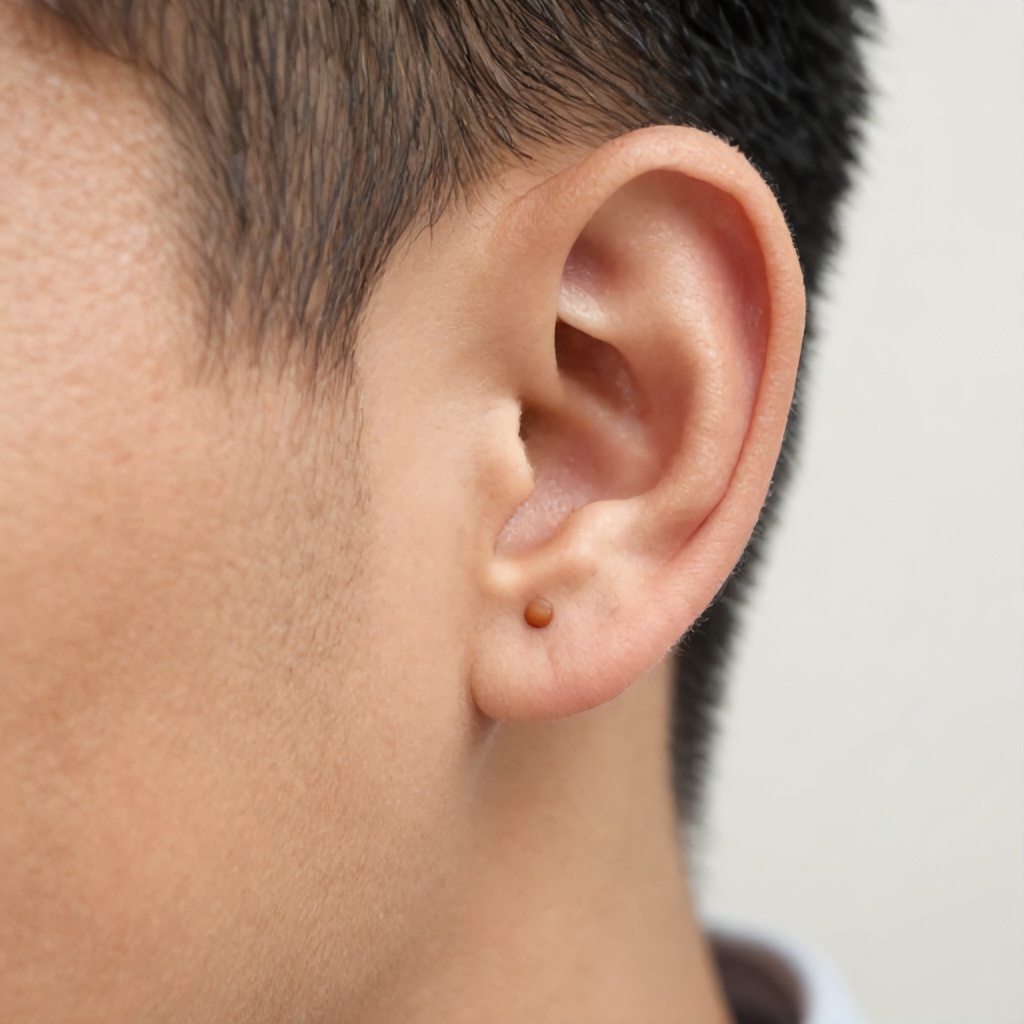
You can usually identify a benign skin growth by its physical properties. Most people notice a flesh-colored lump that feels smooth to the touch. Unlike a pimple, which has a clear opening and often comes to a head, a cyst is a closed sac. It does not have a pore you can squeeze, and attempting to pop it usually leads to inflammation or infection rather than relief.
- The surface is typically smooth and matches your natural skin tone.
- It feels like a small, firm ball sitting just beneath the surface.
- Movement is usually possible; if you press gently, the lump shifts slightly under the skin.
- There is rarely pain unless the area becomes irritated by glasses, jewelry, or clothing.
- The growth rate is extremely slow, often taking months or years to reach a noticeable size.
Why These Growths Form Behind the Ear
The postauricular mass is a frequent complaint in dermatology clinics. Several factors contribute to why this specific location is a hotspot for skin conditions. First, the anatomy of the ear creates a natural crease where moisture and bacteria can linger. Second, the skin behind the ear is constantly subjected to friction from eyeglass arms, headphones, and even the straps of face masks. This constant rubbing can irritate the skin and encourage the formation of a subcutaneous lump.
Hormones also play a significant role in the development of these lesions. During periods of high hormonal activity, oil glands produce more sebum. This excess oil can clog the duct of a hair follicle, trapping the keratin inside. While anyone can develop an epidermoid cyst, they are more common in adults than in children. Genetics also influence your likelihood of developing them; some people simply have a higher predisposition to keratin buildup within their follicles.
Distinguishing Between Common Skin Bumps
Not every bump is a cyst. It is helpful to understand what else might appear in this area to avoid unnecessary panic. A lipoma, for instance, is a fatty growth that feels softer and more doughy than a firm keratin cyst. A lymph node can also swell behind the ear, usually in response to an infection in the throat or scalp. Unlike a cyst, a swollen lymph node is often tender and may fluctuate in size as your immune system fights off a cold or virus.
Dermatology experts emphasize that a true skin cyst is distinct because of its sac. If you have a bump that appeared overnight, it is likely an inflammatory reaction, such as a boil or an abscess, rather than a long-term dermal pathology. A cyst is a chronic, stable feature. If you notice the lump changing rapidly, turning red, or becoming hot to the touch, it is time to seek a professional opinion to rule out an infection.
When to Consult a Professional
Most of the time, a small, flesh-colored lump behind the ear is harmless and requires no intervention. However, there are specific scenarios where a visit to a doctor is necessary. If the cyst becomes infected, it will swell, turn bright red, and become painful. An infected cyst can form an abscess, which might require drainage or a course of antibiotics. Never attempt to drain a cyst at home, as this introduces bacteria into the sac and significantly increases the risk of scarring.
Another reason to see a professional is for cosmetic concerns. If the growth is in a visible spot or catches on your clothing, you might prefer to have it removed. A dermatologist can perform a simple excision in the office. This involves numbing the area, making a small incision, and removing the entire sac. Removing the sac is essential; if the sac remains, the cyst will almost certainly grow back over time.
The Process of Clinical Removal
- The doctor cleans the area thoroughly to prevent infection.
- A local anesthetic is injected to ensure you do not feel pain during the procedure.
- A small incision is made directly over the center of the lump.
- The surgeon carefully dissects the sac from the surrounding tissue.
- The wound is closed with a few tiny stitches, which are typically removed after a week.
Managing the Area at Home
If your cyst is small and asymptomatic, the best approach is often to leave it alone. Avoid the temptation to pick at it or squeeze it. The skin behind the ear is sensitive, and aggressive handling can lead to a secondary bacterial infection. Keep the area clean by washing it gently with a mild, fragrance-free cleanser during your daily shower. Pat the area dry with a clean towel rather than rubbing it.
If you wear glasses, check if the arm of the frame is pressing directly against the lump. Constant pressure can cause the cyst to become inflamed. You might consider adjusting your glasses or using a small silicone pad to redistribute the pressure. If you have long hair, keep it pulled back occasionally to allow the skin behind your ear to breathe and stay dry. Reducing moisture and friction is the most effective way to prevent further irritation of a stable skin growth.
Debunking Myths About Skin Cysts
There is a lot of misinformation regarding these growths. One common myth is that they are caused by poor hygiene. This is false. A cyst is a structural issue involving the hair follicle and the way skin cells shed. You can have a perfectly clean skin routine and still develop a cyst. Another myth is that they are contagious. You cannot catch a cyst from someone else, nor can you spread it to other parts of your body. They are strictly a localized, internal skin event.
Some people believe that diet causes these bumps. While a healthy diet is good for your skin, there is no evidence that eating specific foods will cause or cure a sebaceous cyst. These are not the same as acne, which is heavily influenced by diet and hormones. Treating a cyst like a pimple with drying agents or acne creams will only irritate the surface skin without affecting the contents of the sac.
Long-Term Outlook and Prevention
Once a cyst is removed by a professional, it is unlikely to return in that exact spot. However, because the underlying tendency for your skin to form these sacs remains, you might develop new ones elsewhere. There is no guaranteed way to prevent them, but maintaining a consistent, gentle skincare routine helps. Exfoliating the skin behind your ears once a week with a very mild scrub can help keep the pores clear, though this should be done with caution to avoid irritation.
If you have a history of these growths, keep an eye on your skin during regular check-ups. A dermatologist can help you monitor any changes. If you notice a new lump that feels different, grows quickly, or has an irregular shape, do not ignore it. While most skin growths are benign, any new or changing lesion should be evaluated to ensure it is not something else that requires more specialized treatment.
The Importance of Professional Diagnosis
While you can often identify a cyst by its classic appearance, a professional skin examination is the only way to be certain. A doctor uses a dermatoscope to look closely at the structure of the lesion. They can distinguish between a benign skin lesion and other types of growths that might require a biopsy. Never assume a lump is a cyst just because it looks like one in a photo. Getting a professional opinion provides peace of mind and ensures you are not overlooking a condition that needs different care.
When you visit a clinic, be prepared to answer questions about how long the lump has been there and if it has changed in size or color. Mention if it has ever been painful or if it has leaked any fluid. This information helps the provider determine the best course of action. In most cases, they will confirm it is a benign growth and offer you the choice between monitoring it or having it removed for cosmetic reasons.
Living with a Stable Cyst
Many people live with a small, stable cyst for their entire lives without any issues. If it does not bother you, there is no medical requirement to remove it. It is simply a part of your skin anatomy. Focus on keeping the area clean and avoiding unnecessary trauma to the site. If you find yourself constantly worrying about it, the simplest solution is often to have it removed. The procedure is quick, routine, and provides a permanent solution to the anxiety of having an unknown lump on your body.
Remember that your skin is the largest organ in your body, and it is normal for it to develop various bumps and textures over time. A flesh-colored lump behind the ear is a common occurrence that many people experience. By understanding what it is and how to care for it, you can stop worrying and go about your day with confidence. If you ever feel unsure, a quick trip to a dermatologist is always the best way to get a clear answer and a plan that works for you.
Summary of Best Practices
Managing a postauricular mass effectively comes down to observation and gentle care. If you have a bump that fits the description of a classic epidermal cyst, keep it clean and avoid the urge to manipulate it. If you notice signs of infection, such as increased redness, warmth, or pain, seek medical advice promptly. For those who find the bump unsightly or uncomfortable, surgical removal is a safe and effective option that yields excellent results.
Stay mindful of your skin health by performing regular self-checks. If you notice any changes in the size, shape, or color of any skin growth, document those changes and share them with your healthcare provider. Being proactive about your skin health is the best way to ensure that any minor issues remain minor. With the right information, you can manage these common skin conditions with ease and keep your skin looking and feeling its best.
The journey of skin health is ongoing, and learning about the common bumps and growths you might encounter is a great way to stay informed. Whether it is a small keratin cyst or another type of skin lesion, knowing the facts helps you make the best decisions for your body. Keep your routine simple, listen to your skin, and do not hesitate to reach out to a professional when you need clarity. Your skin will thank you for the extra attention and care you provide.