Creating a fruit smoothie that looks as good as it tastes relies on balancing vibrant color palettes with deliberate botanical placement. You can turn a simple morning drink into a piece of art by treating your glass like a canvas and your ingredients like a floral composition. The goal is to bridge the gap between a healthy beverage and a visually stunning centerpiece that feels right at home in a wellness lifestyle.
Choosing Your Base for Maximum Color
The foundation of any food photography project is the smoothie itself. If you want those vibrant, saturated tones, you need to rely on the natural pigments found in fresh produce. Avoid using ingredients that turn brown or muddy when blended, such as excessive amounts of kale or certain nut butters, unless you plan to mask them with deep-colored berries.
Color Theory in the Glass
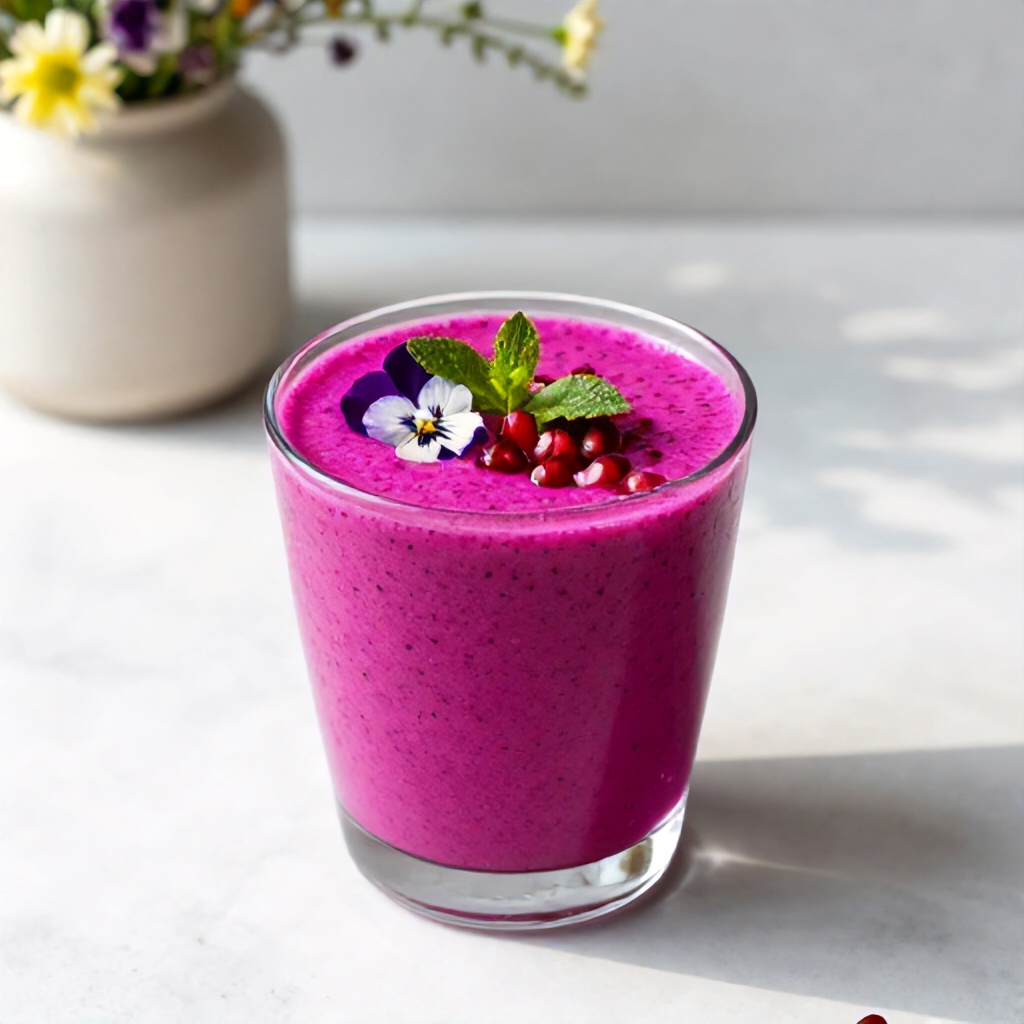
Think about the color wheel before you start blending. A bright magenta base made from dragon fruit or blackberries provides a high-contrast background for lighter floral elements. If you prefer a softer aesthetic, a mango or pineapple base offers a sunny, yellow foundation that makes white or pale pink flowers pop. Consistency matters, too. A smoothie that is too thin will cause your garnishes to sink immediately, while one that is too thick makes it difficult to arrange delicate petals on the surface.
- Use frozen fruit to ensure a thick, scoopable texture that holds weight.
- Add a splash of coconut milk or almond milk to adjust the opacity of the blend.
- Blend in short bursts to maintain a smooth, air-bubble-free surface.
- Chill your glassware beforehand to prevent the smoothie from melting during the styling process.
Mastering the Botanical Arrangement
Once your smoothie is poured, the real work begins. You are building a radial pattern that draws the eye toward the center of the glass. This technique mimics the natural growth patterns of flowers, creating a sense of balance that feels professional and intentional.
Selecting Edible Flowers
Not every flower is safe for culinary styling. Always source organic ingredients that are explicitly labeled as edible. Pansies, violas, and nasturtiums are favorites for food styling because they offer distinct shapes and high-impact colors. Avoid flowers from traditional florists or garden centers, as these are often treated with pesticides or fertilizers that are not safe for consumption.
- Clean your flowers gently with a damp paper towel to remove any dust.
- Trim the stems completely so the petals sit flush against the surface of the drink.
- Place larger blooms near the edges of the glass to create a frame.
- Fill the gaps with smaller buds or individual petals to create a dense, nature-inspired look.
The Art of the Berry Garnish
Berries add texture and depth to your floral composition. They provide a structural anchor that flowers sometimes lack. A single, perfectly shaped strawberry or a cluster of blueberries can break up the flat surface of the smoothie and add a three-dimensional element to your top-down food shot.
Try placing berries in a cluster off-center. This creates an asymmetrical balance that feels more modern and less rigid than a perfectly centered arrangement. If you want to highlight the freshness of your produce, leave a few berries whole, but slice others to reveal the intricate seeds and pulp inside. This small detail adds a layer of realism to your culinary styling.
Achieving the Perfect Top-Down Shot
Photography is about light and perspective. When documenting your fruit-based drink, natural, diffused light is your best friend. Harsh, direct sunlight creates deep shadows that hide the delicate textures of your petals and the smooth surface of the smoothie. Position your setup near a north-facing window for soft, even illumination.
Composition Tips
Keep your background neutral to ensure the vibrant aesthetic of the smoothie remains the focus. A white marble slab, a light-colored linen napkin, or even a simple wooden cutting board works well. The goal is to provide context without distracting from the main subject. When shooting from directly above, ensure your camera lens is parallel to the table. This prevents distortion and keeps the radial pattern of your botanical arrangement looking crisp and symmetrical.
- Use a tripod to keep your hands steady and ensure sharp focus.
- Experiment with aperture settings to blur the background slightly while keeping the surface of the smoothie in focus.
- Clean the rim of your glass carefully before shooting to remove any drips or smudges.
- Consider adding a few loose petals or berries around the base of the glass to connect the drink to its environment.
Seasonal Nutrition and Aesthetic Consistency
Aligning your smoothie ingredients with the current season ensures the best flavor and the most authentic look. Summer drinks naturally lean toward bright berries and citrus, while autumn blends might incorporate deeper tones like pomegranate or fig. This seasonal approach to nutritional refreshment makes your content feel timely and relevant.
When you choose organic ingredients, you often get more vibrant colors. Berries grown in the sun at their peak ripeness contain higher concentrations of natural pigments, which translates directly to a more saturated, appealing color in your glass. This is the secret to creating a drink that looks as healthy as it actually is.
Common Styling Mistakes to Avoid
It is easy to get carried away when adding decorations. Too many elements can clutter the frame and make the smoothie look messy rather than artistic. Start with a minimalist approach. You can always add more flowers or berries, but it is difficult to remove them once they have settled into the thick base of the drink.
Another frequent issue is waiting too long to take the photo. Smoothies oxidize and lose their vibrant color quickly, especially those containing bananas or apples. Have your camera settings ready and your background staged before you even start blending. The window of opportunity for the perfect shot is often less than ten minutes. If you notice the surface starting to lose its sheen, a light misting of water can sometimes revive the look of the fruit, but it is better to work quickly and capture the freshness while it lasts.
Finally, remember that the drink is meant to be enjoyed. While the visual appeal is a priority, the flavor profile should remain balanced. Ensure your botanical choices complement the fruit base rather than clashing with it. A floral, herbal note from a pansy can be a lovely addition to a berry smoothie, but stay away from flowers with strong, bitter, or soapy flavors that might ruin the experience of the drink itself.
By focusing on these practical steps, you can create a consistent, beautiful, and delicious routine. It is less about being a professional food stylist and more about having fun with the colors and textures that nature provides. Whether you are sharing your creation on social media or simply enjoying a quiet morning, these techniques help you turn a simple act of nourishment into a creative outlet.