
Supporting your thyroid gland requires a consistent supply of specific minerals and vitamins that act as the building blocks for hormone production. This small, butterfly-shaped gland located at the base of your neck acts as the master controller for your metabolic health, influencing everything from your energy levels to your body temperature. When your body lacks the raw materials needed for thyroid hormone synthesis, the entire system can struggle to maintain balance.

Understanding Thyroid Function and Nutrient Needs
Your thyroid gland relies on a precise chemical process to convert iodine and amino acids into active hormones. If you are missing key players like selenium, zinc, or vitamin D, this conversion process slows down. This is why a nutrient-dense diet is the primary defense against common thyroid disorders. Many people living with hypothyroidism or other imbalances do not realize that their symptoms—such as fatigue, brain fog, or cold sensitivity—are tied directly to these nutritional gaps.
Endocrine health is not just about avoiding “bad” foods; it is about actively nourishing your cells with the minerals they require to function. When you prioritize thyroid-friendly nutrition, you provide the body with the tools it needs to regulate metabolism. Think of your thyroid as a furnace; without the right fuel, the fire burns low, leaving you feeling sluggish and depleted.
15 Healing Foods That Are Good for Your Thyroid
Eat more of these nutrient-dense power foods to feed and nourish your thyroid. Thyroid problems are all too common in the U.S. In fact, about 20 million Americans have some form of thyroid disease, with 60 percent of those being unaware of their condition. (1) If you’re dealing with an over- or underactive thyroid, there are several nutrient-dense foods that can help support that butterfly-shaped gland. Foods with magnesium, iodine, zinc, vitamin D, and other vitamins and minerals can help synthesize and balance thyroid hormones, while also filling in common deficiencies associated with thyroid problems.

The Role of Essential Minerals in Hormone Balance
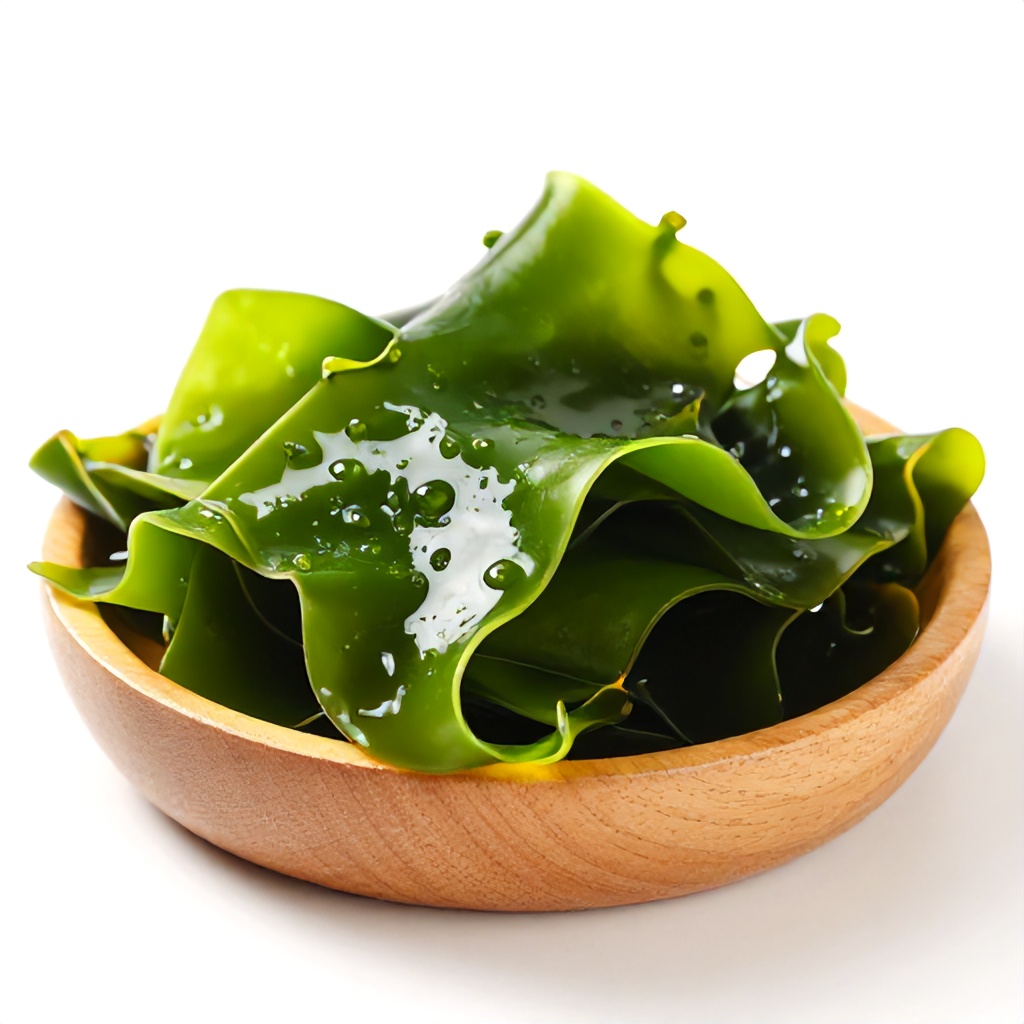
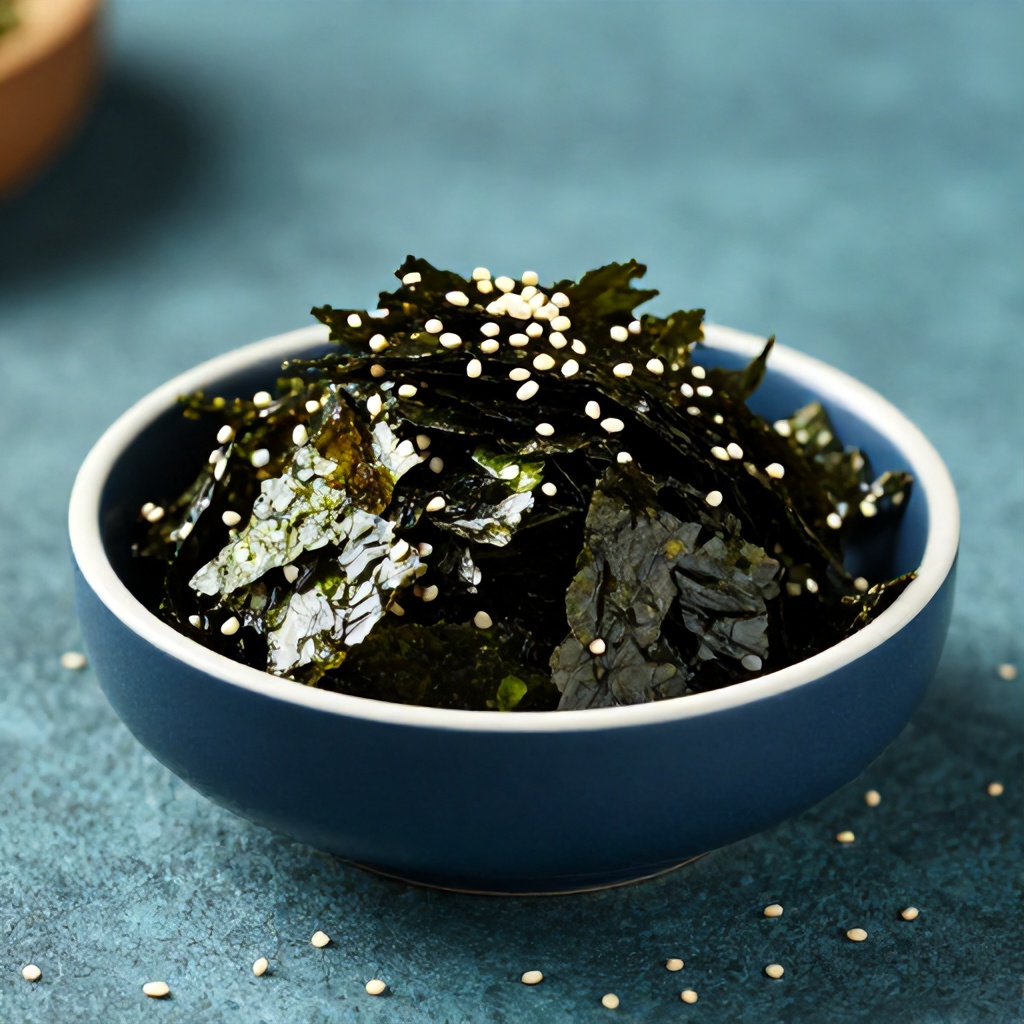
Iodine deficiency remains a global concern, yet it is easily managed through dietary choices. The thyroid gland traps iodine from your bloodstream to create hormones. Without enough iodine, the gland may enlarge as it tries to work harder, leading to visible swelling. Seaweed, such as nori or wakame, provides a concentrated source of this mineral. Incorporating these into your weekly routine ensures your thyroid has the iodine it needs for consistent hormone production.
Selenium is another heavy hitter. It acts as a protective agent, helping to prevent damage to the thyroid tissue during the hormone synthesis process. Brazil nuts are the most potent natural source of selenium. Eating just one or two nuts daily provides enough of this mineral to support thyroid gland regulation. It is a simple, low-effort habit that yields significant results for your long-term metabolic health.
Zinc deficiency is frequently overlooked in standard nutrition assessments, yet it is vital for the conversion of inactive thyroid hormones into their active form. If your body cannot perform this conversion, you may experience symptoms of hypothyroidism even if your blood tests appear within a normal range. Grass-fed protein sources like beef and chicken are excellent ways to boost your zinc intake. Oysters stand out as the gold standard, offering a massive dose of zinc in a single serving.
Integrating Nutrient-Dense Foods Into Your Daily Routine
Building a thyroid-supportive plate does not require complex recipes or expensive supplements. Focus on whole, unprocessed foods that provide high nutrient density per calorie. By choosing grass-fed protein, wild-caught fish, and a variety of colorful vegetables, you create a foundation for hormonal stability.
Omega-3 fatty acids, found abundantly in salmon, play a role in reducing systemic inflammation. Chronic inflammation can interfere with thyroid function, making it harder for your body to maintain a healthy rhythm. Aiming for fatty fish three times a week provides both the healthy fats and the vitamin D necessary for immune and endocrine health.
Practical Tips for Thyroid Support
- Prioritize wild-caught salmon to maximize your intake of omega-3 fatty acids and vitamin D.
- Keep a small bag of Brazil nuts at your desk for an easy, selenium-rich snack.
- Use sea salt in moderation, but rely primarily on whole food sources like seaweed for your iodine needs.
- Include eggs in your breakfast rotation to benefit from the combination of iodine and selenium.
Addressing Common Deficiencies
Vitamin D deficiency is incredibly common, especially in regions with limited sunlight. This vitamin acts more like a hormone in the body and is essential for the proper function of the immune system. When the immune system is stressed, it can sometimes mistakenly attack the thyroid gland. Ensuring adequate vitamin D levels through food sources like fatty fish and egg yolks is a proactive step in protecting your endocrine health.
Magnesium is another mineral that supports the thyroid by helping to regulate the body’s stress response. High stress levels can deplete your magnesium stores, which in turn impacts how your thyroid hormones are utilized. Leafy greens, nuts, and seeds are excellent sources of magnesium. By diversifying your diet, you cover multiple nutritional bases at once.
Important Considerations
While dietary thyroid support is powerful, it is not a replacement for medical care. If you suspect you have a thyroid disorder, consult with a healthcare professional to get accurate blood work. Never stop taking prescribed thyroid medication without medical supervision, as your dosage must be carefully monitored based on your lab results.
Building a Sustainable Nutrition Plan
Consistency is the secret to success when it comes to dietary changes. You do not need to overhaul your entire life overnight. Start by adding one or two thyroid-friendly foods to your weekly grocery list. Perhaps you choose to swap your usual snack for Brazil nuts or commit to a salmon dinner on Tuesday nights. These small, incremental changes accumulate over time, creating a sustainable pattern of health.
Focus on the quality of your protein. Grass-fed protein sources often contain a better fatty acid profile than conventional options, which can be beneficial for reducing inflammation. When you eat with the goal of nourishing your endocrine system, you naturally move away from processed foods that offer little nutritional value. This shift in perspective makes it easier to maintain your health goals over the long term.
The Connection Between Gut Health and Thyroid Function
Your digestive system and your thyroid are deeply connected. A significant portion of your thyroid hormone conversion actually happens in the gut. If your gut health is compromised, your body may struggle to absorb the very nutrients needed for thyroid hormone synthesis. This is why a diet rich in fiber and fermented foods is often recommended alongside mineral-rich foods. A healthy gut environment ensures that the zinc, selenium, and iodine you consume are actually being absorbed and utilized by your cells.
Avoid excessive intake of highly processed sugars and refined grains, which can contribute to gut inflammation. Instead, focus on whole foods that provide a steady release of energy. This helps keep your blood sugar stable, which in turn reduces the stress on your adrenal glands. When your adrenals are not constantly working to manage blood sugar spikes, your thyroid has more capacity to focus on its primary job of regulating your metabolism.
Monitoring Your Progress
As you adjust your diet, pay attention to how you feel. Keep a simple journal of your energy levels, sleep quality, and mood. While blood tests provide the clinical data, your personal experience is a valuable indicator of how your body is responding to these changes. If you notice improvements in your energy or a reduction in cold sensitivity, you are likely on the right track.
Remember that healing takes time. The thyroid gland is sensitive and slow to change. Do not be discouraged if you do not see immediate results after a few days of eating seaweed or Brazil nuts. Commit to these habits for at least three months to allow your body to replenish its mineral stores and stabilize its hormone production. Your endocrine health is a long-term investment, and every nutrient-dense meal is a step toward better function.
Summary of Thyroid-Friendly Habits
To summarize, your strategy for thyroid health optimization should focus on three main pillars: mineral replenishment, inflammation reduction, and gut support. By focusing on these areas, you provide the comprehensive care your butterfly-shaped gland needs to thrive.
- Eat iodine-rich foods like seaweed to support hormone synthesis.
- Include selenium-rich foods like Brazil nuts to protect thyroid tissue.
- Consume zinc-rich proteins like beef, chicken, and oysters to aid hormone conversion.
- Incorporate omega-3 fatty acids from salmon to lower inflammation.
- Maintain adequate vitamin D levels through diet and safe sun exposure.
- Focus on whole, nutrient-dense foods to support gut health and nutrient absorption.
By following these guidelines, you are taking control of your metabolic health in a practical, evidence-based way. Your thyroid is a resilient organ, and with the right support, it can return to a state of balance. Start small, stay consistent, and listen to what your body needs.
Frequently Asked Questions
Can I get enough iodine from salt alone?
While iodized salt is a common source, it is often refined and lacks other essential minerals. Relying on whole food sources like seaweed provides iodine alongside other beneficial nutrients, making it a more holistic choice for your diet.
Are there foods I should avoid?
Some people find that large amounts of raw cruciferous vegetables like broccoli or kale can interfere with iodine absorption. However, cooking these vegetables significantly reduces this effect, making them safe and healthy for most people to consume in moderation.
How long does it take to see improvements?
Nutritional changes are not a quick fix. It typically takes several weeks to months of consistent, nutrient-dense eating to see meaningful changes in how you feel and how your thyroid functions.
Your journey toward better health is personal and unique. Use the information provided here as a starting point to create a lifestyle that supports your specific needs. By prioritizing the health of your thyroid, you are supporting the health of your entire body, from your brain to your metabolism. Stay focused on the basics, keep your plate colorful, and trust the process of nourishing your body from the inside out.