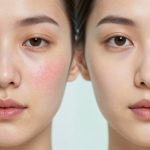
Understanding the difference between dry skin and dehydrated skin is essential for giving your complexion exactly what it needs to thrive and feel comfortable. While both conditions can leave your skin feeling tight and looking dull, they stem from entirely different issues: dry skin lacks natural oils, while dehydrated skin lacks water. Knowing which one you’re dealing with is the first step toward choosing the right skincare ingredients and effective treatments.
Signs Your Skin Is Dry
When your skin is truly dry, it means it doesn’t produce enough natural oils, also known as sebum. This lack of oil impacts its ability to retain moisture, leading to a compromised skin barrier function. If you have dry skin, you’ll likely notice a few specific indicators.
- A noticeable
lack of sebum production
that makes your skin look dull and often feels rough to the touch.
-
Redness and irritation
are common, frequently accompanied by visible
flaky skin
and an itchy sensation. This can be particularly bothersome after washing your face.
- A persistent
tight skin feeling
, especially after cleansing or showering, where your skin feels stretched and uncomfortable.
- A rough
skin texture
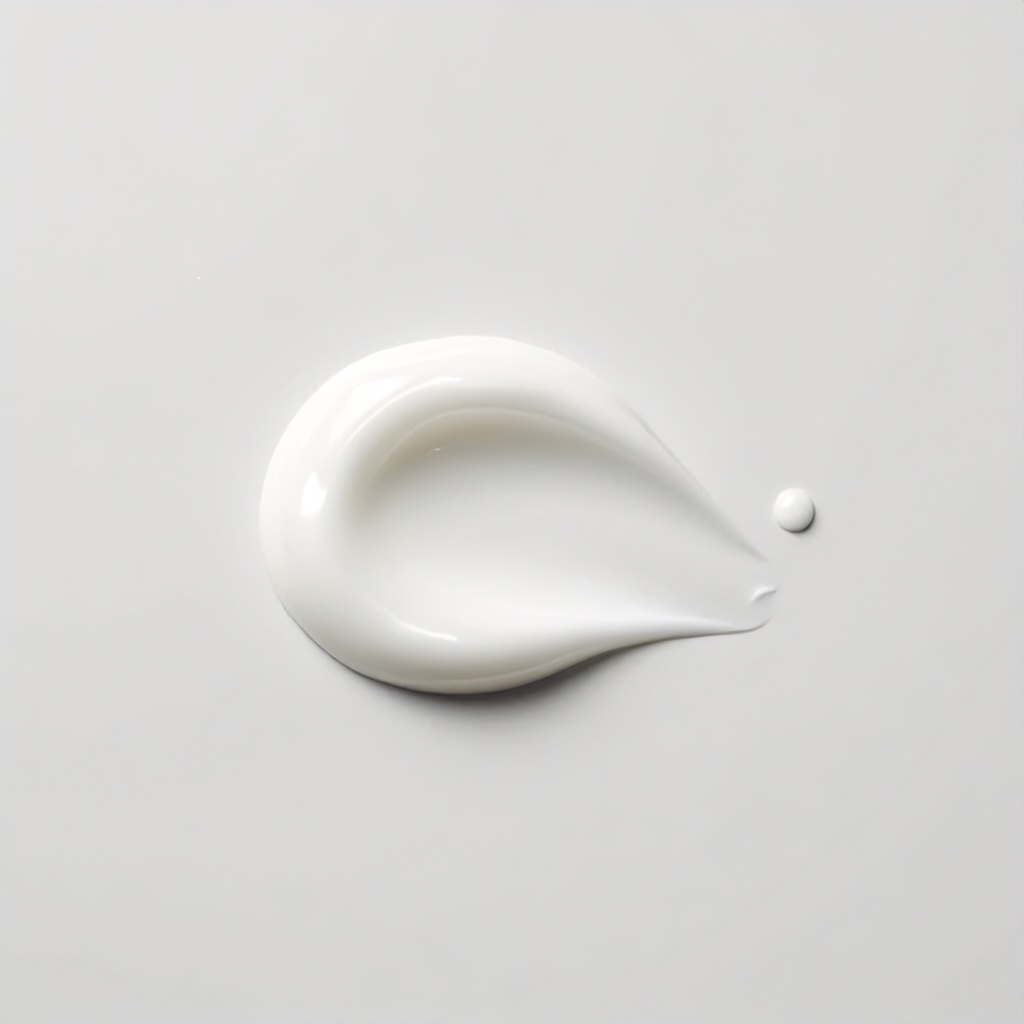
, with visible flakes and an overall
dull complexion
that lacks natural luminosity.
These signs point to an inherent deficiency in your skin’s oil production, which requires specific care to restore balance and comfort.
Best Treatment for Dry Skin
To effectively combat dry skin, your focus should be on replenishing lost oils, locking in moisture, and strengthening your skin’s natural protective barrier. This approach helps to improve
moisture retention
and reduce discomfort.
-
Moisturize Consistently with Rich Formulas
Choose moisturizers that not only attract water but also provide a protective layer of oil. Look for
skincare ingredients
like
hyaluronic acid
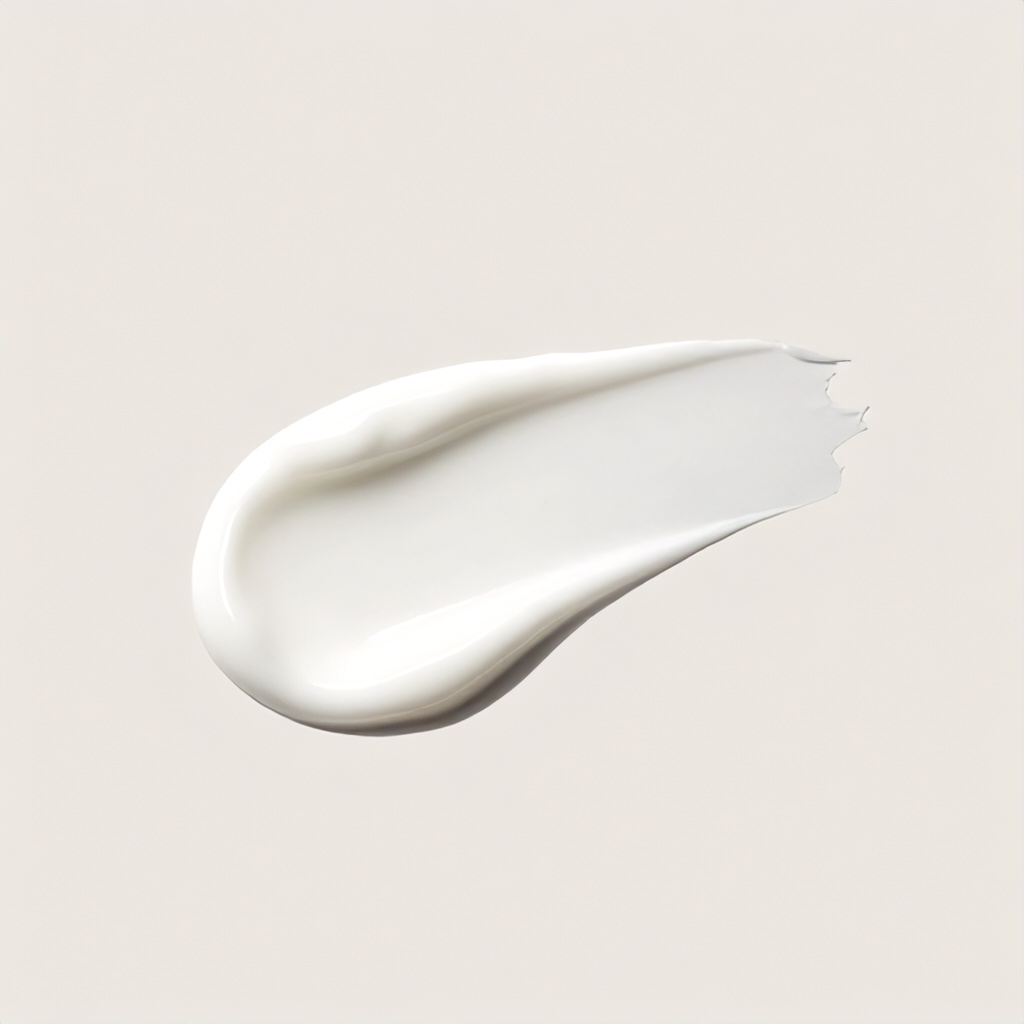
or
glycerin
, which are humectants that draw moisture from the air into your skin. To seal this moisture in, opt for
emollients
such as shea butter, ceramides, or
squalane
. These ingredients smooth and soften the skin, filling in gaps between skin cells. For an extra layer of protection,
occlusives
like petrolatum or lanolin can form a physical barrier on the skin’s surface, preventing water loss throughout the day and night. Applying these products to damp skin immediately after cleansing can significantly boost their effectiveness.
-
Strengthen Your Skin Barrier
A healthy
skin barrier function
is crucial for dry skin. Incorporate ingredients like
niacinamide
(Vitamin B3) into your routine. Niacinamide helps improve skin elasticity, reduce redness, and regulate
sebum production
to a healthier level.
Ceramides
are also incredibly important; these lipid molecules are naturally found in your skin barrier and are essential for reinforcing its structure, preventing moisture loss, and protecting against environmental aggressors. Using products rich in ceramides can help rebuild a compromised barrier, leading to less sensitivity and better
moisture retention
.
-
Hydrate from Within
While topical treatments are vital, supporting your skin’s health internally also makes a difference. Ensure you’re drinking enough water throughout the day to support overall bodily functions, including skin health. Additionally, incorporating healthy fats into your diet, found in foods like avocados, salmon, and nuts, can provide essential fatty acids that contribute to a healthy
skin barrier function
and overall skin suppleness.
-
Use Sunscreen Daily
Exposure to ultraviolet (UV) radiation can exacerbate
dry skin
and further weaken its barrier. Always apply a broad-spectrum sunscreen with at least SPF 30 every morning, even on cloudy days. Consistent
UV protection
helps shield your skin from damage that can lead to increased dryness, premature aging, and irritation.
-
Exfoliate Gently
Regular, gentle exfoliation can help remove dead
flaky skin
cells that accumulate on the surface, allowing your moisturizers to penetrate more effectively. However, over-exfoliating can strip your skin of its natural oils and compromise the
skin barrier function
. Opt for mild chemical exfoliants like
glycolic acid
or
lactic acid
at lower concentrations, using them sparingly (1-2 times a week). These alpha hydroxy acids (AHAs) work by gently dissolving the bonds between dead skin cells, revealing smoother, brighter skin without harsh scrubbing.
Signs Your Skin Is Dehydrated
Dehydrated skin is a condition where your skin lacks water, not oil. This can affect any skin type, even oily or acne-prone skin. It’s a temporary state that can be caused by various factors, and its signs are distinct from true dryness.
- Your skin may feel tight and uncomfortable, similar to
dry skin
, but it might still appear oily or even produce more
sebum production
to compensate for the
lack of water
.
- A
dull complexion
is a common sign, as dehydrated cells don’t reflect light as well. Your skin might look lackluster and tired.
- You might notice increased sensitivity,
redness and irritation
, or even itchiness, as the skin’s protective barrier is compromised without adequate
skin hydration
.
- Fine lines and wrinkles can appear more pronounced, especially around the eyes and mouth. These are often dehydration lines that temporarily deepen due to the
lack of water
in the skin cells.
- Your skin might absorb products very quickly, almost “drinking” them up, indicating it’s thirsty for
skin hydration
.
- A lack of plumpness or elasticity. If you gently pinch your skin, it might not bounce back immediately, indicating a
lack of water
in the cells.
Understanding these signs helps you distinguish between a need for water and a need for oil, guiding you to the correct treatment approach.
Best Treatment for Dehydrated Skin
Addressing
dehydrated skin
means focusing on replenishing its water content and improving its ability to hold onto that water. The goal is to boost
skin hydration
and strengthen the
skin barrier function
to prevent future
lack of water
.
-
Layer Hydrating Serums
Introduce serums packed with humectants.
Hyaluronic acid
is a superstar
skincare ingredient
known for its ability to hold up to 1,000 times its weight in water, drawing moisture into the skin.
Glycerin
is another excellent humectant that helps hydrate the skin. Apply these serums to damp skin after cleansing and before your moisturizer. This creates a moisture sandwich, allowing the humectants to pull water from the environment and your subsequent products into your skin, significantly improving
skin hydration
and plumpness.
-
Choose Water-Based Moisturizers
Even if your skin is oily, it can still be dehydrated. Opt for lightweight, water-based moisturizers that provide
skin hydration
without adding excess oil. Gel creams or lotions are often good choices. Look for formulas that contain humectants and light
emollients
to seal in the hydration without feeling heavy or clogging pores. This helps maintain
moisture retention
without triggering more
sebum production
.
-
Drink Plenty of Water
This might seem obvious, but adequate internal
skin hydration
is fundamental. While drinking water doesn’t directly hydrate the outermost layers of your skin, it supports overall bodily functions, including healthy skin cell turnover and blood flow, which indirectly contributes to a more hydrated complexion. Make sure you’re consuming enough water throughout the day to support your body’s needs.
-
Avoid Harsh Cleansers and Hot Water
Harsh cleansers, especially those with sulfates, can strip your skin of its natural moisture and further compromise the
skin barrier function
, worsening dehydration. Switch to gentle, hydrating cleansers that are pH-balanced. Similarly, very hot water can strip the skin, so opt for lukewarm water when washing your face and showering to protect your skin’s delicate moisture balance.
-
Incorporate Antioxidants
Antioxidants like Vitamin C and E can help protect your skin from environmental damage that can lead to dehydration. They support overall skin health and can indirectly improve the skin’s ability to retain water by strengthening its defenses against external stressors. These
skincare ingredients
can be found in serums and moisturizers.
Causes of Dry and Dehydrated Skin
Understanding the root causes of both dry and dehydrated skin can help you prevent future issues and tailor your routine even more effectively. While they share some overlapping triggers, their fundamental origins differ significantly.
Causes of Dry Skin (Lack of Oil)
-
Genetics:
Some people are naturally predisposed to producing less
sebum production
, leading to lifelong
dry skin
. This is often a hereditary trait.
-
Age:
-
Environmental Factors:
skin barrier function.
-
Harsh Skincare Products:
lack of oiland exacerbating dryness.
-
Medical Conditions:
dry skin.
Causes of Dehydrated Skin (Lack of Water)
-
Environmental Factors:
lack of water.
-
Diet and Lifestyle:
-
Sun Exposure:
UV protectionis vital because sun damage breaks down the skin’s natural moisture barrier, making it harder for the skin to retain water. Sunburns are a prime example of acute dehydration.
-
Improper Skincare:
dehydrated skin. Over-cleansing or using hot water can strip the skin of its natural moisturizing factors.
-
Certain Medications:
moisture retention.
Dr. Sandra Lee’s Guide to Layering Hydration and Moisture
Achieving optimal skin health often comes down to how you layer your
skincare ingredients
. It’s not just about what you use, but the order in which you apply them. A smart layering strategy ensures each product can penetrate effectively and deliver its benefits, maximizing both
skin hydration
and
moisture retention
.
-
Cleanse Gently
Start with a mild, pH-balanced cleanser to remove impurities without stripping your skin. Pat your face almost dry, leaving it slightly damp.
-
Apply Hydrating Serums
On still-damp skin, apply your hydrating serums. This is where
hyaluronic acid
and
glycerin
come into play. These humectants work best when there’s water present for them to bind to. A thin layer is usually sufficient. This step directly addresses
lack of water
in
dehydrated skin
.
-
Target with Treatment Serums (Optional)
If you use other treatment serums (like Vitamin C for brightening or
niacinamide
for barrier support), apply them after your hydrating serum. These often have specific active
skincare ingredients
that benefit from direct skin contact.
-
Lock in with Moisturizer
Next, apply your moisturizer. For
dry skin
, choose a richer cream with
emollients
like
squalane
or
ceramides
to replenish
lack of oil
and strengthen the
skin barrier function
. If your skin is
dehydrated skin
but oily, opt for a lighter, water-based lotion. The moisturizer’s job is to create a seal, preventing the water from your hydrating serums from evaporating and supporting
moisture retention
.
-
Protect with SPF (Morning Only)
The final step in your morning routine is always sunscreen. A broad-spectrum SPF 30 or higher provides essential
UV protection
, safeguarding your skin from environmental damage that can lead to both dryness and dehydration. This acts as an outer shield for your entire routine.
Remember, consistency is key. Sticking to a routine that balances both hydration (water) and moisturization (oil) will lead to a healthier, more resilient
skin texture
and a radiant
dull complexion
.
How to Adjust Your Skincare Routine for Seasonal Changes
Your skin’s needs aren’t static; they change with the seasons. Adapting your skincare routine can help maintain optimal
skin hydration
and
moisture retention
year-round, preventing issues like
flaky skin
or a
tight skin feeling
.
Winter Skincare Adjustments
Cold temperatures, low humidity, and indoor heating can seriously exacerbate
dry skin
and
dehydrated skin
. The
lack of water
in the air pulls moisture from your skin, leading to a compromised
skin barrier function
.
-
Richer Cleansers:
-
Boost Hydration:
hyaluronic acidand
glycerin
. Layer them under your moisturizer to attract and hold more water.
-
Heavier Moisturizers:
ceramides,
squalane
, or shea butter. Consider adding an
occlusive
balm at night to really seal in moisture and prevent transepidermal water loss.
-
Gentle Exfoliation:
glycolic acid,
lactic acid
) to prevent further irritation to an already vulnerable barrier.
-
Humidifier:
Summer Skincare Adjustments
Warmer temperatures and higher humidity often mean your skin can feel oilier, but it can still become dehydrated, especially with increased sun exposure and sweating.
-
Lighter Cleansers:
sebum productionand sweat.
-
Water-Based Hydrators:
skin hydrationwithout feeling heavy or greasy.
-
Increased UV Protection:
-
Antioxidants:
dull complexionfrom sun exposure.
-
Mist Throughout the Day:
skin hydrationand refreshment, especially if you spend time in air-conditioned environments.
By making these small adjustments, you can keep your skin balanced, comfortable, and healthy, no matter what the weather brings.
Dr. Pimple Popper answers your hydrating vs. moisturizing FAQ
Q: How do I know if my skin is dehydrated or dry?
A:
Dry skin
primarily lacks oil and typically feels tight,
flaky skin
, and rough to the touch. It often shows
redness and irritation
.
Dehydrated skin
, on the other hand, lacks water and might actually feel oily but still look dull with more prominent fine lines. A quick way to check for dehydration is the “pinch test”—gently pinch a small area of skin on your cheek or the back of your hand. If the skin doesn’t bounce back immediately and looks a bit crinkled, it’s likely dehydrated.
Q: Can oily skin be dehydrated?
A: Yes! This is a very common scenario. When your skin is dehydrated and experiences a
lack of water
, it can sometimes compensate by increasing
sebum production
to try and protect itself, leading to an oily yet still
tight skin feeling
and a
dull complexion
. Using a product like a
hyaluronic acid
serum can provide much-needed
skin hydration
without adding excess oil, helping to balance the skin.
Dr. Lee’s Last Word
Understanding the subtle yet significant differences between
dry skin
and
dehydrated skin
truly empowers you to make smarter choices for your complexion. Remember, dry skin needs oil, and dehydrated skin needs water. By paying close attention to your skin’s specific signals and incorporating the right
skincare ingredients
—whether it’s
ceramides
and
squalane
for dryness or
hyaluronic acid
and
glycerin
for
skin hydration
—you can effectively support your
skin barrier function
and achieve lasting comfort and radiance. Your skin is always communicating with you; learning its language is the first step to a healthier, happier glow.