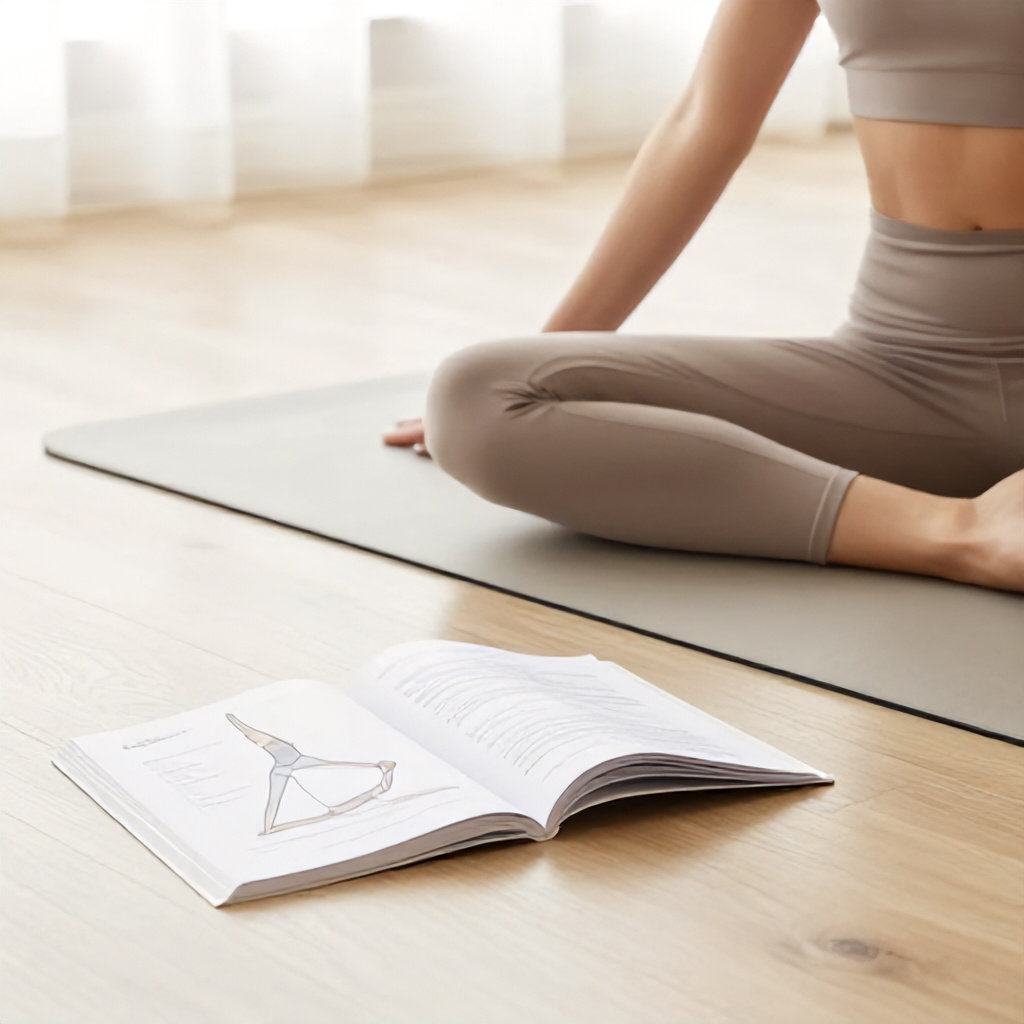
A printable illustrated yoga poses guide offers a direct, screen-free way to boost your flexibility, providing a clear visual reference for effective physical postures right where you need it.
Why Flexibility Matters for Everyone
Flexibility often gets overlooked in our daily fitness routines, yet it’s a fundamental component of overall wellness. It’s not just about touching your toes; it deeply impacts how your body moves through life, from simple tasks to more strenuous physical activity. Improving your flexibility means enhancing your range of motion in joints, which allows for smoother, more efficient body movements.
Think about the everyday actions you perform: bending down to tie your shoes, reaching for something on a high shelf, or even turning your head to check your blind spot while driving. All these actions rely on a certain degree of flexibility. When your muscles are tight and restricted, these movements become more challenging, sometimes even painful. A consistent yoga practice, even with gentle exercises, can significantly improve these aspects of your physical well-being.
Beyond daily convenience, flexibility plays a crucial role in injury prevention. Stiff muscles are more prone to strains and tears, especially during sudden movements or intense exercise. By gradually lengthening your muscles and increasing joint mobility through a dedicated flexibility guide, you create a more resilient body, better equipped to handle the demands of life and sport. This also contributes to better posture, as flexible muscles allow your body to naturally align itself more effectively, reducing strain on your spine and other joints.
- Reduced muscle stiffness and tension
- Improved posture and body alignment
- Enhanced athletic performance and range of motion
- Significant injury prevention
- Better circulation and reduced muscle soreness
- Increased body awareness and relaxation
The Power of a Printable Illustrated Guide
In a world saturated with digital content, a physical, printable resource stands out as a uniquely effective tool for learning and practicing yoga. It removes the distractions of screens and notifications, allowing for a more focused and intentional yoga practice. This kind of instructional content is designed to be immediately accessible and incredibly practical.
Why Visual Learning Works Best
Our brains are wired for visual learning. When it comes to understanding complex physical postures, seeing an image is often far more effective than reading a detailed description. An illustrated guide breaks down each yoga pose into its core visual components, showing you exactly where your limbs should be, how your spine should align, and the general shape your body should form. This visual guide streamlines the learning process, making yoga instruction approachable for beginners and a quick reference for experienced practitioners alike.
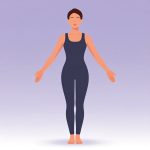
A well-designed visual guide uses stylized illustrations to highlight key alignment points, making it easier to grasp the nuances of each pose. These exercise illustrations act as a silent teacher, guiding your body movements without the need for constant verbal cues. This method of learning is particularly beneficial for developing a strong foundation in your yoga practice, ensuring you’re performing each pose safely and effectively.
The Benefits of a Physical Resource
Having a physical, printable resource offers several distinct advantages over digital alternatives. You can place it on the floor next to your yoga mat, tape it to a wall, or even laminate it for durability. This means no more fumbling with a phone, no more screen glare, and no more interruptions from incoming messages. It’s a dedicated tool for your fitness routine, fostering a deeper connection to your physical activity.
- No screen distractions, allowing for full immersion in your yoga practice.
- Easy to position anywhere in your practice space for constant reference.
- Durable when printed on sturdy paper or laminated, enduring many sessions.
- Personalization potential; you can mark favorite poses or add notes.
- Accessible to everyone, regardless of tech savviness or device availability.
- A tangible reminder of your commitment to your wellness routine.
What Makes a Great Illustrated Guide?
Not all illustrated guides are created equal. A truly effective printable illustrated yoga poses guide prioritizes clarity, simplicity, and accuracy. The best guides feature clean, clear, and simple illustrations that are easy to interpret at a glance. They avoid overly complex backgrounds or busy details that might distract from the pose itself.
Look for a minimalist design, often employing a flat graphic style. This ensures that the focus remains squarely on the body movements and the physical postures. Each illustration should accurately depict the pose, with subtle cues for proper alignment—perhaps an arrow indicating the direction of a stretch, or a highlighted area showing where to engage a muscle. This type of instructional content becomes an invaluable part of your health and fitness journey, supporting a safe and effective exercise routine.
- Clear, simple illustrations that are easy to understand.
- Accurate posture depiction with correct body alignment.
- Minimalist design and a clean aesthetic.
- A flat graphic style that emphasizes form over unnecessary detail.
- Inclusion of key alignment cues and modifications where appropriate.
- Sequential layout for building a logical yoga sequence.
Getting Started: Your Flexibility Journey
Beginning a flexibility routine, especially with a new yoga practice, can feel exciting. The key is to approach it with patience and self-awareness. Your printable resource will be your constant companion, guiding you through each step.
Preparing Your Space and Mind
Before you even unroll your mat, take a moment to prepare your practice space. Find a quiet corner where you won’t be disturbed. Clear any clutter to create a sense of calm and openness. Lay out your yoga mat, and place your printable resource nearby, easily visible. You might want to wear comfortable athletic wear that allows for a full range of motion without restriction.
Equally important is preparing your mind. Take a few deep breaths to center yourself. Let go of any stress or distractions from your day. This brief mental preparation helps you transition into a mindful state, allowing you to fully engage with your body movements and the present moment. This dedicated time becomes a sacred part of your wellness routine.
Understanding Your Body’s Limits
Yoga is not about competition or pushing yourself into painful positions. It’s about listening to your body and respecting its current capabilities. Every body is different, and your flexibility guide is there to support your journey, not to dictate perfection. As you move through the physical postures, pay close attention to any sensations. A gentle stretch is good; sharp pain is a signal to ease off.
Consistency over intensity is the mantra for flexibility. It’s far better to practice gentle exercises regularly than to attempt extreme stretches sporadically. Over time, with consistent yoga instruction and mindful practice, you’ll notice gradual improvements in your range of motion. Remember, this is your personal fitness routine, tailored to your body’s unique needs.
Essential Yoga Poses for Flexibility
A good printable resource will feature a range of yoga poses specifically chosen to target major muscle groups and enhance overall flexibility. These exercise illustrations will guide you through a balanced yoga sequence, ensuring you work various parts of your body effectively. Here are some fundamental poses that are excellent for building flexibility.
Gentle Warm-Up Poses
Always begin your yoga practice with a few warm-up poses to prepare your muscles and joints for deeper stretches. These gentle movements increase blood flow and awaken your body.
- Cat-Cow Stretch (Marjaryasana-Bitilasana): This flowing movement warms the spine, shoulders, and hips. On an inhale, arch your back and lift your head (Cow). On an exhale, round your spine and tuck your chin (Cat). Repeat several times.
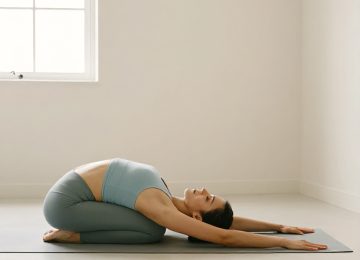
- Child’s Pose (Balasana): A calming and restorative pose that gently stretches the hips, thighs, and ankles while relieving stress and fatigue. Kneel on your mat, sit your hips back towards your heels, and fold your torso forward, resting your forehead on the mat.
Standing Poses for Leg and Hip Flexibility
These poses build strength while simultaneously lengthening the muscles in your legs and opening your hips, which are often tight from sitting.
- Downward-Facing Dog (Adho Mukha Svanasana): A foundational pose that stretches the hamstrings, calves, and shoulders while strengthening the arms and legs. It’s an excellent full-body stretch.
- Triangle Pose (Trikonasana): This pose stretches the hamstrings, groin, and hips, while also opening the chest and shoulders. It improves balance and strengthens the legs.
- Warrior II (Virabhadrasana II): Strengthens the legs and core while opening the hips and stretching the groins. This pose also builds stamina and focus.
Seated Poses for Spine and Hamstrings
Seated poses are wonderful for deepening stretches, particularly in the hamstrings and along the spine, promoting a more flexible back.
- Seated Forward Fold (Paschimottanasana): A classic pose for stretching the entire back of the body, especially the hamstrings and spine. It also calms the mind.
- Bound Angle Pose (Baddha Konasana): Excellent for opening the hips and inner thighs. Sit with the soles of your feet together, knees out to the sides, gently pulling your heels towards your pelvis.
- Spinal Twist (Ardha Matsyendrasana): This pose deeply twists the spine, improving spinal mobility and digestion. It also stretches the hips, shoulders, and neck.
Cool-Down and Relaxation
Always conclude your yoga sequence with poses that help your body and mind relax, integrating the benefits of your practice.
- Supine Spinal Twist (Supta Matsyendrasana): A gentle, restorative twist that releases tension in the spine, hips, and lower back. Lie on your back, hug one knee to your chest, then let it fall across your body.
- Savasana (Corpse Pose): The ultimate relaxation pose. Lie flat on your back, arms and legs extended, palms facing up. Allow your body to completely relax, absorbing the benefits of your yoga practice. This pose is vital for physical and mental integration.
Building Your Personalized Yoga Sequence
One of the greatest advantages of a printable resource is the ability to customize your exercise routine. You can select the yoga poses that best suit your current needs and goals, creating a truly personalized fitness routine. This movement guide empowers you to be your own instructor, drawing from a library of effective physical postures.
Creating a Daily Exercise Routine
Start by assessing your current flexibility and identifying areas you want to improve. Your illustrated guide will provide a visual learning roadmap. For a balanced routine, aim to include poses that target different parts of your body. A good yoga sequence typically lasts between 15-30 minutes, but even 10 minutes of focused stretching can make a difference.
- Choose 5-7 yoga poses from your flexibility guide. Select a mix of warm-ups, standing poses, seated poses, and a cool-down.
- Begin with 2-3 gentle warm-up poses to prepare your body. Hold each for 30 seconds to 1 minute.
- Move into your main flexibility poses. Hold each stretch for 30 seconds to 1 minute, focusing on deep, steady breaths.
- Finish with 1-2 cool-down and relaxation poses, like a gentle twist and Savasana, for 2-5 minutes.
- Listen to your body throughout. If a pose feels too intense, ease off or choose a modification.
Consistency is more important than duration. Even short, daily sessions of gentle exercises will yield better results than long, infrequent ones. Your printable resource makes it easy to stick to this schedule, providing a constant visual reminder and instruction.
Making It a Consistent Wellness Routine
Integrating a new physical activity into your daily life requires intention and strategy. A printable illustrated guide can be a powerful tool for habit formation. By making your yoga instruction visible and accessible, you increase the likelihood of sticking with it.
- Set a specific time each day for your yoga practice, even if it’s just 10 minutes. This creates a routine.
- Keep your printable resource visible and ready, perhaps rolled up with your mat or taped to a wall in your practice area.
- Track your progress. Notice how you feel after each session, and celebrate small improvements in your flexibility.
- Pair your yoga routine with another existing habit, like having your morning coffee or winding down before bed.
- Consider inviting a friend or family member to join you, creating a shared commitment to health and fitness.
- Remember your “why.” Reconnect with the reasons you started this wellness routine whenever motivation wanes.
Maintaining Your Illustrated Yoga Poses Guide
To ensure your printable resource serves you well for a long time, consider how you’ll print and store it. A durable guide means consistent, uninterrupted access to your yoga instruction, supporting your ongoing health and fitness goals.
Printing and Lamination Tips
For the best experience, print your illustrated guide on sturdy paper, such as cardstock. This will prevent it from tearing easily and make it more resistant to wear and tear. If you plan to use it frequently or in an area where it might get damp (like near a water bottle), consider laminating the pages. Lamination protects the exercise illustrations from spills, creases, and general handling, ensuring your posture guide remains pristine and readable.
You can also bind the pages together using a simple ring binder or spiral binding, creating a compact and easy-to-flip booklet. This keeps all your yoga poses organized and prevents individual sheets from getting lost. A well-maintained printable resource is a long-term investment in your physical activity and overall wellness routine.
Keeping Your Practice Fresh
While your flexibility guide provides a solid foundation, remember to keep your yoga practice engaging. As your flexibility improves, you might explore variations of poses or introduce new ones from your guide. The beauty of a comprehensive visual guide is that it offers a wealth of options, allowing you to continually challenge yourself.
Don’t be afraid to experiment with different yoga sequences or focus on specific areas of your body on different days. One day might be dedicated to hip openers, another to hamstring stretches. This dynamic approach keeps your fitness routine exciting and prevents plateaus. Your journey to greater flexibility is ongoing, and your printable illustrated yoga poses guide is an adaptable tool designed to support every step of the way.