
Professional Dermatological Pore Extraction: What to Expect and Why It Matters
Professional dermatological pore extraction is a specialized skin care procedure performed by trained professionals to clear clogged pores, remove blackheads and whiteheads, and improve overall skin texture and health.

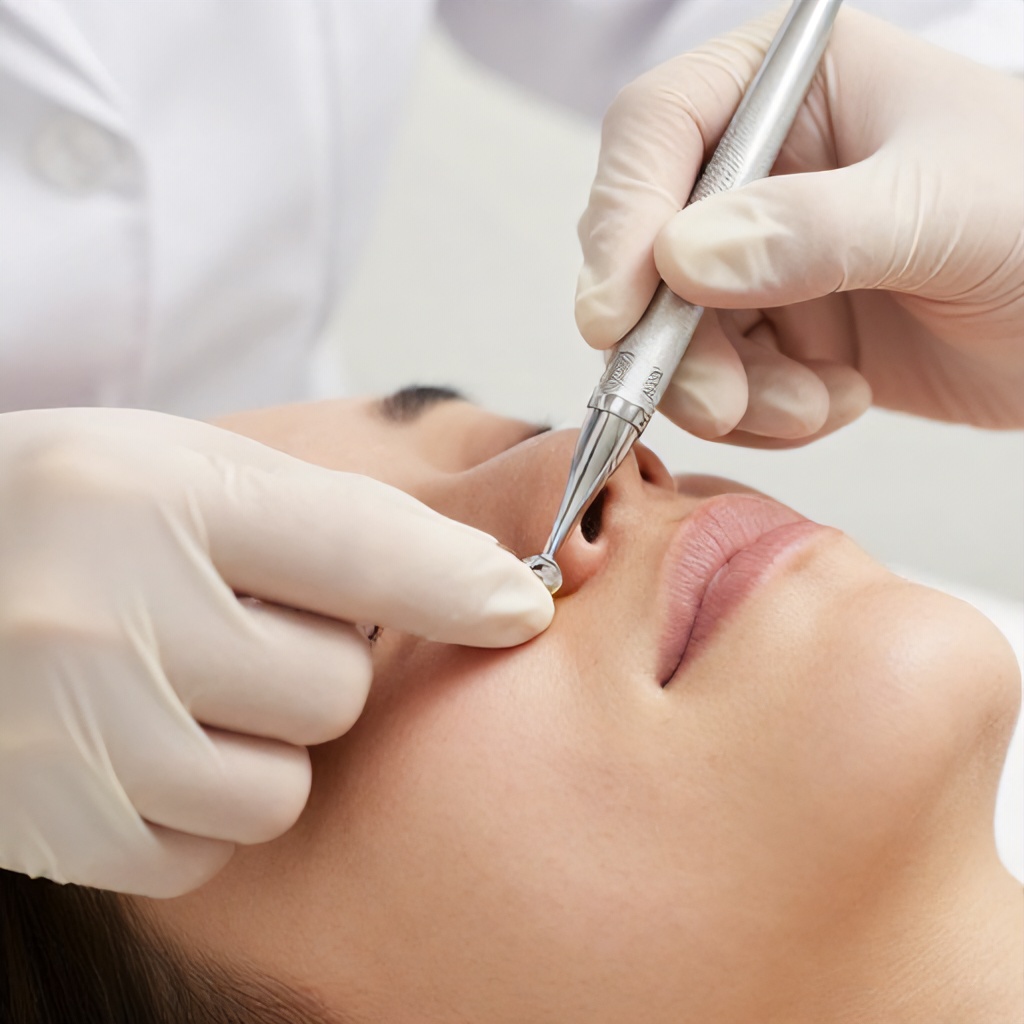
This isn’t your at-home squeezing session. Dermatological extraction is a meticulous process designed to address pore congestion safely and effectively, preventing further damage and promoting clearer, healthier skin. It’s a key component of many clinical aesthetic procedures aimed at refining the skin’s surface and addressing common concerns like acne and enlarged pores.
Understanding what happens during a professional pore extraction, the tools involved, and the benefits can help you make informed decisions about your facial skin care routine and when to seek expert help for stubborn pore congestion.
The Science Behind Clogged Pores
Before diving into the extraction process, it’s helpful to understand why pores get clogged in the first place. Pores are tiny openings on your skin’s surface that lead to hair follicles. Each follicle contains a sebaceous gland, which produces sebum, an oily substance that lubricates your skin and hair.
Normally, sebum travels up the follicle and is released onto the skin’s surface. However, several factors can disrupt this process, leading to pore congestion. Dead skin cells, which are constantly shedding from your skin, can accumulate and mix with sebum. This mixture can then become trapped within the pore, forming a plug.
This plug can manifest in different ways. If the pore remains open, the trapped sebum and dead skin cells can oxidize when exposed to air, turning dark and forming a blackhead, also known as an open comedone. If the pore becomes completely blocked, preventing air from reaching the plug, it can form a whitehead, or closed comedone. These comedones are the primary targets of dermatological extraction.
Other contributing factors to pore congestion include excess sebum production, often influenced by hormones, as well as the presence of certain bacteria, like Propionibacterium acnes (P. acnes), which can thrive in clogged follicles and lead to inflammation and acne breakouts.
Environmental factors, such as pollution and humidity, can also play a role by contributing to the buildup of debris on the skin’s surface. Even the type of makeup and skincare products you use can impact pore health. Some ingredients can be comedogenic, meaning they are more likely to clog pores.
Understanding these underlying mechanisms is the first step in appreciating the necessity and effectiveness of professional pore clearing techniques.
What is Dermatological Extraction?
Dermatological extraction, often referred to as professional comedone removal or manual extractions, is a technique used by dermatologists, licensed estheticians, and other trained skincare professionals to manually remove blockages from pores. This procedure specifically targets open and closed comedones (blackheads and whiteheads) and milia, which are small, superficial cysts.
The goal is to gently and safely expel the contents of the clogged follicle without causing trauma to the surrounding skin. Unlike the forceful squeezing that can occur at home, professional extraction utilizes specific techniques and tools to minimize inflammation, reduce the risk of infection, and prevent scarring.
This process is an integral part of many facial skin care treatments and clinical aesthetic procedures. It’s not just about removing existing blemishes; it’s about promoting better skin pore health and preventing future congestion. By clearing out the trapped sebum and dead skin cells, dermatological extraction can help to reduce the size of pores, improve skin texture, and create a smoother, more even complexion.
It’s a crucial step in managing acne and other conditions characterized by pore congestion. When performed correctly, it can significantly enhance the effectiveness of other topical treatments and therapies. The precision involved in professional techniques ensures that the follicle is emptied without damaging the follicular wall, which is a common risk with improper at-home attempts.
The Professional Approach: Tools and Techniques
Professional dermatological pore extraction relies on a combination of expertise, sterile technique, and specialized dermatological tools. The process begins with a thorough skin analysis to identify the types of clogs and the best approach for each individual.
Skin Preparation
The skin is meticulously cleansed to remove makeup, surface oils, and debris. This step is vital for hygiene and to ensure the pores are ready for treatment. Often, a gentle exfoliant or a warm compress is used to soften the skin and open the pores, making extraction easier and less traumatic.
Steam can be a valuable tool here, as it helps to dilate the pores and loosen the impactions within them. This makes the sebum and dead skin cell plugs more pliable and easier to extract. The professional will ensure the steam is at a safe temperature to avoid burns.
Some practitioners may also use enzymatic or mild chemical exfoliants to further prepare the skin. These can help to break down the keratinized cells that contribute to pore blockage, making the manual extraction process more efficient and less invasive. The choice of preparation method often depends on the client’s skin type and sensitivity.
Dermatological Tools for Extraction
Professionals use a variety of sterile instruments designed for safe and effective pore clearing. The most common include:
- Comedone Extractors: These are typically made of stainless steel and come in various shapes and sizes. They often feature a loop or a small cup at one end. The loop is placed around the blackhead or whitehead, and gentle pressure is applied to expel the contents. The size and shape of the loop are chosen to match the size of the comedone.
- Lancets: For closed comedones (whiteheads) or milia, a sterile lancet may be used to create a tiny opening in the skin’s surface. This allows the trapped material to be released more easily when pressure is applied with an extractor or gloved fingers. The lancet is used with extreme precision to avoid unnecessary trauma.
- Tweezers: Specialized, fine-tipped tweezers might be used for very small or stubborn impactions, though this is less common than comedone extractors.
- Gloves: Professionals always wear sterile gloves to maintain hygiene and prevent the transfer of bacteria to the skin.
The selection of tools is tailored to the specific type of pore blockage being addressed. For instance, a delicate loop extractor is ideal for a small blackhead, while a slightly larger one might be used for a more prominent impaction. The lancet is reserved for situations where the pore opening is not readily accessible or visible.
The Extraction Technique
The actual extraction process is performed with great care. The professional will position the appropriate tool around the comedone. Gentle, steady pressure is applied, usually downward and inward, to coax the contents out of the follicle. The aim is to extract the entire plug, including the hardened sebum and dead skin cells.
If a whitehead needs to be extracted, a tiny nick with a sterile lancet might be made first, followed by gentle pressure. The professional will assess the pore’s readiness for extraction; forcing it can lead to inflammation, bruising, and potential scarring. If a comedone doesn’t release easily, it’s often left alone to avoid damaging the skin.
The entire process is performed with a focus on dermatological hygiene. After each extraction, the area is often cleaned again. The professional will work methodically across the face, addressing each clogged pore with precision and expertise. The sensation can range from mild discomfort to a slight stinging, depending on the individual’s skin sensitivity and the nature of the blockage.
The technique emphasizes emptying the follicle without rupturing the follicular wall. This is a critical distinction from aggressive at-home squeezing, which often leads to inflammation and can push bacteria deeper into the skin, exacerbating acne. The professional’s touch is trained to apply just the right amount of pressure.
Benefits of Professional Dermatological Extraction
Opting for professional dermatological pore extraction offers numerous advantages over attempting to clear pores at home. These benefits extend beyond immediate cosmetic improvements to long-term skin health.
Immediate Improvement in Skin Texture and Appearance
The most obvious benefit is the immediate clearing of visible blackheads and whiteheads. This results in a smoother, more refined skin texture and a brighter, more even complexion. When pores are congested, the skin can appear dull and uneven. Removing these blockages instantly reveals clearer skin.
The reduction in visible pore size is another significant advantage. While pores cannot be permanently shrunk, persistent congestion can stretch them out, making them appear larger. By keeping pores clear, their appearance can be minimized over time, contributing to facial pore refinement.
Prevention of Acne Breakouts
Clogged pores are a breeding ground for acne-causing bacteria. By removing the sebum and dead skin cell buildup, professional extraction helps to prevent these pores from becoming inflamed and developing into pimples, cysts, or nodules. This proactive approach is key to managing and preventing acne.
This follicular cleansing is a cornerstone of effective acne management. It addresses the root cause of many breakouts by clearing the pathway for sebum to flow freely. When this pathway is clear, the environment for bacterial growth is significantly reduced.
Reduced Risk of Scarring and Hyperpigmentation
Improper at-home squeezing can easily lead to inflammation, infection, and damage to the skin, which can result in post-inflammatory hyperpigmentation (dark spots) or even permanent scarring. Professional dermatological extraction minimizes these risks through sterile techniques and controlled pressure.
The precision of dermatological instrumentation ensures that the skin is handled with care. Professionals are trained to recognize when a pore is ready to be extracted and when it’s best to leave it alone, thereby avoiding the trauma that often leads to lingering marks on the skin.
Enhanced Efficacy of Other Skin Care Treatments
When pores are clear, topical medications and skincare products can penetrate the skin more effectively. This means that treatments for acne, hyperpigmentation, or aging are more likely to yield the desired results. Professional skin treatment is often more effective when the skin is properly prepared and free from major blockages.
Imagine trying to water a plant with a clogged hose; the water won’t reach the roots effectively. Similarly, skincare ingredients struggle to penetrate skin that is clogged with sebum and dead cells. Professional extraction clears the way for these beneficial ingredients to do their work.
Improved Skin Health and Hygiene
Regular professional pore clearing contributes to overall skin health and maintains dermatological hygiene. It helps to keep the skin’s natural functions unimpeded and promotes a healthier skin barrier. This is a form of proactive epidermal care that supports the skin’s natural regenerative processes.
The process also provides an opportunity for a professional to assess your skin, identify potential issues early, and offer personalized advice for your home care routine. This holistic approach to skin maintenance is invaluable.
Who Can Benefit from Professional Extraction?
Almost anyone can benefit from professional dermatological pore extraction, but it’s particularly advantageous for individuals dealing with specific skin concerns:
- Acne-Prone Skin: Those who frequently experience blackheads, whiteheads, and inflammatory acne will find regular extractions highly beneficial for managing breakouts.
- Oily Skin: Individuals with naturally oily skin tend to have more active sebaceous glands, leading to a higher likelihood of clogged pores.
- Congested Skin: Even without active acne, many people experience general pore congestion, which can make the skin feel rough or look dull.
- Individuals Seeking Smoother Skin Texture: For those aiming for a smoother, more refined complexion, professional extraction is a key step.
- Clients Undergoing Other Cosmetic Procedures: Extraction can be a preparatory or complementary step in treatments like facials, chemical peels, or microdermabrasion.
It’s important to note that not all pores are suitable for extraction. Professionals will assess the skin and determine which comedones can be safely removed. Inflamed pimples or deep cystic acne are typically not candidates for manual extraction, as attempting to extract them can worsen inflammation and lead to scarring.
The decision to undergo professional extraction should be made in consultation with a skincare professional. They can assess your skin type, concerns, and medical history to determine if this procedure is appropriate for you and how often it should be performed as part of your overall skin maintenance plan.
What to Expect During and After the Procedure
A professional dermatological extraction session is typically part of a larger facial treatment. The duration can vary depending on the extent of congestion, but it usually takes between 15 to 45 minutes for the extraction portion itself.
During the Procedure
You will likely lie down on a comfortable treatment bed. The professional will cleanse your skin thoroughly. They may apply a warm compress or steam to soften the pores. You might feel a slight warming sensation from the steam.
As the extraction begins, you may feel gentle pressure on your skin. Some areas might be more sensitive than others. If you experience significant pain, it’s important to communicate this to the professional, as they can adjust their technique or decide to leave a particular pore untreated.
The process can involve a slight pinching or stinging sensation as the comedone extractor is used. For whiteheads, a very fine needle or lancet might be used to create a small opening, which is a quick prick. The overall experience is usually manageable, and many find it to be a relief once the blockage is removed.
Throughout the procedure, the professional will maintain a sterile environment, using gloves and sterilized instruments. They will work systematically, focusing on clearing each clogged pore with precision. The focus is always on safety and minimizing trauma to the skin.
After the Procedure
Immediately after extraction, your skin may appear slightly red or feel a bit sensitive, especially in the areas where extractions were performed. This is normal and usually subsides within a few hours to a day.
You might notice small, temporary red marks where the comedones were removed. These are not typically scars but rather temporary inflammation. Milia, once extracted, will not return to that specific pore.
Your professional will likely provide post-treatment instructions. These often include:
- Avoiding makeup for at least a few hours, or ideally 24 hours, to allow the pores to close and prevent irritation.
- Gently cleansing the skin and avoiding harsh scrubs or exfoliants for a day or two.
- Applying a soothing, non-comedogenic moisturizer.
- Using sunscreen diligently, as treated skin can be more sensitive to the sun.
- Avoiding picking or touching the treated areas to prevent infection.
The results of professional pore extraction are often immediately visible, with smoother, clearer skin. However, the long-term benefits come with consistent skin maintenance and professional treatments as recommended by your skincare provider.
When to Seek Professional Help
While some minor blackheads might be managed at home with diligent skincare, there are clear indicators that it’s time to consult a professional for dermatological extraction. If you find yourself constantly picking at your skin, if your breakouts are persistent or severe, or if you’re concerned about scarring, professional help is advisable.
Attempting to extract deep or stubborn comedones yourself can lead to significant inflammation, infection, and long-term damage. Professionals have the knowledge, tools, and sterile environment to perform these procedures safely and effectively. They can also assess your skin’s overall health and recommend a comprehensive treatment plan.
If you have tried various over-the-counter products without success, or if your skin concerns are impacting your self-confidence, a consultation with a dermatologist or a highly trained esthetician is a wise next step. They can offer personalized solutions, including professional skin treatment and guidance on proper skin pore maintenance.
Remember, professional dermatological pore extraction is a clinical aesthetic procedure that requires expertise. It’s an investment in your skin’s health and appearance, offering a safe and effective way to achieve clearer, smoother, and more radiant skin.