Mastering Pore Strips: Your Guide to Clearer Skin
Pore strips can be an effective tool for blackhead removal, but using them incorrectly can lead to irritation and minimal results. The key is preparation, proper application, and post-strip care to ensure you’re getting the most out of these adhesive patches without harming your skin barrier.
Understanding Blackheads and Pore Strips
Blackheads, technically known as open comedones, form when a pore becomes clogged with excess sebum (oil) and dead skin cells. When this mixture is exposed to air, it oxidizes and turns dark, giving it that characteristic black appearance. They are a common form of pore congestion, particularly on the nose, chin, and forehead.
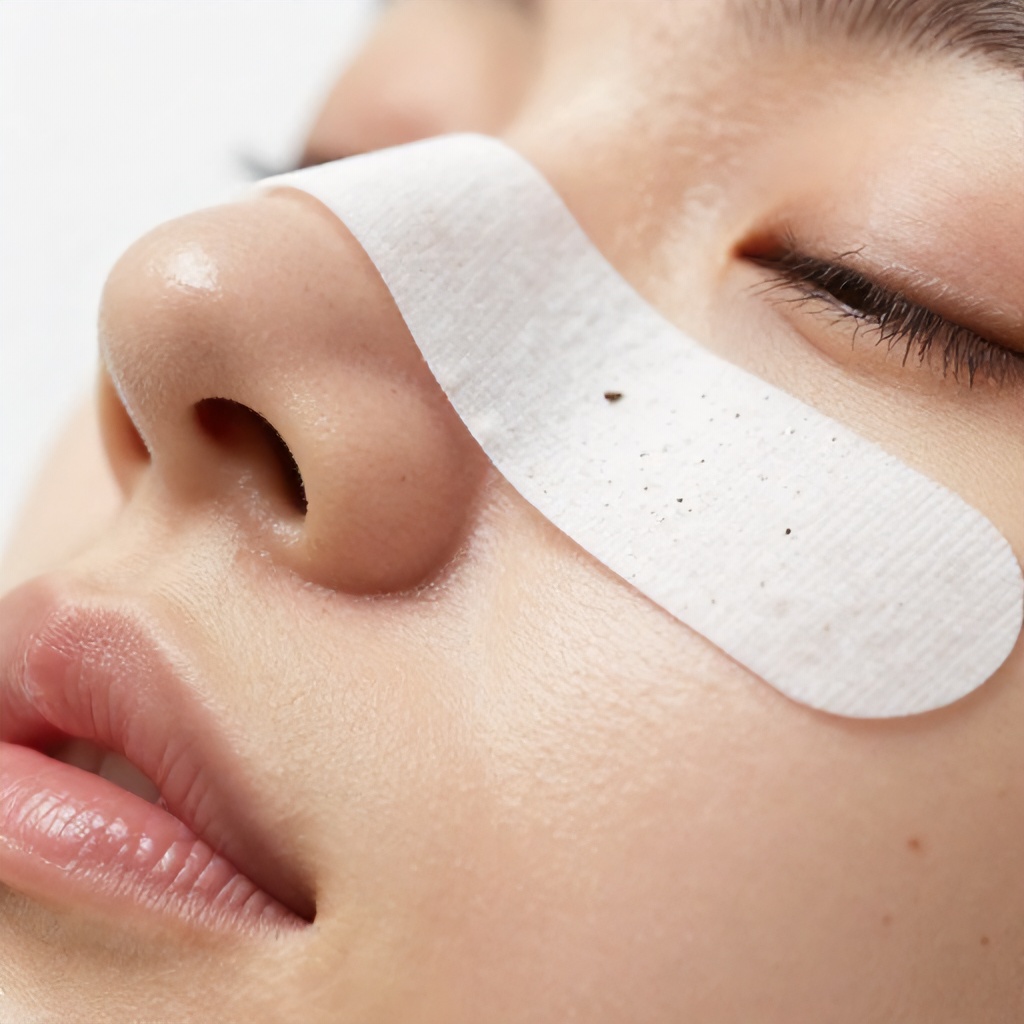
Pore strips work through adhesion. When applied to clean, damp skin and then peeled off, they physically pull out the oxidized sebum plugs and other debris trapped within the pore. This offers a satisfying visual of what’s been removed and can temporarily improve the appearance of clogged pores and skin texture.
Choosing the Right Pore Strip
Not all pore strips are created equal. When selecting a product, consider these factors:
- Skin Type: Some strips are formulated for sensitive skin, while others are more potent for tackling stubborn blackheads. Look for labels that indicate suitability for your skin type.
- Ingredients: While the primary mechanism is physical removal, some strips include ingredients like witch hazel or tea tree oil, which can have mild astringent or anti-inflammatory properties. Others might contain salicylic acid, a comedolytic agent that can help break down pore blockages over time.
- Brand Reputation: Stick with well-known brands that have a history of producing effective and generally safe products. Reading reviews can also offer insight into a specific product’s performance.
Preparing Your Skin for Pore Strips
This is perhaps the most critical step for effective pore cleansing and to minimize potential skin irritation.
Start with a clean canvas. Wash your face thoroughly with your regular cleanser to remove makeup, dirt, and surface oils. This ensures the strip adheres directly to the pore contents, not just surface grime.
The magic happens with steam. After cleansing, gently steam your face. You can do this by leaning over a bowl of hot (not boiling) water with a towel draped over your head to trap the steam for about 5-10 minutes. Alternatively, a warm, damp washcloth held against your face for a few minutes works well. Steaming helps to soften the sebum plugs and open up the pores, making the extraction process more effective and less painful.
Ensure your skin is damp, not soaking wet, when applying the strip. A slightly moist surface allows the adhesive to bond properly to the pore openings. Pat your face dry gently with a clean towel, leaving just enough moisture for the strip to stick.
The Art of Application
Applying pore strips correctly is essential for optimal results and to avoid unintended damage to your epidermal layer.
Open the pore strip packaging carefully. Some strips are folded in a way that can make them tricky to handle without touching the adhesive side too much. Try to peel off the protective backing with minimal finger contact.
Align the strip with precision. Place the strip onto the desired area, typically the nose, ensuring it lies flat against the skin. Smooth out any air bubbles or wrinkles immediately. Air pockets can prevent the strip from making full contact, reducing its effectiveness.
Give it time to work. Most pore strips recommend leaving them on for 10-15 minutes, or until they feel dry and stiff. Resist the urge to peel it off early; the strip needs adequate time to adhere to the pore contents.
The Crucial Removal Process
This is the moment of truth, but it requires a gentle touch.
Peel slowly and deliberately. Begin at one corner of the strip and pull it off slowly and steadily in the opposite direction of hair growth. If you feel significant discomfort, slow down even more. Yanking the strip off quickly can cause redness, irritation, and even micro-tears in the skin.
Observe the results. Once removed, you’ll likely see evidence of what the strip has pulled out. This can be quite revealing about your pore congestion.
Post-Strip Skincare: Essential for Dermal Health
The work isn’t over once the strip is off. Proper aftercare is vital for maintaining healthy skin.
Rinse your skin. Gently rinse your face with cool water to remove any residual adhesive and to soothe the skin. Pat your skin dry with a clean, soft towel.
Apply a soothing toner or serum. A calming toner, perhaps one with aloe vera or chamomile, can help reduce redness. A serum containing ingredients like niacinamide can help refine pores and strengthen the skin barrier over time.
Moisturize. It’s important to rehydrate your skin after using pore strips. Apply a lightweight, non-comedogenic moisturizer to keep your skin balanced and prevent it from overcompensating with oil production.
What to Avoid for Healthier Skin
While pore strips can be a useful addition to a skincare routine, there are definite pitfalls to sidestep.
- Overuse: Using pore strips too frequently can strip the skin of its natural oils, leading to dryness, irritation, and potentially increased oil production as your skin tries to rebalance. Stick to once a week at most, and often less is more.
- Applying to Irritated or Damaged Skin: Never use pore strips on sunburned, inflamed, broken, or recently exfoliated skin. This will only exacerbate the problem and cause significant discomfort.
- Using on Sensitive Areas: Avoid using them on areas where you have broken capillaries or very delicate skin.
- Peeling Too Aggressively: As mentioned, a gentle, slow removal is key.
- Ignoring Your Skin’s Reaction: If you experience persistent redness, burning, or peeling after use, discontinue use and consult a dermatologist.
Pore Strips vs. Other Methods
It’s helpful to understand where pore strips fit into the broader landscape of blackhead removal and pore cleansing.
Exfoliation: Chemical exfoliants like alpha hydroxy acids (AHAs) and beta hydroxy acids (BHAs), particularly salicylic acid, work to dissolve the mixture within the pore over time. Regular exfoliation can help prevent blackheads from forming in the first place and improve overall skin texture. Physical exfoliants, like gentle scrubs, can also help remove dead skin cells from the surface.
Comedone Extractors: These are tools used by professionals and sometimes at home to manually extract blackheads. They require a very careful technique to avoid damaging the skin and can be more effective for deeper or more stubborn comedones, but also carry a higher risk of scarring if used improperly.
Topical Treatments: Prescription or over-the-counter treatments containing retinoids or benzoyl peroxide can be very effective for managing acne and preventing pore congestion by increasing cell turnover and reducing oil production.
Pore strips offer a quick, visual solution for immediate pore cleansing, but they don’t address the underlying causes of blackhead formation as effectively as consistent topical treatments or proper exfoliation. They are best used as a supplementary tool within a comprehensive skincare routine.
When to Seek Professional Help
While pore strips can be a helpful at-home treatment, they aren’t a cure-all. If you have persistent or severe acne, cystic breakouts, or are concerned about your skin’s health, it’s always best to consult a dermatologist. They can provide a proper diagnosis and recommend the most effective dermatological care and treatment plan for your specific needs, which might include prescription topical treatments or in-office procedures for comedone extraction.
Understanding your skin type and its sensitivities is paramount. While pore strips can offer a satisfying solution for visible pore congestion, using them with knowledge and care ensures they contribute positively to your facial aesthetics without causing undue stress to your skin barrier.