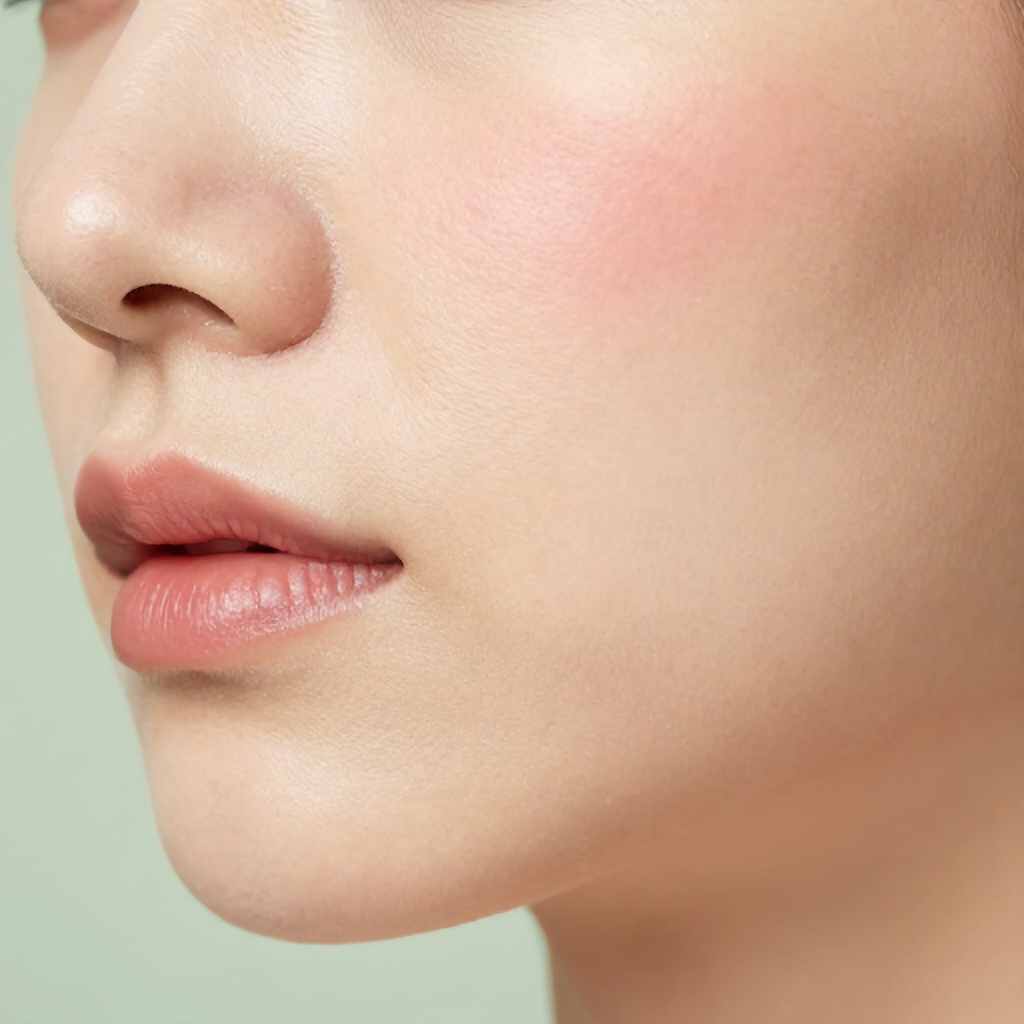
Blackhead Formation: Understanding Pore Congestion with 3D Visualization

Blackheads, technically known as open comedones, are a common dermatological concern that forms when a skin pore becomes clogged with a mixture of dead skin cells and sebum, the natural oil produced by your sebaceous glands. This specific type of pore congestion is characterized by its dark appearance on the skin surface, a result of the trapped material oxidizing when exposed to air, not dirt.

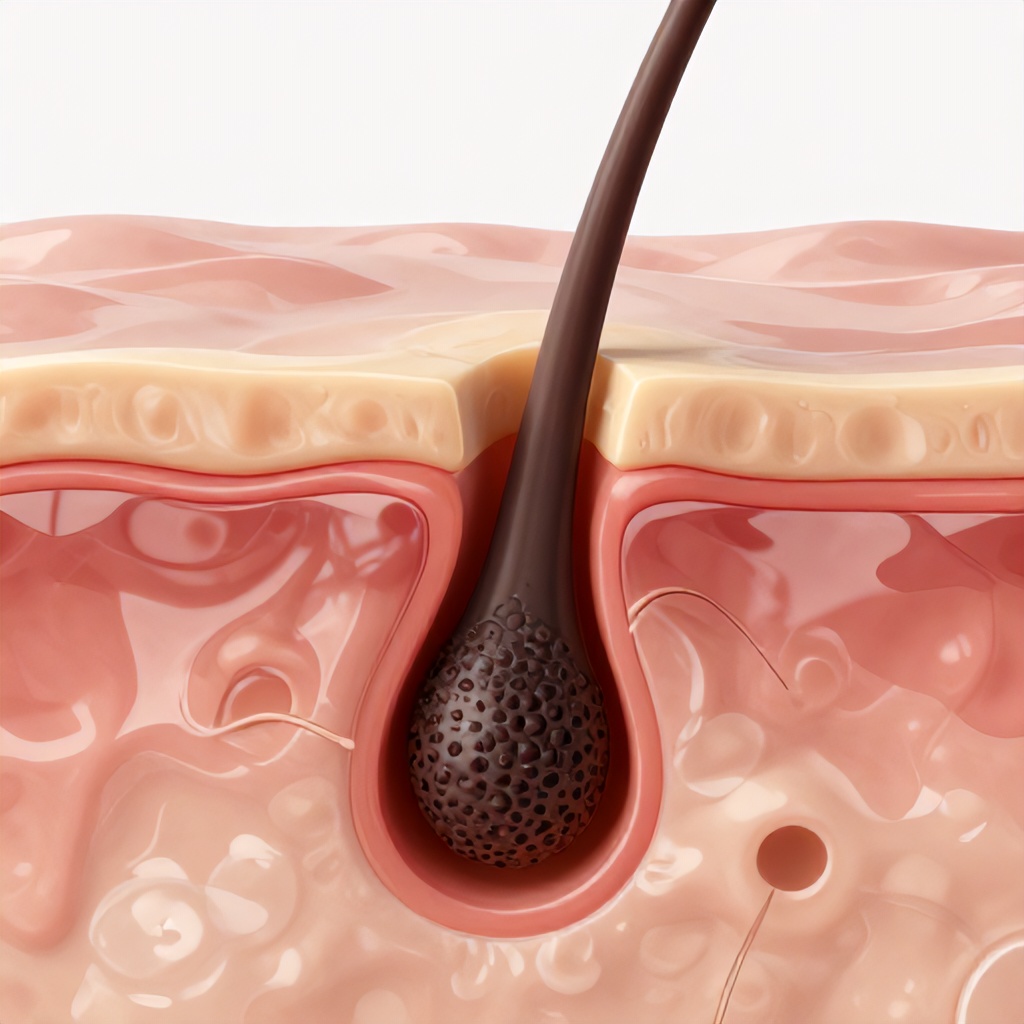
The Microscopic World: Understanding Your Skin Pore

To truly grasp blackhead formation, it helps to visualize the intricate cross-sectional anatomy of your skin. Each tiny skin pore is actually the opening of a hair follicle, a complex structure that extends deep into the dermis. This follicular unit is more than just a channel for hair; it’s a dynamic micro-environment crucial for skin health and function.

The Follicular Unit

Imagine a microscopic tube, lined with skin cells, extending from the surface down into the deeper layers. This is your hair follicle. At the base, a hair shaft grows, but it’s the surrounding structures that are key to understanding pore issues. The walls of this follicle are constantly shedding old keratinized cells, a natural part of skin renewal. Normally, these cells rise to the surface and flake off imperceptibly. However, disruptions in this process are often the first step towards pore blockage.

The Sebaceous Gland’s Role

Attached to almost every hair follicle is a sebaceous gland. These glands are microscopic powerhouses, responsible for producing sebum, a waxy, oily substance. Sebum isn’t inherently bad; it’s vital for maintaining skin hydration, creating a protective barrier against environmental aggressors, and keeping your skin and hair supple. It travels up the hair follicle and out onto the skin surface. The amount and consistency of sebum produced can vary greatly from person to person, influenced by genetics, hormones, and even diet, playing a significant role in individual skin pore physiology.

Keratinized Cells and Their Journey

The skin’s outermost layer, the epidermis, is primarily composed of keratinocytes, cells that produce keratin. As these cells mature, they flatten and harden, eventually forming a protective barrier. Inside the hair follicle, these keratinized cells are also continuously produced and shed. Under normal circumstances, they mix with sebum and exit the pore without issue. However, when this delicate balance is disrupted, these cells can accumulate, leading to epidermal obstruction and the beginning of pore congestion.

The 3D Visualization: How Blackheads Form

Let’s take a closer look at the step-by-step process of blackhead formation, imagining a dermatological visualization that peels back the layers of your skin to reveal the microscopic drama unfolding within a single pore.

Initial Pore Blockage: The Foundation of Congestion

The journey to a blackhead begins when the normal shedding process of dead skin cells within the hair follicle goes awry. Instead of flaking off and exiting the pore, these keratinized cells become sticky and clump together. This accumulation, often referred to as follicular debris, starts to form a plug just beneath the skin surface, creating an initial pore blockage. Think of it like a tiny dam forming inside the follicular canal, impeding the flow of substances trying to exit.

The Role of Sebum Buildup

Once this cellular plug is in place, the sebum produced by the sebaceous gland continues to flow. However, with the exit route partially or completely blocked, the sebum has nowhere to go. It begins to accumulate behind the plug, mixing with the trapped dead skin cells. This sebum buildup creates a perfect environment for further congestion, expanding the plug and putting pressure on the follicular walls. The mixture of dead cells and oil forms what dermatologists call a microcomedone, the earliest stage of any comedone.

Oxidation and Darkening: Why They’re Black

Unlike whiteheads (closed comedones), which remain covered by a thin layer of skin, blackheads are open to the air. The “black” in blackhead isn’t dirt, a common misconception. Instead, the trapped follicular debris and sebum buildup, when exposed to oxygen, undergo a chemical reaction called oxidation. This process causes the melanin (pigment) and lipids within the plug to darken, much like how a cut apple turns brown when exposed to air. This darkening is what gives dark comedones their characteristic appearance on the skin surface topography.

Follicular Impaction and Expansion

As more sebum and dead skin cells continue to accumulate, the plug grows larger and becomes more compacted. This phenomenon is known as follicular impaction. The pressure from this growing plug can cause the walls of the hair follicle to stretch and expand, making the pore opening appear larger and more noticeable on the skin texture. This expanded, impacted pore, filled with oxidized cutaneous debris, is the fully formed blackhead we observe. It’s a clear sign of underlying pore congestion and a common dermatological concern.

Beyond the Surface: Factors Contributing to Pore Congestion

While the microscopic process of blackhead formation is consistent, several external and internal factors can significantly influence their prevalence and severity. Understanding these contributors is key to effective pore refinement and maintaining overall skin health.

Hormonal Influences

Hormones, particularly androgens, play a significant role in regulating sebaceous gland activity. During puberty, menstruation, pregnancy, or periods of high stress, hormonal fluctuations can lead to an increase in sebum production. More sebum means a higher likelihood of it getting trapped in follicles, especially if cell turnover is also sluggish. This explains why teenagers often experience more blackheads and acne, but adults can also be affected by hormonal shifts.

Genetics and Skin Type

Your genetic makeup can predispose you to certain skin characteristics, including pore size and the inherent activity level of your sebaceous glands. Individuals with naturally oilier skin types tend to produce more sebum, making them more prone to pore congestion and blackhead formation. Similarly, some people naturally have larger pores, which can appear more noticeable when clogged, even if the underlying issue is the same.

Product Choices: The Comedogenic Factor

The products you apply to your skin can either help or hinder pore health. Many cosmetics, sunscreens, and moisturizers contain ingredients that are comedogenic, meaning they have a tendency to clog pores. Heavy oils, certain waxes, and some synthetic ingredients can sit on the skin surface or penetrate the follicle, contributing to epidermal obstruction and exacerbating follicular debris accumulation. Choosing non-comedogenic products is a fundamental step in preventing pore blockage.

Environmental Stressors

The environment around us also impacts our skin. High humidity can increase sweat and oil production, potentially leading to more pore congestion. Air pollution, dust, and other airborne particles can settle on the skin, mixing with sebum and dead skin cells to form additional cutaneous debris that contributes to pore impaction. Even prolonged sun exposure can thicken the outer layer of the skin, making it harder for dead cells to shed properly and increasing the risk of pore blockage.

Hygiene Habits (or lack thereof)

While over-washing can strip the skin and cause irritation, inadequate cleansing can certainly contribute to blackheads. Failing to remove makeup, sunscreen, and daily grime allows these substances to mix with natural sebum and dead skin cells, creating a perfect storm for pore congestion. However, it’s crucial to strike a balance; aggressive scrubbing can irritate the skin and paradoxically stimulate more oil production, worsening the problem.

Practical Steps for Clearer Skin: Managing Pore Health

Managing pore health and reducing blackhead formation involves a consistent, gentle, and targeted approach. The goal is to encourage proper skin pore physiology, minimize follicular impaction, and maintain a clear skin surface topography.

Gentle Cleansing Techniques

Cleansing is the cornerstone of any good skincare routine, but the emphasis should always be on gentleness. Use a mild, pH-balanced cleanser twice daily, in the morning and before bed. Avoid harsh soaps or cleansers that leave your skin feeling tight or stripped, as this can trigger your sebaceous glands to produce even more oil in an attempt to compensate. Lukewarm water is best, as hot water can be irritating. Massage the cleanser onto your skin with clean fingertips for about 60 seconds to effectively dissolve makeup, dirt, and excess sebum without causing irritation.

Exfoliation: The Right Way

Exfoliation is crucial for removing the dead keratinized cells that contribute to pore blockage. However, not all exfoliation is created equal. Physical scrubs with large, irregular particles can cause micro-tears in the skin, leading to inflammation and potentially worsening congestion. Chemical exfoliants, specifically Alpha Hydroxy Acids (AHAs) like glycolic or lactic acid, and Beta Hydroxy Acids (BHAs) like salicylic acid, are generally preferred. Salicylic acid is particularly effective for blackheads because it is oil-soluble, allowing it to penetrate deeper into the pore to dissolve sebum and follicular debris. Start with a low concentration a few times a week and gradually increase frequency as your skin tolerates it. This helps to prevent epidermal obstruction and promotes healthy cell turnover.

Targeted Treatments: Ingredients That Help

Beyond cleansers and exfoliants, certain active ingredients can specifically target blackhead formation and pore congestion. Retinoids, such as retinol or tretinoin (prescription-strength), are powerful ingredients that normalize cell turnover within the follicle, preventing dead skin cells from clumping together and forming plugs. They also help to reduce sebum production over time. Niacinamide, a form of Vitamin B3, can help regulate oil production, reduce inflammation, and improve skin barrier function, contributing to overall pore refinement. Clay masks, particularly those with bentonite or kaolin clay, can temporarily absorb excess oil and draw out impurities from the pores, offering a satisfying, albeit temporary, feeling of cleanliness.

Moisturizing for Balance

Even oily or blackhead-prone skin needs moisture. Skipping moisturizer can actually signal your skin to produce more oil, exacerbating the problem. Choose a lightweight, non-comedogenic moisturizer that won’t clog your pores. Look for formulations that are oil-free and designed for acne-prone skin. Hydrated skin functions better, including its ability to shed dead cells properly, which is vital for preventing follicular impaction.

Professional Interventions

For persistent or severe blackheads, professional treatments can offer significant relief. Estheticians can perform manual extractions, carefully and hygienically removing blackheads without damaging the surrounding skin. Chemical peels, often using higher concentrations of AHAs or BHAs than at-home products, can deeply exfoliate the skin and improve pore health. Microdermabrasion or hydrafacials can also help to resurface the skin and clear out congested pores, leading to a smoother skin texture and reduced appearance of dark comedones. Consulting a dermatologist is always recommended to determine the best course of action for your specific skin concerns.

What to Avoid for Better Pore Refinement

Just as important as what you do for your skin is what you avoid. Certain habits and products can actively worsen pore congestion and lead to more blackheads.

Aggressive Scrubbing

While the urge to scrub away blackheads might be strong, aggressive physical exfoliation with harsh scrubs, stiff brushes, or even washcloths can irritate the skin, disrupt its natural barrier, and trigger inflammation. This irritation can actually stimulate more oil production and make existing blackheads more noticeable, potentially leading to post-inflammatory hyperpigmentation or even breakouts. Gentle cleansing and chemical exfoliation are far more effective and safer.

Picking and Squeezing

Attempting to manually extract blackheads at home, especially without proper technique or hygiene, is a common pitfall. Squeezing can push the follicular debris deeper into the pore, rupture the follicle wall, and introduce bacteria, leading to inflammation, infection, and potentially scarring. It can also cause further follicular impaction and make the blackhead appear larger. Leave extractions to trained professionals who use sterile tools and proper methods.

Over-Drying Products

Products containing high concentrations of alcohol or other harsh astringents might make your skin feel temporarily “clean” or tight, but they strip away essential moisture and disrupt the skin’s natural barrier. This can lead to rebound oiliness, where your sebaceous glands overcompensate by producing even more sebum, creating a vicious cycle of oiliness and pore congestion. Balance is key; aim for products that cleanse and treat without causing excessive dryness.

Heavy, Pore-Clogging Makeup

Many makeup products, especially foundations and concealers, can be comedogenic if not formulated carefully. Heavy, oil-based formulas or those containing certain waxes can sit on the skin and mix with sebum and dead skin cells, directly contributing to pore blockage. Always opt for non-comedogenic, oil-free, and lightweight makeup products, especially if you are prone to blackheads. And critically, always remove all makeup thoroughly before bed to prevent overnight pore congestion.

Choosing the Right Products: A Guide to Non-Comedogenic Options

Navigating the vast world of skincare products can be overwhelming, but understanding how to identify non-comedogenic options is a powerful tool for maintaining clear skin and preventing blackhead formation.

Understanding Product Labels

The term “non-comedogenic” on a product label indicates that the product has been formulated to avoid ingredients known to clog pores. While this isn’t a guarantee for every individual, it’s a strong indicator that the product is less likely to contribute to pore congestion. Look for other helpful labels like “oil-free,” “non-acnegenic,” or “dermatologist-tested” for acne-prone skin. These terms suggest the product has been designed with skin health and pore anatomy in mind.

Key Ingredients to Look For

When selecting products, prioritize ingredients that actively support pore health and prevent follicular impaction. Salicylic acid (BHA) is a standout for its ability to penetrate oil and exfoliate within the pore. Retinoids (retinol, retinaldehyde) are excellent for normalizing cell turnover and reducing sebum. Niacinamide helps regulate oil and reduce inflammation. Hyaluronic acid provides hydration without clogging pores. Glycolic acid (AHA) can help exfoliate the skin surface, improving skin texture and allowing other treatments to penetrate more effectively. Antioxidants like Vitamin C can protect skin from environmental damage that can exacerbate congestion.

Ingredients to Be Wary Of

Some ingredients are notorious for their comedogenic potential. Heavy mineral oils, petrolatum, lanolin, and certain synthetic esters (like isopropyl myristate) can be problematic for many. While not all oils are bad, some plant oils, such as coconut oil or palm oil, are highly comedogenic for some individuals. Waxes like beeswax or carnauba wax can also contribute to epidermal obstruction. Silicones, while often non-comedogenic, can sometimes create a film that traps other ingredients. Always check ingredient lists, especially if you notice a product consistently leads to new blackheads or breakouts.

Maintaining Long-Term Skin Health and Preventing Recurrence

Preventing blackheads isn’t a one-time fix; it’s an ongoing commitment to consistent skincare and healthy lifestyle choices. Long-term pore refinement requires patience and diligence.

Consistency is Key

The most effective skincare routines are those that are followed consistently. Regular gentle cleansing, appropriate exfoliation, and targeted treatments need to be integrated into your daily and weekly regimen. Skipping steps or being inconsistent can quickly lead to a return of pore congestion and blackhead formation. Think of it as a continuous effort to support healthy skin pore physiology.

Diet and Lifestyle Considerations

While the link between diet and blackheads isn’t as direct as some might claim, a balanced diet rich in fruits, vegetables, and lean proteins can support overall skin health. Some studies suggest that high glycemic index foods and dairy might exacerbate acne for some individuals, though more research is needed. Managing stress, getting adequate sleep, and staying hydrated are also general wellness practices that contribute to healthier skin and can indirectly help in preventing dermatological concerns like blackheads.

When to See a Dermatologist

If despite consistent efforts with over-the-counter products and good skincare habits, your blackheads persist, worsen, or are accompanied by inflammatory acne (cysts, nodules), it’s time to consult a board-certified dermatologist. They can offer prescription-strength treatments, professional procedures, and personalized advice tailored to your specific skin type and concerns. A dermatologist can provide a comprehensive dermatological visualization of your skin’s needs and guide you towards the most effective solutions for lasting pore health and a clear complexion.
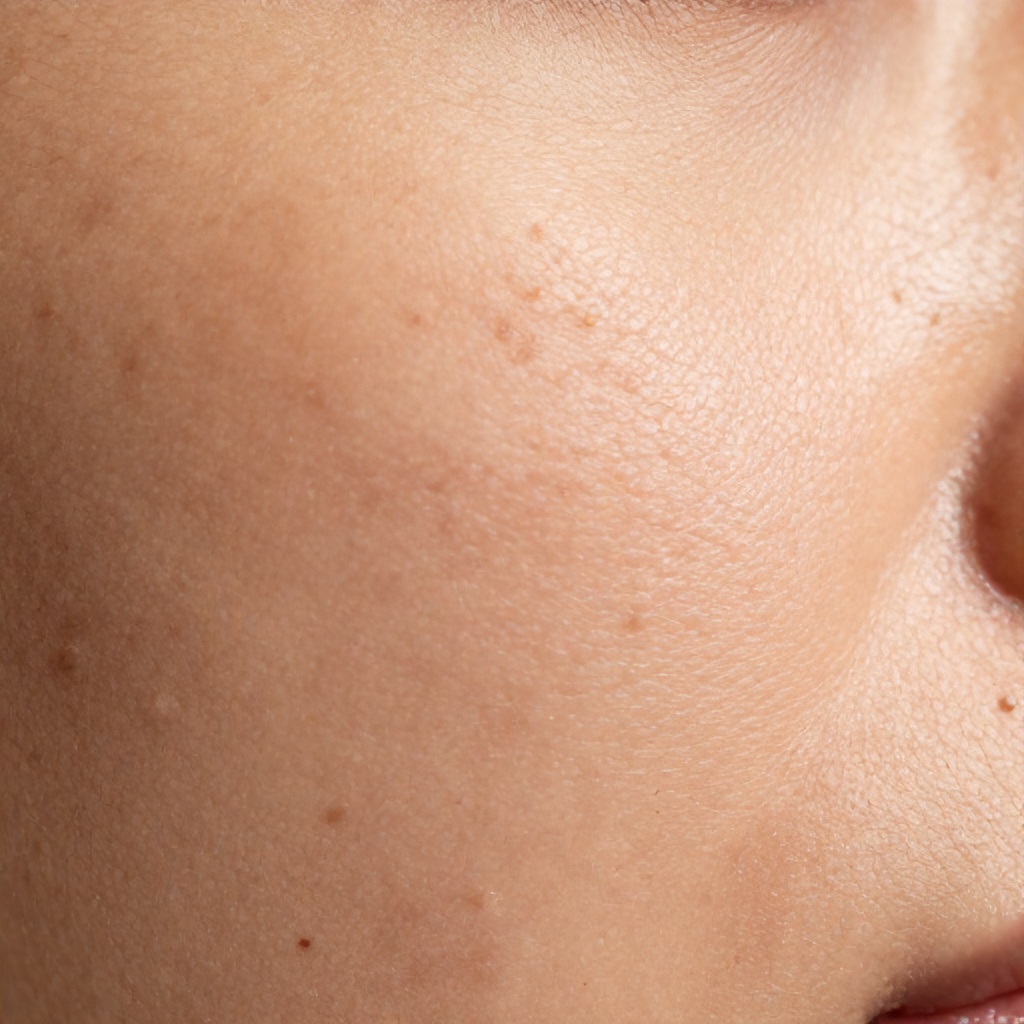
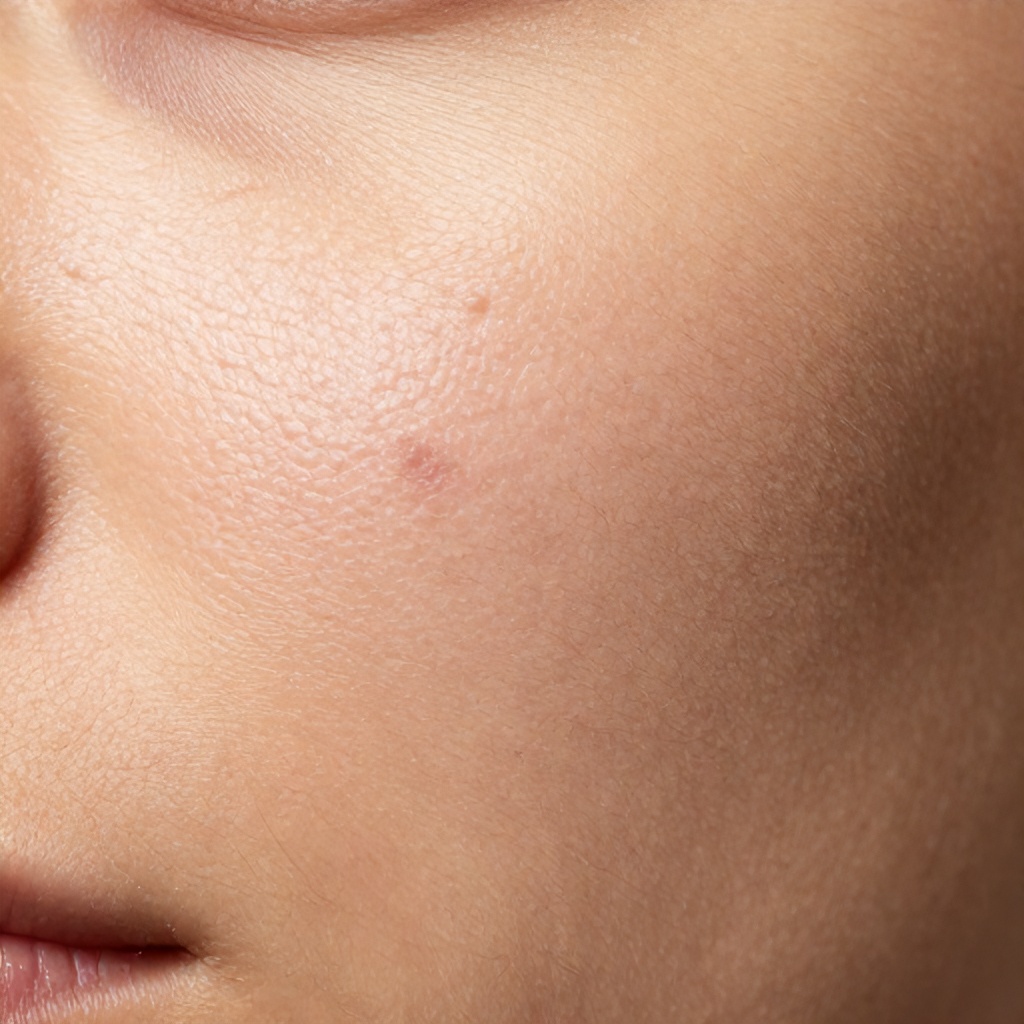
Understanding the Mechanics of Pore Congestion and Skin Surface Irregularities

Understanding the Mechanics of Pore Congestion

Pore congestion happens when the natural flow of sebum to the skin surface gets interrupted by trapped debris, dead cells, and environmental pollutants. When these elements mix inside the follicle, they create a plug that stretches the pore lining, leading to visible skin surface irregularities. Most people notice this as a grainy texture or small, dark spots across the nose, chin, and forehead. While often mistaken for simple dirt, these plugs are actually a complex interaction between oil production and the skin’s natural shedding process.

The follicle is designed to act as a conduit for sebum, which keeps the skin supple and protected. When the rate of skin cell turnover slows down, those cells do not shed properly. Instead, they stick to the inside of the pore walls. This process, known as hyperkeratosis, creates a sticky environment where oil becomes trapped. Over time, this mixture of oil and debris hardens, leading to follicular occlusion. If the plug remains open to the air, it oxidizes and turns dark, forming blackheads. If the pore remains closed, the buildup stays beneath the surface, creating tiny, flesh-colored bumps.

Distinguishing Between Sebaceous Filaments and Blackheads

Distinguishing between sebaceous filaments and true blackheads is essential for maintaining skin barrier health. Sebaceous filaments are a normal part of human anatomy. They look like tiny, grayish, or tan dots and serve as a pathway for oil to reach the skin surface. They are not a sign of poor hygiene, and attempting to extract them forcefully usually results in epidermal irritation or enlarged pores. You can identify them by their uniform, flat appearance across the nose or chin.

Blackheads, or open comedones, have a different structure. These represent a genuine blockage where the pore is physically impacted by a hard plug of oxidized material. Unlike filaments, blackheads are often raised or feel rough to the touch. Treating them requires a consistent approach focused on chemical exfoliation rather than mechanical force. Aggressive squeezing triggers a localized inflammatory response, which can damage the surrounding tissue and lead to permanent scarring or deeper dermal inflammation.

Signs of Chronic Congestion

  • Surface texture that feels like fine sandpaper.
  • Consistent breakouts in the same localized areas.
  • Small, hardened bumps that do not respond to basic cleansing.
  • A dull, grayish appearance to the complexion.
  • Visible stretching of pore openings in oily zones.

The Role of Skin Barrier Health

A compromised skin barrier often exacerbates pore congestion by triggering an overproduction of oil. When the moisture barrier is stripped by harsh soaps or overly aggressive scrubbing, the skin reacts by pumping out more sebum to compensate for the loss of protection. This creates a cycle of cutaneous congestion where the skin feels tight yet remains oily. Focusing on hydration is often the missing link in managing persistent texture issues.

Incorporating non-comedogenic hydrators helps keep the pore lining flexible. When the skin is properly hydrated, the dead cells are more likely to shed naturally rather than clumping together. Look for lightweight serums containing hyaluronic acid or glycerin. These ingredients pull moisture into the upper layers of the epidermis without adding heavy waxes or oils that might further clog the follicular opening.

Strategic Exfoliation for Texture Issues

Chemical exfoliation is the most effective method for addressing follicular debris. Salicylic acid stands out because it is oil-soluble, meaning it can penetrate deep into the pore to dissolve the glue holding the debris together. This action helps clear out existing comedones and prevents new ones from forming. For those with sensitive skin, starting with a low percentage once or twice a week is enough to see a gradual improvement in complexion unevenness.

Alpha hydroxy acids, such as glycolic or lactic acid, work differently by loosening the bonds between surface skin cells. While they do not travel as deep into the pore as salicylic acid, they are excellent for smoothing out the skin topography and removing the top layer of dead cells that contribute to blockages. Using these acids in rotation allows the skin to clear itself from both the inside and the outside.

Best Practices for Routine Management

  1. Cleanse with a gentle, pH-balanced wash to avoid stripping the barrier.
  2. Apply a salicylic acid treatment to the T-zone to target deep-seated congestion.
  3. Use a lightweight, gel-based moisturizer to maintain hydration levels.
  4. Protect the skin with a mineral-based sunscreen during the day to prevent oxidation of oils.
  5. Limit physical scrubs to once a week to prevent unnecessary epidermal irritation.

Identifying Ingredients That Trigger Blockages

Not all products are created equal when it comes to pore blockage. Certain heavy waxes, thick oils, and silicones can sit on the skin surface and trap heat and oil inside the follicles. While these ingredients are not inherently bad, they can be problematic for individuals prone to congestion. Checking labels for terms like non-comedogenic is a helpful starting point, though it is not a perfect science.

Common culprits include isopropyl myristate, coconut oil, and certain heavy algae extracts. If you notice your skin texture worsening after introducing a new cream or oil, it is worth pausing that product to see if the congestion subsides. Often, the simplest routines yield the best results because they reduce the number of variables interacting with your skin’s natural oil production.

When to Consult a Professional

Dermatological imaging can provide a deeper look at what is happening beneath the surface of the skin. If you have tried consistent chemical exfoliation and gentle hydration without seeing a change in your skin texture, there may be an underlying issue related to hormonal fluctuations or chronic inflammation. A professional can assess whether your congestion is related to simple surface buildup or a more deep-seated follicular issue.

Professional treatments like chemical peels or specialized extractions can clear out long-standing impactions that home care cannot reach. These procedures are performed in a controlled environment to minimize the risk of scarring. They are particularly useful for individuals dealing with deep, stubborn comedones that have become a permanent fixture of their skin topography. Consistent professional care, paired with a solid home routine, is the most reliable path toward a clear, refined complexion.

Maintaining Long-Term Results

Consistency is the primary driver of skin health. Pores do not stay clear indefinitely; the skin is a living organ that constantly produces oil and sheds cells. Expecting a one-time fix is unrealistic. Instead, view your skincare routine as a form of maintenance. By keeping the flow of sebum clear and supporting the natural shedding cycle, you prevent the buildup that leads to visible congestion.

Patience plays a large role in this process. It often takes six to eight weeks to see a significant change in skin texture, as this aligns with the natural cycle of skin cell turnover. If you find yourself frustrated, remember that the goal is health rather than perfection. A clear, healthy complexion is simply one that functions efficiently, allowing for natural processes to occur without the interference of hardened debris.

Habits to Avoid for Clearer Pores

  • Sleeping in makeup, which traps pollutants and oil against the skin overnight.
  • Touching your face throughout the day, which transfers bacteria and debris.
  • Using hot water to wash your face, as it can strip natural oils and trigger overproduction.
  • Over-cleansing, which signals the skin to produce more sebum to protect itself.
  • Applying heavy, occlusive creams to oily areas of the face.

Understanding Facial Skin Texture and Pore Visibility in Macro Photography

Understanding Skin Surface Morphology

Pores are a natural, functional part of your facial complexion, yet high-resolution skin imaging often makes them appear larger or more irregular than they truly are. When you look at macro photography of skin, you see the reality of your skin surface morphology, which includes tiny peaks, valleys, and hair follicles. Most people mistake this normal epidermal texture for a skin flaw. Your skin is not a smooth, airbrushed surface, but a living organ with a complex topography that changes based on hydration, lighting, and sebum production.

Dermatological analysis confirms that what you see in close-up photos is often a combination of natural skin grain and light scattering. Shadows cast by the uneven surface of your skin can make pores look deeper or wider than they appear to the naked eye. Recognizing that skin texture is a standard health marker helps shift the focus from chasing an impossible, plastic-like finish to maintaining a healthy, resilient barrier.

Factors Influencing Pore Visibility

Pore size is largely determined by genetics, but several external factors influence how prominent they look in your daily visual skin assessment. Sebum-related pore appearance is the most common concern, as oil trapped within the follicle can stretch the opening and make it look darker against the surrounding skin. When oil oxidizes, it creates a visible contrast, drawing more attention to the pore than if it were clear.

The Role of Collagen and Elasticity

As skin ages, the structural support around the follicle weakens. Collagen and elastin provide the scaffolding that keeps pores tight and small. When these proteins degrade, the skin loses its firmness, causing the pore to look oval or elongated rather than circular. This loss of elasticity is a primary driver of increased pore visibility in clinical skin evaluation. Protecting your skin from UV radiation is the most effective way to preserve this structural integrity over time.

Hydration and Plumping

Dehydrated skin looks dull and highlights surface irregularities. When skin cells lack sufficient water, they shrink, which makes the surrounding skin texture look rougher and more pronounced. Proper hydration acts like a filler, plumping the cells so the skin surface appears more uniform. A well-hydrated face reflects light evenly, which naturally softens the appearance of pores and fine lines.

Practical Approaches to Skin Refinement

Improving the appearance of your complexion requires a consistent routine rather than a single miracle product. Focus on keeping follicles clear and supporting the skin barrier to manage textural contrast. Small, incremental changes usually yield the most sustainable results for your skin health.

  1. Use gentle chemical exfoliants like salicylic acid to clear out the debris inside the pore. This prevents sebum from stretching the follicle opening.
  2. Apply niacinamide to help regulate oil production and improve the overall look of skin grain.
  3. Prioritize sun protection daily. UV rays break down the collagen that keeps pores looking tight.
  4. Choose non-comedogenic moisturizers that provide hydration without clogging the pores.
  5. Cleanse your face thoroughly every evening to remove pollutants and makeup that can settle into the skin surface.

Managing Expectations with Close-Up Images

Macro photography captures details that are invisible during normal social interaction. When you view your skin at ten times its actual size, you are looking at cutaneous detail that no one else sees. This creates a distorted perception of your own facial aesthetics. Normal skin has a visible grain, and that is a sign of a healthy, functioning barrier.

If you find yourself obsessing over high-resolution images, try to step back. Evaluate your skin from a distance of two feet in a mirror, which is how people actually see you. If your skin feels comfortable, isn’t breaking out, and has a healthy glow, the textural details you see in a zoomed-in photo are likely just normal anatomy. Complexion uniformity is a goal, but perfection is an illusion created by digital filters and lighting.

When to Consult a Professional

Sometimes, what appears to be large pores is actually a sign of other skin conditions. If you notice significant changes in your skin surface morphology, such as bumps that do not go away or persistent redness, a dermatological imaging session with a professional might be helpful. They can determine if your concerns are related to simple sebum buildup or if there is an underlying issue like rosacea or chronic inflammation.

  • Persistent acne that leaves scarring or pits.
  • Sudden changes in skin texture that do not respond to basic skincare.
  • High levels of inflammation around the nose or cheeks.
  • Concerns about specific skin growths or irregular pigmentations.

Professional treatments like chemical peels or laser therapy can assist with skin refinement by stimulating collagen production and resurfacing the top layer of the epidermis. However, these are maintenance procedures, not permanent fixes. Your daily habits, such as eating a balanced diet, drinking enough water, and getting adequate sleep, remain the foundation of your skin health markers.

The Impact of Lighting on Texture

Lighting is the most significant factor in how skin is perceived. Direct, harsh light—especially light coming from the side—will highlight every bump and pore, creating deep shadows that exaggerate textural contrast. This is why many professional photos are taken with soft, diffused light that fills in those shadows and creates a smoother look.

If you are taking photos of your own skin, notice how moving your face toward or away from a window changes the visibility of your pores. You might find that your skin looks completely different under fluorescent office lights compared to natural morning light. Understanding these variations helps you stop judging your skin based on a single, unflattering photograph. Your skin is dynamic, and its appearance will shift throughout the day based on your environment, your activity level, and the products you have applied.

Building a Sustainable Routine

Avoid the temptation to over-scrub or use harsh physical exfoliants. These can damage the skin barrier, leading to increased sensitivity and inflammation, which actually makes pores look worse. Instead, focus on ingredients that support skin health from the inside out. Retinoids are often recommended for long-term skin refinement, as they increase cell turnover and help keep the pore lining clear.

Introduce new products slowly to ensure your skin tolerates them. Start with a basic cleanser, moisturizer, and sunscreen. Once your skin is stable, add a targeted treatment for texture. Consistency is the primary factor in seeing results. It takes weeks for skin cells to cycle, so give your routine time to work before deciding if a product is effective. By focusing on the health of your skin rather than the visual perfection of your pores, you will achieve a complexion that looks and feels its best.

Science-Backed Strategies for Achieving Long-Term Acne Treatment Results

Achieving a clear complexion requires a shift from quick-fix mentalities toward consistent, science-backed habits that prioritize epidermal health. Real dermatological transformation does not happen overnight, but the visual shift from active breakouts to a calm, even skin tone is entirely possible with the right approach. When you look at a dermatological before and after, you are seeing the result of months of patience, barrier protection, and targeted ingredient selection rather than a single miracle product.

Understanding the Timeline of Skin Rejuvenation

Skin cells turn over roughly every 28 to 40 days, meaning your skin needs at least one full cycle to show the initial signs of improvement. When you start an acne management routine, the first few weeks often involve a period of adjustment. This is where many people quit, assuming the products are failing. In reality, the skin is purging, which is a natural process of bringing underlying congestion to the surface.

Inflammatory acne requires a different strategy than simple surface congestion. You are managing both the active infection and the lingering redness reduction that follows. If you rush the process with harsh physical scrubs or high-concentration acids, you risk damaging the moisture barrier. A compromised barrier leads to increased sensitivity, which makes acne inflammation worse. Focus on gentle cleansing and hydration to provide the foundation for healing.

The First Four Weeks

During the first month, your goal is stabilization. You might notice that your skin feels less oily or that the frequency of new breakouts begins to slow down. This is the phase where you establish your baseline. Avoid introducing five new products at once. If you experience a reaction, you will have no way of knowing which item caused the irritation. Stick to a basic cleanser, a non-comedogenic moisturizer, and your primary treatment.

  • Use a pH-balanced cleanser that does not leave your skin feeling tight or stripped.
  • Apply a lightweight moisturizer twice daily to support skin barrier restoration.
  • Introduce active ingredients like salicylic acid or benzoyl peroxide slowly, perhaps every other night, to monitor tolerance.
  • Prioritize sun protection every single morning, as UV exposure darkens post-inflammatory hyperpigmentation.

Identifying the Signs of Progress

True aesthetic skin improvement is measured by more than just the absence of pimples. You should look for subtle changes in skin texture improvement and overall luminosity. When the skin is healthy, it reflects light more evenly. If your skin looks dull or feels rough, it is often a sign that your exfoliation routine is either lacking or too aggressive.

Redness reduction is another key indicator that your treatment plan is working. When acne inflammation subsides, the skin tone begins to even out. This process takes time, as the skin needs to heal the micro-trauma caused by previous breakouts. If you notice that your skin feels softer to the touch and the size of your pores appears minimized, you are on the right track toward clinical skincare results.

Tracking Your Journey

Taking photos is the most practical way to track your dermatological progress. Lighting can play tricks on your perception, so try to take your photos in the same spot at the same time of day. Use a neutral background and avoid filters. When you look back at these images after three months, the changes in your skin surface refinement will be much more apparent than they are in the mirror every morning.

  1. Clean your phone camera lens to ensure the image is sharp and clear.
  2. Stand facing a window for consistent natural light.
  3. Take a front-facing shot and two side-profile shots to capture the full scope of your skin.
  4. Keep a simple log of the products you used during that week to correlate your results with your routine.

Managing Post-Treatment Skin and Scarring

Once the active acne is under control, the focus shifts to addressing the aftermath. Post-treatment skin often deals with dark spots or uneven texture. These marks are not always true scars; they are often just pigment changes that will fade with time and the right care. Patience is your greatest asset here. Using brightening agents like vitamin C or niacinamide can help speed up the process of complexion balancing.

If you have deeper texture issues, such as pitted scarring, topical products may have limitations. This is where professional intervention becomes relevant. A dermatologist can offer options like chemical peels, microneedling, or laser therapy to help with deeper skin surface refinement. These treatments work by stimulating collagen production, which helps fill in the depressions left by severe inflammatory acne.

The Role of Lifestyle in Skin Clarity

External products only account for half of the equation. Your internal health plays a significant role in how your skin responds to treatment. Hydration, sleep, and stress management all influence your hormone levels, which are directly linked to acne production. When you are chronically stressed, your body produces more cortisol, which can trigger excess oil production and lead to more breakouts.

Dietary choices also impact skin inflammation. While everyone has different triggers, many people find that reducing high-glycemic foods helps stabilize their complexion. Focus on whole foods, plenty of water, and healthy fats like omega-3s. These small adjustments support your skin from the inside out, making the external treatments more effective.

Common Mistakes to Avoid

Many people fall into the trap of over-treating their skin. If you see a blemish, the instinct is to apply every spot treatment you own. This usually results in a dry, flaky patch of skin that is even harder to cover with makeup. Instead, treat the area as you would a wound. Keep it clean, keep it hydrated, and let the skin heal itself.

  • Do not pick or squeeze active breakouts, as this pushes bacteria deeper and increases the risk of scarring.
  • Avoid using heavy, pore-clogging oils if you are prone to congestion.
  • Do not skip moisturizer just because your skin feels oily; dehydration often causes the skin to produce even more oil to compensate.
  • Be wary of social media trends that suggest using household items like toothpaste or lemon juice on your face.

Building a Sustainable Routine

The best routine is one you can actually stick to for the long term. If you have a ten-step process, you will likely skip it on busy nights. A simple, effective routine is far superior to a complex one that you only follow half the time. Focus on the core pillars: cleanse, treat, moisturize, and protect.

In the morning, your focus should be on protection. A gentle cleanser followed by a vitamin C serum and a broad-spectrum SPF is sufficient for most people. The SPF is non-negotiable. It prevents the darkening of acne marks and protects the skin barrier from environmental damage. In the evening, focus on repair. Cleanse thoroughly to remove the day’s debris, apply your active treatment, and finish with a nourishing moisturizer.

Selecting the Right Ingredients

When shopping for products, look for labels that specify non-comedogenic or oil-free. These terms indicate that the product is formulated to avoid clogging pores. If you are dealing with persistent acne, look for ingredients like adapalene, which is a retinoid that helps regulate cell turnover. For those with sensitive skin, azelaic acid is a fantastic option that targets both redness and bacteria without the irritation often associated with stronger retinoids.

Always check the ingredient list for potential irritants like synthetic fragrances or essential oils. These are common culprits for contact dermatitis, which can mimic the appearance of acne. If your skin feels itchy, red, or hot, stop using the new product immediately and return to your basic routine until the irritation subsides.

The Reality of Clinical Skincare Results

It is important to manage your expectations regarding what a clear complexion looks like. Skin is meant to have texture. Pores are a natural part of human anatomy and cannot be erased. The goal of acne management is to achieve a healthy, balanced state where breakouts are rare and the skin barrier is intact. Do not compare your real-life skin to filtered images online.

If you have been consistent with your routine for six months and see no improvement, it is time to consult a professional. A dermatologist can identify underlying issues such as hormonal imbalances or specific types of bacteria that require prescription-strength medication. There is no shame in seeking expert help; sometimes, the skin needs a stronger intervention to break the cycle of inflammation.

Maintaining Your Results

Once you have achieved your desired level of clarity, your routine should shift toward maintenance. You do not need to use high-strength acne treatments forever. You can often scale back to a lower frequency or switch to gentler maintenance products. The key is to keep the skin barrier healthy and hydrated so that it can defend itself against future breakouts.

Continue to monitor your skin for changes. If you notice a sudden increase in breakouts, look at your recent habits. Have you been traveling, changing your diet, or using a new laundry detergent? Often, the cause is environmental or lifestyle-related. By staying observant, you can catch potential issues before they turn into a full-blown breakout cycle.

Remember that your skin is a living organ that changes with the seasons, your age, and your environment. A routine that works in the summer may be too drying for the winter. Be prepared to adjust your moisturizer or the frequency of your exfoliation as needed. This flexibility is the hallmark of someone who truly understands their skin and knows how to keep it looking its best year-round.

Ultimately, the journey to a clear complexion is about building a relationship with your skin. When you treat it with kindness and consistency, it will respond. Focus on the long-term health of your epidermal barrier, and the aesthetic results will follow. You are not just trying to clear a blemish; you are cultivating a healthy, resilient complexion that will serve you well for years to come.

Stay patient, stay consistent, and keep your routine simple. The most effective transformations are those that are built on a foundation of daily care and realistic expectations. Your skin has the capacity to heal itself if you provide it with the right environment and the right tools. Keep your focus on the process, and the results will reveal themselves in time.

Exit mobile version