Understanding the Tripod Headstand
The tripod headstand, known in Sanskrit as Mukta Hasta Sirsasana, is an inverted yoga pose that relies on a triangular base formed by your two hands and the crown of your head. Unlike traditional headstands that use forearm support, this variation demands significant core stability and precise weight distribution to keep the neck safe. You are essentially balancing your entire inverted body weight on three points, which requires a foundation of strength in the shoulders and upper back before you even lift your feet off the floor.
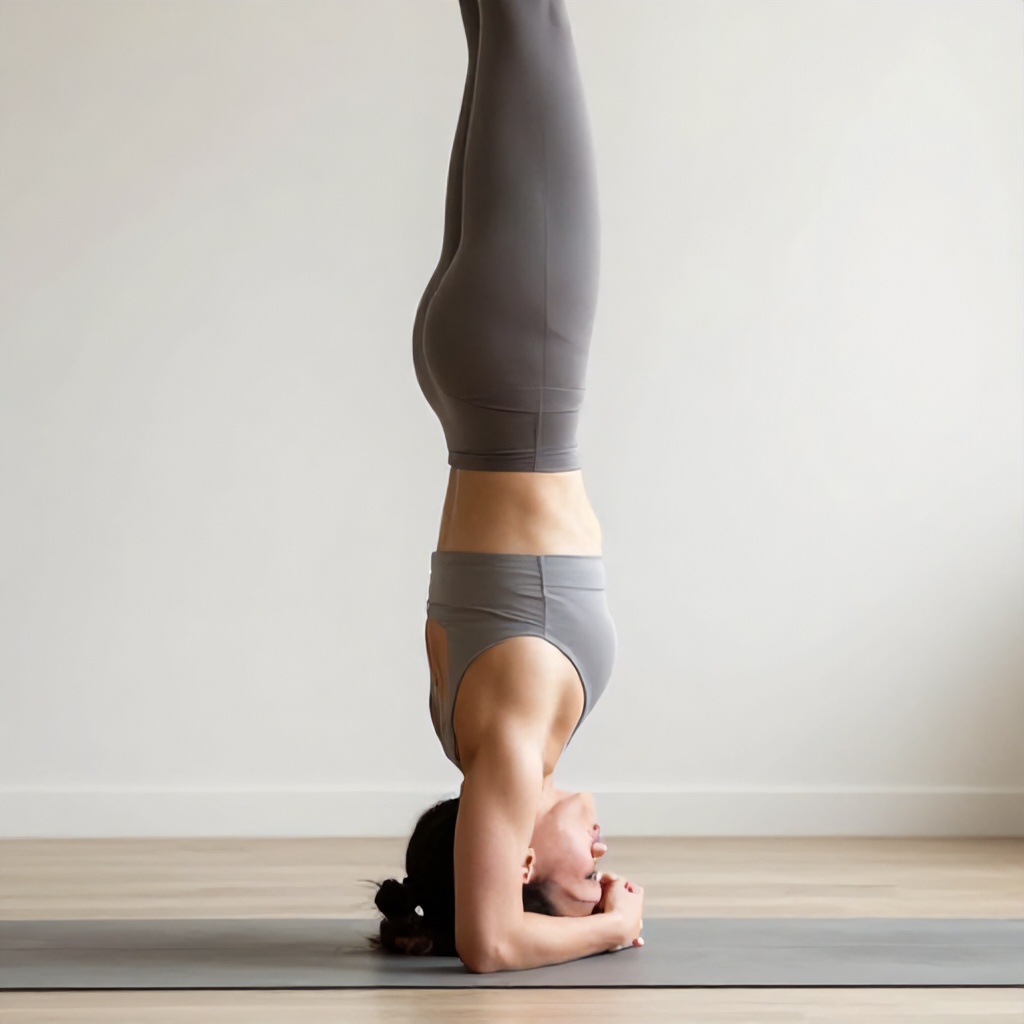
Safety remains the primary concern during any inversion training. Because this yoga posture puts direct pressure on the cervical spine, you must ensure your neck muscles are engaged and your shoulders are actively pushing away from the floor. If you feel any pinching or sharp pain in your neck, you should exit the pose immediately. This practice is not about forcing your body into a shape but rather building the necessary musculoskeletal alignment over time.
Preparing Your Body for Inversion
Before attempting to lift your legs, you must prepare the muscles that support your spine. Many practitioners rush into the tripod headstand without establishing the proper foundation, leading to instability and potential injury. Focus on exercises that strengthen the core and increase shoulder mobility.
Building Core Stability
Core stability acts as your anchor when your feet leave the ground. Without a strong midsection, your body will sway, making it impossible to find your center of gravity. Practice these movements to prepare:
- Plank pose: Hold for 60 seconds to build endurance in the abdominal wall.
- Dolphin pose: This mimics the shoulder engagement required for inversions while keeping your feet on the floor.
- Boat pose: Engage the deep abdominal muscles to help control your legs as they transition into the air.
Developing Shoulder Strength
Your shoulders carry the majority of your weight in this balancing asana. If your shoulders are weak, your head and neck will take the brunt of the pressure, which is dangerous. Push-ups and overhead presses are excellent ways to build the necessary power. During your yoga practice, focus on keeping the shoulder blades flat against your back rather than letting them wing out.
Establishing the Tripod Base
The foundation of the tripod headstand is the triangle you create with your hands and head. If this base is too narrow or too wide, you will lose your balance quickly. Proper placement is the most important part of your yoga instructional guide.
- Begin in a tabletop position on your mat.
- Place your hands shoulder-width apart, fingers spread wide to grip the floor firmly.
- Lower the crown of your head onto the mat, forming an equilateral triangle with your hands.
- Ensure your elbows are bent at a 90-degree angle, pointing directly back toward your feet rather than flaring out to the sides.
Once your hands and head are set, press into your fingertips. This simple action takes a significant amount of pressure off your head and distributes it across your palms. If your weight feels centered on your forehead, adjust your head position until the crown of your head is the primary contact point.
Executing the Lift
Moving from the floor into the inverted position requires patience and control. Avoid jumping or kicking your legs up, as this leads to a loss of stability control and potential falls. Use a slow, methodical approach to lift your body weight.
The Knee-to-Elbow Transition
Once your tripod base is secure, walk your feet toward your hands. Keep your hips high, aiming to stack them directly over your shoulders. This alignment is vital for maintaining balance. Gently tuck one knee onto the back of your corresponding tricep, then follow with the other. Pause here. You are now in a modified version of the pose. If you feel steady, you can slowly begin to extend your legs toward the ceiling.
Finding Your Vertical Line
As you extend your legs, keep your core engaged and your glutes active. Imagine you are squeezing a block between your thighs. This keeps your legs from feeling heavy or floppy. Keep your gaze fixed on one point in front of you—a wall or a specific mark on your mat helps maintain focus. If you find yourself arching your back, pull your ribs in and lengthen your tailbone toward your heels.
Safety and Common Mistakes
Even experienced yogis encounter challenges with this inversion. Recognizing common errors is part of the learning process. If you find yourself collapsing, it is usually due to a lack of shoulder engagement or a weak core.
Avoiding Neck Strain
The most common mistake is putting too much weight on the head. You should feel like you are pushing the floor away with your hands, effectively hovering your head lightly on the mat. If your neck feels tired after a session, you are likely dumping your weight into your cervical spine. Focus on lifting out of the shoulders.
Using a Wall for Support
Using a wall is a standard practice for those new to this yoga movement. Place your mat against a wall so that when you lift your legs, your heels can rest against the surface. This provides a safety net while you learn how to balance your inverted body weight. Once you feel comfortable and stable, move away from the wall to practice free-standing.
Refining Your Inversion Practice
Consistency is key to mastering the tripod headstand. You do not need to practice for hours every day. Short, focused sessions are more effective for building muscle memory and strength. Aim to incorporate this pose into your routine three to four times per week, allowing for rest days to let your muscles recover.
Pay attention to how your body feels after each session. A successful practice leaves you feeling energized and strong. If you feel dizzy, nauseous, or experience lingering soreness, take a break. Yoga is a long-term commitment to your health, and there is no reason to rush the process. As your strength grows, you will find that the tripod headstand becomes a natural part of your movement repertoire, offering a new perspective on your physical balance and mental focus.
Remember that every body is different. Your proportions, shoulder flexibility, and core strength will dictate how quickly you progress. Some people achieve a stable tripod headstand in weeks, while others take months. Both timelines are perfectly normal. Focus on the quality of your alignment rather than the duration of the hold. A five-second hold with perfect form is far more beneficial than a minute of struggling with poor posture.
Listen to your body throughout your inversion training. If you have any history of high blood pressure, glaucoma, or neck injuries, consult a healthcare professional before attempting this pose. There are many ways to enjoy the benefits of yoga, and it is important to choose the ones that are safe and sustainable for your specific needs.