
Blackheads, technically known as open comedones, are a common dermatological concern that forms when a skin pore becomes clogged with a mixture of dead skin cells and sebum, the natural oil produced by your sebaceous glands. This specific type of pore congestion is characterized by its dark appearance on the skin surface, a result of the trapped material oxidizing when exposed to air, not dirt.

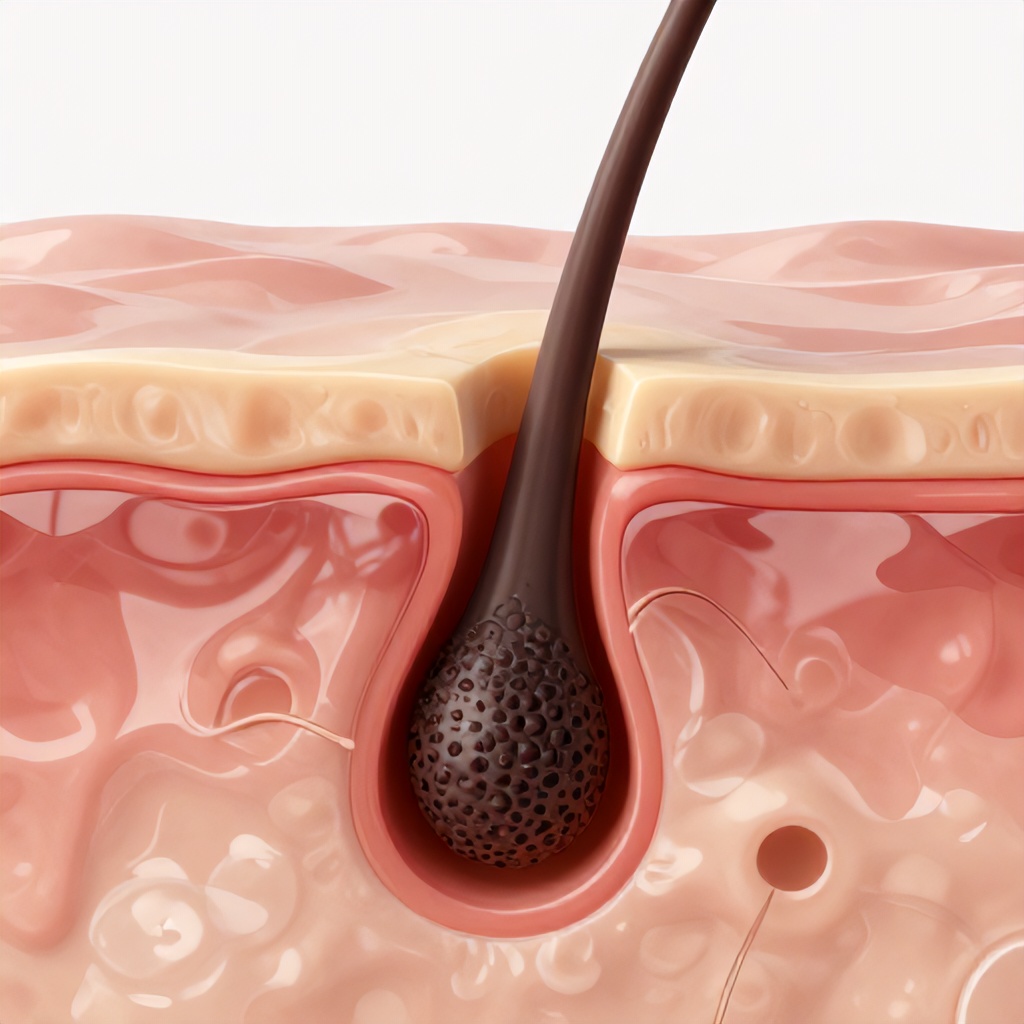
The Microscopic World: Understanding Your Skin Pore
To truly grasp blackhead formation, it helps to visualize the intricate cross-sectional anatomy of your skin. Each tiny skin pore is actually the opening of a hair follicle, a complex structure that extends deep into the dermis. This follicular unit is more than just a channel for hair; it’s a dynamic micro-environment crucial for skin health and function.
The Follicular Unit
Imagine a microscopic tube, lined with skin cells, extending from the surface down into the deeper layers. This is your hair follicle. At the base, a hair shaft grows, but it’s the surrounding structures that are key to understanding pore issues. The walls of this follicle are constantly shedding old keratinized cells, a natural part of skin renewal. Normally, these cells rise to the surface and flake off imperceptibly. However, disruptions in this process are often the first step towards pore blockage.
The Sebaceous Gland’s Role
Attached to almost every hair follicle is a sebaceous gland. These glands are microscopic powerhouses, responsible for producing sebum, a waxy, oily substance. Sebum isn’t inherently bad; it’s vital for maintaining skin hydration, creating a protective barrier against environmental aggressors, and keeping your skin and hair supple. It travels up the hair follicle and out onto the skin surface. The amount and consistency of sebum produced can vary greatly from person to person, influenced by genetics, hormones, and even diet, playing a significant role in individual skin pore physiology.
Keratinized Cells and Their Journey
The skin’s outermost layer, the epidermis, is primarily composed of keratinocytes, cells that produce keratin. As these cells mature, they flatten and harden, eventually forming a protective barrier. Inside the hair follicle, these keratinized cells are also continuously produced and shed. Under normal circumstances, they mix with sebum and exit the pore without issue. However, when this delicate balance is disrupted, these cells can accumulate, leading to epidermal obstruction and the beginning of pore congestion.
The 3D Visualization: How Blackheads Form
Let’s take a closer look at the step-by-step process of blackhead formation, imagining a dermatological visualization that peels back the layers of your skin to reveal the microscopic drama unfolding within a single pore.
Initial Pore Blockage: The Foundation of Congestion
The journey to a blackhead begins when the normal shedding process of dead skin cells within the hair follicle goes awry. Instead of flaking off and exiting the pore, these keratinized cells become sticky and clump together. This accumulation, often referred to as follicular debris, starts to form a plug just beneath the skin surface, creating an initial pore blockage. Think of it like a tiny dam forming inside the follicular canal, impeding the flow of substances trying to exit.
The Role of Sebum Buildup
Once this cellular plug is in place, the sebum produced by the sebaceous gland continues to flow. However, with the exit route partially or completely blocked, the sebum has nowhere to go. It begins to accumulate behind the plug, mixing with the trapped dead skin cells. This sebum buildup creates a perfect environment for further congestion, expanding the plug and putting pressure on the follicular walls. The mixture of dead cells and oil forms what dermatologists call a microcomedone, the earliest stage of any comedone.
Oxidation and Darkening: Why They’re Black
Unlike whiteheads (closed comedones), which remain covered by a thin layer of skin, blackheads are open to the air. The “black” in blackhead isn’t dirt, a common misconception. Instead, the trapped follicular debris and sebum buildup, when exposed to oxygen, undergo a chemical reaction called oxidation. This process causes the melanin (pigment) and lipids within the plug to darken, much like how a cut apple turns brown when exposed to air. This darkening is what gives dark comedones their characteristic appearance on the skin surface topography.
Follicular Impaction and Expansion
As more sebum and dead skin cells continue to accumulate, the plug grows larger and becomes more compacted. This phenomenon is known as follicular impaction. The pressure from this growing plug can cause the walls of the hair follicle to stretch and expand, making the pore opening appear larger and more noticeable on the skin texture. This expanded, impacted pore, filled with oxidized cutaneous debris, is the fully formed blackhead we observe. It’s a clear sign of underlying pore congestion and a common dermatological concern.
Beyond the Surface: Factors Contributing to Pore Congestion
While the microscopic process of blackhead formation is consistent, several external and internal factors can significantly influence their prevalence and severity. Understanding these contributors is key to effective pore refinement and maintaining overall skin health.
Hormonal Influences
Hormones, particularly androgens, play a significant role in regulating sebaceous gland activity. During puberty, menstruation, pregnancy, or periods of high stress, hormonal fluctuations can lead to an increase in sebum production. More sebum means a higher likelihood of it getting trapped in follicles, especially if cell turnover is also sluggish. This explains why teenagers often experience more blackheads and acne, but adults can also be affected by hormonal shifts.
Genetics and Skin Type
Your genetic makeup can predispose you to certain skin characteristics, including pore size and the inherent activity level of your sebaceous glands. Individuals with naturally oilier skin types tend to produce more sebum, making them more prone to pore congestion and blackhead formation. Similarly, some people naturally have larger pores, which can appear more noticeable when clogged, even if the underlying issue is the same.
Product Choices: The Comedogenic Factor
The products you apply to your skin can either help or hinder pore health. Many cosmetics, sunscreens, and moisturizers contain ingredients that are comedogenic, meaning they have a tendency to clog pores. Heavy oils, certain waxes, and some synthetic ingredients can sit on the skin surface or penetrate the follicle, contributing to epidermal obstruction and exacerbating follicular debris accumulation. Choosing non-comedogenic products is a fundamental step in preventing pore blockage.
Environmental Stressors
The environment around us also impacts our skin. High humidity can increase sweat and oil production, potentially leading to more pore congestion. Air pollution, dust, and other airborne particles can settle on the skin, mixing with sebum and dead skin cells to form additional cutaneous debris that contributes to pore impaction. Even prolonged sun exposure can thicken the outer layer of the skin, making it harder for dead cells to shed properly and increasing the risk of pore blockage.
Hygiene Habits (or lack thereof)
While over-washing can strip the skin and cause irritation, inadequate cleansing can certainly contribute to blackheads. Failing to remove makeup, sunscreen, and daily grime allows these substances to mix with natural sebum and dead skin cells, creating a perfect storm for pore congestion. However, it’s crucial to strike a balance; aggressive scrubbing can irritate the skin and paradoxically stimulate more oil production, worsening the problem.
Practical Steps for Clearer Skin: Managing Pore Health
Managing pore health and reducing blackhead formation involves a consistent, gentle, and targeted approach. The goal is to encourage proper skin pore physiology, minimize follicular impaction, and maintain a clear skin surface topography.
Gentle Cleansing Techniques
Cleansing is the cornerstone of any good skincare routine, but the emphasis should always be on gentleness. Use a mild, pH-balanced cleanser twice daily, in the morning and before bed. Avoid harsh soaps or cleansers that leave your skin feeling tight or stripped, as this can trigger your sebaceous glands to produce even more oil in an attempt to compensate. Lukewarm water is best, as hot water can be irritating. Massage the cleanser onto your skin with clean fingertips for about 60 seconds to effectively dissolve makeup, dirt, and excess sebum without causing irritation.
Exfoliation: The Right Way
Exfoliation is crucial for removing the dead keratinized cells that contribute to pore blockage. However, not all exfoliation is created equal. Physical scrubs with large, irregular particles can cause micro-tears in the skin, leading to inflammation and potentially worsening congestion. Chemical exfoliants, specifically Alpha Hydroxy Acids (AHAs) like glycolic or lactic acid, and Beta Hydroxy Acids (BHAs) like salicylic acid, are generally preferred. Salicylic acid is particularly effective for blackheads because it is oil-soluble, allowing it to penetrate deeper into the pore to dissolve sebum and follicular debris. Start with a low concentration a few times a week and gradually increase frequency as your skin tolerates it. This helps to prevent epidermal obstruction and promotes healthy cell turnover.
Targeted Treatments: Ingredients That Help
Beyond cleansers and exfoliants, certain active ingredients can specifically target blackhead formation and pore congestion. Retinoids, such as retinol or tretinoin (prescription-strength), are powerful ingredients that normalize cell turnover within the follicle, preventing dead skin cells from clumping together and forming plugs. They also help to reduce sebum production over time. Niacinamide, a form of Vitamin B3, can help regulate oil production, reduce inflammation, and improve skin barrier function, contributing to overall pore refinement. Clay masks, particularly those with bentonite or kaolin clay, can temporarily absorb excess oil and draw out impurities from the pores, offering a satisfying, albeit temporary, feeling of cleanliness.
Moisturizing for Balance
Even oily or blackhead-prone skin needs moisture. Skipping moisturizer can actually signal your skin to produce more oil, exacerbating the problem. Choose a lightweight, non-comedogenic moisturizer that won’t clog your pores. Look for formulations that are oil-free and designed for acne-prone skin. Hydrated skin functions better, including its ability to shed dead cells properly, which is vital for preventing follicular impaction.
Professional Interventions
For persistent or severe blackheads, professional treatments can offer significant relief. Estheticians can perform manual extractions, carefully and hygienically removing blackheads without damaging the surrounding skin. Chemical peels, often using higher concentrations of AHAs or BHAs than at-home products, can deeply exfoliate the skin and improve pore health. Microdermabrasion or hydrafacials can also help to resurface the skin and clear out congested pores, leading to a smoother skin texture and reduced appearance of dark comedones. Consulting a dermatologist is always recommended to determine the best course of action for your specific skin concerns.
What to Avoid for Better Pore Refinement
Just as important as what you do for your skin is what you avoid. Certain habits and products can actively worsen pore congestion and lead to more blackheads.
Aggressive Scrubbing
While the urge to scrub away blackheads might be strong, aggressive physical exfoliation with harsh scrubs, stiff brushes, or even washcloths can irritate the skin, disrupt its natural barrier, and trigger inflammation. This irritation can actually stimulate more oil production and make existing blackheads more noticeable, potentially leading to post-inflammatory hyperpigmentation or even breakouts. Gentle cleansing and chemical exfoliation are far more effective and safer.
Picking and Squeezing
Attempting to manually extract blackheads at home, especially without proper technique or hygiene, is a common pitfall. Squeezing can push the follicular debris deeper into the pore, rupture the follicle wall, and introduce bacteria, leading to inflammation, infection, and potentially scarring. It can also cause further follicular impaction and make the blackhead appear larger. Leave extractions to trained professionals who use sterile tools and proper methods.
Over-Drying Products
Products containing high concentrations of alcohol or other harsh astringents might make your skin feel temporarily “clean” or tight, but they strip away essential moisture and disrupt the skin’s natural barrier. This can lead to rebound oiliness, where your sebaceous glands overcompensate by producing even more sebum, creating a vicious cycle of oiliness and pore congestion. Balance is key; aim for products that cleanse and treat without causing excessive dryness.
Heavy, Pore-Clogging Makeup
Many makeup products, especially foundations and concealers, can be comedogenic if not formulated carefully. Heavy, oil-based formulas or those containing certain waxes can sit on the skin and mix with sebum and dead skin cells, directly contributing to pore blockage. Always opt for non-comedogenic, oil-free, and lightweight makeup products, especially if you are prone to blackheads. And critically, always remove all makeup thoroughly before bed to prevent overnight pore congestion.
Choosing the Right Products: A Guide to Non-Comedogenic Options
Navigating the vast world of skincare products can be overwhelming, but understanding how to identify non-comedogenic options is a powerful tool for maintaining clear skin and preventing blackhead formation.
Understanding Product Labels
The term “non-comedogenic” on a product label indicates that the product has been formulated to avoid ingredients known to clog pores. While this isn’t a guarantee for every individual, it’s a strong indicator that the product is less likely to contribute to pore congestion. Look for other helpful labels like “oil-free,” “non-acnegenic,” or “dermatologist-tested” for acne-prone skin. These terms suggest the product has been designed with skin health and pore anatomy in mind.
Key Ingredients to Look For
When selecting products, prioritize ingredients that actively support pore health and prevent follicular impaction. Salicylic acid (BHA) is a standout for its ability to penetrate oil and exfoliate within the pore. Retinoids (retinol, retinaldehyde) are excellent for normalizing cell turnover and reducing sebum. Niacinamide helps regulate oil and reduce inflammation. Hyaluronic acid provides hydration without clogging pores. Glycolic acid (AHA) can help exfoliate the skin surface, improving skin texture and allowing other treatments to penetrate more effectively. Antioxidants like Vitamin C can protect skin from environmental damage that can exacerbate congestion.
Ingredients to Be Wary Of
Some ingredients are notorious for their comedogenic potential. Heavy mineral oils, petrolatum, lanolin, and certain synthetic esters (like isopropyl myristate) can be problematic for many. While not all oils are bad, some plant oils, such as coconut oil or palm oil, are highly comedogenic for some individuals. Waxes like beeswax or carnauba wax can also contribute to epidermal obstruction. Silicones, while often non-comedogenic, can sometimes create a film that traps other ingredients. Always check ingredient lists, especially if you notice a product consistently leads to new blackheads or breakouts.
Maintaining Long-Term Skin Health and Preventing Recurrence
Preventing blackheads isn’t a one-time fix; it’s an ongoing commitment to consistent skincare and healthy lifestyle choices. Long-term pore refinement requires patience and diligence.
Consistency is Key
The most effective skincare routines are those that are followed consistently. Regular gentle cleansing, appropriate exfoliation, and targeted treatments need to be integrated into your daily and weekly regimen. Skipping steps or being inconsistent can quickly lead to a return of pore congestion and blackhead formation. Think of it as a continuous effort to support healthy skin pore physiology.
Diet and Lifestyle Considerations
While the link between diet and blackheads isn’t as direct as some might claim, a balanced diet rich in fruits, vegetables, and lean proteins can support overall skin health. Some studies suggest that high glycemic index foods and dairy might exacerbate acne for some individuals, though more research is needed. Managing stress, getting adequate sleep, and staying hydrated are also general wellness practices that contribute to healthier skin and can indirectly help in preventing dermatological concerns like blackheads.
When to See a Dermatologist
If despite consistent efforts with over-the-counter products and good skincare habits, your blackheads persist, worsen, or are accompanied by inflammatory acne (cysts, nodules), it’s time to consult a board-certified dermatologist. They can offer prescription-strength treatments, professional procedures, and personalized advice tailored to your specific skin type and concerns. A dermatologist can provide a comprehensive dermatological visualization of your skin’s needs and guide you towards the most effective solutions for lasting pore health and a clear complexion.