5-Minute Standing Yoga Sequence: Full Body Stretch for Beginners

Breaking free from prolonged sitting and needing a quick, effective full body stretch without any special gear is completely achievable with a simple standing yoga sequence you can do almost anywhere. This easy routine, perfect for yoga for beginners, offers a powerful way to reset your body and mind in just a few minutes, making it an ideal daily yoga practice for anyone looking to improve their well-being.

Why Standing Yoga is Your New Best Friend

Life often keeps us glued to chairs, whether at a desk, in a car, or on the couch. This sedentary lifestyle can lead to stiffness, poor posture, and a general feeling of sluggishness. That’s where standing yoga comes in, offering a refreshing antidote. It’s an accessible, equipment-free yoga option that doesn’t require a mat, special clothes, or even much space.

What Exactly is Standing Yoga?

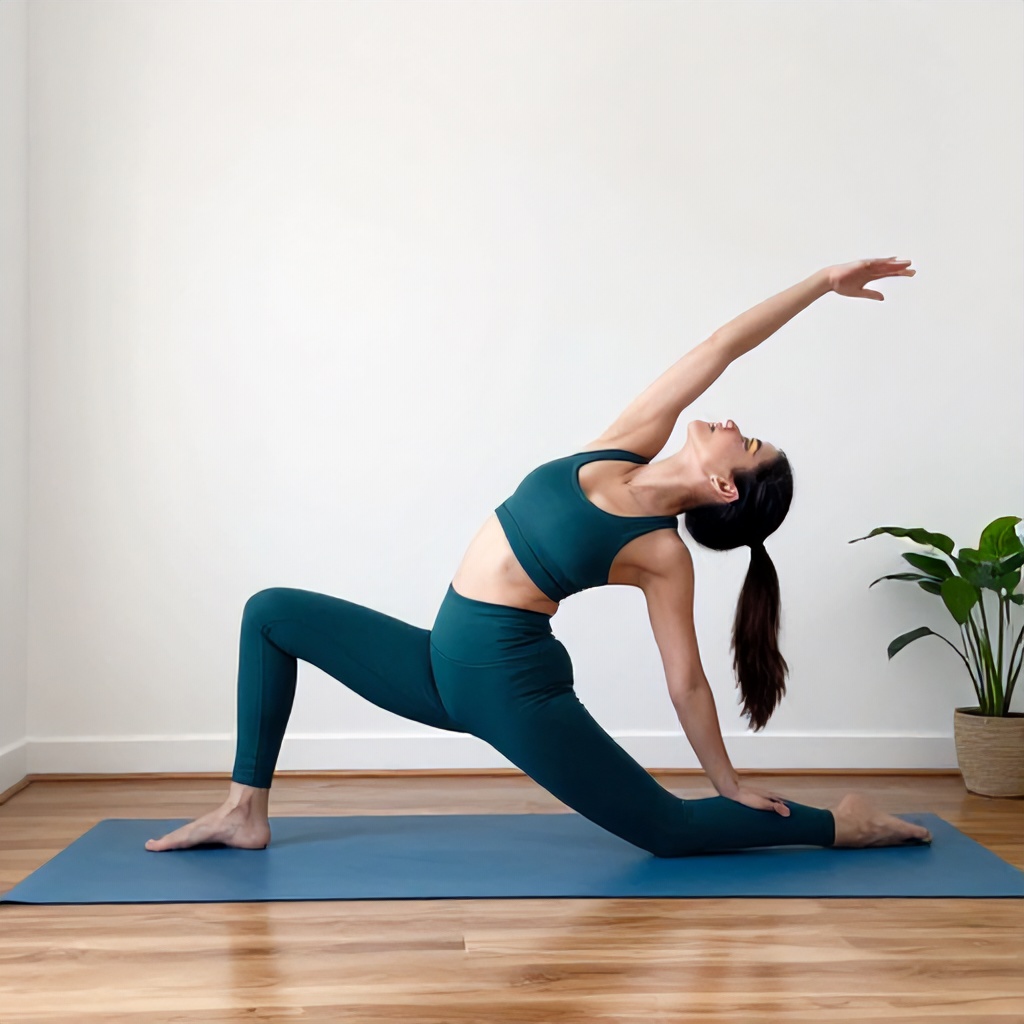
Standing yoga involves performing a series of yoga poses while remaining on your feet. Unlike floor-based practices, these movements are designed to be done upright, making them incredibly convenient for quick breaks throughout your day. It’s a fantastic way to get an energy boost and a mental reset, especially if you have a desk job yoga routine that keeps you seated for hours. These poses are excellent for posture improvement, helping to counteract the slumping that often comes with computer work.

This form of yoga is also perfect if you want to build a strong yoga foundation without feeling overwhelmed by complex pose names or intricate transitions. You can practice on your own, at your own pace, focusing on body awareness and how each movement feels. The beauty of it is that you can sneak in a quick standing yoga break anytime you need one – in your office, kitchen, or even while waiting for coffee.

The Amazing Yoga Benefits You’ll Feel

Engaging in a regular standing yoga sequence brings a cascade of positive changes, touching both your physical health and your mental state. It’s more than just a stretching routine; it’s a holistic approach to feeling better.
Physical Perks: Moving Better, Feeling Stronger

  • Posture Improvement: Standing poses inherently encourage you to lengthen your spine and align your body, directly addressing the slouched posture many of us adopt. This is particularly beneficial for those engaged in desk job yoga, helping to alleviate common aches.
  • Balance Exercises: Many standing yoga poses challenge your stability, requiring you to engage core muscles and focus. This consistent practice enhances your overall balance, which is crucial for everyday activities and preventing falls as you age.
  • Flexibility Training: While standing, you can gently stretch major muscle groups, improving your range of motion in joints like the hips, shoulders, and spine. This contributes to a full body stretch that feels incredibly liberating.
  • Strength and Endurance: Holding standing yoga poses, even for short periods, builds strength, particularly in your legs and core. This lower body strengthening is foundational for overall physical resilience and stamina.
  • Blood Circulation: Moving your body, especially with arm circles yoga and other dynamic stretches, helps to get your blood flowing more efficiently, delivering oxygen and nutrients to your muscles and brain.
  • Mobility Improvement: Regular movement through a standing yoga sequence helps to lubricate your joints and keep your muscles supple, preventing stiffness and improving your ability to move freely and easily.

Mental Calm: Finding Your Inner Peace

  • Muscle Tension Relief: Physical stretches directly address areas where stress often accumulates, such as the neck, shoulders, and lower back. Releasing this tension provides immediate physical comfort.
  • Stress Elimination: The combination of mindful movement and focused breathing inherent in yoga helps to calm the nervous system, reducing feelings of anxiety and promoting a sense of peace. It’s an effective way to achieve stress elimination.
  • Mental Reset: Taking a few minutes to step away from tasks and connect with your body offers a powerful mental reset. It clears your head, improves focus, and can boost your productivity for the rest of the day.
  • Mindfulness Practice: Standing yoga encourages you to pay attention to your body’s sensations, your breath, and the present moment. This mindfulness practice cultivates a deeper body awareness, helping you feel more connected and grounded.

Your 5-Minute Standing Yoga Sequence: A Full Body Stretch for Beginners

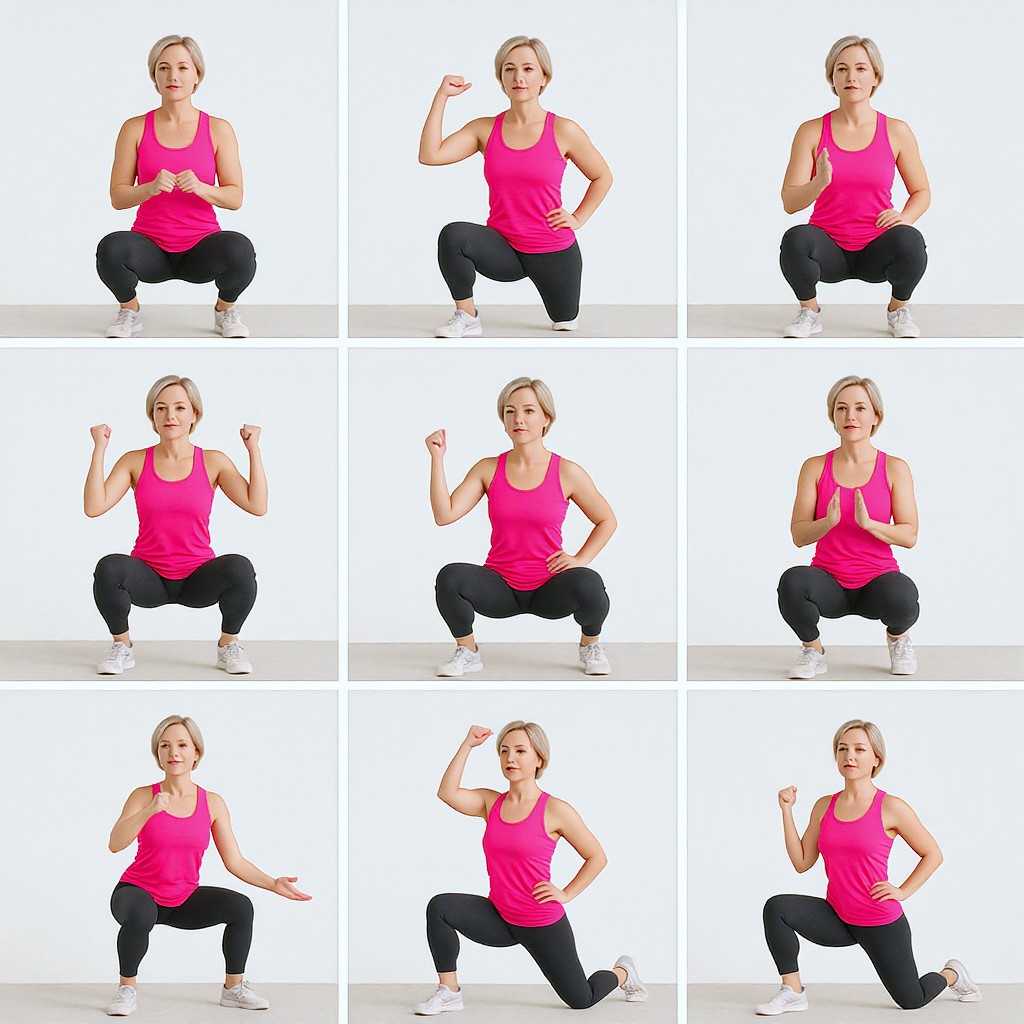
This simple standing yoga sequence is designed to be quick, effective, and accessible for everyone, especially yoga for beginners. It provides a comprehensive full body stretch, targeting common areas of tension and promoting overall well-being. No equipment-free yoga is needed, just a little space and your own body.

1. Gentle Arm Circles Yoga

This is a fantastic warm-up for your upper body and a great way to kickstart blood circulation. It prepares your shoulders and arms for gentle movement.

  1. Stand tall with your feet hip-width apart, arms relaxed by your sides.
  2. Inhale and slowly lift your arms forward and up towards the ceiling.
  3. Exhale and gently bring them down and back, making large, smooth circles.
  4. Repeat for 5-8 circles in one direction, then reverse for another 5-8 circles. Focus on the gentle rotation in your shoulder joints.

2. Standing Cat-Cow Pose

This pose brings wonderful mobility to your spine, mimicking the traditional Cat-Cow on the floor but from a standing position. It’s excellent for posture improvement and can offer a quick mental reset.
  1. Stand with your feet hip-width apart, knees slightly bent. Place your hands on your thighs, just above your knees.
  2. Inhale, arch your back slightly, lift your chest, and gently look up (Cow pose). Feel a gentle stretch across your chest.
  3. Exhale, round your spine, tuck your chin towards your chest, and draw your navel towards your spine (Cat pose). Feel the stretch in your upper back and neck.
  4. Flow between these two movements for 5-8 breaths, coordinating with your breath.

3. Open-Hearted Standing Backbends

Counteracting the forward hunch of sitting, standing backbends gently open the chest and shoulders, releasing tension and promoting a sense of openness. This is great for stress elimination.

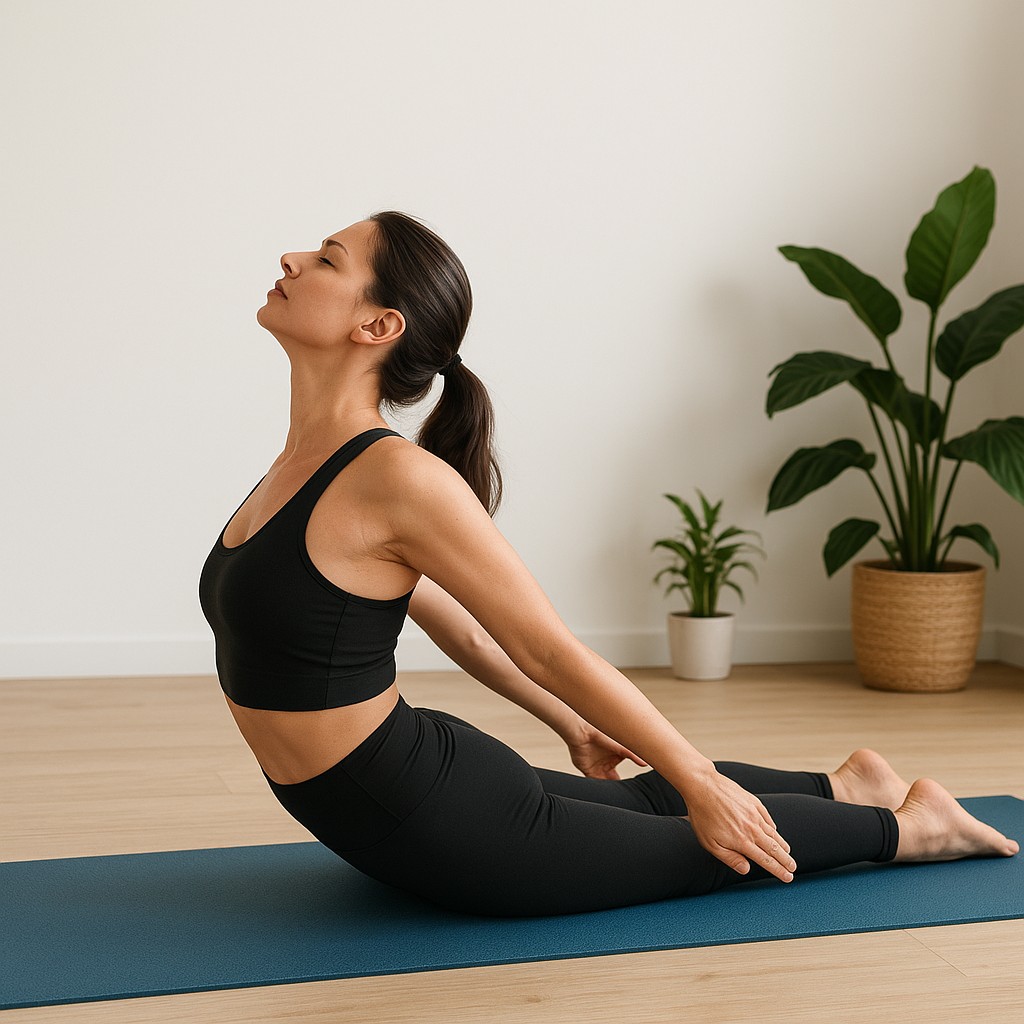
  1. Stand tall, feet hip-width apart. Place your hands on your lower back, fingers pointing down or out, elbows gently drawing towards each other.
  2. Inhale, lift your chest towards the ceiling, and gently arch your upper back. Keep your neck long, avoiding crunching it.
  3. Exhale, return to a neutral spine.
  4. Repeat 3-5 times, focusing on a gentle, expansive breath. Only go as far as feels comfortable for your lower back.

4. Grounding Forward Fold

This pose offers a deep hamstring stretch and releases tension in the lower back, providing a calming effect. It’s a crucial part of any full body stretch.

  1. Stand tall with your feet hip-width apart.
  2. Inhale, lengthen your spine.
  3. Exhale, hinge from your hips, keeping your back long, and fold forward. Allow your head and neck to relax completely.
  4. You can keep a generous bend in your knees, especially if your hamstrings feel tight. Let your arms hang or hold opposite elbows.
  5. Breathe deeply here for 5-8 breaths, feeling the stretch along the back of your legs and spine.
  6. To come up, bend your knees deeply, engage your core, and slowly roll up one vertebra at a time, letting your head be the last to rise.

5. Side Body Lengthening

This stretch targets the often-neglected sides of your torso, improving spinal mobility and releasing tension in your obliques and intercostal muscles.
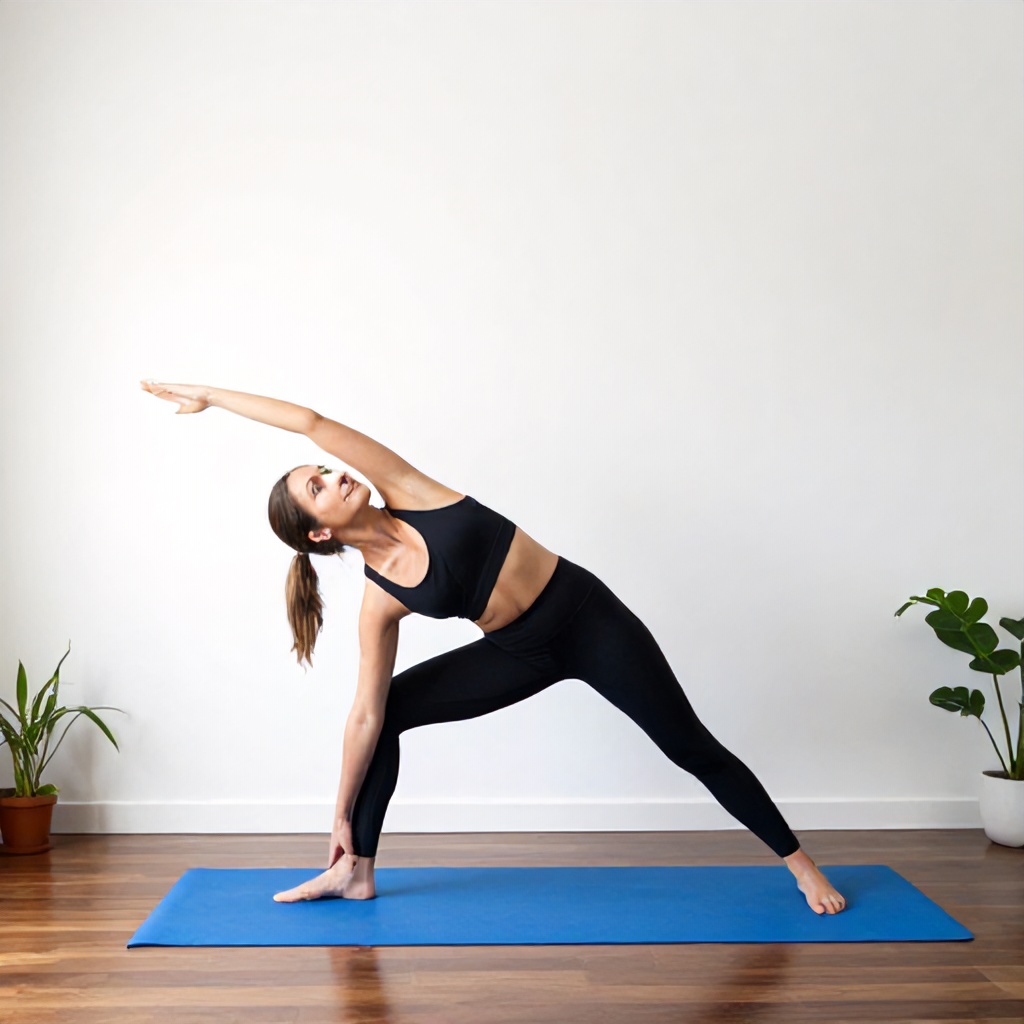
  1. Stand with your feet hip-width apart. Inhale, reach your right arm overhead, palm facing left.
  2. Exhale, gently lean to your left, stretching the entire right side of your body. Keep both feet grounded.
  3. Hold for 3-5 breaths, feeling the length from your right hip to your fingertips.
  4. Inhale to come back to center, then switch sides, reaching your left arm overhead and leaning to your right.
  5. Repeat 2-3 times on each side.

6. Gentle Leg Swings (for Balance and Hips)

These dynamic movements are excellent balance exercises and help improve hip mobility, contributing to lower body strengthening and flexibility.

  1. Stand tall, perhaps holding onto a wall or chair for support if needed, with your weight shifted slightly onto your left foot.
  2. Gently swing your right leg forward and back like a pendulum. Keep the movement controlled and fluid, not forced.
  3. Repeat 8-10 swings, then switch legs.
  4. Next, gently swing your leg side to side across your body, opening up the hips. Repeat 8-10 swings per leg.

7. Mountain Pose: Finding Your Center

End your sequence with this grounding pose to integrate the benefits and cultivate a sense of calm and stability. It’s the foundation for all standing yoga poses and excellent for body awareness.

  1. Stand tall with your feet hip-width apart, or even together if comfortable.
  2. Press down through all four corners of your feet, feeling rooted to the earth.
  3. Engage your leg muscles, gently lift your kneecaps.
  4. Draw your navel slightly in and up, lengthening your spine.
  5. Roll your shoulders back and down, letting your arms hang naturally by your sides, palms facing forward.
  6. Gently tuck your chin, keeping your neck long.
  7. Close your eyes if comfortable, or soften your gaze. Breathe deeply, noticing your posture improvement and the stability you feel.
  8. Hold for 5-10 breaths, embracing this moment of mindfulness practice.

Making This Your Daily Yoga Practice

The key to experiencing the full yoga benefits of this standing yoga sequence is consistency. Even just 5 minutes a day can make a profound difference. Think of it as a micro-break for your body and mind. You don’t need to dedicate a large chunk of time; simply integrating this stretching routine into your day, perhaps during a work break or while waiting for dinner to cook, is enough. This equipment-free yoga truly fits into any schedule, making it an achievable daily yoga practice for everyone, especially yoga for beginners.

Who Benefits Most from This Stretching Routine?

This specific standing yoga sequence is incredibly versatile and beneficial for a wide range of individuals. It’s particularly impactful for anyone looking for flexibility training, muscle tension relief, and improved body awareness. If you spend long hours seated, this desk job yoga routine will be a game-changer for your posture improvement and overall comfort. Anyone seeking a quick mental reset, stress elimination, or a boost in blood circulation will find immense value in these simple yoga poses. It’s designed to be accessible, making it a perfect entry point for yoga for beginners, while still offering tangible benefits for more experienced practitioners.

A Note on Yoga Sequencing (for Those Curious)

The way yoga poses are ordered, known as yoga sequencing, is intentional. For beginners, starting with gentle warm-ups like arm circles yoga, moving to spinal mobility with standing cat-cow pose, then opening the chest with standing backbends, and finally grounding with a forward fold and mountain pose creates a balanced and safe flow. This specific order ensures that the body is gradually prepared for deeper stretches, maximizes the full body stretch benefits, and helps to integrate the physical and mental aspects of the practice. It’s designed to build body awareness and confidence without overwhelming new practitioners.

Listen to Your Body: Important Tips for Practice

While this standing yoga sequence is gentle and designed for yoga for beginners, it’s always important to listen to your body. Never push into pain. A stretch should feel like a gentle opening, not a strain. If a pose doesn’t feel right, modify it, or skip it entirely. Keep a soft bend in your knees in most standing poses to protect your joints, and focus on your breath throughout the entire stretching routine. Deep, steady breaths enhance the mindfulness practice and help to deepen the stretches, making your daily yoga practice more effective and enjoyable.
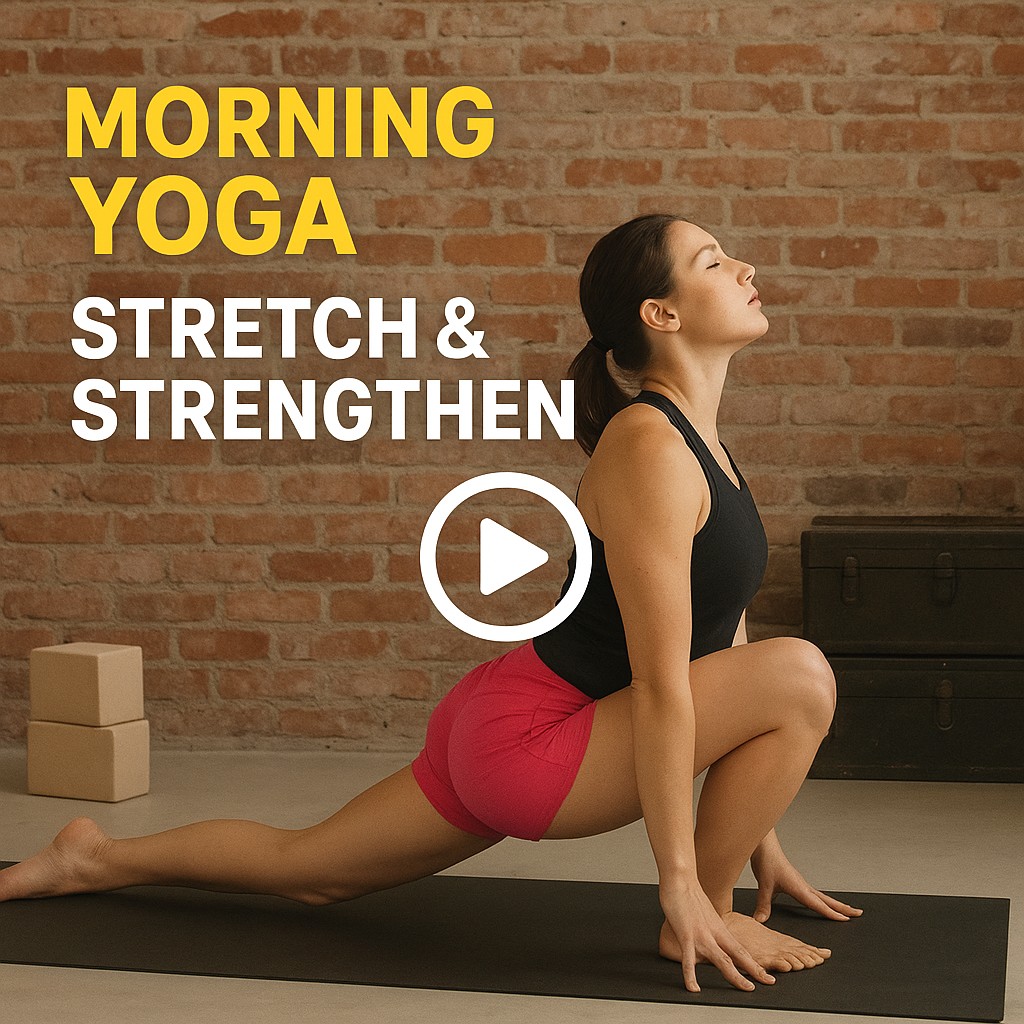

5 Minute Morning Yoga Flow for Stretching and Strengthening

Even a quick five-minute morning yoga flow can significantly impact your day, offering a perfect blend of stretching and strengthening to prepare your body and mind for whatever lies ahead.

The Power of a Quick Morning Yoga Flow

Many of us dream of leisurely mornings filled with extended meditation and a long, deep yoga session. The reality for most busy lives, however, involves a much more hectic pace. Finding a full 30 or 60 minutes for a dedicated yoga practice can feel impossible. This doesn’t mean you have to skip your mat entirely. A short, focused morning yoga flow is an incredibly effective way to infuse your day with energy and calm, even when you’re short on time.

Incorporating a regular yoga practice into your morning routine, even for just a few minutes, provides a wealth of benefits. It helps to wake up your muscles, improve circulation, and gently warm up your entire system. This brief yoga sequence is designed to give you maximum benefit in minimal time, focusing on key areas for stretching and strengthening.

Your 5-Minute Morning Yoga Sequence

This quick yoga routine is a personal favorite for those mornings when every second counts. It’s a fantastic way to achieve a gentle stretch and build some foundational strength, setting a positive tone for the day. Each pose is chosen for its effectiveness in promoting spine mobility and overall body awareness.

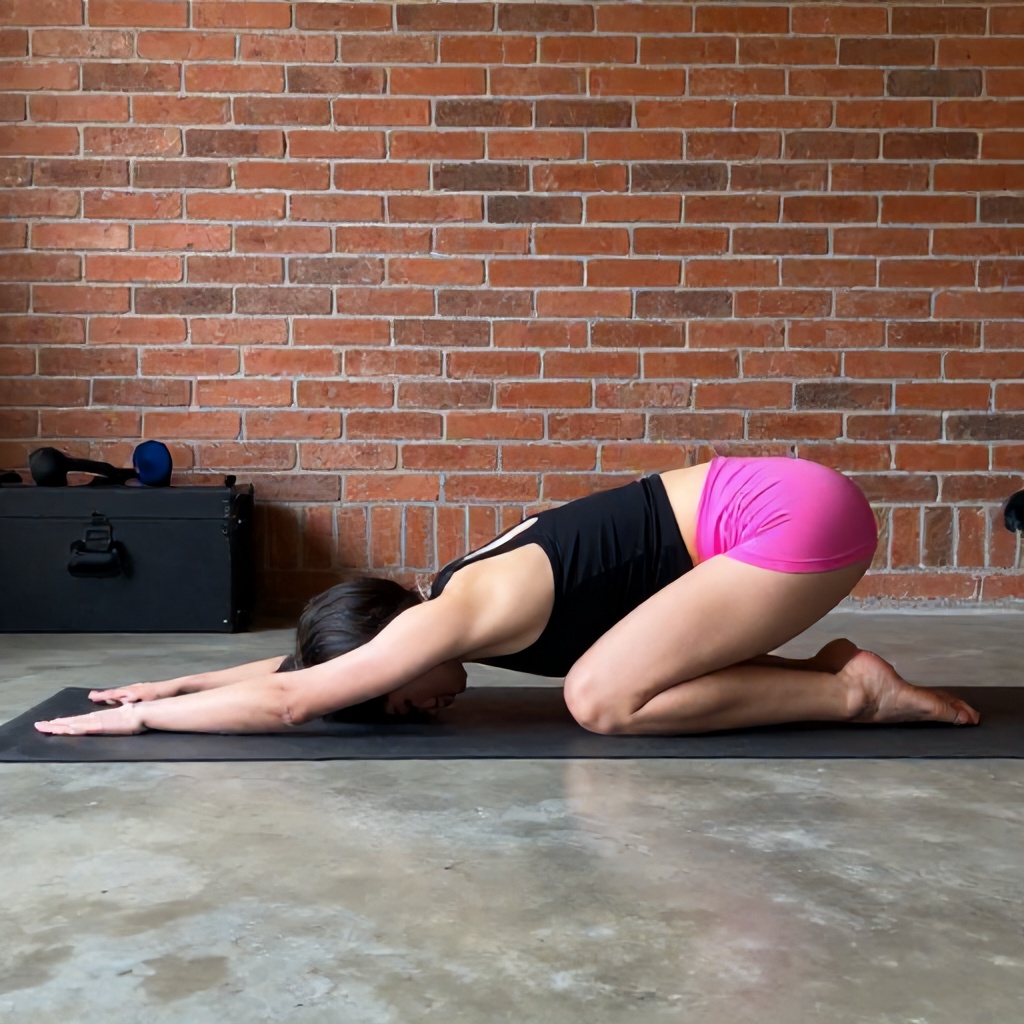
1. Child’s Pose (Balasana)

This is truly one of the best ways to begin your morning yoga flow. It’s a grounding and restorative pose that helps to calm the mind while gently stretching the hips, thighs, and ankles. Start by kneeling on your mat. Bring your big toes together so they touch, and then widen your knees as much as feels comfortable for your body. Some people prefer knees wide, others prefer them closer together.

As you exhale, fold forward, resting your torso between or on top of your thighs. Extend your arms forward, palms down, allowing your forehead to rest on the floor or on a yoga block if that’s more comfortable. This pose is excellent for releasing tension and preparing your body for movement. If you feel any compression in your lower back, gently bring your knees closer together to create more space and ease.

Focus on your deep breathing here. Allow each exhale to release any lingering stiffness from sleep. While this pose is wonderfully relaxing, remember to keep your focus so you don’t drift back to sleep! Hold for several slow, mindful breaths, feeling the gentle lengthening through your spine and the opening in your hips.

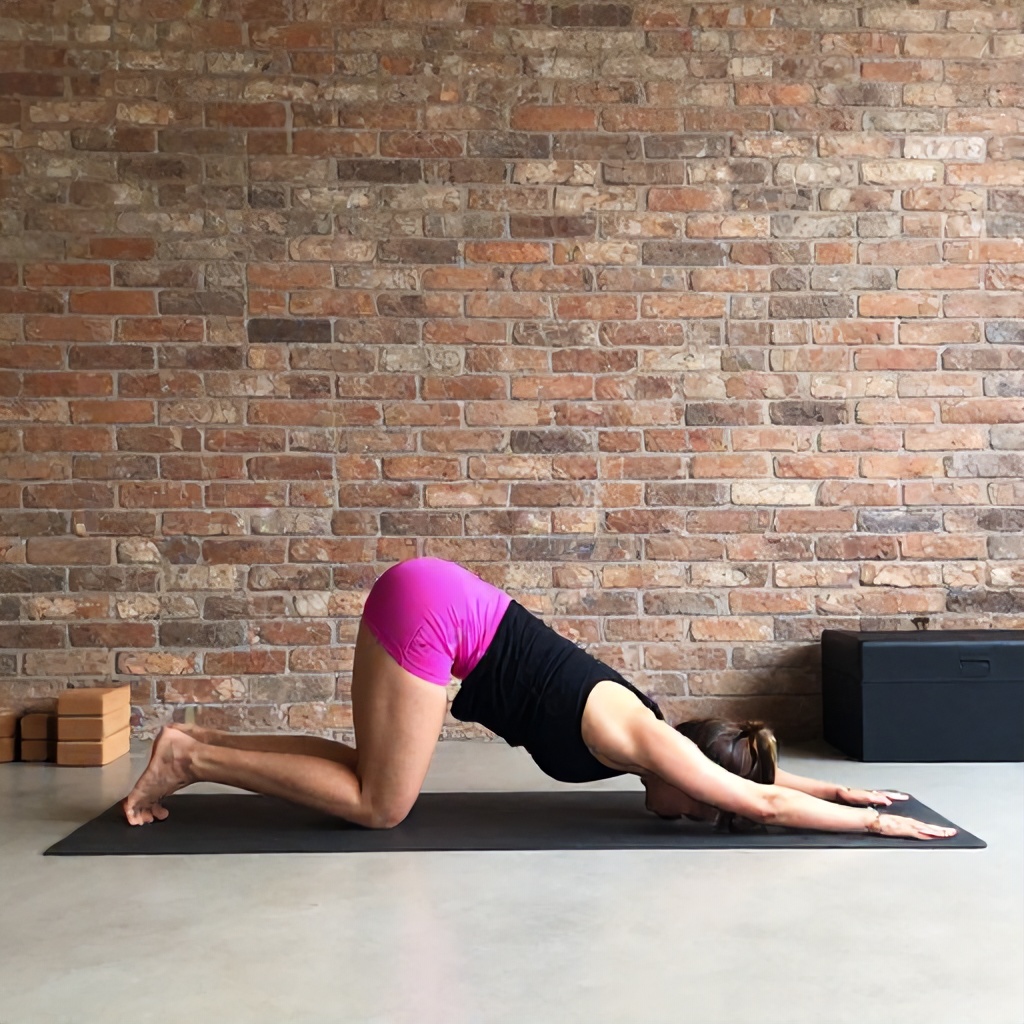
2. Tabletop Position (Bharmanasana)

From Child’s Pose, gently engage your core and lift yourself into a Tabletop position. Ensure your palms are spread wide directly underneath your shoulders, and your knees are stacked directly under your hips. Press firmly into your knuckles and the base of your fingers to take some of the pressure off your wrists, distributing your weight evenly across your hands. This foundational pose is crucial for building stability and preparing for more dynamic movements. It’s a key part of any comprehensive yoga sequence, providing a stable base for spine mobility work.

3. Cat-Cow Flow (Marjaryasana-Bitilasana)

The Cat-Cow flow is an indispensable part of any morning yoga flow, especially for its ability to warm up the spine and increase flexibility. From your Tabletop position, synchronize your movements with your breath:

  • Cow Pose (Inhale): As you inhale, drop your belly towards the floor, lift your tailbone towards the ceiling, and gently shift your gaze upwards. Allow your chest to open and your shoulder blades to draw together. This creates a beautiful arch in your back.

  • Cat Pose (Exhale): As you exhale, round your spine dramatically towards the ceiling, tucking your chin towards your chest and pulling your navel deeply up and in. Imagine pressing your shoulder blades away from each other. This creates a powerful release in your upper back.

Move fluidly between these two poses, letting your breath guide each transition. This dynamic movement is excellent for spine mobility, lubricating the vertebral discs, and getting a boost of energy. It truly helps to wake up the entire back body and prepare it for the day. Feel free to linger in either Cat or Cow for an extra breath or two if a particular stretch feels especially good.

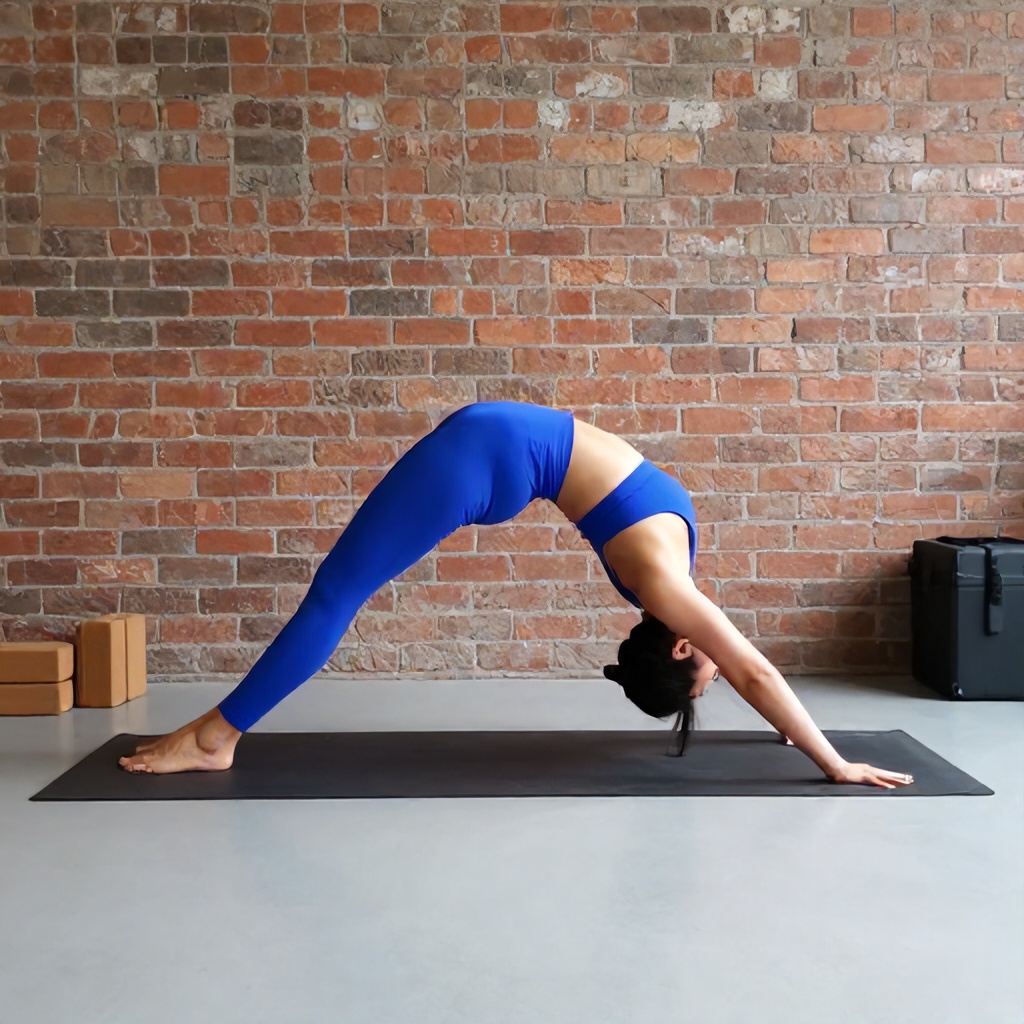
4. Downward-Facing Dog (Adho Mukha Svanasana)

From Tabletop, gently shift your palms slightly forward, tuck your toes under, and lift your hips up and back to come into Downward-Facing Dog. This full-body pose is fantastic for stretching and strengthening. It lengthens the hamstrings and calves, strengthens the arms and legs, and decompresses the spine. It’s a cornerstone of many yoga tutorials and a powerful pose for building overall strength and flexibility.

If you have tight hamstrings, it’s perfectly fine, and often recommended, to keep a generous bend in your knees. This helps to protect your low back and allows you to focus on lengthening your spine rather than straining your hamstrings. You can also widen your feet towards the edges of your mat for a different sensation or greater stability. Feel free to move intuitively here: pedal out your feet, shake your head gently, or sway your hips side to side. Continue to breathe deeply, allowing the breath to deepen the stretch and release tension.

5. Three-Legged Dog with Hip Opening

From your Downward Dog, shift your weight into your left leg. As you inhale, extend your right leg straight up and back towards the ceiling, keeping your hips level initially. This is your Three-Legged Dog. Then, bend your right knee and open your hip, stacking your right hip on top of your left. Imagine your right heel drawing towards your left glute. While you’re opening the hip, make sure to keep your upper body stable and your shoulders squared towards the front of your mat. Press down firmly through both hands, keeping the right shoulder pressing down to maintain balance.

This pose is a wonderful hip opening exercise, releasing tension in the outer hips and strengthening the glutes. Actively squeeze your glutes as you lift and open, and spread through the toes of your lifted foot to awaken the legs fully. Breathe into the sensation, allowing your body to gently unfold. After a few breaths, return to Downward Dog and repeat on the other side, lifting your left leg and opening the left hip.

Why a Short Yoga Routine Makes a Big Difference

Even a five-minute quick yoga routine can be a game-changer for your overall well-being. It’s not about the duration; it’s about the consistency and intention. Starting your day with deliberate movement and deep breathing sets a positive tone, reduces stress, and increases your body’s flexibility training over time. This short on time yoga approach ensures that even on your busiest days, you can still prioritize your physical and mental health.

This particular morning yoga flow targets key areas for stretching and strengthening, helping to wake up your muscles and improve spine mobility. It’s a gentle yet effective way to counteract the stiffness that often comes with sleep and prepare your body for the demands of the day. The focus on deep breathing throughout the yoga sequence also provides a mini morning meditation, helping to clear your mind and improve focus.

Making Morning Yoga a Habit

Building a new habit takes consistency, not necessarily long sessions. Here are some tips to help you stick to your 5-minute morning yoga flow:

  1. Set the Stage: Lay out your mat and any props (like a block) the night before. Seeing it ready can be a powerful visual cue.

  2. Choose a Consistent Time: Try to do your yoga at the same time each morning. This helps to train your body and mind to expect the routine.

  3. Be Gentle with Yourself: Some mornings you might feel more flexible than others. Listen to your body and adjust poses as needed. The goal is movement and mindfulness, not perfection.

  4. Focus on Breath: Even if you only do two poses, focusing on deep breathing can make a huge difference in how you feel.

  5. Celebrate Small Wins: Acknowledge yourself for showing up, even for just five minutes. Consistency builds over time.

This simple morning yoga flow is an excellent example of yoga for busy lives. It proves that you don’t need extensive time or advanced skills to reap the benefits of a regular yoga practice. It’s about making a commitment to yourself, even if it’s just for a few precious minutes each day.

If you’re looking for more guidance or want to explore other yoga tutorials, there are many resources available. Expanding your flexibility training can involve exploring different styles and longer sequences when your schedule allows. Remember, every little bit of movement contributes to better overall health and a more vibrant you.

Embracing a quick yoga routine like this 5-minute morning yoga flow is a wonderful act of self-care. It’s a practical way to ensure you get the benefits of stretching and strengthening, along with a moment of peace, before your day truly begins. Your body and mind will thank you for this consistent effort.

Sun Salutation: 5-Minute Yoga Routine for Over 100 Muscles and Flexibility

The Sun Salutation, often called Surya Namaskar, offers a complete body and mind workout in just five minutes, engaging over 100 muscles and significantly boosting your flexibility. This flowing sequence of yoga poses is a fantastic way to energize your day or release tension, making it an essential part of a daily yoga practice for many.

What is the Sun Salutation?

The Sun Salutation is a series of 12 interconnected yoga poses, or asanas, performed in a smooth, continuous flow. It’s a fundamental part of yoga tradition, often used as warm-up exercises at the beginning of a yoga class to prepare the body for deeper stretches and more challenging postures. This sequence typically involves moving through the poses first with the right leg and then with the left, completing one full round.

There are several variations of the Sun Salutation, each rooted in different yoga traditions. For example, the Sivananda Yoga tradition has a specific sequence that emphasizes certain aspects of the practice. Regardless of the particular yoga sequence you follow, the core idea remains: a mindful movement dedicated to the sun, the source of all life and energy.

This practice isn’t just about physical movement; it’s also a way to cultivate gratitude. By consciously greeting the sun, you acknowledge the life-giving energy it provides daily, fostering a deeper connection to nature and your own inner vitality. It’s a powerful way to start or reset your day with intention and appreciation.

The Impact of a Daily Sun Salutation

The effects of regularly practicing the Sun Salutation are truly remarkable, touching both your physical and mental well-being. This comprehensive stretching routine warms up your body thoroughly, preparing it for any activity. It’s an incredible way to engage hundreds of muscles, from your core to your limbs, building strength and endurance simultaneously.

Physical Benefits: Flexibility, Strength, and Cardiovascular Health

When you perform the Sun Salutation at a quicker pace, it significantly stimulates your cardiovascular health. Your heart rate elevates, improving circulation and boosting your stamina, much like a brisk walk or light jog. This makes it an excellent form of cardiovascular exercise, especially if you’re short on time.

Conversely, practicing the sequence slowly allows you to focus deeply on stretching routine, targeting muscles that often become shortened due to prolonged sitting, running, or cycling. Think about the hamstrings, hip flexors, and chest muscles – these areas greatly benefit from the deliberate lengthening and release offered by the Sun Salutation. This focus on body stretching helps counteract the stiffness that accumulates from daily habits, restoring physical agility and ease of movement.

The continuous flow through various yoga poses enhances your overall flexibility training. Each asana gently coaxes your joints and muscles to extend further, increasing your range of motion over time. This improved flexibility is not just for advanced yogis; it’s a practical benefit that makes everyday movements easier and reduces the risk of injury. From bending down to pick something up to reaching for a high shelf, your body will feel more supple and responsive.

Beyond flexibility, the Sun Salutation is a fantastic way to achieve muscle engagement across your entire body. From the standing poses that build leg strength to the planks and downward dogs that work your core and arms, every part of you is activated. This holistic approach to physical fitness ensures balanced development, preventing over-reliance on certain muscle groups and promoting overall bodily harmony.

Mental and Energetic Benefits: Clarity and Release

The Sun Salutation isn’t just about the body; it profoundly affects your mind and energy levels. Engaging in this flowing yoga sequence helps to clear mental fog, bringing a sense of calm focus. The rhythmic movement synchronized with your breath acts as a moving meditation, quieting the incessant chatter of the mind and promoting mental clarity.

Whether you practice in the morning or evening, the Sun Salutation offers distinct advantages. A morning practice can quickly activate your body and mind, setting a positive, energetic tone for the day. It helps release any stagnant energy from sleep, making you feel more awake and ready to tackle tasks. In the evening, it can help release blocked energies accumulated throughout the day, melting away stress and tension, preparing you for restful sleep.

Even during a long workday, a quick Sun Salutation can be a powerful antidote to mental fatigue and physical stiffness. Stepping away from your desk for a few minutes to move through these asanas can refresh your mind, improve concentration, and restore physical agility, helping you return to your tasks with renewed vigor. It’s a perfect mini-break to re-center and re-energize.

This practice also encourages energy release, helping to move stagnant energy through your body. The combination of movement, stretching, and deep breathing flushes out tension, leaving you feeling lighter and more vibrant. It’s a tangible way to feel the benefits of yoga, experiencing a shift in your internal state from lethargy to liveliness.

How Often and When to Practice?

The beauty of the Sun Salutation lies in its adaptability. You can practice it daily, fitting it into your schedule whenever it suits you best. For noticeable benefits, aim for at least three rounds. There’s no upper limit to how many rounds you can do; some dedicated practitioners perform many more.

Many people find a daily yoga practice incorporating Sun Salutations to be incredibly grounding. It provides a consistent touchstone in their day, a moment to connect with their body and breath. The consistency is key to unlocking the full spectrum of benefits, from enhanced flexibility to sustained mental clarity.

For example, during our annual Winter Solstice yoga ritual, we traditionally perform 54 rounds of Sun Salutations, which equals 108 individual greetings. This extended practice is a powerful way to honor the shortest day of the year and welcome the return of light. While you don’t need to aim for such high numbers initially, this illustrates the potential for deepening your practice.

Understanding the Sun Salutation Sequence

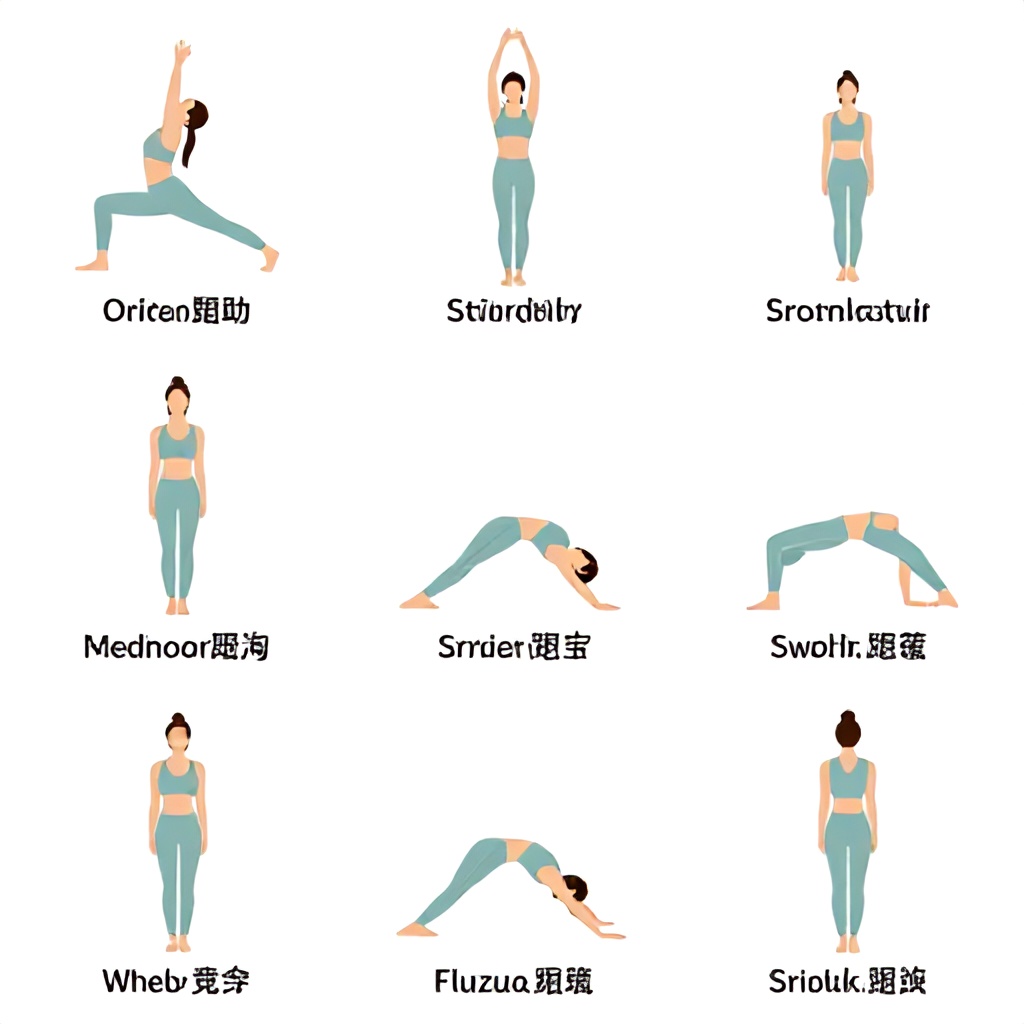
While a video is invaluable for learning the precise movements, understanding the general flow helps you appreciate the sequence. The Sun Salutation seamlessly transitions through standing, kneeling, and prone positions, ensuring a full-body engagement. It typically begins and ends in a standing prayer pose, creating a circular, continuous motion.

Each of the 12 asanas within the Sun Salutation has a specific purpose, contributing to the overall stretching routine and muscle engagement. From the upward stretch that lengthens the spine to the forward fold that decompresses the back, every movement is intentional. The sequence includes poses like Mountain Pose, Upward Salute, Standing Forward Bend, Lunge, Plank, Chaturanga Dandasana (Four-Limbed Staff Pose), Upward-Facing Dog, and Downward-Facing Dog, among others. These poses are linked by breath, making the practice a moving meditation.

For yoga for beginners, focusing on the breath and the smooth transitions between poses is more important than achieving perfect alignment immediately. Listen to your body, move with intention, and allow yourself to explore the sensations. Over time, your physical agility will improve, and the movements will become more fluid and natural.

Adapting Your Sun Salutation Practice

The Sun Salutation is wonderfully versatile, allowing for modifications to suit different needs and experience levels. If you’re new to yoga, take your time with each pose, focusing on stability and breath rather than speed. There are many yoga tips available to help you modify poses, such as keeping knees bent in forward folds or dropping to your knees in plank and Chaturanga.

For those who might be feeling a bit stiff or are just starting out, a slower pace is highly recommended. This allows for deeper body stretching and helps you build awareness of each movement. You can hold poses for a few breaths longer, truly feeling the stretch and strengthening the muscles involved. This approach is excellent for improving flexibility training without putting undue strain on your body.

Prenatal yoga often includes modified Sun Salutations, adapting poses to accommodate a changing body. For example, wider stances, avoiding deep twists, and modifying prone positions are common adjustments to ensure safety and comfort for expectant mothers. Always consult with a qualified instructor if you are pregnant or have any health concerns.

The Importance of Yoga Breathing

After completing your Sun Salutation sequence, taking a moment for relaxation techniques is incredibly beneficial. One of the most powerful tools for this is conscious yoga breathing. Integrating breathwork throughout your practice, and especially afterwards, deepens the benefits of yoga.

A technique known as the Full Yoga Breath is particularly effective for calming the nervous system and promoting mental clarity. This involves breathing deeply into your belly, then expanding your rib cage, and finally allowing the breath to rise into your chest and collarbones, before exhaling slowly in reverse. Practicing this breath after your Sun Salutation helps to integrate the physical and energetic shifts that have occurred, leaving you feeling centered and refreshed.

This mindful breathing not only enhances relaxation but also helps to release any lingering tension, promoting a sense of peace and well-being. It’s a simple yet profound way to conclude your daily yoga practice, ensuring that the energy release from the Sun Salutation translates into a lasting sense of calm.

Exit mobile version