Effectively tackling blackheads requires understanding their formation and adopting a consistent, gentle skincare routine that prioritizes pore cleansing and sebum removal, rather than aggressive treatments that can worsen skin health.

Understanding Blackheads: More Than Just Dirt
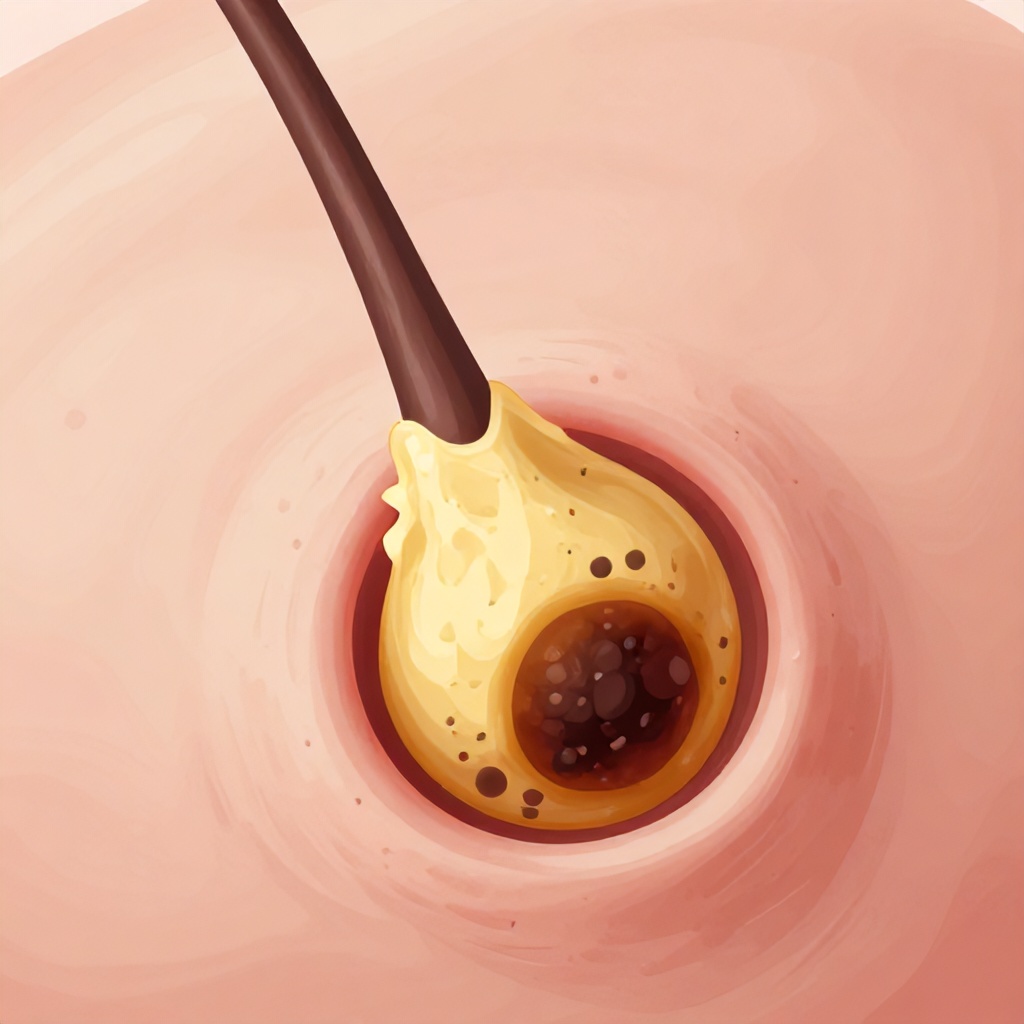
Blackheads, scientifically known as open comedones, are a common skin concern that many people mistake for trapped dirt. In reality, they form when hair follicles become clogged with a combination of dead skin cells and excess oil, or sebum. This mixture creates a plug in the pore. The top of this plug remains open to the air, and when exposed to oxygen, the melanin (pigment) in the dead skin cells oxidizes, turning a dark, almost black color. This oxidation process is what gives blackheads their characteristic appearance, not dirt.
Understanding this distinction is key to effective blackhead removal. Since they are not simply dirt, washing your face more vigorously or scrubbing harder won’t make them disappear. In fact, harsh scrubbing can irritate the skin, potentially leading to more breakouts or even damaging the skin barrier. The goal is to gently loosen and remove the clog while preventing future buildup.
What NOT to Do: Common Blackhead Mistakes
When you spot a blackhead, the temptation to pick or squeeze can be overwhelming. However, this is one of the most damaging things you can do for your skin. Improper blackhead extraction can push the clog deeper, introduce bacteria, cause inflammation, and lead to scarring or hyperpigmentation post-acne. Your fingernails carry bacteria, and the pressure can rupture the follicle wall, turning a simple blackhead into a painful, inflamed pimple.
Another common mistake involves using aggressive physical exfoliants with large, jagged particles. While exfoliation is important, harsh scrubs can create micro-tears in the skin, compromising its protective barrier and making it more susceptible to irritation and breakouts. Similarly, some people overuse pore strips, believing they offer a quick fix. While pore strips effectiveness can temporarily remove the very top layer of oxidized sebum, they don’t address the root cause of clogged pores and can sometimes irritate sensitive skin or even remove healthy skin cells, leading to more issues down the line.
Effective At-Home Blackhead Removal Strategies
A smart approach to blackhead treatment at home focuses on gentle, consistent care using targeted ingredients. The aim is to loosen the existing clogs and prevent new ones from forming without causing irritation.
Gentle Cleansing Methods
Starting with a clean slate is fundamental for healthy skin. Use a gentle cleanser twice a day, morning and night, to remove surface oil, makeup, and environmental impurities. Look for cleansers labeled “non-comedogenic products,” meaning they are formulated not to clog pores. Avoid harsh soaps or cleansers that strip your skin of its natural oils, as this can trigger your skin to produce even more sebum, exacerbating clogged pores.
For deep facial cleansing, consider a double cleansing method in the evening. Start with an oil-based cleanser to dissolve oil-soluble impurities like makeup and sunscreen, followed by a water-based cleanser to wash away any remaining residue. This method ensures thorough skin purification without harsh scrubbing.
Exfoliation Techniques for Clearer Pores
Regular exfoliation is a cornerstone of effective comedone treatment. It helps remove dead skin cells that contribute to clogged pores. However, the type of exfoliation matters significantly.
- Chemical Exfoliants: These are often the most effective and gentle option for blackheads.
- Salicylic Acid (BHA): This is a superstar ingredient for blackhead-prone skin. Salicylic acid for acne is oil-soluble, meaning it can penetrate through the oil in your pores to dissolve the sebum and dead skin cell mixture that forms blackheads. It also has anti-inflammatory properties. Look for cleansers, toners, or serums containing 0.5% to 2% salicylic acid. Start using it a few times a week and gradually increase frequency as your skin tolerates it.
- Alpha Hydroxy Acids (AHAs): Glycolic acid and lactic acid are AHAs that work on the skin’s surface to loosen and shed dead skin cells. While not as deeply penetrating as BHAs for oil-filled pores, they can improve overall skin texture improvement and help prevent surface dead skin cell buildup.
- Physical Exfoliants (Gentle): If you prefer physical exfoliation, choose products with very fine, smooth particles. Use them sparingly, perhaps once or twice a week, with light pressure. Avoid anything with large, abrasive beads or shells, which can cause micro-tears.
Targeted Treatments
Beyond daily cleansing and exfoliation, specific treatments can further aid in blackhead removal and prevention.
- Retinoid Therapy: Over-the-counter retinoids (like retinol) or prescription-strength retinoids (like tretinoin or adapalene) are incredibly effective for blackheads and acne prevention. Retinoids work by speeding up cell turnover, which helps to prevent dead skin cells from accumulating and clogging pores. They also help normalize oil production. Start with a low concentration a few times a week and gradually increase as your skin adjusts, as they can initially cause dryness or irritation. This is a powerful component of dermatological skincare for many.
- Clay and Charcoal Masks: These masks are excellent for skin purification and oil control skincare. Clay masks, particularly bentonite or kaolin clay, draw out impurities and absorb excess oil from the pores. Charcoal masks work similarly by binding to toxins and dirt, helping to pull them from the skin. Use these masks once or twice a week to help with deep facial cleansing and reduce skin congestion solutions.
Professional Blackhead Removal and Skincare
Sometimes, blackheads are stubborn or widespread, requiring the expertise of a skincare professional. Dermatologists and licensed estheticians can offer more intensive treatments and guidance.
When to See a Dermatologist
If your blackheads are persistent, accompanied by other forms of acne (like cysts or nodules), or if at-home treatments aren’t yielding results, it’s time for dermatological skincare. A dermatologist can accurately diagnose your skin condition and prescribe stronger medications, such as prescription retinoids or other topical treatments, or discuss in-office procedures.
Facial Extractions
Professional facial extractions are a safe and effective way to remove stubborn blackheads. During a professional blackhead extraction, a trained esthetician or dermatologist uses sterilized tools, like a comedone extractor, to gently apply pressure around the clogged pore, expelling the contents. This process is done after the skin has been properly prepped (often with steam or a softening solution) to minimize trauma. Unlike self-extraction, professionals know how to apply the correct pressure and angle to prevent damage and infection, making it a key part of effective blemish treatment.
While facial extractions provide immediate pore cleansing, they are not a long-term solution on their own. They should be combined with a consistent at-home skincare regimen to prevent new blackheads from forming.
Preventing Blackheads and Maintaining Clear Skin
Prevention is always better than cure, especially when it comes to skin concerns. A consistent healthy skin routine is paramount for keeping blackheads at bay.
Your Daily Skincare Regimen
A simple, consistent routine is your best defense against clogged pores and blackheads. This typically includes:
- Cleansing: Twice daily with a gentle, non-comedogenic cleanser.
- Treatment: Apply your chosen active ingredient, like a salicylic acid toner or serum, or a retinoid product in the evening.
- Moisturizing: Even oily skin needs moisture. Choose a lightweight, non-comedogenic moisturizer to keep your skin barrier healthy and balanced. Dehydrated skin can sometimes overproduce oil.
- Sun Protection: Daily use of a broad-spectrum SPF 30+ sunscreen is essential, especially when using exfoliating acids or retinoids, as they can increase sun sensitivity. Look for non-comedogenic formulas.
Oil Control Skincare
Managing excess oil is crucial for blackhead prevention. Look for products specifically designed for oil control skincare. Ingredients like niacinamide can help regulate sebum production and improve pore minimization. Mattifying moisturizers or primers can also help reduce shine throughout the day. Remember, the goal is to balance oil, not strip it completely.
Choosing Non-Comedogenic Products
This cannot be stressed enough: every product that touches your skin, from makeup to moisturizer to sunscreen, should be labeled “non-comedogenic.” This simple choice significantly reduces the likelihood of products clogging your pores and contributing to blackhead formation. Many brands now clearly label their products, making it easier to make informed choices for your clear skin tips.
Lifestyle Factors
While skincare products do most of the heavy lifting, certain lifestyle habits can support your efforts. Staying hydrated by drinking plenty of water helps maintain overall skin health. A balanced diet rich in fruits, vegetables, and whole grains, and low in highly processed foods and excessive sugar, can also contribute to clearer skin. Regularly cleaning items that touch your face, like phone screens, pillowcases, and makeup brushes, helps reduce bacteria and oil transfer, aiding in acne prevention.
Long-Term Skincare for Blackhead-Prone Skin
Achieving and maintaining clear skin is a marathon, not a sprint. Consistency is the most powerful tool in your blackhead prevention arsenal. Stick with your chosen skincare regimen for at least 4-6 weeks to see noticeable results, as skin cell turnover takes time. Be patient and don’t expect overnight miracles.
It’s also important to listen to your skin and adjust your routine as needed. Environmental changes, stress, and hormonal fluctuations can all impact your skin. You might need to adjust the frequency of your exfoliating treatments or switch to a lighter moisturizer in humid weather. If you experience any irritation or new breakouts, re-evaluate your products and consult with a dermatologist. Consistent care, focused on gentle pore cleansing and smart ingredient choices, will lead to lasting skin texture improvement and fewer blackheads over time, even helping to mitigate concerns like hyperpigmentation post-acne by preventing the initial breakout.