
Visible pores on the nose are a standard biological feature of human skin, not a flaw that requires fixing. Every pore serves as a follicular opening for hair follicles and oil glands, which are essential for maintaining the health and hydration of your skin surface. When you look at your nose in a mirror under bright light, you are viewing normal skin topography, which naturally includes a variety of textures and patterns.

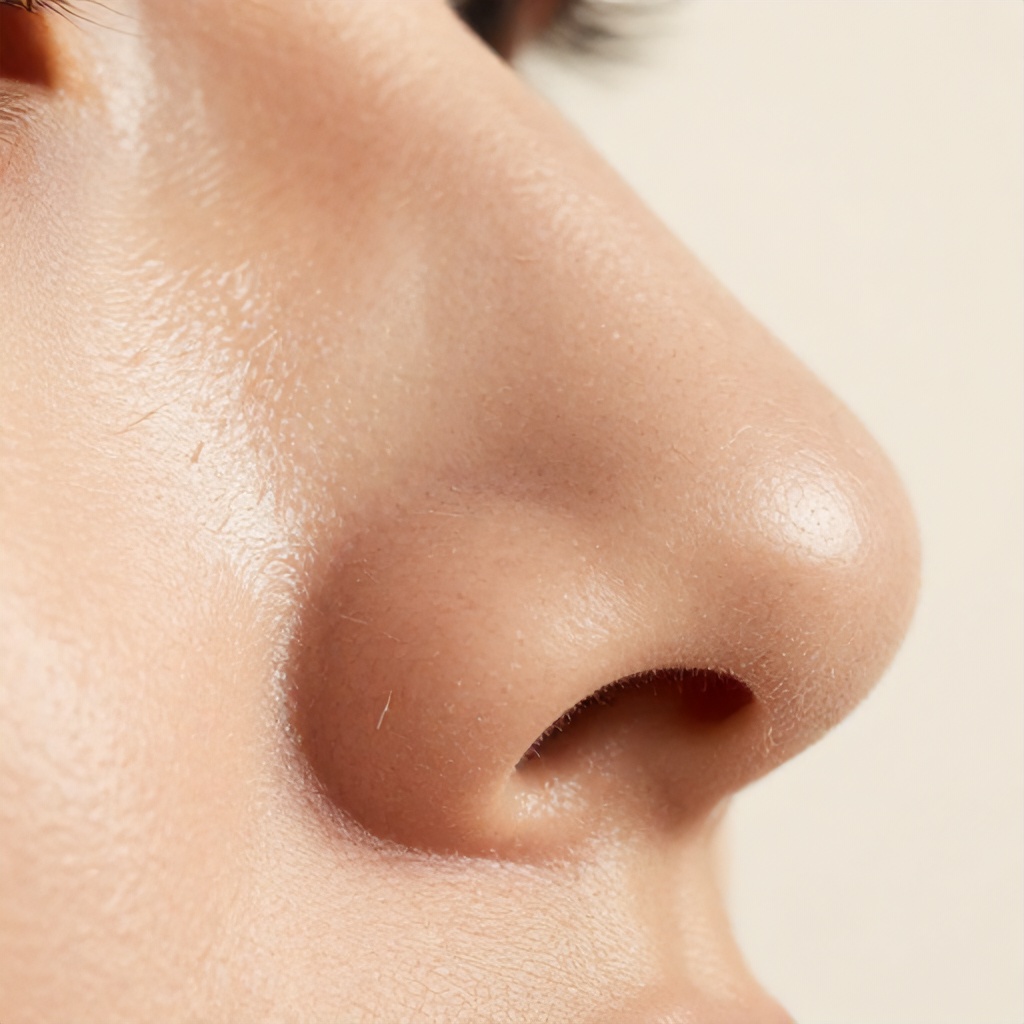
Understanding Your Skin Topography
The skin on your nose is home to a high concentration of sebaceous glands. These glands are responsible for sebum production, the natural oil that keeps your skin supple and protected. Because the nose has more oil glands per square inch than the cheeks or forehead, the pore visibility is naturally more pronounced in this area. This is a matter of anatomy rather than a failure of your skincare routine.
Many people mistake sebaceous filaments for blackheads. Sebaceous filaments are tiny, grayish or yellowish pinpricks that line the pores on your nose. They are a functional part of your skin health, acting as a channel for oil to travel to the surface. If you squeeze them out, they will return within a few days because they are simply a normal component of your dermal structure. Blackheads, on the other hand, are a form of comedones caused by trapped debris and oxidized oil that hardens within the follicular openings.
The Role of Genetics and Age
Your genetics dictate the size of your pores. If your parents have oily skin or visible texture, you likely inherited similar facial skin characteristics. While you cannot change your DNA, you can manage how these features appear through consistent care. Age also plays a significant role in skin clarity. As collagen production slows over time, the skin loses some of its elasticity. This loss of firmness around the pore opening can make the pore appear larger or more elongated, changing the overall skin texture.
Managing Pore Congestion
Pore refinement is often marketed as a way to shrink pores, but it is physically impossible to change the size of your pores. You can, however, keep them clear of congestion. When pores are filled with dead skin cells and excess oil, they look darker and more noticeable. Keeping the skin surface clean and exfoliated helps maintain a smoother appearance.
- Use a gentle chemical exfoliant containing salicylic acid to dissolve oil within the pore.
- Avoid harsh physical scrubs that can cause micro-tears and irritation.
- Apply a clay mask once a week to absorb surface oil without stripping the skin barrier.
- Keep your hands away from your face to prevent transferring bacteria that causes inflammation.
Ingredients That Support Skin Health
Choosing the right products involves looking for ingredients that support the natural shedding process of your skin. Niacinamide is a popular choice for many because it helps regulate sebum production and improves the appearance of skin tone. Retinoids are another option, as they speed up cell turnover, preventing the buildup of debris that leads to pore congestion. Always introduce these actives slowly to avoid irritation, which can make skin look red and textured.
Common Misconceptions About Pore Visibility
Macro photography and social media filters have warped our perception of what human skin actually looks like. If you zoom in on any nose, you will see bumps, tiny hairs, and uneven spots. This is the reality of cutaneous features. Trying to achieve a completely smooth, poreless look is an impossible standard that ignores the function of your skin. When you see images of perfectly airbrushed skin, remember that those results are rarely achieved through skincare alone.
- Stop using pore strips, as they can cause broken capillaries and damage the skin surface.
- Prioritize hydration to keep the skin plump, which naturally masks the appearance of texture.
- Wear sunscreen daily to protect the collagen that keeps your pores tight and firm.
- Focus on overall skin health rather than spot-treating individual pores.
The Impact of Lifestyle on Complexion
What you do outside of your bathroom routine influences your skin health. High levels of stress can trigger hormonal fluctuations that increase sebum production, leading to more noticeable pore congestion. Similarly, a diet high in processed sugars may affect inflammation levels in the body, which can manifest on the skin surface. Drinking enough water and getting consistent sleep helps your skin perform its natural repair functions overnight.
When to Consult a Professional
If you notice that your pores are constantly inflamed, painful, or producing deep cystic bumps, it may be time to speak with a professional. A dermatologist can provide a clear assessment of your skin health and rule out conditions like rosacea or chronic acne. Dermatological imaging can sometimes reveal underlying issues that are not visible to the naked eye, such as deep-seated hyperpigmentation or chronic follicular irritation.
Professional Treatments for Texture
If you are looking for a more significant change in your skin texture, professional procedures can provide results that over-the-counter products cannot reach. Chemical peels, for instance, use higher concentrations of acids to exfoliate the top layers of the epidermis, which can improve the appearance of uneven skin. Laser treatments target the deeper dermal structure to stimulate collagen, which helps firm the area around the pore and creates a more uniform surface. These options should always be discussed with a qualified provider who understands your specific skin type.
Accepting Your Natural Skin
The goal of any routine should be to feel comfortable in your own skin. Understanding that your nose has visible pores is the first step toward letting go of unnecessary anxiety about your appearance. Your skin is a living organ that changes throughout the day based on temperature, humidity, and your own internal biology. By focusing on gentle maintenance and protecting your skin barrier, you can keep your complexion looking healthy and clear without striving for an unattainable aesthetic.
Remember that the people you see in daily life are not looking at your nose with a magnifying glass. They see your whole face, your expressions, and your personality. Most of the texture we worry about is invisible from a normal conversational distance. Prioritize consistency over quick fixes, and treat your skin with the kindness it needs to function correctly. A healthy, functioning pore is a sign of a body that is doing exactly what it is designed to do.