Effective Natural Remedies for Treating Acne and Improving Skin Health

Livraison GRATUITE à l’achat de 85$ et plus pour le Québec et l’Ontario. En savoir plus ▶

Acne is a complex condition that signals deeper imbalances within the body rather than just a surface-level hygiene issue. While many people view dermatological conditions as simple cosmetic annoyances, they often serve as external indicators of internal systemic health. Addressing these persistent breakouts requires looking beyond topical creams to understand how hormonal, metabolic, and digestive factors influence the skin barrier.
Understanding the Biology of Acne

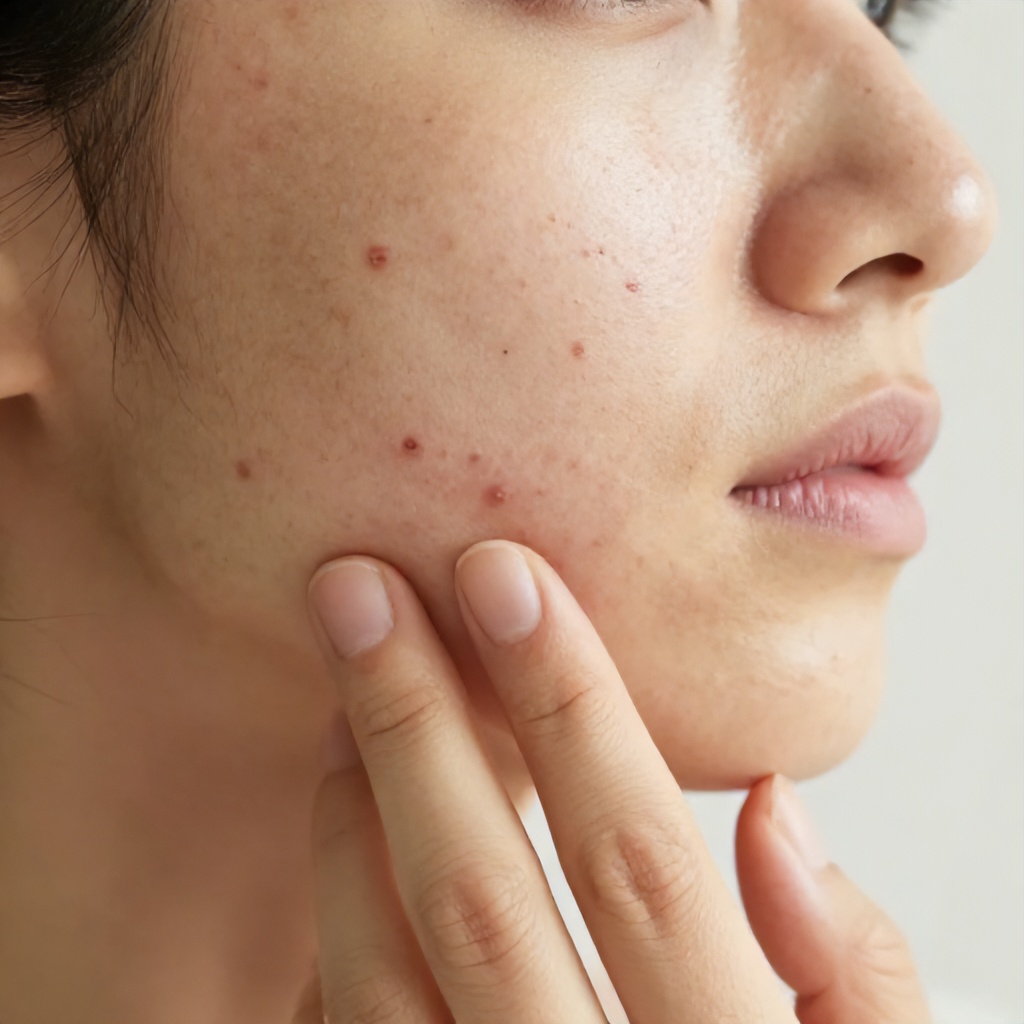
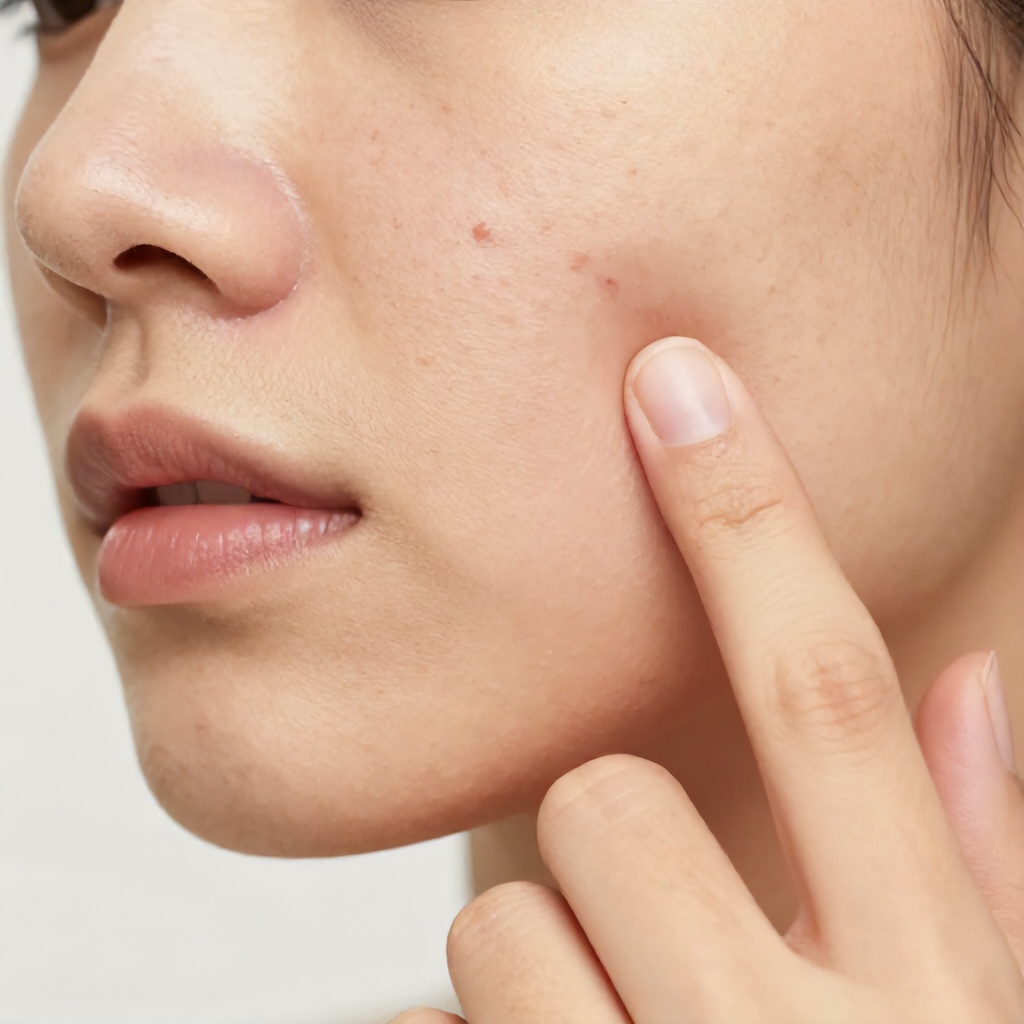
Acne occurs when the sebaceous glands, located deep within the hair follicles, become overwhelmed. These glands are responsible for sebum production, an oily substance that keeps the skin lubricated. When the body experiences a hormonal imbalance, these glands can go into overdrive. This excess oil, combined with dead skin cells, creates a plug known as a comedone. If this environment becomes trapped, it invites bacterial infection, specifically from bacteria like staphylococcus, leading to the painful pustules and inflammatory skin conditions many people struggle to manage.

The endocrine system plays a central role in this process. Specifically, androgenic hormones like testosterone and its potent metabolite, dihydrotestosterone (DHT), act as the primary triggers for sebum production. During puberty, these hormones surge, which explains why acne is so prevalent during the teenage years. However, when these hormone levels remain elevated or imbalanced in adulthood, the skin continues to react, leading to chronic hormonal acne that resists standard over-the-counter treatments.

The Naturopathic Approach to Skin Health

A naturopathic approach focuses on identifying the root cause rather than just suppressing symptoms. If you have tried every wash and scrub on the market without success, it is time to look at your metabolic health. Insulin resistance, for instance, is a major driver of skin inflammation. When your body struggles to manage blood sugar effectively, it triggers a cascade of hormonal signals that increase androgen production, directly stimulating those sebaceous glands.

Digestive health is another pillar of clear skin. The gut-skin axis is a well-documented connection where the state of your microbiome influences systemic inflammation. If your digestion is sluggish or if you are consuming foods that spike your blood sugar, your skin will often be the first organ to show the stress. Improving glycemic control through diet is often more effective for long-term skin health than any topical dermatological treatments.
Warning: Always consult with a healthcare professional before making significant changes to your diet or starting new supplements, especially if you are currently using prescription medication for your skin or hormonal health.

Key Factors Influencing Breakouts

Acne is rarely caused by a single factor. Instead, it is usually a combination of environmental, genetic, and internal triggers. Understanding these mechanisms helps you create a personalized plan for recovery.

  • Hormonal fluctuations: Shifts in testosterone levels or estrogen ratios can trigger sudden flares.
  • Insulin resistance: High-glycemic diets cause insulin spikes, which increase sebum production.
  • Chronic inflammation: Systemic stress or poor gut health keeps the skin in a state of constant reactivity.
  • Skin hygiene: While not the sole cause, improper cleansing can exacerbate existing bacterial growth.

Managing Hormonal Acne

Hormonal acne typically appears along the jawline and chin. This pattern is a classic sign that your endocrine system is struggling to process androgens. To support your body, focus on stabilizing your blood sugar. Eat fiber-rich vegetables, lean proteins, and healthy fats at every meal. This prevents the rapid insulin spikes that tell your sebaceous glands to produce more oil.

The Role of Digestive Health

Your gut is the foundation of your immune system. If you suffer from bloating, irregular bowel movements, or food sensitivities, these issues often manifest as skin inflammation. Incorporating fermented foods or high-quality probiotics can help balance your internal flora, which in turn reduces the systemic inflammation that fuels acne. Think of your skin as a mirror for your digestive tract; when the gut is calm, the skin is usually clearer.

Practical Steps for Daily Care

Consistency is more important than intensity. Many people damage their skin barrier by using harsh, drying products that strip away natural oils. When the skin barrier is compromised, it becomes even more susceptible to bacterial infection. Use gentle, non-comedogenic cleansers that respect the skin’s pH balance.

  1. Cleanse gently twice a day to remove excess sebum and environmental pollutants.
  2. Prioritize whole foods to maintain steady blood sugar levels throughout the day.
  3. Manage stress through movement or mindfulness to keep cortisol levels in check.
  4. Avoid picking at your skin, as this spreads bacteria and leads to permanent scarring.
  5. Monitor your skin’s reaction to dairy or high-sugar foods, as these are common triggers for many people.

Long-Term Strategies for Skin Resilience

Building skin resilience takes time. You cannot expect to reverse years of hormonal or metabolic imbalance in a few days. Focus on small, sustainable changes. Start by tracking your meals and your skin’s response. Notice if your breakouts correlate with periods of high stress or specific dietary choices. This data is invaluable when working with a healthcare provider to find the right path for your specific needs.

Remember that skin health is a reflection of your overall systemic health. By focusing on metabolic stability, digestive function, and hormonal balance, you are not just treating the surface of your skin; you are supporting your entire body. This holistic approach is the most reliable way to achieve lasting results and improve your quality of life.

Final thoughts on your journey to better skin: be patient with yourself. Healing is rarely a straight line. Some weeks will be better than others. Keep your routine simple, focus on nutrient-dense foods, and listen to what your body is telling you. If you feel overwhelmed, reach out to a professional who understands the connection between internal health and external skin conditions. You have the power to influence your skin’s health by making intentional, informed choices every single day.
Understanding Adult Acne: Why It Is Not Just a Teenage Problem

Adult acne is a common medical condition that persists well beyond the teenage years, affecting millions of adults who struggle with its physical and emotional weight.

Many people assume that once they leave their high school years behind, their skin will naturally clear up. This persistent myth creates a significant amount of acne stigma for those who continue to deal with facial blemishes, painful cysts, and persistent breakouts well into their twenties, thirties, and beyond. When your skin does not match the airbrushed images seen in advertisements or on social media, it is easy to feel like something is wrong with you. In reality, adult acne is a complex issue driven by hormones, genetics, stress, and lifestyle factors, rather than a lack of hygiene or poor choices.

The Emotional Toll of Chronic Skin Issues

Living with inflammatory skin issues often goes deeper than the surface. For many, the psychological impact is profound, leading to what is often described as skin anxiety. When you look in the mirror and see active breakouts, it can feel as though your entire identity is being overshadowed by your skin texture. This is not just vanity; it is a genuine struggle with self-esteem that can dictate your social life, your professional confidence, and your daily habits.

Lou Northcote, a model who faced a career shift due to her skin, describes the feeling of being trapped by the need for coverage. For years, she felt unable to leave her home without a heavy layer of foundation. This reliance on makeup to hide skin conditions is a common coping mechanism, but it often reinforces the cycle of shame. When you feel that you must hide your face to be accepted, you inadvertently tell yourself that your natural skin is not good enough.

Finding Community in the Skin Positivity Movement

The body positivity movement has expanded to include skin positivity, a space where people share unfiltered photos of their acne-prone skin. Platforms like Instagram have become hubs for the skincare community, allowing individuals to see that they are not alone. Seeing real, unedited skin can be a powerful antidote to the isolation that often accompanies chronic acne.

When you see others embracing their skin, it provides a sense of validation. It reminds you that pimples are a normal part of human biology, not a moral failing. This shift in perspective is a vital part of the skincare journey. It does not mean you stop wanting clear skin, but it does mean you stop punishing yourself for the skin you have right now.

If you are feeling overwhelmed by your skin, try following accounts that prioritize raw, unfiltered imagery. Seeing diverse skin textures can help normalize your own experience and reduce the pressure to achieve a perfect, poreless complexion.

Understanding the Biology of Adult Acne

To manage your skin effectively, you need to understand why these breakouts happen. Unlike teenage acne, which is often driven by a massive surge in puberty-related hormones, adult acne is frequently linked to cortisol—the stress hormone—and fluctuations in reproductive hormones. For women, this often manifests as deep, painful cystic acne along the jawline and chin, which tends to flare up in sync with the menstrual cycle.

Cystic acne is particularly difficult because it occurs deep beneath the skin surface. These lesions are inflammatory and can be quite tender to the touch. Because they are deep-seated, they are less responsive to basic over-the-counter spot treatments and often require professional dermatological care to prevent permanent scarring or long-term skin damage.

Why Dermatological Consultation Matters

Attempting to treat persistent acne with trial-and-error methods can sometimes make the situation worse. If you are dealing with chronic acne, a dermatological consultation is the most practical step you can take. A professional can help you distinguish between hormonal acne, fungal acne, or other skin conditions that might mimic the appearance of standard pimples.

Dermatological treatment plans are highly individualized. They might involve topical retinoids to speed up cell turnover, oral medications to balance hormones, or specialized procedures to reduce inflammation. By working with a professional, you move away from the guesswork of social media trends and toward evidence-based solutions that actually address the root cause of your breakouts.

Avoid the temptation to pick or squeeze your pimples. This is a common habit that almost always leads to increased inflammation, longer healing times, and a much higher risk of developing dark spots or pitted scars that are significantly harder to treat than the original breakout.

Practical Steps for Managing Skin Health

Managing your skin is a marathon, not a sprint. It requires patience, consistency, and a gentle approach. If you are currently feeling discouraged, remember that your skin health is a reflection of your overall well-being, not a measure of your worth as a person.

  1. Simplify your routine: Many people with acne-prone skin accidentally damage their moisture barrier by using too many harsh actives at once. Stick to a gentle cleanser, a non-comedogenic moisturizer, and a high-quality sunscreen.
  2. Track your triggers: Keep a simple journal to note when your breakouts are at their worst. Are they linked to high-stress periods at work? Certain foods? Your cycle? Identifying patterns can help you and your dermatologist find a better solution.
  3. Prioritize stress management: Because stress hormones directly impact oil production, finding ways to lower your baseline stress levels can have a tangible effect on your skin. This might mean regular exercise, better sleep hygiene, or dedicated downtime.
  4. Seek professional support: If your skin is affecting your mental health, do not hesitate to speak with a therapist. Addressing the emotional weight of skin-related shame is just as important as treating the physical lesions.

The Role of Men in the Skincare Community

While the skincare community has historically been female-dominated, men are increasingly speaking out about their own experiences with acne. Vlad Predescu, for instance, recognized that men often feel a unique pressure to remain silent about their skin struggles. By creating spaces where men can discuss their acne, he has helped break down the idea that caring about skin health is exclusively a feminine concern.

Men often face different societal expectations regarding their appearance, but the mental health impact of acne remains universal. Whether you are a man or a woman, the feeling of avoiding mirrors or canceling social plans due to a breakout is a shared human experience. Opening up the conversation to include everyone helps dismantle the stigma that keeps so many people suffering in silence.

Moving Toward Skin Confidence

Achieving clear skin is a valid goal, but it should not come at the expense of your mental peace. True skin confidence comes from knowing that you are more than your complexion. It is the ability to walk into a room, go to the gym, or meet a friend for coffee without letting a breakout dictate your mood or your level of participation in life.

The body positivity movement has taught us that we do not need to wait for perfect skin to start living our lives. You can pursue dermatological care and work toward better skin health while still practicing self-compassion today. If you are struggling, remember that you are not alone in this. There is a vast community of people who understand exactly how you feel, and there are effective, science-backed ways to manage your skin and regain your sense of self.

Is it normal to get acne in my thirties?

Yes, it is very common. Adult-onset acne is a well-documented phenomenon. Many adults experience their first significant breakouts well into their thirties due to hormonal shifts, lifestyle changes, or environmental factors.

Should I stop wearing makeup if I have acne?

You do not have to stop wearing makeup, but you should be mindful of what you use. Look for products labeled as non-comedogenic, which means they are formulated not to clog pores. Always ensure you are thoroughly cleansing your skin at the end of the day to remove all product residue.

How long does it take to see results from acne treatment?

Most dermatological treatments require patience. It typically takes at least six to twelve weeks of consistent use to see a noticeable improvement in your skin. Do not be discouraged if you do not see changes overnight; the skin needs time to cycle through its healing process.

Final Thoughts on Your Skincare Journey

The journey to better skin is rarely a straight line. You will have good days and bad days, and that is perfectly normal. The most important thing is to remain kind to yourself throughout the process. Avoid comparing your skin to the curated images you see online, as those often hide the reality of texture, pores, and occasional blemishes that everyone has.

Focus on what you can control: your daily habits, your choice of skincare products, and your decision to seek professional help when needed. By shifting your focus from perfection to health, you can reduce the anxiety surrounding your skin and reclaim your confidence. Remember that your worth is not tied to the clarity of your complexion, and you deserve to feel comfortable and confident in your own skin, regardless of what it looks like on any given day.

If you find that your skin is causing you significant distress, reach out to a healthcare provider. They can provide the guidance and support necessary to manage your condition effectively. You have the power to take control of your skin health, and you do not have to do it alone. Whether you are just starting your skincare journey or you have been dealing with acne for years, there is always a path forward that prioritizes both your physical health and your mental well-being.

Stay consistent, stay informed, and remember that your skin is just one part of who you are. By taking small, practical steps and leaning on the support of others, you can navigate the challenges of adult acne and come out the other side with a stronger sense of self and a healthier relationship with your reflection.

Understanding the Mechanics of Pore Congestion and Skin Surface Irregularities

Understanding the Mechanics of Pore Congestion

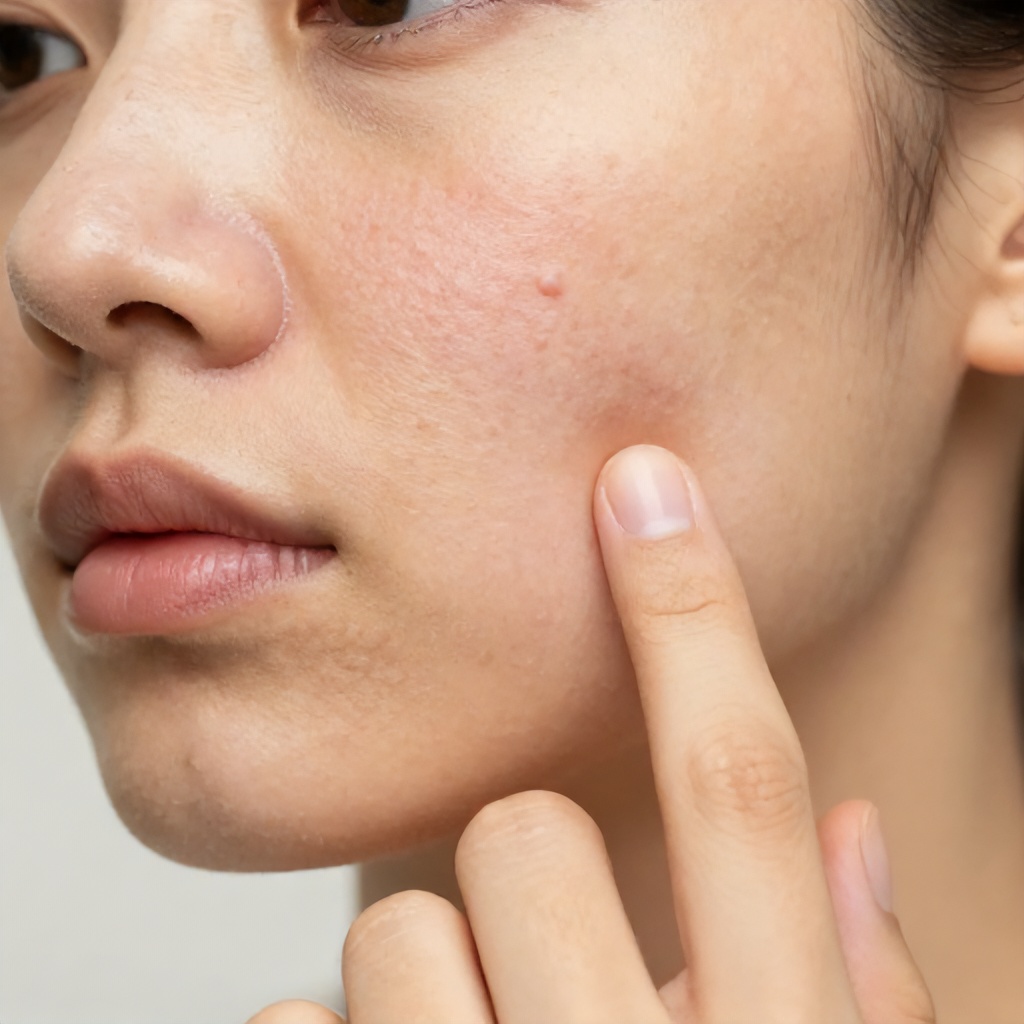
Pore congestion happens when the natural flow of sebum to the skin surface gets interrupted by trapped debris, dead cells, and environmental pollutants. When these elements mix inside the follicle, they create a plug that stretches the pore lining, leading to visible skin surface irregularities. Most people notice this as a grainy texture or small, dark spots across the nose, chin, and forehead. While often mistaken for simple dirt, these plugs are actually a complex interaction between oil production and the skin’s natural shedding process.

The follicle is designed to act as a conduit for sebum, which keeps the skin supple and protected. When the rate of skin cell turnover slows down, those cells do not shed properly. Instead, they stick to the inside of the pore walls. This process, known as hyperkeratosis, creates a sticky environment where oil becomes trapped. Over time, this mixture of oil and debris hardens, leading to follicular occlusion. If the plug remains open to the air, it oxidizes and turns dark, forming blackheads. If the pore remains closed, the buildup stays beneath the surface, creating tiny, flesh-colored bumps.

Distinguishing Between Sebaceous Filaments and Blackheads

Distinguishing between sebaceous filaments and true blackheads is essential for maintaining skin barrier health. Sebaceous filaments are a normal part of human anatomy. They look like tiny, grayish, or tan dots and serve as a pathway for oil to reach the skin surface. They are not a sign of poor hygiene, and attempting to extract them forcefully usually results in epidermal irritation or enlarged pores. You can identify them by their uniform, flat appearance across the nose or chin.

Blackheads, or open comedones, have a different structure. These represent a genuine blockage where the pore is physically impacted by a hard plug of oxidized material. Unlike filaments, blackheads are often raised or feel rough to the touch. Treating them requires a consistent approach focused on chemical exfoliation rather than mechanical force. Aggressive squeezing triggers a localized inflammatory response, which can damage the surrounding tissue and lead to permanent scarring or deeper dermal inflammation.

Signs of Chronic Congestion

  • Surface texture that feels like fine sandpaper.
  • Consistent breakouts in the same localized areas.
  • Small, hardened bumps that do not respond to basic cleansing.
  • A dull, grayish appearance to the complexion.
  • Visible stretching of pore openings in oily zones.

The Role of Skin Barrier Health

A compromised skin barrier often exacerbates pore congestion by triggering an overproduction of oil. When the moisture barrier is stripped by harsh soaps or overly aggressive scrubbing, the skin reacts by pumping out more sebum to compensate for the loss of protection. This creates a cycle of cutaneous congestion where the skin feels tight yet remains oily. Focusing on hydration is often the missing link in managing persistent texture issues.

Incorporating non-comedogenic hydrators helps keep the pore lining flexible. When the skin is properly hydrated, the dead cells are more likely to shed naturally rather than clumping together. Look for lightweight serums containing hyaluronic acid or glycerin. These ingredients pull moisture into the upper layers of the epidermis without adding heavy waxes or oils that might further clog the follicular opening.

Strategic Exfoliation for Texture Issues

Chemical exfoliation is the most effective method for addressing follicular debris. Salicylic acid stands out because it is oil-soluble, meaning it can penetrate deep into the pore to dissolve the glue holding the debris together. This action helps clear out existing comedones and prevents new ones from forming. For those with sensitive skin, starting with a low percentage once or twice a week is enough to see a gradual improvement in complexion unevenness.

Alpha hydroxy acids, such as glycolic or lactic acid, work differently by loosening the bonds between surface skin cells. While they do not travel as deep into the pore as salicylic acid, they are excellent for smoothing out the skin topography and removing the top layer of dead cells that contribute to blockages. Using these acids in rotation allows the skin to clear itself from both the inside and the outside.

Best Practices for Routine Management

  1. Cleanse with a gentle, pH-balanced wash to avoid stripping the barrier.
  2. Apply a salicylic acid treatment to the T-zone to target deep-seated congestion.
  3. Use a lightweight, gel-based moisturizer to maintain hydration levels.
  4. Protect the skin with a mineral-based sunscreen during the day to prevent oxidation of oils.
  5. Limit physical scrubs to once a week to prevent unnecessary epidermal irritation.

Identifying Ingredients That Trigger Blockages

Not all products are created equal when it comes to pore blockage. Certain heavy waxes, thick oils, and silicones can sit on the skin surface and trap heat and oil inside the follicles. While these ingredients are not inherently bad, they can be problematic for individuals prone to congestion. Checking labels for terms like non-comedogenic is a helpful starting point, though it is not a perfect science.

Common culprits include isopropyl myristate, coconut oil, and certain heavy algae extracts. If you notice your skin texture worsening after introducing a new cream or oil, it is worth pausing that product to see if the congestion subsides. Often, the simplest routines yield the best results because they reduce the number of variables interacting with your skin’s natural oil production.

When to Consult a Professional

Dermatological imaging can provide a deeper look at what is happening beneath the surface of the skin. If you have tried consistent chemical exfoliation and gentle hydration without seeing a change in your skin texture, there may be an underlying issue related to hormonal fluctuations or chronic inflammation. A professional can assess whether your congestion is related to simple surface buildup or a more deep-seated follicular issue.

Professional treatments like chemical peels or specialized extractions can clear out long-standing impactions that home care cannot reach. These procedures are performed in a controlled environment to minimize the risk of scarring. They are particularly useful for individuals dealing with deep, stubborn comedones that have become a permanent fixture of their skin topography. Consistent professional care, paired with a solid home routine, is the most reliable path toward a clear, refined complexion.

Maintaining Long-Term Results

Consistency is the primary driver of skin health. Pores do not stay clear indefinitely; the skin is a living organ that constantly produces oil and sheds cells. Expecting a one-time fix is unrealistic. Instead, view your skincare routine as a form of maintenance. By keeping the flow of sebum clear and supporting the natural shedding cycle, you prevent the buildup that leads to visible congestion.

Patience plays a large role in this process. It often takes six to eight weeks to see a significant change in skin texture, as this aligns with the natural cycle of skin cell turnover. If you find yourself frustrated, remember that the goal is health rather than perfection. A clear, healthy complexion is simply one that functions efficiently, allowing for natural processes to occur without the interference of hardened debris.

Habits to Avoid for Clearer Pores

  • Sleeping in makeup, which traps pollutants and oil against the skin overnight.
  • Touching your face throughout the day, which transfers bacteria and debris.
  • Using hot water to wash your face, as it can strip natural oils and trigger overproduction.
  • Over-cleansing, which signals the skin to produce more sebum to protect itself.
  • Applying heavy, occlusive creams to oily areas of the face.

Common Causes of Facial Redness and Skin Inflammation Explained

Understanding the Roots of Facial Redness

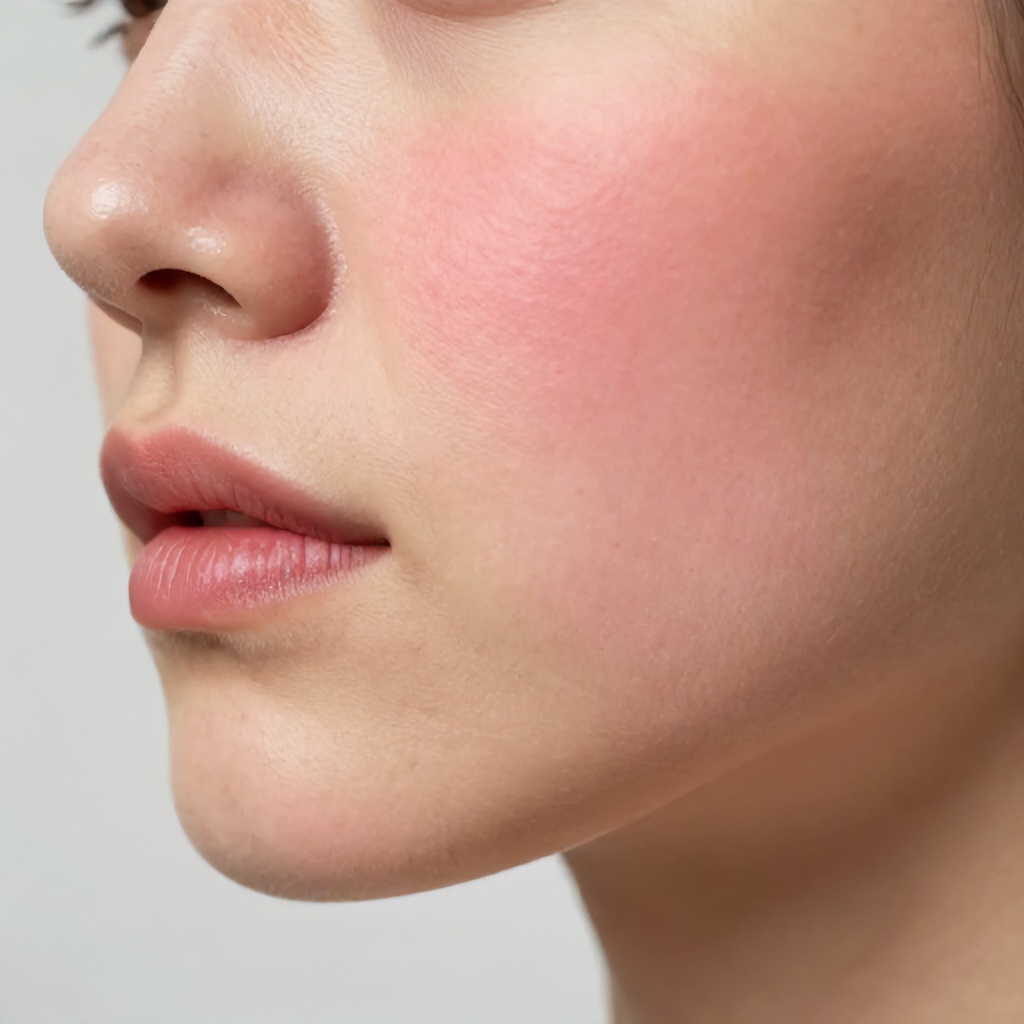
Facial redness often stems from a breakdown in the skin barrier or an overactive inflammatory skin response. When your skin loses its natural ability to protect itself, external triggers easily penetrate the surface, leading to visible irritation and persistent flushing. This dermatological condition manifests in various ways, ranging from mild pinkness to deep, heat-radiating patches that feel tight or itchy. Identifying the specific cause requires looking at your daily habits, environmental exposures, and potential underlying health factors that influence your vascular skin reaction.

Many people mistake simple dryness for chronic inflammation. While a lack of moisture can cause surface flaking, true skin inflammation involves the dilation of blood vessels near the surface of the skin. This hyperemic skin appearance is the body’s way of sending more blood to an area it perceives as damaged or under attack. If you notice your face turning bright red after a hot shower, a spicy meal, or even a stressful meeting, you are likely witnessing a vascular response that has become hypersensitive over time.

Common Triggers for Facial Erythema

Facial erythema is not a single diagnosis but a clinical sign that something is disrupting your skin’s equilibrium. Environmental factors play a massive role in how your face reacts to the world. Ultraviolet radiation, extreme temperature fluctuations, and harsh wind can all strip the protective lipids from your epidermis. Once this barrier is compromised, the skin becomes vulnerable to epidermal irritation, which triggers a cascade of redness and discomfort.

The Role of Temperature and Environment

Extreme heat causes blood vessels to expand rapidly to help the body cool down. For those with sensitive skin, these vessels may not constrict back to their normal size as quickly as they should. This leads to lingering facial flushing that can last for hours. Cold weather is equally problematic. Moving from a freezing outdoor environment into a heated indoor space forces the skin to adjust its temperature regulation instantly. This rapid shift often results in a stinging sensation and a bright red complexion that feels hot to the touch.

Dietary and Lifestyle Influences

What you consume directly impacts your systemic inflammation levels. Spicy foods contain capsaicin, a compound that triggers heat receptors in the skin, leading to immediate vasodilation. Alcohol is another major culprit, as it acts as a vasodilator, widening the blood vessels and increasing blood flow to the face. Caffeine, while a staple for many, can also exacerbate skin sensitivity by increasing cortisol levels, which may indirectly worsen inflammatory skin response over time.

Rosacea Symptoms and Vascular Reactions

Rosacea is a common dermatological clinical presentation characterized by persistent redness, visible blood vessels, and sometimes small, pus-filled bumps. It is often misunderstood as simple acne, but the underlying mechanisms are entirely different. While acne is primarily driven by sebaceous activity and clogged pores, rosacea is fundamentally a vascular and inflammatory issue. Recognizing the difference is essential for choosing the right treatment path.

Identifying Telangiectasia

Telangiectasia refers to the small, widened blood vessels that become visible on the surface of the skin. These are often seen around the nose, cheeks, and chin. They appear as thin, red lines that do not fade when pressed. These vessels are a hallmark of chronic redness and indicate that the skin’s vascular network has lost some of its elasticity. Over time, these vessels can become more prominent if the skin is not protected from further irritation.

Managing Papules and Pustules

Some forms of rosacea involve papules and pustules that look like breakouts. Unlike typical whiteheads or blackheads, these bumps are usually tender and do not have a central plug of oil. They are the result of follicular inflammation, where the hair follicle becomes irritated and inflamed. Treating these requires a gentle approach. Harsh acne scrubs or high-concentration salicylic acid can actually worsen the situation by further damaging the skin barrier and increasing the inflammatory response.

Skin Barrier Impairment and Sensitivity

Your skin barrier is the outermost layer of your skin, consisting of cells and lipids that keep moisture in and irritants out. When this barrier is impaired, your skin becomes hyper-reactive. This is often referred to as skin sensitivity. You might notice that products you used for years suddenly cause burning or stinging. This is a clear sign that your barrier needs repair rather than more active treatment.

The Impact of Over-Exfoliation

Many skincare routines include aggressive exfoliation, such as physical scrubs or high-strength chemical peels. While these can brighten the skin temporarily, they often remove too much of the protective acid mantle. This leaves the skin raw and exposed to environmental pollutants. If your skin feels tight, looks shiny in an unnatural way, or burns upon application of even basic moisturizer, you have likely over-exfoliated. The best course of action is to stop all active ingredients and focus on barrier-repairing ceramides and fatty acids.

Choosing the Right Skincare

When dealing with cutaneous discoloration and inflammation, less is almost always more. Avoid products with heavy fragrances, essential oils, or denatured alcohol, as these are common triggers for contact dermatitis. Look for labels that mention soothing ingredients like colloidal oatmeal, niacinamide, or centella asiatica. These ingredients help calm the skin and support the natural healing process without adding extra stress to the epidermis.

Dermatological Assessment and Professional Care

If your facial redness is persistent, painful, or accompanied by swelling, it is time to seek a professional dermatological assessment. A doctor can distinguish between common conditions like rosacea, seborrheic dermatitis, or even systemic issues like lupus. Relying on self-diagnosis can lead to using the wrong products, which often makes the inflammation worse.

When to See a Professional

Consult a dermatologist if you notice the following signs:

  • Redness that does not subside after a few days of gentle care.
  • The presence of thickened skin, particularly around the nose.
  • Eye irritation, such as gritty sensations or redness in the eyes, which can be associated with ocular rosacea.
  • Bumps that do not respond to basic hygiene or that appear to be spreading.
  • A sudden, unexplained rash that is accompanied by fever or body aches.

Diagnostic Procedures

A dermatologist will examine your skin texture irregularities and the distribution of the redness. They may ask about your family history, as some inflammatory skin conditions have a genetic component. In some cases, they might perform a skin biopsy to rule out other dermatosis or autoimmune conditions. Understanding the specific nature of your skin’s reaction allows for a targeted approach, whether that involves prescription topicals, oral medications, or laser therapies designed to reduce visible blood vessels.

Practical Steps for Daily Management

Managing facial redness requires consistency and patience. Because the skin barrier takes time to rebuild, you should not expect overnight results. Focus on creating a stable environment for your skin to heal. This means protecting it from the sun, keeping it hydrated, and avoiding known triggers that cause your specific vascular skin reaction.

  1. Use a gentle, non-foaming cleanser that does not strip natural oils.
  2. Apply a broad-spectrum sunscreen every single day, even when it is cloudy.
  3. Keep your skincare routine simple: cleanser, moisturizer, and sunscreen.
  4. Avoid hot water when washing your face; stick to lukewarm temperatures.
  5. Keep a journal to track what you eat and how your skin reacts to identify personal triggers.
  6. Use a humidifier in your bedroom if you live in a dry climate or use central heating.
  7. Pat your skin dry with a soft towel instead of rubbing it.

The Connection Between Inflammation and Lifestyle

Chronic inflammation is rarely just a skin-deep issue. Your internal health, stress levels, and sleep quality all contribute to how your body manages inflammation. High stress increases cortisol, which can lead to increased sebaceous activity and a weakened immune response in the skin. Prioritizing rest and stress management is a practical, often overlooked aspect of skin health. When your body is under chronic stress, it is less efficient at repairing the microscopic damage that occurs to your skin barrier every day.

Hydration and Nutrition

Drinking enough water is essential for maintaining the structural integrity of your skin cells. While drinking water won’t cure rosacea, dehydration makes the skin look dull and emphasizes texture irregularities. Focus on an anti-inflammatory diet rich in omega-3 fatty acids, which are found in fish, walnuts, and flaxseeds. These healthy fats help support the lipid barrier of the skin from the inside out. Limit processed sugars and refined carbohydrates, as these can spike insulin levels and potentially trigger inflammatory pathways throughout the body.

Managing Heat Exposure

If you enjoy exercise, try to work out in a cool environment. High-intensity interval training in a hot room can be a major trigger for facial erythema. Opt for swimming or yoga in a well-ventilated space. If you feel your face getting hot during a workout, use a cool, damp cloth to gently pat your skin. This helps dissipate the heat and prevents the blood vessels from staying dilated for too long after your session ends.

Long-Term Outlook for Sensitive Skin

Living with a tendency toward facial redness does not mean you are destined for permanent discomfort. Many people successfully manage their symptoms by identifying their unique triggers and adjusting their lifestyle accordingly. The goal is to move from a state of reactive skin to a state of resilient skin. This involves learning to listen to your skin’s signals and responding with kindness rather than force.

Avoid the temptation to cover up redness with heavy, occlusive makeup that might clog pores or trap heat. If you choose to wear cosmetics, opt for mineral-based formulas that are designed for sensitive skin. These products are less likely to cause further epidermal irritation. Always remove makeup thoroughly at the end of the day using a gentle, oil-based cleanser that does not require vigorous scrubbing.

Consistency is the most powerful tool you have. By maintaining a stable routine and protecting your skin from the harsh elements of the environment, you can significantly reduce the frequency and intensity of your flare-ups. Remember that your skin is an organ, and it needs time to recover from damage. Be patient with the process, and focus on the long-term health of your skin barrier rather than seeking a quick fix for temporary redness.

Summary of Best Practices

To keep your skin calm and healthy, prioritize protection and hydration. Avoid harsh chemicals that disrupt your natural balance. If you are unsure about the cause of your redness, consult a professional to ensure you are not dealing with a condition that requires medical intervention. By understanding the mechanisms behind your skin’s inflammatory response, you can take control of your skincare and enjoy a more comfortable, balanced complexion.

Keep your environment in mind, as temperature and humidity play a massive role in how your skin behaves. Protect yourself from the sun, manage your stress, and nourish your body with anti-inflammatory foods. These small, daily choices add up to a significant improvement in your skin’s overall health and appearance. Your skin is a reflection of your overall well-being, and treating it with care is a vital part of your health routine.

Finally, do not get discouraged by occasional flare-ups. Even with the best care, environmental factors can sometimes cause a reaction. The key is to return to your gentle, baseline routine as quickly as possible and avoid the urge to experiment with new, harsh products when your skin is already compromised. With a steady hand and a focus on barrier health, you can maintain a clear and comfortable complexion for years to come.

Understanding Facial Skin Texture and Pore Visibility in Macro Photography

Understanding Skin Surface Morphology

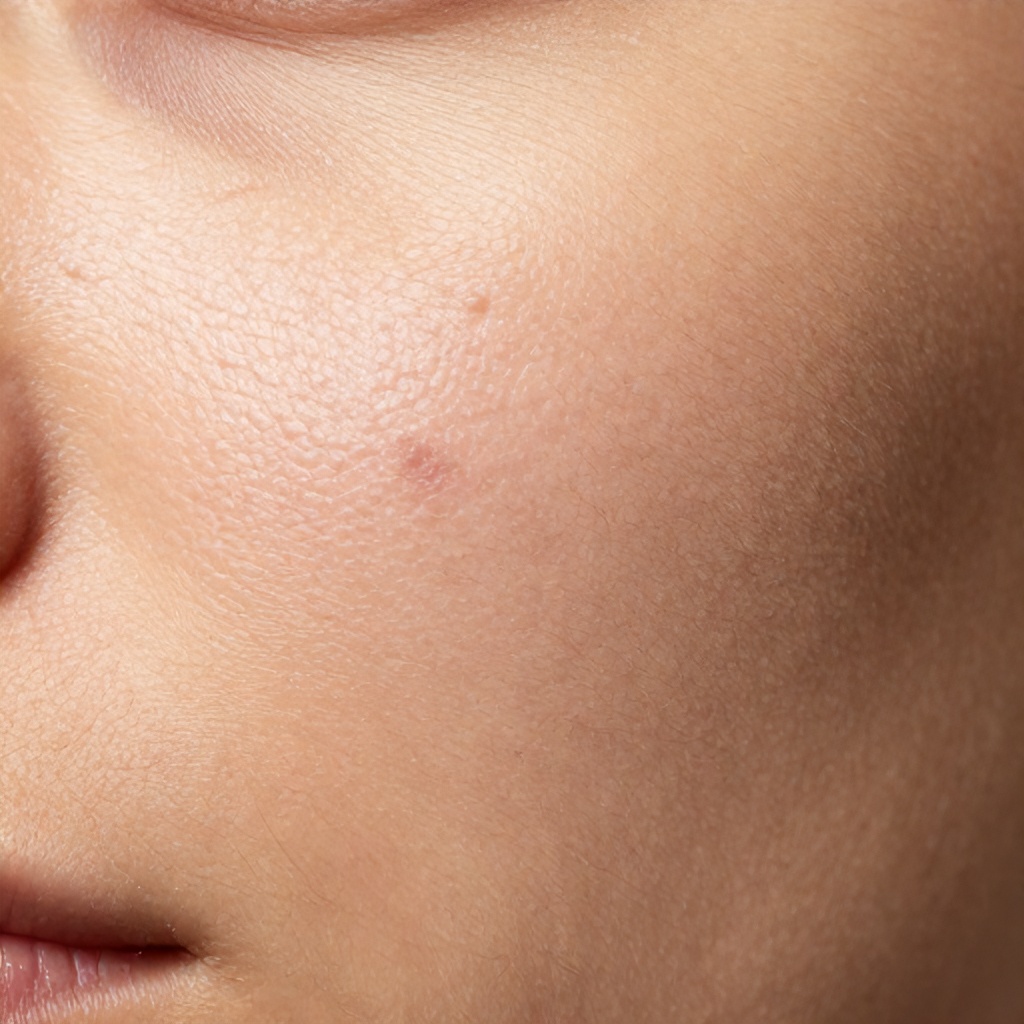
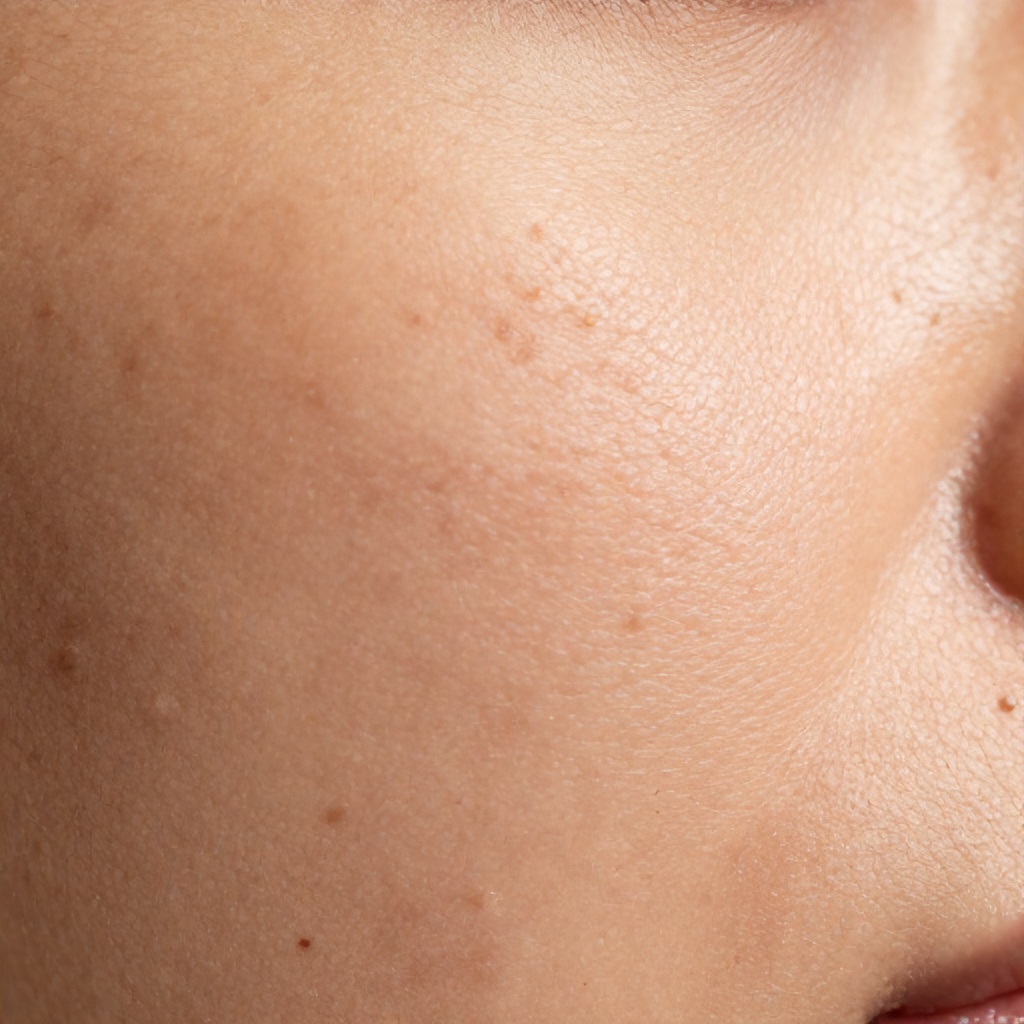
Pores are a natural, functional part of your facial complexion, yet high-resolution skin imaging often makes them appear larger or more irregular than they truly are. When you look at macro photography of skin, you see the reality of your skin surface morphology, which includes tiny peaks, valleys, and hair follicles. Most people mistake this normal epidermal texture for a skin flaw. Your skin is not a smooth, airbrushed surface, but a living organ with a complex topography that changes based on hydration, lighting, and sebum production.

Dermatological analysis confirms that what you see in close-up photos is often a combination of natural skin grain and light scattering. Shadows cast by the uneven surface of your skin can make pores look deeper or wider than they appear to the naked eye. Recognizing that skin texture is a standard health marker helps shift the focus from chasing an impossible, plastic-like finish to maintaining a healthy, resilient barrier.

Factors Influencing Pore Visibility

Pore size is largely determined by genetics, but several external factors influence how prominent they look in your daily visual skin assessment. Sebum-related pore appearance is the most common concern, as oil trapped within the follicle can stretch the opening and make it look darker against the surrounding skin. When oil oxidizes, it creates a visible contrast, drawing more attention to the pore than if it were clear.

The Role of Collagen and Elasticity

As skin ages, the structural support around the follicle weakens. Collagen and elastin provide the scaffolding that keeps pores tight and small. When these proteins degrade, the skin loses its firmness, causing the pore to look oval or elongated rather than circular. This loss of elasticity is a primary driver of increased pore visibility in clinical skin evaluation. Protecting your skin from UV radiation is the most effective way to preserve this structural integrity over time.

Hydration and Plumping

Dehydrated skin looks dull and highlights surface irregularities. When skin cells lack sufficient water, they shrink, which makes the surrounding skin texture look rougher and more pronounced. Proper hydration acts like a filler, plumping the cells so the skin surface appears more uniform. A well-hydrated face reflects light evenly, which naturally softens the appearance of pores and fine lines.

Practical Approaches to Skin Refinement

Improving the appearance of your complexion requires a consistent routine rather than a single miracle product. Focus on keeping follicles clear and supporting the skin barrier to manage textural contrast. Small, incremental changes usually yield the most sustainable results for your skin health.

  1. Use gentle chemical exfoliants like salicylic acid to clear out the debris inside the pore. This prevents sebum from stretching the follicle opening.
  2. Apply niacinamide to help regulate oil production and improve the overall look of skin grain.
  3. Prioritize sun protection daily. UV rays break down the collagen that keeps pores looking tight.
  4. Choose non-comedogenic moisturizers that provide hydration without clogging the pores.
  5. Cleanse your face thoroughly every evening to remove pollutants and makeup that can settle into the skin surface.

Managing Expectations with Close-Up Images

Macro photography captures details that are invisible during normal social interaction. When you view your skin at ten times its actual size, you are looking at cutaneous detail that no one else sees. This creates a distorted perception of your own facial aesthetics. Normal skin has a visible grain, and that is a sign of a healthy, functioning barrier.

If you find yourself obsessing over high-resolution images, try to step back. Evaluate your skin from a distance of two feet in a mirror, which is how people actually see you. If your skin feels comfortable, isn’t breaking out, and has a healthy glow, the textural details you see in a zoomed-in photo are likely just normal anatomy. Complexion uniformity is a goal, but perfection is an illusion created by digital filters and lighting.

When to Consult a Professional

Sometimes, what appears to be large pores is actually a sign of other skin conditions. If you notice significant changes in your skin surface morphology, such as bumps that do not go away or persistent redness, a dermatological imaging session with a professional might be helpful. They can determine if your concerns are related to simple sebum buildup or if there is an underlying issue like rosacea or chronic inflammation.

  • Persistent acne that leaves scarring or pits.
  • Sudden changes in skin texture that do not respond to basic skincare.
  • High levels of inflammation around the nose or cheeks.
  • Concerns about specific skin growths or irregular pigmentations.

Professional treatments like chemical peels or laser therapy can assist with skin refinement by stimulating collagen production and resurfacing the top layer of the epidermis. However, these are maintenance procedures, not permanent fixes. Your daily habits, such as eating a balanced diet, drinking enough water, and getting adequate sleep, remain the foundation of your skin health markers.

The Impact of Lighting on Texture

Lighting is the most significant factor in how skin is perceived. Direct, harsh light—especially light coming from the side—will highlight every bump and pore, creating deep shadows that exaggerate textural contrast. This is why many professional photos are taken with soft, diffused light that fills in those shadows and creates a smoother look.

If you are taking photos of your own skin, notice how moving your face toward or away from a window changes the visibility of your pores. You might find that your skin looks completely different under fluorescent office lights compared to natural morning light. Understanding these variations helps you stop judging your skin based on a single, unflattering photograph. Your skin is dynamic, and its appearance will shift throughout the day based on your environment, your activity level, and the products you have applied.

Building a Sustainable Routine

Avoid the temptation to over-scrub or use harsh physical exfoliants. These can damage the skin barrier, leading to increased sensitivity and inflammation, which actually makes pores look worse. Instead, focus on ingredients that support skin health from the inside out. Retinoids are often recommended for long-term skin refinement, as they increase cell turnover and help keep the pore lining clear.

Introduce new products slowly to ensure your skin tolerates them. Start with a basic cleanser, moisturizer, and sunscreen. Once your skin is stable, add a targeted treatment for texture. Consistency is the primary factor in seeing results. It takes weeks for skin cells to cycle, so give your routine time to work before deciding if a product is effective. By focusing on the health of your skin rather than the visual perfection of your pores, you will achieve a complexion that looks and feels its best.

Exit mobile version