7-Day Structured Home Workout Plan for a Sustainable Daily Fitness Routine

Building a Sustainable Daily Fitness Routine

Consistency beats intensity every single time you step onto your living room floor. A structured home workout plan removes the decision fatigue that often kills motivation before a single movement begins. By following a set rhythm, you stop guessing what to do and start focusing on the actual work. This seven-day cycle balances muscle building, cardiovascular health, and necessary recovery to keep your body moving without leading to burnout.

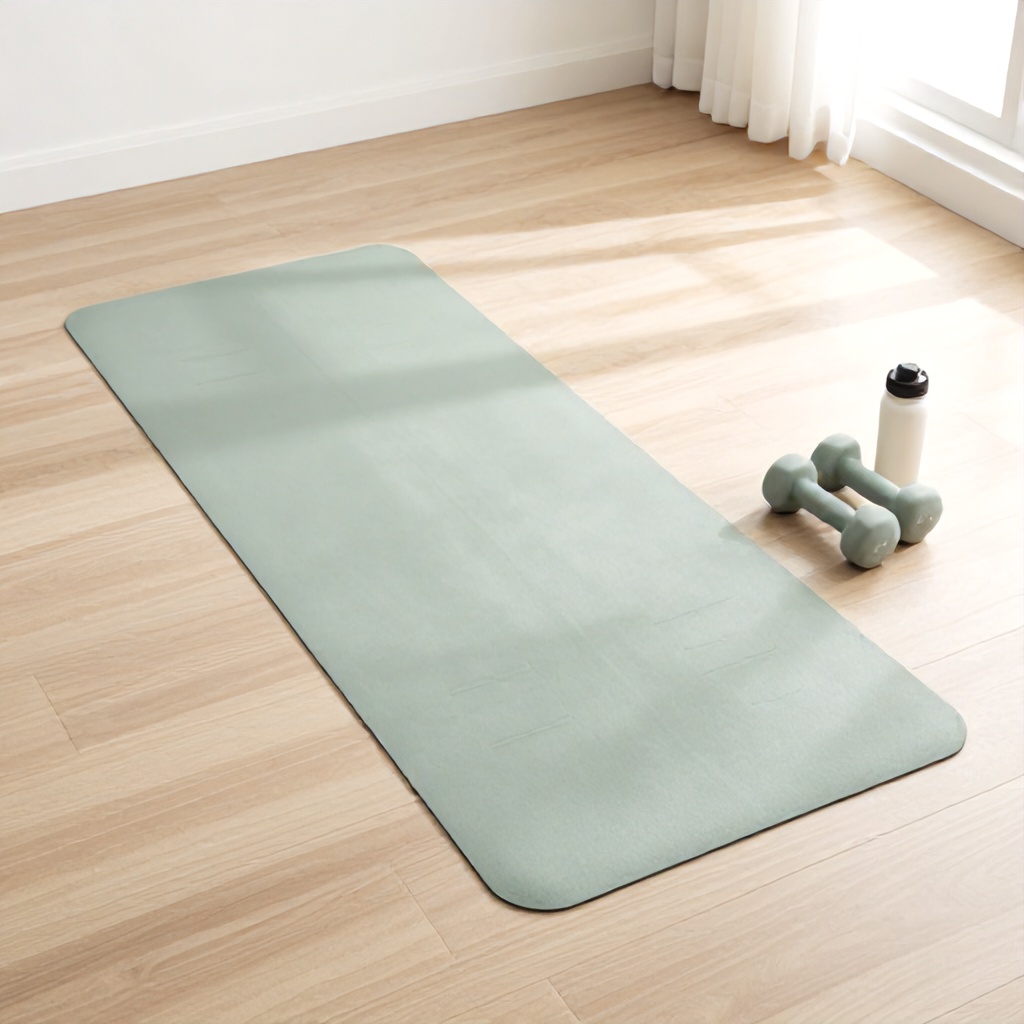
The Weekly Framework

This home exercise program relies on a mix of bodyweight exercises and intentional rest. You do not need a gym membership or expensive equipment to see results. The goal is to establish a habit of physical activity that integrates into your existing schedule.

  • Monday: Full Body Strength
  • Tuesday: Active Recovery and Mobility
  • Wednesday: Lower Body Focus
  • Thursday: Core and Stability
  • Friday: Upper Body Strength
  • Saturday: Cardiovascular Endurance
  • Sunday: Full Rest and Reset

Monday: Full Body Strength

Start your week with compound movements that engage multiple muscle groups. These exercises provide the most efficiency for your time investment. Perform three sets of each movement with 60 seconds of rest between rounds.

  1. Bodyweight Squats: 15 repetitions. Keep your heels planted and your chest upright.
  2. Push-ups: 10 to 12 repetitions. Lower your chest until it is inches from the floor.
  3. Reverse Lunges: 10 repetitions per leg. Step back with control to protect your knees.
  4. Plank: Hold for 45 seconds. Keep your spine neutral and your glutes engaged.

Tuesday: Active Recovery and Mobility

Rest does not mean sitting on the couch all day. Active recovery keeps your joints lubricated and improves your range of motion for the coming days. Dedicate 20 minutes to gentle movement.

  • Cat-Cow stretch: 2 minutes to wake up the spine.
  • Child’s Pose: 2 minutes to open the hips and lower back.
  • Brisk walking: 15 minutes outside or around the house.
  • Neck and shoulder circles: 1 minute to release tension from desk work.

Wednesday: Lower Body Focus

Your legs contain the largest muscle groups in your body. Training them properly increases your metabolic rate and builds functional strength for daily life. Focus on controlled tempo during each repetition.

  1. Glute Bridges: 20 repetitions. Squeeze at the top of the movement.
  2. Lateral Lunges: 10 repetitions per side. Focus on shifting your weight into the working heel.
  3. Calf Raises: 20 repetitions. Use a wall for balance if necessary.
  4. Wall Sit: Hold for 40 seconds. Keep your thighs parallel to the ground.

Thursday: Core and Stability

A strong core acts as the foundation for every other movement you perform. This session targets the abdominals, obliques, and lower back muscles to improve your posture and athletic performance.

  • Dead Bug: 12 repetitions per side. Press your lower back firmly into the floor.
  • Bird-Dog: 10 repetitions per side. Keep your hips square to the floor.
  • Side Plank: 30 seconds per side. Lift your hips high to engage the obliques.
  • Mountain Climbers: 45 seconds of steady pace. Maintain a flat back throughout.

Friday: Upper Body Strength

Focus on your chest, back, and arms to build pushing and pulling strength. If you find standard push-ups too difficult, drop to your knees to maintain proper form. Quality of movement always takes priority over repetition counts.

  1. Pike Push-ups: 8 repetitions. This variation targets your shoulders.
  2. Superman: 15 repetitions. Lift your chest and legs simultaneously to strengthen the posterior chain.
  3. Tricep Dips: 10 repetitions using a sturdy chair or the edge of a sofa.
  4. Arm Circles: 30 seconds forward and 30 seconds backward to finish the session.

Saturday: Cardiovascular Endurance

Cardio improves your heart health and stamina. You can choose any activity that elevates your heart rate for 30 minutes. This is the time to get sweaty and push your limits.

  • High Knees: 30 seconds on, 30 seconds off for 10 rounds.
  • Jumping Jacks: 45 seconds on, 15 seconds off for 10 rounds.
  • Burpees: 10 repetitions followed by 1 minute of rest. Repeat 5 times.
  • Shadow Boxing: 3 minutes of continuous movement. Rest for 1 minute. Repeat 4 times.

Sunday: Full Rest and Reset

Sunday is for physical and mental recovery. Your muscles repair and grow during periods of rest, not during the workout itself. Avoid strenuous activity today. Focus on hydration, sleep, and preparing your environment for the next week.

Establishing Your Fitness Regimen

Success in any fitness regimen depends on the environment you create. Lay out your workout clothes the night before. Clear a specific space in your home that is always ready for exercise. When the space is ready, the friction to start is significantly lower.

Tracking Progress

Keep a simple log of your repetitions and how you felt during the session. You do not need complex software. A physical notebook or a basic digital note works perfectly. Seeing your progress over four or eight weeks provides the feedback loop necessary to keep going when motivation wanes.

Managing Intensity

Listen to your body. If you feel sharp pain, stop immediately. Soreness is normal, but injury is not. Adjust the repetition counts based on your current fitness level. If a movement feels too easy, increase the tempo or decrease the rest periods. If it feels too hard, reduce the repetitions and focus on perfecting your technique.

The Role of Consistency

Consistency is the secret to long-term health. A mediocre workout done consistently will always outperform a perfect workout done once a month. If you miss a day, do not try to double up the next day. Simply resume the plan as scheduled. Life happens, and the ability to get back on track is what separates those who reach their goals from those who quit.

Sustainable Habits for Longevity

Physical conditioning is a lifelong pursuit. Avoid the trap of trying to change everything at once. Focus on mastering these seven days before worrying about advanced variations. As your strength increases, you can add weight or increase the duration of your sessions. Start where you are, use what you have, and do what you can.

Hydration plays a massive role in your performance. Drink water throughout the day, not just during your workout window. Proper sleep allows your nervous system to recover from the stress of exercise. If you are not sleeping well, your progress will stall regardless of how hard you work in the living room.

This structured workout plan provides the scaffolding for a healthier life. It removes the guesswork and provides a clear path forward. Stick to the schedule, track your small wins, and watch how your body responds over the coming months. Your health is a direct result of your daily habits, and now you have the plan to build better ones.

Effective One-Mile Power Walking Routine for Home Cardiovascular Fitness

Effective One-Mile Power Walking for Home Fitness

Walking one mile at a brisk pace provides a measurable cardiovascular workout that improves heart health and strengthens lower body muscles without requiring a gym membership. This routine focuses on maintaining a pace that increases your heart rate into a moderate-intensity zone, which is generally defined as the point where you can talk but cannot sing. By dedicating twenty minutes to this movement, you engage your glutes, hamstrings, and calves while burning calories efficiently.

Establishing Your Baseline Pace

Speed matters more than distance when the goal is fitness rather than leisure. A standard walking speed for most people is roughly three miles per hour, but power walking requires pushing toward four miles per hour. You do not need a treadmill to track this. Focus on the sensation of your muscles working rather than staring at a screen.

The Mechanics of a Faster Stride

Proper form prevents injury and increases the intensity of your walk. Keep your head lifted and your gaze directed forward about twenty feet in front of you. This alignment keeps your airways open and your spine neutral. If you look down at your feet, you risk neck strain and poor posture.

  • Keep your shoulders relaxed and pulled back, not hunched toward your ears.
  • Bend your elbows at a ninety-degree angle and swing them close to your torso.
  • Land on your heel and roll through to your toe for each step.
  • Engage your core muscles by pulling your belly button slightly toward your spine.

The One-Mile Routine Structure

Structured sessions provide the best results for home-based training. Divide your twenty minutes into three distinct phases to ensure your body warms up properly and cools down safely. This prevents muscle soreness and keeps your heart rate stable.

Phase One: The Warm-Up

Spend five minutes walking at a comfortable, casual pace. This is not the time to push your speed. The objective is to increase blood flow to your muscles and lubricate your joints. Start with small steps and gradually increase your stride length as your body feels more fluid.

Phase Two: The Power Interval

This is the core of the workout. Aim to maintain a brisk, purposeful pace for twelve minutes. Your breathing should be heavy but controlled. If you find yourself gasping for air, slow down slightly until your breathing stabilizes. Consistency is more important than raw speed during these early sessions.

Phase Three: The Cool Down

Dedicate the final three minutes to slowing your pace significantly. Allow your heart rate to return to its resting state gradually. Do not stop abruptly, as this can cause dizziness or blood pooling in your legs. Finish with gentle stretching for your calves and hamstrings.

Safety and Injury Prevention

Walking is low impact, yet repetitive motion can still lead to strain if you ignore your body. Wear shoes with adequate arch support and cushioning. Flat, worn-out sneakers increase the risk of plantar fasciitis and shin splints.

Listen to your body during the session. Sharp pain in your joints or chest discomfort indicates that you should stop immediately. Mild muscle fatigue is normal, but acute pain is a signal to rest.

Tracking Progress at Home

Measuring improvement keeps you motivated. Use a simple timer on your phone to track how long it takes you to complete your mile. Over time, you will notice that your heart rate remains lower at higher speeds, which indicates improved cardiovascular fitness.

  1. Record your time for the first week.
  2. Aim to shave five to ten seconds off your total time every two weeks.
  3. Increase your arm swing intensity if you hit a plateau.
  4. Add small hand weights only after you have mastered the form without them.

Common Mistakes to Avoid

Many people compromise their form when they try to move faster. Avoid taking longer strides by reaching out with your feet. This creates a braking effect and puts unnecessary stress on your knees. Instead, keep your feet underneath your body and increase the frequency of your steps.

Do not hold heavy weights while walking. This shifts your center of gravity and changes your natural gait, which often leads to shoulder or back pain. If you want to increase the challenge, use a weighted vest that keeps the resistance centered on your torso.

Incorporating Variety

Repetition helps build habits, but changing your environment keeps the routine interesting. If you have enough space, walk in a figure-eight pattern to engage your stabilizing muscles as you turn. If you are using a hallway or a long room, focus on maintaining a steady rhythm as you turn around at each end.

Change your pace within the mile to create a fartlek-style workout. Walk at a moderate pace for two minutes, then push to a high-intensity pace for one minute. Repeat this cycle until you hit your one-mile goal. This variation increases the calorie burn and improves your endurance faster than a steady-state pace.

The Role of Consistency

Physical changes occur through repeated stress and recovery. Walking one mile three times a week is more effective than walking five miles once a week. Your body needs regular signals to adapt and strengthen your cardiovascular system.

Schedule your walks during times when you have the most energy. Some people prefer the morning to start the day with movement, while others find it helps clear the mind after work. Stick to your chosen time for at least two weeks to establish the habit.

Hydration and Nutrition

Even though walking one mile is a shorter session, staying hydrated is essential. Drink a glass of water before you begin. If you feel lightheaded, stop and hydrate. Your muscles function best when they are well-nourished and hydrated, which allows you to maintain a faster pace for longer durations.

Long-Term Fitness Goals

Once you consistently complete one mile in under fifteen minutes, you can look toward increasing the distance. Add a quarter-mile each week until you reach two or three miles. This gradual progression prevents burnout and allows your tendons and ligaments to adapt to the increased volume of activity.

Keep a simple log of your walks. Note how you felt before and after the session. This helps you identify patterns, such as days when you have more energy or times when you feel sluggish. Use this information to adjust your routine so it fits your life rather than forcing your life to fit the routine.

Maintaining Motivation

Focus on the immediate benefits of the walk. Notice how your mood shifts after the exercise. The release of endorphins often creates a sense of calm and clarity that lasts for hours. When you view the walk as a tool for mental health as much as physical fitness, it becomes easier to stay committed on days when motivation is low.

Remember that every mile counts. Even on days when you do not feel like pushing for speed, a slow, steady walk is better than no movement at all. Keep your gear visible and ready to go so that the barrier to starting is as low as possible.

Final Considerations for Success

Success in home fitness comes down to simplicity. You do not need complex equipment or expensive apps to improve your health. A clear path, a pair of supportive shoes, and a commitment to moving your body are enough to see significant changes in your stamina and strength.

Focus on your breathing, keep your posture upright, and stay consistent with your schedule. Over time, the one-mile walk will feel like a natural part of your day rather than a chore. This is the foundation of a sustainable fitness practice that supports your long-term health goals.

9 Timed Home Bodyweight Exercises for Waistline Definition

Achieving a more defined midsection right in your own home is entirely possible using timed bodyweight exercises that specifically focus on core strength and stability. These targeted movements, performed for specific durations, help build the abdominal muscles and obliques, contributing to a sculpted waist without needing any special equipment.

Why Timed Bodyweight Exercises Work for Waistline Definition

Timed workouts offer a fantastic way to structure your fitness regimen, especially when aiming for core definition. Instead of counting reps, you focus on maintaining proper form for a set period, which can push your endurance and ensure consistent engagement of your abdominal muscles. This approach is highly efficient for home bodyweight exercises, allowing you to get a quality workout in a shorter timeframe.

Bodyweight training itself is incredibly effective. It uses your own body’s resistance, making it accessible to everyone regardless of fitness level. For waistline definition, bodyweight movements often engage multiple core muscles simultaneously, improving functional strength and overall physique transformation. It’s about building a strong, stable core that supports your entire body, leading to a more defined midsection over time.

Structuring Your Timed Home Workout

A well-structured workout plan is key to seeing results. Before diving into the exercises, always begin with a 5-minute warm-up, like marching in place, arm circles, and gentle torso twists, to prepare your muscles. For the main workout, you’ll perform each exercise for a specific duration, followed by a short rest. Finish your session with a 5-minute cool-down, including static stretches for your core and other major muscle groups.

  • Work Period: Aim for 30-60 seconds per exercise.
  • Rest Period: Take 15-30 seconds of rest between exercises.
  • Rounds: Complete 2-4 rounds of the entire circuit.
  • Frequency: Perform this routine 3-4 times per week, allowing for rest days in between.

This guided workout structure ensures you’re consistently challenging your muscles, which is vital for body recomposition and achieving your fitness goals. Listen to your body and adjust the workout duration or rest periods as needed.

9 Timed Home Bodyweight Exercises for Waistline Definition

1. The Plank

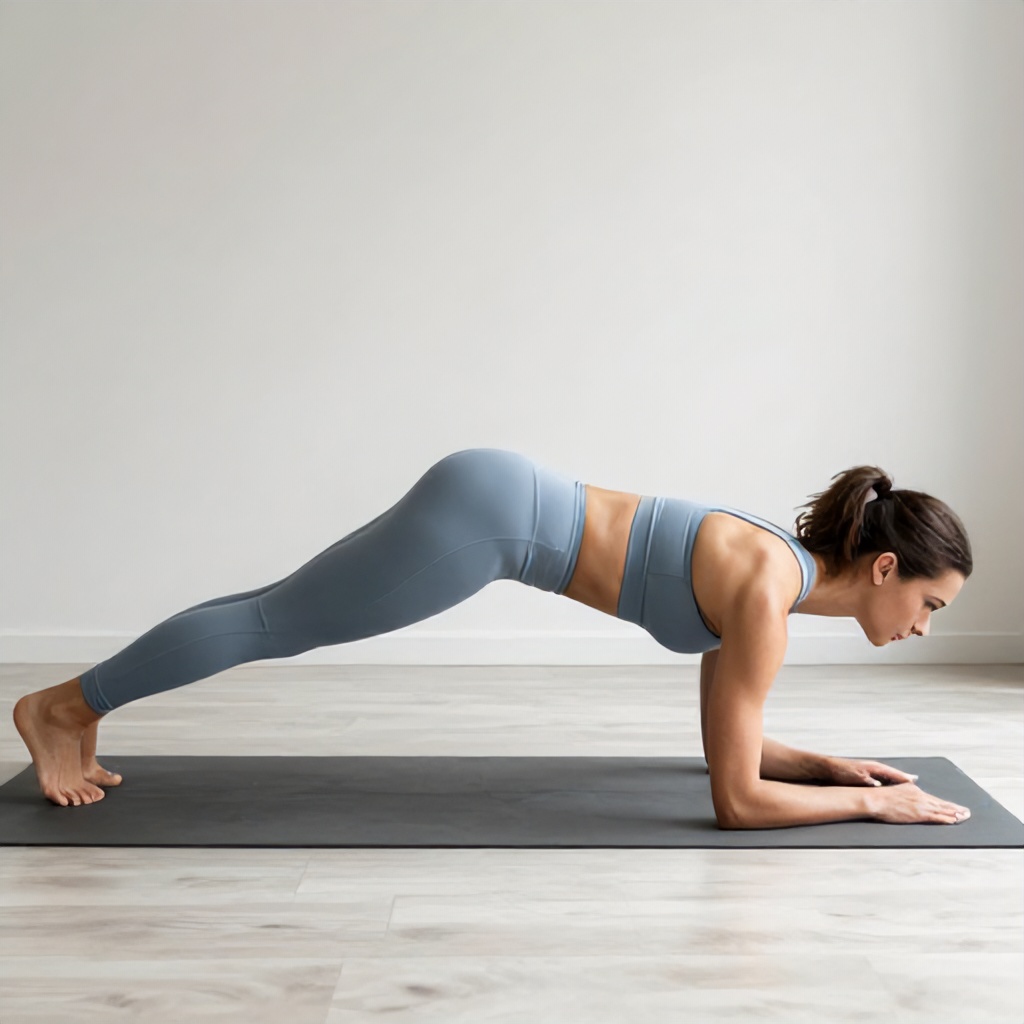
The plank is a foundational exercise for core definition, engaging your entire abdominal muscles and improving overall stability without any equipment. It’s excellent for building isometric strength, which is essential for a truly defined midsection.

  1. Start on your hands and knees, then extend your legs back one at a time, coming onto the balls of your feet.
  2. Position your elbows directly under your shoulders, forearms flat on the floor, fingers pointing forward.
  3. Engage your core, pulling your belly button towards your spine. Keep your body in a straight line from head to heels, avoiding sagging hips or a raised rear.
  4. Hold this position, breathing steadily.

Focus on maintaining a rigid body. If a full plank is too challenging, drop to your knees while keeping the straight body line from head to knees. This modification still provides significant core strength benefits.

2. Side Plank

The side plank specifically targets the obliques, the muscles along the sides of your waist, which are crucial for creating a sculpted waist and a slim waist appearance. This exercise also improves lateral core stability.

  1. Lie on your side with your forearm on the floor, elbow directly under your shoulder. Stack your feet one on top of the other.
  2. Lift your hips off the floor, forming a straight line from your head to your heels.
  3. Engage your side abdominal muscles to keep your hips lifted and stable.
  4. Hold this position, then switch sides for the next timed interval.

To make it easier, you can bend your bottom knee and rest it on the floor, lifting only your upper body and hip. For an added challenge, extend your top arm towards the ceiling.

3. Bicycle Crunches

Bicycle crunches are a dynamic movement that effectively works both the rectus abdominis (the “six-pack” muscles) and the obliques, making them excellent for comprehensive core definition and a more pronounced physique transformation.

  1. Lie on your back with your hands gently behind your head, elbows wide. Lift your shoulders and feet slightly off the floor.
  2. Bring your right knee towards your chest while simultaneously twisting your torso to bring your left elbow towards your right knee.
  3. As you extend your right leg, bring your left knee towards your chest, twisting to bring your right elbow towards your left knee.
  4. Continue alternating in a fluid, controlled motion, mimicking a pedaling action.

Maintain control throughout the movement, avoiding pulling on your neck. The focus should be on the twisting motion from your core, not just moving your limbs.

4. Mountain Climbers

Mountain climbers are a full-body exercise that elevates your heart rate while intensely engaging your core. They combine cardio with core strength, contributing to body recomposition and overall fitness goals, and are a great addition to any home workout.

  1. Start in a high plank position, hands directly under your shoulders, body in a straight line.
  2. Keeping your core tight and hips stable, quickly bring one knee towards your chest.
  3. Return that leg to the starting position and immediately bring the other knee towards your chest.
  4. Continue alternating legs at a brisk pace, as if you’re running in place while in a plank position.

Avoid letting your hips sag or rise too high. The goal is to keep your core engaged and your body as stable as possible while your legs move. This exercise routine is fantastic for building endurance.

5. Leg Raises

Leg raises primarily target the lower abdominal muscles, which are often challenging to activate. Strengthening this area contributes significantly to a more balanced and defined midsection.

  1. Lie on your back with your legs extended straight and your hands either by your sides or tucked gently under your lower back for support.
  2. Keeping your legs straight (a slight bend in the knees is acceptable if needed), slowly lift them towards the ceiling until your hips begin to lift slightly off the floor.
  3. Slowly lower your legs back down towards the floor, stopping just before they touch to maintain tension in your core.
  4. Repeat the controlled lifting and lowering motion.

Ensure your lower back stays pressed into the floor throughout the movement. If you feel your back arching, don’t lower your legs as far, or try bending your knees more. This is a powerful exercise for core definition.

6. Russian Twists (Bodyweight)

Russian twists are excellent for rotational core strength and specifically target the obliques, helping to carve out a sculpted waist. Performing them with just your bodyweight allows for focus on form and control.

  1. Sit on the floor with your knees bent and feet flat. Lean back slightly, keeping your back straight and core engaged.
  2. Lift your feet off the floor, balancing on your sit bones. You can cross your ankles for stability.
  3. Clasp your hands together in front of your chest.
  4. Twist your torso from side to side, tapping your hands lightly on the floor beside your hips with each twist.

The movement should come from your core, not just your arms. Keep your back straight and avoid slouching. If lifting your feet is too difficult, keep them on the floor and focus on the torso twist.

7. Bird-Dog

The bird-dog is a fantastic exercise for improving core stability, balance, and coordination, while also strengthening the lower back. It helps create a strong foundation for a defined midsection by engaging deep core muscles.

  1. Start on your hands and knees in a tabletop position, wrists directly under your shoulders and knees under your hips. Keep your back flat and core engaged.
  2. Slowly extend your right arm straight forward and your left leg straight back simultaneously, keeping them parallel to the floor.
  3. Maintain a stable torso, resisting any rotation or arching of your back.
  4. Pause briefly, then slowly return to the starting position.
  5. Alternate sides, extending your left arm and right leg.

Focus on slow, controlled movements. Imagine balancing a glass of water on your lower back to ensure you’re not swaying. This exercise is key for overall core strength.

8. Dead Bug

The dead bug is an anti-extension exercise that strengthens the deep core muscles, crucial for maintaining spinal stability and preventing lower back pain. It teaches your core to resist arching, which is vital for a strong, flat abdominal area.

  1. Lie on your back with your knees bent at a 90-degree angle directly over your hips, and your arms extended straight up towards the ceiling.
  2. Press your lower back firmly into the floor, engaging your core.
  3. Slowly extend your right arm back towards the floor (without touching) and your left leg forward (without touching the floor).
  4. Maintain the lower back contact with the floor throughout the movement.
  5. Slowly return your arm and leg to the starting position.
  6. Alternate sides, extending your left arm and right leg.

The key here is control and keeping your lower back glued to the mat. If your back starts to arch, don’t extend your limbs as far. This is an excellent exercise for building foundational core strength.

9. Reverse Crunches

Reverse crunches are highly effective for targeting the lower abdominal muscles, often considered a stubborn area for waistline definition. They work by lifting your hips off the floor, engaging the entire lower core region.

  1. Lie on your back with your knees bent, feet flat on the floor, and hands by your sides or tucked slightly under your lower back.
  2. Bring your knees towards your chest, lifting your hips slightly off the floor. Imagine trying to touch your knees to your nose.
  3. Control the movement as you slowly lower your hips and feet back towards the starting position, stopping just before your feet touch the floor to maintain tension.
  4. Repeat the controlled lifting and lowering motion.

Avoid using momentum; the movement should be slow and deliberate, driven by your abdominal muscles. This exercise routine is a powerful tool for developing a defined midsection.

Putting It All Together: Your Timed Workout Plan

Here’s an example of how you can combine these exercises into a timed workout for waistline definition. Remember to adjust the workout duration and rest periods to match your current fitness level and progressively challenge yourself as you get stronger.

Perform each exercise for 45 seconds, followed by 15 seconds of rest. Complete 3 rounds of the entire circuit. Rest for 60-90 seconds between rounds.

  1. Plank (45s work / 15s rest)
  2. Side Plank (Right) (45s work / 15s rest)
  3. Side Plank (Left) (45s work / 15s rest)
  4. Bicycle Crunches (45s work / 15s rest)
  5. Mountain Climbers (45s work / 15s rest)
  6. Leg Raises (45s work / 15s rest)
  7. Russian Twists (45s work / 15s rest)
  8. Bird-Dog (Right Arm/Left Leg) (45s work / 15s rest)
  9. Bird-Dog (Left Arm/Right Leg) (45s work / 15s rest)
  10. Dead Bug (45s work / 15s rest)
  11. Reverse Crunches (45s work / 15s rest)

This comprehensive exercise routine will challenge your core from all angles, contributing significantly to your physique transformation and helping you achieve a slim waist. As you get fitter, consider increasing the work period or adding another round.

Important Considerations for Waistline Definition

While these home bodyweight exercises are incredibly effective for building core strength and muscle, true waistline definition is also heavily influenced by other factors. Think of your fitness goals holistically.

  • Nutrition: A balanced diet rich in whole foods and adequate protein is paramount. Reducing processed foods and sugary drinks helps manage overall body fat, allowing your hard-earned abdominal muscles to show through. Body recomposition is largely driven by what you eat.
  • Consistency: Showing up for your workout plan regularly is more important than intense, sporadic sessions. Make these timed exercises a consistent part of your fitness regimen.
  • Hydration: Drinking enough water supports metabolism and can help reduce bloating, contributing to a flatter stomach.
  • Sleep: Quality sleep is crucial for muscle recovery and hormone regulation, both of which impact body composition and your ability to see results from your workouts.
  • Patience: Body transformation takes time. Stay consistent, trust the process, and celebrate small victories along the way.

Incorporating these principles alongside your dedicated exercise timing will accelerate your progress towards a more defined midsection and overall body transformation.

Achieving a more defined waistline doesn’t require a gym membership or fancy equipment. With these 9 timed home bodyweight exercises, you have a powerful toolkit to build core strength, sculpt your abdominal muscles, and work towards your fitness goals from the comfort of your own home. Stay consistent, focus on proper form, and remember that a holistic approach to health will bring the best results for a truly defined physique.

Exit mobile version