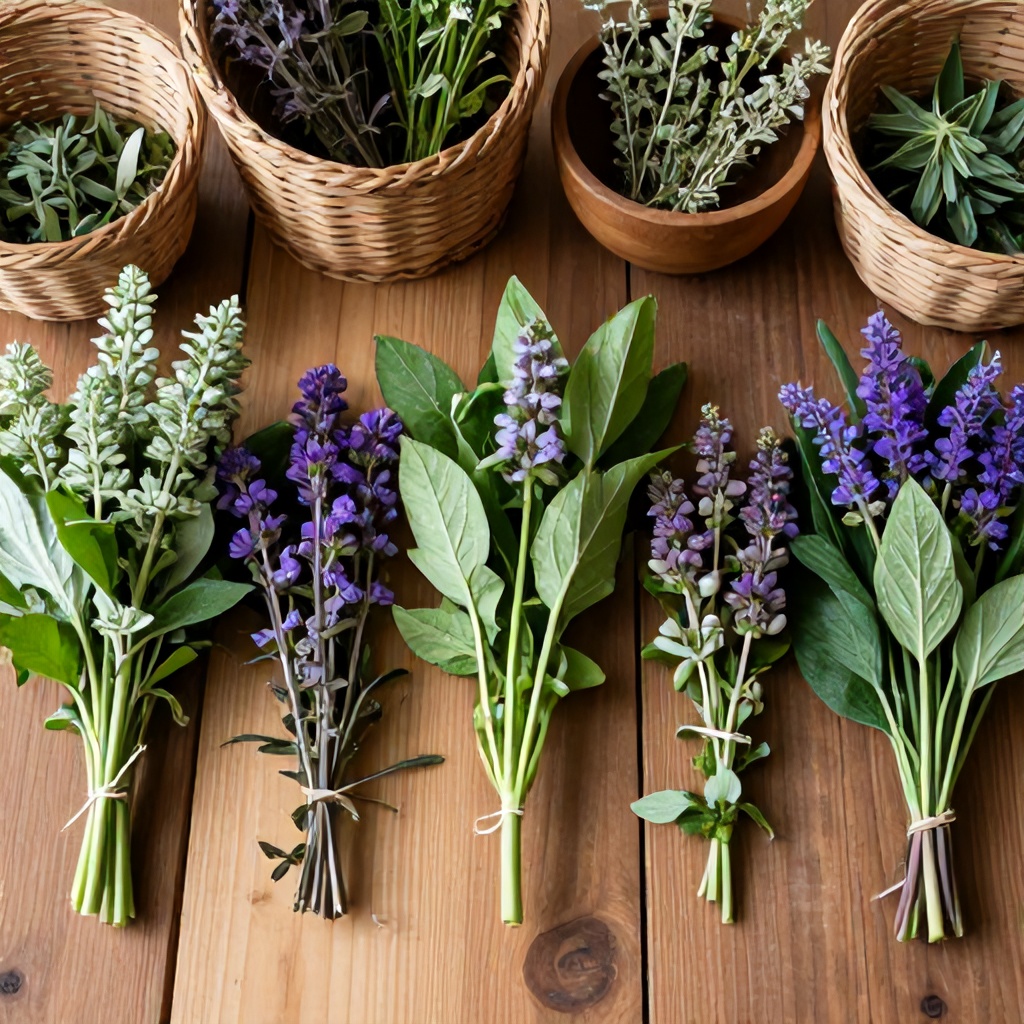
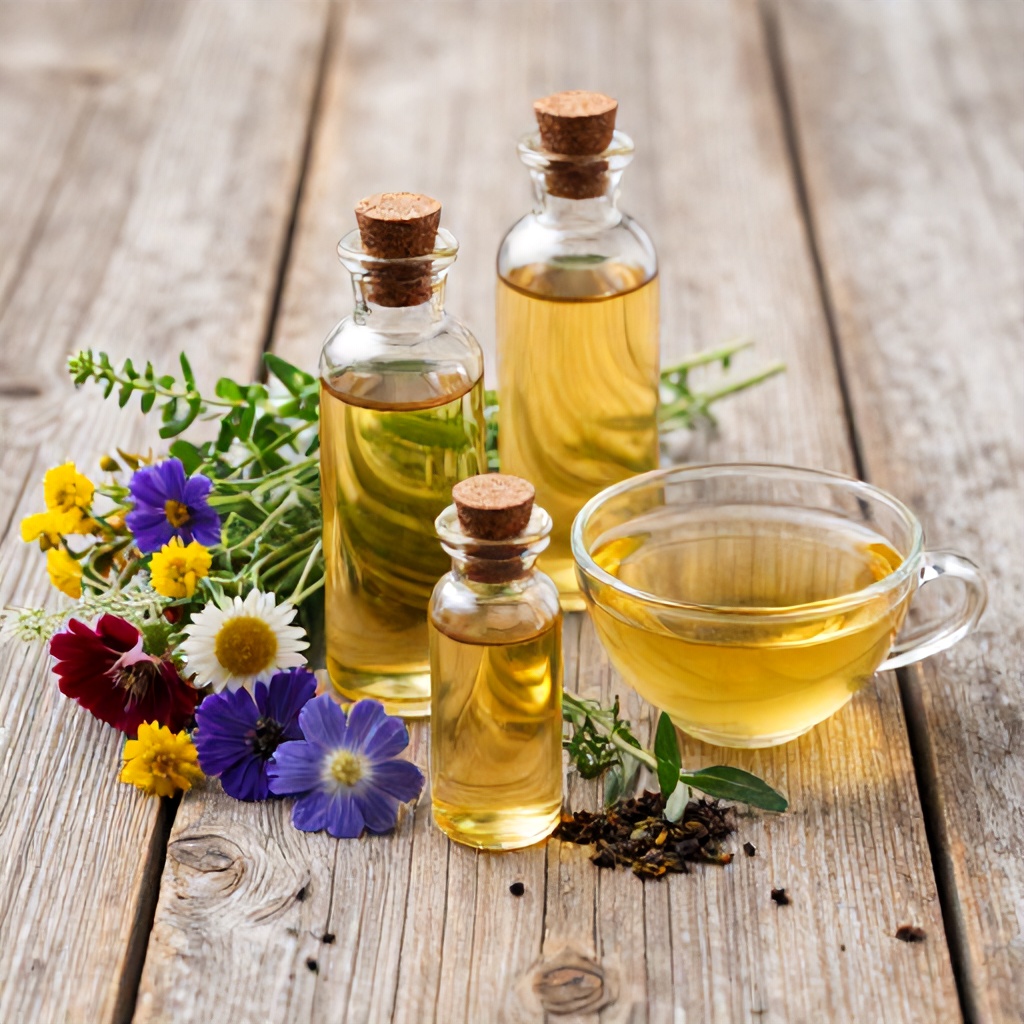
Health Benefits of Natural Plants and Herbs for Wellness

The health benefits of natural plants and herbs are extensive, offering a gentle yet powerful path to enhanced wellness through their unique therapeutic properties and rich nutritional benefits.

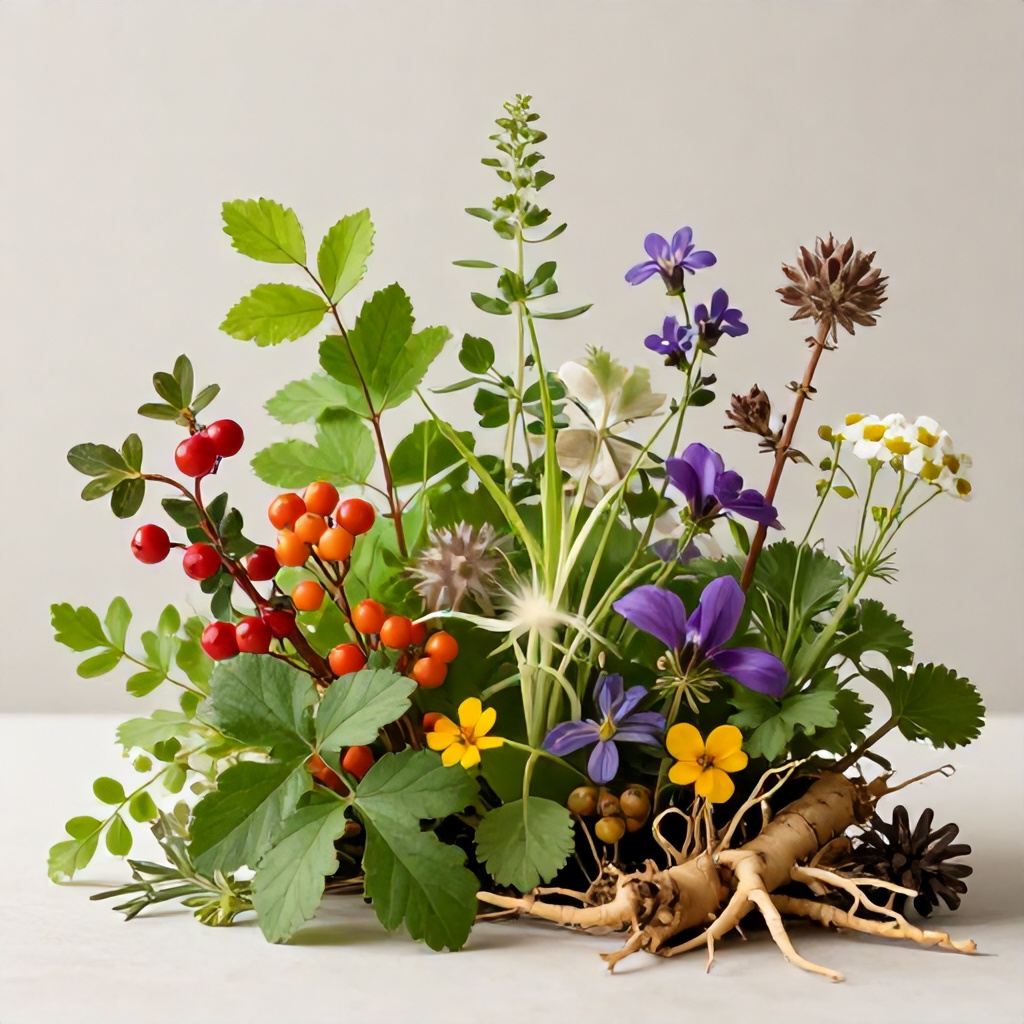
Understanding the Power of Plant-Based Health

For centuries, people across various cultures have relied on medicinal plants and herbal remedies for healing and maintaining vitality. These botanical remedies are more than just food; they are complex biological systems packed with plant compounds that interact with our bodies in beneficial ways. From supporting daily functions to addressing specific ailments, the integration of natural ingredients into our lives can significantly contribute to holistic health.

Many of these health-promoting plants contain a spectrum of vitamins, minerals, and antioxidants. These natural compounds work synergistically, meaning they often provide greater benefits together than any single component could alone. Understanding how these elements function helps us appreciate the depth of natural healing available through phytotherapy.

Nutritional Powerhouses for Everyday Wellness

Some of the most common plants we consume are packed with essential nutrients that form the foundation of good health. These aren’t just for flavor; they are potent contributors to our overall well-being, offering significant nutritional benefits.

  • Leafy Greens: Spinach, kale, and collard greens are brimming with vitamins K, A, and C, along with folate and iron. These greens support bone health, vision, and immune function. Their high antioxidant content helps protect cells from damage.
  • Berries: Blueberries, raspberries, and strawberries are renowned for their high levels of antioxidants, particularly anthocyanins. These compounds are excellent for cardiovascular health and cognitive function, helping to reduce oxidative stress throughout the body.
  • Legumes: Beans, lentils, and chickpeas provide protein, fiber, and various minerals like iron and magnesium. They are fantastic for digestive health and help stabilize blood sugar levels, making them a cornerstone of plant-based health.

Herbs with Anti-Inflammatory Properties

Chronic inflammation is a root cause of many health issues, from joint pain to heart disease. Several natural herbs possess potent anti-inflammatory therapeutic properties, offering a natural way to mitigate this systemic problem.

Ginger: A Warm and Soothing Root

Ginger, a staple in both culinary and herbal medicine traditions, is widely recognized for its anti-inflammatory effects. Its active compounds, gingerols and shogaols, are responsible for its ability to reduce pain and swelling. Many use ginger to soothe digestive upset, but its benefits extend to muscle soreness and even menstrual discomfort.

  • Consuming ginger tea can be a comforting way to alleviate nausea.
  • Adding fresh ginger to stir-fries or smoothies provides a spicy kick and a dose of its health-promoting properties.
  • Ginger supplements are also available for those seeking a more concentrated form of this powerful root.

Turmeric: The Golden Spice of Health

Turmeric, particularly its primary active compound curcumin, has been extensively studied for its powerful anti-inflammatory and antioxidant effects. This vibrant yellow spice is a cornerstone of traditional medicine and is gaining widespread recognition in modern wellness circles. Curcumin works by blocking molecules that play a major role in inflammation.

While often used in curries, absorbing curcumin effectively can be a challenge. Combining turmeric with black pepper, which contains piperine, significantly enhances its bioavailability, allowing the body to utilize its plant-derived benefits more efficiently.

Boosting Your Immune System with Botanical Remedies

A robust immune system is your body’s best defense against illness. Certain natural plants and herbs are celebrated for their ability to enhance immune function, offering proactive support for your health.

Echinacea: A Traditional Immune Supporter

Echinacea is one of the most popular herbal supplements for immune support. It’s often used at the first sign of a cold or flu, believed to stimulate the immune system and help the body fight off infections. Its therapeutic botanicals are thought to increase the production of white blood cells, which are crucial for immune defense.

Elderberry: A Berry Full of Benefits

Elderberry, particularly the European black elderberry, is rich in antioxidants and vitamins that may boost your immune system. Research suggests that elderberry extracts can help shorten the duration and severity of colds and flu. It’s a delicious way to support natural wellness, often found in syrups, teas, and lozenges.

Digestive Harmony Through Natural Ingredients

A healthy gut is fundamental to overall wellness. Many natural plants and herbs offer gentle yet effective support for digestive health, easing discomfort and promoting regularity.

Peppermint: Soothing the Digestive Tract

Peppermint is well-known for its calming effects on the digestive system. The menthol in peppermint helps relax the muscles of the gastrointestinal tract, which can alleviate symptoms like bloating, gas, and indigestion. Peppermint tea is a popular choice after meals, and peppermint oil capsules are sometimes used for irritable bowel syndrome (IBS) symptoms.

Chamomile: A Gentle Aid for Digestion and Relaxation

Chamomile is celebrated for its mild sedative and anti-inflammatory properties, making it excellent for both relaxation and digestive relief. Its compounds can help reduce spasms in the gut and soothe an upset stomach. A warm cup of chamomile tea before bed can aid digestion and promote restful sleep, contributing to holistic health.

Stress Reduction and Mood Enhancement with Adaptogens and Calming Herbs

In our demanding world, managing stress and supporting mental well-being is more important than ever. Certain natural plants and herbs, particularly adaptogens, can help the body cope with stress and promote a sense of calm.

Ashwagandha: An Ancient Adaptogen

Ashwagandha is a revered herb in traditional medicine, classified as an adaptogen. Adaptogens help the body adapt to stress, balancing physiological processes. Ashwagandha is known for its ability to reduce cortisol levels, which is the body’s primary stress hormone. It can improve resilience to stress, enhance mood, and support overall mental clarity, making it a powerful tool for natural wellness.

Lavender: The Scent of Serenity

Lavender is famous for its calming aroma and relaxing effects. The scent of lavender essential oil is often used in aromatherapy to reduce anxiety, improve sleep quality, and promote a sense of peace. Drinking lavender tea can also provide mild sedative effects, aiding relaxation and easing nervous tension. It’s a simple, organic remedy for everyday stress.

Lemon Balm: A Bright and Calming Herb

Lemon balm, a member of the mint family, has a delightful citrusy scent and flavor. It’s traditionally used to reduce anxiety, improve sleep, and soothe indigestion. Its therapeutic properties come from compounds that interact with brain receptors, helping to calm the nervous system. Lemon balm tea is a pleasant way to unwind and support emotional balance.

Supporting Heart Health with Natural Plants

Cardiovascular health is paramount, and several natural plants and herbs offer significant support for the heart and circulatory system. These health-promoting plants contribute to a strong, healthy heart.

Garlic: More Than Just a Flavor Enhancer

Garlic is a powerhouse of plant-derived benefits, particularly for heart health. It’s known to help lower blood pressure, reduce cholesterol levels, and improve circulation. The active compounds in garlic, especially allicin, are responsible for these cardiovascular protective effects. Incorporating fresh garlic into your diet is an easy and effective way to support your heart.

Hawthorn: A Traditional Heart Tonic

Hawthorn berries, leaves, and flowers have been used in traditional medicine as a heart tonic for centuries. Modern research supports its use for improving heart function, particularly in cases of mild heart failure. It can help dilate blood vessels, improve blood flow, and strengthen heart contractions. Hawthorn is often consumed as a tea or in herbal supplements, but it’s important to consult a healthcare provider due to its potent effects.

Enhancing Skin and Hair Wellness with Botanical Extracts

The benefits of natural plants extend beyond internal health to external beauty. Many plant extracts and natural ingredients offer nourishing and healing properties for skin and hair.

Aloe Vera: The Soothing Succulent

Aloe vera is renowned for its skin-soothing and healing properties. The gel from its leaves is commonly used to treat sunburns, minor cuts, and skin irritations. It’s hydrating, anti-inflammatory, and contains vitamins and antioxidants that promote skin repair and regeneration. Aloe vera is a staple in many organic remedies for skin care.

Green Tea: An Antioxidant Boost for Skin and Hair

Green tea is packed with antioxidants, particularly catechins, which offer significant benefits when consumed or applied topically. For the skin, green tea extracts can help protect against UV damage, reduce inflammation, and improve complexion. For hair, it can promote growth and add shine due to its rich nutrient profile. Drinking green tea regularly contributes to overall natural wellness.

Integrating Natural Plants and Herbs into Your Daily Routine

Incorporating natural plants and herbs into your daily life doesn’t have to be complicated. Small, consistent steps can lead to significant improvements in your health and wellness journey.

Practical Ways to Embrace Plant-Based Health

  1. Cook with Herbs and Spices: Use fresh or dried herbs like rosemary, thyme, oregano, basil, and cilantro in your cooking. They add flavor and provide a host of health benefits.
  2. Brew Herbal Teas: Many herbs, such as peppermint, chamomile, ginger, and lemon balm, make delicious and beneficial teas. This is a simple way to enjoy their therapeutic properties.
  3. Add to Smoothies: Blend leafy greens, berries, and even small amounts of fresh ginger or turmeric into your morning smoothies for a nutrient boost.
  4. Consider Quality Herbal Supplements: If you’re looking for concentrated benefits, research reputable brands for herbal supplements. Always consult with a healthcare professional before starting any new supplement regimen, especially if you have existing health conditions or are taking medications.
  5. Grow Your Own: Cultivating a small herb garden allows for fresh, organic remedies right at your fingertips.

Important Considerations for Safe Usage

While natural plants and herbs offer many health benefits, it’s essential to approach their use with awareness and caution. “Natural” does not always mean “safe for everyone,” and individual reactions can vary.

  • Consult Professionals: Always speak with a doctor, pharmacist, or qualified herbalist before using herbal medicine, especially if you are pregnant, breastfeeding, taking prescription medications, or have chronic health conditions.
  • Dosage Matters: The right dosage is crucial. Too much of a good thing can sometimes lead to adverse effects. Follow recommended guidelines or professional advice.
  • Quality and Sourcing: Choose high-quality, reputable sources for your natural plants, herbs, and herbal supplements. Contamination or adulteration can be a concern with poorly sourced products.
  • Potential Interactions: Herbal remedies can interact with prescription drugs, affecting their efficacy or increasing side effects. Be transparent with your healthcare providers about all supplements you are taking.

Embracing the world of natural plants and herbs can be a rewarding journey toward greater wellness. Their diverse therapeutic properties and rich nutritional benefits offer a powerful complement to a healthy lifestyle, supporting your body’s innate ability to heal and thrive.
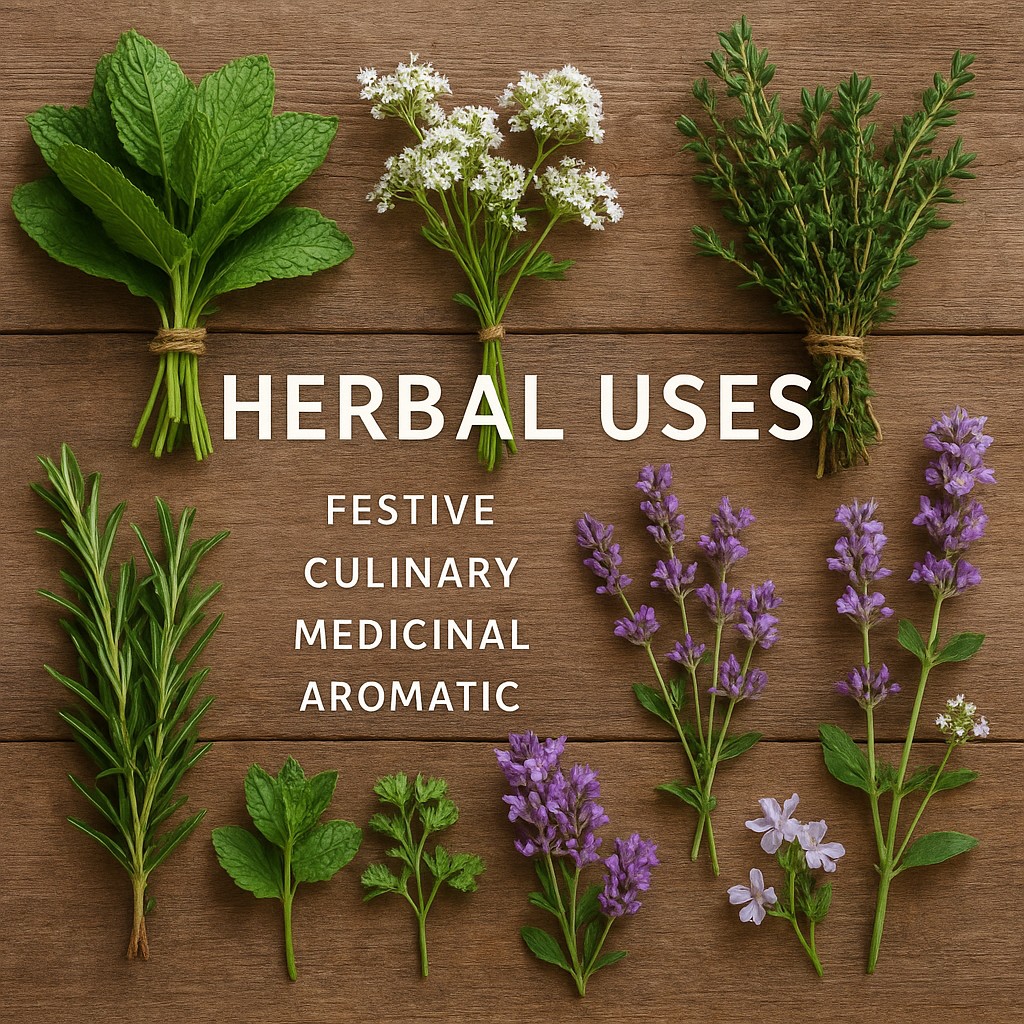

Growing Medicinal Plants for Natural Remedies and Health Benefits

Cultivating your own medicinal herbs offers a powerful way to support your physical and mental well-being, providing natural remedies right from your garden.

This post may contain affiliate links.* As an Amazon Associate I earn from qualifying purchases. Click here to read our affiliate policy.

As you embrace a more sustainable lifestyle, you likely already appreciate the advantages of growing your own food. Have you considered extending this practice to include therapeutic plants for medicinal purposes?

Why Grow Your Own Medicinal Plants?

For thousands of years, people have relied on botanical sources, cultivating medicinal herbs to treat disease and maintain robust physical and mental well-being. Even in modern times, many prescription drugs and over-the-counter remedies are derived from these very plants, a testament to the enduring power of plant medicine.

One significant advantage of organic cultivation is ensuring your medicinal herbs are completely free from pesticides and other unwanted chemicals. This gives you peace of mind, knowing exactly what goes into your home remedies. Another clear benefit is the substantial cost savings; simply clipping what you need for an herbal treatment from your garden is far more economical than purchasing processed products from a store.

Beyond the practical savings, there’s a profound sense of self-sufficiency that comes with a home herbal garden. Knowing you can address many common ailments and minor injuries with natural remedies, even if supply chains face disruptions or local pharmacies become inaccessible, offers a comforting layer of preparedness. It’s an empowering step towards holistic health, allowing you to take a more active role in your family’s wellness practices.

Getting Started with Your Herbal Garden

Choosing the Right Spot

Most medicinal herbs thrive in sunny locations, needing at least six hours of direct sunlight daily. Good drainage is also key. If your soil is heavy clay, consider raised beds or amending it with plenty of compost to improve structure and fertility. A healthy soil is the foundation for potent therapeutic plants.

Starting from Seed or Plant

Many common herbs are easy to grow from seed, while others might be better started from small plants purchased from a reputable nursery. Always choose organic seeds or plants to ensure your herbal remedies begin pure. Research the specific needs of each plant you wish to cultivate, paying attention to their preferred climate and growing conditions.

Essential Tools and Supplies

  • Gardening gloves to protect your hands.
  • A hand trowel and small spade for planting.
  • Pruning shears for harvesting.
  • Good quality organic potting mix if using containers.
  • Labels to keep track of your different medicinal herbs.

Powerful Medicinal Herbs to Grow at Home

This alphabetical list highlights some of the best herbs for medicinal purposes, detailing their benefits and traditional uses. Remember, this information is for educational purposes and not a substitute for professional medical advice.

1. Bee Balm (Monarda)

Bee balm, also known as Bergamot or Monarda, is a beautiful native plant with impressive anti-viral, anti-bacterial, and anti-fungal properties. Indigenous cultures historically used this robust plant medicine to treat fevers, congestion, coughs, and various infections. It was also applied to soothe sore throats and even insect or snake bites, showcasing its versatility as a natural remedy.

Beyond its anti-microbial actions, bee balm is excellent for digestive health, known to calm an upset stomach and ease painful cramps. Its vibrant flowers also attract pollinators, making it a wonderful addition to any garden focused on both wellness and biodiversity. For more on growing bee balm in your garden, a quick search will yield plenty of helpful tips.

2. Calendula (Pot Marigold)

Calendula, often called pot marigold, produces cheerful, bright orange flowers that are not only lovely to look at but also packed with healing power. You can easily make a soothing healing oil or a gentle tea from its petals. This particular medicinal herb is a star for skin care, featuring strong anti-fungal properties.

It’s incredibly effective for treating minor burns, various skin irritations—including diaper rash—and superficial wounds. Calendula aids in wound healing, reducing inflammation and promoting tissue repair, making it a staple in any collection of home remedies. Its ease of cultivation makes it a favorite among those new to growing therapeutic plants.

3. Chamomile

Chamomile is perhaps best known for its relaxing and sleep-inducing properties, often enjoyed as a comforting tea. However, its benefits extend far beyond stress reduction. This gentle yet potent medicinal herb can significantly aid in wound healing and effectively reduce swelling and inflammation, thanks to its notable anti-inflammatory properties.

Beyond topical applications, chamomile is a fantastic natural remedy for digestive health, helping to alleviate stomach upset, gas pain, and even reduce a fever. It can also be used as a compress for conjunctivitis. Chamomile is remarkably easy to grow, making it an accessible plant for anyone looking to support their physical and mental well-being with herbal treatment.

4. Dill

While dill is a culinary favorite, celebrated for its distinctive flavor in dishes like deviled eggs and pickles, its healing capabilities are often overlooked. This versatile medicinal herb is a powerhouse for digestive health, effectively treating upset stomach, bloating, and even menstrual cramps. It’s a simple yet effective herbal treatment for common ailments.

Dill is also an excellent botanical source of essential nutrients, including vitamins A and C, calcium, and iron, contributing to overall holistic health. Integrating dill into your garden means you have a flavorful herb that doubles as a beneficial natural remedy. Growing dill is straightforward, offering both culinary and therapeutic rewards.

5. Echinacea

Echinacea has been a cornerstone of traditional medicine for centuries, widely used to combat cold and flu symptoms. Its primary claim to fame is its ability to boost the immune system, providing robust immune system support when your body needs it most. This makes it an invaluable plant medicine for seasonal wellness practices.

Furthermore, echinacea also aids in wound healing, making it a versatile addition to your home remedies. The plant itself features bold, beautiful flowers that not only attract beneficial pollinators to your garden but also add a striking visual appeal. Cultivating echinacea is relatively simple, rewarding you with a powerful ally for your health.

6. Feverfew

True to its name, feverfew has long been used to treat fevers. However, its applications extend significantly to pain relief. This potent medicinal herb is particularly renowned for its ability to ease headaches, including severe migraines, and to soothe the discomfort of arthritis pain. It’s also traditionally used for mouth ulcers.

Feverfew’s anti-inflammatory properties are key to its effectiveness in managing pain and swelling, making it a valuable herbal treatment for various common ailments. Growing feverfew is generally easy, providing a powerful natural remedy right at your fingertips for those seeking relief from chronic discomfort.

7. Lavender

Lavender is famous for its calming aroma, making it a prime choice for stress reduction and improving physical and mental well-being. The essential oil extracted from its flowers is widely used in aromatherapy to alleviate anxiety, promote relaxation, and encourage restful sleep. A few drops on your pillow can work wonders.

Beyond its soothing scent, lavender possesses mild anti-microbial and anti-inflammatory properties, making it useful for skin care. It can be applied topically to minor cuts, insect bites, and burns to aid wound healing and reduce irritation. Growing lavender is a joy; it thrives in sunny, well-drained spots and fills the air with its delightful fragrance, offering both aesthetic beauty and powerful natural remedies.

8. Peppermint

Peppermint is a vigorous grower, known for its invigorating scent and flavor. It’s an exceptional medicinal herb for digestive health, providing quick pain relief from indigestion, gas, and bloating. A warm cup of peppermint tea can soothe an upset stomach almost instantly, making it a go-to home remedy.

Its anti-spasmodic properties also make it effective for relieving muscle cramps, including menstrual cramps. Peppermint can also help clear congestion and ease headaches. Due to its enthusiastic growth, it’s often best to grow peppermint in a container to prevent it from taking over your garden, ensuring you have a steady supply of this beneficial plant medicine.

9. Rosemary

Rosemary is much more than a culinary delight; it’s a powerful therapeutic plant with a long history in traditional medicine. It’s particularly noted for its ability to improve memory and concentration, contributing to mental well-being. Its stimulating aroma can also help alleviate fatigue and boost alertness.

This robust herb also boasts anti-inflammatory properties and is rich in antioxidants, which support overall holistic health. Topically, rosemary oil can be used to stimulate circulation and provide pain relief for sore muscles and joints. Growing rosemary requires a sunny spot and well-drained soil, rewarding you with a fragrant, evergreen shrub that offers numerous herbal treatment options.

10. Thyme

Thyme is a small but mighty medicinal herb, packed with anti-microbial and antiseptic properties. It’s a fantastic natural remedy for respiratory common ailments like coughs, colds, and bronchitis. Thyme tea or a steam inhalation can help clear congestion and soothe a sore throat, providing effective herbal treatment.

Beyond respiratory support, thyme is also beneficial for digestive health, helping to ease indigestion and gas. It’s a resilient plant that tolerates various conditions, making it an easy-to-grow addition to your collection of therapeutic plants. Organic cultivation of thyme ensures you have a pure and potent botanical source for your wellness practices.

Beyond the Garden: Preparing and Using Your Herbs

Once your medicinal herbs are thriving, the next step is learning how to harvest, preserve, and prepare them for use. Proper preparation ensures the potency and safety of your home remedies.

Harvesting Your Herbs

The best time to harvest most herbs is in the morning after the dew has dried, but before the sun gets too hot. This is when their essential oils are most concentrated. Use sharp scissors or pruning shears to snip off leaves or flowers, taking care not to remove more than one-third of the plant at a time to allow for regrowth.

Preservation Methods

To enjoy your herbal remedies year-round, proper preservation is key:

  • Drying: This is the most common method. Tie small bundles of herbs together and hang them upside down in a warm, dry, well-ventilated area away from direct sunlight. Alternatively, use a food dehydrator on a low setting. Once brittle, store them in airtight containers in a cool, dark place.
  • Freezing: Chop fresh herbs and freeze them in ice cube trays with a little water or olive oil. This works well for herbs you might use in cooking or teas.
  • Infusing Oils: For skin care and topical pain relief, infuse dried herbs into carrier oils like olive or almond oil. This creates a potent botanical source for salves and balms.
  • Tinctures: Tinctures are concentrated liquid extracts made by soaking herbs in alcohol. They are potent and have a long shelf life, offering a powerful form of plant medicine.

Simple Herbal Preparations

  • Teas (Infusions): Steep fresh or dried leaves and flowers in hot water for 5-15 minutes. Excellent for digestive health, stress reduction, and immune system support.
  • Decoctions: For tougher plant parts like roots or bark, simmer them in water for a longer period (20-30 minutes).
  • Salves and Balms: Combine herbal-infused oils with beeswax to create soothing topical applications for wound healing, skin care, and pain relief.
  • Poultices: Crush fresh herbs and apply them directly to the skin for immediate relief from insect bites, minor wounds, or inflammation.

Important Considerations for Using Herbal Remedies

While natural remedies offer incredible benefits, it’s crucial to approach them with respect and caution. Plant medicine is powerful and should be used thoughtfully.

Proper Identification is Key

Always be 100% certain of the plant you are harvesting and using. Misidentification can lead to consuming toxic plants, which could be dangerous. If you’re unsure, consult a reliable field guide or an experienced herbalist.

Dosage and Safety

Herbs are not always benign. Some can interact with medications, exacerbate existing health conditions, or be unsafe for pregnant or nursing individuals. Start with small doses and pay attention to your body’s response. It’s always wise to consult with a healthcare professional or a qualified herbalist, especially if you have underlying health issues or are taking prescription drugs, before beginning any new herbal treatment.

Quality Matters

Growing your own medicinal herbs ensures you have control over their quality. When purchasing, always seek organic cultivation and reputable botanical sources to guarantee purity and potency.

Embracing Phytotherapy for Holistic Health

Integrating medicinal herbs into your life is a profound step towards greater self-sufficiency and a commitment to holistic health. By cultivating these therapeutic plants, you connect with traditional medicine in a tangible way, fostering a deeper understanding of the natural world and its capacity for healing.

This practice supports your physical and mental well-being, offering a sustainable path to managing common ailments and enhancing overall wellness practices. Your garden can become a living pharmacy, a source of comfort, and a testament to the enduring power of plant medicine.

Exit mobile version