Cultivating your own medicinal herbs offers a powerful way to support your physical and mental well-being, providing natural remedies right from your garden.
Skip to content
Thinking about self-sufficiency and natural preparedness? You’re not alone! Sign up for our newsletter and get your FREE Home Preparedness Checklist.

We won’t send you spam. Unsubscribe at any time.
This post may contain affiliate links.* As an Amazon Associate I earn from qualifying purchases. Click here to read our affiliate policy.
Pinterest Facebook X Print Email Copy Share

Estimated reading time: 8 minutes
As you embrace a more sustainable lifestyle, you likely already appreciate the advantages of growing your own food. Have you considered extending this practice to include therapeutic plants for medicinal purposes?
Why Grow Your Own Medicinal Plants?
For thousands of years, people have relied on botanical sources, cultivating medicinal herbs to treat disease and maintain robust physical and mental well-being. Even in modern times, many prescription drugs and over-the-counter remedies are derived from these very plants, a testament to the enduring power of plant medicine.
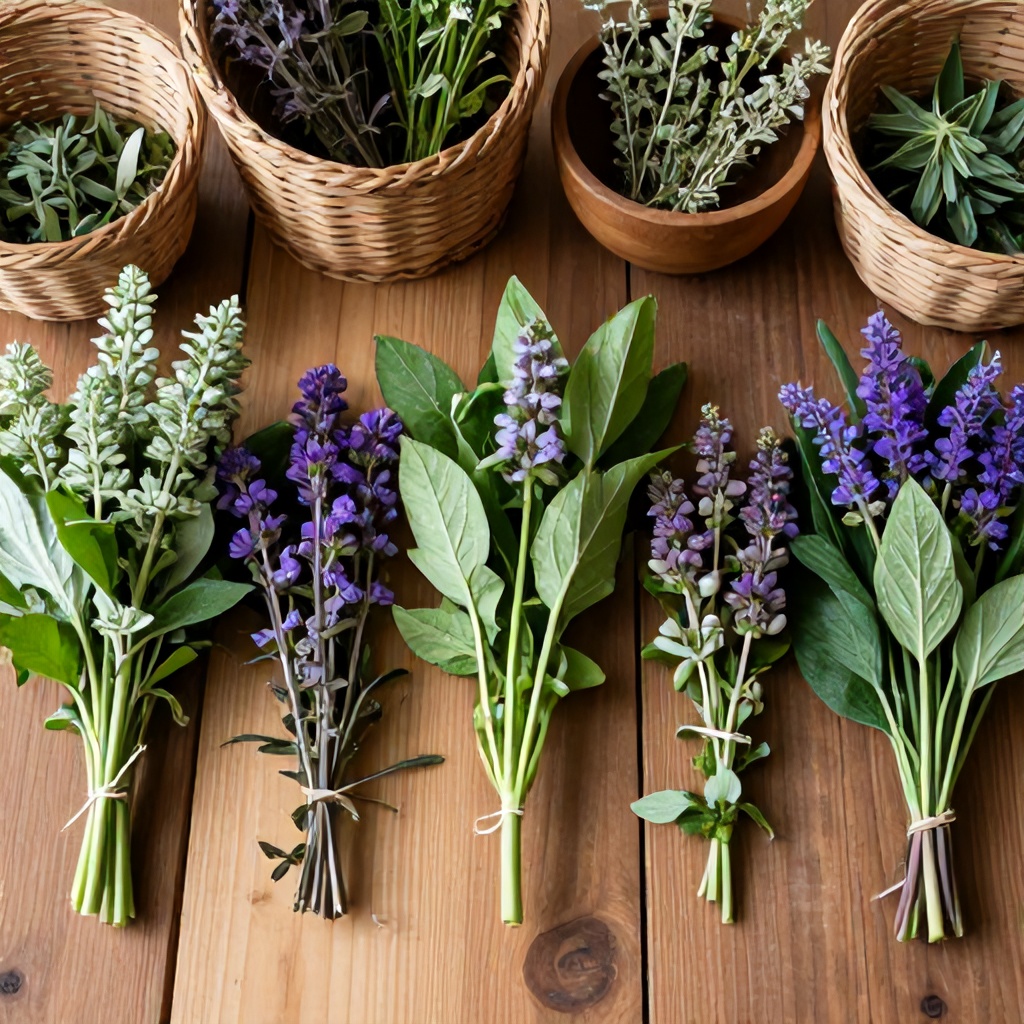
One significant advantage of organic cultivation is ensuring your medicinal herbs are completely free from pesticides and other unwanted chemicals. This gives you peace of mind, knowing exactly what goes into your home remedies. Another clear benefit is the substantial cost savings; simply clipping what you need for an herbal treatment from your garden is far more economical than purchasing processed products from a store.
Beyond the practical savings, there’s a profound sense of self-sufficiency that comes with a home herbal garden. Knowing you can address many common ailments and minor injuries with natural remedies, even if supply chains face disruptions or local pharmacies become inaccessible, offers a comforting layer of preparedness. It’s an empowering step towards holistic health, allowing you to take a more active role in your family’s wellness practices.
Getting Started with Your Herbal Garden
Choosing the Right Spot
Most medicinal herbs thrive in sunny locations, needing at least six hours of direct sunlight daily. Good drainage is also key. If your soil is heavy clay, consider raised beds or amending it with plenty of compost to improve structure and fertility. A healthy soil is the foundation for potent therapeutic plants.
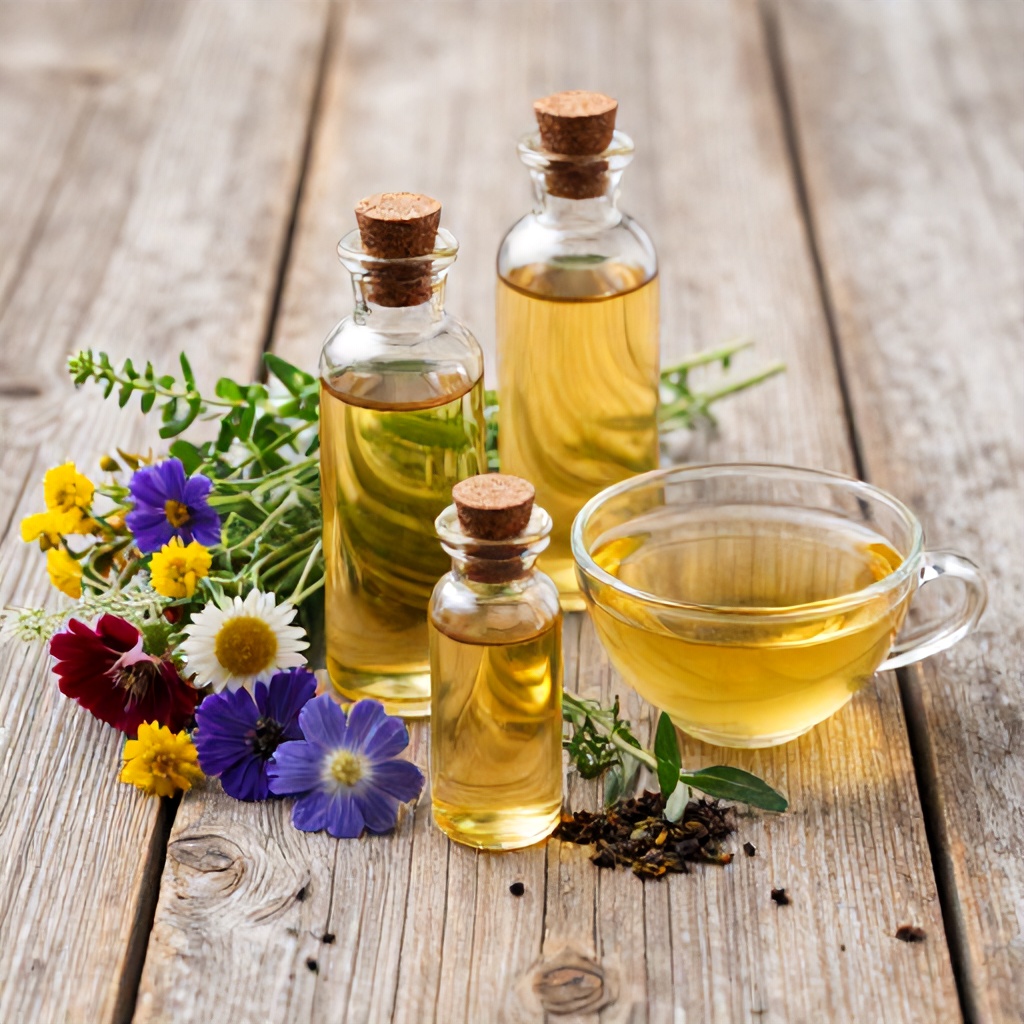
Starting from Seed or Plant
Many common herbs are easy to grow from seed, while others might be better started from small plants purchased from a reputable nursery. Always choose organic seeds or plants to ensure your herbal remedies begin pure. Research the specific needs of each plant you wish to cultivate, paying attention to their preferred climate and growing conditions.
Essential Tools and Supplies
- Gardening gloves to protect your hands.
- A hand trowel and small spade for planting.
- Pruning shears for harvesting.
- Good quality organic potting mix if using containers.
- Labels to keep track of your different medicinal herbs.
Powerful Medicinal Herbs to Grow at Home
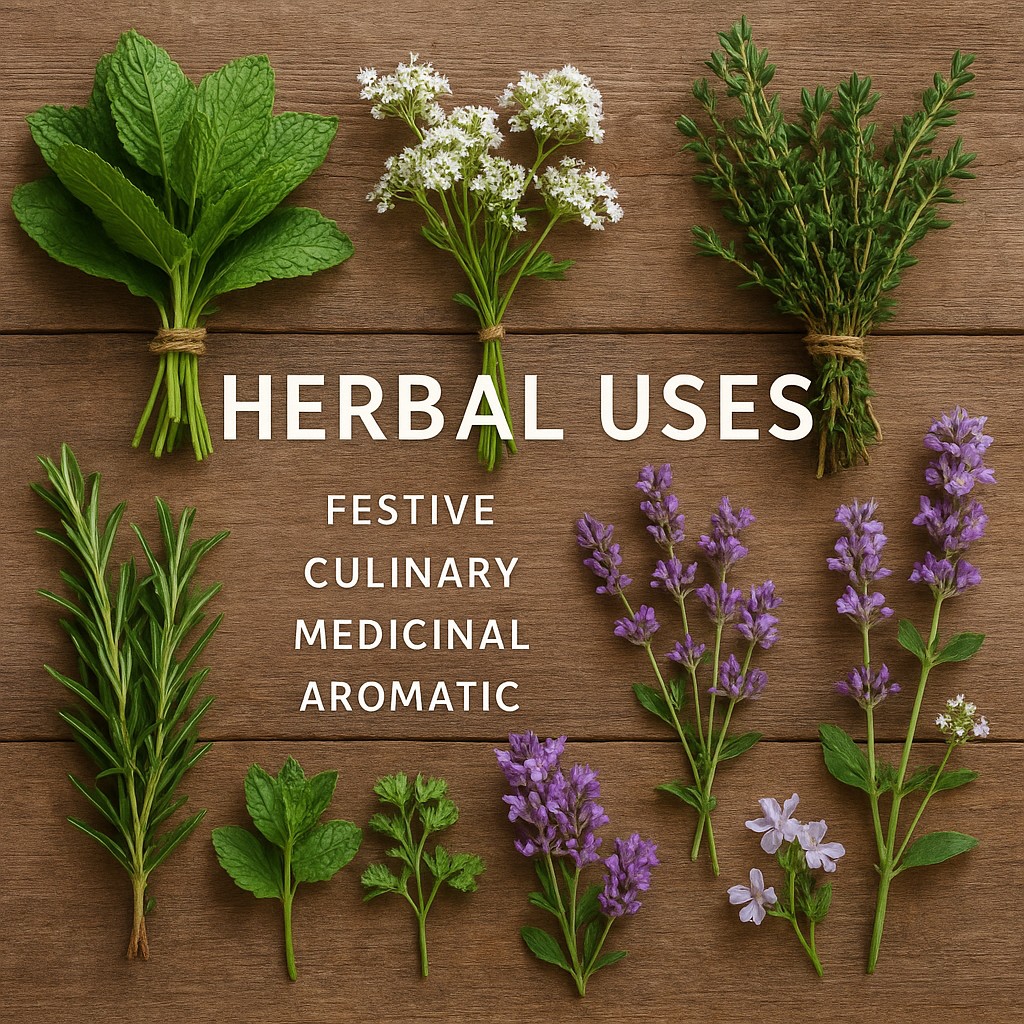
This alphabetical list highlights some of the best herbs for medicinal purposes, detailing their benefits and traditional uses. Remember, this information is for educational purposes and not a substitute for professional medical advice.
1. Bee Balm (Monarda)
Bee balm, also known as Bergamot or Monarda, is a beautiful native plant with impressive anti-viral, anti-bacterial, and anti-fungal properties. Indigenous cultures historically used this robust plant medicine to treat fevers, congestion, coughs, and various infections. It was also applied to soothe sore throats and even insect or snake bites, showcasing its versatility as a natural remedy.
Beyond its anti-microbial actions, bee balm is excellent for digestive health, known to calm an upset stomach and ease painful cramps. Its vibrant flowers also attract pollinators, making it a wonderful addition to any garden focused on both wellness and biodiversity. For more on growing bee balm in your garden, a quick search will yield plenty of helpful tips.
2. Calendula (Pot Marigold)
Calendula, often called pot marigold, produces cheerful, bright orange flowers that are not only lovely to look at but also packed with healing power. You can easily make a soothing healing oil or a gentle tea from its petals. This particular medicinal herb is a star for skin care, featuring strong anti-fungal properties.
It’s incredibly effective for treating minor burns, various skin irritations—including diaper rash—and superficial wounds. Calendula aids in wound healing, reducing inflammation and promoting tissue repair, making it a staple in any collection of home remedies. Its ease of cultivation makes it a favorite among those new to growing therapeutic plants.
3. Chamomile
Chamomile is perhaps best known for its relaxing and sleep-inducing properties, often enjoyed as a comforting tea. However, its benefits extend far beyond stress reduction. This gentle yet potent medicinal herb can significantly aid in wound healing and effectively reduce swelling and inflammation, thanks to its notable anti-inflammatory properties.
Beyond topical applications, chamomile is a fantastic natural remedy for digestive health, helping to alleviate stomach upset, gas pain, and even reduce a fever. It can also be used as a compress for conjunctivitis. Chamomile is remarkably easy to grow, making it an accessible plant for anyone looking to support their physical and mental well-being with herbal treatment.
4. Dill
While dill is a culinary favorite, celebrated for its distinctive flavor in dishes like deviled eggs and pickles, its healing capabilities are often overlooked. This versatile medicinal herb is a powerhouse for digestive health, effectively treating upset stomach, bloating, and even menstrual cramps. It’s a simple yet effective herbal treatment for common ailments.
Dill is also an excellent botanical source of essential nutrients, including vitamins A and C, calcium, and iron, contributing to overall holistic health. Integrating dill into your garden means you have a flavorful herb that doubles as a beneficial natural remedy. Growing dill is straightforward, offering both culinary and therapeutic rewards.
5. Echinacea
Echinacea has been a cornerstone of traditional medicine for centuries, widely used to combat cold and flu symptoms. Its primary claim to fame is its ability to boost the immune system, providing robust immune system support when your body needs it most. This makes it an invaluable plant medicine for seasonal wellness practices.
Furthermore, echinacea also aids in wound healing, making it a versatile addition to your home remedies. The plant itself features bold, beautiful flowers that not only attract beneficial pollinators to your garden but also add a striking visual appeal. Cultivating echinacea is relatively simple, rewarding you with a powerful ally for your health.
6. Feverfew
True to its name, feverfew has long been used to treat fevers. However, its applications extend significantly to pain relief. This potent medicinal herb is particularly renowned for its ability to ease headaches, including severe migraines, and to soothe the discomfort of arthritis pain. It’s also traditionally used for mouth ulcers.
Feverfew’s anti-inflammatory properties are key to its effectiveness in managing pain and swelling, making it a valuable herbal treatment for various common ailments. Growing feverfew is generally easy, providing a powerful natural remedy right at your fingertips for those seeking relief from chronic discomfort.
7. Lavender
Lavender is famous for its calming aroma, making it a prime choice for stress reduction and improving physical and mental well-being. The essential oil extracted from its flowers is widely used in aromatherapy to alleviate anxiety, promote relaxation, and encourage restful sleep. A few drops on your pillow can work wonders.
Beyond its soothing scent, lavender possesses mild anti-microbial and anti-inflammatory properties, making it useful for skin care. It can be applied topically to minor cuts, insect bites, and burns to aid wound healing and reduce irritation. Growing lavender is a joy; it thrives in sunny, well-drained spots and fills the air with its delightful fragrance, offering both aesthetic beauty and powerful natural remedies.
8. Peppermint
Peppermint is a vigorous grower, known for its invigorating scent and flavor. It’s an exceptional medicinal herb for digestive health, providing quick pain relief from indigestion, gas, and bloating. A warm cup of peppermint tea can soothe an upset stomach almost instantly, making it a go-to home remedy.
Its anti-spasmodic properties also make it effective for relieving muscle cramps, including menstrual cramps. Peppermint can also help clear congestion and ease headaches. Due to its enthusiastic growth, it’s often best to grow peppermint in a container to prevent it from taking over your garden, ensuring you have a steady supply of this beneficial plant medicine.
9. Rosemary
Rosemary is much more than a culinary delight; it’s a powerful therapeutic plant with a long history in traditional medicine. It’s particularly noted for its ability to improve memory and concentration, contributing to mental well-being. Its stimulating aroma can also help alleviate fatigue and boost alertness.
This robust herb also boasts anti-inflammatory properties and is rich in antioxidants, which support overall holistic health. Topically, rosemary oil can be used to stimulate circulation and provide pain relief for sore muscles and joints. Growing rosemary requires a sunny spot and well-drained soil, rewarding you with a fragrant, evergreen shrub that offers numerous herbal treatment options.
10. Thyme
Thyme is a small but mighty medicinal herb, packed with anti-microbial and antiseptic properties. It’s a fantastic natural remedy for respiratory common ailments like coughs, colds, and bronchitis. Thyme tea or a steam inhalation can help clear congestion and soothe a sore throat, providing effective herbal treatment.
Beyond respiratory support, thyme is also beneficial for digestive health, helping to ease indigestion and gas. It’s a resilient plant that tolerates various conditions, making it an easy-to-grow addition to your collection of therapeutic plants. Organic cultivation of thyme ensures you have a pure and potent botanical source for your wellness practices.
Beyond the Garden: Preparing and Using Your Herbs
Once your medicinal herbs are thriving, the next step is learning how to harvest, preserve, and prepare them for use. Proper preparation ensures the potency and safety of your home remedies.
Harvesting Your Herbs
The best time to harvest most herbs is in the morning after the dew has dried, but before the sun gets too hot. This is when their essential oils are most concentrated. Use sharp scissors or pruning shears to snip off leaves or flowers, taking care not to remove more than one-third of the plant at a time to allow for regrowth.
Preservation Methods
To enjoy your herbal remedies year-round, proper preservation is key:
- Drying: This is the most common method. Tie small bundles of herbs together and hang them upside down in a warm, dry, well-ventilated area away from direct sunlight. Alternatively, use a food dehydrator on a low setting. Once brittle, store them in airtight containers in a cool, dark place.
- Freezing: Chop fresh herbs and freeze them in ice cube trays with a little water or olive oil. This works well for herbs you might use in cooking or teas.
- Infusing Oils: For skin care and topical pain relief, infuse dried herbs into carrier oils like olive or almond oil. This creates a potent botanical source for salves and balms.
- Tinctures: Tinctures are concentrated liquid extracts made by soaking herbs in alcohol. They are potent and have a long shelf life, offering a powerful form of plant medicine.
Simple Herbal Preparations
- Teas (Infusions): Steep fresh or dried leaves and flowers in hot water for 5-15 minutes. Excellent for digestive health, stress reduction, and immune system support.
- Decoctions: For tougher plant parts like roots or bark, simmer them in water for a longer period (20-30 minutes).
- Salves and Balms: Combine herbal-infused oils with beeswax to create soothing topical applications for wound healing, skin care, and pain relief.
- Poultices: Crush fresh herbs and apply them directly to the skin for immediate relief from insect bites, minor wounds, or inflammation.
Important Considerations for Using Herbal Remedies
While natural remedies offer incredible benefits, it’s crucial to approach them with respect and caution. Plant medicine is powerful and should be used thoughtfully.
Proper Identification is Key
Always be 100% certain of the plant you are harvesting and using. Misidentification can lead to consuming toxic plants, which could be dangerous. If you’re unsure, consult a reliable field guide or an experienced herbalist.
Dosage and Safety
Herbs are not always benign. Some can interact with medications, exacerbate existing health conditions, or be unsafe for pregnant or nursing individuals. Start with small doses and pay attention to your body’s response. It’s always wise to consult with a healthcare professional or a qualified herbalist, especially if you have underlying health issues or are taking prescription drugs, before beginning any new herbal treatment.
Quality Matters
Growing your own medicinal herbs ensures you have control over their quality. When purchasing, always seek organic cultivation and reputable botanical sources to guarantee purity and potency.
Embracing Phytotherapy for Holistic Health
Integrating medicinal herbs into your life is a profound step towards greater self-sufficiency and a commitment to holistic health. By cultivating these therapeutic plants, you connect with traditional medicine in a tangible way, fostering a deeper understanding of the natural world and its capacity for healing.
This practice supports your physical and mental well-being, offering a sustainable path to managing common ailments and enhancing overall wellness practices. Your garden can become a living pharmacy, a source of comfort, and a testament to the enduring power of plant medicine.