Gentle Yoga for a Stronger You: Poses to Ease Stress and Inflammation
Calm inflammation and reduce stress with these gentle immune-boosting yoga poses.

It feels like everyone is catching a bug these days, doesn’t it? And when you add the pressure of daily life to that, it can make you feel even more vulnerable to getting sick. Stress has a way of weakening your immune system and actually ramping up chronic inflammation in your body. That’s a double whammy for your well-being. But here’s the good news: yoga can be a fantastic ally in keeping your immune system humming along nicely. Seriously, a look at 15 different studies revealed that a regular yoga practice can give your immunity a significant boost by tackling both stress and inflammation. And if you’re already feeling under the weather, yoga can even help by lowering those inflammatory markers in your system.
Sidebar: 8 Yoga Poses to Reduce Inflammation and Boost Immunity
Calm inflammation and reduce stress with these gentle immune-boosting yoga poses. As if it isn’t bad enough that every other person you know is catching a bug, adding stress to the mix can make you even more susceptible to getting sick. Stress can actually weaken your immune system and increase chronic inflammation. ( 1 ) Fortunately, yoga can help keep your immune system in tip-top shape. A review of 15 studies showed that yoga can boost immunity by both reducing stress and decreasing inflammation in the body. Yoga can also be beneficial
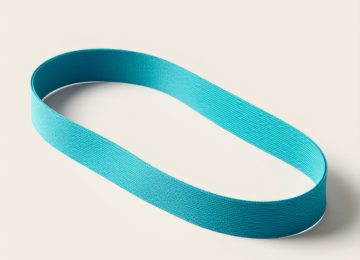
To truly reap the consistent immune-boosting benefits, a regular yoga practice is key. Aim to practice these yoga poses daily. Before you begin, make sure you have a comfortable yoga mat and perhaps a bolster or a long pillow handy for extra support.
Why Yoga Works Wonders
Think of your body like a finely tuned instrument. When it’s out of tune, things can feel off. Stress causes a cascade of reactions in your body, often leading to increased inflammation. This isn’t just about feeling achy; chronic inflammation is linked to a whole host of health issues. Yoga, on the other hand, offers a powerful antidote. The combination of physical movement, deep breathing, and mindfulness helps to quiet the nervous system, signaling your body to relax. This shift from “fight or flight” to “rest and digest” mode is incredibly beneficial for reducing stress hormones like cortisol. Lower stress levels directly translate to a less inflamed body and a more robust immune system.
Beyond stress reduction, the physical practice of yoga also encourages better circulation. Improved blood flow means that oxygen and nutrients can reach your cells more efficiently, and waste products can be cleared away more effectively. This supports overall cellular health and can help to reduce the inflammatory processes that might be simmering beneath the surface. It’s a holistic approach to well-being, touching on physical health, mental clarity, and emotional balance.
Getting Started with Your Yoga Practice
Starting a yoga practice doesn’t need to be intimidating. The focus here is on gentle, restorative movements that anyone can do. You don’t need to be flexible or have years of experience. All you need is willingness and a little bit of space. Having a yoga mat provides a stable and comfortable surface, preventing slips and adding cushioning. A bolster or a long pillow can be a game-changer, offering support in poses and allowing you to relax more deeply into the stretches. This is about self-care, not performance.
Consistency is more important than intensity. Even a short, daily yoga session can make a significant difference over time. Think of it as a small investment in your overall health and resilience. You might also find that incorporating elements of mindfulness, like focusing on your breath, enhances the benefits of your yoga stretches.
8 Gentle Yoga Poses to Try
These poses are chosen for their ability to gently stretch the body, calm the mind, and support your immune system. Remember to listen to your body and modify poses as needed. The goal is to feel good, not to push yourself into pain.
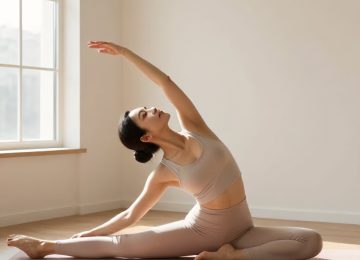
Wide-Legged Forward Fold with Twist
This pose is wonderful for releasing tension in the hips and spine, while also providing a gentle twist that can aid digestion and detoxification. It’s a great way to unwind after a long day.
- Start standing sideways on your mat with your feet wide apart, about three to four feet, and your toes pointing straight ahead.
- Place your hands on your hips and gently engage your abdominal muscles.
- As you inhale, lengthen your spine. Then, exhale and begin to fold your torso forward from your hips.
- Bring your hands to the ground, placing them directly underneath your shoulders. You can bend your knees slightly if your hamstrings feel tight.
- Keep your right hand firmly planted on the ground. As you inhale, reach your left arm up towards the sky, opening your chest. Spread your fingers wide and aim to keep your hips level by imagining lifting your right hip up.
- Hold this twist for about 5 breaths, focusing on your breath and the gentle stretch.
- To release, exhale and bring your left hand back down to the ground.
- Inhale to rise halfway up, then switch sides. Place your left hand down, and inhale to lift your right arm towards the sky for 5 breaths.
- Exhale to release both hands to the ground and inhale to slowly rise back up to standing.
Plank Pose
Plank Pose might seem simple, but it’s a powerhouse for building core strength, which is essential for good posture and stability. It also engages your entire body, promoting circulation and a sense of grounding.
- Begin by getting into a high plank position. Your body should form a straight line from your head to your heels.
- Ensure your shoulders are stacked directly over your wrists. Spread your fingers wide to create a stable base.
- Lift your heels high, engaging your calf muscles. Keep your hips in line with your shoulders – avoid letting them sag or lift too high.
- Actively engage your abdominal muscles by drawing your navel towards your spine, and also engage your quadriceps (the muscles in the front of your thighs).
- Hold this strong pose for about 5 breaths, feeling the energy and stability it creates.
- To release, gently lower your knees to the mat.
Cobra Pose
Cobra Pose is a gentle backbend that helps to open the chest and shoulders, counteracting the effects of prolonged sitting or slouching. It can also stimulate the abdominal organs and improve respiratory health.
- Lie down on your belly on your yoga mat.
- Engage your abdominal muscles by gently drawing your navel up and in towards your spine. This protects your lower back.
- Bend your elbows and place your hands flat on the mat, positioned next to your ribs, with your fingertips pointing forward.
- Keep your thighs and the tops of your feet pressing into the mat.
- As you inhale, press gently into your palms and begin to lift your chest off the mat. Keep a slight bend in your elbows and actively squeeze your shoulder blades together, drawing them down your back.
- Your gaze should be slightly forward and down, keeping your neck long.
- Hold this pose for about 5 breaths, breathing into the expansion of your chest.
- To release, exhale and slowly lower your chest back down to the mat.
Low Lunge Prayer Twist
This pose is fantastic for improving hip flexibility and creating a deep twist that can help detoxify the body and stimulate digestion. It also builds strength in the legs and core.
- Start on your hands and knees in a tabletop position.
- Step your right foot forward between your hands, ensuring your knee is stacked directly over your ankle.
- As you inhale, lift your chest and lengthen your spine. Bring your palms together in a prayer position at the center of your chest and engage your abdominal muscles.
- On an exhale, begin to twist your torso to the right.
- If it feels accessible, you can hook your left tricep (the back of your upper left arm) on the outer right thigh. This deepens the twist.
- With each inhale, focus on lengthening your spine, creating space. With each exhale, gently twist a little deeper.
- Hold here for five to eight breaths, allowing the twist to work its magic.
- To release, bring your hands back to the mat and step your right foot back to tabletop.
- Repeat the pose on the other side, stepping your left foot forward and twisting to the left for five to eight breaths.
Dolphin Pose
Dolphin Pose is a wonderful inversion that strengthens the shoulders, arms, and core, while also providing a gentle stretch for the hamstrings and calves. It can help to calm the nervous system and improve circulation.
- Begin on your hands and knees in a tabletop position.
- Lower down onto your forearms, ensuring your elbows are directly beneath your shoulders and your forearms are parallel.
- Step your feet back, coming into a forearm plank position, with your body in a straight line from head to heels.
- Take an inhale to prepare. Then, exhale and begin to walk your feet towards your elbows as you lift your hips up and back towards the sky.
- Your body should resemble an inverted V shape. You can keep a slight bend in your knees if your hamstrings are tight.
- Focus on pressing actively through your forearms and palms, and drawing your shoulder blades away from your ears.
- Hold this pose for about 5 breaths, feeling the stretch and the strength building.
- To release, exhale and gently lower your hips back down to the mat.
Tree Pose
Tree Pose is a classic balancing pose that cultivates focus, stability, and a sense of groundedness. It’s excellent for improving balance and strengthening the ankles, legs, and core. It also encourages a sense of inner peace.
- Stand tall on your yoga mat with your feet together or hip-width apart.
- Shift your weight onto your left foot.
- Bring the sole of your right foot to your inner left ankle, calf, or inner thigh (avoid pressing directly on your knee joint).
- Bring your hands together in prayer position at your heart center.
- Find a steady point to focus your gaze on (a “drishti”) to help with balance.
- Engage your core muscles to help stabilize your body.
- Hold this pose for about 5 breaths, feeling the strength and balance you are cultivating.
- To release, gently lower your right foot back to the mat.
- Repeat on the other side, shifting your weight onto your right foot and bringing your left foot to your inner leg.
Tip: Don’t worry if you wobble in Tree Pose! It’s a natural part of the process. The goal is to find your balance, not to be perfectly still. You can always use a wall for support if needed.
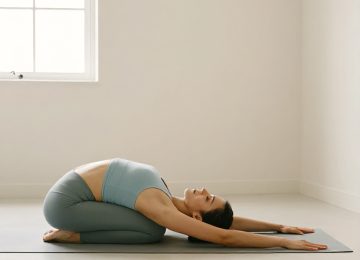
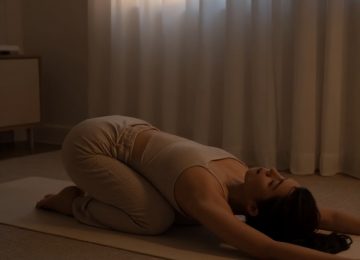
Child’s Pose
Child’s Pose is a deeply restorative pose that offers a gentle stretch for the back, hips, and thighs. It’s a wonderful pose for calming the nervous system and promoting relaxation, making it perfect for stress reduction.
- Start on your hands and knees on your yoga mat.
- Bring your big toes to touch and widen your knees apart, as much as is comfortable for your hips.
- Exhale and sink your hips back towards your heels.
- Rest your torso down between your thighs.
- Extend your arms forward on the mat, or rest them alongside your body with your palms facing up.
- Rest your forehead on the mat.
- Allow your breath to deepen and your body to relax completely. Stay here for as long as you need, letting go of any tension.
Seated Forward Bend
This pose is a soothing way to stretch the hamstrings, spine, and shoulders. It’s also known for its calming effect on the brain, helping to reduce stress and anxiety.
- Sit on your yoga mat with your legs extended straight out in front of you.
- Flex your feet, drawing your toes towards your shins.
- Inhale and lengthen your spine, reaching the crown of your head towards the ceiling.
- As you exhale, hinge forward from your hips, keeping your back as straight as possible.
- Reach your hands towards your feet, shins, or the floor. If your hamstrings are tight, you can place a bolster or pillow under your knees.
- Allow your head and neck to relax.
- Hold for 5-10 breaths, breathing into the stretch.
- Inhale to slowly rise back up to a seated position.
Tip: If sitting with straight legs is uncomfortable, you can bend your knees slightly or sit on a folded blanket to elevate your hips. The key is to maintain a long spine as you fold forward.
Integrating Yoga into Your Life
Making yoga a consistent part of your routine is where the magic happens. It’s not about perfection; it’s about practice. Even 15-20 minutes a day can yield significant benefits for your immune system and overall well-being. Try to schedule your yoga practice at a time that works best for you, whether it’s first thing in the morning to set a calm tone for the day, or in the evening to unwind and prepare for restful sleep. Your stretching routine doesn’t have to be complicated; these simple poses can form the foundation of a beneficial yoga journey.
Consider exploring different styles of yoga as you progress. While these poses are gentle, there are many other forms of yoga that can offer varied benefits. The important thing is to find a practice that resonates with you and supports your health goals. Remember, physical activity, combined with mindfulness, is a powerful duo for holistic health. You might also find that complementing your yoga practice with mindful eating, such as following an AIP Meal Plan, further supports your body’s natural healing processes and reduces inflammation.
Important Note: Always consult with your healthcare provider before starting any new exercise program, especially if you have any underlying health conditions. Listen to your body and never push yourself into pain.