Professional Blackhead Extraction on Brown Skin: A Closer Look

Professional Blackhead Extraction on Brown Skin: A Closer Look

Professional blackhead extraction on brown skin is a highly effective dermatological procedure for clearing blemishes and improving overall skin health by addressing clogged pores.

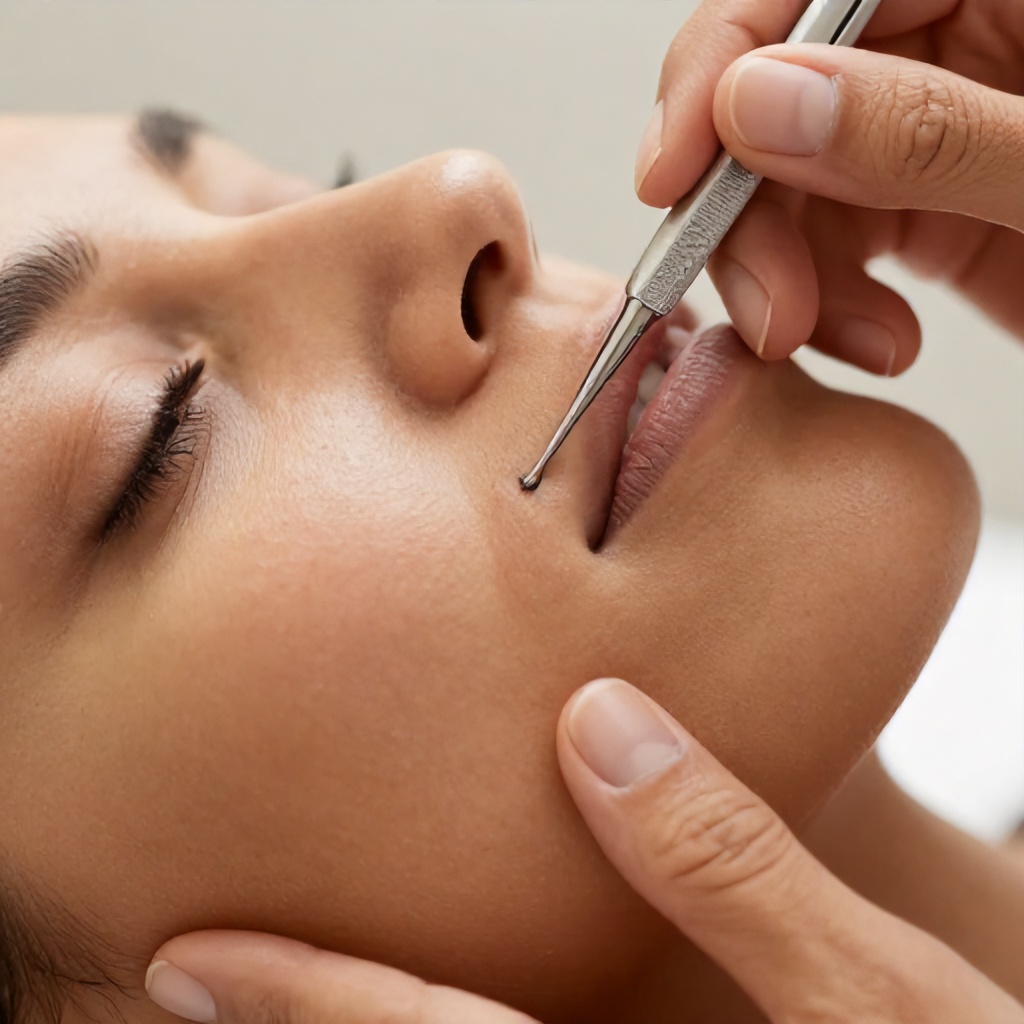
When you think about professional blackhead extraction, you might picture a close-up view of skin. It’s a process that can bring significant relief and visible results, especially when performed on brown skin tones. Understanding what happens during this skin procedure, why it’s beneficial, and what to expect can demystify the experience and empower you to make informed skincare choices. This isn’t just about vanity; it’s about maintaining healthy, clear human skin.

Understanding Blackheads and Brown Skin

Blackheads, scientifically known as open comedones, are a common skin concern. They form when a hair follicle becomes plugged with sebum (oil) and dead skin cells. The reason they appear black isn’t dirt; it’s the oxidation of the trapped material when exposed to air. This process happens regardless of skin tone. However, brown skin, with its higher melanin content, can sometimes be more prone to post-inflammatory hyperpigmentation (PIH) if extractions are not performed correctly or if the skin is irritated.

Sebaceous filaments are often mistaken for blackheads. These are natural structures that line your pores, composed of sebum and dead skin cells. They typically appear as small, grayish or yellowish dots and are a normal part of your skin’s function. True blackheads are darker and often feel slightly raised or hard to the touch.

The structure of brown skin, while beautiful and resilient, has unique considerations in dermatological procedures. The increased melanin can mean that inflammation or trauma to the skin might result in darker marks that take longer to fade. This is why a skilled hand and gentle approach are paramount during any skin procedure, including blackhead extraction.

The Professional Extraction Process

A professional blackhead extraction is typically performed by a dermatologist or a licensed esthetician. They are trained to identify different types of blemishes and to extract them safely, minimizing the risk of scarring or infection. The process usually involves several key steps.

Preparation is Key

Before any extraction begins, the skin is thoroughly cleansed to remove makeup, oil, and surface debris. This initial step is crucial for hygiene and to prepare the skin for the procedure. Often, a gentle exfoliant or a mild chemical peel might be used to soften the skin and further loosen the contents of the pores. Steaming the skin is also a common practice; the warm, moist air helps to open up the follicles, making extraction easier and less traumatic for the skin.

The Extraction Itself

This is where the close-up view becomes relevant. The professional will examine the skin, identifying the specific extraction points. They will often wear sterile white gloves to maintain a hygienic environment. For the actual extraction, a pointed tool, often a sterile comedone extractor, is used. This tool typically has a small loop or a lancet at one end. The loop is placed around the blackhead, and gentle pressure is applied to express the yellowish debris from the follicle. If a lancet is used, it’s for carefully puncturing the very top of a stubborn blackhead to create an opening for the contents to be removed.

The skill of the practitioner is evident here. They know just how much pressure to apply and how to angle the tool to effectively remove the impaction without damaging the surrounding skin. It’s a precise task, aiming to clear the pore without causing unnecessary inflammation or trauma to the epidermal layer. The goal is to remove the blockage, not to cause injury.

Post-Extraction Care

Once the extractions are complete, the skin is typically treated with an antiseptic solution to prevent infection. Soothing agents, like calming serums or masks, are often applied to reduce redness and inflammation. It’s common for the skin to appear a bit red immediately after the procedure, especially on brown skin, but this usually subsides within a few hours to a day. Aftercare instructions are vital. These usually include avoiding heavy makeup, strenuous exercise, and direct sun exposure for a short period. Using gentle, non-comedogenic skincare products is also recommended.

Why Choose Professional Extraction?

While the temptation to squeeze blemishes yourself might be strong, professional blackhead extraction offers significant advantages, particularly for brown skin.

Minimizing Risk of Damage

Attempting to extract blackheads at home, especially without proper knowledge or tools, can lead to several problems. You might push the blockage deeper into the follicle, causing more inflammation and potentially leading to acne. You could also damage the skin surface, leading to scarring or post-inflammatory hyperpigmentation (PIH). The risk of infection is also higher when using unsterile hands or tools. A professional has the training and sterile equipment to perform the procedure safely.

Effectiveness and Thoroughness

Estheticians and dermatologists can identify and extract blackheads that might be difficult to remove on your own. They understand the anatomy of the skin and can clear out the entire contents of the follicle, leading to cleaner pores and smoother skin. This thoroughness is key to preventing future breakouts in the same area. It’s a more effective approach to pore cleansing than many at-home methods.

Addressing Specific Skin Concerns

For individuals with brown skin, a professional can tailor the extraction process to minimize the risk of PIH. They are aware of how different skin tones react to procedures and will use techniques and products that are best suited to prevent discoloration. This specialized knowledge is invaluable for maintaining even-toned, healthy skin.

Who Benefits from Professional Blackhead Extraction?

Anyone experiencing stubborn blackheads or clogged pores can benefit. This includes individuals with oily or combination skin types, as these are often more prone to pore congestion. It’s also a valuable part of an acne treatment plan for some individuals. People looking to improve the overall texture and clarity of their skin can also find this cosmetic treatment very helpful.

If you have a history of acne or are concerned about the appearance of your pores, a professional consultation can help determine if blackhead extraction is right for you. It’s a common facial treatment that can significantly enhance your skin health and appearance.

Integrating Extraction into Your Skincare Routine

Professional blackhead extraction isn’t something you need to do every day. It’s typically recommended as an occasional treatment, perhaps once a month or every few months, depending on your skin’s needs and your esthetician’s advice. It works best when complemented by a consistent at-home skincare routine.

Daily Skincare Practices

A good daily skincare routine is your first line of defense against blackheads and other blemishes. This should include:

  • Cleansing twice daily to remove excess oil, dirt, and pollutants.
  • Using a gentle exfoliant a few times a week to help shed dead skin cells and prevent pore blockage. Salicylic acid (a beta-hydroxy acid or BHA) is particularly effective for penetrating pores.
  • Moisturizing to keep the skin hydrated. Even oily skin needs moisture, and using the wrong products can actually exacerbate oiliness.
  • Wearing sunscreen daily to protect your skin from sun damage, which can worsen hyperpigmentation.

When to Seek Professional Help

If you have deep, persistent blackheads, or if you’re concerned about scarring or hyperpigmentation on your brown skin, it’s always best to consult a dermatologist or a skilled esthetician. They can assess your skin, recommend the most appropriate treatments, and perform extractions safely and effectively. They can also help you develop a comprehensive skincare plan tailored to your specific needs and skin type.

Remember, healthy skin is the ultimate goal. Professional blackhead extraction, when performed correctly, is a powerful tool in achieving that goal, especially for those with brown skin who need a nuanced approach to skincare.
Embracing Natural Skin Texture and Hyperpigmentation for Better Dermal Health

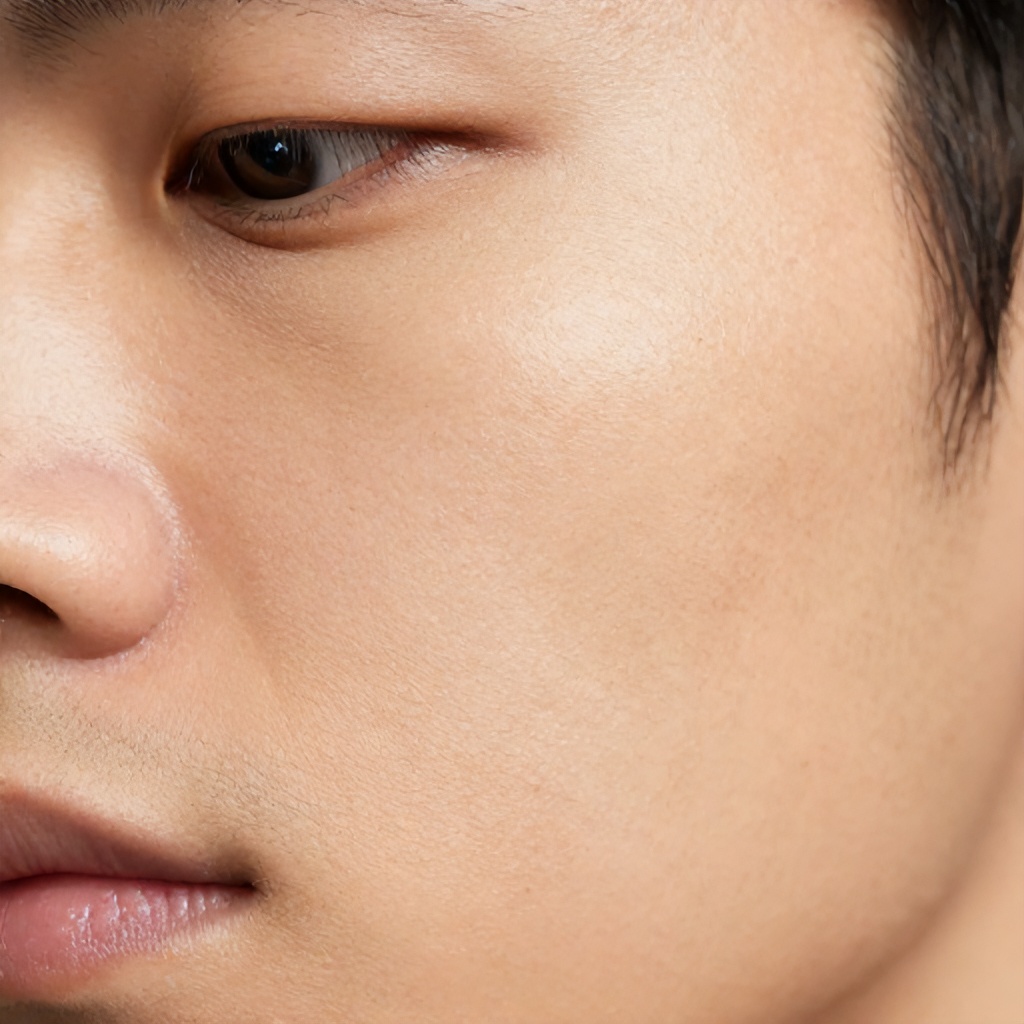
Skin texture and hyperpigmentation are not flaws to be erased but are fundamental components of dermatological authenticity. Your face is a living, breathing organ, not a filtered image on a screen. Embracing the natural topography of your skin means shifting the focus from total uniformity to overall dermal health. When you stop trying to achieve a plastic-like finish, you gain the freedom to appreciate the unique pigment spots and epidermal details that make your face yours.

Understanding the Reality of Skin Surface Characteristics

Every human face possesses a unique landscape. Pores, fine lines, and subtle bumps are part of the standard anatomy of human skin. These elements are often obscured by heavy foundations or aggressive retouching, leading to a distorted perception of what healthy skin actually looks like. Real skin has a grain. It has a specific way of catching the light, and it changes throughout the day based on hydration, temperature, and movement.

Skin texture is essentially the physical surface quality of your complexion. It is influenced by genetics, age, and environmental exposure. When you look at close-up portraiture, you see the reality of skin surface characteristics—the tiny valleys and peaks that allow your skin to stretch and flex. Trying to smooth these away with heavy silicone-based primers often results in a cakey appearance that highlights the very texture you intended to hide. Instead, working with your natural skin topography allows for a more breathable, comfortable, and aesthetic realism.

The Role of Melanin Distribution

Hyperpigmentation is a natural response to melanin distribution. It is the skin’s way of protecting itself from ultraviolet light. Freckles, sun-induced pigmentation, and post-inflammatory marks are common features that appear on almost every complexion. These variations in skin tone are not signs of damage in the sense that they need to be vanished; they are markers of your skin’s history. Acknowledging these spots as part of your natural beauty helps reduce the anxiety associated with minor color shifts.

Melanin is not distributed in a perfectly even layer across the body. It clusters. It reacts to sun exposure. It changes during hormonal shifts. When you view your skin through the lens of skin positivity, you stop seeing these clusters as errors. You begin to see them as part of the visual interest of your face. This shift in perspective is the foundation of a more sustainable and kinder beauty routine.

Building a Routine That Honors Your Skin

A routine that honors your skin focuses on barrier support rather than aggressive correction. Many people damage their skin barrier by over-exfoliating in an attempt to achieve a glassy, texture-free look. This leads to inflammation, which in turn causes more hyperpigmentation. A healthy routine is about balance, hydration, and protection.

  1. Prioritize gentle cleansing to remove debris without stripping natural oils.
  2. Apply humectants like hyaluronic acid or glycerin to damp skin to lock in moisture.
  3. Use a moisturizer that supports the lipid barrier, containing ceramides or fatty acids.
  4. Apply broad-spectrum SPF every single morning, regardless of the weather.
  5. Incorporate antioxidants like Vitamin C or niacinamide to support overall skin clarity.

This approach respects the raw skin texture. By keeping the barrier intact, your skin remains plump and resilient. When the skin is hydrated, fine lines appear softer, and the overall complexion looks more radiant. You are not fighting your skin; you are providing it with the tools it needs to function optimally.

Choosing Products for Authentic Skin

When selecting products, look for textures that mimic the skin’s natural finish. Heavy, matte foundations often sit on top of texture, emphasizing every pore. Tinted moisturizers, skin tints, or sheer mineral sunscreens allow your natural skin tone variation to show through. This creates a soft focus photography effect in real life. You want products that enhance your complexion, not ones that mask it.

Avoid ingredients that cause excessive dryness or irritation. If a product makes your skin feel tight or itchy, it is likely compromising your barrier. Look for labels that emphasize soothing ingredients like centella asiatica, colloidal oatmeal, or panthenol. These ingredients help calm the skin and reduce the redness that can make hyperpigmentation appear more pronounced than it actually is.

The Psychology of Skin Positivity

The way we view our facial features is heavily influenced by digital media. We are constantly bombarded with images that have been smoothed, blurred, and color-corrected. This creates a false standard of beauty that is impossible to maintain in real life. Practicing skin positivity involves actively choosing to look at unfiltered images of real people. When you see the pores, the freckles, and the natural lines on others, it becomes easier to accept them on yourself.

Neutral lighting is your best friend when learning to appreciate your skin. Harsh, overhead lighting creates deep shadows that exaggerate texture and make every spot look darker. Natural, diffused light—like the light near a window—shows your skin as it truly is. In this light, you can see the health and the glow of your skin. You can see the way your skin tone variation adds depth to your features.

Shifting Your Focus to Dermal Health

Dermal health is the long-term goal. It is about how your skin feels, how it heals, and how it protects you. When you focus on health, the aesthetic concerns often resolve themselves. A healthy skin barrier naturally regulates oil production, which minimizes the appearance of enlarged pores. A well-hydrated face naturally reflects light, creating a radiant look without the need for highlighters or heavy makeup.

Think about the texture of your skin as a sign of life. It is the evidence that you are a living, moving, and expressive person. Every line is a record of a smile, a frown, or a moment of surprise. Every pigment spot is a memory of a sunny day or a healing process. These are not things to be ashamed of. They are the components of your unique facial aesthetics.

Practical Tips for Daily Maintenance

Consistency is more important than intensity. You do not need a ten-step routine to achieve a radiant look. In fact, a simpler routine is often better for those who struggle with sensitivity or texture issues. Focus on the basics: cleanse, hydrate, protect. If you want to address specific concerns like hyperpigmentation, do so with patience. Topical treatments take weeks or months to show results. Rushing the process with harsh chemicals will only lead to further irritation.

  • Use lukewarm water for washing your face; hot water strips essential oils.
  • Pat your skin dry with a clean, soft towel rather than rubbing it.
  • Apply your skincare products in order of consistency, from thinnest to thickest.
  • Give each product a minute or two to absorb before moving to the next step.
  • Keep your makeup brushes and sponges clean to prevent bacterial growth.

These small habits contribute to the overall clarity of your complexion. They help maintain the integrity of your skin surface characteristics. When you treat your skin with care, it responds by looking more vibrant and healthy. You will find that you need less coverage over time, which allows your natural beauty to shine through even more clearly.

Embracing the Change in Perspective

Acceptance does not mean giving up on your skin. It means changing the motivation behind your actions. You are not fixing a broken face; you are caring for a vital part of your body. This shift in mindset reduces the stress that can actually contribute to skin issues like breakouts or dullness. When you are relaxed and confident, your skin reflects that state of being.

The journey toward embracing your natural skin is personal. There will be days when you feel more self-conscious, and that is okay. The goal is not to be perfect every day, but to be kind to yourself every day. Look in the mirror and identify one thing you like about your skin. Maybe it is the way your freckles catch the light, or the softness of your cheeks. Focus on those positive aspects.

The Beauty of Variation

Skin tone variation is what gives a face its character. A perfectly uniform face can look flat and lifeless. The subtle shifts in color—the pinks, the browns, the tans—create a sense of depth and dimension. This is why professional makeup artists often use multiple shades of foundation to mimic the natural variation of real skin. You already have that dimension naturally.

When you stop trying to hide your pigment spots, you allow your face to look more balanced. Heavy makeup can sometimes make hyperpigmentation look gray or ashy. By using sheerer products, you allow your natural undertones to harmonize with your skin tone. This creates a much more natural and radiant look that complements your features rather than competing with them.

Long-Term Strategies for Radiant Skin

Radiance comes from within, but it is supported by external habits. Nutrition, sleep, and hydration play a massive role in how your skin looks. Eating a diet rich in antioxidants, healthy fats, and vitamins provides the building blocks your skin needs to repair itself. Drinking enough water ensures that your skin cells are plump and hydrated. Getting enough sleep allows your body to undergo its natural repair processes.

These lifestyle factors are the foundation of dermal health. They are the things that make the biggest difference in the long run. No amount of expensive serum can replace the benefits of a good night’s sleep or a balanced diet. When you prioritize these things, you are investing in your skin’s future. You are setting the stage for a complexion that looks radiant and healthy for years to come.

Final Thoughts on Aesthetic Realism

Aesthetic realism is about celebrating the truth of our appearance. It is about recognizing that we are all human, and that our skin is a reflection of our humanity. When we embrace our natural texture and hyperpigmentation, we are reclaiming our beauty from the unrealistic standards of the digital age. We are choosing to be comfortable in our own skin, and that is the most radiant look of all.

Take the time to observe your skin in different lights. Notice how it changes. Notice how it moves. Appreciate the way it protects you and the way it tells your story. Your skin is not a canvas to be painted over; it is a masterpiece that is constantly evolving. Treat it with the respect and kindness it deserves, and you will find that your natural beauty is more than enough.

The path to a radiant look is not found in a bottle or a procedure. It is found in the way you perceive yourself. It is found in the daily choices you make to support your skin’s health. It is found in the quiet confidence that comes from knowing you are enough, exactly as you are. Keep your routine simple, keep your expectations realistic, and keep your focus on the health and vitality of your skin.

Remember that your skin is a living organ, and it is meant to have texture. It is meant to have spots. It is meant to change. These are not flaws; they are the marks of a life well-lived. By embracing these characteristics, you are not just accepting your skin; you are celebrating it. You are stepping into a version of beauty that is authentic, sustainable, and entirely your own.

As you move forward, continue to prioritize the health of your skin barrier. Avoid the temptation to chase trends that promise instant, unrealistic results. Trust in the process of gentle, consistent care. Your skin will thank you for it, and you will find that the radiant look you have been searching for has been there all along, waiting to be seen and appreciated.

The beauty of natural skin is that it is never static. It is always changing, always adapting, and always growing. This is the beauty of life itself. When you align your beauty routine with this reality, you find a sense of peace and satisfaction that no amount of makeup can provide. You are free to be yourself, and that is the ultimate form of radiance.

Stay curious about your skin. Learn what it likes and what it does not. Pay attention to how it feels after a long day or a good workout. Use this information to refine your routine, not to judge your progress. Every day is an opportunity to learn more about your skin and to deepen your relationship with it. This is the essence of a healthy, positive, and beautiful life.

Finally, remember that your worth is not tied to the appearance of your skin. You are more than your pores, your lines, or your pigment spots. You are a complex, multi-dimensional person with a unique story to tell. Your skin is just one part of that story. When you hold onto this perspective, you can navigate the world of beauty with confidence and grace, knowing that you are always enough.

Understanding Dark Pores on Light, Peachy Skin: Causes and Appearance

A Closer Look at Those Dark Pores on Light, Peachy Skin

Understanding the appearance of dark pores on light, peachy skin involves recognizing the natural structure of human skin and how it interacts with light and pigment.

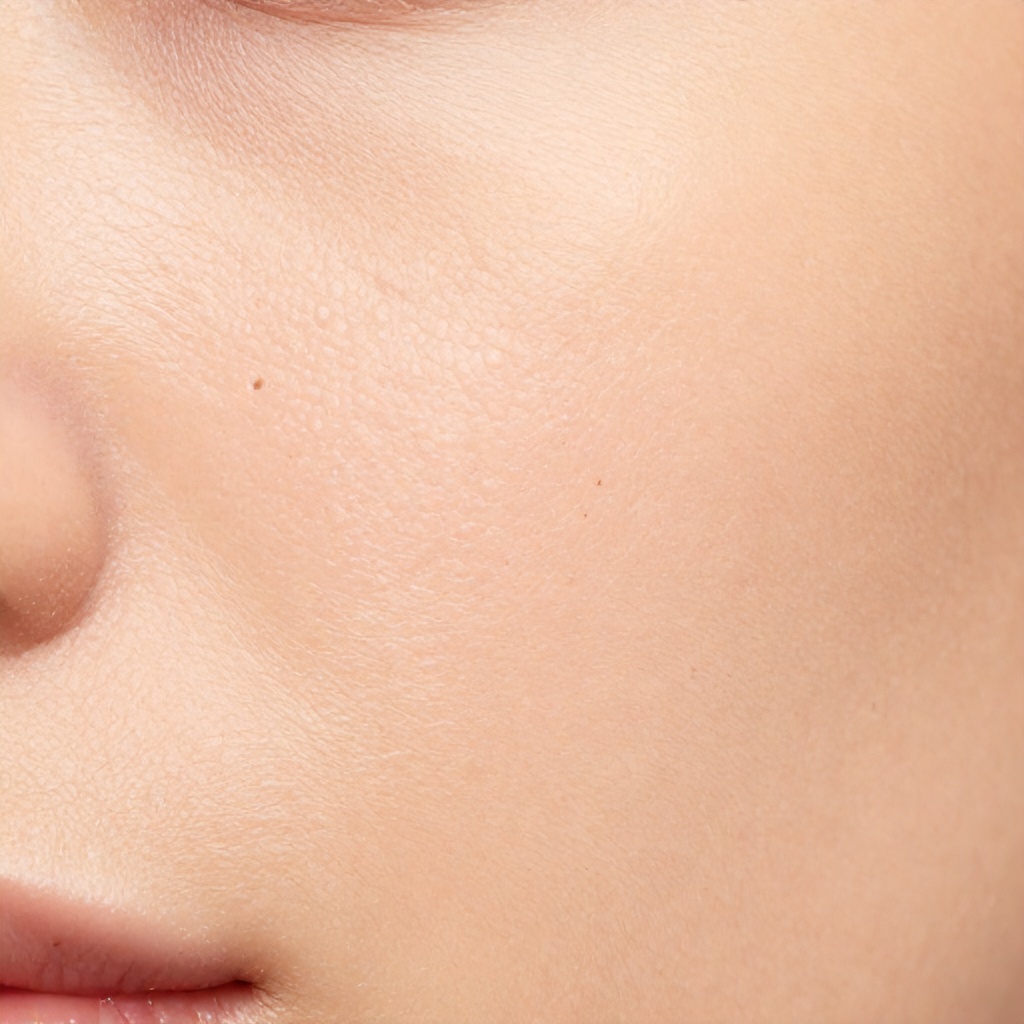
When you zoom in on light, peachy skin, those dark pore spots you notice are often a combination of the pore’s natural shadow, the presence of sebum, and sometimes oxidized melanin or debris. It’s not usually a sign of something inherently wrong, but rather a visual effect. The epidermis, the outermost layer of our skin, is relatively translucent, especially on lighter skin tones. This means that what’s happening just beneath the surface can become more apparent. Think of it like looking through a sheer curtain; you can see the shapes and colors behind it.

The skin surface is dotted with thousands of these tiny openings, which are the mouths of our facial pores. Each pore is an entrance to a hair follicle and a sebaceous gland. The sebaceous gland’s job is to produce sebum, an oily substance that lubricates and protects the skin. On light skin, the contrast between the pore opening and the surrounding skin can be more pronounced, making these features stand out. The peachy undertones of this skin type can also play a role in how the light reflects, sometimes emphasizing shadows within the pores.

The Anatomy of a Pore

To truly grasp why a dark pore looks the way it does, we need to understand its basic anatomy. Every pore is connected to a hair follicle, which is where a hair grows. Crucially, it’s also connected to a sebaceous gland. This gland is a tiny, oil-producing factory embedded in the dermis, the layer of skin beneath the epidermis. The sebum it produces travels up the follicle and out through the pore to the skin surface.

This sebum is essential for healthy skin. It helps to keep the skin moisturized, supple, and protected from environmental factors. However, the amount of sebum produced can vary significantly from person to person and even fluctuate due to hormones, diet, and stress. On light skin, the oil itself, especially when it mixes with dead skin cells and other debris, can appear darker within the pore opening, creating that characteristic dark spot.

The pore size itself is also a factor. Genetics plays a huge role in determining how large your pores are. Some people naturally have larger pores, which are more visible. On a light, peachy skin tone, these larger pores might appear more prominent, and the contents within them can cast a more noticeable shadow.

Why Do They Appear Dark?

The darkness you see isn’t typically due to dirt being “stuck” in the pore in the way many people imagine. Instead, it’s often a combination of factors that create a visual shadow and color contrast.

  • Sebum and Debris: As mentioned, sebum is an oily substance. When it fills a pore, it can catch light differently than the surrounding skin. If dead skin cells, microscopic bits of makeup, or environmental pollutants mix with this sebum, the mixture can oxidize and darken. This is particularly true for the contents of pores on the face, which are more exposed.
  • Oxidation: When the sebum and cellular debris within the pore come into contact with air, they can undergo a process called oxidation. This is similar to how a cut apple turns brown. This oxidation can lead to a darkening of the pore’s contents, making them appear more prominent against the lighter skin tone.
  • Melanin: While less common as the primary cause of a “dark pore” appearance, melanin, the pigment that gives skin its color, can also play a role. The follicular opening itself can sometimes contain a small amount of melanin, especially in individuals with certain undertones. On light skin, even a slight increase in pigment can create a noticeable contrast.
  • Shadowing: The physical structure of the pore, especially if it’s slightly enlarged or has a bit of material within it, can create a small shadow. On light, peachy skin, this shadow can appear more distinct because of the lack of strong underlying pigment to camouflage it. Think about how shadows are more visible on a pale wall than on a dark one.

It’s important to differentiate between a dark pore and a blackhead. Blackheads are a type of acne where the pore is open to the surface, and the trapped sebum and dead skin cells have oxidized, giving them a black or dark brown appearance. However, many pores that appear “dark” are simply filled with sebum that has oxidized slightly and are not necessarily clogged in a way that would lead to acne. This is a subtle but important distinction in understanding skin imperfections.

The Role of Skin Tone and Texture

The specific characteristics of light, peachy skin make these micro-details more visible. Light skin tones have less melanin, the pigment that gives skin its color and offers a degree of natural protection and visual camouflage. This means that the natural variations in skin structure, including pore size and the contents of pores, are more easily observed.

Peachy undertones often involve a combination of pink, yellow, and sometimes a hint of red. This can influence how light reflects off the skin surface. In some lighting conditions, these undertones can enhance the appearance of shadows within pores, making them seem darker than they might on a cooler or warmer skin tone. The overall skin texture also plays a part. Smoother, finer skin textures might make pores appear more defined, while rougher textures might camouflage them slightly.

Understanding your specific skin tone and its undertones can help you appreciate how your pores appear. What looks like a prominent dark pore on one person might be barely noticeable on another, even if they have similar pore sizes. It’s all about the interplay of light, pigment, and skin structure.

Managing the Appearance of Pores

While you can’t change your genetics or the fundamental structure of your pores, there are ways to manage their appearance and keep them looking their best. The goal isn’t necessarily to make them disappear entirely, as pores are a natural and necessary part of healthy skin, but rather to minimize the visual impact of darkness and debris.

Cleansing Practices

Effective cleansing is the cornerstone of managing pore appearance. The right approach can help remove excess sebum, makeup, and environmental debris before they have a chance to oxidize and darken within the pore.

  1. Double Cleansing: Especially if you wear makeup or sunscreen, starting with an oil-based cleanser or micellar water can effectively break down oil-based impurities. Follow this with a water-based cleanser to remove any remaining residue. This thorough approach ensures a cleaner skin surface.
  2. Gentle Exfoliation: Regular, gentle exfoliation is key. Chemical exfoliants like alpha-hydroxy acids (AHAs) or beta-hydroxy acids (BHAs) are particularly effective. BHAs, such as salicylic acid, are oil-soluble and can penetrate into the pores to help break down sebum and dead skin cells. AHAs, like glycolic acid, work on the skin’s surface to slough away dead skin cells. Start with a low concentration and use them a few times a week to avoid over-exfoliation.
  3. Avoid Harsh Scrubbing: While it might seem intuitive to scrub away debris, harsh physical scrubbing can irritate the skin, potentially leading to inflammation and even making pores appear larger or more noticeable. Stick to gentle methods.

Skincare Ingredients to Look For

Certain ingredients in your skincare routine can significantly improve the appearance of pores.

  • Salicylic Acid (BHA): As mentioned, this is a powerhouse for pore care. It exfoliates inside the pore, reducing the buildup that can lead to a darkened appearance.
  • Niacinamide: Also known as Vitamin B3, niacinamide is a multi-tasker. It can help regulate sebum production, improve the skin’s barrier function, and has anti-inflammatory properties. It can also help to reduce the appearance of enlarged pores over time.
  • Retinoids: Prescription retinoids (like tretinoin) and over-the-counter retinol are excellent for cell turnover. By speeding up the shedding of dead skin cells, they can prevent pores from becoming clogged and help to refine skin texture, making pores less noticeable. Start slowly with retinoids as they can cause initial irritation.
  • Clay Masks: Periodically using a clay mask can help to draw out excess oil and impurities from the pores, giving them a temporarily cleaner and less noticeable look.

When to Consult a Professional

For the most part, the appearance of dark pores on light, peachy skin is a normal variation of human skin. However, if you notice significant changes, persistent inflammation, or if you’re concerned about specific skin conditions, consulting a dermatologist or a qualified skincare professional is always a good idea. They can provide personalized advice based on your unique skin structure and concerns.

Dermatology offers advanced treatments that can address more persistent pore issues, such as chemical peels, microdermabrasion, or laser treatments, which can improve overall skin texture and reduce the visibility of pores. They can also help diagnose and treat underlying skin conditions that might be contributing to pore appearance.

Ultimately, embracing your skin’s natural texture, including the appearance of its pores, is part of healthy self-care. Understanding the science behind what you see, especially on a light, peachy skin surface, empowers you to choose the most effective and gentle ways to care for your complexion.

Exit mobile version