The Impact of Floor-to-Ceiling Windows on Modern Bedroom Design
Modern bedroom design relies on the balance between the vast metropolitan vista and the intimate comfort of a private sanctuary. When a room features floor-to-ceiling glazing, the urban skyline becomes the primary decorative element, shifting the energy of the space from a bright morning hub to a moody, sophisticated retreat as the sun sets. These architectural windows eliminate the boundary between the interior and the outside world. This creates a sense of infinite space that is particularly effective in a luxury apartment where square footage may be high but the feeling of openness is even more valuable.

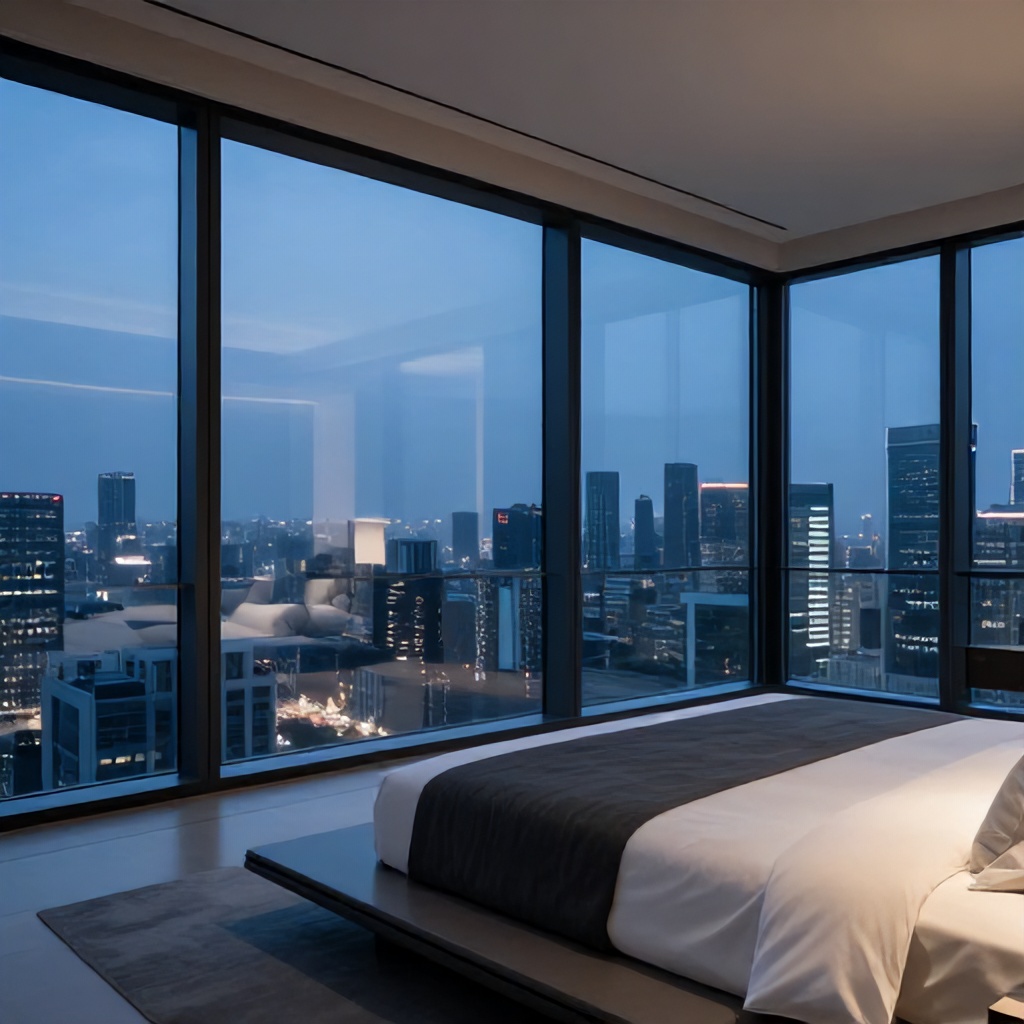
The visual weight of a city at twilight provides a backdrop that no wallpaper or paint color can replicate. As the blue hour settles over the city, the room takes on the cool, calming tones of the sky. This natural transition helps regulate the circadian rhythm, signaling to the body that the day is ending. Designing around such a prominent feature requires a restrained hand. You want the furniture to complement, not compete with, the view. Low-profile pieces are often the best choice for a master suite with panoramic windows. They keep the sightlines clear. They allow the eye to travel from the edge of the bed straight out to the horizon without interruption.
Living in a high-rise environment brings specific challenges regarding light and heat. Large glass panes can act as a greenhouse during the day and a cold surface at night. Selecting the right glass treatments is a functional necessity. Many contemporary interior design projects now utilize smart glass or motorized solar shades that disappear into the ceiling when not in use. This keeps the modern aesthetic clean and uncluttered. It ensures that the metropolitan vista remains the star of the show while maintaining a comfortable indoor temperature.
Creating a Dusk Atmosphere with Lighting and Color
Evening ambiance in a bedroom with a skyline view should feel layered and soft. Avoid overhead fixtures that create glare on the glass. Reflections can ruin the effect of the city lights, making the windows look like mirrors rather than portals. Instead, use floor lamps with warm bulbs and integrated LED strips along the baseboards or behind the headboard. This creates a glow that stays low to the ground. It mimics the way the city lights flicker below. The goal is to create a peaceful environment where the artificial light inside matches the intensity of the light outside.
The color palette of a modern bedroom should take cues from the dusk atmosphere. Think of deep charcoals, muted navies, and soft slate grays. These tones absorb the light rather than bouncing it around, which helps the room feel cozy despite the massive windows. Using a monochromatic scheme allows the textures of the room to stand out. A velvet chair, a wool rug, and silk pillows provide visual interest without needing loud colors. This approach reinforces the urban sanctuary vibe, making the space feel grounded amidst the height of a luxury apartment.
Consider the role of metallic accents in this setting. Brushed brass or matte black hardware can catch the faint glimmers of the city lights. These small details add a touch of high-end decor without feeling over-the-top. When you choose materials that reflect the urban environment—like glass, steel, and stone—the room feels like a natural extension of the skyscraper itself. It is a sophisticated living strategy that honors the architecture of the building.
Furniture Selection for Unobstructed Views
In a minimalist bedroom, every piece of furniture must serve a purpose. The bed should be the focal point, but its height matters. A platform bed is ideal for rooms with floor-to-ceiling glazing because it sits low to the floor. This ensures that even when you are lying down, you have a clear view of the skyline. Avoid tall headboards that block the glass. If you need a headboard for comfort, opt for one that is wide and low, perhaps upholstered in a neutral, textured fabric.
- Choose nightstands with slim profiles and open legs to maintain a sense of floor space.
- Incorporate a chaise lounge or a pair of low-slung armchairs near the window for a dedicated viewing area.
- Use a large, plush area rug to anchor the bed and provide a soft landing for your feet.
- Keep surfaces clear of clutter to maintain the minimalist aesthetic.
Storage is another factor in high-rise living. Built-in wardrobes that blend into the walls are better than bulky, freestanding dressers. When the walls are mostly glass, you have less vertical space for traditional furniture. Custom cabinetry can be designed to wrap around the solid parts of the room, providing ample storage while keeping the floor plan open. This reinforces the tranquil retreat feel by removing visual noise.
Textiles and the Sensory Experience
Luxury bedding is the most important tactile element in the master suite. Since the view provides the visual drama, the fabrics should provide the physical comfort. High-thread-count cotton sheets in a crisp white or soft gray offer a hotel-like feel. Layering is key. A heavy linen duvet paired with a cashmere throw adds depth to the bed. These textured fabrics invite you to linger. They contrast beautifully with the hard, smooth surfaces of the architectural windows.
The choice of window treatments also impacts the sensory experience. Heavy blackout curtains are necessary for sleep, but they can feel bulky. Consider a dual-track system. One track holds a sheer fabric that diffuses the harsh afternoon sun while still allowing a glimpse of the city. The second track holds a blackout liner for total darkness. Choosing a fabric that matches the wall color helps the curtains disappear when they are open. This keeps the focus on the panoramic windows during the day and creates a cocoon-like feel at night.
Managing the Practicalities of High-Rise Living
Living high above the street offers incredible views, but it also means dealing with unique environmental factors. Wind noise can be an issue in some buildings. Thick rugs and upholstered wall panels can help dampen sound. Thermal comfort is another priority. Even with high-quality floor-to-ceiling glazing, the area near the windows can feel cooler in the winter. Placing a small, stylish heater or ensuring the HVAC vents are positioned correctly can make the window-side seating area much more usable year-round.
Privacy is a common concern in urban environments. Even if you are on a high floor, other skyscrapers might have a direct line of sight into your bedroom. This is where interior styling meets functionality. Strategic placement of tall indoor plants, like a fiddle-leaf fig or a bird of paradise, can provide a natural screen without blocking the entire view. They also add a touch of organic life to the contemporary interior design, which can sometimes feel a bit sterile with all the glass and concrete.
Cleaning is a less glamorous but vital part of maintaining the modern aesthetic. Large windows show every smudge and streak. If you are designing a room from scratch, ensure there is easy access to the glass for regular maintenance. Many high-end buildings have professional window washing services, but keeping the interior side clean is up to the resident. A clear view is what makes the metropolitan vista so impactful. Any dirt on the glass will break the illusion of the urban sanctuary.
The Art of Cityscape Photography in Decor
While the view outside is a living painting, you can enhance the room with carefully chosen cityscape photography. Placing a large-scale black and white print of an urban scene on a solid wall can create a dialogue with the actual view. It adds a layer of artistic intent to the room. This type of high-end decor works best when the subject matter of the art reflects the vibe of the city outside. If you are in a historic city, vintage architectural prints look great. In a modern hub, abstract shots of steel and glass are more appropriate.
- Select frames that match the window mullions for a cohesive look.
- Avoid placing glass-covered art directly opposite the window to prevent glare.
- Consider oversized pieces to match the scale of the floor-to-ceiling windows.
- Use professional lighting to highlight the art during the evening ambiance hours.
Interior styling is about the small moments as much as the big ones. A tray on the bed with a ceramic teapot, a stack of design books on the nightstand, and a single sculptural vase on the windowsill all contribute to the feeling of a lived-in, sophisticated space. These items should be chosen for their form and texture. In a room where the view is so dominant, every object you bring in should be able to hold its own visually.
Designing for the Blue Hour
The blue hour is that short period after sunset when the sky turns a deep, electric indigo. This is when the modern bedroom truly shines. The contrast between the cool blue outside and the warm interior lighting creates a dramatic, cinematic atmosphere. To make the most of this time, use smart home technology to program your lights. You can set them to dim slowly as the natural light fades. This transition should be subtle. It should feel like the room is breathing with the city.
Reflective surfaces can be used strategically to bounce the blue light around the room. A mirrored tray or a glass-topped desk can catch the colors of the sky. However, be careful not to overdo it. Too many reflections can become distracting. The goal is to enhance the peaceful environment, not to create a hall of mirrors. Soft furnishings in cool tones can also help bridge the gap between the interior and the exterior during this time of day.
This time of evening is perfect for relaxation. Whether you are reading a book or just watching the traffic crawl by far below, the bedroom becomes a place of reflection. The height of the room provides a perspective that is both humbling and inspiring. It is a reminder of the scale of the world, yet the comfort of the luxury bedding and soft fabrics keeps you feeling safe and tucked away. This balance is the essence of a successful urban sanctuary.
Final Styling Touches for a Modern Aesthetic
To finish the space, look at the floor. A minimalist bedroom often features hardwood or polished concrete. While these look great, they can feel cold. A high-quality wool rug that extends well beyond the edges of the bed adds warmth and improves the acoustics of the room. Choose a subtle pattern or a solid color that doesn’t distract from the view. The rug should feel like a soft island in the middle of the glass-walled space.
Consider the scent of the room. A high-end candle with notes of sandalwood, leather, or amber can ground the space. Scent is a powerful way to define a tranquil retreat. It adds another layer to the sensory experience that goes beyond what you can see. When you walk into the room at twilight, the combination of the visual skyline, the soft textures, and a calming scent should immediately lower your heart rate. It is about creating a total environment that supports rest and relaxation.
Finally, keep the technology hidden. While high-rise living often involves the latest gadgets, they shouldn’t clutter the visual field. Hide charging cables in nightstand drawers. Mount the television on a swivel arm that can be tucked away when not in use. The more you can hide the “workings” of the room, the more the modern aesthetic will feel effortless. This allows the panoramic windows and the city views to remain the undisputed focus of your master suite.