Essential Yoga Poses and Stretching Techniques for Improving Beginner Flexibility

Consistent yoga practice builds body flexibility by gradually lengthening muscle fibers and increasing the range of motion in your joints. You do not need to touch your toes on day one to benefit from these movements. Start by focusing on your breath and maintaining steady, controlled alignment rather than forcing your body into deep shapes. These specific poses serve as a foundation for safe stretching exercises that protect your ligaments while improving overall mobility.

Essential Gear and Preparation

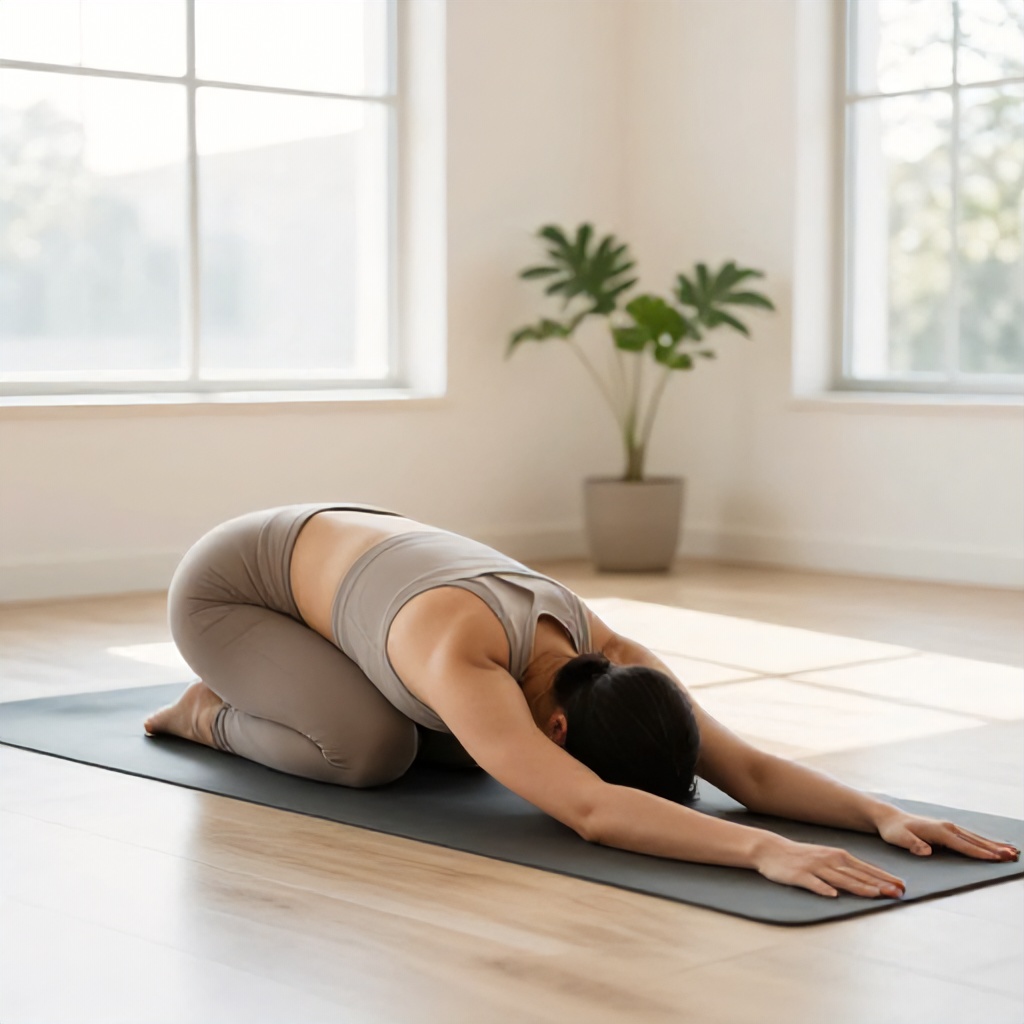
Comfortable athletic attire makes a significant difference during your first sessions. Choose clothing that allows for a full range of motion without restricting your breathing or circulation. You do not need expensive equipment to begin. A simple non-slip mat provides the necessary grip to keep your hands and feet stable during various yoga postures.

Hydration remains vital before and after your session. Drink water throughout the day to keep your muscles supple. If you feel sharp pain or pinching in a joint, stop immediately. Discomfort from a deep stretch is normal, but pain in the knees, lower back, or shoulders is a signal to back off and adjust your position.

Foundation Poses for Flexibility

Beginner yoga relies on gentle tension rather than aggressive pulling. These movements target the hamstrings, hips, and spine to help you gain flexibility over time.

Mountain Pose

Stand with your feet hip-width apart and your arms relaxed at your sides. Distribute your weight evenly across both feet. Engage your core muscles slightly and lengthen your spine toward the ceiling. This posture acts as a reset button for your posture. It teaches your body how to stand with proper alignment, which is the starting point for all other yoga movements.

Downward Facing Dog

This classic posture stretches the entire backside of the body. Start on your hands and knees. Tuck your toes under and lift your hips toward the ceiling to form an inverted V shape. Keep your knees bent if your hamstrings feel tight. Press firmly into your palms to lengthen your spine. This position acts as a transition in many yoga flows and helps release tension in the shoulders and calves.

Cat-Cow Stretch

Move to your hands and knees in a tabletop position. On an inhale, drop your belly toward the floor and look slightly upward for the Cow pose. On an exhale, round your spine toward the ceiling and tuck your chin toward your chest for the Cat pose. Repeat this cycle five to ten times. It is one of the most effective ways to warm up the back muscles and improve spinal mobility.

Lower Body Stretching Exercises

Tight hips and hamstrings are common complaints for people who spend long hours sitting. These postures specifically target those areas to improve your overall body flexibility.

Forward Fold

Stand tall and hinge at your hips to fold your torso over your legs. Keep a generous bend in your knees to protect your lower back. Let your head hang heavy to release neck tension. You can hold your opposite elbows with your hands to add a bit of weight to the stretch. This movement helps lengthen the hamstrings and calves without putting unnecessary stress on the spine.

Butterfly Pose

Sit on the floor and bring the soles of your feet together. Let your knees fall open toward the sides. Hold your feet or ankles and sit up tall. If you want a deeper stretch, gently hinge forward from your hips while keeping your back straight. This pose is excellent for opening the inner thighs and groin area. Avoid rounding your shoulders forward, as this limits the effectiveness of the stretch.

Low Lunge

Step one foot forward between your hands and lower your back knee to the mat. Keep your front knee stacked directly over your ankle. Sink your hips forward and down to feel a stretch in the front of your back hip. Use blocks under your hands if the floor feels too far away. This is a highly effective way to counteract the tightness caused by prolonged sitting.

Building a Safe Routine

A consistent yoga sequence works best when practiced three to four times per week. You do not need to spend an hour on the mat to see results. Even fifteen minutes of focused movement can improve your flexibility over the course of a month.

  • Warm up your body with light movement before holding deep stretches.
  • Hold each pose for five to ten slow, deep breaths.
  • Keep your movements smooth and avoid bouncing.
  • Focus on your breath to help your muscles relax into the stretch.
  • Listen to your body and adjust the intensity based on how you feel that day.

Common Mistakes to Avoid

Many beginners try to mimic advanced shapes before their bodies are ready. This often leads to overstretching or injury. Focus on the quality of your alignment rather than how deep you can go into a pose. If you cannot breathe deeply, you have likely pushed too far.

  1. Do not lock your knees in standing poses.
  2. Avoid holding your breath during a stretch.
  3. Do not compare your progress to others.
  4. Avoid forcing your joints into positions that cause sharp pain.

Tracking Your Progress

Flexibility is a slow process. You might notice that you can reach a little further toward your toes after a few weeks of practice. Take note of how your body feels during daily activities. Do you feel less stiff when getting out of a chair? Is your lower back less achy after a long day? These subtle changes are the true markers of success in your yoga training.

Consistency matters more than intensity. If you miss a day, simply resume your practice the next time you have a window of time. Keep your yoga space clean and free of distractions to help you focus on your movements. The goal is to create a sustainable habit that supports your long-term physical health and mobility.

Modifying Poses for Success

Every body is built differently. If a specific pose feels impossible, use props to bridge the gap. Yoga blocks, folded blankets, and straps are not just for beginners; they are tools that allow you to maintain proper form while your muscles lengthen. Placing a block under your hand in a lunge or sitting on a folded blanket during a seated fold can change your experience entirely.

If you find that your hands do not reach the floor, bring the floor to you. Use blocks or even sturdy books to support your weight. This allows your muscles to relax into the stretch rather than tensing up to support your body weight. Proper support is the key to safe stretching exercises and long-term progress in your yoga practice.

Staying Consistent

Creating a dedicated time for your practice helps turn these movements into a habit. Whether you prefer early mornings to wake up your body or evenings to release the stress of the day, find a rhythm that works for your schedule. Keep your mat in a visible area so you do not have to hunt for it when you are ready to start.

Remember that flexibility exercises are a personal journey. Some days your body will feel open and fluid, while other days it may feel stiff and resistant. This is perfectly normal. Continue to move with intention and patience. Over time, these simple yoga postures will become more natural, and you will likely notice a significant improvement in how your body moves and feels in your daily life.
Yoga and Flexibility Training for Enhanced Range of Motion

Yoga and Flexibility Training: Your Ticket to a Greater Range of Motion

Boosting your body’s flexibility and improving your range of motion is absolutely achievable, and yoga and dedicated flexibility training are fantastic ways to get there. It’s not just about touching your toes; it’s about moving with more ease, reducing discomfort, and enhancing your overall physical well-being. Think of your joints and muscles like well-oiled machinery – the more fluidly they can move, the better they perform and the less likely they are to break down.

Why Range of Motion Matters More Than You Think

Our range of motion (ROM) refers to the full movement potential of a joint. When this is limited, everyday tasks can become a challenge. Reaching for something on a high shelf, bending down to tie your shoes, or even just turning your head to look over your shoulder can feel stiff and restricted. This limitation often stems from tight muscles, stiff joints, or even scar tissue from past injuries. Poor ROM can lead to compensatory movements, putting undue stress on other parts of your body and increasing the risk of injury.

Consider the athlete. Enhanced range of motion is not just a nice-to-have; it’s a performance enhancer. A swimmer with greater shoulder mobility can achieve a more powerful stroke. A runner with flexible hamstrings can stride more efficiently. Even for those who aren’t competitive athletes, improved ROM translates to better posture, reduced muscle soreness after physical activity, and a general feeling of being more capable in your own body. It’s about unlocking your body’s natural potential.

The Power of Yoga for Flexibility Gains

Yoga, with its focus on mindful movement and holding specific yoga postures, is a time-tested method for increasing flexibility. It’s a holistic approach that works on multiple levels. The slow, controlled movements and sustained stretches in yoga poses gently lengthen muscles and improve joint mobility. This isn’t about forcing your body into positions; it’s about working with your body’s current capabilities and gradually expanding them.

Different types of yoga offer varying degrees of challenge and focus. Hatha yoga, for instance, is often a great starting point for beginners, emphasizing foundational poses and breathwork. Vinyasa yoga, characterized by its flowing sequences, can also build flexibility while simultaneously improving cardiovascular health. Restorative yoga, on the other hand, uses props to support the body in gentle poses for extended periods, promoting deep relaxation and allowing tight tissues to release over time. The consistent practice of yoga postures, or asanas, cultivates both physical flexibility and a heightened sense of body awareness.

Key Yoga Poses for Enhanced Flexibility

Certain yoga poses are particularly effective for targeting common areas of tightness. Downward-Facing Dog (Adho Mukha Svanasana) is a classic for a reason. It stretches the hamstrings, calves, shoulders, and spine all at once. It’s a foundational pose that opens up the entire back body.

Forward folds, like Standing Forward Bend (Uttanasana) and Seated Forward Bend (Paschimottanasana), are excellent for lengthening the hamstrings and the muscles along the back of the legs. Even if you can’t touch your toes, focus on the sensation of the stretch and keep your knees slightly bent if needed. The goal is gradual improvement, not immediate perfection.

Hip openers are crucial, as tight hips can affect everything from your lower back to your knees. Poses like Pigeon Pose (Eka Pada Rajakapotasana) and Lizard Pose (Utthan Pristhasana) work deeply into the hip flexors and external rotators. These can be intense, so using props like blocks or blankets under your hips can make them more accessible and safer.

Twists, such as Seated Spinal Twist (Ardha Matsyendrasana), are fantastic for improving spinal mobility and releasing tension in the back. They also aid in digestion and can help detoxify the body.

Flexibility Training: Beyond the Yoga Mat

While yoga is a powerhouse for flexibility, dedicated flexibility training, which often incorporates various stretching techniques, can further enhance your range of motion. This can include both static and dynamic stretching, each serving a different purpose in your physical conditioning.

Static Stretching: Holding for Gains

Static stretching involves holding a stretch for a period, typically 15-30 seconds, at the point of mild tension. This is what most people envision when they think of stretching. It’s effective for increasing muscle elasticity and improving flexibility over time. Static stretching is best performed when muscles are warm, such as after a light cardio warm-up or at the end of a workout. Holding a hamstring stretch, for example, allows the muscle fibers to lengthen gradually.

It’s important to breathe deeply and relax into static stretches. Pushing too hard can lead to muscle strain or injury. The key is consistency; regular static stretching sessions will yield noticeable flexibility gains.

Dynamic Stretching: Moving Through Your Range

Dynamic stretching involves moving your joints and muscles through their full range of motion in a controlled manner. Think of leg swings, arm circles, or torso twists. Unlike static stretching, dynamic stretching is typically done as part of a warm-up before exercise. It helps prepare the muscles and joints for activity, increasing blood flow and reducing the risk of injury.

Dynamic stretching mimics the movements you’ll perform during your workout or sport, making it highly functional. For example, a golfer might do torso rotations, while a runner might incorporate walking lunges with a twist. This type of stretching actively engages the muscles, improving coordination and agility alongside flexibility.

Integrating Flexibility Training into Your Routine

Making flexibility a priority doesn’t require hours of dedicated time each day. Small, consistent efforts yield significant results. Here’s how you can weave it into your life:

  1. Start with a warm-up: Always begin any stretching routine with 5-10 minutes of light cardio, like brisk walking, jogging in place, or jumping jacks, to get your blood flowing and muscles warm.

  2. Incorporate yoga poses: Aim for 2-3 yoga sessions per week. Even a 20-minute session focusing on a few key poses can make a difference.

  3. Add targeted stretches: On days you don’t do yoga, dedicate 10-15 minutes to static stretching, focusing on areas where you feel the most tightness.

  4. Use dynamic stretches before workouts: Include 5-10 minutes of dynamic movements tailored to your activity before you start your main exercise session.

  5. Listen to your body: Never push into pain. Stretching should feel like a gentle pull, not a sharp or burning sensation. If you have any pre-existing conditions or injuries, consult with a healthcare professional or physical therapist before starting a new flexibility program.

  6. Be patient and consistent: Flexibility gains take time. Celebrate small victories and trust the process. Regular practice is more important than intensity.

The Mind-Body Connection: More Than Just Muscles

One of the profound benefits of yoga and mindful movement is the cultivation of body awareness. As you move through yoga postures and flexibility exercises, you become more attuned to how your body feels. You learn to recognize the subtle signals of tightness, tension, and release. This heightened body awareness is invaluable. It helps you identify imbalances, understand how your posture affects your well-being, and make better choices about how you move throughout the day.

This connection between mind and body is also a powerful tool for stress reduction. The focus required for yoga and stretching can act as a form of meditation, calming the nervous system and promoting mental clarity. When your body feels more open and less restricted, your mind often follows suit, leading to a greater sense of ease and well-being.

Flexibility Training for Injury Prevention and Rehabilitation

Improved range of motion is a cornerstone of injury prevention. When your muscles and joints are flexible and mobile, they can absorb impact and adapt to stress more effectively. This reduces the likelihood of strains, sprains, and tears. For athletes, this means staying in the game longer and performing at their peak. For everyday individuals, it means navigating life with greater resilience.

Furthermore, flexibility training plays a vital role in rehabilitation exercises. Following an injury, regaining lost range of motion is often a primary goal of physical therapy. Gentle stretching and mobility work help to restore function, reduce stiffness, and prevent long-term limitations. Yoga poses and specific flexibility exercises can be adapted by professionals to suit individual needs, aiding in recovery and building a stronger, more resilient body.

Achieving Your Flexibility Goals

Whether your goal is to touch your toes, reduce back pain, improve your athletic performance, or simply move through life with more freedom, incorporating yoga and flexibility training is a powerful strategy. It’s a journey of self-discovery, where you learn to understand and nurture your body’s capabilities. By consistently engaging in mindful movement and dedicated stretching routines, you unlock a greater range of motion, enhancing your physical conditioning and overall quality of life. The benefits extend far beyond the physical, fostering a deeper connection with yourself and a more empowered approach to movement.

Exit mobile version