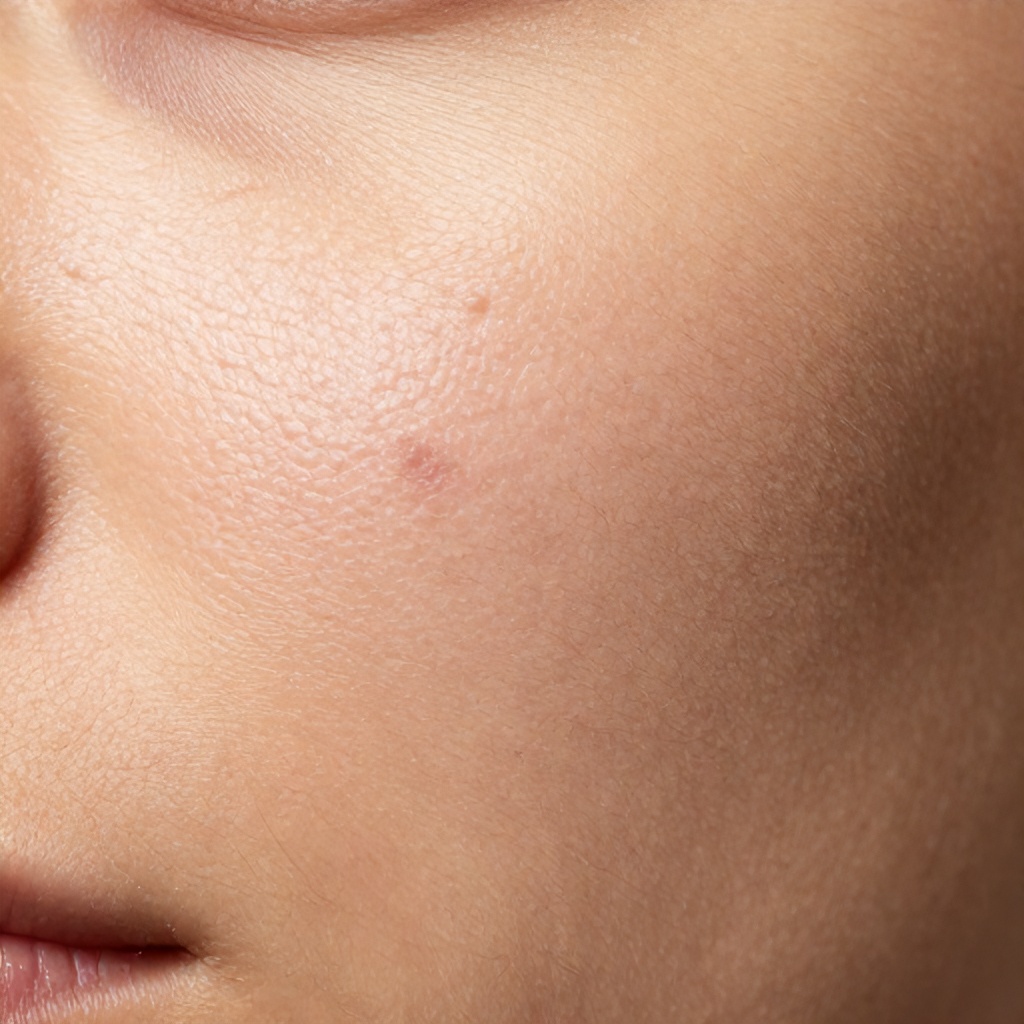
Blackhead Formation: Understanding Pore Congestion with 3D Visualization

Blackheads, technically known as open comedones, are a common dermatological concern that forms when a skin pore becomes clogged with a mixture of dead skin cells and sebum, the natural oil produced by your sebaceous glands. This specific type of pore congestion is characterized by its dark appearance on the skin surface, a result of the trapped material oxidizing when exposed to air, not dirt.

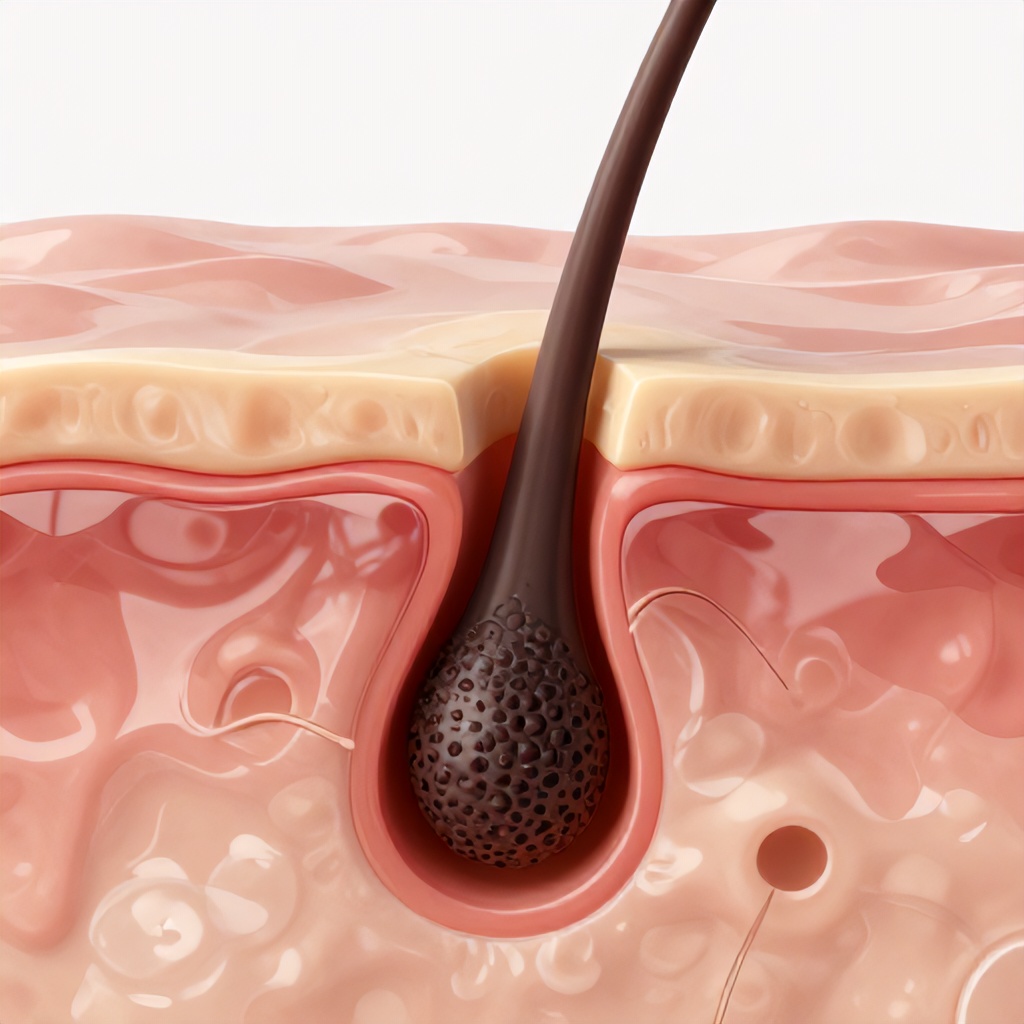
The Microscopic World: Understanding Your Skin Pore

To truly grasp blackhead formation, it helps to visualize the intricate cross-sectional anatomy of your skin. Each tiny skin pore is actually the opening of a hair follicle, a complex structure that extends deep into the dermis. This follicular unit is more than just a channel for hair; it’s a dynamic micro-environment crucial for skin health and function.

The Follicular Unit

Imagine a microscopic tube, lined with skin cells, extending from the surface down into the deeper layers. This is your hair follicle. At the base, a hair shaft grows, but it’s the surrounding structures that are key to understanding pore issues. The walls of this follicle are constantly shedding old keratinized cells, a natural part of skin renewal. Normally, these cells rise to the surface and flake off imperceptibly. However, disruptions in this process are often the first step towards pore blockage.

The Sebaceous Gland’s Role

Attached to almost every hair follicle is a sebaceous gland. These glands are microscopic powerhouses, responsible for producing sebum, a waxy, oily substance. Sebum isn’t inherently bad; it’s vital for maintaining skin hydration, creating a protective barrier against environmental aggressors, and keeping your skin and hair supple. It travels up the hair follicle and out onto the skin surface. The amount and consistency of sebum produced can vary greatly from person to person, influenced by genetics, hormones, and even diet, playing a significant role in individual skin pore physiology.

Keratinized Cells and Their Journey

The skin’s outermost layer, the epidermis, is primarily composed of keratinocytes, cells that produce keratin. As these cells mature, they flatten and harden, eventually forming a protective barrier. Inside the hair follicle, these keratinized cells are also continuously produced and shed. Under normal circumstances, they mix with sebum and exit the pore without issue. However, when this delicate balance is disrupted, these cells can accumulate, leading to epidermal obstruction and the beginning of pore congestion.

The 3D Visualization: How Blackheads Form

Let’s take a closer look at the step-by-step process of blackhead formation, imagining a dermatological visualization that peels back the layers of your skin to reveal the microscopic drama unfolding within a single pore.

Initial Pore Blockage: The Foundation of Congestion

The journey to a blackhead begins when the normal shedding process of dead skin cells within the hair follicle goes awry. Instead of flaking off and exiting the pore, these keratinized cells become sticky and clump together. This accumulation, often referred to as follicular debris, starts to form a plug just beneath the skin surface, creating an initial pore blockage. Think of it like a tiny dam forming inside the follicular canal, impeding the flow of substances trying to exit.

The Role of Sebum Buildup

Once this cellular plug is in place, the sebum produced by the sebaceous gland continues to flow. However, with the exit route partially or completely blocked, the sebum has nowhere to go. It begins to accumulate behind the plug, mixing with the trapped dead skin cells. This sebum buildup creates a perfect environment for further congestion, expanding the plug and putting pressure on the follicular walls. The mixture of dead cells and oil forms what dermatologists call a microcomedone, the earliest stage of any comedone.

Oxidation and Darkening: Why They’re Black

Unlike whiteheads (closed comedones), which remain covered by a thin layer of skin, blackheads are open to the air. The “black” in blackhead isn’t dirt, a common misconception. Instead, the trapped follicular debris and sebum buildup, when exposed to oxygen, undergo a chemical reaction called oxidation. This process causes the melanin (pigment) and lipids within the plug to darken, much like how a cut apple turns brown when exposed to air. This darkening is what gives dark comedones their characteristic appearance on the skin surface topography.

Follicular Impaction and Expansion

As more sebum and dead skin cells continue to accumulate, the plug grows larger and becomes more compacted. This phenomenon is known as follicular impaction. The pressure from this growing plug can cause the walls of the hair follicle to stretch and expand, making the pore opening appear larger and more noticeable on the skin texture. This expanded, impacted pore, filled with oxidized cutaneous debris, is the fully formed blackhead we observe. It’s a clear sign of underlying pore congestion and a common dermatological concern.

Beyond the Surface: Factors Contributing to Pore Congestion

While the microscopic process of blackhead formation is consistent, several external and internal factors can significantly influence their prevalence and severity. Understanding these contributors is key to effective pore refinement and maintaining overall skin health.

Hormonal Influences

Hormones, particularly androgens, play a significant role in regulating sebaceous gland activity. During puberty, menstruation, pregnancy, or periods of high stress, hormonal fluctuations can lead to an increase in sebum production. More sebum means a higher likelihood of it getting trapped in follicles, especially if cell turnover is also sluggish. This explains why teenagers often experience more blackheads and acne, but adults can also be affected by hormonal shifts.

Genetics and Skin Type

Your genetic makeup can predispose you to certain skin characteristics, including pore size and the inherent activity level of your sebaceous glands. Individuals with naturally oilier skin types tend to produce more sebum, making them more prone to pore congestion and blackhead formation. Similarly, some people naturally have larger pores, which can appear more noticeable when clogged, even if the underlying issue is the same.

Product Choices: The Comedogenic Factor

The products you apply to your skin can either help or hinder pore health. Many cosmetics, sunscreens, and moisturizers contain ingredients that are comedogenic, meaning they have a tendency to clog pores. Heavy oils, certain waxes, and some synthetic ingredients can sit on the skin surface or penetrate the follicle, contributing to epidermal obstruction and exacerbating follicular debris accumulation. Choosing non-comedogenic products is a fundamental step in preventing pore blockage.

Environmental Stressors

The environment around us also impacts our skin. High humidity can increase sweat and oil production, potentially leading to more pore congestion. Air pollution, dust, and other airborne particles can settle on the skin, mixing with sebum and dead skin cells to form additional cutaneous debris that contributes to pore impaction. Even prolonged sun exposure can thicken the outer layer of the skin, making it harder for dead cells to shed properly and increasing the risk of pore blockage.

Hygiene Habits (or lack thereof)

While over-washing can strip the skin and cause irritation, inadequate cleansing can certainly contribute to blackheads. Failing to remove makeup, sunscreen, and daily grime allows these substances to mix with natural sebum and dead skin cells, creating a perfect storm for pore congestion. However, it’s crucial to strike a balance; aggressive scrubbing can irritate the skin and paradoxically stimulate more oil production, worsening the problem.

Practical Steps for Clearer Skin: Managing Pore Health

Managing pore health and reducing blackhead formation involves a consistent, gentle, and targeted approach. The goal is to encourage proper skin pore physiology, minimize follicular impaction, and maintain a clear skin surface topography.

Gentle Cleansing Techniques

Cleansing is the cornerstone of any good skincare routine, but the emphasis should always be on gentleness. Use a mild, pH-balanced cleanser twice daily, in the morning and before bed. Avoid harsh soaps or cleansers that leave your skin feeling tight or stripped, as this can trigger your sebaceous glands to produce even more oil in an attempt to compensate. Lukewarm water is best, as hot water can be irritating. Massage the cleanser onto your skin with clean fingertips for about 60 seconds to effectively dissolve makeup, dirt, and excess sebum without causing irritation.

Exfoliation: The Right Way

Exfoliation is crucial for removing the dead keratinized cells that contribute to pore blockage. However, not all exfoliation is created equal. Physical scrubs with large, irregular particles can cause micro-tears in the skin, leading to inflammation and potentially worsening congestion. Chemical exfoliants, specifically Alpha Hydroxy Acids (AHAs) like glycolic or lactic acid, and Beta Hydroxy Acids (BHAs) like salicylic acid, are generally preferred. Salicylic acid is particularly effective for blackheads because it is oil-soluble, allowing it to penetrate deeper into the pore to dissolve sebum and follicular debris. Start with a low concentration a few times a week and gradually increase frequency as your skin tolerates it. This helps to prevent epidermal obstruction and promotes healthy cell turnover.

Targeted Treatments: Ingredients That Help

Beyond cleansers and exfoliants, certain active ingredients can specifically target blackhead formation and pore congestion. Retinoids, such as retinol or tretinoin (prescription-strength), are powerful ingredients that normalize cell turnover within the follicle, preventing dead skin cells from clumping together and forming plugs. They also help to reduce sebum production over time. Niacinamide, a form of Vitamin B3, can help regulate oil production, reduce inflammation, and improve skin barrier function, contributing to overall pore refinement. Clay masks, particularly those with bentonite or kaolin clay, can temporarily absorb excess oil and draw out impurities from the pores, offering a satisfying, albeit temporary, feeling of cleanliness.

Moisturizing for Balance

Even oily or blackhead-prone skin needs moisture. Skipping moisturizer can actually signal your skin to produce more oil, exacerbating the problem. Choose a lightweight, non-comedogenic moisturizer that won’t clog your pores. Look for formulations that are oil-free and designed for acne-prone skin. Hydrated skin functions better, including its ability to shed dead cells properly, which is vital for preventing follicular impaction.

Professional Interventions

For persistent or severe blackheads, professional treatments can offer significant relief. Estheticians can perform manual extractions, carefully and hygienically removing blackheads without damaging the surrounding skin. Chemical peels, often using higher concentrations of AHAs or BHAs than at-home products, can deeply exfoliate the skin and improve pore health. Microdermabrasion or hydrafacials can also help to resurface the skin and clear out congested pores, leading to a smoother skin texture and reduced appearance of dark comedones. Consulting a dermatologist is always recommended to determine the best course of action for your specific skin concerns.

What to Avoid for Better Pore Refinement

Just as important as what you do for your skin is what you avoid. Certain habits and products can actively worsen pore congestion and lead to more blackheads.

Aggressive Scrubbing

While the urge to scrub away blackheads might be strong, aggressive physical exfoliation with harsh scrubs, stiff brushes, or even washcloths can irritate the skin, disrupt its natural barrier, and trigger inflammation. This irritation can actually stimulate more oil production and make existing blackheads more noticeable, potentially leading to post-inflammatory hyperpigmentation or even breakouts. Gentle cleansing and chemical exfoliation are far more effective and safer.

Picking and Squeezing

Attempting to manually extract blackheads at home, especially without proper technique or hygiene, is a common pitfall. Squeezing can push the follicular debris deeper into the pore, rupture the follicle wall, and introduce bacteria, leading to inflammation, infection, and potentially scarring. It can also cause further follicular impaction and make the blackhead appear larger. Leave extractions to trained professionals who use sterile tools and proper methods.

Over-Drying Products

Products containing high concentrations of alcohol or other harsh astringents might make your skin feel temporarily “clean” or tight, but they strip away essential moisture and disrupt the skin’s natural barrier. This can lead to rebound oiliness, where your sebaceous glands overcompensate by producing even more sebum, creating a vicious cycle of oiliness and pore congestion. Balance is key; aim for products that cleanse and treat without causing excessive dryness.

Heavy, Pore-Clogging Makeup

Many makeup products, especially foundations and concealers, can be comedogenic if not formulated carefully. Heavy, oil-based formulas or those containing certain waxes can sit on the skin and mix with sebum and dead skin cells, directly contributing to pore blockage. Always opt for non-comedogenic, oil-free, and lightweight makeup products, especially if you are prone to blackheads. And critically, always remove all makeup thoroughly before bed to prevent overnight pore congestion.

Choosing the Right Products: A Guide to Non-Comedogenic Options

Navigating the vast world of skincare products can be overwhelming, but understanding how to identify non-comedogenic options is a powerful tool for maintaining clear skin and preventing blackhead formation.

Understanding Product Labels

The term “non-comedogenic” on a product label indicates that the product has been formulated to avoid ingredients known to clog pores. While this isn’t a guarantee for every individual, it’s a strong indicator that the product is less likely to contribute to pore congestion. Look for other helpful labels like “oil-free,” “non-acnegenic,” or “dermatologist-tested” for acne-prone skin. These terms suggest the product has been designed with skin health and pore anatomy in mind.

Key Ingredients to Look For

When selecting products, prioritize ingredients that actively support pore health and prevent follicular impaction. Salicylic acid (BHA) is a standout for its ability to penetrate oil and exfoliate within the pore. Retinoids (retinol, retinaldehyde) are excellent for normalizing cell turnover and reducing sebum. Niacinamide helps regulate oil and reduce inflammation. Hyaluronic acid provides hydration without clogging pores. Glycolic acid (AHA) can help exfoliate the skin surface, improving skin texture and allowing other treatments to penetrate more effectively. Antioxidants like Vitamin C can protect skin from environmental damage that can exacerbate congestion.

Ingredients to Be Wary Of

Some ingredients are notorious for their comedogenic potential. Heavy mineral oils, petrolatum, lanolin, and certain synthetic esters (like isopropyl myristate) can be problematic for many. While not all oils are bad, some plant oils, such as coconut oil or palm oil, are highly comedogenic for some individuals. Waxes like beeswax or carnauba wax can also contribute to epidermal obstruction. Silicones, while often non-comedogenic, can sometimes create a film that traps other ingredients. Always check ingredient lists, especially if you notice a product consistently leads to new blackheads or breakouts.

Maintaining Long-Term Skin Health and Preventing Recurrence

Preventing blackheads isn’t a one-time fix; it’s an ongoing commitment to consistent skincare and healthy lifestyle choices. Long-term pore refinement requires patience and diligence.

Consistency is Key

The most effective skincare routines are those that are followed consistently. Regular gentle cleansing, appropriate exfoliation, and targeted treatments need to be integrated into your daily and weekly regimen. Skipping steps or being inconsistent can quickly lead to a return of pore congestion and blackhead formation. Think of it as a continuous effort to support healthy skin pore physiology.

Diet and Lifestyle Considerations

While the link between diet and blackheads isn’t as direct as some might claim, a balanced diet rich in fruits, vegetables, and lean proteins can support overall skin health. Some studies suggest that high glycemic index foods and dairy might exacerbate acne for some individuals, though more research is needed. Managing stress, getting adequate sleep, and staying hydrated are also general wellness practices that contribute to healthier skin and can indirectly help in preventing dermatological concerns like blackheads.

When to See a Dermatologist

If despite consistent efforts with over-the-counter products and good skincare habits, your blackheads persist, worsen, or are accompanied by inflammatory acne (cysts, nodules), it’s time to consult a board-certified dermatologist. They can offer prescription-strength treatments, professional procedures, and personalized advice tailored to your specific skin type and concerns. A dermatologist can provide a comprehensive dermatological visualization of your skin’s needs and guide you towards the most effective solutions for lasting pore health and a clear complexion.
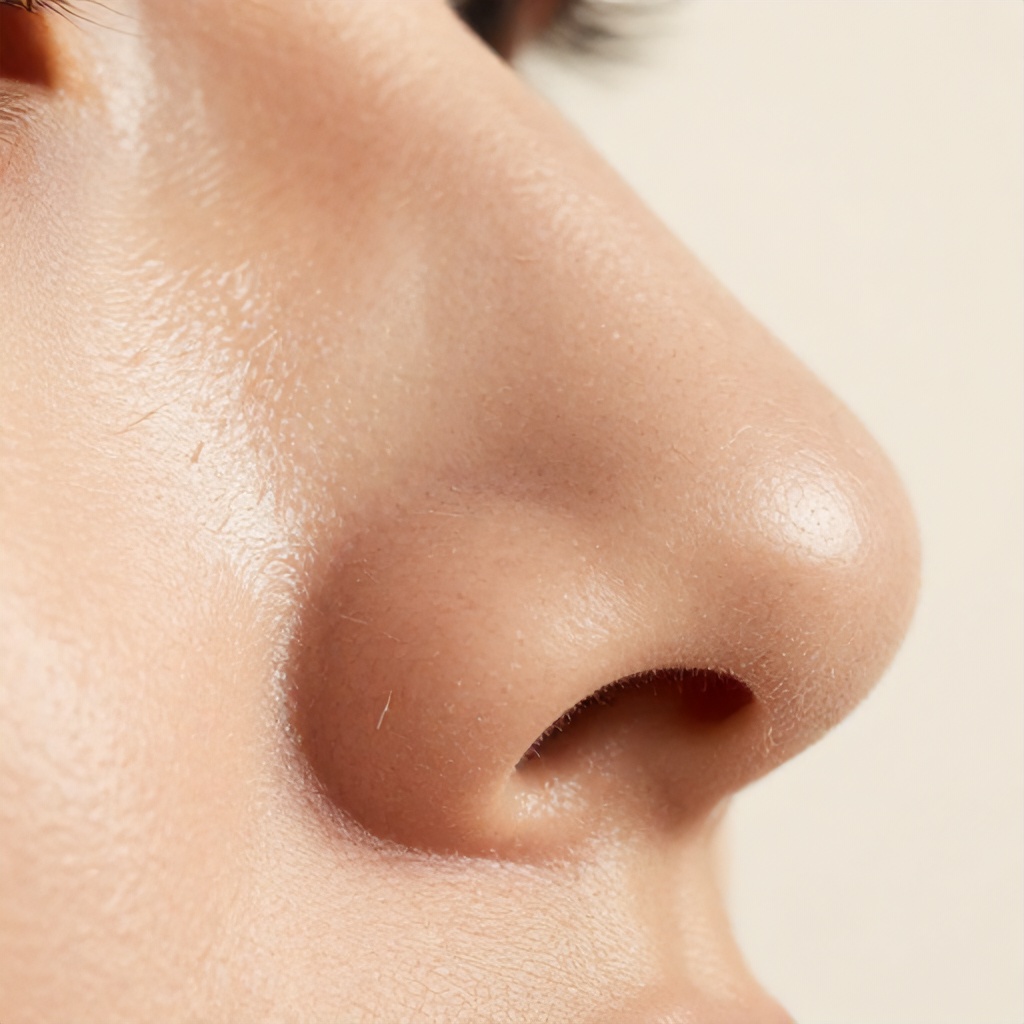

Understanding Visible Pores and Normal Skin Texture on the Nose

Visible pores on the nose are a standard biological feature of human skin, not a flaw that requires fixing. Every pore serves as a follicular opening for hair follicles and oil glands, which are essential for maintaining the health and hydration of your skin surface. When you look at your nose in a mirror under bright light, you are viewing normal skin topography, which naturally includes a variety of textures and patterns.

Understanding Your Skin Topography

The skin on your nose is home to a high concentration of sebaceous glands. These glands are responsible for sebum production, the natural oil that keeps your skin supple and protected. Because the nose has more oil glands per square inch than the cheeks or forehead, the pore visibility is naturally more pronounced in this area. This is a matter of anatomy rather than a failure of your skincare routine.

Many people mistake sebaceous filaments for blackheads. Sebaceous filaments are tiny, grayish or yellowish pinpricks that line the pores on your nose. They are a functional part of your skin health, acting as a channel for oil to travel to the surface. If you squeeze them out, they will return within a few days because they are simply a normal component of your dermal structure. Blackheads, on the other hand, are a form of comedones caused by trapped debris and oxidized oil that hardens within the follicular openings.

The Role of Genetics and Age

Your genetics dictate the size of your pores. If your parents have oily skin or visible texture, you likely inherited similar facial skin characteristics. While you cannot change your DNA, you can manage how these features appear through consistent care. Age also plays a significant role in skin clarity. As collagen production slows over time, the skin loses some of its elasticity. This loss of firmness around the pore opening can make the pore appear larger or more elongated, changing the overall skin texture.

Managing Pore Congestion

Pore refinement is often marketed as a way to shrink pores, but it is physically impossible to change the size of your pores. You can, however, keep them clear of congestion. When pores are filled with dead skin cells and excess oil, they look darker and more noticeable. Keeping the skin surface clean and exfoliated helps maintain a smoother appearance.

  • Use a gentle chemical exfoliant containing salicylic acid to dissolve oil within the pore.
  • Avoid harsh physical scrubs that can cause micro-tears and irritation.
  • Apply a clay mask once a week to absorb surface oil without stripping the skin barrier.
  • Keep your hands away from your face to prevent transferring bacteria that causes inflammation.

Ingredients That Support Skin Health

Choosing the right products involves looking for ingredients that support the natural shedding process of your skin. Niacinamide is a popular choice for many because it helps regulate sebum production and improves the appearance of skin tone. Retinoids are another option, as they speed up cell turnover, preventing the buildup of debris that leads to pore congestion. Always introduce these actives slowly to avoid irritation, which can make skin look red and textured.

Common Misconceptions About Pore Visibility

Macro photography and social media filters have warped our perception of what human skin actually looks like. If you zoom in on any nose, you will see bumps, tiny hairs, and uneven spots. This is the reality of cutaneous features. Trying to achieve a completely smooth, poreless look is an impossible standard that ignores the function of your skin. When you see images of perfectly airbrushed skin, remember that those results are rarely achieved through skincare alone.

  1. Stop using pore strips, as they can cause broken capillaries and damage the skin surface.
  2. Prioritize hydration to keep the skin plump, which naturally masks the appearance of texture.
  3. Wear sunscreen daily to protect the collagen that keeps your pores tight and firm.
  4. Focus on overall skin health rather than spot-treating individual pores.

The Impact of Lifestyle on Complexion

What you do outside of your bathroom routine influences your skin health. High levels of stress can trigger hormonal fluctuations that increase sebum production, leading to more noticeable pore congestion. Similarly, a diet high in processed sugars may affect inflammation levels in the body, which can manifest on the skin surface. Drinking enough water and getting consistent sleep helps your skin perform its natural repair functions overnight.

When to Consult a Professional

If you notice that your pores are constantly inflamed, painful, or producing deep cystic bumps, it may be time to speak with a professional. A dermatologist can provide a clear assessment of your skin health and rule out conditions like rosacea or chronic acne. Dermatological imaging can sometimes reveal underlying issues that are not visible to the naked eye, such as deep-seated hyperpigmentation or chronic follicular irritation.

Professional Treatments for Texture

If you are looking for a more significant change in your skin texture, professional procedures can provide results that over-the-counter products cannot reach. Chemical peels, for instance, use higher concentrations of acids to exfoliate the top layers of the epidermis, which can improve the appearance of uneven skin. Laser treatments target the deeper dermal structure to stimulate collagen, which helps firm the area around the pore and creates a more uniform surface. These options should always be discussed with a qualified provider who understands your specific skin type.

Accepting Your Natural Skin

The goal of any routine should be to feel comfortable in your own skin. Understanding that your nose has visible pores is the first step toward letting go of unnecessary anxiety about your appearance. Your skin is a living organ that changes throughout the day based on temperature, humidity, and your own internal biology. By focusing on gentle maintenance and protecting your skin barrier, you can keep your complexion looking healthy and clear without striving for an unattainable aesthetic.

Remember that the people you see in daily life are not looking at your nose with a magnifying glass. They see your whole face, your expressions, and your personality. Most of the texture we worry about is invisible from a normal conversational distance. Prioritize consistency over quick fixes, and treat your skin with the kindness it needs to function correctly. A healthy, functioning pore is a sign of a body that is doing exactly what it is designed to do.

Embracing Natural Skin Texture and Hyperpigmentation for Better Dermal Health

Skin texture and hyperpigmentation are not flaws to be erased but are fundamental components of dermatological authenticity. Your face is a living, breathing organ, not a filtered image on a screen. Embracing the natural topography of your skin means shifting the focus from total uniformity to overall dermal health. When you stop trying to achieve a plastic-like finish, you gain the freedom to appreciate the unique pigment spots and epidermal details that make your face yours.

Understanding the Reality of Skin Surface Characteristics

Every human face possesses a unique landscape. Pores, fine lines, and subtle bumps are part of the standard anatomy of human skin. These elements are often obscured by heavy foundations or aggressive retouching, leading to a distorted perception of what healthy skin actually looks like. Real skin has a grain. It has a specific way of catching the light, and it changes throughout the day based on hydration, temperature, and movement.

Skin texture is essentially the physical surface quality of your complexion. It is influenced by genetics, age, and environmental exposure. When you look at close-up portraiture, you see the reality of skin surface characteristics—the tiny valleys and peaks that allow your skin to stretch and flex. Trying to smooth these away with heavy silicone-based primers often results in a cakey appearance that highlights the very texture you intended to hide. Instead, working with your natural skin topography allows for a more breathable, comfortable, and aesthetic realism.

The Role of Melanin Distribution

Hyperpigmentation is a natural response to melanin distribution. It is the skin’s way of protecting itself from ultraviolet light. Freckles, sun-induced pigmentation, and post-inflammatory marks are common features that appear on almost every complexion. These variations in skin tone are not signs of damage in the sense that they need to be vanished; they are markers of your skin’s history. Acknowledging these spots as part of your natural beauty helps reduce the anxiety associated with minor color shifts.

Melanin is not distributed in a perfectly even layer across the body. It clusters. It reacts to sun exposure. It changes during hormonal shifts. When you view your skin through the lens of skin positivity, you stop seeing these clusters as errors. You begin to see them as part of the visual interest of your face. This shift in perspective is the foundation of a more sustainable and kinder beauty routine.

Building a Routine That Honors Your Skin

A routine that honors your skin focuses on barrier support rather than aggressive correction. Many people damage their skin barrier by over-exfoliating in an attempt to achieve a glassy, texture-free look. This leads to inflammation, which in turn causes more hyperpigmentation. A healthy routine is about balance, hydration, and protection.

  1. Prioritize gentle cleansing to remove debris without stripping natural oils.
  2. Apply humectants like hyaluronic acid or glycerin to damp skin to lock in moisture.
  3. Use a moisturizer that supports the lipid barrier, containing ceramides or fatty acids.
  4. Apply broad-spectrum SPF every single morning, regardless of the weather.
  5. Incorporate antioxidants like Vitamin C or niacinamide to support overall skin clarity.

This approach respects the raw skin texture. By keeping the barrier intact, your skin remains plump and resilient. When the skin is hydrated, fine lines appear softer, and the overall complexion looks more radiant. You are not fighting your skin; you are providing it with the tools it needs to function optimally.

Choosing Products for Authentic Skin

When selecting products, look for textures that mimic the skin’s natural finish. Heavy, matte foundations often sit on top of texture, emphasizing every pore. Tinted moisturizers, skin tints, or sheer mineral sunscreens allow your natural skin tone variation to show through. This creates a soft focus photography effect in real life. You want products that enhance your complexion, not ones that mask it.

Avoid ingredients that cause excessive dryness or irritation. If a product makes your skin feel tight or itchy, it is likely compromising your barrier. Look for labels that emphasize soothing ingredients like centella asiatica, colloidal oatmeal, or panthenol. These ingredients help calm the skin and reduce the redness that can make hyperpigmentation appear more pronounced than it actually is.

The Psychology of Skin Positivity

The way we view our facial features is heavily influenced by digital media. We are constantly bombarded with images that have been smoothed, blurred, and color-corrected. This creates a false standard of beauty that is impossible to maintain in real life. Practicing skin positivity involves actively choosing to look at unfiltered images of real people. When you see the pores, the freckles, and the natural lines on others, it becomes easier to accept them on yourself.

Neutral lighting is your best friend when learning to appreciate your skin. Harsh, overhead lighting creates deep shadows that exaggerate texture and make every spot look darker. Natural, diffused light—like the light near a window—shows your skin as it truly is. In this light, you can see the health and the glow of your skin. You can see the way your skin tone variation adds depth to your features.

Shifting Your Focus to Dermal Health

Dermal health is the long-term goal. It is about how your skin feels, how it heals, and how it protects you. When you focus on health, the aesthetic concerns often resolve themselves. A healthy skin barrier naturally regulates oil production, which minimizes the appearance of enlarged pores. A well-hydrated face naturally reflects light, creating a radiant look without the need for highlighters or heavy makeup.

Think about the texture of your skin as a sign of life. It is the evidence that you are a living, moving, and expressive person. Every line is a record of a smile, a frown, or a moment of surprise. Every pigment spot is a memory of a sunny day or a healing process. These are not things to be ashamed of. They are the components of your unique facial aesthetics.

Practical Tips for Daily Maintenance

Consistency is more important than intensity. You do not need a ten-step routine to achieve a radiant look. In fact, a simpler routine is often better for those who struggle with sensitivity or texture issues. Focus on the basics: cleanse, hydrate, protect. If you want to address specific concerns like hyperpigmentation, do so with patience. Topical treatments take weeks or months to show results. Rushing the process with harsh chemicals will only lead to further irritation.

  • Use lukewarm water for washing your face; hot water strips essential oils.
  • Pat your skin dry with a clean, soft towel rather than rubbing it.
  • Apply your skincare products in order of consistency, from thinnest to thickest.
  • Give each product a minute or two to absorb before moving to the next step.
  • Keep your makeup brushes and sponges clean to prevent bacterial growth.

These small habits contribute to the overall clarity of your complexion. They help maintain the integrity of your skin surface characteristics. When you treat your skin with care, it responds by looking more vibrant and healthy. You will find that you need less coverage over time, which allows your natural beauty to shine through even more clearly.

Embracing the Change in Perspective

Acceptance does not mean giving up on your skin. It means changing the motivation behind your actions. You are not fixing a broken face; you are caring for a vital part of your body. This shift in mindset reduces the stress that can actually contribute to skin issues like breakouts or dullness. When you are relaxed and confident, your skin reflects that state of being.

The journey toward embracing your natural skin is personal. There will be days when you feel more self-conscious, and that is okay. The goal is not to be perfect every day, but to be kind to yourself every day. Look in the mirror and identify one thing you like about your skin. Maybe it is the way your freckles catch the light, or the softness of your cheeks. Focus on those positive aspects.

The Beauty of Variation

Skin tone variation is what gives a face its character. A perfectly uniform face can look flat and lifeless. The subtle shifts in color—the pinks, the browns, the tans—create a sense of depth and dimension. This is why professional makeup artists often use multiple shades of foundation to mimic the natural variation of real skin. You already have that dimension naturally.

When you stop trying to hide your pigment spots, you allow your face to look more balanced. Heavy makeup can sometimes make hyperpigmentation look gray or ashy. By using sheerer products, you allow your natural undertones to harmonize with your skin tone. This creates a much more natural and radiant look that complements your features rather than competing with them.

Long-Term Strategies for Radiant Skin

Radiance comes from within, but it is supported by external habits. Nutrition, sleep, and hydration play a massive role in how your skin looks. Eating a diet rich in antioxidants, healthy fats, and vitamins provides the building blocks your skin needs to repair itself. Drinking enough water ensures that your skin cells are plump and hydrated. Getting enough sleep allows your body to undergo its natural repair processes.

These lifestyle factors are the foundation of dermal health. They are the things that make the biggest difference in the long run. No amount of expensive serum can replace the benefits of a good night’s sleep or a balanced diet. When you prioritize these things, you are investing in your skin’s future. You are setting the stage for a complexion that looks radiant and healthy for years to come.

Final Thoughts on Aesthetic Realism

Aesthetic realism is about celebrating the truth of our appearance. It is about recognizing that we are all human, and that our skin is a reflection of our humanity. When we embrace our natural texture and hyperpigmentation, we are reclaiming our beauty from the unrealistic standards of the digital age. We are choosing to be comfortable in our own skin, and that is the most radiant look of all.

Take the time to observe your skin in different lights. Notice how it changes. Notice how it moves. Appreciate the way it protects you and the way it tells your story. Your skin is not a canvas to be painted over; it is a masterpiece that is constantly evolving. Treat it with the respect and kindness it deserves, and you will find that your natural beauty is more than enough.

The path to a radiant look is not found in a bottle or a procedure. It is found in the way you perceive yourself. It is found in the daily choices you make to support your skin’s health. It is found in the quiet confidence that comes from knowing you are enough, exactly as you are. Keep your routine simple, keep your expectations realistic, and keep your focus on the health and vitality of your skin.

Remember that your skin is a living organ, and it is meant to have texture. It is meant to have spots. It is meant to change. These are not flaws; they are the marks of a life well-lived. By embracing these characteristics, you are not just accepting your skin; you are celebrating it. You are stepping into a version of beauty that is authentic, sustainable, and entirely your own.

As you move forward, continue to prioritize the health of your skin barrier. Avoid the temptation to chase trends that promise instant, unrealistic results. Trust in the process of gentle, consistent care. Your skin will thank you for it, and you will find that the radiant look you have been searching for has been there all along, waiting to be seen and appreciated.

The beauty of natural skin is that it is never static. It is always changing, always adapting, and always growing. This is the beauty of life itself. When you align your beauty routine with this reality, you find a sense of peace and satisfaction that no amount of makeup can provide. You are free to be yourself, and that is the ultimate form of radiance.

Stay curious about your skin. Learn what it likes and what it does not. Pay attention to how it feels after a long day or a good workout. Use this information to refine your routine, not to judge your progress. Every day is an opportunity to learn more about your skin and to deepen your relationship with it. This is the essence of a healthy, positive, and beautiful life.

Finally, remember that your worth is not tied to the appearance of your skin. You are more than your pores, your lines, or your pigment spots. You are a complex, multi-dimensional person with a unique story to tell. Your skin is just one part of that story. When you hold onto this perspective, you can navigate the world of beauty with confidence and grace, knowing that you are always enough.

Understanding Facial Skin Texture and Pore Visibility in Macro Photography

Understanding Skin Surface Morphology

Pores are a natural, functional part of your facial complexion, yet high-resolution skin imaging often makes them appear larger or more irregular than they truly are. When you look at macro photography of skin, you see the reality of your skin surface morphology, which includes tiny peaks, valleys, and hair follicles. Most people mistake this normal epidermal texture for a skin flaw. Your skin is not a smooth, airbrushed surface, but a living organ with a complex topography that changes based on hydration, lighting, and sebum production.

Dermatological analysis confirms that what you see in close-up photos is often a combination of natural skin grain and light scattering. Shadows cast by the uneven surface of your skin can make pores look deeper or wider than they appear to the naked eye. Recognizing that skin texture is a standard health marker helps shift the focus from chasing an impossible, plastic-like finish to maintaining a healthy, resilient barrier.

Factors Influencing Pore Visibility

Pore size is largely determined by genetics, but several external factors influence how prominent they look in your daily visual skin assessment. Sebum-related pore appearance is the most common concern, as oil trapped within the follicle can stretch the opening and make it look darker against the surrounding skin. When oil oxidizes, it creates a visible contrast, drawing more attention to the pore than if it were clear.

The Role of Collagen and Elasticity

As skin ages, the structural support around the follicle weakens. Collagen and elastin provide the scaffolding that keeps pores tight and small. When these proteins degrade, the skin loses its firmness, causing the pore to look oval or elongated rather than circular. This loss of elasticity is a primary driver of increased pore visibility in clinical skin evaluation. Protecting your skin from UV radiation is the most effective way to preserve this structural integrity over time.

Hydration and Plumping

Dehydrated skin looks dull and highlights surface irregularities. When skin cells lack sufficient water, they shrink, which makes the surrounding skin texture look rougher and more pronounced. Proper hydration acts like a filler, plumping the cells so the skin surface appears more uniform. A well-hydrated face reflects light evenly, which naturally softens the appearance of pores and fine lines.

Practical Approaches to Skin Refinement

Improving the appearance of your complexion requires a consistent routine rather than a single miracle product. Focus on keeping follicles clear and supporting the skin barrier to manage textural contrast. Small, incremental changes usually yield the most sustainable results for your skin health.

  1. Use gentle chemical exfoliants like salicylic acid to clear out the debris inside the pore. This prevents sebum from stretching the follicle opening.
  2. Apply niacinamide to help regulate oil production and improve the overall look of skin grain.
  3. Prioritize sun protection daily. UV rays break down the collagen that keeps pores looking tight.
  4. Choose non-comedogenic moisturizers that provide hydration without clogging the pores.
  5. Cleanse your face thoroughly every evening to remove pollutants and makeup that can settle into the skin surface.

Managing Expectations with Close-Up Images

Macro photography captures details that are invisible during normal social interaction. When you view your skin at ten times its actual size, you are looking at cutaneous detail that no one else sees. This creates a distorted perception of your own facial aesthetics. Normal skin has a visible grain, and that is a sign of a healthy, functioning barrier.

If you find yourself obsessing over high-resolution images, try to step back. Evaluate your skin from a distance of two feet in a mirror, which is how people actually see you. If your skin feels comfortable, isn’t breaking out, and has a healthy glow, the textural details you see in a zoomed-in photo are likely just normal anatomy. Complexion uniformity is a goal, but perfection is an illusion created by digital filters and lighting.

When to Consult a Professional

Sometimes, what appears to be large pores is actually a sign of other skin conditions. If you notice significant changes in your skin surface morphology, such as bumps that do not go away or persistent redness, a dermatological imaging session with a professional might be helpful. They can determine if your concerns are related to simple sebum buildup or if there is an underlying issue like rosacea or chronic inflammation.

  • Persistent acne that leaves scarring or pits.
  • Sudden changes in skin texture that do not respond to basic skincare.
  • High levels of inflammation around the nose or cheeks.
  • Concerns about specific skin growths or irregular pigmentations.

Professional treatments like chemical peels or laser therapy can assist with skin refinement by stimulating collagen production and resurfacing the top layer of the epidermis. However, these are maintenance procedures, not permanent fixes. Your daily habits, such as eating a balanced diet, drinking enough water, and getting adequate sleep, remain the foundation of your skin health markers.

The Impact of Lighting on Texture

Lighting is the most significant factor in how skin is perceived. Direct, harsh light—especially light coming from the side—will highlight every bump and pore, creating deep shadows that exaggerate textural contrast. This is why many professional photos are taken with soft, diffused light that fills in those shadows and creates a smoother look.

If you are taking photos of your own skin, notice how moving your face toward or away from a window changes the visibility of your pores. You might find that your skin looks completely different under fluorescent office lights compared to natural morning light. Understanding these variations helps you stop judging your skin based on a single, unflattering photograph. Your skin is dynamic, and its appearance will shift throughout the day based on your environment, your activity level, and the products you have applied.

Building a Sustainable Routine

Avoid the temptation to over-scrub or use harsh physical exfoliants. These can damage the skin barrier, leading to increased sensitivity and inflammation, which actually makes pores look worse. Instead, focus on ingredients that support skin health from the inside out. Retinoids are often recommended for long-term skin refinement, as they increase cell turnover and help keep the pore lining clear.

Introduce new products slowly to ensure your skin tolerates them. Start with a basic cleanser, moisturizer, and sunscreen. Once your skin is stable, add a targeted treatment for texture. Consistency is the primary factor in seeing results. It takes weeks for skin cells to cycle, so give your routine time to work before deciding if a product is effective. By focusing on the health of your skin rather than the visual perfection of your pores, you will achieve a complexion that looks and feels its best.

Exit mobile version