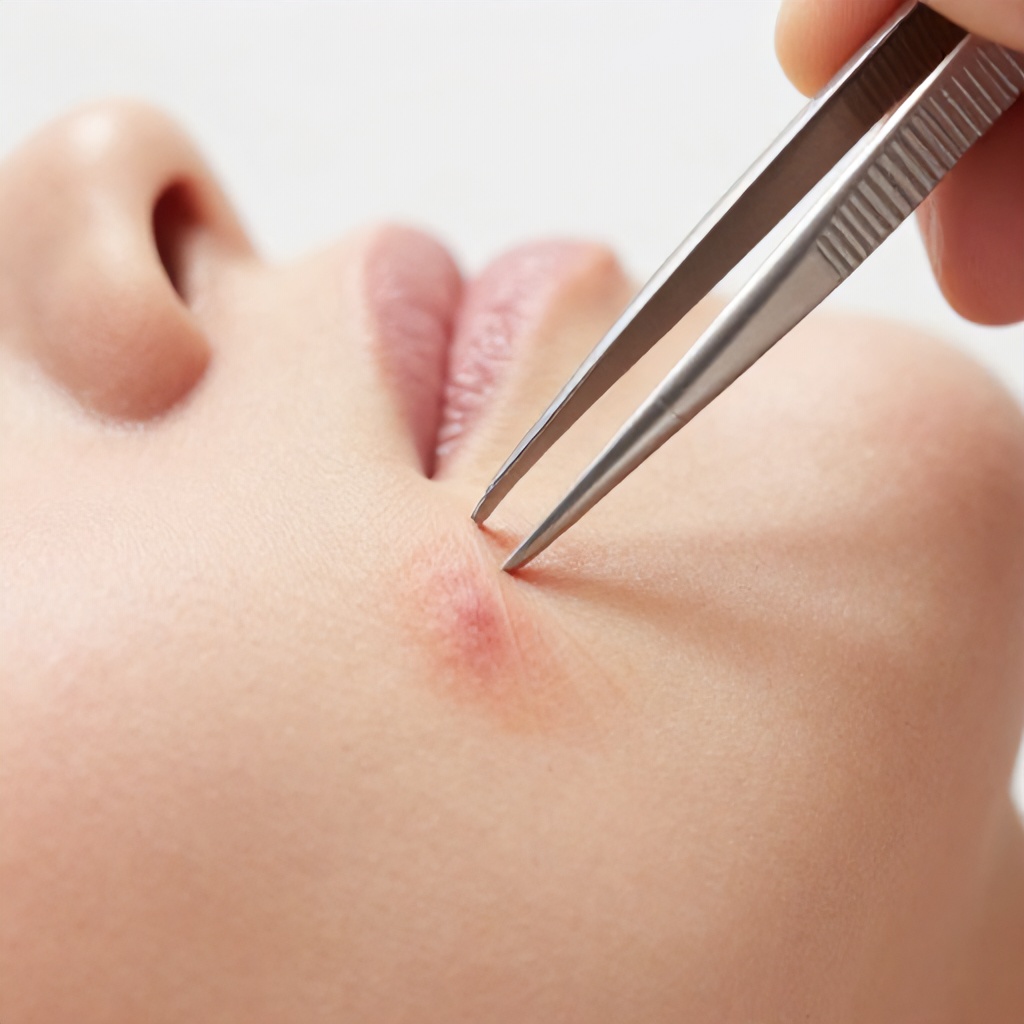
Achieving that coveted “glass skin” look is absolutely possible, even if you’re dealing with active acne breakouts or lingering scars. The path to a luminous, smooth complexion involves a strategic, consistent skincare routine that prioritizes gentle care, targeted treatments, and diligent protection.

Understanding Glass Skin Beyond Perfection
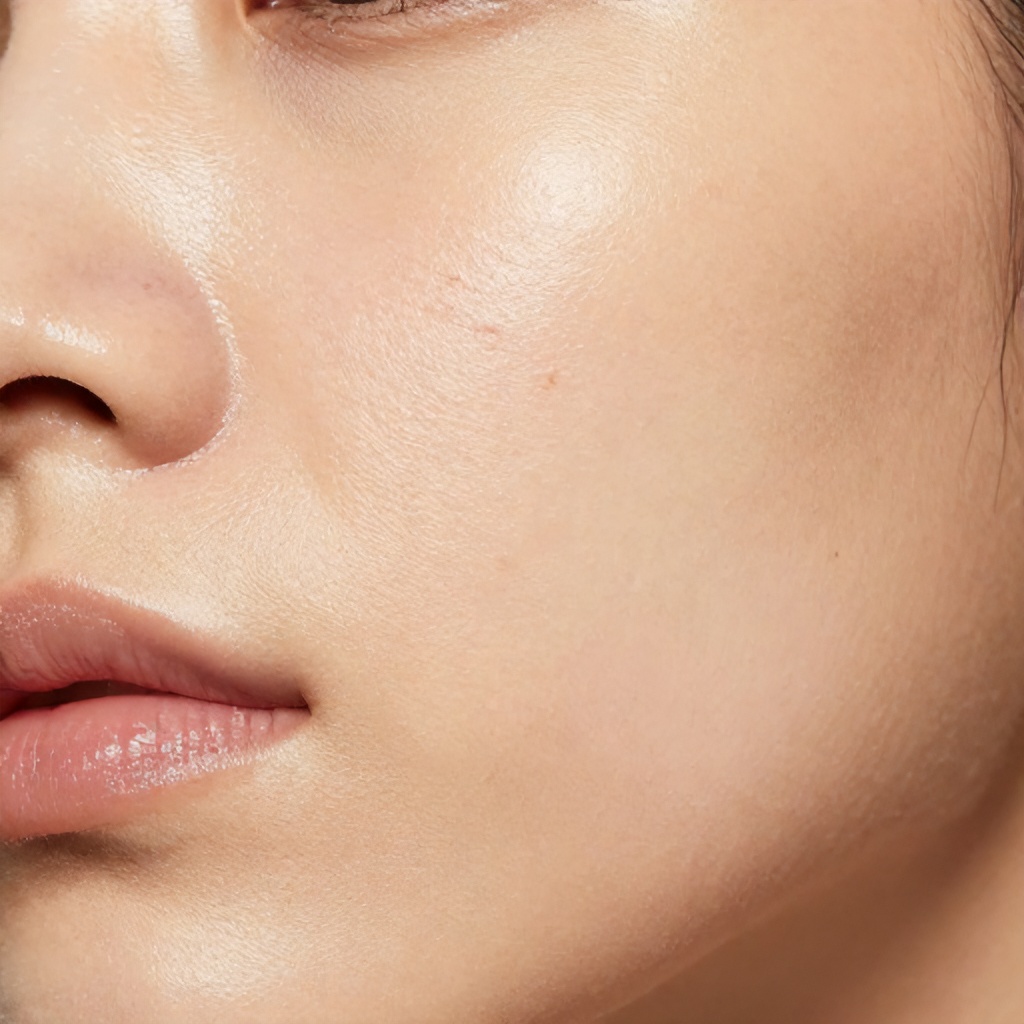
Glass skin isn’t about having absolutely flawless, poreless skin. Instead, it describes a complexion that appears incredibly smooth, hydrated, and almost translucent, reflecting light like a pane of glass. It’s characterized by an even tone, minimal texture, and a healthy, dewy glow. This look comes from deep hydration, a strong skin barrier, and a consistent commitment to skin health.
For those managing acne and scars, the journey to glass skin means focusing on calming inflammation, preventing new breakouts, gently exfoliating to improve texture, and supporting the skin’s natural healing processes. It’s a marathon, not a sprint, and requires patience above all else.
Core Principles for Acne-Prone Skin Aiming for Glass Skin
Before diving into specific products, embrace these fundamental rules. They form the bedrock of any successful routine for sensitive, acne-prone skin.
- Gentle Cleansing: Avoid harsh cleansers that strip your skin. Over-cleansing can damage your skin barrier, leading to more irritation and breakouts.
- Targeted Treatments: Focus on ingredients that address acne directly while also promoting healing and brightness.
- Hydration is Key: Even oily or acne-prone skin needs moisture. Dehydrated skin can produce more oil to compensate, worsening breakouts.
- Sun Protection: Non-negotiable. UV exposure darkens acne scars (post-inflammatory hyperpigmentation) and can worsen inflammation.
- Patience and Consistency: Skincare results take time. Stick with your routine for at least 4-6 weeks before expecting significant changes.
Your Morning Routine for Clarity and Protection
The morning routine focuses on protecting your skin from environmental stressors, reducing inflammation, and preparing it for the day.
Step 1: Gentle Cleansing
Start your day with a mild, low-pH cleanser. If your skin isn’t particularly oily in the morning, a splash of water might even suffice. The goal is to remove any overnight buildup without stripping your skin of its natural oils. Look for cleansers that are sulfate-free and non-comedogenic.
Apply a small amount to damp skin, massage gently for about 30-60 seconds, then rinse thoroughly with lukewarm water. Pat your face dry with a clean, soft towel.
Step 2: Treatment Serum (Antioxidants/Niacinamide)
This is where you introduce ingredients that calm inflammation and brighten your complexion. A serum rich in antioxidants like Vitamin C can protect against free radical damage, brighten dark spots, and boost collagen production. Niacinamide (Vitamin B3) is another excellent choice; it reduces redness, minimizes the appearance of pores, improves skin barrier function, and can even help regulate oil production.
Apply a few drops to your face and neck, pressing it gently into your skin. Allow it to absorb fully for a minute or two before moving on.
Step 3: Lightweight Hydration
Even if your skin is oily, it needs moisture. Opt for a lightweight, non-comedogenic moisturizer, preferably gel-based or oil-free. Hydration keeps your skin barrier healthy, which is crucial for preventing irritation and helping your skin heal from acne and scars.
Apply a thin, even layer over your face and neck. Look for ingredients like hyaluronic acid, glycerin, or ceramides to lock in moisture without feeling heavy.
Step 4: Sun Protection (SPF 30+)
This step is absolutely critical, especially when you’re treating acne and scars. UV radiation not only damages skin cells but also darkens post-inflammatory hyperpigmentation (PIH) and can make acne worse. Choose a broad-spectrum sunscreen with at least SPF 30. Mineral sunscreens (zinc oxide, titanium dioxide) are often well-tolerated by acne-prone skin, but chemical sunscreens formulated for sensitive skin are also viable options.
Apply a generous amount as the last step in your morning routine, at least 15-20 minutes before sun exposure. Reapply every two hours if you’re outdoors or sweating.
Your Evening Routine for Repair and Renewal
The evening routine focuses on thorough cleansing, targeted treatments for acne and scars, and deep hydration to support skin regeneration overnight.
Step 1: Double Cleansing
This two-step process ensures all makeup, sunscreen, and environmental pollutants are thoroughly removed without harsh scrubbing. It’s a game-changer for clear skin.
-
Oil-Based Cleanser: Start with an oil cleanser, balm, or micellar water. Gently massage it into dry skin to dissolve makeup, SPF, and sebum. Rinse thoroughly with lukewarm water.
-
Water-Based Cleanser: Follow up with your gentle, low-pH water-based cleanser, just like in the morning. This removes any remaining residue and cleanses your bare skin.
Double cleansing leaves your skin perfectly clean, allowing subsequent treatment products to penetrate more effectively.
Step 2: Targeted Acne Treatment
This is where you address active breakouts and prevent new ones. Choose an ingredient based on your specific acne concerns:
- Salicylic Acid (BHA): Excellent for blackheads, whiteheads, and clogged pores. It’s oil-soluble, so it can penetrate into pores to exfoliate from within. Use as a toner or serum.
- Benzoyl Peroxide: Kills acne-causing bacteria. It comes in various strengths; start with a lower concentration (2.5% or 5%) to minimize irritation. Apply as a spot treatment or a thin layer over affected areas.
- Retinoids (Retinol, Adapalene, Tretinoin): These are powerful ingredients that increase cell turnover, prevent clogged pores, reduce inflammation, and stimulate collagen production. They are highly effective for both acne and improving the appearance of scars. Introduce retinoids slowly (1-2 times a week) to build tolerance, as they can cause dryness and irritation initially.
Apply your chosen treatment to clean, dry skin. If using a retinoid, apply a pea-sized amount to your entire face, avoiding the eye area. Wait a few minutes for it to absorb.
Step 3: Scar-Reducing Treatment (Optional, if not using Retinoids)
If you’re not using a retinoid in Step 2, you might layer a specific scar-reducing treatment. Ingredients like Vitamin C, alpha hydroxy acids (AHAs) like glycolic or lactic acid, or alpha arbutin can help fade post-inflammatory hyperpigmentation (dark spots) and improve skin texture.
AHAs exfoliate the skin’s surface, promoting cell renewal and helping to smooth rough texture and fade discoloration. Use them a few nights a week, alternating with your retinoid if you use both, to avoid over-exfoliation.
Step 4: Hydration (Richer Moisturizer)
After your treatments, replenish your skin’s moisture. A richer, more emollient moisturizer in the evening helps to counteract any potential dryness from active ingredients and supports the skin barrier’s repair process overnight. Look for ingredients like ceramides, fatty acids, and cholesterol.
Apply a generous layer to your face and neck. This step is crucial for maintaining skin comfort and health, especially when using potent treatments.
Step 5: Occlusive (Optional)
If your skin is particularly dry or you’re using strong treatments, an occlusive layer can help seal in moisture and protect your skin barrier. Products like Vaseline, Aquaphor, or a thick balm can be applied as the very last step, especially on areas prone to dryness or irritation.
Weekly Boosters and Treatments
Incorporate these treatments once or twice a week to give your skin an extra boost.
Chemical Exfoliation
While retinoids and AHAs can be used regularly, a dedicated exfoliating treatment can further refine skin texture and brighten tone. Opt for a gentle chemical exfoliant (like a low-percentage AHA or BHA mask/peel) rather than harsh physical scrubs, which can irritate acne-prone skin and spread bacteria.
Apply to clean, dry skin for the recommended time, then rinse thoroughly. Always follow with a hydrating serum and moisturizer.
Hydrating or Calming Masks
Sheet masks or wash-off masks infused with hyaluronic acid, centella asiatica (cica), or aloe vera can provide intense hydration and soothe irritated skin. These are wonderful for giving your skin a moment of calm and replenishment.
Spot Treatments
For sudden, angry breakouts, a targeted spot treatment can be a lifesaver. Look for ingredients like salicylic acid, benzoyl peroxide, or tea tree oil. Apply directly to the blemish after your treatment serum but before your moisturizer.
Key Ingredients to Look For and Why
Understanding what each ingredient does helps you build a smarter routine.
-
Salicylic Acid (BHA): Penetrates oil to exfoliate inside the pore, making it excellent for blackheads, whiteheads, and preventing future breakouts.
-
Benzoyl Peroxide: An antibacterial agent that targets the bacteria responsible for inflammatory acne. It also helps to shed dead skin cells.
-
Retinoids (Retinol, Adapalene, Tretinoin): Derivatives of Vitamin A that speed up cell turnover, preventing clogged pores, reducing inflammation, and stimulating collagen production. This makes them powerful for both acne and improving the appearance of fine lines and certain types of scars.
-
Niacinamide (Vitamin B3): A versatile ingredient that reduces inflammation, minimizes pore appearance, strengthens the skin barrier, and can help regulate oil production. It’s great for redness and overall skin health.
-
Vitamin C: A potent antioxidant that brightens the complexion, fades hyperpigmentation (dark spots), protects against environmental damage, and boosts collagen synthesis.
-
Hyaluronic Acid: A humectant that draws moisture into the skin, providing intense hydration without feeling heavy. It helps plump the skin and improve its bounce.
-
Alpha Hydroxy Acids (AHAs) – Glycolic, Lactic Acid: Water-soluble exfoliants that work on the skin’s surface to remove dead skin cells, improve texture, and fade hyperpigmentation. Glycolic acid is stronger, while lactic acid is gentler and more hydrating.
-
Centella Asiatica (Cica): Known for its soothing, healing, and anti-inflammatory properties. It’s excellent for calming irritated skin and supporting wound healing, which can help with scar reduction.
Addressing Different Types of Scars
Acne can leave various marks on the skin, and understanding them helps in treatment.
Post-Inflammatory Hyperpigmentation (PIH)
These are the flat, dark spots (brown, black, or grey) left behind after a breakout has healed. They occur when inflammation triggers an overproduction of melanin. Ingredients like Vitamin C, Niacinamide, AHAs, Retinoids, Alpha Arbutin, and Azelaic Acid are effective in fading PIH over time.
Post-Inflammatory Erythema (PIE)
These are flat, red or purple spots that remain after a pimple. They are caused by damage to small blood vessels near the skin’s surface. PIE is notoriously stubborn and responds best to ingredients that calm inflammation and support vascular health, like Niacinamide and Centella Asiatica. Sun protection is also key. For persistent PIE, professional treatments like vascular lasers (e.g., Vbeam) are often most effective.
Atrophic Scars (Icepick, Boxcar, Rolling)
These are true indentations in the skin, resulting from a loss of tissue during the healing process. Topical products can offer some improvement in texture and overall appearance by stimulating collagen (retinoids, strong AHAs), but they generally cannot completely fill deep atrophic scars. For significant improvement, professional treatments such as microneedling, chemical peels, dermal fillers, or laser resurfacing are usually necessary.
Lifestyle Factors That Support Skin Health
Your skincare routine is only part of the equation. Your daily habits play a significant role in your skin’s clarity and radiance.
-
Diet: Focus on an anti-inflammatory diet rich in fruits, vegetables, and lean proteins. Limit processed foods, excessive sugar, and dairy if you notice they trigger breakouts.
-
Stress Management: Stress can wreak havoc on your skin by increasing inflammation and hormone fluctuations. Incorporate stress-reducing activities like meditation, yoga, or spending time in nature.
-
Sleep: Aim for 7-9 hours of quality sleep each night. Your skin repairs and regenerates most effectively while you sleep.
-
Hydration: Drink plenty of water throughout the day to keep your body and skin hydrated from within.
-
Don’t Pick: Resist the urge to pick, squeeze, or pop pimples. This introduces bacteria, worsens inflammation, and significantly increases the risk of scarring.
-
Cleanliness: Regularly change your pillowcases (at least once a week) and clean your phone screen to minimize bacterial transfer to your face.
When to See a Professional
While a consistent at-home routine can do wonders, sometimes you need expert help. Consider consulting a dermatologist if:
- Your acne is severe, cystic, or persistent despite consistent at-home care.
- You have deep, atrophic scars that topical products aren’t improving.
- You’re experiencing significant pain, redness, or inflammation.
- You want access to prescription-strength retinoids or other advanced treatments.
- You’re interested in in-office procedures like chemical peels, microneedling, or laser therapy for scar reduction.
Patience and Consistency Are Your Allies
Achieving glass skin while managing acne and scars is a journey that demands dedication. You won’t see results overnight. Stick to your routine diligently, listen to your skin, and adjust products as needed. Celebrate small victories, and remember that healthy, glowing skin is a reflection of consistent care and self-compassion.