Dermatologists Explain How to Treat Every Type of Skin Bump

Every Type of Skin Bump: What It Is, Why It Matters, and What to Do

When you spot an unwelcome bump on your skin, the urge to poke and prod can be overwhelming. However, dermatologists are united: a hands-off approach is almost always best for treating skin bumps and blemishes. Picking at any skin lesion can cause your skin to break, opening the door to infection and potentially creating a much bigger problem than you started with.

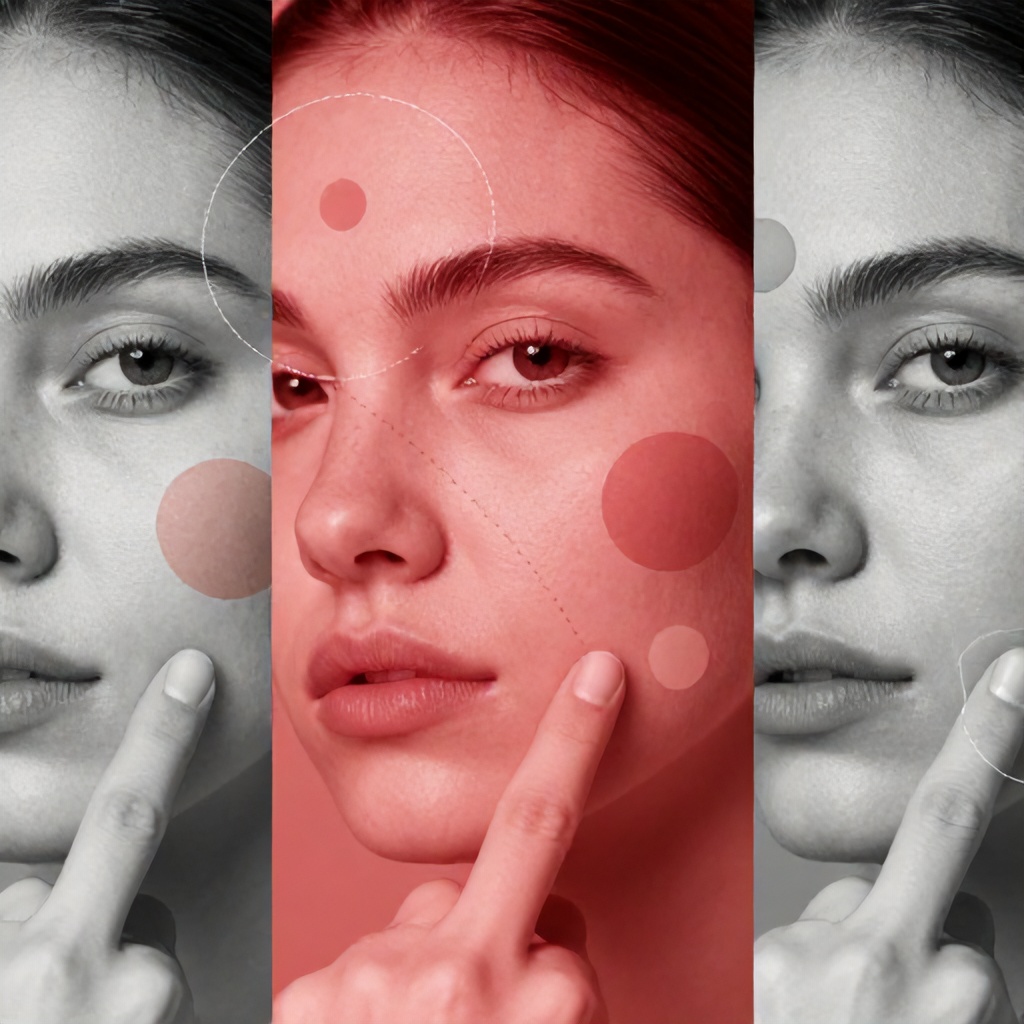
Resisting the urge to pop is vital. If you don’t, you risk prolonging the healing process and even leaving behind permanent scarring.

Meet the Experts:

  • Dendy Engelman, MD, is a board-certified dermatologist at Shafer Clinic Fifth Avenue in New York City.
  • Noelani Gonzalez, MD, FAAD, is the director of cosmetic dermatology at Mount Sinai West in New York City.
  • Joshua Zeichner, MD, is the director of cosmetic and clinical research in dermatology at Mount Sinai Hospital in New York City.
  • Rebecca Marcus, MD, FAAD, is a board-certified dermatologist and founder of Maei MD.
  • Joel Schlessinger, MD, is a board-certified dermatologist and founder of the Schlessinger MD Skin Research Center.
  • Mona Gohara, MD, is a Connecticut-based dermatologist and clinical professor at Yale University.

The most effective skin treatment depends on the exact cause of your blemish, whether it’s a deep pimple or tiny white bumps. Generally, stocking up on expert-approved, over-the-counter skincare products is a great start. For more stubborn issues, professional treatments using skin-safe lasers and other advanced tools might be the way to go.
Here’s a breakdown of common skin bumps and how to approach them, with a friendly reminder that picking is rarely the answer.

Cystic Acne Pimples

Cystic acne forms deep beneath the skin’s surface, creating red, tender nodules. These are not only painful but also notoriously difficult to treat with over-the-counter medications. The significant inflammation associated with cystic acne can impede the healing process and frequently results in permanent scarring that’s nearly impossible to erase.

Attempting to pick at these deep bumps is futile. The cysts are located so far below the skin’s surface that you won’t be able to reach them, and you’ll likely end up with a bloody, irritated spot instead.
Causes of Cystic Acne

Cystic acne is primarily driven by hormonal fluctuations and acne bacteria. Elevated hormone levels can trigger an overproduction of oil, leading to swollen pores. When this excess oil cannot reach the skin’s surface, it can rupture beneath, causing inflammation and the characteristic deep lesions.

Warning: Resist the urge to pop cystic acne. It can push bacteria deeper, increase inflammation, and lead to significant scarring.

Treatment for Cystic Acne

For cystic acne, a hands-off approach is paramount. Topical treatments might not penetrate deeply enough. Often, prescription medications, including oral antibiotics or isotretinoin, are necessary to manage the inflammation and reduce oil production. Corticosteroid injections administered by a dermatologist can also quickly reduce the size and inflammation of individual cysts.
Blackheads

Blackheads, also known as open comedones, are a common form of acne. They appear as small, dark spots on the skin’s surface. This darkness isn’t dirt; it’s the result of the pore being open and the trapped oil and dead skin cells oxidizing when exposed to air.

They typically form when hair follicles become clogged with oil and dead skin cells. Unlike pimples, blackheads don’t usually become inflamed or infected because the pore remains open.

Causes of Blackheads

The primary culprits behind blackheads are excess oil production and the buildup of dead skin cells within the pores. Hormonal changes, genetics, and certain skincare products can contribute to this process. They are a common concern for those focused on achieving clear skin.
Treatment for Blackheads

Effective blackhead removal often involves ingredients that help to unclog pores and manage oil production. Salicylic acid, a beta-hydroxy acid (BHA), is excellent for penetrating oil and exfoliating within the pores. Retinoids, both prescription and over-the-counter, are also highly effective at increasing cell turnover and preventing pore blockages. Gentle exfoliation with physical scrubs or chemical exfoliants can also help remove the surface layer of dead skin cells.

Blackhead Removal Tip: Consider using a clay mask once a week. Clay helps to draw out impurities and excess oil from the pores, which can aid in blackhead removal and improve overall skin clarity.

Whiteheads

Whiteheads, or closed comedones, are similar to blackheads in that they are clogged pores. However, the pore opening is completely covered by a thin layer of skin. This prevents the trapped oil and dead skin cells from oxidizing, resulting in a small, white or flesh-colored bump.

They are essentially non-inflammatory acne lesions, meaning they are less likely to become red, swollen, or painful unless they become infected or are picked at.

Causes of Whiteheads

Like blackheads, whiteheads are caused by a buildup of oil and dead skin cells within the hair follicles. When the pore becomes fully obstructed, the contents are trapped beneath the skin’s surface, creating the characteristic white bump.

Treatment for Whiteheads

The treatment for whiteheads often mirrors that of blackheads. Ingredients like salicylic acid and retinoids are beneficial for exfoliating the skin and preventing pore blockages. Benzoyl peroxide can also be helpful by killing acne-causing bacteria and reducing inflammation. Gentle exfoliation is key to removing the superficial layer of skin that covers the whitehead.

Papules

Papules are small, red, inflamed bumps that are a common sign of acne. They are essentially inflamed pimples that haven’t yet developed a pus head. You might feel them as tender bumps under the skin before they become visible.

These occur when a pore becomes clogged with oil and dead skin cells, and then bacteria (specifically Cutibacterium acnes) multiply within the pore, triggering an inflammatory response from the body.

Causes of Papules

Papules are a direct result of inflammation within a clogged pore. Factors like hormonal fluctuations, increased oil production, and the presence of acne bacteria contribute to their formation. They are a step up in inflammation from blackheads and whiteheads.

Treatment for Papules

Topical treatments are usually effective for papules. Benzoyl peroxide is a go-to ingredient as it kills acne bacteria and reduces inflammation. Salicylic acid helps to exfoliate and clear the pore. Topical retinoids can also help by regulating skin cell turnover and reducing inflammation. For persistent papules, a dermatologist might recommend prescription topical or oral medications.

Warning: Do not try to pop papules. They are inflamed and can easily rupture under the skin, leading to increased inflammation, infection, and potential scarring.

Pustules

Pustules are what most people think of as typical pimples. They are inflamed lesions that have a visible white or yellowish head filled with pus. Pus is a collection of white blood cells, dead skin cells, and bacteria that the body sends to fight off infection.

These are a more advanced stage of inflammatory acne than papules. The inflammation is more pronounced, and the presence of pus is a clear indicator of the body’s immune response.

Causes of Pustules

Pustules develop from papules. When a clogged pore becomes significantly inflamed and infected with acne bacteria, the body’s immune system responds by sending white blood cells to the area. These cells, along with dead skin cells and bacteria, accumulate to form pus, creating the visible head of the pustule.

Treatment for Pustules

Similar to papules, pustules can be treated with topical benzoyl peroxide and salicylic acid. They help to kill bacteria and reduce inflammation. Topical retinoids are also beneficial. If pustules are widespread or severe, a dermatologist may prescribe oral antibiotics to combat the bacteria and reduce inflammation, or consider treatments like chemical peels or laser therapy for faster skin clarity.

Gentle Cleansing Tip: When dealing with pustules, use a mild, non-comedogenic cleanser. Harsh scrubbing can irritate the skin and worsen inflammation.

Nodules

Nodules are a more severe form of acne than papules or pustules. They are large, solid, painful lumps that form deep within the skin. Unlike pustules, nodules do not have a visible pus head on the surface.

These occur when the pore wall ruptures deep within the skin, leading to a significant inflammatory response and the formation of a hard, painful lesion. They can be quite distressing and take a long time to heal.

Causes of Nodules

Nodules are caused by deep inflammation within the hair follicle. Factors like genetics, hormonal changes, and the body’s inflammatory response to trapped oil and bacteria contribute to their development. They represent a significant blockage and inflammation deep within the skin’s layers.

Treatment for Nodules

Nodules require professional intervention. Over-the-counter treatments are rarely effective because they cannot penetrate deeply enough. Dermatologists may prescribe oral medications like isotretinoin (Accutane) for severe nodular acne, which significantly reduces oil production and inflammation. Corticosteroid injections directly into the nodule can provide rapid relief from pain and inflammation, and help shrink the lesion quickly. Other treatments might include antibiotics or hormonal therapies.

Severe Acne Warning: Nodules are a serious skin lesion. Attempting to extract them at home can lead to severe infection, deep scarring, and prolonged skin damage.

Cysts (Different from Cystic Acne)

While often used interchangeably with cystic acne, true cysts are distinct skin lesions. They are sac-like structures that can form anywhere on the body and are filled with fluid, semi-solid material, or even air. They are typically benign and grow slowly.

Skin cysts are not directly related to acne in the same way cystic acne is, though they can sometimes become inflamed or infected, mimicking acne lesions. They are often caused by blocked oil glands or hair follicles.

Causes of Cysts

Cysts can form for various reasons, including blocked oil glands, damaged hair follicles, or even genetic predispositions. They are essentially pockets that form under the skin, trapping material within them.

Treatment for Cysts

Small, asymptomatic cysts may not require treatment. If a cyst becomes inflamed, infected, or is cosmetically bothersome, a dermatologist can drain it or surgically remove it. It’s important for a medical professional to perform this, as improper removal can lead to recurrence or infection.

Milia

Milia are tiny, pearl-like white bumps that typically appear on the face, especially around the eyes and cheeks. They are essentially small cysts that form when keratin (a protein found in skin, hair, and nails) gets trapped beneath the skin’s surface.

They are very common and harmless, often mistaken for whiteheads. However, they are not related to acne and do not have an opening in the pore.

Causes of Milia

Milia can occur in people of all ages. In newborns, they are very common and usually disappear on their own. In adults, they can be caused by skin damage (like from sun exposure or harsh skincare products), or simply from the natural shedding process of skin cells not working efficiently.

Treatment for Milia

Milia are best left alone or treated by a professional. While they might eventually resolve on their own, it can take months. A dermatologist can safely extract milia using a sterile needle or a small lancet. Over-the-counter products containing retinoids or exfoliating acids can sometimes help prevent new milia from forming by promoting skin cell turnover, but they are unlikely to remove existing ones.

Gentle Exfoliation for Milia Prevention: Incorporate a gentle chemical exfoliant with ingredients like glycolic acid or lactic acid into your facial care routine a few times a week to help prevent milia by encouraging skin cell turnover.

Keratosis Pilaris

Keratosis pilaris (KP) is a common, harmless skin condition that causes small, rough bumps, often described as feeling like sandpaper. These bumps are typically flesh-colored, white, red, or sometimes slightly brown.

KP occurs when keratin, a protein that protects the skin, builds up and plugs hair follicles. This results in the characteristic bumps, most commonly found on the upper arms, thighs, cheeks, and buttocks.

Causes of Keratosis Pilaris

The exact cause isn’t fully understood, but it’s believed to be genetic and related to a buildup of keratin in the hair follicles. It often flares up in dry conditions, like winter.

Treatment for Keratosis Pilaris

There’s no cure for KP, but treatments focus on smoothing the skin and reducing the appearance of the bumps. Gentle exfoliation is key. Moisturizing regularly with thick creams containing ingredients like urea, lactic acid, or salicylic acid can help soften the skin and reduce the plugs. Topical retinoids can also be effective. Avoid harsh scrubbing, which can irritate the skin and worsen the condition.

Seborrheic Keratosis

Seborrheic keratosis are non-cancerous skin growths that appear on the face, chest, shoulders, or back. They typically look like a waxy or wart-like brown or black growth stuck on the skin’s surface.

These growths are very common, especially as people age. They are not related to acne and are not contagious. They are essentially an overgrowth of the outermost skin cells.

Causes of Seborrheic Keratosis

The exact cause is unknown, but they are thought to be related to aging and genetics. Sun exposure may also play a role in their development on sun-exposed areas.

Treatment for Seborrheic Keratosis

Seborrheic keratoses usually don’t require treatment unless they are irritated, bleeding, or located in an area that makes them prone to injury. If treatment is desired for cosmetic reasons or due to irritation, a dermatologist can remove them through methods like cryotherapy (freezing), curettage (scraping), or laser treatment.

Skin Tags

Skin tags are small, soft, flesh-colored growths that hang off the skin. They are benign and most commonly found in areas where skin rubs against skin or clothing, such as the neck, armpits, groin, and under the breasts.

They are made of loose collagen fibers and blood vessels that have become embedded in a thick layer of skin. They are not a sign of any underlying health issue.

Causes of Skin Tags

The exact cause is not fully understood, but they are more common in people who are overweight, pregnant, have diabetes, or are older. Friction from clothing or skin rubbing together is thought to be a contributing factor.

Treatment for Skin Tags

Skin tags can be easily removed by a dermatologist. Common methods include snipping them off with surgical scissors, freezing them with liquid nitrogen (cryotherapy), or burning them off with an electric needle (electrocautery). Home removal methods are not recommended due to the risk of infection and scarring.

Folliculitis

Folliculitis is an inflammation of the hair follicles, which can appear as small, red bumps or white-headed pimples around the hair follicles. It can occur anywhere on the body where hair grows.

It’s often caused by a bacterial or fungal infection, but can also be triggered by friction, irritation from shaving, or tight clothing.

Causes of Folliculitis

The most common cause is bacterial infection, particularly from Staphylococcus aureus. Fungal infections can also cause folliculitis. Other contributing factors include shaving, tight clothing, prolonged exposure to hot tubs or swimming pools, and certain medical conditions.

Treatment for Folliculitis

Mild cases of folliculitis often clear up on their own with good hygiene. Keeping the affected area clean and dry is important. For bacterial infections, a dermatologist may prescribe topical or oral antibiotics. Antifungal medications are used for fungal folliculitis. Avoiding irritants like shaving or tight clothing can help prevent recurrence.

Hygiene Warning: If you suspect folliculitis, avoid shaving the affected area and keep it clean to prevent spreading any infection.

Acne Vulgaris (General Term)

Acne vulgaris is the medical term for common acne, encompassing a range of blemishes including blackheads, whiteheads, papules, pustules, nodules, and cysts. It’s a condition that affects the skin’s oil glands and hair follicles.

This widespread skin condition is characterized by pimples, and can appear on the face, forehead, chest, upper back, and shoulders. It’s a very common skin concern, particularly during adolescence, but can persist into adulthood.

Causes of Acne Vulgaris

Acne vulgaris arises from a combination of factors: excess oil production by the sebaceous glands, clogged pores due to dead skin cells, bacterial growth within the pores (primarily C. acnes), and inflammation. Hormonal fluctuations, genetics, diet, and stress can all influence its severity.

Treatment for Acne Vulgaris

Treatment for acne vulgaris depends on its severity. Over-the-counter products containing salicylic acid, benzoyl peroxide, and retinoids are effective for mild to moderate cases. For more persistent or severe acne, prescription medications like topical or oral antibiotics, stronger retinoids, or hormonal therapies may be necessary. A consistent skincare routine is key for managing acne and promoting skin clarity.

Insect Bites

Insect bites can manifest as small, red, itchy bumps on the skin. The appearance can vary depending on the type of insect, but they often involve localized swelling and redness.

These are a reaction to the saliva or venom injected by an insect when it bites or stings. The body’s immune system responds to these foreign substances, causing the characteristic bump and itch.

Causes of Insect Bites

Insect bites are caused by the bites or stings of various insects, including mosquitoes, ants, spiders, fleas, and bedbugs. The body’s inflammatory response to the insect’s saliva or venom triggers the skin reaction.

Treatment for Insect Bites

Most insect bites can be treated at home. Calamine lotion or hydrocortisone cream can help relieve itching and inflammation. Antihistamines can also be taken orally to reduce itching. Avoiding scratching is important to prevent infection and further irritation.

Contact Dermatitis

Contact dermatitis is a skin rash caused by direct contact with a substance or an allergic reaction to it. It can appear as red, itchy bumps, blisters, or dry, scaly patches.

There are two main types: irritant contact dermatitis (caused by a substance that damages the skin) and allergic contact dermatitis (caused by an immune system reaction to an allergen).

Causes of Contact Dermatitis

Common irritants include soaps, detergents, solvents, and certain metals. Allergens can include poison ivy, nickel, fragrances, and preservatives in cosmetics. Identifying and avoiding the trigger is crucial for managing this condition.

Treatment for Contact Dermatitis

The primary treatment is to identify and avoid the offending substance. Topical corticosteroids are often prescribed to reduce inflammation and itching. Cool compresses and moisturizing can also provide relief. In severe cases, oral corticosteroids may be necessary.

Rosacea

Rosacea is a chronic inflammatory skin condition that primarily affects the face. It can cause redness, visible blood vessels, and small, pus-filled bumps that resemble acne. Unlike acne, rosacea does not typically involve blackheads or whiteheads.

It often flares up in cycles, with periods of redness followed by outbreaks of bumps and pimples. It can also cause skin thickening and eye irritation.

Causes of Rosacea

The exact cause of rosacea is unknown, but it’s believed to involve a combination of genetic and environmental factors. Certain triggers, such as sun exposure, heat, spicy foods, alcohol, and stress, can exacerbate symptoms.

Treatment for Rosacea

There is no cure for rosacea, but treatments aim to manage symptoms and prevent flare-ups. Topical medications like metronidazole and azelaic acid can reduce redness and inflammation. Oral antibiotics may be prescribed for inflammatory bumps. Laser therapy can help reduce redness and visible blood vessels. Identifying and avoiding personal triggers is also essential for managing rosacea.

Keratosis Pilaris Rubra Faceii

Keratosis pilaris rubra faciei is a specific type of keratosis pilaris that affects the face, particularly the cheeks. It presents as persistent redness and small, rough bumps on the facial skin, often resembling acne or rosacea.

This condition is characterized by a reddish hue and the presence of small follicular papules, giving the skin a bumpy and inflamed appearance.

Causes of Keratosis Pilaris Rubra Faceii

Like other forms of KP, it’s believed to be genetic and related to the buildup of keratin within hair follicles. The facial presentation may be influenced by the specific sensitivity of facial skin.

Treatment for Keratosis Pilaris Rubra Faceii

Treatment focuses on managing the redness and the bumps. Gentle exfoliation with products containing lactic acid or salicylic acid can help smooth the skin. Moisturizing is crucial to keep the skin hydrated and reduce the rough texture. Topical retinoids may also be beneficial. Sun protection is important, as sun exposure can worsen redness.

Syringomas

Syringomas are small, benign tumors that develop from sweat glands. They typically appear as small, flesh-colored or yellowish bumps, most commonly on the eyelids, under the eyes, and on the cheeks.

These are harmless skin lesions and are not a sign of a serious medical condition. They tend to appear in adulthood and can become more numerous over time.

Causes of Syringomas

The exact cause is unknown, but they are thought to be related to a blockage or overgrowth of the sweat ducts. They can sometimes be associated with genetic factors or hormonal changes.

Treatment for Syringomas

Syringomas usually do not require treatment unless they are causing cosmetic concern. If removal is desired, a dermatologist can use methods such as laser ablation, electrocautery, or surgical excision. These treatments are effective but may require multiple sessions and carry a risk of temporary skin discoloration or scarring.

Actinic Keratosis

Actinic keratosis (AK) are rough, scaly patches on the skin caused by long-term exposure to ultraviolet (UV) radiation, primarily from the sun. They are considered precancerous lesions, meaning they have the potential to develop into squamous cell carcinoma, a type of skin cancer.

AKs often appear on sun-exposed areas like the face, ears, scalp, hands, and arms. They can vary in color from skin-toned to reddish-brown and may feel rough to the touch.

Causes of Actinic Keratosis

The primary cause is cumulative exposure to UV radiation from the sun or tanning beds. The UV rays damage the DNA in skin cells, leading to abnormal growth.

Treatment for Actinic Keratosis

It’s crucial to have any suspected actinic keratosis evaluated by a dermatologist. Treatment options include cryotherapy (freezing the lesion), topical chemotherapy creams, photodynamic therapy (PDT), or surgical removal. Regular skin checks and diligent sun protection are vital for preventing new AKs and monitoring existing ones.

Precancerous Warning: Actinic keratosis can develop into skin cancer. Always have suspicious skin lesions checked by a dermatologist for proper diagnosis and treatment.

Warts

Warts are non-cancerous skin growths caused by the human papillomavirus (HPV). They can appear anywhere on the body and vary in size, shape, and texture. Some warts are rough and raised, while others may be flat or have a cauliflower-like appearance.

They are contagious and can spread through direct contact or by touching contaminated surfaces.

Causes of Warts

Warts are caused by HPV infection. There are over 100 types of HPV, and different types can cause different kinds of warts. The virus enters the body through tiny cuts or breaks in the skin.

Treatment for Warts

Warts can often be treated at home with over-the-counter remedies like salicylic acid patches or liquids. However, for persistent or widespread warts, a dermatologist can offer treatments such as cryotherapy, cantharidin application, or minor surgical removal. It’s important to avoid picking at warts, as this can spread the virus.

Cherry Angiomas

Cherry angiomas are small, bright red, dome-shaped spots that appear on the skin. They are benign growths composed of small blood vessels.

These are very common, especially after the age of 30, and tend to increase in number with age. They are not a sign of any serious health problem.

Causes of Cherry Angiomas

The exact cause is unknown, but they are thought to be related to aging and possibly genetics. They are not contagious and do not pose a health risk.

Treatment for Cherry Angiomas

Cherry angiomas typically do not require treatment. If they are bothersome for cosmetic reasons or are frequently irritated by clothing or shaving, a dermatologist can remove them using methods like laser therapy, electrocautery, or surgical excision.
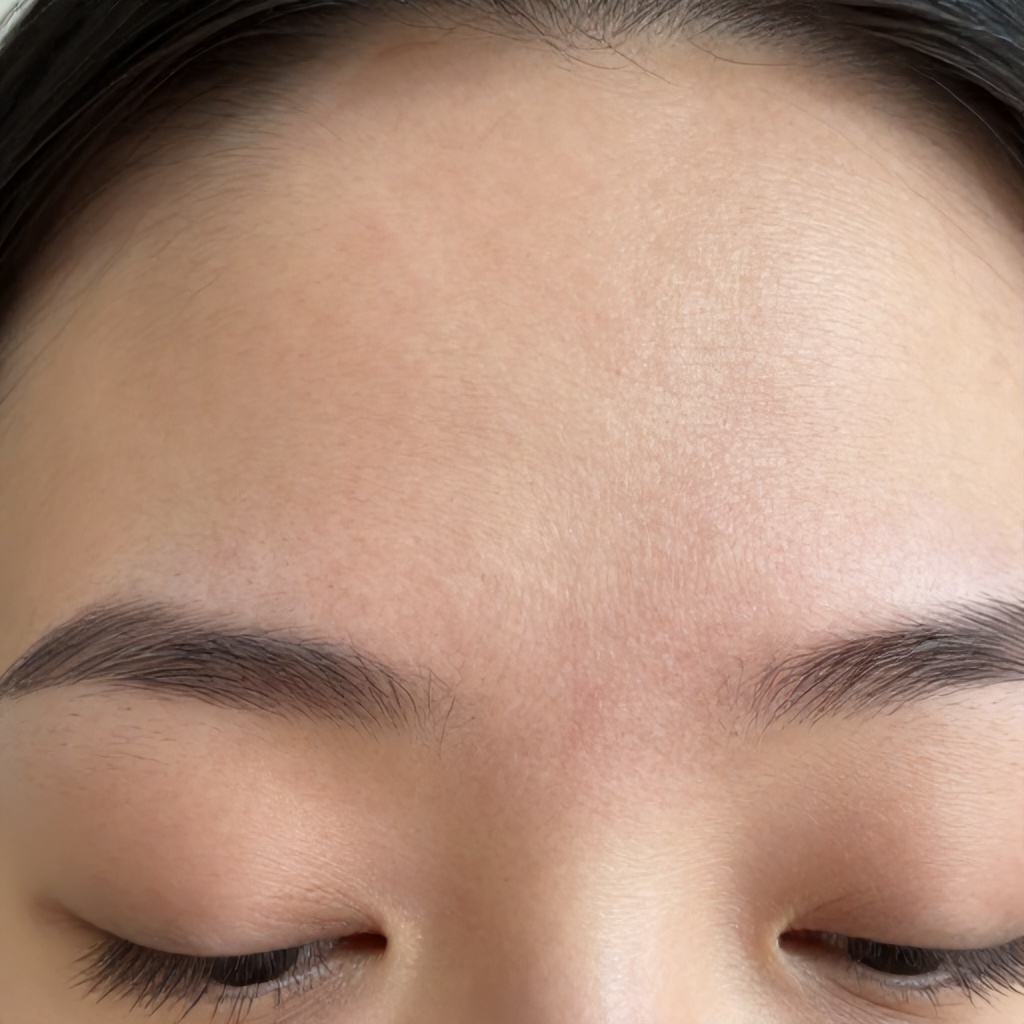
Effective Skincare Strategies for Treating Prominent Red Marks on Forehead

Tackling That Forehead Redness: Strategies for Smoother Skin

Prominent red marks on your forehead can be a real confidence-buster, but there are effective skincare strategies to help fade them and achieve a more even complexion.

Dealing with persistent redness on your forehead is a common concern. Whether it’s from past breakouts, skin irritation, or general inflammation, these red marks can make your skin look less smooth and even. The good news is that with the right approach to facial care, you can significantly improve the appearance of these blemishes and boost your overall skin health.

Understanding the Causes of Forehead Redness

Before we jump into treatments, it’s helpful to understand what might be causing those red marks on your forehead. This can range from simple skin irritation to more complex dermatological issues. Identifying the root cause is the first step towards finding the most effective solution.

Acne and Post-Inflammatory Erythema

One of the most frequent culprits behind forehead redness is acne. When pimples, blackheads, or whiteheads form, they trigger an inflammatory response. Even after the blemish itself has healed, the area can remain red. This lingering redness, known as post-inflammatory erythema (PIE), occurs because the blood vessels in the affected area are still dilated or have undergone changes during the healing process. These red marks can sometimes persist for weeks or even months if not properly managed. It’s a common form of skin discoloration that many people experience.

Sensitive Skin and Irritation

Forehead skin can be particularly prone to sensitivity. Certain ingredients in skincare products, harsh weather conditions, or even friction from hats or headbands can trigger an inflammatory response. This leads to visible redness and can sometimes manifest as small, red bumps or patches. If your skin feels tight, itchy, or stings easily, you might have sensitive skin that’s reacting to something in your environment or routine. This skin irritation needs gentle handling.

Rosacea and Other Dermatological Conditions

In some cases, persistent forehead redness can be a symptom of underlying dermatological conditions like rosacea. Rosacea is a chronic inflammatory skin condition that often causes facial redness, visible blood vessels, and sometimes papules and pustules. While it can affect the entire face, the forehead is a common area for it to appear. Other conditions, though less common, could also contribute to persistent skin lesions and redness.

Sun Damage

Over time, cumulative sun exposure can lead to changes in the skin, including increased redness and a blotchy complexion. The sun’s UV rays can damage blood vessels and contribute to inflammation, making existing redness more prominent and potentially causing new areas of discoloration. Protecting your forehead from the sun is a vital part of any skincare strategy.

Effective Skincare Strategies for Redness Reduction

Now that we have a better grasp of the potential causes, let’s explore practical and effective skincare strategies to help reduce those prominent red marks on your forehead. Consistency is key here; you won’t see dramatic changes overnight, but with a dedicated routine, you can achieve noticeable improvements in your skin texture and overall complexion.

Gentle Cleansing is Paramount

The foundation of any good skincare routine, especially for managing redness, is gentle cleansing. Avoid harsh soaps or cleansers that strip your skin of its natural oils. Opt for mild, fragrance-free cleansers that are specifically formulated for sensitive skin or to calm inflammation. Look for ingredients like glycerin or ceramides, which help maintain the skin barrier. Cleansing twice a day, once in the morning and once at night, is usually sufficient. Over-washing can actually exacerbate skin irritation.

Incorporate Soothing Agents

When your skin is red and inflamed, you need ingredients that can calm it down. Many effective topical treatments utilize soothing agents to combat erythema.

  • Centella Asiatica (Cica): This plant extract is a powerhouse for calming irritated skin. It has anti-inflammatory properties and can help accelerate the skin’s healing process.
  • Niacinamide: Also known as Vitamin B3, niacinamide is a multi-tasking ingredient that can reduce redness, strengthen the skin barrier, and improve skin texture. It’s excellent for managing inflammation and can even help with hyperpigmentation.
  • Green Tea Extract: Rich in antioxidants, green tea extract has potent anti-inflammatory and antioxidant benefits that can help soothe redness and protect the skin from environmental damage.
  • Chamomile: Known for its calming properties, chamomile can help reduce redness and irritation, making it a great addition to cleansers or serums.

Targeted Treatments for Blemishes and Red Marks

For active breakouts or lingering red marks, targeted treatments can make a significant difference. These spot treatments are designed to address specific concerns without irritating the surrounding skin.

  1. Salicylic Acid (BHA): If your redness is linked to acne, salicylic acid is your best friend. It’s oil-soluble, meaning it can penetrate pores to unclog them and reduce inflammation. Use it in a low concentration as a spot treatment or in a gentle cleanser.
  2. Benzoyl Peroxide: This ingredient is effective at killing acne-causing bacteria. However, it can be drying and irritating, so use it sparingly and start with a lower concentration. It’s best used as a spot treatment directly on active blemishes.
  3. Azelaic Acid: This is a fantastic ingredient for both acne and the redness associated with it. It has anti-inflammatory and antibacterial properties and can also help with hyperpigmentation, making it a great choice for post-inflammatory erythema.

Hydration is Non-Negotiable

A well-hydrated skin barrier is crucial for healthy skin and for managing redness. When your skin is dehydrated, it can become more prone to irritation and inflammation. Choose a moisturizer that is non-comedogenic (won’t clog pores) and free from common irritants like fragrances and alcohol. Look for ingredients like hyaluronic acid, ceramides, and glycerin, which help to lock in moisture and support the skin barrier. Even oily skin needs hydration; a lightweight, gel-based moisturizer can be ideal.

Sun Protection: Your Daily Shield

This cannot be stressed enough: daily sun protection is vital for preventing and treating red marks. UV rays can worsen existing redness and contribute to further skin discoloration and inflammation. Every single day, apply a broad-spectrum sunscreen with an SPF of 30 or higher to your face, including your forehead. Mineral sunscreens containing zinc oxide or titanium dioxide are often well-tolerated by sensitive skin and can offer excellent protection. Reapply throughout the day, especially if you’re outdoors.

Exfoliation: Proceed with Caution

While exfoliation can help improve skin texture and remove dead skin cells that might be contributing to a dull complexion, it needs to be done carefully when dealing with redness. Over-exfoliation can strip the skin and worsen inflammation.

  • Chemical Exfoliants: AHAs (like glycolic or lactic acid) and BHAs can be effective, but start with low concentrations and use them only 1-2 times per week.
  • Physical Exfoliants: Avoid harsh scrubs with large, jagged particles. If you must use a physical exfoliant, choose one with very fine, smooth particles and use it gently.

Listen to your skin. If it feels irritated after exfoliating, reduce the frequency or switch to a gentler option.

Lifestyle Factors That Impact Your Complexion

Skincare isn’t just about what you put on your face; it’s also about how you live. Certain lifestyle choices can significantly impact your skin’s health and its tendency towards redness.

Diet and Hydration

What you eat and drink plays a role in your skin’s health. Staying well-hydrated by drinking plenty of water throughout the day can improve your skin’s overall appearance and resilience. Some people find that certain foods trigger inflammation or breakouts, leading to more red marks. Common triggers include dairy, high-glycemic foods, and spicy foods. While individual triggers vary, paying attention to your diet might reveal patterns that affect your forehead redness.

Stress Management

Stress is a known contributor to inflammation in the body, and this can manifest on your skin. When you’re stressed, your body releases cortisol, a hormone that can exacerbate acne and increase skin sensitivity. Finding healthy ways to manage stress, such as exercise, meditation, or yoga, can have a positive impact on your complexion. Prioritizing your mental well-being is an integral part of achieving clear, healthy skin.

Sleep Quality

Your skin repairs itself while you sleep. Poor sleep quality can disrupt this crucial healing process, making your skin more susceptible to inflammation and less able to recover from existing blemishes. Aim for 7-9 hours of quality sleep per night to give your skin the best chance to regenerate and heal. Ensure your pillowcases are clean, as bacteria can contribute to breakouts and irritation.

When to Seek Professional Help

While at-home skincare can address many common causes of forehead redness, there are times when consulting a professional is the best course of action. If your redness is severe, persistent, or accompanied by other concerning symptoms, a dermatological evaluation is recommended.

Consulting a Dermatologist

A dermatologist can accurately diagnose the cause of your forehead redness, whether it’s a form of acne, rosacea, or another skin condition. They can offer prescription-strength topical treatments, oral medications, or recommend in-office procedures like laser therapy or chemical peels that are tailored to your specific needs. They can also advise on the best skincare products for your skin type and concerns, ensuring you’re not using anything that could worsen your condition. Don’t hesitate to seek expert advice if you’re struggling to see improvement or if the redness is impacting your quality of life.

Managing prominent red marks on your forehead involves a consistent and gentle approach to skincare, understanding the underlying causes, and adopting healthy lifestyle habits. By incorporating soothing ingredients, targeted treatments, and diligent sun protection, you can work towards a smoother, clearer, and more even complexion. Remember that patience and consistency are your greatest allies in this journey toward healthier skin.

Close-Up Human Skin Texture: Understanding Visible Pores and Blackheads

The Unfiltered Truth: Close-Up Human Skin Texture Revealed

Understanding your skin’s close-up texture, including visible pores and blackheads, is the first step to achieving a healthier complexion.

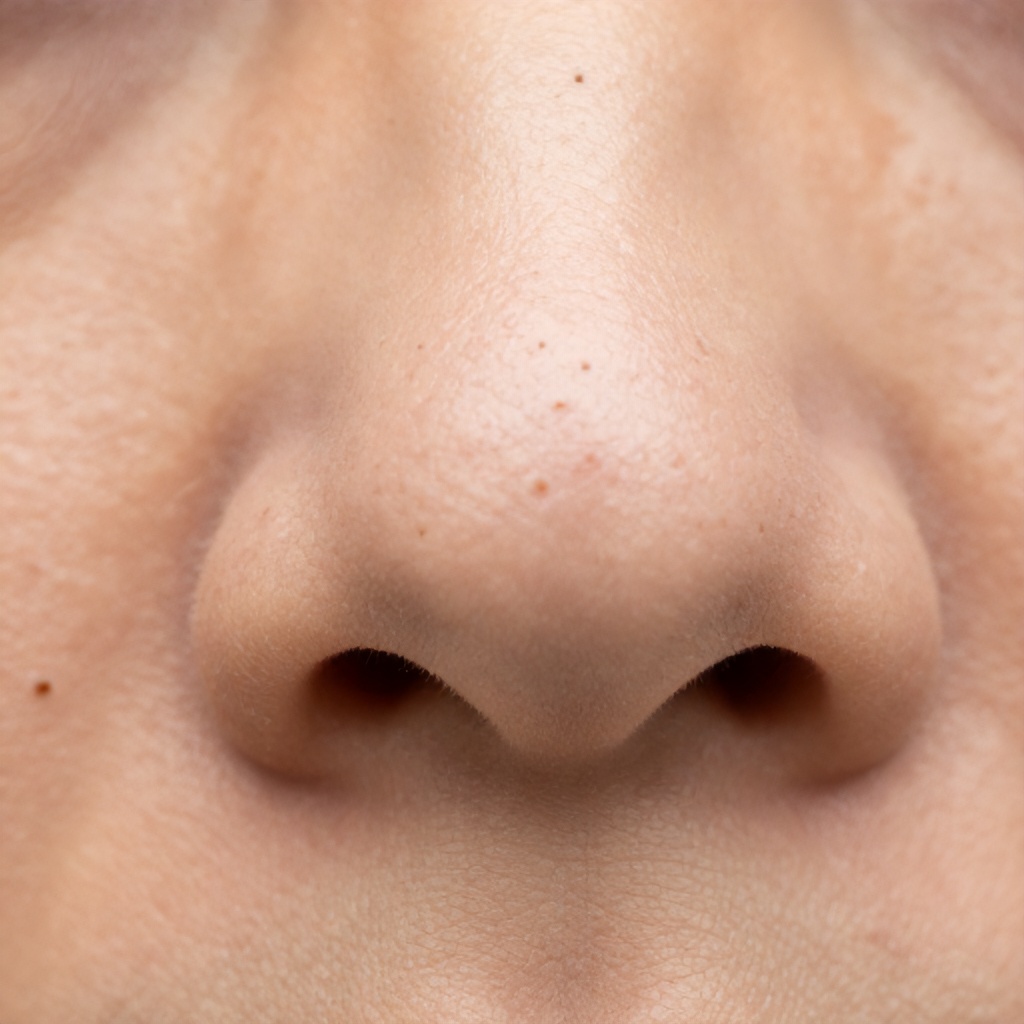
Forget the airbrushed perfection you see everywhere. The reality of human skin, when you zoom in, is a fascinating landscape. It’s a dynamic dermal surface, a topographical map etched with fine lines, subtle variations in skin coloration, and yes, those notorious visible pores and blackheads. This isn’t about hiding imperfections; it’s about understanding the natural skin structure and what it tells you.

The Pore Picture: More Than Just Holes

Let’s talk about pores. They’re not just empty spaces on your skin. Each pore is actually a follicular opening, a tiny gateway to a sebaceous gland. This gland produces sebum, an oil that helps keep your skin lubricated and protected. So, pores are essential for healthy skin function. Their visibility, however, is where things get interesting.

Why do some pores seem larger than others? It’s a common skin topography feature. Several factors contribute to pore visibility. Genetics plays a significant role, determining the natural size and density of your follicular openings. Age is another factor; as we get older, our skin loses elasticity, which can make pores appear more prominent. Sun damage also breaks down collagen and elastin, the proteins that keep skin firm and pores tightened. And then there’s the buildup within the pore itself.

Sebaceous filaments are often mistaken for blackheads. These are naturally occurring, fine, hair-like structures that line the inside of pores. They are filled with sebum and dead skin cells. When they are exposed to air, they oxidize and can appear as small, dark dots. This is a normal part of skin morphology for many people.

Blackheads: The Culprits of Clogged Pores

Blackheads, or open comedones, are a type of skin blemish that occurs when a pore becomes clogged with excess sebum and dead skin cells. Unlike whiteheads, which are closed, blackheads are open to the air. This exposure causes the trapped material to oxidize and turn dark. It’s not dirt, as many people believe, but a chemical reaction.

The epidermal layer is constantly shedding dead skin cells. Sometimes, these cells don’t shed properly and mix with sebum. This mixture can then plug the follicular opening. If the plug remains open to the air, it becomes a blackhead. If it’s covered by a thin layer of skin, it forms a whitehead.

Visible pores and blackheads tend to be more noticeable in areas where you have more sebaceous glands, like the T-zone (forehead, nose, and chin). This is because these areas produce more oil. The appearance of these skin surface features can significantly impact skin complexion.

Beyond Pores: Other Skin Texture Details

The skin topography is rich with detail. Beyond pores and blackheads, you might notice:

  • Raised bumps: These can be anything from minor irritations to more significant skin conditions. They are a part of the skin structure that can be influenced by various factors.
  • Fine hairs: We all have vellus hair, or “peach fuzz,” on our skin. These are naturally occurring and contribute to the overall skin surface features.
  • Uneven skin tone: Skin coloration can vary due to sun exposure, post-inflammatory hyperpigmentation, or underlying skin conditions.
  • Texture variations: Some areas of the skin might feel smoother or rougher than others, contributing to the overall skin appearance.

Looking at your skin with a microscopic view can be eye-opening. It reveals the intricate details of the dermal surface that are usually hidden from plain sight. This detailed skin analysis helps in understanding specific skin conditions and how to address them.

Why Understanding Skin Texture Matters

Appreciating the natural skin structure, including its visible pores and potential for blackheads, is crucial for effective skincare. When you understand what you’re seeing, you can choose the right products and treatments.

For instance, if you’re struggling with blackheads, harsh scrubbing might not be the answer. Instead, ingredients that help to exfoliate dead skin cells and regulate sebum production, like salicylic acid, can be more beneficial. These ingredients work by penetrating the pore and dissolving the mixture of oil and dead skin cells. Regular cleansing is also vital to remove excess oil and debris from the skin surface.

Visible pores can be managed by keeping them clear and by using ingredients that help to tighten the skin. While you can’t change your genetic pore size, you can influence how prominent they appear. Keeping the skin hydrated and supporting collagen production can make a difference in the overall skin appearance.

Addressing Skin Imperfections: A Gentle Approach

When it comes to skin imperfections like blackheads and enlarged pores, a gentle, consistent approach is usually best. Aggressive treatments can sometimes irritate the skin, leading to inflammation and potentially worsening the appearance of pores or causing new blemishes.

Here are some practical steps:

  1. Consistent Cleansing: Wash your face twice daily with a gentle cleanser. This helps remove excess oil, dirt, and makeup that can contribute to clogged pores. Look for cleansers that are non-comedogenic, meaning they won’t clog pores.
  2. Exfoliation is Key: Incorporate an exfoliating treatment a few times a week. Chemical exfoliants like salicylic acid (a BHA) are excellent for penetrating pores and dissolving blockages. AHAs (like glycolic or lactic acid) are great for removing dead skin cells from the surface, improving overall skin texture and tone.
  3. Targeted Treatments: For stubborn blackheads, consider using a clay mask. Clay helps to draw out impurities from the pores. Retinoids, both prescription and over-the-counter, are also highly effective at increasing cell turnover and preventing pore blockages, leading to a smoother skin appearance.
  4. Moisturize Wisely: Don’t skip moisturizer, even if you have oily skin. Dehydrated skin can actually produce more oil to compensate. Choose a lightweight, oil-free, non-comedogenic moisturizer.
  5. Sun Protection: Daily use of sunscreen is non-negotiable. UV damage breaks down collagen and elastin, making pores appear larger and contributing to overall skin aging.

Remember, the goal isn’t to eliminate pores entirely – that’s impossible and undesirable. The aim is to manage the factors that make them appear more prominent and to keep the skin healthy and clear. This includes managing sebaceous filaments and preventing the buildup that leads to blackheads.

The Beauty of Imperfection

Seeing your skin up close, with its natural texture, visible pores, and occasional blackheads, can be a journey of self-acceptance. It’s a reminder that real skin is varied and complex. The dermal characteristics that make each person’s skin unique are part of what makes us human.

Instead of striving for an unattainable ideal, focus on nurturing your skin. Understand its needs, address concerns with appropriate care, and appreciate the intricate beauty of your own skin topography. A healthy skin complexion is about balance and well-being, not flawless uniformity. The skin surface features tell a story, and it’s a story worth understanding.

Blackheads: What They Are and Why They Form

Blackheads are simply clogged pores that appear as small dark spots on your skin, forming when a mix of excess sebum and dead skin cells gets trapped and darkens at the skin’s surface.

What Exactly Are Blackheads?

Imagine your skin’s pores as tiny openings, each housing a hair follicle and a sebaceous gland. These glands are responsible for producing sebum, your skin’s natural oil, which is essential for keeping your skin hydrated and protected. However, sometimes these pores can become congested.

A blackhead forms when a pore gets blocked by a combination of this sebum and dead skin cells that haven’t shed properly. This mixture creates a plug. Unlike a whitehead, which is a closed pore, a blackhead is an open pore. The top of this plug is exposed to the air, and when the sebum within it comes into contact with oxygen, it undergoes a process called oxidation. This oxidation causes the trapped material to darken, creating the characteristic black or dark brown dot you see on your skin.

These small, dark blemishes are a common form of non-inflamed acne, distinct from red, painful pimples or cysts. They typically appear in areas of your face that have a higher concentration of sebaceous glands, such as your T-zone – your forehead, nose, and chin. However, blackheads can pop up anywhere on your body where pores are present, including your chest and back.

Why Blackheads Form and Who Experiences Them

Several factors contribute to the formation of blackheads, making them a common skin concern for many. It’s not just about dirty skin; it’s a complex interplay of internal and external elements.

Common Triggers for Clogged Pores

  • Product Choices: Using heavy, oil-rich skincare products or makeup that isn’t non-comedogenic can significantly contribute to clogged pores. These products can sit on the skin and trap dead skin cells and sebum, creating the perfect environment for blackheads to develop.

  • Inadequate Cleansing: Not cleansing your skin properly or consistently can allow a buildup of impurities, makeup, and dead skin cells. This skin congestion is a primary factor in blackhead formation. Regular, gentle facial care is important for maintaining skin clarity.

  • Hormonal Changes: Fluctuations in hormones, common during puberty, menstruation, pregnancy, or stress, can trigger your sebaceous glands to produce more sebum. This increase in oil production makes your pores more susceptible to blockages.

  • Genetics: Some individuals are simply more genetically predisposed to developing blackheads due to their skin type and pore structure.

The Role of Fatty Acids Imbalance

Beyond external factors, emerging research points to an internal imbalance within the skin’s natural oils. Specifically, an imbalanced ratio of fatty acids in your sebum, particularly the Oleic to Linoleic ratio, can play a significant role. Linoleic acid is an essential fatty acid that helps keep sebum fluid and prevents it from becoming sticky. When there’s a deficiency of linoleic acid or an excess of oleic acid, sebum can become thicker and more prone to sticking inside the pores, making it easier for blackheads to form.

Who is Most Prone?

While everyone will likely experience blackheads at some point, certain individuals are more prone. People with oily skin are particularly susceptible because their sebaceous glands naturally produce more sebum. This increased oil production, combined with often larger pore appearance, creates ideal conditions for blackheads to develop. The excess oil can easily mix with dead skin cells, leading to more frequent clogged pores and skin impurities.

Conversely, blackheads are less common in people with dry skin, who typically have smaller pores and naturally produce less oil. However, even dry skin types can develop blackheads if they use heavy products or neglect proper cleansing.

Free Shipping on Orders $50+

Why You Should NOT Squeeze Blackheads Yourself

The temptation to squeeze blackheads out manually can be incredibly strong, especially when you see those little dark dots on your skin. However, this common approach often does more harm than good and can actually worsen your skin health.

The Risks of Manual Extraction at Home

  • Skin Damage and Inflammation: When you try to squeeze a blackhead with your fingers or fingernails, you often apply uneven and excessive pressure. This can rupture the delicate wall of the sebaceous gland beneath the skin’s surface, forcing the trapped sebum, dead skin cells, and bacteria deeper into the surrounding tissue. The result is often an inflamed, red, and painful mark that can linger for days or even weeks. This can easily lead to more severe breakouts.

  • Introduction of Bacteria: Your hands, even if they appear clean, carry bacteria. When you forcefully extract a blackhead, you risk introducing these bacteria into the open pore and surrounding skin, leading to infection and further inflamed skin.

  • Scarring and Hyperpigmentation: Aggressive squeezing can cause trauma to the skin, leading to post-inflammatory hyperpigmentation (dark spots that remain after the blackhead is gone) or even permanent scarring, especially if the skin is repeatedly damaged.

When Professional Help is Best

If you feel the need for manual extraction, it’s best left to a trained professional. When you visit an esthetician, they are equipped with the knowledge, tools, and sterile environment necessary for safe and effective blackhead removal. They understand the correct amount of pressure, the precise angle, and the appropriate tools to extract blackheads without causing damage or irritation to your skin. This professional approach is the only instance where manual removal should be considered to protect your skin barrier and promote overall skin clarity.

Your cart is empty. Continue shopping. Have an account? Log in to check out faster.

Pore Strips & Other Harsh Solutions for Blackheads

Beyond manual squeezing, many people turn to products like pore strips, hoping for a quick fix for their blackheads and an instant improvement in pore appearance. While the visual satisfaction of pulling something out of your pores can be appealing, these methods often come with significant drawbacks and can be quite damaging to your skin.

The Downside of Pore Strips

Pore strips work by using strong adhesives to literally rip out the top layer of oxidized sebum and dead skin cells from your pores. While they might remove some surface-level impurities, they also strip away much more than just blackheads. The powerful adhesives can remove parts of your epidermal layer, the outermost protective layer of your skin. This can leave your skin feeling raw, dry, and vulnerable.

For individuals with pre-existing skin issues such as acne, eczema, or psoriasis, pore strips can be extremely damaging. They can exacerbate irritation, dryness, and inflammation, making your skin even more prone to breakouts and compromising your skin barrier. Instead of promoting skin health, these harsh solutions can create a cycle of irritation and sensitivity.

Why Harsh Scrubs Aren’t the Answer

Similarly, harsh physical scrubs with large, irregular particles are often marketed for blackhead removal. While exfoliation is important, overly aggressive scrubbing can create micro-tears in the skin, disrupt the skin barrier, and spread bacteria, potentially leading to more inflamed skin and further breakouts rather than improving skin clarity.

Try Holy Grail For 7 Days

Oil Cleansing: A Gentle Path to Clearer Pores

Instead of harsh methods, a gentler, more effective approach to dissolving and preventing blackheads involves the ancient wisdom of oil cleansing. It might seem counterintuitive to use oil to clean oily skin or remove oil-based blackheads, but there’s a strong scientific principle at play: “like dissolves like.”

The Science Behind Oil Cleansing

Since blackheads are essentially plugs of oxidized sebum and other oil-soluble impurities, applying a beneficial oil to your skin can effectively dissolve these stubborn blockages. The oil in your cleanser binds to the oil in your pores, including the hardened sebum that makes up blackheads, allowing it to be gently lifted away without stripping your skin’s natural moisture or disrupting its delicate skin barrier.

This method helps to balance your skin’s natural oil production over time, reducing the likelihood of future skin congestion and improving overall skin clarity. It’s a non-abrasive way to address skin impurities and promote a healthier complexion.

How to Incorporate Oil Cleansing into Your Facial Care Routine

  1. Choose the Right Oil: Opt for a high-quality, non-comedogenic cleansing oil or a blend of oils (like jojoba, grapeseed, or sunflower oil) that are known for their ability to cleanse without clogging pores. Look for products specifically formulated for oil cleansing.

  2. Apply to Dry Skin: Dispense a small amount of cleansing oil into your dry hands and gently massage it onto your dry face. Spend a minute or two gently massaging the oil into your T-zone and any areas prone to blackheads. You’ll feel the oil working to dissolve makeup, sunscreen, and the hardened sebum within your pores.

  3. Emulsify with Water: Wet your hands with warm water and continue massaging your face. The oil will emulsify, turning into a milky, white liquid. This step helps to lift the dissolved impurities from your skin.

  4. Rinse Thoroughly: Rinse your face completely with warm water until all traces of the oil cleanser are gone. Your skin should feel clean, soft, and hydrated, not stripped or greasy.

  5. Follow with a Second Cleanse (Optional): For a deeper clean, especially if you wear heavy makeup, you can follow with a gentle, water-based cleanser. This is often referred to as the “double cleanse” method.

EWG Verified & Leaping Bunny Certified

Beyond Cleansing: Preventing Blackheads and Promoting Skin Health

While oil cleansing is a powerful tool, a holistic approach to skin care is key for long-term blackhead prevention and maintaining optimal skin health.

Consistent and Gentle Skincare Practices

  • Regular Exfoliation: Incorporate gentle chemical exfoliants (like AHAs or BHAs) a few times a week. Salicylic acid (a BHA) is particularly effective as it’s oil-soluble and can penetrate deeper into the pores to dissolve sebum and dead skin cells, helping to reduce skin congestion and the formation of new blackheads.

  • Non-Comedogenic Products: Always choose skincare and makeup products labeled “non-comedogenic,” meaning they are formulated not to clog pores. This is especially important for those with oily skin or a tendency towards breakouts.

  • Moisturize: Even oily skin needs moisture. Using a lightweight, non-comedogenic moisturizer helps maintain a healthy skin barrier, preventing your skin from overproducing oil in an attempt to compensate for dryness.

  • Protect Your Skin: Daily use of a broad-spectrum sunscreen is crucial. Some sunscreens can be heavy, so choose a lightweight, non-comedogenic formula to avoid contributing to clogged pores.

  • Clean Your Tools: Regularly clean makeup brushes, sponges, and anything else that comes into contact with your face to prevent the transfer of bacteria and skin impurities.

Lifestyle and Dietary Considerations

While direct links are still being researched, some individuals find that certain dietary choices or lifestyle factors can influence their skin health and propensity for breakouts. Maintaining a balanced diet, staying hydrated, managing stress, and getting adequate sleep all contribute to overall well-being, which can reflect positively on your skin clarity.

Free Shipping on Orders $50+

When to Seek Professional Advice

If you’ve consistently tried various home care methods and your blackheads persist, or if you’re experiencing frequent breakouts and inflamed skin, it’s wise to consult a dermatologist. They can assess your specific skin type and concerns, offering personalized advice, prescription treatments, or in-office procedures like professional extractions or chemical peels to effectively manage blackheads and improve your overall skin health.

Exit mobile version