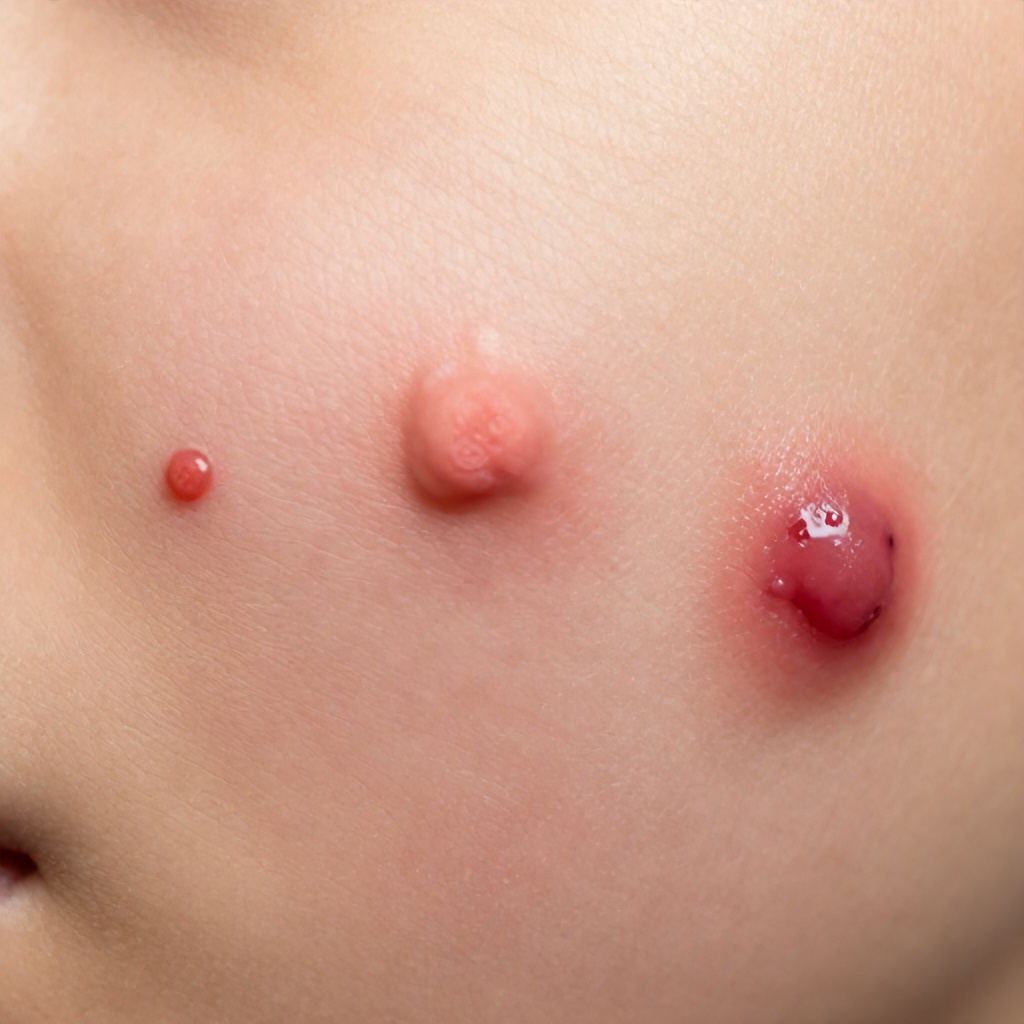
How To Get Rid of Hormonal Acne Naturally: A 7-Step Plan For Clear Skin
Whether your acne breakouts show up as small pimples or painful cysts, whether it’s just a few spots or it covers your entire face, this post is going to show you how to get rid of hormonal acne naturally…once and for all.

You see, at the most basic level, acne is a chronic inflammatory condition. So, with this basic definition in mind, how do you go about eliminating hormonal acne? The best way to stop hormonal acne naturally is to take a holistic approach that involves diet, lifestyle, and a balanced skin care routine. Even though it’s tempting to focus just on your skin care routine, making a few strategic food and lifestyle tweaks allows you to address the underlying inflammation.
Now, to help you get started, we’re going to cover the main factors that trigger acne, how to know if your acne is hormone-related, and a 7-step holistic plan that you can use to clear up your skin.
Note: This post contains affiliate links and I earn a commission (at no additional cost to you) if you use them to make a purchase.
The Main Factors That Trigger Hormonal Pimples
In order to address the inflammation that causes hormonal acne, we have to identify what triggers inflammation. And it boils down to one thing: stress. But we’re not just talking about emotional stress here. Overall, there are three types of stress that we can face: emotional, chemical, and physical stress.
Now, as far as the body is concerned, stress is stress. This means all three forms of stress trigger the body’s stress response system, which is also part of our natural inflammatory response. We’ll get into more about how that stress response correlates to acne, but first, let’s have a quick look at those three categories of stress.
1. Emotional Stress
This is pretty self-explanatory and it includes things like anxiety, worry, or a busy/overwhelming schedule. When you feel overwhelmed, your body releases stress hormones like cortisol. These hormones can signal your skin to produce more oil, leading to acne breakouts.
2. Chemical Stress
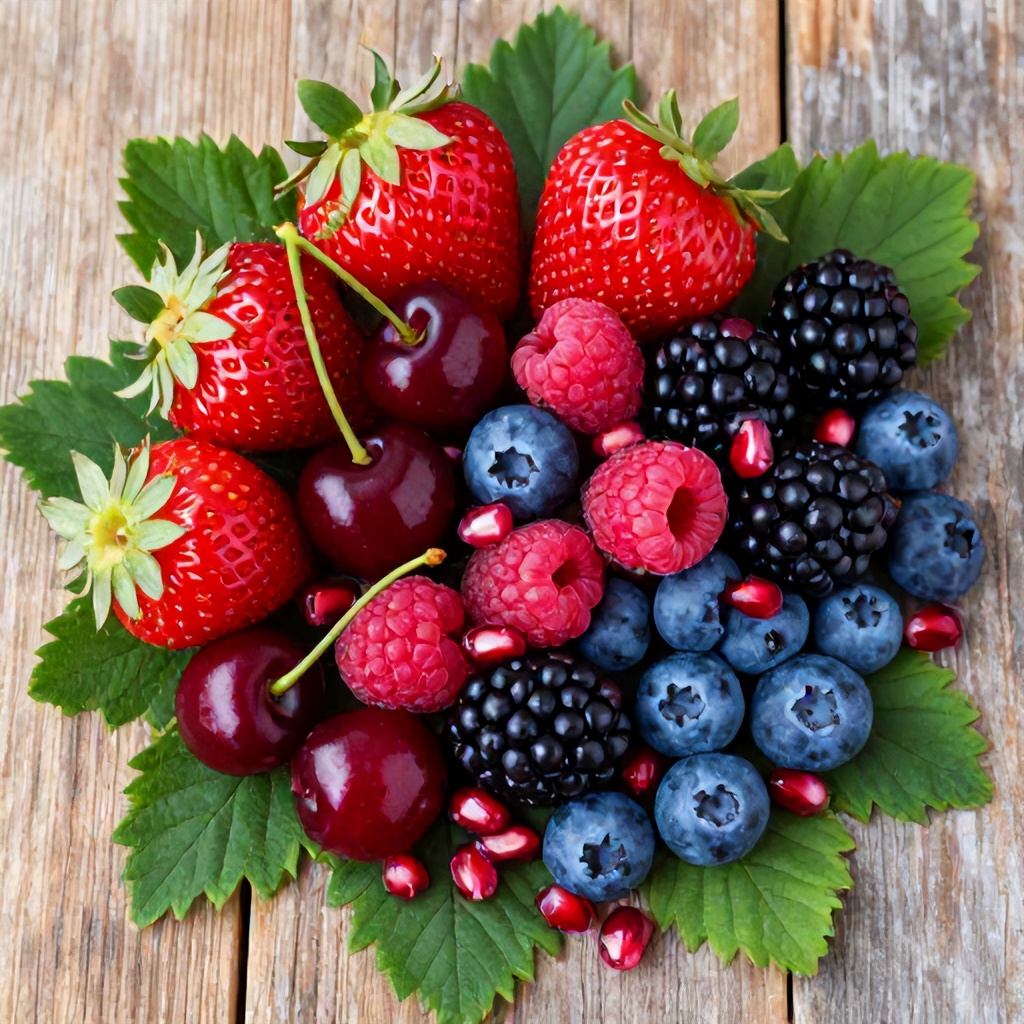
These days, chemical stress can be as bad as – or even worse than – emotional stress. That’s because the most common source of chemical stress is the food we eat every single day. Here are a few things in food that contribute to stress and inflammation:
- Unhealthy or processed ingredients (refined sugar, hydrogenated fats, and so on) as well as other pro-inflammatory foods like dairy and red meat.
- Pesticides (which can disrupt hormones) as well as other hormone-disrupting ingredients.
- Unnatural and pro-inflammatory additives, preservatives, and colorants.
In addition to food, makeup and skin care products can contain ingredients that add more stress to the body. Furthermore, there’s also water and air as potential sources of stress-inducing chemicals. The goal isn’t to live in a bubble and avoid everything. Rather, we want to focus on the stressors that you have the most control over, and in this case, it’s the food-related stressors.
3. Physical Stress
This can include things like a wound, an injured muscle, or even intense exercise. When your body is dealing with physical stress, it diverts resources to healing and repair, which can sometimes impact other bodily functions, including skin health.
How to Know if Your Acne is Hormone-Related
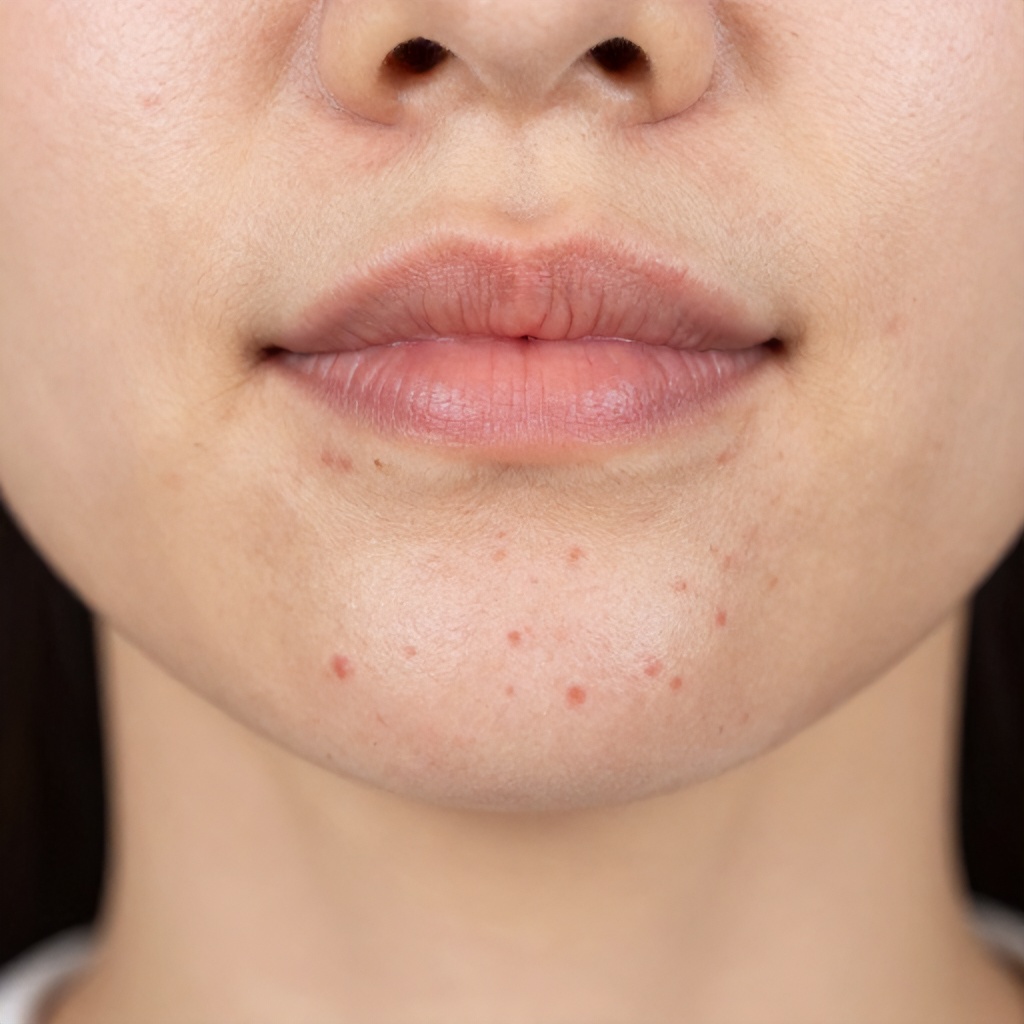
Hormonal acne, often presenting as cystic acne or deep, painful pimples, tends to follow a pattern. If your acne breakouts appear around your jawline, chin, and neck, especially during specific times of your menstrual cycle, it’s a strong indicator of hormonal influence. For women, this often means an increase in breakouts before or during their period. For men, hormonal acne might be more consistently present or linked to other hormonal fluctuations.
Are you experiencing acne-prone skin that seems resistant to typical treatments? Does it feel like a chronic inflammatory condition that just won’t quit? If your acne breakouts are deep, tender, and often leave behind dark spots or scars, it’s likely more than just surface-level congestion. This type of persistent inflammation is a hallmark of hormonal acne.
It’s also important to consider other hormonal imbalances. Conditions like Polycystic Ovary Syndrome (PCOS) are frequently associated with severe hormonal acne due to elevated androgen levels. If you have other symptoms like irregular periods, weight gain, or excess hair growth, it’s worth discussing with a healthcare professional.
Your 7-Step Holistic Plan for Clearer Skin
Now that we understand the root causes of hormonal acne – primarily stress and inflammation – let’s put together a practical, step-by-step plan. This holistic approach focuses on nurturing your body from the inside out and supporting your skin’s natural healing processes.
Step 1: Nourish Your Body with an Anti-Inflammatory Diet
What you eat has a profound impact on your skin. Reducing pro-inflammatory foods is key to calming the inflammation that fuels hormonal acne. Think of food as medicine for your acne-prone skin.
- Cut back on refined sugar and processed ingredients. These cause spikes in blood sugar, which can lead to increased oil production and inflammation. Say goodbye to sugary drinks, pastries, and pre-packaged snacks.
- Limit dairy and red meat. Many people find that reducing or eliminating dairy and red meat helps significantly with their hormonal pimples. These can be inflammatory for some individuals.
- Embrace healthy fats. Incorporate sources of omega-3 fatty acids like fatty fish (salmon, mackerel), flaxseeds, and walnuts. These fats are powerful anti-inflammatories.
- Load up on fruits and vegetables. Aim for a rainbow of colorful produce. They are packed with antioxidants and nutrients that fight inflammation and support overall health.
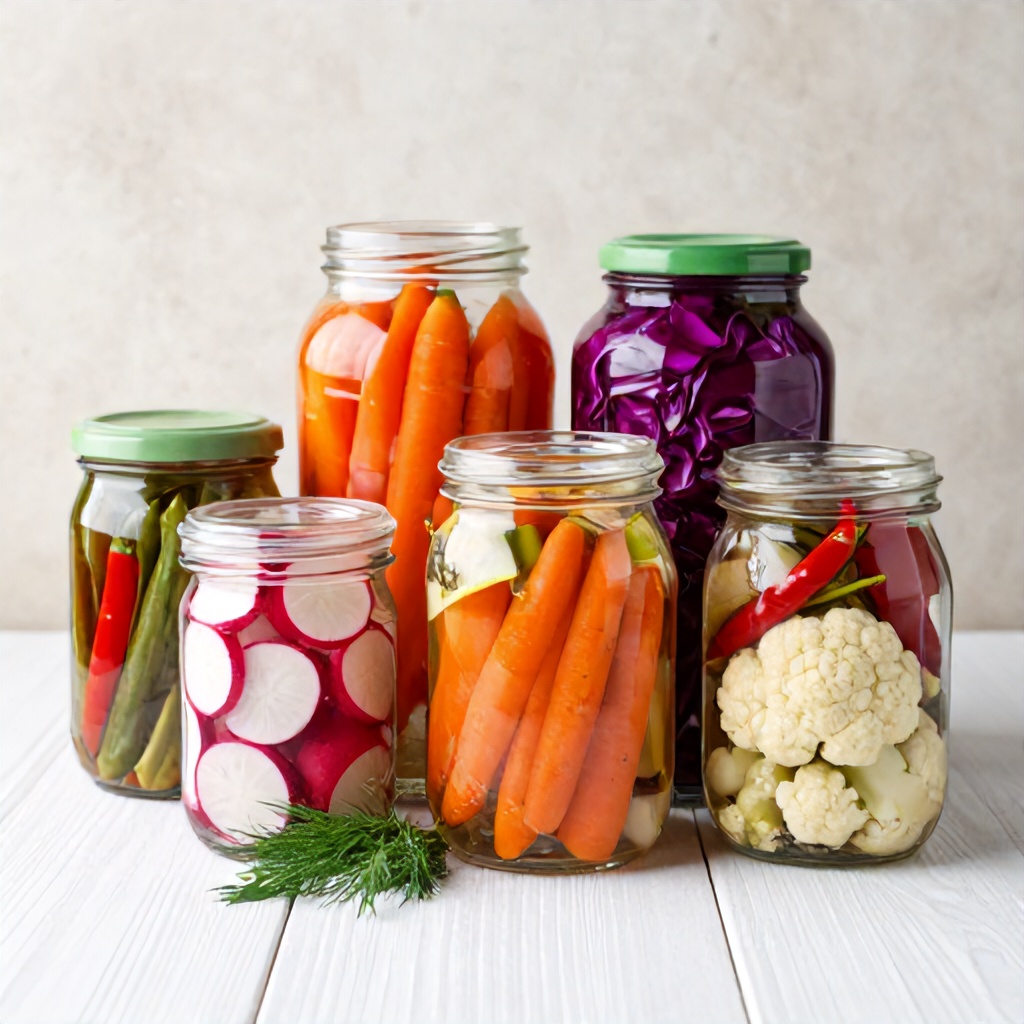
- Consider your gut health. A healthy gut is linked to clear skin. Include fermented foods like sauerkraut and kimchi, and consider a probiotic supplement if needed.
Step 2: Manage Stress for Reduced Inflammation
This is perhaps the most critical step. Your stress response system is directly linked to your inflammatory response. Lowering your stress levels will directly impact your hormonal acne.
- Practice mindfulness and meditation. Even 5-10 minutes a day can make a difference in managing anxiety and worry.
- Prioritize sleep. Aim for 7-9 hours of quality sleep per night. Lack of sleep is a major stressor and can worsen acne breakouts. Create a relaxing bedtime routine.
- Incorporate gentle exercise. Regular physical activity can be a great stress reliever. Opt for activities like walking, yoga, or swimming. Avoid overtraining, which can be a physical stressor.
- Spend time in nature. Getting outdoors has been shown to reduce stress hormones and improve mood.
- Set boundaries. Learn to say no to commitments that overwhelm you. Protecting your time and energy is vital for managing emotional stress.
Step 3: Optimize Your Skin Care Routine
While diet and lifestyle are foundational, a gentle and effective skin care routine is essential for managing acne breakouts and supporting healing.
- Cleanse gently. Use a mild, sulfate-free cleanser twice a day to remove excess oil and impurities without stripping your skin.
- Incorporate salicylic acid or benzoyl peroxide. These ingredients can help unclog pores and kill acne-causing bacteria. Start with a lower concentration to avoid irritation.
- Use non-comedogenic products. Ensure your makeup and skin care products are labeled “non-comedogenic” to avoid clogging pores.
- Don’t over-exfoliate. While exfoliation is good, doing it too often can irritate your skin and worsen inflammation. Stick to 1-3 times per week.
- Moisturize! Even oily, acne-prone skin needs hydration. Choose a lightweight, oil-free moisturizer to keep your skin balanced.
Step 4: Hydrate From Within
Water is essential for every bodily function, including skin health. Proper hydration helps flush out toxins and keeps your skin functioning optimally.
- Drink plenty of water throughout the day. Aim for at least 8 glasses, more if you are active or in a hot climate.
- Limit dehydrating beverages like excessive caffeine and alcohol.
- Infuse your water with fruits like lemon, cucumber, or berries for added flavor and nutrients.
Step 5: Consider Your Environment
While we can’t control everything, being mindful of environmental stressors can help. This includes the quality of the air you breathe and the water you use.
- Use a water filter for your shower and drinking water, especially if your local water has high levels of chemicals or minerals.
- Keep your living space clean to reduce exposure to dust and allergens.
- Consider an air purifier if you live in a heavily polluted area.
Step 6: Address Potential Hormone Disruptors
Beyond pesticides in food, certain ingredients in everyday products can act as hormone disruptors, contributing to imbalances that fuel hormonal acne.
- Read labels on your makeup and skin care products. Look for products free from parabens, phthalates, and synthetic fragrances.
- Be mindful of plastics. Opt for glass or stainless steel water bottles and food containers when possible.
- Choose natural cleaning products to reduce exposure to harsh chemicals.
Step 7: Be Patient and Consistent
Clearing hormonal acne naturally is a marathon, not a sprint. It takes time for your body to rebalance and for your skin to heal. Consistency with your diet, lifestyle, and skin care routine is key.
- Don’t get discouraged by occasional breakouts. They are a normal part of the healing process.
- Track your progress. Keep a journal of your food intake, stress levels, and skin condition to identify what works best for you.
- Celebrate small victories. Acknowledge improvements, no matter how minor they seem.
FAQs For How To Get Rid of Hormonal Acne Naturally
Q: Can I get rid of hormonal acne without medication?
A: Yes, absolutely. By adopting a holistic approach that focuses on diet, stress management, and a supportive skin care routine, many people can significantly improve or eliminate hormonal acne naturally. It requires consistency and patience.
Q: How long does it take to see results?
A: This varies greatly depending on the individual and the severity of the acne. However, with consistent effort in diet and lifestyle changes, you might start noticing improvements within a few weeks to a couple of months. Significant changes often take 3-6 months.
Q: What are the best foods to eat for hormonal acne?
A: Focus on whole, unprocessed foods. This includes plenty of fruits, vegetables, lean proteins, and healthy fats like those found in avocados, nuts, seeds, and fatty fish. Foods rich in antioxidants and omega-3 fatty acids are particularly beneficial for reducing inflammation.
Q: Are there any supplements that can help with hormonal acne?
A: Some supplements may be beneficial, such as omega-3 fatty acids, zinc, probiotics, and certain herbal remedies like spearmint tea (which has shown promise in reducing androgens). However, it’s always best to consult with a healthcare professional before starting any new supplement regimen.
Q: What is the difference between hormonal acne and other types of acne?
A: Hormonal acne is typically linked to fluctuations in hormones, especially androgens. It often appears on the lower face (jawline, chin) and can present as deep, painful cysts. Other types of acne might be more related to clogged pores from excess oil and dead skin cells, or bacterial overgrowth.