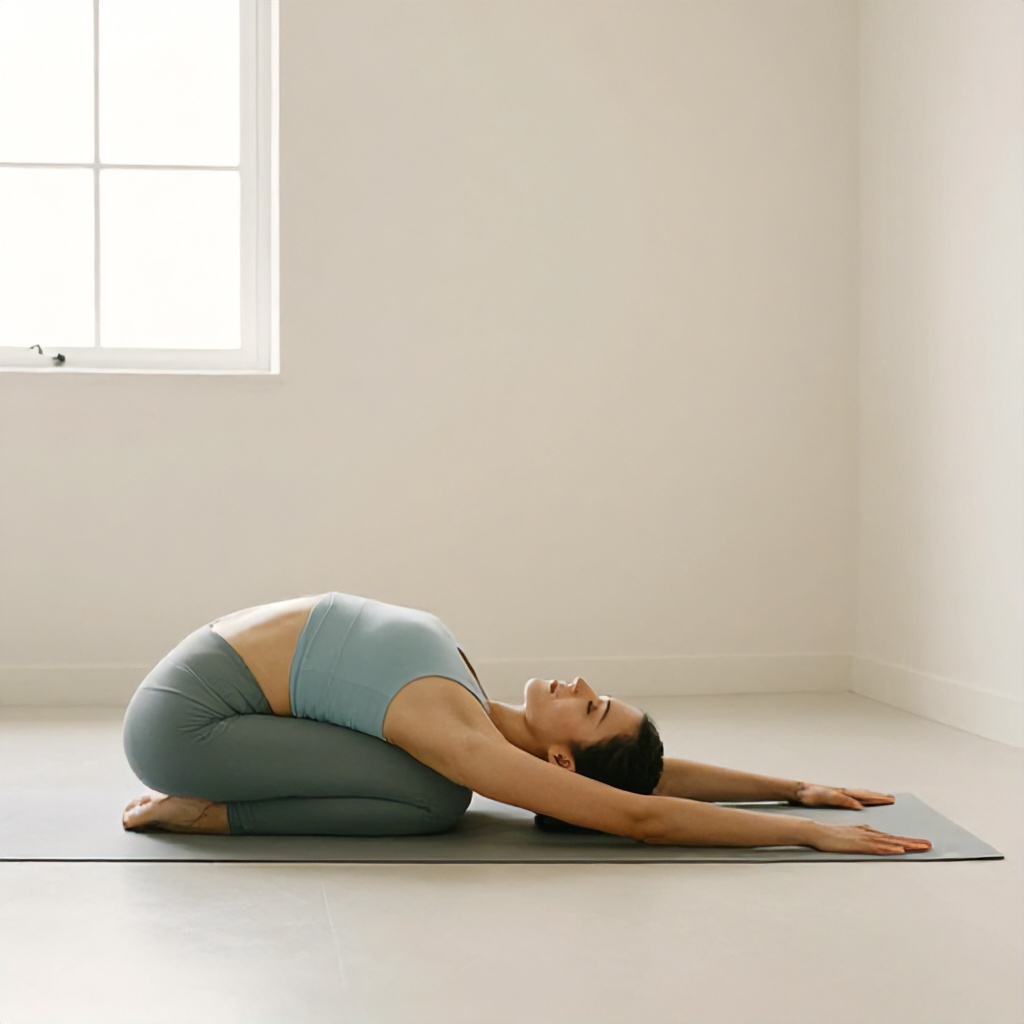
A Guide to Building a Minimalist and Intentional Daily Routine

Building a minimalist lifestyle relies on creating daily habits that prioritize your energy and focus over the accumulation of tasks. Intentional living is not about having a perfectly curated home or a rigid schedule that leaves no room for error. Instead, it is about designing a daily structure that supports your well-being while stripping away the unnecessary noise that often clutters our mental space. When you simplify your daily routines, you create room for what truly matters, turning your day into a series of purposeful actions rather than a reactive scramble.


Three Key Elements of Minimalist Routines

Before you start changing your schedule, it helps to understand the philosophy behind these shifts. My approach is rooted in minimalist beliefs about intentionality and alignment. These three pillars keep my habits sustainable and prevent the burnout that often comes with trying to optimize every second of the day.

1. Routines Follow Natural Rhythms

I am not a naturally disciplined person, and I dislike forcing myself into rigid boxes that do not fit my personality. You will never find me waking up at 4:00 AM to scrub floors before the rest of the house stirs. That level of intensity is rarely sustainable for the average person. Instead, I build my day around my natural rhythms. I pay close attention to how my energy levels fluctuate throughout the day. When do I feel most creative? When do I hit a slump?
I also track how specific tasks impact my mood. Some chores feel grounding, while others feel like a drain on my mental resources. By mapping my tasks to my energy, I make life easier. This is the secret to enjoying even the most mundane chores, like doing the dishes or folding laundry. When you work with your biology rather than against it, your daily practice becomes much more manageable.

2. Routines Start Small

Complexity is the enemy of consistency. All of my habits start small, and I keep them as uncomplicated as possible. When I want to introduce a new element to my day, I choose one single thing to focus on. I practice this until it feels like a comfortable, natural part of my day. Sometimes this happens in a week, but other times it takes a month of patience. I never add a new layer until I feel fully confident in the current one. This approach ensures that my daily habits become an effortless part of life rather than a new chore or a heavy responsibility.

3. Routines Are Constantly Evolving

Life is rarely static. My energy, family responsibilities, and work schedule are in a constant state of ebb and flow. Because of this, my routines are constantly evolving. I prioritize flexible routines that allow me to pivot when life gets chaotic. I give myself permission to skip a step or change a habit if it no longer serves my current season of life. This adaptability is the hallmark of conscious living; it prevents the guilt that often arises when we fail to stick to a rigid plan.
Minimalist Morning Rituals

The way you start your day sets the tone for everything that follows. A minimalist morning ritual is not about checking off a long list of self-care tasks. It is about creating a buffer between waking up and engaging with the outside world. For me, this means no phone usage for the first thirty minutes. I prioritize hydration, a moment of quiet, and a simple breakfast. By keeping the morning uncomplicated, I avoid the decision fatigue that often leads to a stressful afternoon.

To simplify your morning, prepare your environment the night before. Lay out your clothes, clear the kitchen counters, and set your coffee maker. This reduces the number of decisions you have to make when you are still groggy, allowing you to move through your morning with more ease.

Minimalist Beauty and Self-Care

Minimalist beauty is about quality over quantity. Instead of a twelve-step skincare routine, I focus on a few high-quality products that actually work for my skin type. This saves time, money, and counter space. When you reduce your beauty routine to the essentials, you stop viewing self-care as a chore and start seeing it as a brief, enjoyable moment of mindfulness. The same principle applies to self-care in general. Whether it is reading, walking, or journaling, choose one activity that truly restores your energy rather than trying to do it all.

Minimalist Cleaning Routines

Cleaning often feels overwhelming because we wait until the house is a disaster to tackle it. I prefer a system of small, daily maintenance tasks. I spend fifteen minutes each evening resetting the main living areas. This keeps the clutter from accumulating and ensures that I wake up to a clean space. By breaking cleaning into tiny, manageable chunks, I avoid the need for a massive, exhausting weekend deep-clean. This is a practical application of mindful living—caring for your environment as a way of caring for yourself.

Minimalist Evening Routine

Your evening routine is your opportunity to close the loop on the day. I focus on three things: tidying the kitchen, preparing for the next morning, and disconnecting from screens. This routine helps me transition from a state of doing to a state of being. It is a form of slow living that signals to my brain that the workday is over. By creating a clear boundary between my responsibilities and my rest, I sleep better and wake up feeling more refreshed.

How to Create Your Own Minimalist Routines

Building a routine that sticks requires a shift in perspective. You are not trying to become a different person; you are trying to support the person you already are. Use these steps to guide your lifestyle design process.

  1. Audit your current day. Write down everything you do from morning to night for three days. Be honest about what feels draining and what feels energizing.
  2. Identify the friction points. Where do you feel the most stress? Is it the morning rush? The evening cleanup? Choose one area to simplify first.
  3. Design a small, low-effort habit. If you want to start a morning ritual, start with just five minutes of quiet time. Do not add anything else until that five minutes feels automatic.
  4. Monitor your energy. If a habit makes you feel more tired or anxious, let it go. Your routines should serve your life, not the other way around.
  5. Embrace the evolution. Revisit your routines every few months. As your life changes, your habits should change with it.

Avoid the trap of comparing your routines to others. What works for a minimalist influencer on social media might not work for your specific lifestyle, family size, or work schedule. Focus on what brings you peace and alignment, even if it looks different from everyone else’s approach.

The Power of Intentional Habits

Intentionality is the thread that ties all these practices together. When you are conscious of why you do what you do, you stop living on autopilot. You start making choices that reflect your values. This is the core of personal development—not adding more to your plate, but removing the things that prevent you from being present. Whether you are simplifying your wardrobe, your schedule, or your cleaning habits, the goal is always the same: to create a life that feels as good as it looks.

Remember that habit formation is a marathon, not a sprint. You will have days where you fall off the wagon, and that is perfectly fine. The beauty of a flexible routine is that you can always start again the next day. Do not let perfectionism derail your progress. Focus on the small, consistent actions that bring you closer to the life you want to lead. By keeping things simple, you ensure that your routines remain a source of support rather than a source of stress.

As you move forward, keep checking in with yourself. Ask yourself if your daily structure is still in alignment with your goals. If you find yourself feeling overwhelmed, look at your list of habits and ask what can be removed. Often, the most powerful step in building a minimalist routine is deciding what you are going to stop doing. By clearing away the excess, you make room for the experiences and relationships that truly define your life.

This journey toward a more intentional life is deeply personal. There is no right or wrong way to do it. You are the architect of your own time. By choosing to simplify, you are choosing to prioritize your peace of mind. That is a powerful decision, and it is one that will pay dividends in your overall well-being for years to come. Start today with one small change, and watch how it ripples out to affect the rest of your day.

How do I stay consistent when life gets busy?

Consistency is not about doing the same thing every day regardless of circumstances. It is about having a baseline that you can return to. When life gets busy, strip your routine down to the absolute essentials—maybe just one or two habits—and let the rest go until things settle down.

What if my family does not share my minimalist values?

You can only control your own habits and your own space. Focus on your personal routines and lead by example. Often, when others see the peace and ease that your minimalist approach brings to your life, they become curious about adopting similar practices themselves.

Ultimately, the goal is to create a life that feels spacious and calm. When you stop chasing the idea of a perfect, busy life, you find the freedom to enjoy the quiet moments. This is the true essence of a minimalist lifestyle. It is about finding enough in the simple, everyday actions that make up our existence. By focusing on intentionality, you turn the mundane into something meaningful, and you create a daily structure that truly supports your best self.

Keep your focus on the present. Do not worry about how your routine will look in a year or even a month. Focus on how you want your day to feel tomorrow. When you prioritize that feeling, the right habits will naturally fall into place. You are building a foundation for a life that is intentional, sustainable, and deeply fulfilling. Take it one step at a time, and remember that the simplest path is often the most effective one.

As you continue to refine your daily structure, you will find that you have more mental energy for the things that truly matter. You will spend less time managing your life and more time living it. This is the ultimate reward of a minimalist approach. It is not about the things you remove, but about the space you create for the things you love. Stay patient with yourself, stay flexible with your plans, and keep moving toward the life you envision.

The beauty of this process is that it is never truly finished. You are always learning, always adjusting, and always growing. Your routines are a reflection of your current season, and that is a beautiful thing. Embrace the changes, celebrate the small wins, and keep moving forward with intention. You have everything you need to create a life that feels balanced and authentic to who you are today.

8 Gentle Yoga Poses to Reduce Stress and Calm Inflammation

Gentle Yoga for a Stronger You: Poses to Ease Stress and Inflammation

Calm inflammation and reduce stress with these gentle immune-boosting yoga poses.

It feels like everyone is catching a bug these days, doesn’t it? And when you add the pressure of daily life to that, it can make you feel even more vulnerable to getting sick. Stress has a way of weakening your immune system and actually ramping up chronic inflammation in your body. That’s a double whammy for your well-being. But here’s the good news: yoga can be a fantastic ally in keeping your immune system humming along nicely. Seriously, a look at 15 different studies revealed that a regular yoga practice can give your immunity a significant boost by tackling both stress and inflammation. And if you’re already feeling under the weather, yoga can even help by lowering those inflammatory markers in your system.

Sidebar: 8 Yoga Poses to Reduce Inflammation and Boost Immunity

Calm inflammation and reduce stress with these gentle immune-boosting yoga poses. As if it isn’t bad enough that every other person you know is catching a bug, adding stress to the mix can make you even more susceptible to getting sick. Stress can actually weaken your immune system and increase chronic inflammation. ( 1 ) Fortunately, yoga can help keep your immune system in tip-top shape. A review of 15 studies showed that yoga can boost immunity by both reducing stress and decreasing inflammation in the body. Yoga can also be beneficial

To truly reap the consistent immune-boosting benefits, a regular yoga practice is key. Aim to practice these yoga poses daily. Before you begin, make sure you have a comfortable yoga mat and perhaps a bolster or a long pillow handy for extra support.

Why Yoga Works Wonders

Think of your body like a finely tuned instrument. When it’s out of tune, things can feel off. Stress causes a cascade of reactions in your body, often leading to increased inflammation. This isn’t just about feeling achy; chronic inflammation is linked to a whole host of health issues. Yoga, on the other hand, offers a powerful antidote. The combination of physical movement, deep breathing, and mindfulness helps to quiet the nervous system, signaling your body to relax. This shift from “fight or flight” to “rest and digest” mode is incredibly beneficial for reducing stress hormones like cortisol. Lower stress levels directly translate to a less inflamed body and a more robust immune system.

Beyond stress reduction, the physical practice of yoga also encourages better circulation. Improved blood flow means that oxygen and nutrients can reach your cells more efficiently, and waste products can be cleared away more effectively. This supports overall cellular health and can help to reduce the inflammatory processes that might be simmering beneath the surface. It’s a holistic approach to well-being, touching on physical health, mental clarity, and emotional balance.

Getting Started with Your Yoga Practice

Starting a yoga practice doesn’t need to be intimidating. The focus here is on gentle, restorative movements that anyone can do. You don’t need to be flexible or have years of experience. All you need is willingness and a little bit of space. Having a yoga mat provides a stable and comfortable surface, preventing slips and adding cushioning. A bolster or a long pillow can be a game-changer, offering support in poses and allowing you to relax more deeply into the stretches. This is about self-care, not performance.

Consistency is more important than intensity. Even a short, daily yoga session can make a significant difference over time. Think of it as a small investment in your overall health and resilience. You might also find that incorporating elements of mindfulness, like focusing on your breath, enhances the benefits of your yoga stretches.

8 Gentle Yoga Poses to Try

These poses are chosen for their ability to gently stretch the body, calm the mind, and support your immune system. Remember to listen to your body and modify poses as needed. The goal is to feel good, not to push yourself into pain.

Wide-Legged Forward Fold with Twist

This pose is wonderful for releasing tension in the hips and spine, while also providing a gentle twist that can aid digestion and detoxification. It’s a great way to unwind after a long day.

  1. Start standing sideways on your mat with your feet wide apart, about three to four feet, and your toes pointing straight ahead.
  2. Place your hands on your hips and gently engage your abdominal muscles.
  3. As you inhale, lengthen your spine. Then, exhale and begin to fold your torso forward from your hips.
  4. Bring your hands to the ground, placing them directly underneath your shoulders. You can bend your knees slightly if your hamstrings feel tight.
  5. Keep your right hand firmly planted on the ground. As you inhale, reach your left arm up towards the sky, opening your chest. Spread your fingers wide and aim to keep your hips level by imagining lifting your right hip up.
  6. Hold this twist for about 5 breaths, focusing on your breath and the gentle stretch.
  7. To release, exhale and bring your left hand back down to the ground.
  8. Inhale to rise halfway up, then switch sides. Place your left hand down, and inhale to lift your right arm towards the sky for 5 breaths.
  9. Exhale to release both hands to the ground and inhale to slowly rise back up to standing.

Plank Pose

Plank Pose might seem simple, but it’s a powerhouse for building core strength, which is essential for good posture and stability. It also engages your entire body, promoting circulation and a sense of grounding.

  1. Begin by getting into a high plank position. Your body should form a straight line from your head to your heels.
  2. Ensure your shoulders are stacked directly over your wrists. Spread your fingers wide to create a stable base.
  3. Lift your heels high, engaging your calf muscles. Keep your hips in line with your shoulders – avoid letting them sag or lift too high.
  4. Actively engage your abdominal muscles by drawing your navel towards your spine, and also engage your quadriceps (the muscles in the front of your thighs).
  5. Hold this strong pose for about 5 breaths, feeling the energy and stability it creates.
  6. To release, gently lower your knees to the mat.

Cobra Pose

Cobra Pose is a gentle backbend that helps to open the chest and shoulders, counteracting the effects of prolonged sitting or slouching. It can also stimulate the abdominal organs and improve respiratory health.

  1. Lie down on your belly on your yoga mat.
  2. Engage your abdominal muscles by gently drawing your navel up and in towards your spine. This protects your lower back.
  3. Bend your elbows and place your hands flat on the mat, positioned next to your ribs, with your fingertips pointing forward.
  4. Keep your thighs and the tops of your feet pressing into the mat.
  5. As you inhale, press gently into your palms and begin to lift your chest off the mat. Keep a slight bend in your elbows and actively squeeze your shoulder blades together, drawing them down your back.
  6. Your gaze should be slightly forward and down, keeping your neck long.
  7. Hold this pose for about 5 breaths, breathing into the expansion of your chest.
  8. To release, exhale and slowly lower your chest back down to the mat.

Low Lunge Prayer Twist

This pose is fantastic for improving hip flexibility and creating a deep twist that can help detoxify the body and stimulate digestion. It also builds strength in the legs and core.

  1. Start on your hands and knees in a tabletop position.
  2. Step your right foot forward between your hands, ensuring your knee is stacked directly over your ankle.
  3. As you inhale, lift your chest and lengthen your spine. Bring your palms together in a prayer position at the center of your chest and engage your abdominal muscles.
  4. On an exhale, begin to twist your torso to the right.
  5. If it feels accessible, you can hook your left tricep (the back of your upper left arm) on the outer right thigh. This deepens the twist.
  6. With each inhale, focus on lengthening your spine, creating space. With each exhale, gently twist a little deeper.
  7. Hold here for five to eight breaths, allowing the twist to work its magic.
  8. To release, bring your hands back to the mat and step your right foot back to tabletop.
  9. Repeat the pose on the other side, stepping your left foot forward and twisting to the left for five to eight breaths.

Dolphin Pose

Dolphin Pose is a wonderful inversion that strengthens the shoulders, arms, and core, while also providing a gentle stretch for the hamstrings and calves. It can help to calm the nervous system and improve circulation.

  1. Begin on your hands and knees in a tabletop position.
  2. Lower down onto your forearms, ensuring your elbows are directly beneath your shoulders and your forearms are parallel.
  3. Step your feet back, coming into a forearm plank position, with your body in a straight line from head to heels.
  4. Take an inhale to prepare. Then, exhale and begin to walk your feet towards your elbows as you lift your hips up and back towards the sky.
  5. Your body should resemble an inverted V shape. You can keep a slight bend in your knees if your hamstrings are tight.
  6. Focus on pressing actively through your forearms and palms, and drawing your shoulder blades away from your ears.
  7. Hold this pose for about 5 breaths, feeling the stretch and the strength building.
  8. To release, exhale and gently lower your hips back down to the mat.

Tree Pose

Tree Pose is a classic balancing pose that cultivates focus, stability, and a sense of groundedness. It’s excellent for improving balance and strengthening the ankles, legs, and core. It also encourages a sense of inner peace.

  1. Stand tall on your yoga mat with your feet together or hip-width apart.
  2. Shift your weight onto your left foot.
  3. Bring the sole of your right foot to your inner left ankle, calf, or inner thigh (avoid pressing directly on your knee joint).
  4. Bring your hands together in prayer position at your heart center.
  5. Find a steady point to focus your gaze on (a “drishti”) to help with balance.
  6. Engage your core muscles to help stabilize your body.
  7. Hold this pose for about 5 breaths, feeling the strength and balance you are cultivating.
  8. To release, gently lower your right foot back to the mat.
  9. Repeat on the other side, shifting your weight onto your right foot and bringing your left foot to your inner leg.

Tip: Don’t worry if you wobble in Tree Pose! It’s a natural part of the process. The goal is to find your balance, not to be perfectly still. You can always use a wall for support if needed.

Child’s Pose

Child’s Pose is a deeply restorative pose that offers a gentle stretch for the back, hips, and thighs. It’s a wonderful pose for calming the nervous system and promoting relaxation, making it perfect for stress reduction.

  1. Start on your hands and knees on your yoga mat.
  2. Bring your big toes to touch and widen your knees apart, as much as is comfortable for your hips.
  3. Exhale and sink your hips back towards your heels.
  4. Rest your torso down between your thighs.
  5. Extend your arms forward on the mat, or rest them alongside your body with your palms facing up.
  6. Rest your forehead on the mat.
  7. Allow your breath to deepen and your body to relax completely. Stay here for as long as you need, letting go of any tension.

Seated Forward Bend

This pose is a soothing way to stretch the hamstrings, spine, and shoulders. It’s also known for its calming effect on the brain, helping to reduce stress and anxiety.

  1. Sit on your yoga mat with your legs extended straight out in front of you.
  2. Flex your feet, drawing your toes towards your shins.
  3. Inhale and lengthen your spine, reaching the crown of your head towards the ceiling.
  4. As you exhale, hinge forward from your hips, keeping your back as straight as possible.
  5. Reach your hands towards your feet, shins, or the floor. If your hamstrings are tight, you can place a bolster or pillow under your knees.
  6. Allow your head and neck to relax.
  7. Hold for 5-10 breaths, breathing into the stretch.
  8. Inhale to slowly rise back up to a seated position.

Tip: If sitting with straight legs is uncomfortable, you can bend your knees slightly or sit on a folded blanket to elevate your hips. The key is to maintain a long spine as you fold forward.

Integrating Yoga into Your Life

Making yoga a consistent part of your routine is where the magic happens. It’s not about perfection; it’s about practice. Even 15-20 minutes a day can yield significant benefits for your immune system and overall well-being. Try to schedule your yoga practice at a time that works best for you, whether it’s first thing in the morning to set a calm tone for the day, or in the evening to unwind and prepare for restful sleep. Your stretching routine doesn’t have to be complicated; these simple poses can form the foundation of a beneficial yoga journey.

Consider exploring different styles of yoga as you progress. While these poses are gentle, there are many other forms of yoga that can offer varied benefits. The important thing is to find a practice that resonates with you and supports your health goals. Remember, physical activity, combined with mindfulness, is a powerful duo for holistic health. You might also find that complementing your yoga practice with mindful eating, such as following an AIP Meal Plan, further supports your body’s natural healing processes and reduces inflammation.

Important Note: Always consult with your healthcare provider before starting any new exercise program, especially if you have any underlying health conditions. Listen to your body and never push yourself into pain.

Gentle Morning Yoga Stretches to Improve Flexibility and Reduce Stiffness

Starting your day with a gentle morning yoga stretch routine can significantly enhance your flexibility, setting a positive tone for hours ahead and easing stiffness that builds overnight.

Why Morning Yoga is a Game-Changer for Flexibility

Many people wake up feeling stiff, a natural result of hours spent in one position. A dedicated morning stretch routine helps to gently warm up your muscles, lubricate your joints, and increase blood flow throughout your body. This isn’t just about feeling less “creaky”; it’s about actively improving your range of motion over time.

Beyond the physical benefits, morning yoga offers a valuable mental reset. It provides a quiet moment before the day’s demands begin, allowing you to connect with your breath and body. This mindful practice can reduce stress, improve focus, and cultivate a sense of calm that carries you through your busy schedule. Consistency is often easier to achieve in the morning, before other commitments derail your plans.

Getting Started: Your Simple Setup

You don’t need much to begin a morning yoga practice. The beauty of these stretches is their accessibility.

  • A Yoga Mat: While not strictly necessary, a mat provides cushioning and grip, making poses more comfortable and stable. If you don’t have one, a soft rug or even a towel on a non-slip floor works just fine.
  • Comfortable Clothing: Choose clothes that allow for a full range of movement without restricting your breath or pinching your skin. Think soft, stretchy fabrics.
  • A Quiet Space: Find a corner where you won’t be disturbed for 15-30 minutes. Natural light can be invigorating, but any peaceful spot will do.
  • No Equipment Needed: Forget about fancy blocks, straps, or bolsters for now. Your body is all you need.

Essential Principles for Your Morning Stretch

Approaching your morning routine with intention makes all the difference. Keep these guidelines in mind as you move.

  • Listen to Your Body: This is perhaps the most important rule. Never force a stretch or push into pain. Your body’s sensations are your best guide. Some days you’ll feel more open, other days less so. Honor that.
  • Breath is Key: Connect your movement with your breath. Inhale to lengthen, exhale to deepen. Deep, steady breaths, often through the nose, oxygenate your muscles and calm your nervous system. Try to make your inhales and exhales roughly equal in length.
  • Hold Poses Gently: Aim to hold each stretch for 3-5 slow breaths. This gives your muscles time to relax and lengthen without triggering a “stretch reflex” that can cause them to contract.
  • Be Gentle, Not Aggressive: Morning muscles are often cooler and less pliable. Approach your stretches with kindness and patience. Think of it as waking up your body, not conquering it.
  • Consistency Over Intensity: A short, regular practice is far more effective than sporadic, intense sessions. Even 10-15 minutes daily will yield noticeable results over time.

Your Morning Yoga Stretch Routine for Enhanced Flexibility

This routine is designed to be gentle yet effective, progressively opening your body from head to toe. Remember to move slowly and mindfully through each pose.

1. Gentle Awakening: Grounding and Spinal Mobility

Child’s Pose (Balasana)

Start your practice here, grounding yourself. Kneel on your mat, bringing your big toes to touch and spreading your knees wide, or keep them hip-width apart for a more restorative feel. Sink your hips back towards your heels. Extend your arms forward, resting your forehead on the mat. Allow your shoulders to relax and your spine to lengthen. Breathe deeply into your back body, feeling your rib cage expand with each inhale. This pose calms the mind and gently stretches the hips, thighs, and ankles.

Cat-Cow Stretch (Marjaryasana-Bitilasana)

From Child’s Pose, shift onto your hands and knees, aligning your wrists directly under your shoulders and your knees under your hips. Your fingers should be spread wide. This dynamic movement warms up the spine.

  1. Cow Pose: As you inhale, drop your belly towards the mat, lift your chest and tailbone towards the ceiling. Gaze gently forward or slightly up, without crunching your neck.
  2. Cat Pose: As you exhale, round your spine towards the ceiling, tucking your chin to your chest and drawing your navel towards your spine. Imagine pressing the mat away from you.

Flow between Cat and Cow for 5-8 rounds, coordinating each movement with your breath. Feel the articulation of each vertebra. This improves spinal flexibility and mobility.

Gentle Supine Spinal Twist

Lie on your back with your knees bent and feet flat on the floor, hip-width apart. Extend your arms out to a “T” shape, palms facing up or down.

  1. Lift your hips slightly and shift them a few inches to the right.
  2. Let both knees fall slowly to the left, keeping your right shoulder grounded as much as possible.
  3. You can gaze to the right, opposite your knees, for a deeper neck stretch.

Hold for 5 breaths, feeling the gentle twist in your lower back and the stretch across your chest and shoulder. Bring your knees back to center, recenter your hips, then repeat on the other side, letting your knees fall to the right and gazing left. This pose releases tension in the spine and hips.

2. Standing Stretches: Building Warmth and Lengthening

Standing Forward Fold (Uttanasana)

Stand at the top of your mat with your feet hip-width apart.

  1. Inhale, lengthen your spine.
  2. Exhale, hinge from your hips, folding forward. Keep a slight bend in your knees, especially if your hamstrings are tight. The goal is to lengthen your spine, not necessarily to touch your toes with straight legs.
  3. Let your head hang heavy. You can grab opposite elbows, let your hands dangle, or place them on your shins or the floor.

Hold for 5 breaths, feeling the stretch in your hamstrings and along your spine. This pose calms the brain and helps relieve stress, while stretching the hamstrings and calves.

Low Lunge (Anjaneyasana)

From a Standing Forward Fold, step your right foot back into a lunge position, dropping your right knee to the mat. You can place a blanket under your knee for comfort.

  1. Ensure your left knee is stacked directly over your left ankle.
  2. Keep your left hand on the floor or a block for balance, or bring both hands to your left thigh.
  3. Gently press your hips forward and down, feeling the stretch in the front of your right hip and thigh (hip flexor).
  4. For an added stretch, inhale and sweep your arms overhead, palms facing each other.

Hold for 5 breaths, then release and switch sides. This pose is excellent for opening tight hip flexors, which often become stiff from prolonged sitting.

Triangle Pose (Trikonasana)

Step your feet wide apart, about 3-4 feet. Turn your right foot out 90 degrees, and your left foot slightly in.

  1. Extend your arms out to a “T” shape, parallel to the floor.
  2. Inhale, reach forward with your right hand, lengthening your right side.
  3. Exhale, hinge at your right hip, bringing your right hand to your shin, ankle, or a block. Your left arm reaches straight up towards the ceiling.
  4. Keep your chest open and stacked. Imagine you’re between two panes of glass.
  5. Gaze up at your left thumb, forward, or down at your right foot for neck comfort.

Hold for 3-5 breaths, feeling the stretch in your hamstrings, groin, and along the side of your torso. Inhale to come back up, then repeat on the other side. Triangle Pose strengthens the legs and core while stretching the hamstrings, groin, hips, and spine.

3. Floor Stretches: Deepening Flexibility and Release

Seated Forward Fold (Paschimottanasana)

Sit on your mat with your legs extended straight out in front of you, feet flexed (toes pointing up).

  1. Inhale, sit tall, lengthening your spine.
  2. Exhale, hinge from your hips, folding forward over your legs. Keep your spine long, avoiding rounding your back.
  3. Rest your hands on your shins, ankles, or feet.
  4. Keep a micro-bend in your knees if your hamstrings are very tight.

Hold for 5-8 breaths, allowing your body to soften into the stretch. This pose deeply stretches the hamstrings, calves, and back, and can calm the brain.

Bound Angle Pose (Baddha Konasana)

From Seated Forward Fold, bring the soles of your feet together, letting your knees fall open to the sides. You can bring your heels closer to your groin for a deeper stretch, or further away for a gentler one.

  1. Hold onto your feet, ankles, or shins.
  2. Inhale, sit tall, lengthening your spine.
  3. Exhale, gently fold forward from your hips, allowing your elbows to press lightly into your inner thighs if you wish to deepen the stretch.

Hold for 5-8 breaths, feeling the opening in your inner thighs and hips. This pose stimulates abdominal organs, improves general circulation, and stretches the inner thighs, groin, and knees.

Happy Baby Pose (Ananda Balasana)

Lie on your back.

  1. Bend your knees and draw them towards your chest.
  2. Grab the outside edges of your feet with your hands, keeping your knees bent and stacked over your ankles.
  3. Open your knees wider than your torso, drawing them towards your armpits.
  4. Keep the soles of your feet parallel to the ceiling.
  5. Gently press your lower back into the mat. You can rock gently side to side for a massage.

Hold for 5-8 breaths. This pose gently stretches the inner groins and back, and calms the brain and helps relieve stress.

Reclined Pigeon Pose (Eka Pada Rajakapotasana Variation)

Lie on your back with your knees bent and feet flat on the floor.

  1. Cross your right ankle over your left thigh, just above the knee.
  2. If you already feel a stretch in your right hip, stay here.
  3. For a deeper stretch, lift your left foot off the floor and interlace your fingers behind your left thigh.
  4. Gently draw your left thigh towards your chest, keeping your right foot flexed to protect your knee.

Hold for 5-8 breaths, feeling the deep stretch in your outer right hip and glute. Release and repeat on the other side. This is an excellent stretch for the outer hips and piriformis muscle.

4. Cool-down and Relaxation: Integrating Your Practice

Savasana (Corpse Pose)

Extend your legs long on the mat, letting your feet fall open naturally. Let your arms rest alongside your body, palms facing up, slightly away from your torso. Close your eyes. Allow your entire body to relax and surrender to the mat. Feel the effects of your practice. Let your breath be natural. Stay here for 5-10 minutes, allowing your body and mind to fully integrate the benefits of the stretches. This final pose is essential for relaxation and absorbing the practice.

Making It a Consistent Habit

Building a new routine takes time and patience. Don’t expect perfection from day one.

  • Start Small: Even 5-10 minutes of gentle stretching is better than nothing. You can gradually increase the duration as you feel more comfortable and dedicated.
  • Set a Specific Time: Waking up 15-30 minutes earlier and dedicating that time to your yoga practice can create a powerful anchor for your day.
  • Be Patient with Progress: Flexibility doesn’t happen overnight. Celebrate small improvements, like reaching a little further or feeling less tension in a particular area.
  • Focus on How it Feels: Shift your attention from how a pose looks to how it feels in your body. This internal focus makes the practice more personal and sustainable.
  • Listen to Your Body’s Signals: Some days you might feel more flexible than others. Adjust your practice accordingly.

Common Mistakes to Avoid

Even with the best intentions, it’s easy to fall into habits that hinder progress or risk injury.

  • Holding Your Breath: Restricting your breath creates tension. Always focus on smooth, steady breathing to help your muscles relax and lengthen.
  • Forcing Stretches: Pushing past your body’s natural limits can lead to muscle strains or injury. A gentle pull is good; sharp pain is a warning sign to back off.
  • Comparing Yourself to Others: Everyone’s body is different. Your flexibility journey is unique. Focus on your own progress and sensations, not on what others can do.
  • Skipping Warm-up or Cool-down: These phases are crucial. The warm-up prepares your muscles, and the cool-down allows your body to relax and integrate the benefits.
  • Ignoring Discomfort: While some sensation is normal during a stretch, sharp or shooting pain is not. Always adjust or back out of a pose if you feel pain.

Benefits Beyond Flexibility

While enhanced flexibility is a primary goal, a morning yoga routine offers a cascade of other positive effects that ripple through your entire day.

  • Improved Posture: By lengthening your spine and strengthening your core, yoga helps counteract the slouching that often comes from sitting at desks or looking at screens.
  • Reduced Stress and Anxiety: The combination of mindful movement and deep breathing actively calms the nervous system, providing a natural antidote to daily stressors.
  • Increased Energy Levels: Moving your body and increasing blood flow in the morning can be more invigorating than a cup of coffee, without the jitters.
  • Better Sleep Quality: Even a morning practice can contribute to better sleep by regulating your body’s rhythms and reducing overall stress throughout the day.
  • Stronger Mind-Body Connection: Regular practice fosters a deeper awareness of your physical sensations and emotional states, leading to greater self-understanding and presence.

Embracing a morning yoga stretch routine is a simple yet profound act of self-care. It doesn’t require hours of dedication, just a willingness to show up for yourself, even for a few minutes. Over time, you’ll discover not only a more flexible body but also a calmer, more focused mind ready to meet the day with renewed energy and grace.

Exit mobile version