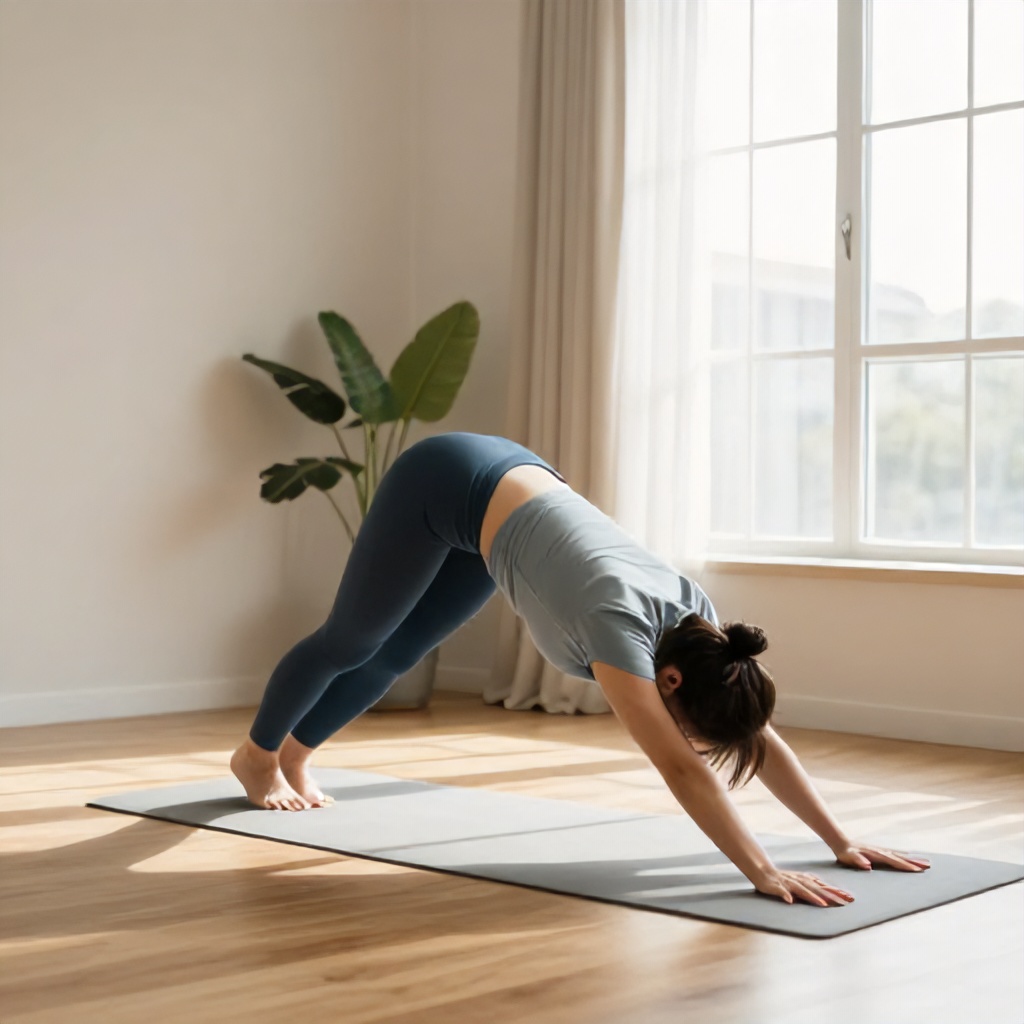
Essential Warm-Up Exercises to Prevent Injury During Home Workouts

Warming up before a home workout prepares your muscles, joints, and cardiovascular system for the physical demands ahead, significantly reducing the risk of injury. Skipping this phase often leads to muscle strains or joint discomfort because cold tissues lack the elasticity required for sudden, intense movement. A proper warm-up increases your core body temperature and blood flow, ensuring your body is ready to perform safely and efficiently.

Understanding the Physiological Benefits

Physically preparing for exercise is not just about stretching. It is a systematic process that shifts your body from a resting state to an active one. When you perform low-intensity movements, your heart rate rises gradually. This process brings more oxygenated blood to your working muscles. Without this preparation, your heart rate jumps too quickly, which can cause unnecessary fatigue early in your session.

Synovial fluid, which acts as a lubricant for your joints, also thickens and spreads during a warm-up. This coating protects the cartilage in your knees, hips, and shoulders. Think of it like oiling a rusty hinge. If you move a cold, stiff joint under heavy load, you risk micro-tears in the surrounding tendons and ligaments. Consistent movement patterns help prime your nervous system, improving the communication between your brain and your muscles for better coordination.

Dynamic Versus Static Movement

Dynamic movement involves active motions that take your joints through their full range of motion. This is the gold standard for warm-ups. You are moving while you stretch, which keeps the muscles engaged and warm. Examples include leg swings, arm circles, and torso twists. These movements mimic the patterns you will use during your main workout, making them highly effective for performance.

Static stretching involves holding a single position for an extended period, like touching your toes and staying there. Research suggests that holding static stretches for too long before a workout can actually decrease muscle power. Save those static stretches for your cool-down phase when your muscles are already warm and you want to improve long-term flexibility. Keep your pre-workout phase active to maintain muscle tension and readiness.

Recommended Warm-Up Sequence

A balanced warm-up should last between five and ten minutes. You do not need fancy gym equipment to get this done in your living room. Focus on full-body engagement to ensure no muscle group is left behind.

Joint Mobilization

Start from the top down to ensure every major joint is ready for action. Begin with neck rolls, moving your head in a slow, controlled circle. Follow this with shoulder rolls, drawing large circles with your shoulders to loosen the upper back. Move to your wrists and ankles by rotating them in both directions. These small, simple movements wake up the smaller stabilizing muscles that support your larger muscle groups.

Core and Lower Body Activation

  1. March in place for two minutes, lifting your knees high and swinging your arms to increase your heart rate.
  2. Perform bodyweight squats with a slow tempo, focusing on pushing your hips back and keeping your chest upright.
  3. Execute forward lunges, alternating legs, to open up the hip flexors and activate the glutes.
  4. Add side-to-side shuffles to prepare your body for lateral movement, which is often ignored in standard workouts.

Upper Body Preparation

  • Arm circles: Extend your arms to the sides and make small, then large, circles to warm up the rotator cuffs.
  • Torso twists: Stand with feet shoulder-width apart and gently rotate your upper body from side to side, keeping your core tight.
  • Wall push-ups: Place your hands on a wall and perform a few reps to wake up your chest, shoulders, and triceps without putting too much strain on your joints.

Common Mistakes to Avoid

One common error is moving too fast. A warm-up is not a race. You should feel your heart rate climb, but you should not be gasping for air before you even start your main routine. If you are out of breath, slow down the tempo of your movements. The goal is to create heat, not to exhaust your energy reserves.

Another mistake is neglecting the muscles you plan to train the hardest. If you are doing a leg-focused day, spend extra time on your hips and ankles. If you are doing an upper-body session, focus on the shoulders and thoracic spine. Tailor your warm-up to the specific demands of your workout plan. If you feel sharp pain during any movement, stop immediately and adjust your range of motion.

Listening to Your Body

Every day feels a bit different. Some days you might feel loose and ready to jump right into higher intensity, while other days your body might feel stiff from sitting at a desk or sleeping poorly. Adjust the duration of your warm-up based on how you feel. If you feel particularly tight, add an extra three minutes of light movement.

Pay attention to your breathing. Deep, rhythmic breaths help calm the nervous system and ensure your muscles receive adequate oxygen. If you find yourself holding your breath, consciously relax your jaw and focus on exhaling during the effort phase of your warm-up movements. This practice helps establish a rhythm that will carry over into your actual workout.

Transitioning to Your Workout

Once you finish your warm-up, transition into your workout immediately. The benefits of a warm-up dissipate if you sit down for ten minutes to check your phone or grab a snack. Keep your body moving. Start your workout with a lighter set of your first exercise to bridge the gap between your warm-up and your full-intensity work.

Consistency is the most important factor in any fitness routine. If you make a habit of warming up every single time, your body will learn the routine and prepare itself automatically. Over time, you will notice that your movements feel smoother and your recovery feels faster. Safety is a long-term investment in your ability to stay active for years to come.

Practical Tips for Success

Create a dedicated space in your home where you can move freely without hitting furniture. Clear the floor of rugs or cords that could lead to tripping. If you have limited space, focus on stationary movements like jumping jacks, high knees, or mountain climbers at a slow pace. These movements provide high cardiovascular engagement without requiring much floor space.

Keep a timer handy if you find it hard to gauge how long you have been moving. Five minutes is the minimum, but ten minutes is often ideal for most people. If you are short on time, do not skip the warm-up entirely. Just shorten it to three minutes of high-intensity movement, such as fast-paced jumping jacks or burpees, to get the blood flowing quickly. A short, intense warm-up is better than no warm-up at all.

Finally, stay hydrated throughout the process. A well-hydrated body functions better and experiences less muscle cramping during exercise. Keep a water bottle nearby and take small sips during your warm-up. This simple habit keeps your muscles pliable and your energy levels steady.

4 Effective Core Exercises to Build a Stronger Midsection at Home

Building a Stronger Midsection with Four Essential Movements

Developing a solid midsection requires more than just endless crunches on a yoga mat. True core stability comes from training the abdominal muscles to act as a stabilizer for the entire body during functional fitness tasks. When you focus on controlled, deliberate movements, you improve your posture and reduce the risk of lower back pain. These four exercises provide a comprehensive approach to physical conditioning without needing a gym membership or expensive equipment.

The Dead Bug for Deep Abdominal Engagement

The dead bug is a foundational movement that teaches you how to keep your spine neutral while your limbs move. Many people struggle with core activation because they arch their back during floor exercises. This movement forces you to press your lower back into the floor, which is the primary requirement for safe and effective abdominal toning.

How to Perform the Dead Bug

  1. Lie flat on your back with your arms extended toward the ceiling and your legs in the air, knees bent at a 90-degree angle.
  2. Exhale deeply while slowly lowering your right arm behind your head and extending your left leg straight out, keeping both limbs just inches above the floor.
  3. Maintain constant pressure between your lower back and the floor throughout the entire range of motion.
  4. Return to the starting position with control and repeat on the opposite side.

Focusing on the tempo is vital for this exercise. If you rush through the reps, you lose the muscle engagement necessary to build strength. Aim for a three-second count on the way down and a three-second count on the way back up. This slow pace turns a simple movement into a challenging test of torso strength. You will notice that your midsection begins to shake as you reach the bottom of the movement, which is a sign that your deep stabilizers are working hard.

This exercise is particularly effective for those who spend long hours sitting at a desk. It encourages the pelvis to stay in a neutral position, counteracting the tightness that often develops in the hip flexors. By practicing this daily, you create a stronger foundation for more complex athletic performance tasks. Keep your neck relaxed and your gaze fixed on the ceiling to avoid straining your upper traps.

The Plank with Shoulder Taps for Stability

The standard plank is a staple in any fitness routine, but adding shoulder taps introduces an element of anti-rotation. Anti-rotation is the ability of your core to resist twisting forces, which is a key component of functional fitness. When you lift one hand to tap the opposite shoulder, your body naturally wants to tilt or rotate. Your core muscles must fire rapidly to keep your hips square to the floor.

Executing the Plank with Shoulder Taps

  • Start in a high plank position with your hands directly under your shoulders and your feet slightly wider than hip-width apart.
  • Engage your glutes and pull your belly button toward your spine to create a rigid line from head to heels.
  • Lift your right hand to touch your left shoulder, ensuring your hips do not sway or drop.
  • Place your hand back down and repeat with the left hand touching the right shoulder.

The wider you place your feet, the easier it is to maintain balance. As you get stronger, bring your feet closer together to increase the difficulty. This exercise demonstration highlights the importance of keeping the torso quiet while the limbs are active. If you find your hips rocking side to side, slow down the movement and focus on squeezing your glutes tighter. This extra tension acts as an anchor for your entire body.

Incorporating this into your home workout routine helps build endurance in the obliques and the rectus abdominis. Because this is a bodyweight training movement, you can perform it anywhere. It is an excellent way to bridge the gap between static holds and dynamic movement. Consistency is the secret to seeing changes in your workout aesthetic, so try to add three sets of 20 taps to your weekly schedule.

Bird-Dog for Posterior Chain and Core Coordination

The bird-dog is an underrated exercise that targets the core while simultaneously working the muscles of the back. It is a perfect example of how physical conditioning should involve the entire body rather than just the front of the stomach. By extending opposite limbs, you challenge your balance and force your core to coordinate movement across the midline of your body.

Mastering the Bird-Dog

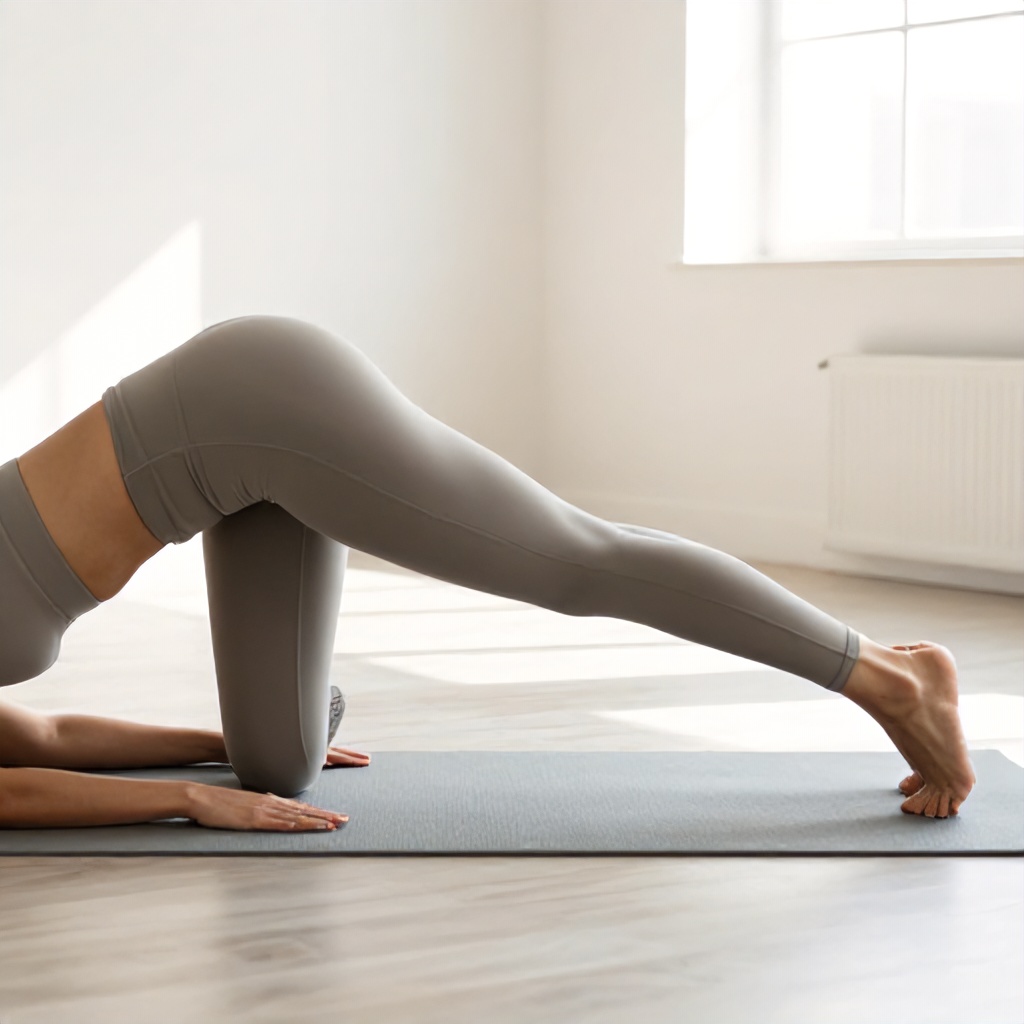
  1. Start on all fours in a tabletop position with your wrists under your shoulders and your knees under your hips.
  2. Extend your right arm forward and your left leg backward simultaneously, keeping them parallel to the floor.
  3. Pause for two seconds at the top, focusing on reaching through your heel and your fingertips.
  4. Return to the starting position and switch to the left arm and right leg.

The key to this movement is avoiding the urge to lift your leg too high. When you lift your leg toward the ceiling, you often arch your lower back, which defeats the purpose of the exercise. Keep your back flat as if you were balancing a tray of drinks on it. This level of control is what builds true torso strength and protects the spine during daily activities.

This exercise is highly recommended for those looking to improve their athletic performance. It teaches the body to stabilize under load, which translates well to lifting heavy objects or even just carrying groceries. Because it requires no equipment, it fits perfectly into a quick morning fitness instructional session. If you feel unstable, focus on gripping the floor with your fingers to provide a wider base of support.

The Hollow Body Hold for Maximum Tension

The hollow body hold is the ultimate test of core activation. It requires you to create a boat-like shape with your body, pressing your lower back firmly into the floor while lifting your shoulders and legs. This position forces every muscle in your midsection to work in unison. It is a staple in gymnastics and high-level training because of its effectiveness in creating a rigid, powerful core.

How to Hold the Hollow Body Position

  • Lie on your back with your legs extended and your arms stretched overhead.
  • Lift your legs and your shoulder blades off the floor simultaneously, creating a slight curve in your spine.
  • Keep your lower back glued to the mat; if it lifts, your core is not engaged enough.
  • Hold this position for 20 to 45 seconds while maintaining steady, controlled breathing.

If you find the full version too difficult, you can modify it by bending your knees or keeping your arms by your sides. The goal is to maintain the tension without sacrificing your form. As you get stronger, you can extend your arms and legs further to increase the lever length, which makes the exercise significantly harder. This is a classic example of progressive overload using only your body weight.

Including this in your midsection training will quickly improve your ability to hold tension throughout other exercises. It builds the mental focus required to keep your muscles engaged even when they start to fatigue. Many people find that their core strength plateaus because they only perform movements that involve repetition. Adding an isometric hold like the hollow body forces your muscles to adapt to sustained pressure, which leads to better overall abdominal toning.

Integrating These Exercises into Your Routine

You do not need to spend an hour on your core to see results. A focused 15-minute routine performed three times a week is often more effective than a long, unfocused session. Start by picking two of these exercises and performing three sets of each. As you become more comfortable with the movements, you can add the others to create a full circuit.

Tracking your progress is helpful for staying motivated. Write down how many reps you completed or how long you held a position. When you see that you can hold a hollow body for 10 seconds longer than you could last month, you know your physical conditioning is improving. This data-driven approach keeps you accountable and ensures that you are constantly challenging your body in new ways.

Remember that core strength is not just about the appearance of your abdominal muscles. It is about how your body functions during every movement you make. Whether you are reaching for a high shelf, playing a sport, or simply walking, a strong core supports your spine and improves your movement quality. By prioritizing these core-focused movements, you are investing in your long-term health and mobility.

Proper form is always more important than the number of repetitions. If you feel pain in your lower back, stop immediately and reset your position. It is common for the core to fatigue quickly, and once it does, your lower back often tries to take over the work. Listen to your body and prioritize quality over quantity. This ensures that you get the most out of your home workout without risking injury.

Finally, consider the role of breathing in your fitness routine. Many people hold their breath during difficult exercises, which increases blood pressure and reduces the effectiveness of the movement. Practice deep, rhythmic breathing throughout each exercise. Exhale during the most difficult part of the movement and inhale as you return to the starting position. This simple change can make a significant difference in your endurance and your ability to maintain proper form.

Consistency remains the most important factor in any fitness journey. You might not see changes overnight, but if you stick to these four movements, you will notice a difference in how your body feels and performs. Your midsection will become more resilient, your posture will improve, and you will feel more confident in your daily physical activities. Keep your equipment simple, focus on your form, and enjoy the process of building a stronger, more capable body from the comfort of your own home.

As you become more advanced, you can experiment with different tempos. Try performing the dead bug with a five-second count, or add a slight pause at the top of the bird-dog. These small adjustments keep the workout challenging and prevent your muscles from adapting to the same stimulus. The beauty of bodyweight training is that there is always a way to make a movement harder without needing to buy more gear.

Always ensure your environment is safe for these exercises. A non-slip yoga mat is essential for preventing your hands or feet from sliding during planks or bird-dogs. If you do not have a mat, a carpeted surface can work, but be mindful of your wrists and knees. Creating a dedicated space for your fitness routine can also help you stay consistent. When your mat is already laid out, you are much more likely to complete your workout.

Pay attention to your recovery as well. Your abdominal muscles are like any other muscle group; they need time to repair and grow stronger. Avoid training your core with high intensity every single day. Give yourself at least one day of rest between sessions to allow your muscles to recover. This approach will lead to better results and prevent the burnout that often comes with overtraining.

By focusing on these four effective exercises, you are building a solid foundation for your fitness journey. Each movement serves a specific purpose in developing torso strength, stability, and coordination. Whether you are a beginner or someone looking to refine their current routine, these exercises offer a practical and efficient way to reach your goals. Stay patient, stay consistent, and enjoy the benefits of a stronger, more stable midsection.

The journey to a stronger core is a marathon, not a sprint. Focus on the small wins, like mastering the form of the dead bug or holding the plank for an extra ten seconds. These small improvements add up over time to create significant changes in your physical conditioning. Keep your focus on the movement, listen to your body, and keep showing up for yourself. Your future self will thank you for the effort you put into building a stronger, more resilient core today.

Integrating these movements into your life does not have to be complicated. You can do them while your coffee is brewing or during a short break in your day. The accessibility of these exercises is their greatest strength. By removing the barriers to entry, you make it easier to stay consistent and reach your goals. Start today, keep it simple, and watch how your body responds to the consistent, focused work you put in.

Finally, remember that nutrition and hydration play a role in how your body performs and recovers. While these exercises build the muscle, your overall health supports the process. Stay hydrated, eat a balanced diet, and get enough sleep. These lifestyle factors work alongside your fitness routine to help you achieve your best results. You have all the tools you need to build a stronger midsection; now it is just a matter of putting in the work.

High-Intensity Bodyweight Training Guide for Building Strength at Home

High-intensity bodyweight training builds functional strength and cardiovascular endurance without requiring a single piece of gym equipment. You can achieve significant physical conditioning by focusing on movement quality and strict work-to-rest ratios within your own living room. This approach relies on the principle of progressive overload, where you consistently push your body to perform more repetitions or decrease rest times as your fitness improves.

The Mechanics of Bodyweight Circuits

Effective home workout routines prioritize compound movements that engage multiple muscle groups simultaneously. When you perform a push-up, you are not just targeting your chest; you are stabilizing your core, engaging your triceps, and activating your shoulders. This efficiency makes bodyweight exercises the foundation of minimalist fitness. By chaining these movements together into a circuit, you keep your heart rate elevated, effectively blending strength training with high-intensity interval training.

The structure of a successful circuit involves selecting four to six exercises that target different movement patterns. A balanced routine includes a push, a pull, a squat, a hinge, and a core movement. This ensures that you are not overworking one muscle group while neglecting others. For example, pairing a squat variation with a floor-based push movement allows your legs to recover while your upper body works, and vice versa. This alternating pattern is the engine of your workout intensity.

Designing Your Training Intensity

Intensity is not just about how fast you move; it is about the level of effort applied to every single repetition. To maximize your athletic performance, you must approach each set with intention. If you are performing air squats, focus on the depth of the squat and the explosive power on the way up. If you are doing planks, focus on the tension in your glutes and abdominals rather than simply holding the position until time expires.

Tracking your exercise sets is the most reliable way to ensure progress. Keep a simple logbook or a digital note on your phone to record the number of rounds completed and the time taken. When you return to the same circuit a week later, your goal is to beat your previous performance by even a small margin. This incremental improvement is the hallmark of sustainable fitness growth.

A Four-Week Fitness Challenge Framework

Consistency is the primary driver of results in any physical conditioning program. This four-week challenge is designed to build your capacity gradually, starting with manageable volume and increasing the density of work as you adapt. You do not need a home gym to see changes in your muscle toning or overall fitness aesthetic; you only need a clear plan and the discipline to execute it.

  1. Week One: Establish the baseline. Perform the circuit three times per week. Focus entirely on perfect form. If you cannot complete a movement with proper technique, modify it to a simpler version.
  2. Week Two: Increase the volume. Add one extra round to your circuit. If you were doing three rounds, move to four. Keep the rest periods consistent at 60 seconds between rounds.
  3. Week Three: Increase the density. Keep the number of rounds the same as week two, but reduce your rest periods to 45 seconds. This forces your body to recover faster between bouts of high-intensity effort.
  4. Week Four: Peak performance. Aim for maximum repetitions in each set while maintaining strict form. This is your test week to see how much your cardiovascular endurance and strength have improved.

Essential Movements for Home Fitness

Calisthenics relies on mastering basic human movements. These exercises are the building blocks of a strong, capable body. You should aim to master the mechanics of these movements before adding complexity or speed.

  • Air Squats: Stand with feet shoulder-width apart. Lower your hips back and down as if sitting in a chair. Keep your chest up and ensure your heels stay planted on the floor throughout the movement.
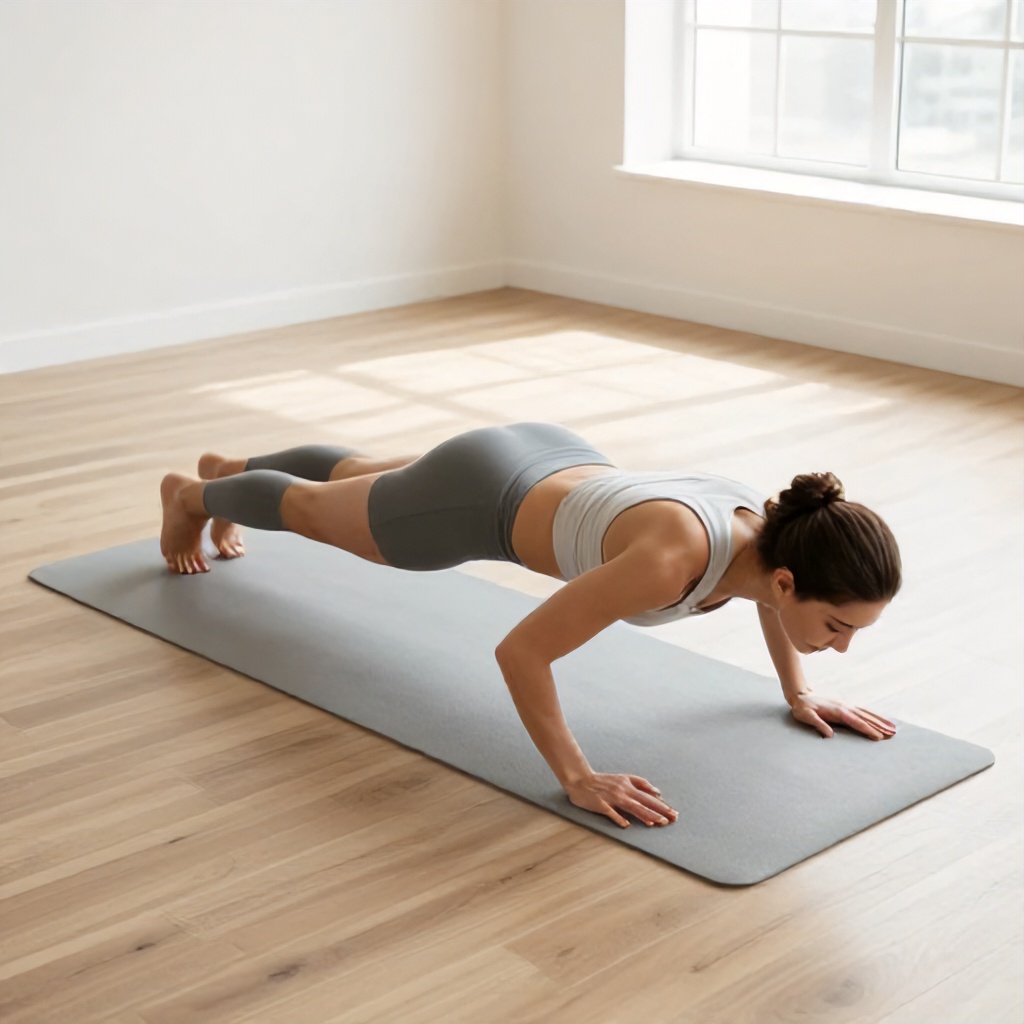
  • Push-ups: Place hands slightly wider than shoulder-width. Keep your body in a straight line from head to heels. Lower your chest until it is an inch from the floor, then push back up with force.
  • Lunges: Step forward with one leg and lower your hips until both knees are bent at approximately a 90-degree angle. Push off the front foot to return to the starting position.
  • Mountain Climbers: Start in a high plank position. Drive one knee toward your chest, then quickly switch legs. This movement is excellent for spiking your heart rate and engaging your core.
  • Plank: Hold a push-up position on your forearms. Keep your back flat and your core tight. This is a foundational exercise for building the stability required for more advanced calisthenics.

Managing Workout Motivation

Motivation often wanes when the novelty of a new routine wears off. To stay on track, focus on the process rather than the outcome. Instead of thinking about how your body will look in three months, focus on the satisfaction of completing today’s workout. When you view exercise as a non-negotiable part of your daily routine, it becomes a habit rather than a chore.

Environment plays a significant role in your success. Clear a dedicated space in your home for your workouts. Even if it is just a small corner of a room, having a specific place where you perform your exercises helps mentally prepare you for the effort ahead. Keep your workout gear visible and ready to go. If you have to spend ten minutes searching for your shoes or clearing space, you are more likely to skip the session.

Another effective strategy is to pair your workout with a specific time of day. Morning workouts are often more consistent because they happen before the demands of the day can interfere. If you are not a morning person, choose a time immediately after work or before dinner. The key is to make the decision once and stick to it, rather than negotiating with yourself every single day.

Optimizing Recovery and Performance

High-intensity training places significant stress on your central nervous system and muscles. Recovery is not a sign of weakness; it is a vital part of the training process. Without adequate rest, your performance will plateau and your risk of injury will increase. Prioritize sleep, as this is when your body repairs the micro-tears in your muscle fibers caused by exercise.

Hydration is equally important for maintaining your training intensity. Even mild dehydration can lead to a significant drop in strength and endurance. Drink water throughout the day, not just during your workout. If you find yourself feeling sluggish during your sessions, evaluate your hydration levels and your nutrition from the previous day.

Listen to your body. There is a difference between the discomfort of hard work and the sharp pain of an injury. If you feel pain in a joint or a specific muscle that does not feel like typical soreness, stop the exercise immediately. Modify the movement or swap it for an alternative that does not cause pain. Longevity in fitness is about staying in the game for the long haul, not pushing through an injury that will sideline you for weeks.

Advanced Variations for Continued Growth

Once you have mastered the basic movements, you can introduce variations to keep your training challenging. This prevents your body from adapting to the same stimulus and ensures continued progress. For example, instead of standard push-ups, try diamond push-ups to place more emphasis on your triceps. Instead of standard air squats, try jump squats to build explosive power.

You can also manipulate the tempo of your movements. Slowing down the eccentric, or lowering, phase of an exercise increases the time under tension for your muscles. Try taking three seconds to lower yourself into a squat, then explode upward. This simple change can make a standard movement feel significantly more difficult and effective for muscle toning.

Another way to increase intensity is through unilateral training. Exercises that use one limb at a time, such as Bulgarian split squats or single-leg glute bridges, force your body to work harder to maintain balance and stability. This also helps correct muscle imbalances, as your stronger side cannot compensate for your weaker side.

The Role of Mindset in Physical Conditioning

Your mental approach to training is just as important as your physical effort. Many people fail to see results because they treat their workouts as a passive activity. They go through the motions without truly engaging their muscles or focusing on the quality of their movement. To get the most out of your home fitness routine, you must be present during every set.

Visualize the muscles you are working. If you are doing a push-up, focus on the contraction of your pectoral muscles. If you are doing a lunge, focus on the engagement of your glutes and hamstrings. This mind-muscle connection is a proven technique used by athletes to improve performance and muscle activation. It turns a simple movement into a deliberate act of strength building.

Embrace the discomfort. High-intensity training is meant to be hard. When your heart rate spikes and your muscles begin to burn, that is the signal that you are pushing your boundaries. Instead of stopping, try to hold on for just five more seconds. Those final, difficult repetitions are where the most significant physiological adaptations occur. By consistently pushing past your comfort zone, you build not only a stronger body but also a more resilient mind.

Tracking Progress Beyond the Scale

The scale is a poor indicator of progress when you are focusing on strength training and bodyweight circuits. You might be losing body fat while simultaneously gaining muscle mass, which can result in the scale number staying the same. Instead of obsessing over weight, track your progress through performance metrics. Are you able to complete more repetitions in the same amount of time? Do you feel more energetic throughout the day? Is your form improving on difficult movements?

Take photos every four weeks to track changes in your fitness aesthetic. Sometimes, subtle changes in muscle definition are not immediately obvious in the mirror but become clear when you compare photos side-by-side. Use a measuring tape to track changes in your waist, chest, and limb circumference. These metrics provide a more accurate picture of your body composition changes than a simple weight reading.

Celebrate small wins. If you finally master a movement that you previously found difficult, acknowledge that achievement. If you complete a full week of workouts without missing a session, recognize your consistency. These small victories build the momentum needed to sustain a long-term fitness habit. Remember that fitness is a lifelong pursuit, not a destination. Every workout you complete is an investment in your future health and capability.

Building a Sustainable Routine

The best workout routine is the one you actually do. If you find that a four-day-a-week schedule is too demanding, start with two or three days. It is better to be consistent with a shorter, less frequent routine than to burn out after two weeks of an overly ambitious plan. As you build your base of fitness, you can gradually increase the frequency and intensity of your sessions.

Incorporate movement into your daily life outside of your formal workouts. Take the stairs instead of the elevator, go for a walk during your lunch break, or stand while working if possible. These small, non-exercise activities contribute to your overall energy expenditure and support your fitness goals. They also help keep your joints mobile and your body feeling limber.

Do not be afraid to adjust your routine based on how you feel. If you had a poor night of sleep or are feeling particularly stressed, a high-intensity session might not be the best choice. On those days, opt for a lower-intensity session, such as a mobility routine or a brisk walk. Flexibility in your approach ensures that you stay consistent over the long term, even when life gets in the way.

The Power of Minimalist Fitness

Minimalist fitness is about stripping away the unnecessary and focusing on the fundamentals that produce results. You do not need expensive equipment, fancy gym memberships, or complex supplements to build a strong, healthy body. The most effective tools are your own body weight and your commitment to consistent, high-quality movement.

By focusing on compound movements, progressive overload, and proper recovery, you can achieve a level of physical conditioning that rivals those who spend hours in a traditional gym. This approach is not only efficient but also highly adaptable to any schedule or environment. Whether you are at home, traveling, or working in a small office, you can always find the time and space to perform a high-intensity bodyweight circuit.

The simplicity of this method is its greatest strength. It removes the barriers that often prevent people from starting or sticking to a fitness program. When you realize that you have everything you need to succeed right now, the excuses disappear. You become the architect of your own fitness, responsible for your progress and empowered by your own efforts. Start today, stay consistent, and watch as your body and mind adapt to the challenge.

Final Thoughts on Long-Term Success

Building a strong, capable body is a marathon, not a sprint. There will be days when you feel strong and days when you feel tired. There will be weeks when you make rapid progress and weeks when you seem to stand still. This is the nature of physical training. The key is to remain patient and persistent, trusting the process and focusing on the small, daily actions that lead to long-term results.

Your fitness is a reflection of your daily habits. By choosing to prioritize your health through regular, high-intensity exercise, you are setting yourself up for a lifetime of vitality and strength. Keep your goals clear, your workouts focused, and your recovery a priority. You have the power to shape your body and improve your health through the simple, effective practice of bodyweight training. Stay committed to the challenge, and you will see the results of your hard work manifest in every aspect of your life.

As you continue your journey, keep learning and refining your approach. Read about new movement patterns, experiment with different circuit structures, and always look for ways to improve your form. The more you understand about how your body works and how it responds to training, the more effective your workouts will become. You are capable of far more than you realize, and every repetition brings you one step closer to your full potential.

Keep your focus on the present moment. When you are in the middle of a challenging set, do not worry about the next round or the end of the workout. Just focus on the current repetition. Give it your full attention and your best effort. This mindfulness will not only improve your performance but also make your workouts more rewarding. You are building a stronger version of yourself, one movement at a time.

Finally, remember that your fitness journey is uniquely yours. Do not compare your progress to others. Everyone starts from a different place and has different goals. Focus on your own growth, celebrate your own milestones, and stay true to your own path. With dedication and the right framework, you can achieve a level of fitness that supports your lifestyle and enhances your well-being for years to come.

9 Timed Home Bodyweight Exercises for Waistline Definition

Achieving a more defined midsection right in your own home is entirely possible using timed bodyweight exercises that specifically focus on core strength and stability. These targeted movements, performed for specific durations, help build the abdominal muscles and obliques, contributing to a sculpted waist without needing any special equipment.

Why Timed Bodyweight Exercises Work for Waistline Definition

Timed workouts offer a fantastic way to structure your fitness regimen, especially when aiming for core definition. Instead of counting reps, you focus on maintaining proper form for a set period, which can push your endurance and ensure consistent engagement of your abdominal muscles. This approach is highly efficient for home bodyweight exercises, allowing you to get a quality workout in a shorter timeframe.

Bodyweight training itself is incredibly effective. It uses your own body’s resistance, making it accessible to everyone regardless of fitness level. For waistline definition, bodyweight movements often engage multiple core muscles simultaneously, improving functional strength and overall physique transformation. It’s about building a strong, stable core that supports your entire body, leading to a more defined midsection over time.

Structuring Your Timed Home Workout

A well-structured workout plan is key to seeing results. Before diving into the exercises, always begin with a 5-minute warm-up, like marching in place, arm circles, and gentle torso twists, to prepare your muscles. For the main workout, you’ll perform each exercise for a specific duration, followed by a short rest. Finish your session with a 5-minute cool-down, including static stretches for your core and other major muscle groups.

  • Work Period: Aim for 30-60 seconds per exercise.
  • Rest Period: Take 15-30 seconds of rest between exercises.
  • Rounds: Complete 2-4 rounds of the entire circuit.
  • Frequency: Perform this routine 3-4 times per week, allowing for rest days in between.

This guided workout structure ensures you’re consistently challenging your muscles, which is vital for body recomposition and achieving your fitness goals. Listen to your body and adjust the workout duration or rest periods as needed.

9 Timed Home Bodyweight Exercises for Waistline Definition

1. The Plank

The plank is a foundational exercise for core definition, engaging your entire abdominal muscles and improving overall stability without any equipment. It’s excellent for building isometric strength, which is essential for a truly defined midsection.

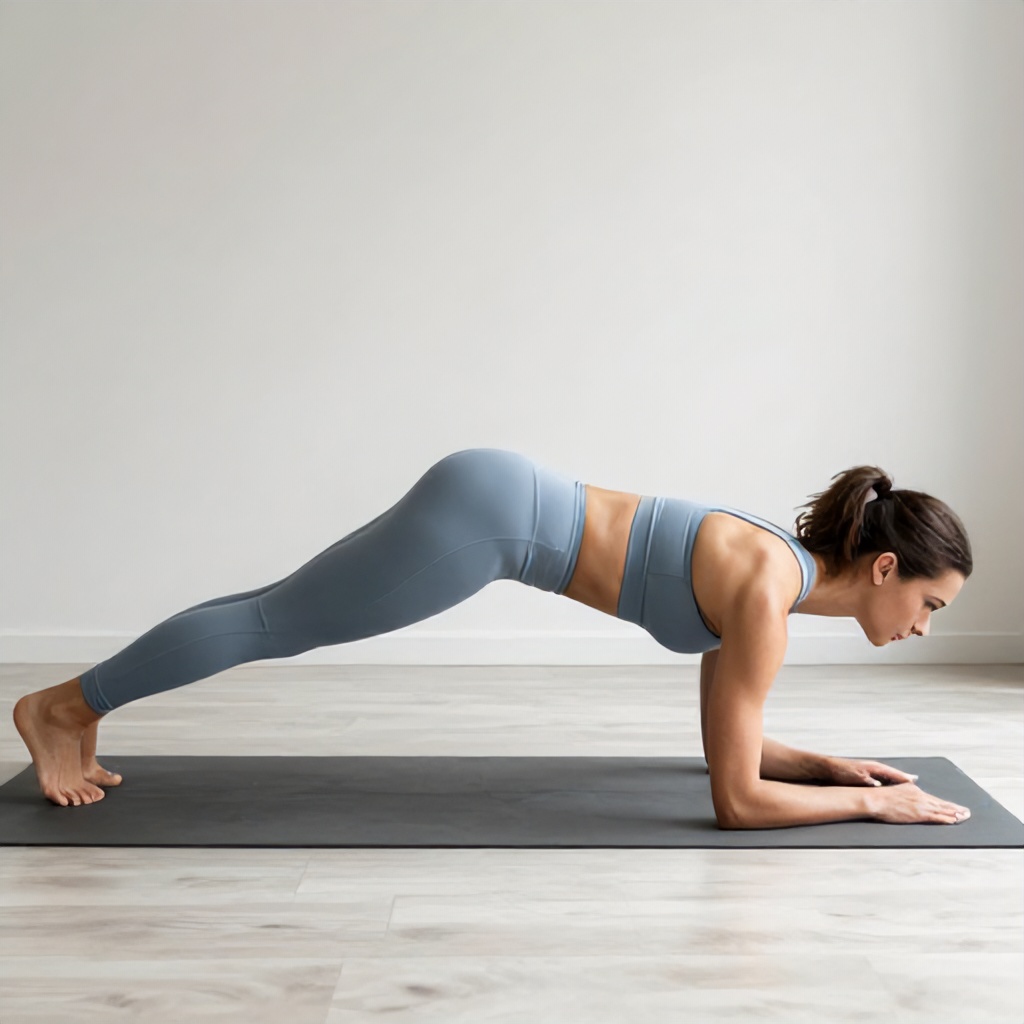
  1. Start on your hands and knees, then extend your legs back one at a time, coming onto the balls of your feet.
  2. Position your elbows directly under your shoulders, forearms flat on the floor, fingers pointing forward.
  3. Engage your core, pulling your belly button towards your spine. Keep your body in a straight line from head to heels, avoiding sagging hips or a raised rear.
  4. Hold this position, breathing steadily.

Focus on maintaining a rigid body. If a full plank is too challenging, drop to your knees while keeping the straight body line from head to knees. This modification still provides significant core strength benefits.

2. Side Plank

The side plank specifically targets the obliques, the muscles along the sides of your waist, which are crucial for creating a sculpted waist and a slim waist appearance. This exercise also improves lateral core stability.

  1. Lie on your side with your forearm on the floor, elbow directly under your shoulder. Stack your feet one on top of the other.
  2. Lift your hips off the floor, forming a straight line from your head to your heels.
  3. Engage your side abdominal muscles to keep your hips lifted and stable.
  4. Hold this position, then switch sides for the next timed interval.

To make it easier, you can bend your bottom knee and rest it on the floor, lifting only your upper body and hip. For an added challenge, extend your top arm towards the ceiling.

3. Bicycle Crunches

Bicycle crunches are a dynamic movement that effectively works both the rectus abdominis (the “six-pack” muscles) and the obliques, making them excellent for comprehensive core definition and a more pronounced physique transformation.

  1. Lie on your back with your hands gently behind your head, elbows wide. Lift your shoulders and feet slightly off the floor.
  2. Bring your right knee towards your chest while simultaneously twisting your torso to bring your left elbow towards your right knee.
  3. As you extend your right leg, bring your left knee towards your chest, twisting to bring your right elbow towards your left knee.
  4. Continue alternating in a fluid, controlled motion, mimicking a pedaling action.

Maintain control throughout the movement, avoiding pulling on your neck. The focus should be on the twisting motion from your core, not just moving your limbs.

4. Mountain Climbers

Mountain climbers are a full-body exercise that elevates your heart rate while intensely engaging your core. They combine cardio with core strength, contributing to body recomposition and overall fitness goals, and are a great addition to any home workout.

  1. Start in a high plank position, hands directly under your shoulders, body in a straight line.
  2. Keeping your core tight and hips stable, quickly bring one knee towards your chest.
  3. Return that leg to the starting position and immediately bring the other knee towards your chest.
  4. Continue alternating legs at a brisk pace, as if you’re running in place while in a plank position.

Avoid letting your hips sag or rise too high. The goal is to keep your core engaged and your body as stable as possible while your legs move. This exercise routine is fantastic for building endurance.

5. Leg Raises

Leg raises primarily target the lower abdominal muscles, which are often challenging to activate. Strengthening this area contributes significantly to a more balanced and defined midsection.

  1. Lie on your back with your legs extended straight and your hands either by your sides or tucked gently under your lower back for support.
  2. Keeping your legs straight (a slight bend in the knees is acceptable if needed), slowly lift them towards the ceiling until your hips begin to lift slightly off the floor.
  3. Slowly lower your legs back down towards the floor, stopping just before they touch to maintain tension in your core.
  4. Repeat the controlled lifting and lowering motion.

Ensure your lower back stays pressed into the floor throughout the movement. If you feel your back arching, don’t lower your legs as far, or try bending your knees more. This is a powerful exercise for core definition.

6. Russian Twists (Bodyweight)

Russian twists are excellent for rotational core strength and specifically target the obliques, helping to carve out a sculpted waist. Performing them with just your bodyweight allows for focus on form and control.

  1. Sit on the floor with your knees bent and feet flat. Lean back slightly, keeping your back straight and core engaged.
  2. Lift your feet off the floor, balancing on your sit bones. You can cross your ankles for stability.
  3. Clasp your hands together in front of your chest.
  4. Twist your torso from side to side, tapping your hands lightly on the floor beside your hips with each twist.

The movement should come from your core, not just your arms. Keep your back straight and avoid slouching. If lifting your feet is too difficult, keep them on the floor and focus on the torso twist.

7. Bird-Dog

The bird-dog is a fantastic exercise for improving core stability, balance, and coordination, while also strengthening the lower back. It helps create a strong foundation for a defined midsection by engaging deep core muscles.

  1. Start on your hands and knees in a tabletop position, wrists directly under your shoulders and knees under your hips. Keep your back flat and core engaged.
  2. Slowly extend your right arm straight forward and your left leg straight back simultaneously, keeping them parallel to the floor.
  3. Maintain a stable torso, resisting any rotation or arching of your back.
  4. Pause briefly, then slowly return to the starting position.
  5. Alternate sides, extending your left arm and right leg.

Focus on slow, controlled movements. Imagine balancing a glass of water on your lower back to ensure you’re not swaying. This exercise is key for overall core strength.

8. Dead Bug

The dead bug is an anti-extension exercise that strengthens the deep core muscles, crucial for maintaining spinal stability and preventing lower back pain. It teaches your core to resist arching, which is vital for a strong, flat abdominal area.

  1. Lie on your back with your knees bent at a 90-degree angle directly over your hips, and your arms extended straight up towards the ceiling.
  2. Press your lower back firmly into the floor, engaging your core.
  3. Slowly extend your right arm back towards the floor (without touching) and your left leg forward (without touching the floor).
  4. Maintain the lower back contact with the floor throughout the movement.
  5. Slowly return your arm and leg to the starting position.
  6. Alternate sides, extending your left arm and right leg.

The key here is control and keeping your lower back glued to the mat. If your back starts to arch, don’t extend your limbs as far. This is an excellent exercise for building foundational core strength.

9. Reverse Crunches

Reverse crunches are highly effective for targeting the lower abdominal muscles, often considered a stubborn area for waistline definition. They work by lifting your hips off the floor, engaging the entire lower core region.

  1. Lie on your back with your knees bent, feet flat on the floor, and hands by your sides or tucked slightly under your lower back.
  2. Bring your knees towards your chest, lifting your hips slightly off the floor. Imagine trying to touch your knees to your nose.
  3. Control the movement as you slowly lower your hips and feet back towards the starting position, stopping just before your feet touch the floor to maintain tension.
  4. Repeat the controlled lifting and lowering motion.

Avoid using momentum; the movement should be slow and deliberate, driven by your abdominal muscles. This exercise routine is a powerful tool for developing a defined midsection.

Putting It All Together: Your Timed Workout Plan

Here’s an example of how you can combine these exercises into a timed workout for waistline definition. Remember to adjust the workout duration and rest periods to match your current fitness level and progressively challenge yourself as you get stronger.

Perform each exercise for 45 seconds, followed by 15 seconds of rest. Complete 3 rounds of the entire circuit. Rest for 60-90 seconds between rounds.

  1. Plank (45s work / 15s rest)
  2. Side Plank (Right) (45s work / 15s rest)
  3. Side Plank (Left) (45s work / 15s rest)
  4. Bicycle Crunches (45s work / 15s rest)
  5. Mountain Climbers (45s work / 15s rest)
  6. Leg Raises (45s work / 15s rest)
  7. Russian Twists (45s work / 15s rest)
  8. Bird-Dog (Right Arm/Left Leg) (45s work / 15s rest)
  9. Bird-Dog (Left Arm/Right Leg) (45s work / 15s rest)
  10. Dead Bug (45s work / 15s rest)
  11. Reverse Crunches (45s work / 15s rest)

This comprehensive exercise routine will challenge your core from all angles, contributing significantly to your physique transformation and helping you achieve a slim waist. As you get fitter, consider increasing the work period or adding another round.

Important Considerations for Waistline Definition

While these home bodyweight exercises are incredibly effective for building core strength and muscle, true waistline definition is also heavily influenced by other factors. Think of your fitness goals holistically.

  • Nutrition: A balanced diet rich in whole foods and adequate protein is paramount. Reducing processed foods and sugary drinks helps manage overall body fat, allowing your hard-earned abdominal muscles to show through. Body recomposition is largely driven by what you eat.
  • Consistency: Showing up for your workout plan regularly is more important than intense, sporadic sessions. Make these timed exercises a consistent part of your fitness regimen.
  • Hydration: Drinking enough water supports metabolism and can help reduce bloating, contributing to a flatter stomach.
  • Sleep: Quality sleep is crucial for muscle recovery and hormone regulation, both of which impact body composition and your ability to see results from your workouts.
  • Patience: Body transformation takes time. Stay consistent, trust the process, and celebrate small victories along the way.

Incorporating these principles alongside your dedicated exercise timing will accelerate your progress towards a more defined midsection and overall body transformation.

Achieving a more defined waistline doesn’t require a gym membership or fancy equipment. With these 9 timed home bodyweight exercises, you have a powerful toolkit to build core strength, sculpt your abdominal muscles, and work towards your fitness goals from the comfort of your own home. Stay consistent, focus on proper form, and remember that a holistic approach to health will bring the best results for a truly defined physique.

Exit mobile version