Illustrated Guide to Yoga Poses and Their Anatomical Benefits

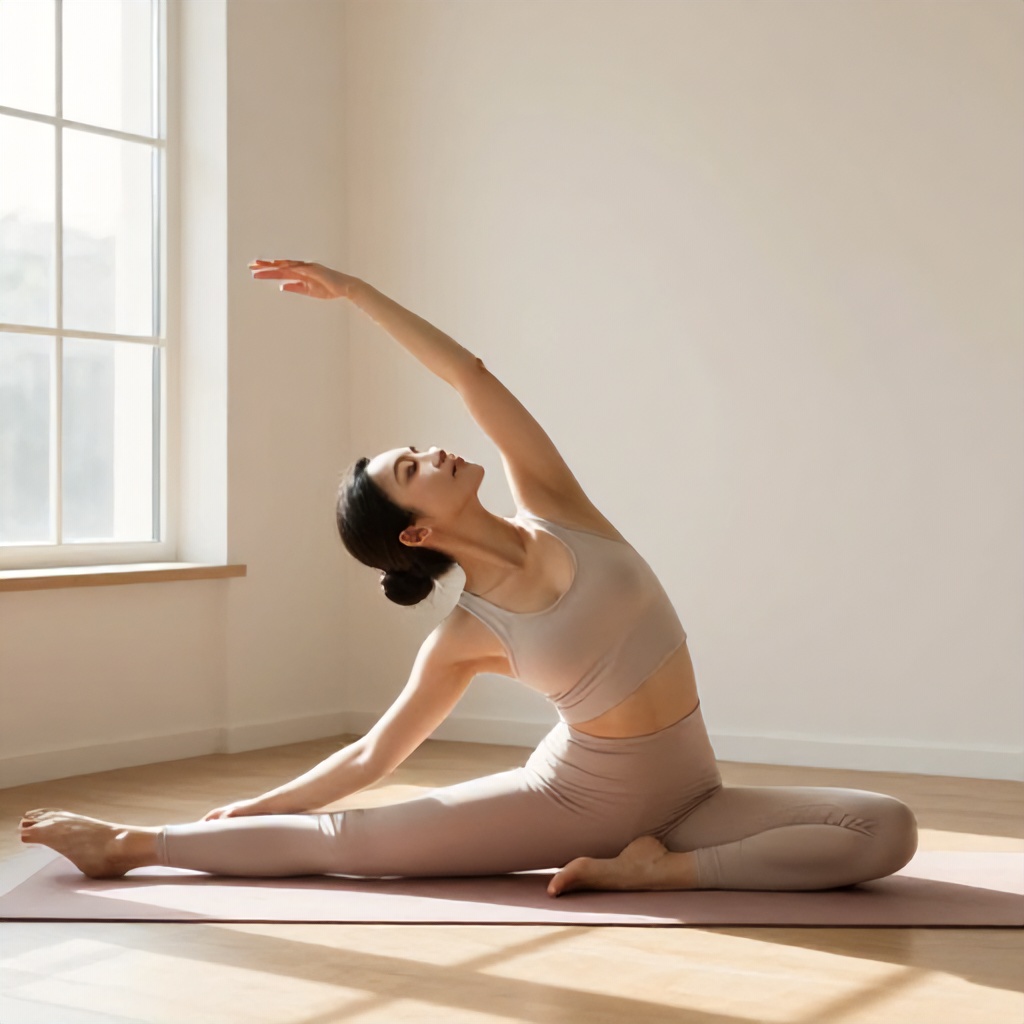
Yoga poses function as a physical language that communicates directly with your nervous system. When you look at high-quality yoga illustrations, you notice how specific shapes create stability or release tension. These yoga postures are not just about flexibility; they are about understanding your own anatomy through intentional movement. Whether you are practicing on a mat in a room with muted purple walls or following a digital guide set against a peachy-pink background, the goal remains the same: finding alignment.

Foundational Standing Poses

Standing asanas provide the bedrock for your entire yoga practice. They build heat, improve balance, and ground your energy. When you look at a profile view of a standing pose, you can clearly see the line of energy traveling from the crown of the head down to the heels. This is where yoga alignment becomes visible.

Mountain Pose (Tadasana)

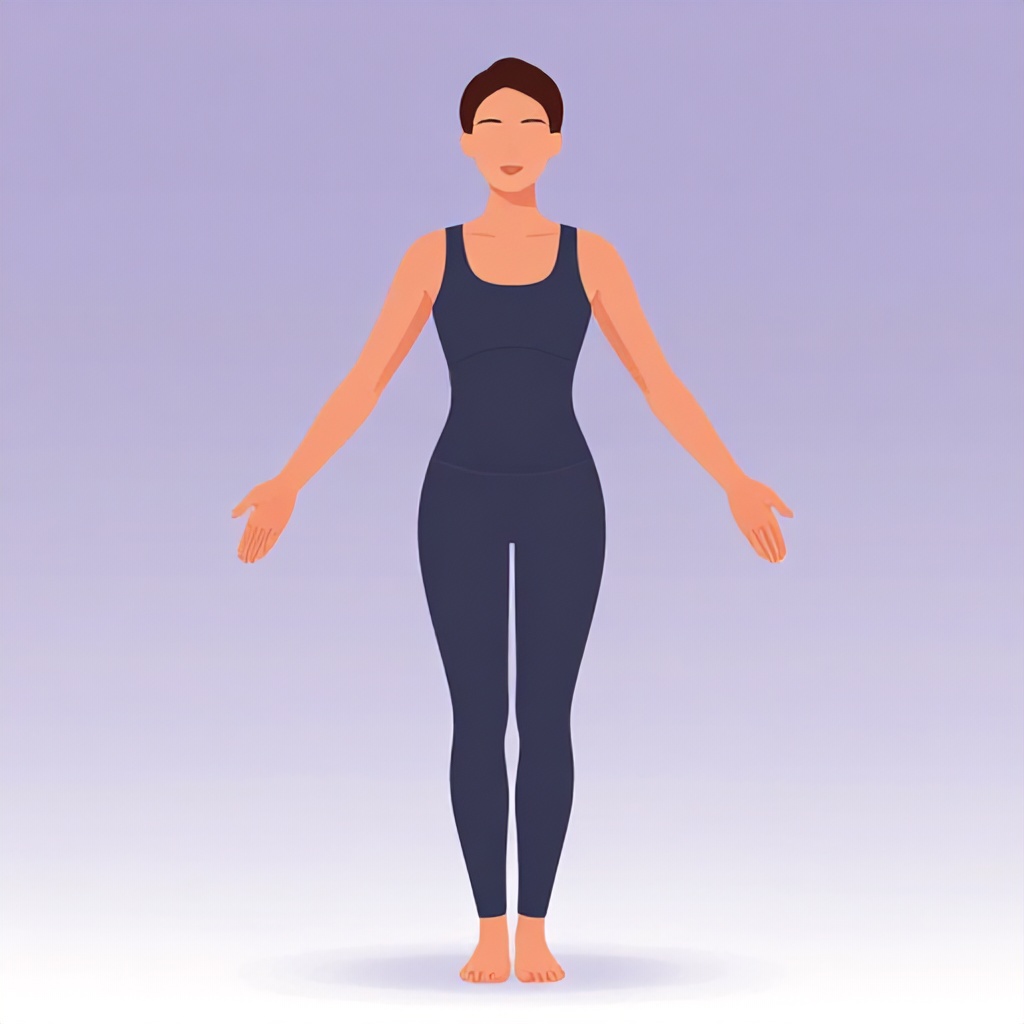
Mountain pose looks deceptively simple. You stand with your feet hip-width apart, rooting down through all four corners of your feet. Imagine a string pulling the top of your head toward the ceiling. Your shoulders should be relaxed, away from your ears, and your palms face forward. This posture teaches you how to stand with intention. It is the starting point for almost all yoga sequences. Focus on keeping your spine neutral and your breath steady. Avoid locking your knees; keep a micro-bend to maintain active engagement in your quadriceps.

Warrior II (Virabhadrasana II)

Warrior II is a powerful shape that builds strength in the legs and opens the hips. Step your feet wide apart, turning your front foot forward and your back foot slightly inward. Bend your front knee until it aligns directly over your ankle. Extend your arms out to the sides, parallel to the floor, with a clean sans-serif font style of focus—sharp, clear, and direct. Keep your torso centered between your legs. Many people lean forward, but your goal is to keep your shoulders stacked directly over your hips. This pose is a staple in most yoga diagrams because it effectively demonstrates the balance between effort and ease.

Seated and Floor-Based Shapes

Floor-based yoga positions allow you to slow down and focus on deep stretching. These movements are often used at the end of a session to calm the mind. When you study yoga art, you will notice that seated poses often involve concentric circles of energy, representing the way breath moves through the torso.

Child’s Pose (Balasana)

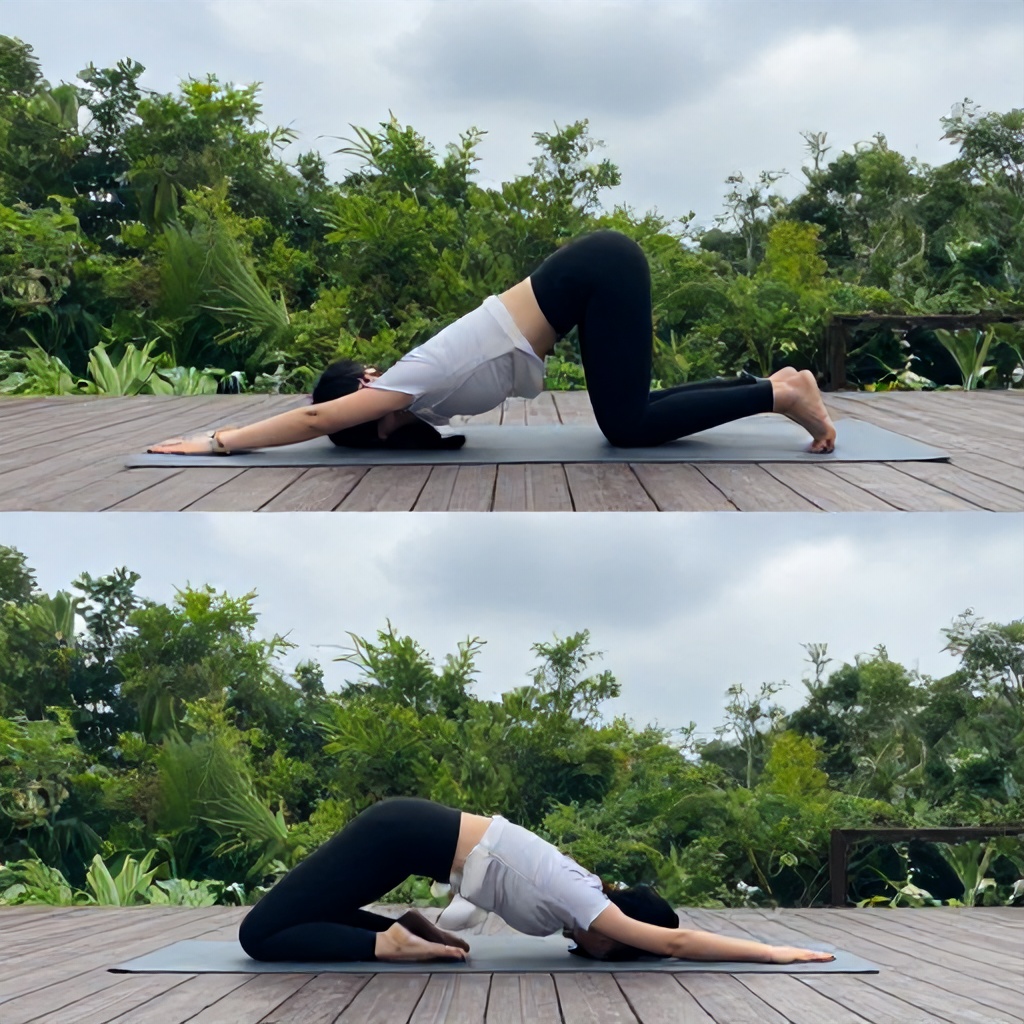
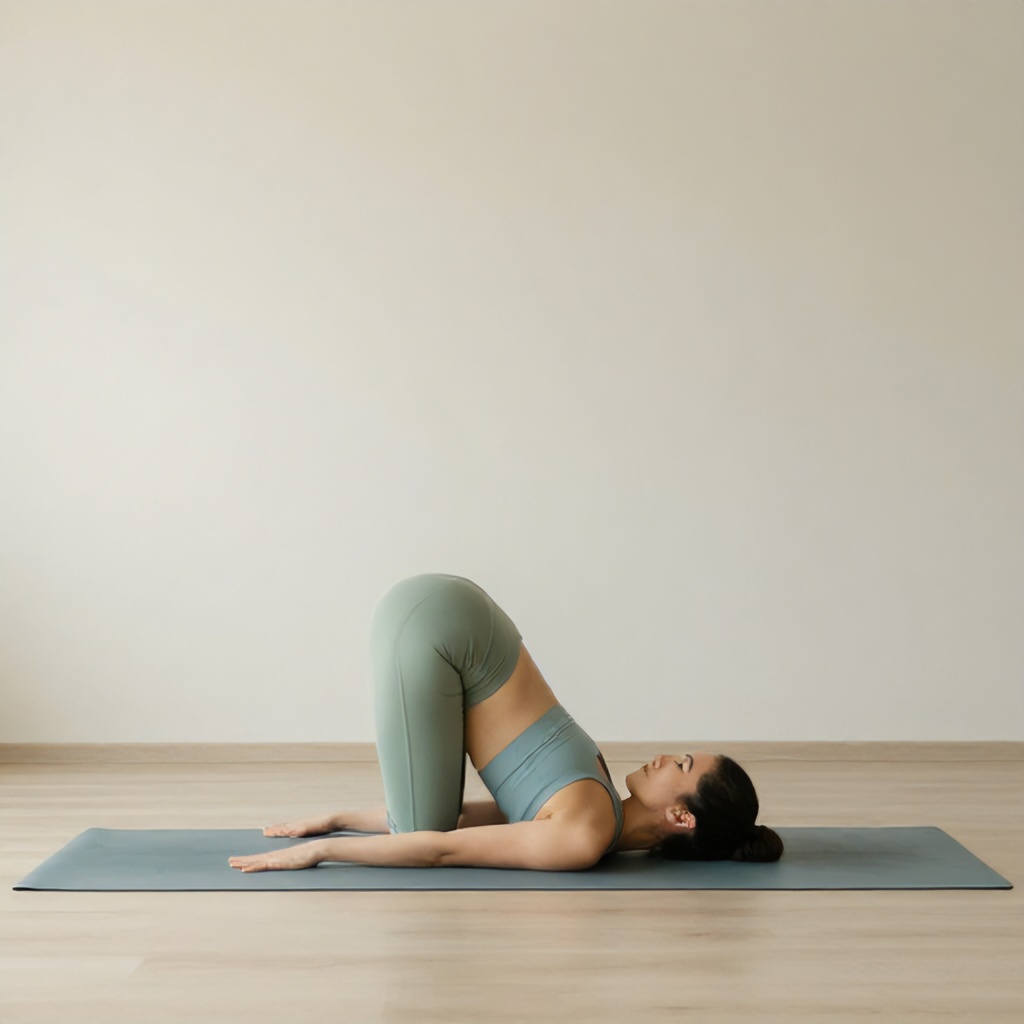
Child’s pose is a resting position that provides a gentle stretch for the hips, thighs, and ankles. Kneel on the floor, touch your big toes together, and sit on your heels. Separate your knees about as wide as your hips. Exhale and lay your torso down between your thighs. Rest your forehead on the mat. You can extend your arms forward or bring them back alongside your body. This is a restorative shape that helps you reconnect with your breath. If your hips feel tight, place a folded blanket under your seat for extra support.

Seated Forward Fold (Paschimottanasana)

This pose targets the hamstrings and the lower back. Sit on the floor with your legs extended straight in front of you. Flex your feet, pointing your toes toward the ceiling. Inhale to lengthen your spine, and exhale to fold forward from your hips, not your waist. Reach for your shins, ankles, or feet. Keep your chest open rather than rounding your back. The visual representation of this pose often emphasizes the long, straight line of the spine. If you cannot reach your feet, use a strap around the soles to maintain proper alignment without straining your shoulders.

Balancing and Inversion Basics

Balancing poses require intense concentration and core stability. They are the most challenging yoga movements for many beginners, but they offer the greatest rewards in terms of focus. Yoga visuals often highlight the gaze point, or drishti, which is essential for maintaining balance.

Tree Pose (Vrksasana)

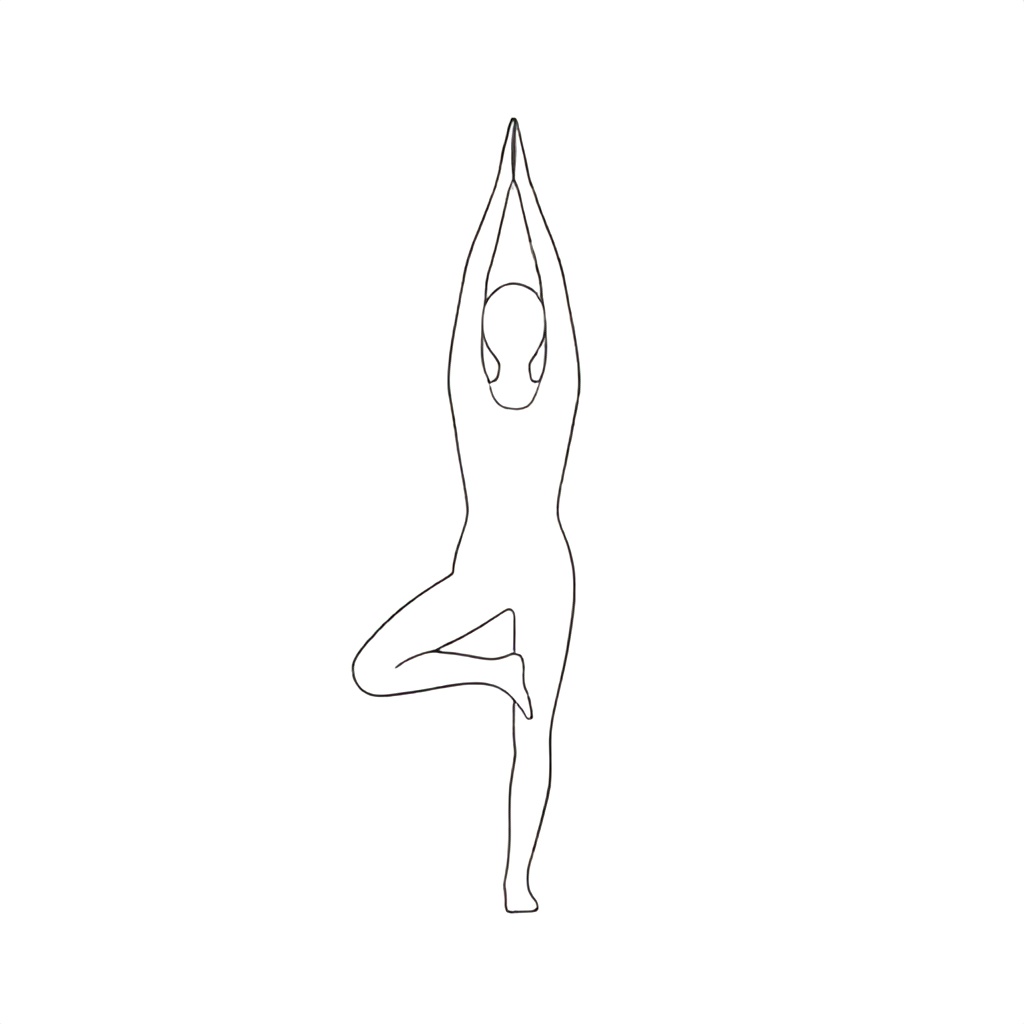
Tree pose helps improve balance and concentration. Stand in Mountain pose, then shift your weight onto your left foot. Bend your right knee and place the sole of your right foot on your inner left thigh or calf. Avoid placing the foot directly on the knee joint to prevent injury. Bring your hands to your heart in prayer position or extend them overhead like branches. Find a fixed point in front of you to gaze at. This helps keep your body steady. If you wobble, simply reset and try again. The beauty of this pose lies in the minor adjustments your body makes to stay upright.

Downward-Facing Dog (Adho Mukha Svanasana)

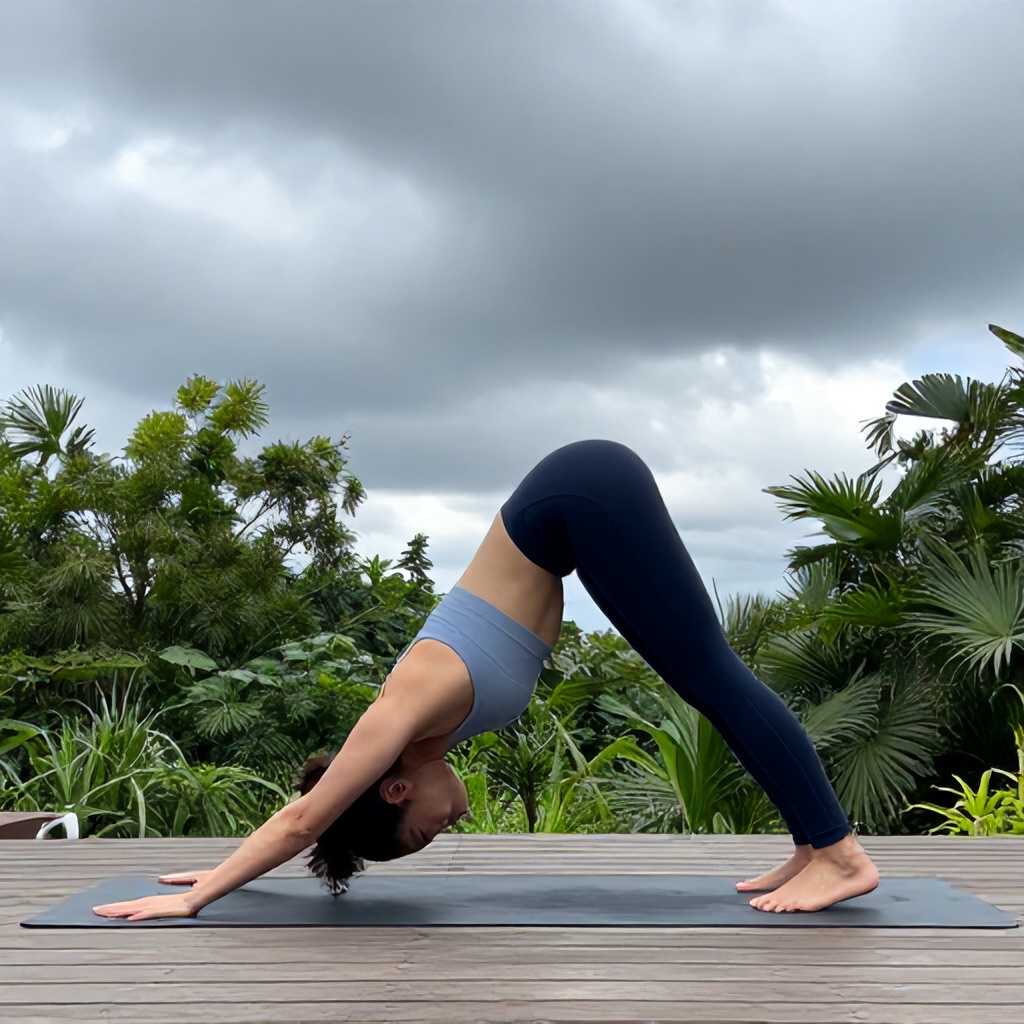
This is perhaps the most iconic of all yoga postures. Start on your hands and knees, then lift your hips toward the ceiling, forming an inverted V-shape. Spread your fingers wide and press firmly into the mat. Your head should hang freely between your upper arms. Focus on lengthening your spine rather than getting your heels to the floor. If your hamstrings are tight, keep your knees bent. This pose is a full-body stretch that engages the arms, back, and legs simultaneously. It is frequently used as a transition in yoga sequences to reset the body.

Refining Your Yoga Alignment

Alignment is the secret to a sustainable practice. When your joints are stacked correctly, you can hold poses longer and with less risk of injury. Think of your body as a series of levers and pulleys. When you move into a pose, check your foundation first. Are your feet grounded? Is your core engaged? Is your breath flowing?

Many people struggle with yoga anatomy because they try to force their bodies into shapes they see in magazines. Instead, focus on how the pose feels. If you are practicing in a space with muted purple decor, let that calm environment influence your pace. Move slowly. Use props like blocks, straps, and bolsters to bring the floor closer to you. There is no shame in using equipment; it is a sign of a smart practitioner who values longevity over ego.

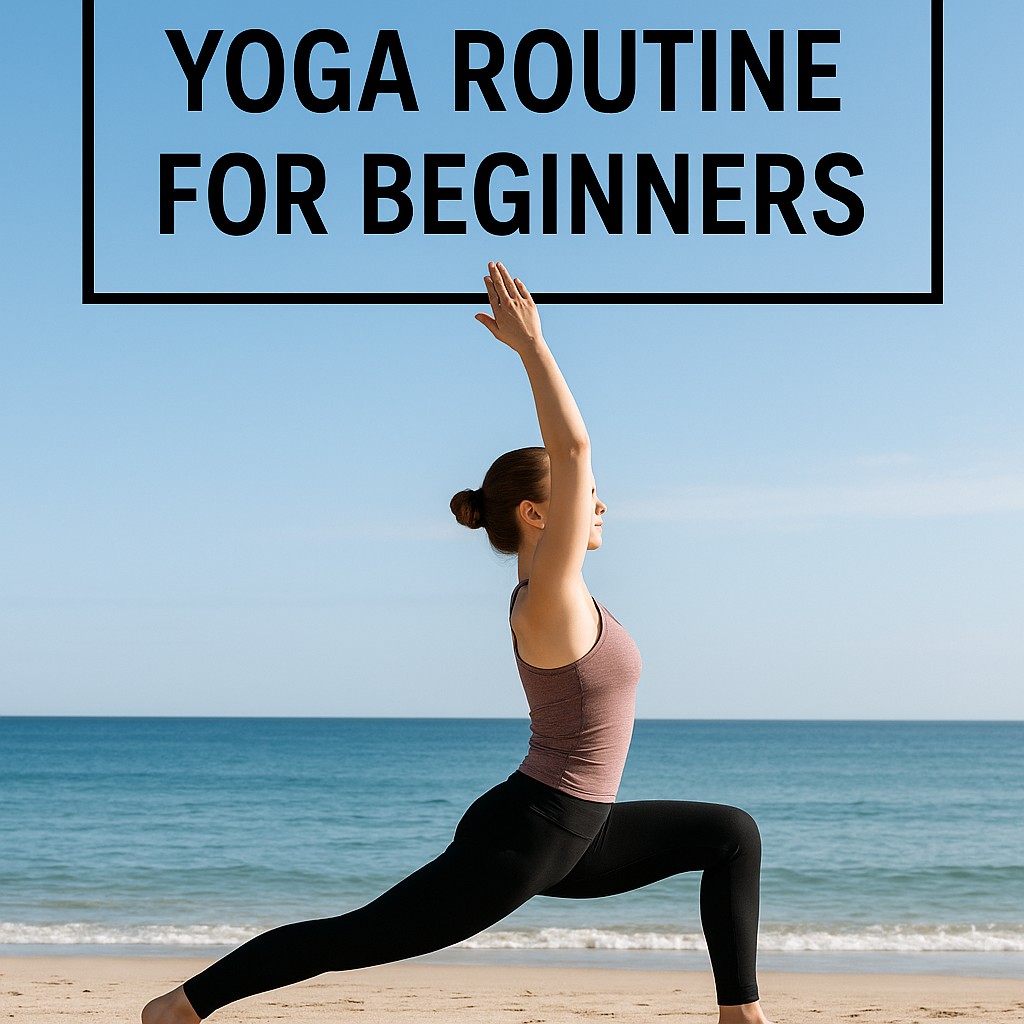
When you look at yoga illustrations, pay attention to the angles. A slight tilt of the pelvis can change the entire sensation of a pose. For example, in a lunge, tucking your tailbone slightly can protect your lower back and deepen the stretch in your hip flexors. These small, subtle shifts are what separate a casual stretch from a true yoga practice.

Integrating Yoga into Your Daily Routine

You do not need an hour to reap the benefits of yoga. Even ten minutes of intentional movement can shift your mood and energy levels. Create a small corner in your home that feels inviting. A peachy-pink background or a simple mat in a neutral color can make your practice space feel like a sanctuary. Consistency matters more than intensity.

Start by picking three poses you enjoy. Maybe you love the grounding nature of Mountain pose, the stretch of Downward-Facing Dog, and the restfulness of Child’s pose. Create a simple flow that moves you from one to the other. Use your breath as the bridge between these shapes. Inhale as you expand, and exhale as you fold or twist. This rhythmic breathing is what turns a series of yoga positions into a moving meditation.

Keep a journal of your progress. Note which poses feel tight and which feel fluid. Over time, you will see how your body changes. You might notice that your shoulders feel less tense after a long day at the desk, or that your balance has improved during everyday activities. These are the real markers of progress, not how deep you can fold or how high you can lift your leg.

Common Mistakes to Avoid

One of the most common errors is holding the breath. When a pose becomes difficult, the natural tendency is to clench the jaw or hold the breath. This signals to your nervous system that you are in danger, which creates tension. Instead, consciously soften your face and deepen your breath. If you find yourself gasping, back out of the pose slightly.

Another mistake is over-stretching. Flexibility is a byproduct of yoga, not the primary goal. Never push into a sharp or shooting pain. If you feel a dull, aching sensation, that is usually a sign that you are pushing too hard. Listen to your body. It will tell you exactly what it needs if you are willing to pay attention. Remember that every day is different; some days you will feel open and flexible, while other days you will feel stiff and tired. Both are perfectly normal.

Finally, avoid comparing yourself to others. Yoga is an individual practice. The person next to you might have a different skeletal structure, a different history of injuries, or a different level of experience. Focus on your own mat. Your yoga practice is a conversation between you and your body, not a performance for anyone else.

The Role of Props and Modifications

Props are not just for beginners. They are tools that help you achieve better alignment. A block under your hand in a triangle pose can prevent you from collapsing your chest. A strap can help you maintain a straight spine in a seated fold. A bolster under your knees in Savasana can release tension in your lower back. Using these items allows you to experience the full benefit of the pose without compromising your form.

Think of your yoga practice as a lifelong project. You are building a relationship with your physical self. As you age, your needs will change, and your practice should evolve with you. What works for you today might look different in five years, and that is perfectly fine. The key is to remain curious and open to the process.

When you are looking for inspiration, seek out high-quality yoga diagrams that explain the mechanics of the pose. Understanding the anatomy—which muscles are lengthening and which are contracting—can help you perform the movements with more precision. This knowledge empowers you to practice safely at home, even without a teacher present.

Creating Your Own Sequences

Once you are comfortable with individual poses, you can start to link them together. A good sequence usually follows a logical progression: starting with gentle warm-ups, moving into more active standing poses, and finishing with cooling floor-based stretches. This structure helps prepare the body for deeper work and ensures a safe transition back to a resting state.

For a morning sequence, focus on poses that wake up the spine and increase circulation. Cat-Cow stretches are excellent for this. Start on your hands and knees. Inhale as you drop your belly and look up, and exhale as you round your spine and tuck your chin. Repeat this ten times to lubricate the vertebrae. Follow this with a few rounds of Sun Salutations to build heat.

For an evening sequence, focus on poses that release the day’s stress. Legs-Up-The-Wall is a fantastic restorative pose. Simply lie on your back and rest your legs vertically against a wall. This helps drain fluid from the legs and calms the nervous system. Stay here for five to ten minutes, focusing on slow, deep breaths. It is the perfect way to signal to your body that it is time to wind down.

Final Thoughts on Your Practice

Yoga is a practice of showing up. It is about the commitment to spend time with yourself, moving in ways that feel good and restorative. Whether you are following a complex sequence or just doing a few simple stretches, the value lies in the attention you bring to the moment. Keep your space clean and inviting, use your props wisely, and always prioritize your breath over the depth of your pose.

As you continue your journey, remember that the poses are just shapes. The real yoga happens in the space between the shapes—in the way you handle the challenge of a difficult pose, the way you breathe through discomfort, and the way you treat yourself with kindness when you fall out of balance. This is the essence of a sustainable and rewarding practice. Enjoy the process of learning your body, one pose at a time.

Stay consistent, stay curious, and keep your practice grounded in the reality of your own experience. There is no right or wrong way to feel in a pose, only the way that is right for you in this exact moment. By focusing on alignment, breath, and mindful movement, you create a foundation that will support you for years to come. Your mat is always there for you, waiting for your next session.
Gentle Lying Down Yoga Flow for Improved Flexibility and Relaxation

Gentle Lying Down Yoga Flow for Improved Flexibility and Relaxation

This gentle lying down yoga flow is designed to boost your flexibility and melt away tension, all from the comfort of your yoga mat. You don’t need to be a seasoned yogi to enjoy these simple yet effective poses. We’ll focus on mindful movement and deep breaths, creating a peaceful sanctuary for your body and mind.

Why Choose a Lying Down Yoga Practice?

Sometimes, the idea of a full yoga practice can feel a bit daunting, especially if you’re feeling tired or stiff. That’s where a lying down yoga flow shines. It’s incredibly accessible, requiring minimal effort and offering maximum benefits. This type of practice, often referred to as supine yoga or floor yoga, is perfect for beginners, those recovering from injury, or anyone seeking a deeply relaxing stretching routine.

The beauty of lying down yoga is its inherent gentleness. Gravity assists you in many of the poses, allowing for a deeper stretch without strain. It’s a fantastic way to cultivate body awareness, gently coaxing tight muscles to release their grip. This mindful movement can also significantly improve your physical well-being and serve as a powerful tool for relaxation techniques.

Preparing Your Space

Before you begin your yoga practice, take a moment to set the scene. Find a quiet space where you won’t be disturbed. Lay out your yoga mat, ensuring it’s comfortable and provides adequate cushioning. Dim the lights if you like, or light a candle to create a calming ambiance. You might even want to put on some soft, instrumental music.

Having a bolster or firm pillow nearby can be helpful for some poses, offering extra support and deepening the sense of relaxation. If you don’t have a bolster, a rolled-up blanket or a few firm pillows will do the trick. Wear comfortable clothing that allows for free movement. The goal is to feel completely at ease.

Your Gentle Lying Down Yoga Sequence

This yoga sequence focuses on poses that can be done entirely lying down, making it ideal for a restorative yoga session. Each pose is held for several breaths, allowing you to sink into the stretch and connect with your body. Remember to breathe deeply and evenly throughout the practice. Inhale through your nose, expanding your belly and chest, and exhale slowly through your nose or mouth, releasing any tension.

1. Reclining Butterfly Pose (Supta Baddha Konasana)

Start by lying on your back. Bring the soles of your feet together, letting your knees fall open to the sides. This is a wonderful hip opener and a great way to begin releasing tension in the lower body. If your knees feel strained, place blocks or rolled-up towels under your outer thighs for support.

Allow your arms to rest by your sides, palms facing up, or place one hand on your heart and the other on your belly to feel your breath. Close your eyes and focus on the gentle opening in your hips and groin. Hold for 5-10 deep breaths, allowing your body to relax into the pose.

2. Supine Spinal Twist (Supta Matsyendrasana)

From Reclining Butterfly, gently draw your knees back together. Extend your arms out to the sides in a T-shape, palms down. Inhale, and as you exhale, slowly let both knees fall to one side. Keep both shoulders grounded on the mat as much as possible.

Turn your head to look in the opposite direction of your knees, if comfortable for your neck. This pose is excellent for releasing tension in the spine and can aid digestion. If your knees don’t reach the floor, place a block or pillow underneath them. Hold for 5-8 breaths on each side, breathing into the gentle twist.

3. Knees-to-Chest Pose (Apanasana)

Return to lying flat on your back. On an exhale, draw both knees into your chest. Wrap your arms around your shins or clasp your hands behind your thighs. Gently rock from side to side, massaging your lower back against the mat. This pose is incredibly soothing for the back and helps to release tension in the hips and hamstrings.

Focus on deep, even breaths. Imagine each exhale releasing a little more tightness from your body. Hold for 5-10 breaths. This is a simple yet effective part of any floor yoga practice.

4. Reclining Pigeon Pose (Supta Kapotasana)

From Knees-to-Chest, lower your feet to the mat, knees bent. Cross your right ankle over your left thigh, just above the knee. Flex your right foot to protect your knee. You should feel a stretch in your right hip and glute.

For a deeper stretch, lift your left foot off the floor and interlace your fingers behind your left thigh, drawing both legs closer towards your chest. Keep your head and shoulders relaxed on the mat. Hold for 5-8 breaths, then switch sides. This variation of pigeon pose is much gentler on the joints than the traditional seated version, making it a great flexibility exercise.

5. Bridge Pose (Setu Bandhasana) – Gentle Variation

Lie on your back with your knees bent and feet flat on the floor, hip-width apart. Your arms should be by your sides, palms down. Inhale and gently lift your hips off the floor, just a few inches. Keep your neck long and avoid pushing your chin towards your chest.

This gentle lift helps to open the chest and strengthen the back muscles. You can interlace your fingers underneath your back and gently roll your shoulders under to deepen the chest opening, or keep your arms by your sides. Hold for 3-5 breaths, then exhale and slowly lower your hips back down. Repeat 3-5 times. This pose can also be supported by placing a block under your sacrum for a more restorative experience.

6. Legs-Up-the-Wall Pose (Viparita Karani) – Modified

This is a wonderfully restorative pose that can be done with a wall or without. If you have a wall available, scoot your hips close to it and extend your legs straight up the wall. Your arms can rest by your sides, palms up, or you can place them on your belly. If you don’t have a wall, simply lie on your back and extend your legs straight up towards the ceiling.

This pose is excellent for improving circulation, calming the nervous system, and relieving tired legs and feet. It’s a cornerstone of many restorative yoga sequences. Sink into the pose and breathe deeply. Stay here for 5-10 minutes, allowing yourself to completely relax.

7. Corpse Pose (Savasana)

The most important pose in any yoga practice! Lie flat on your back, letting your legs extend long and fall open. Allow your arms to rest by your sides, a little away from your body, with your palms facing up. Let your shoulders relax away from your ears.

Close your eyes and consciously release any tension you are holding in your body, starting from your toes and moving all the way up to the crown of your head. Allow your breath to become natural and effortless. Simply be present in this moment of stillness and deep relaxation. Stay here for at least 5-10 minutes, or as long as you feel comfortable. This is where the true healing and integration of your yoga practice happens.

Tips for Enhancing Your Practice

Consistency is key when it comes to improving flexibility and relaxation. Aim to practice this lying down yoga flow a few times a week. Even a short 15-20 minute session can make a significant difference.

Listen to your body. This is not about pushing yourself to your limits. If a pose feels uncomfortable or causes pain, ease out of it or modify it. The goal is gentle movement and mindful awareness, not strain.

Incorporate breathwork. Deep, conscious breathing is a powerful relaxation technique. Focus on your inhales and exhales, letting them guide you deeper into the poses and into a state of calm.

Consider using props. Bolsters, blankets, and blocks can make poses more accessible and comfortable, allowing you to relax more fully and experience the full benefits of this gentle yoga practice. They are essential tools for therapeutic yoga.

Mindfulness is paramount. Pay attention to the sensations in your body. Notice where you feel tightness, where you feel release. This heightened body awareness is a core benefit of any yoga practice, including this supine yoga sequence.

Beyond the Mat

The benefits of this gentle lying down yoga flow extend beyond your mat time. By regularly practicing mindful movement and relaxation techniques, you can cultivate a greater sense of peace and resilience in your daily life. This practice can help reduce stress, improve sleep quality, and foster a more positive outlook on your physical well-being.

Whether you’re looking for a simple stretching routine, a way to unwind after a long day, or a gentle introduction to yoga for beginners, this lying down yoga sequence offers a nurturing and effective approach. Enjoy the journey of discovering greater flexibility and profound relaxation, one breath at a time.

Muscles Stretched in Forward Fold Pose (Uttanasana) Explained

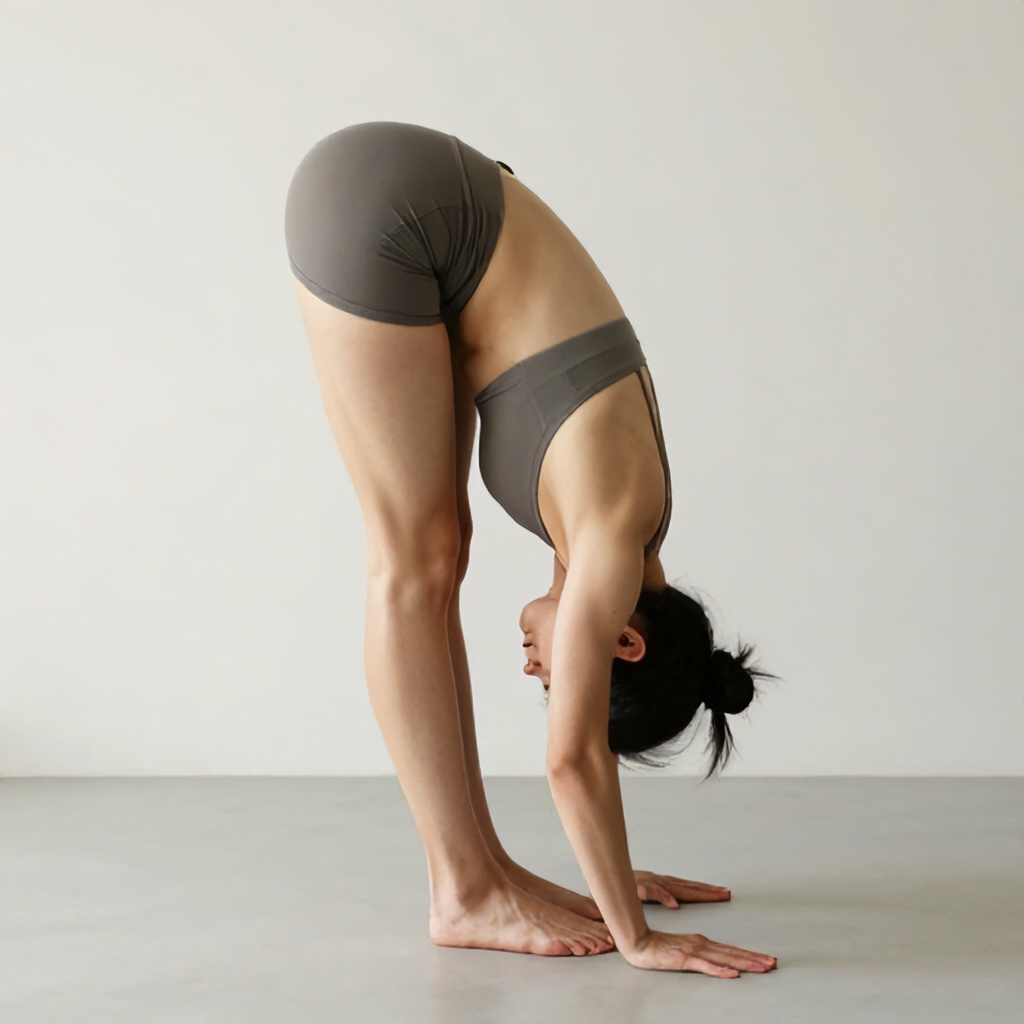
The Forward Fold Pose, a fundamental yoga and stretching exercise, primarily targets and lengthens the entire posterior chain of the body, from the heels up through the spine, promoting significant flexibility in the hamstrings, glutes, and spinal extensors.

Understanding the Forward Fold Pose

The Forward Fold Pose, often called Uttanasana in yoga, involves bending forward from the hips, bringing your torso towards your legs. It’s a classic posture found in many flexibility training routines because of its profound effects on the back of the body. This pose is more than just touching your toes; it’s a deep stretch that encourages spinal flexion and releases tension throughout the posterior muscle groups.

Practicing this forward-folding pose regularly helps improve overall body alignment and can be a powerful tool for stress reduction. It’s a physical exercise that requires both strength and surrender, allowing gravity to assist in lengthening tight areas. Many people find it to be a calming and grounding posture, making it a staple in a balanced yoga practice.

Key Muscle Groups Stretched in Forward Fold

An anatomical illustration of the human body in a forward fold would highlight several key muscle groups undergoing significant lengthening. Understanding which muscles are at work helps you perform the pose more effectively and safely. This visual guide details the primary and secondary muscles stretched.

The Hamstrings: The Stars of the Show

When you bend into a Forward Fold, your hamstrings are arguably the most intensely stretched muscle group. These powerful muscles run along the back of your thigh, from your sitting bones down to just below your knee. They consist of three distinct muscles: the biceps femoris, semitendinosus, and semimembranosus.

The primary function of the hamstrings includes hip extension and knee flexion. In the Forward Fold Pose, your hips are in deep flexion, and if your knees are straight (or only slightly bent), these muscles are stretched significantly. Tight hamstrings are a common issue, often contributing to lower back discomfort and limiting overall flexibility. A consistent hamstring stretch from poses like the forward fold is essential for maintaining healthy movement patterns and relieving tension.

As you hinge at your hips, the hamstrings are elongated. This lengthening is what creates that sensation of stretch in the back of your thighs. It’s important to feel this stretch evenly across all three hamstring muscles, which can be achieved by keeping your weight balanced in your feet and maintaining a gentle engagement of your quadriceps to protect your knees.

Gluteal Muscles: Supporting the Stretch

The gluteal muscles, commonly known as the glutes, are another significant muscle group engaged and stretched in the Forward Fold Pose. Comprising the gluteus maximus, medius, and minimus, these muscles form the bulk of your buttocks. Their main roles include hip extension, abduction, and external rotation.

In a forward fold, as your hips flex deeply, the gluteus maximus, in particular, undergoes a substantial stretch. This muscle is a powerful hip extensor, so when you move into the opposite action (hip flexion), it lengthens considerably. The glutes work in tandem with the hamstrings, and often, tightness in one group can impact the other. Releasing tension in the glutes can contribute to a deeper and more comfortable forward fold.

While the gluteus maximus is the most prominent, the deeper gluteal muscles also experience some lengthening, especially if there’s any slight internal rotation of the thighs. This deep stretch helps improve hip mobility and can alleviate stiffness in the lower back and hips.

Erector Spinae: The Spinal Extensors

The erector spinae muscles are a group of muscles that run vertically along your spine, from your sacrum all the way up to your skull. This group includes the iliocostalis, longissimus, and spinalis muscles. Their main job is to extend the spine, allowing you to stand upright, and to provide stability for your torso.

In the Forward Fold Pose, as you perform spinal flexion, these muscles are lengthened along the entire length of your back. This is a passive stretch for the erector spinae, meaning they are relaxing and elongating rather than actively contracting. A gentle release in these muscles can significantly reduce tension in the upper and lower back, improving overall posture.

For many individuals, chronic back pain is linked to tightness in these spinal muscles. The Forward Fold offers a therapeutic stretch, helping to decompress the spine and create more space between the vertebrae. It’s a fantastic way to counteract the effects of prolonged sitting or standing, which can shorten and stiffen the back muscles.

Calf Muscles: Gastrocnemius and Soleus

While not the primary focus, the calf muscles also receive a beneficial stretch in the Forward Fold, particularly if your heels remain grounded and your knees are relatively straight. The calves consist of two main muscles: the gastrocnemius (the larger, more superficial muscle) and the soleus (a deeper muscle underneath the gastrocnemius).

Both muscles are responsible for plantarflexion (pointing your toes). The gastrocnemius also assists in knee flexion because it crosses the knee joint. In the Forward Fold, especially if you actively press your heels down and lift your toes slightly, you’ll feel a stretch through the back of your lower legs. This stretching technique helps improve ankle flexibility and can alleviate tightness that might travel up into the hamstrings.

This secondary stretch is important for overall lower body flexibility. Tight calves can restrict ankle movement, which in turn can affect knee and hip mechanics. Including the calves in your overall flexibility exercise routine, even passively through a forward fold, contributes to better movement and reduced risk of injury.

Adductors: Inner Thigh Muscles

The adductor muscles are located on the inner thigh and include the adductor magnus, longus, brevis, pectineus, and gracilis. Their main function is to bring the legs towards the midline of the body (adduction). They also play a role in hip flexion and extension, depending on the specific muscle.

In a Forward Fold, especially if your feet are hip-width apart or slightly wider, the adductors receive a stretch as your hips flex and your legs might subtly abduct (move away from the midline) to accommodate the fold. This stretch is often more pronounced if you have particularly tight inner thighs. Releasing tension in the adductors can improve hip mobility and contribute to a more open and balanced lower body.

The adductors are often overlooked but are crucial for hip health and stability. A gentle stretch in these muscles can prevent imbalances that might affect walking, running, and other daily movements. The Forward Fold, while primarily a posterior chain stretch, still offers a valuable release for these inner thigh muscles.

Achieving Proper Body Alignment for a Safe Stretch

To truly benefit from the Forward Fold Pose and ensure a safe, effective deep stretch, proper body alignment is paramount. It’s not about how far down you can go, but how mindfully you move into the pose.

  • Hinge from the Hips: The movement should initiate from your hip joints, not your lower back. Imagine your pelvis tilting forward, leading with your chest. This ensures the stretch primarily targets your hamstrings and glutes, rather than putting strain on your lumbar spine.

  • Micro-Bend Your Knees: Always maintain a slight bend in your knees, especially if your hamstrings are tight. This protects your knee joints from hyperextension and allows for a more accessible and deeper stretch in the hamstrings without overstretching the connective tissue around the knees. As your flexibility improves, you might straighten your legs more, but never lock your knees.

  • Lengthen Your Spine: Initially, focus on lengthening your spine as you fold, keeping your back relatively flat. Only when your torso is parallel to the floor or you feel a significant stretch in your hamstrings should you allow your upper back to round gently. This two-part movement ensures you get the most out of the spinal flexion without compressing your vertebrae.

  • Engage Your Core: Lightly drawing your navel towards your spine helps support your lower back and deepens the stretch. Core engagement provides stability and prevents excessive rounding in the lumbar region, which can be detrimental over time.

  • Relax Your Neck and Shoulders: Once you are in the deepest part of your fold, allow your head to hang heavy, releasing any tension in your neck. Your shoulders should be relaxed, away from your ears. This helps to further release tension throughout the upper back and neck, contributing to the overall calming effect of the pose.

Benefits of Regular Forward Folding

Consistent practice of the Forward Fold Pose offers a wealth of physical and mental benefits, extending far beyond simple muscle lengthening. This flexibility exercise is a holistic tool for well-being.

  • Increased Flexibility: The most obvious benefit is improved flexibility in the hamstrings, glutes, and back muscles. This enhanced range of motion can make everyday movements easier and reduce the risk of injury.

  • Improved Posture: By lengthening the posterior chain, the Forward Fold helps counteract the effects of prolonged sitting, which often leads to tight hamstrings and a rounded upper back. Releasing these muscles can help you stand taller and with better alignment.

  • Stress Reduction and Calming Effect: Inversions, even partial ones like a forward fold where the head is below the heart, can stimulate the parasympathetic nervous system, promoting relaxation. The act of folding inward can be very grounding and meditative.

  • Relief from Back Pain: For many, tightness in the hamstrings and glutes contributes to lower back pain. Stretching these muscles can alleviate pressure on the lumbar spine, offering significant relief. The spinal flexion also helps decompress the vertebrae.

  • Enhanced Body Awareness: Paying attention to the sensations in your body as you stretch helps cultivate greater proprioception, your body’s sense of its position in space. This heightened awareness is valuable both on and off the yoga mat.

  • Improved Digestion: The gentle compression of the abdominal organs in a forward fold can stimulate digestion and relieve constipation. This internal massage is a subtle but beneficial aspect of the pose.

Tips for a Deeper, Safer Forward Fold

To deepen your Forward Fold safely and effectively, consider these practical tips. Remember, progress is gradual, and listening to your body is always the best approach.

  1. Warm Up First: Never go into a deep forward fold with cold muscles. A few minutes of gentle movement, like sun salutations, cat-cow stretches, or walking, will prepare your body for the stretch.

  2. Use Props: Yoga blocks can be your best friend. If your hands don’t comfortably reach the floor, place them on blocks. This allows you to maintain a long spine and focus on the hamstring stretch without straining your back. A strap can also be used around your feet to gently pull yourself deeper into the pose, again, keeping the spine long.

  3. Breathe Deeply: Use your breath as a guide. Inhale to lengthen your spine, and as you exhale, allow yourself to fold a little deeper, releasing tension. Never hold your breath in this pose; shallow breathing can create tension rather than release it.

  4. Hold for Time: For a significant flexibility gain, hold the Forward Fold for 30 seconds to a minute or even longer, if comfortable. Static stretching, where you hold a stretch for an extended period, is effective for increasing muscle length.

  5. Focus on Sensation, Not Depth: Instead of striving to touch your toes, focus on the sensation of the stretch in your hamstrings and along your spine. If you feel a sharp pain, ease out of the pose immediately. A healthy stretch should feel intense but never painful.

  6. Engage Antagonist Muscles: Actively engaging your quadriceps (the muscles on the front of your thighs) can help your hamstrings relax and lengthen more effectively. This reciprocal inhibition is a powerful stretching technique.

Common Mistakes to Avoid in Forward Fold

While the Forward Fold is a beneficial yoga pose, certain common mistakes can hinder your progress or even lead to discomfort. Being aware of these pitfalls helps ensure a safer and more effective stretching experience.

  • Rounding the Lower Back Excessively: This is perhaps the most common mistake. Folding from the lower back instead of hinging at the hips puts undue pressure on the lumbar spine and can lead to injury. Always prioritize a long spine over reaching the floor.

  • Locking the Knees: Hyperextending your knees can strain the ligaments and tendons around the knee joint. Always maintain a soft micro-bend in your knees to protect them and allow for a deeper, safer hamstring stretch.

  • Forcing the Stretch: Pushing too hard, too fast, can lead to muscle strains or tears. Flexibility is built gradually. Listen to your body’s signals and respect its current limits. The goal is release, not aggression.

  • Holding Your Breath: Tension often manifests as held breath. Holding your breath increases tension in the body, making it harder for muscles to relax and lengthen. Continuous, deep breathing is essential for releasing into the pose.

  • Ignoring Discomfort: While a stretch should feel intense, it should never be sharp or painful. Any sharp pain indicates you’ve gone too far or are stretching incorrectly. Back off immediately if you feel this.

  • Not Warming Up: Attempting a deep forward fold with cold muscles significantly increases the risk of injury. Always precede your deep stretches with a proper warm-up to prepare your muscles and connective tissues.

The Forward Fold Pose is a powerful and accessible flexibility exercise that offers profound benefits for your entire body. By understanding the anatomical diagram of muscles stretched and applying proper stretching technique, you can cultivate greater physical ease, improve your posture, and enhance your overall well-being. Incorporating this deep stretch into your regular yoga practice or daily routine, perhaps on a comfortable yoga mat while wearing activewear, will yield lasting positive results for your human anatomy.

7 Morning Yoga Poses for Energy, Clarity, and Daily Practice

Starting your day with a dedicated morning yoga routine can profoundly boost your energy levels, setting a positive and invigorated tone for everything that follows. These specific yoga poses are chosen for their ability to awaken the body gently, stimulate circulation, and foster mental clarity, making them perfect for your daily practice.

Why Morning Yoga Ignites Your Day

The quiet hours of the morning offer a unique opportunity to connect with your body and mind before the demands of the day begin. Engaging in morning yoga provides an energy boost that feels natural and sustained, unlike the jolt from caffeine. It’s a mindful movement practice that gently coaxes your body out of sleep, improving flexibility and preparing your muscles for activity. This daily practice isn’t just about physical postures; it’s about cultivating a sense of peace and readiness, contributing significantly to your holistic wellness. Incorporating these energizing poses helps to shake off sluggishness, enhance blood flow, and bring a refreshing sense of vitality.

Many people find that a consistent yoga routine in the morning helps reduce stress relief throughout the day, improving their overall mood. It’s an accessible way to integrate physical activity and mental focus, even for those new to yoga. These wake up yoga sequences are designed to be approachable, making them ideal for beginner yoga practitioners while still offering benefits for more experienced yogis.

7 Energizing Morning Yoga Poses

These seven yoga postures are specifically selected to create an invigorating yoga flow, designed to gently wake up your system, stretch out stiffness, and instill a sense of calm energy. Remember to breathe deeply and move with intention in each asana.

1. Cat-Cow Pose (Marjaryasana-Bitilasana)

This gentle yet powerful sequence is a fantastic way to warm up your spine and connect your breath with movement. It helps to improve spinal flexibility, relieve back pain, and stimulate the abdominal organs, preparing your body for more dynamic morning stretches. It’s a fundamental part of many yoga routines and excellent for beginner yoga.

  1. Begin on your hands and knees in a tabletop position. Ensure your wrists are directly under your shoulders and your knees are under your hips. Your fingers should be spread wide.
  2. As you inhale, drop your belly towards the mat, lift your chest and tailbone towards the ceiling, arching your back. This is Cow Pose.
  3. As you exhale, round your spine towards the ceiling, tucking your chin to your chest and drawing your navel towards your spine. This is Cat Pose.
  4. Continue flowing between Cat and Cow poses for 5-10 breaths, allowing your breath to initiate each movement.

Tip: Focus on the articulation of each vertebra in your spine. Let the movement be fluid and unhurried, really savoring the mindful movement.

2. Downward-Facing Dog (Adho Mukha Svanasana)

Downward-Facing Dog is an iconic yoga posture that stretches the entire body, from your hands to your feet. It lengthens the spine, strengthens the arms and legs, and calms the brain while also energizing the body. It’s a complete energy boost that reverses blood flow, invigorating the system and building core strength.

  1. From tabletop, tuck your toes under and lift your hips up and back, forming an inverted V-shape with your body.
  2. Press firmly through your palms and spread your fingers wide. Let your head hang freely between your arms.
  3. Aim to straighten your legs, pressing your heels towards the floor, but don’t worry if they don’t touch. You can keep a slight bend in your knees if your hamstrings feel tight.
  4. Hold for 5-8 breaths, feeling the stretch through your hamstrings, calves, and spine.

Tip: If your hamstrings are very tight, keep a generous bend in your knees to prioritize lengthening your spine. Pedal your feet out by bending one knee then the other to deepen the stretch in your calves.

3. Low Lunge (Anjaneyasana)

Low Lunge is an excellent pose for opening the hips and stretching the front of the body, particularly the hip flexors, which can become tight from prolonged sitting. This pose creates space and a feeling of expansiveness, contributing to an encouraging mood and a sense of openness for the day ahead. It’s a powerful energizing pose that helps to release tension.

  1. From Downward-Facing Dog, step your right foot forward between your hands. Lower your left knee to the mat, padding it with a blanket if needed.
  2. Ensure your right knee is stacked directly over your right ankle.
  3. You can keep your hands on the mat for support, or for a deeper stretch and more active pose, lift your torso upright and sweep your arms overhead, palms facing each other.
  4. Gaze forward or slightly up, feeling the stretch in your left hip flexor.
  5. Hold for 5 breaths, then return to Downward-Facing Dog and repeat on the left side.

Tip: Keep your core engaged to protect your lower back. If lifting your arms overhead is too much, rest your hands on your front thigh or keep them on blocks beside your front foot.

4. Warrior II (Virabhadrasana II)

Warrior II is a grounding and strengthening pose that builds focus and inner determination. It strengthens the legs and core, opens the hips and chest, and improves stamina. This physical posture embodies strength and resilience, perfect for cultivating an encouraging mood and mental clarity to face daily challenges.

  1. From Low Lunge (or Downward-Facing Dog), step your right foot forward between your hands. Spin your left heel down so your left foot is parallel with the back edge of your mat.
  2. Lift your torso upright, extending your arms out to the sides at shoulder height, palms facing down.
  3. Bend your right knee deeply, ensuring it’s stacked directly over your right ankle. Your front thigh should be parallel to the floor if possible.
  4. Gaze over your right fingertips. Keep your core engaged and your shoulders relaxed.
  5. Hold for 5-8 breaths, feeling powerful and expansive. Repeat on the left side.

Tip: Keep the outer edge of your back foot firmly rooted into the mat. Imagine energy radiating from your fingertips, extending in both directions.

5. Triangle Pose (Trikonasana)

Triangle Pose is a wonderfully expansive pose that stretches the hamstrings, groins, and hips, while also opening the chest and shoulders. It stimulates the abdominal organs and can help relieve stress, bringing a sense of calm and mental clarity. This pose is a fantastic flexibility exercise that invigorates the entire side body and spine.

  1. From Warrior II on the right side, straighten your front (right) leg.
  2. Reach forward with your right hand as far as you can, keeping your torso long.
  3. Hinge at your right hip, bringing your right hand down to your shin, ankle, or a block outside your right foot.
  4. Extend your left arm straight up towards the ceiling, stacking your left shoulder over your right.
  5. Turn your gaze up towards your left thumb, or keep it neutral if your neck feels strained.
  6. Hold for 5 breaths, feeling the stretch along your side body. Repeat on the left side.

Tip: Avoid collapsing into your bottom hand. Instead, imagine lifting your torso away from your front leg, creating length in both sides of your waist. Keep your core active.

6. Tree Pose (Vrksasana)

Tree Pose is a balancing asana that cultivates focus, stability, and inner calm. While it appears serene, it requires active engagement of the leg muscles and core, providing a subtle but powerful energy boost. It improves concentration and strengthens the ankles and thighs, helping to ground you for the day ahead. This yoga posture is excellent for fostering mental clarity.

  1. Begin standing tall in Mountain Pose (Tadasana), feet together, hands at your sides.
  2. Shift your weight onto your left foot, rooting down firmly.
  3. Bend your right knee and bring the sole of your right foot to your inner left ankle, calf, or inner thigh (avoid placing it directly on your knee joint).
  4. Once stable, bring your hands to prayer position at your heart center. For an added challenge, extend your arms overhead like branches.
  5. Find a steady gaze point (drishti) in front of you that isn’t moving.
  6. Hold for 5-8 breaths, focusing on your balance and steady breathing. Repeat on the other side.

Tip: Don’t worry if you wobble! Balance is a practice. If placing your foot high is difficult, keep your toes on the floor with your heel resting against your ankle. This is still a beneficial practice.

7. Seated Spinal Twist (Ardha Matsyendrasana)

A seated spinal twist is a wonderful way to conclude your energizing sequence. Twists gently compress and then release the internal organs, aiding in detoxification and stimulating digestion. They also increase spinal mobility and release tension in the back and shoulders, leaving you feeling refreshed and invigorated. This physical posture offers a gentle stress relief and a final energy boost.

  1. Sit on your mat with both legs extended straight in front of you.
  2. Bend your right knee and place your right foot flat on the floor outside your left thigh.
  3. Keep your left leg extended or, for a deeper twist, bend your left knee and bring your left heel towards your right hip.
  4. Place your right hand on the floor behind you for support.
  5. Inhale to lengthen your spine, then exhale as you twist your torso to the right, hooking your left elbow outside your right knee or hugging your knee with your left arm.
  6. Gaze over your right shoulder.
  7. Hold for 5 breaths, feeling the gentle wringing sensation. Unwind slowly and repeat on the left side.

Tip: Always twist from your core, not just your neck. Keep both sit bones grounded as much as possible. If the full twist is too intense, simply hug your knee with both arms and twist gently.

Building Your Daily Practice: An Energizing Yoga Flow

These individual yoga poses can be strung together to create a seamless, energizing yoga flow. Starting with Cat-Cow to warm up, moving through Downward-Facing Dog, then flowing into Low Lunge, Warrior II, and Triangle Pose on both sides, before finding balance in Tree Pose, and finally releasing tension with a Seated Spinal Twist. This sequence offers a comprehensive set of morning stretches that awaken every part of your body.

Many find that practicing a short vinyasa flow, which synchronizes breath with movement, is incredibly effective for an energy boost. While this isn’t a full Sun Salutation sequence, it incorporates elements of a dynamic hatha yoga practice, making it suitable for beginner yoga enthusiasts looking to build a consistent yoga routine. The key is to move mindfully, paying attention to how each physical posture feels in your body.

Beyond Physical Postures: Mental Clarity and Holistic Wellness

The benefits of a morning yoga routine extend far beyond just physical flexibility exercises and an energy boost. Consistent practice cultivates mental clarity, helping you approach your day with a focused and calm mind. The deep breathing inherent in yoga postures acts as a powerful stress relief mechanism, reducing anxiety and promoting a sense of inner peace. This holistic wellness approach addresses both the body and mind, creating a balanced foundation for your day.

To enhance your experience, try practicing near a window to incorporate natural elements like sunlight into your wake up yoga. Imagine the sun’s energy filling you as you move through your asanas. This encourages a positive, encouraging mood and strengthens your connection to the present moment. Even a short 15-20 minute session can make a profound difference in how you feel throughout your day.

Embrace the Power of Morning Yoga

Incorporating these energizing poses into your morning routine is a simple yet powerful way to transform your daily experience. From the gentle awakening of Cat-Cow to the grounding stability of Tree Pose, each yoga posture contributes to a vibrant start. This daily practice offers not just an immediate energy boost but also fosters long-term physical and mental well-being, paving the way for a more productive and peaceful day.

8 Gentle Yoga Poses to Reduce Stress and Calm Inflammation

Gentle Yoga for a Stronger You: Poses to Ease Stress and Inflammation

Calm inflammation and reduce stress with these gentle immune-boosting yoga poses.

It feels like everyone is catching a bug these days, doesn’t it? And when you add the pressure of daily life to that, it can make you feel even more vulnerable to getting sick. Stress has a way of weakening your immune system and actually ramping up chronic inflammation in your body. That’s a double whammy for your well-being. But here’s the good news: yoga can be a fantastic ally in keeping your immune system humming along nicely. Seriously, a look at 15 different studies revealed that a regular yoga practice can give your immunity a significant boost by tackling both stress and inflammation. And if you’re already feeling under the weather, yoga can even help by lowering those inflammatory markers in your system.

Sidebar: 8 Yoga Poses to Reduce Inflammation and Boost Immunity

Calm inflammation and reduce stress with these gentle immune-boosting yoga poses. As if it isn’t bad enough that every other person you know is catching a bug, adding stress to the mix can make you even more susceptible to getting sick. Stress can actually weaken your immune system and increase chronic inflammation. ( 1 ) Fortunately, yoga can help keep your immune system in tip-top shape. A review of 15 studies showed that yoga can boost immunity by both reducing stress and decreasing inflammation in the body. Yoga can also be beneficial

To truly reap the consistent immune-boosting benefits, a regular yoga practice is key. Aim to practice these yoga poses daily. Before you begin, make sure you have a comfortable yoga mat and perhaps a bolster or a long pillow handy for extra support.

Why Yoga Works Wonders

Think of your body like a finely tuned instrument. When it’s out of tune, things can feel off. Stress causes a cascade of reactions in your body, often leading to increased inflammation. This isn’t just about feeling achy; chronic inflammation is linked to a whole host of health issues. Yoga, on the other hand, offers a powerful antidote. The combination of physical movement, deep breathing, and mindfulness helps to quiet the nervous system, signaling your body to relax. This shift from “fight or flight” to “rest and digest” mode is incredibly beneficial for reducing stress hormones like cortisol. Lower stress levels directly translate to a less inflamed body and a more robust immune system.

Beyond stress reduction, the physical practice of yoga also encourages better circulation. Improved blood flow means that oxygen and nutrients can reach your cells more efficiently, and waste products can be cleared away more effectively. This supports overall cellular health and can help to reduce the inflammatory processes that might be simmering beneath the surface. It’s a holistic approach to well-being, touching on physical health, mental clarity, and emotional balance.

Getting Started with Your Yoga Practice

Starting a yoga practice doesn’t need to be intimidating. The focus here is on gentle, restorative movements that anyone can do. You don’t need to be flexible or have years of experience. All you need is willingness and a little bit of space. Having a yoga mat provides a stable and comfortable surface, preventing slips and adding cushioning. A bolster or a long pillow can be a game-changer, offering support in poses and allowing you to relax more deeply into the stretches. This is about self-care, not performance.

Consistency is more important than intensity. Even a short, daily yoga session can make a significant difference over time. Think of it as a small investment in your overall health and resilience. You might also find that incorporating elements of mindfulness, like focusing on your breath, enhances the benefits of your yoga stretches.

8 Gentle Yoga Poses to Try

These poses are chosen for their ability to gently stretch the body, calm the mind, and support your immune system. Remember to listen to your body and modify poses as needed. The goal is to feel good, not to push yourself into pain.

Wide-Legged Forward Fold with Twist

This pose is wonderful for releasing tension in the hips and spine, while also providing a gentle twist that can aid digestion and detoxification. It’s a great way to unwind after a long day.

  1. Start standing sideways on your mat with your feet wide apart, about three to four feet, and your toes pointing straight ahead.
  2. Place your hands on your hips and gently engage your abdominal muscles.
  3. As you inhale, lengthen your spine. Then, exhale and begin to fold your torso forward from your hips.
  4. Bring your hands to the ground, placing them directly underneath your shoulders. You can bend your knees slightly if your hamstrings feel tight.
  5. Keep your right hand firmly planted on the ground. As you inhale, reach your left arm up towards the sky, opening your chest. Spread your fingers wide and aim to keep your hips level by imagining lifting your right hip up.
  6. Hold this twist for about 5 breaths, focusing on your breath and the gentle stretch.
  7. To release, exhale and bring your left hand back down to the ground.
  8. Inhale to rise halfway up, then switch sides. Place your left hand down, and inhale to lift your right arm towards the sky for 5 breaths.
  9. Exhale to release both hands to the ground and inhale to slowly rise back up to standing.

Plank Pose

Plank Pose might seem simple, but it’s a powerhouse for building core strength, which is essential for good posture and stability. It also engages your entire body, promoting circulation and a sense of grounding.

  1. Begin by getting into a high plank position. Your body should form a straight line from your head to your heels.
  2. Ensure your shoulders are stacked directly over your wrists. Spread your fingers wide to create a stable base.
  3. Lift your heels high, engaging your calf muscles. Keep your hips in line with your shoulders – avoid letting them sag or lift too high.
  4. Actively engage your abdominal muscles by drawing your navel towards your spine, and also engage your quadriceps (the muscles in the front of your thighs).
  5. Hold this strong pose for about 5 breaths, feeling the energy and stability it creates.
  6. To release, gently lower your knees to the mat.

Cobra Pose

Cobra Pose is a gentle backbend that helps to open the chest and shoulders, counteracting the effects of prolonged sitting or slouching. It can also stimulate the abdominal organs and improve respiratory health.

  1. Lie down on your belly on your yoga mat.
  2. Engage your abdominal muscles by gently drawing your navel up and in towards your spine. This protects your lower back.
  3. Bend your elbows and place your hands flat on the mat, positioned next to your ribs, with your fingertips pointing forward.
  4. Keep your thighs and the tops of your feet pressing into the mat.
  5. As you inhale, press gently into your palms and begin to lift your chest off the mat. Keep a slight bend in your elbows and actively squeeze your shoulder blades together, drawing them down your back.
  6. Your gaze should be slightly forward and down, keeping your neck long.
  7. Hold this pose for about 5 breaths, breathing into the expansion of your chest.
  8. To release, exhale and slowly lower your chest back down to the mat.

Low Lunge Prayer Twist

This pose is fantastic for improving hip flexibility and creating a deep twist that can help detoxify the body and stimulate digestion. It also builds strength in the legs and core.

  1. Start on your hands and knees in a tabletop position.
  2. Step your right foot forward between your hands, ensuring your knee is stacked directly over your ankle.
  3. As you inhale, lift your chest and lengthen your spine. Bring your palms together in a prayer position at the center of your chest and engage your abdominal muscles.
  4. On an exhale, begin to twist your torso to the right.
  5. If it feels accessible, you can hook your left tricep (the back of your upper left arm) on the outer right thigh. This deepens the twist.
  6. With each inhale, focus on lengthening your spine, creating space. With each exhale, gently twist a little deeper.
  7. Hold here for five to eight breaths, allowing the twist to work its magic.
  8. To release, bring your hands back to the mat and step your right foot back to tabletop.
  9. Repeat the pose on the other side, stepping your left foot forward and twisting to the left for five to eight breaths.

Dolphin Pose

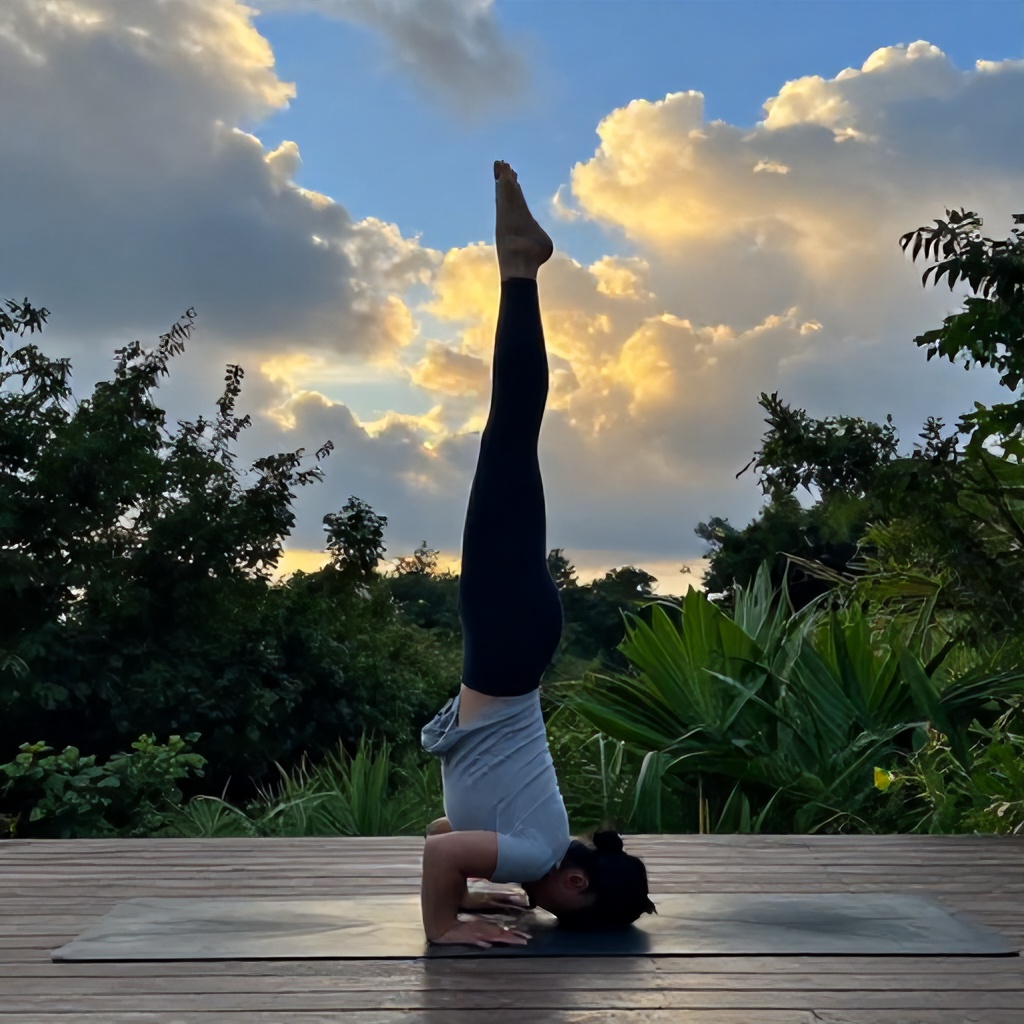
Dolphin Pose is a wonderful inversion that strengthens the shoulders, arms, and core, while also providing a gentle stretch for the hamstrings and calves. It can help to calm the nervous system and improve circulation.

  1. Begin on your hands and knees in a tabletop position.
  2. Lower down onto your forearms, ensuring your elbows are directly beneath your shoulders and your forearms are parallel.
  3. Step your feet back, coming into a forearm plank position, with your body in a straight line from head to heels.
  4. Take an inhale to prepare. Then, exhale and begin to walk your feet towards your elbows as you lift your hips up and back towards the sky.
  5. Your body should resemble an inverted V shape. You can keep a slight bend in your knees if your hamstrings are tight.
  6. Focus on pressing actively through your forearms and palms, and drawing your shoulder blades away from your ears.
  7. Hold this pose for about 5 breaths, feeling the stretch and the strength building.
  8. To release, exhale and gently lower your hips back down to the mat.

Tree Pose

Tree Pose is a classic balancing pose that cultivates focus, stability, and a sense of groundedness. It’s excellent for improving balance and strengthening the ankles, legs, and core. It also encourages a sense of inner peace.

  1. Stand tall on your yoga mat with your feet together or hip-width apart.
  2. Shift your weight onto your left foot.
  3. Bring the sole of your right foot to your inner left ankle, calf, or inner thigh (avoid pressing directly on your knee joint).
  4. Bring your hands together in prayer position at your heart center.
  5. Find a steady point to focus your gaze on (a “drishti”) to help with balance.
  6. Engage your core muscles to help stabilize your body.
  7. Hold this pose for about 5 breaths, feeling the strength and balance you are cultivating.
  8. To release, gently lower your right foot back to the mat.
  9. Repeat on the other side, shifting your weight onto your right foot and bringing your left foot to your inner leg.

Tip: Don’t worry if you wobble in Tree Pose! It’s a natural part of the process. The goal is to find your balance, not to be perfectly still. You can always use a wall for support if needed.

Child’s Pose

Child’s Pose is a deeply restorative pose that offers a gentle stretch for the back, hips, and thighs. It’s a wonderful pose for calming the nervous system and promoting relaxation, making it perfect for stress reduction.

  1. Start on your hands and knees on your yoga mat.
  2. Bring your big toes to touch and widen your knees apart, as much as is comfortable for your hips.
  3. Exhale and sink your hips back towards your heels.
  4. Rest your torso down between your thighs.
  5. Extend your arms forward on the mat, or rest them alongside your body with your palms facing up.
  6. Rest your forehead on the mat.
  7. Allow your breath to deepen and your body to relax completely. Stay here for as long as you need, letting go of any tension.

Seated Forward Bend

This pose is a soothing way to stretch the hamstrings, spine, and shoulders. It’s also known for its calming effect on the brain, helping to reduce stress and anxiety.

  1. Sit on your yoga mat with your legs extended straight out in front of you.
  2. Flex your feet, drawing your toes towards your shins.
  3. Inhale and lengthen your spine, reaching the crown of your head towards the ceiling.
  4. As you exhale, hinge forward from your hips, keeping your back as straight as possible.
  5. Reach your hands towards your feet, shins, or the floor. If your hamstrings are tight, you can place a bolster or pillow under your knees.
  6. Allow your head and neck to relax.
  7. Hold for 5-10 breaths, breathing into the stretch.
  8. Inhale to slowly rise back up to a seated position.

Tip: If sitting with straight legs is uncomfortable, you can bend your knees slightly or sit on a folded blanket to elevate your hips. The key is to maintain a long spine as you fold forward.

Integrating Yoga into Your Life

Making yoga a consistent part of your routine is where the magic happens. It’s not about perfection; it’s about practice. Even 15-20 minutes a day can yield significant benefits for your immune system and overall well-being. Try to schedule your yoga practice at a time that works best for you, whether it’s first thing in the morning to set a calm tone for the day, or in the evening to unwind and prepare for restful sleep. Your stretching routine doesn’t have to be complicated; these simple poses can form the foundation of a beneficial yoga journey.

Consider exploring different styles of yoga as you progress. While these poses are gentle, there are many other forms of yoga that can offer varied benefits. The important thing is to find a practice that resonates with you and supports your health goals. Remember, physical activity, combined with mindfulness, is a powerful duo for holistic health. You might also find that complementing your yoga practice with mindful eating, such as following an AIP Meal Plan, further supports your body’s natural healing processes and reduces inflammation.

Important Note: Always consult with your healthcare provider before starting any new exercise program, especially if you have any underlying health conditions. Listen to your body and never push yourself into pain.

20 Minute Beginner Yoga Routine for Flexibility and Toning

Your 20-Minute Beginner Yoga Routine for Flexibility and Toning

If you’re curious about yoga but feel a bit lost on where to begin, this 20-minute beginner yoga routine is your perfect starting point. It gently guides you through fundamental yoga poses designed to stretch, calm, and tone your entire body. Whatever your reason for exploring yoga, I’m genuinely happy you’ve started this journey, and I’m here to share the incredible benefits yoga offers.

This beginner yoga routine features 16 poses. Aim to hold each pose for about 15 seconds, or roughly five slow, deep breaths. Follow the sequence up to Downward Facing Dog (pose 13), then repeat the first side of the sequence on your other side before moving into the cool-down poses.

This particular 20 minute yoga workout is excellent for building foundational strength, toning your muscles, and significantly improving your flexibility. Remember, this is your practice. Move at your own pace and listen to your body. If holding poses for 15 seconds feels like too much right now, that’s absolutely fine! The most important thing is that you are moving, growing, and learning.

Some of these yoga postures might seem a bit challenging at first glance. However, all the poses in this yoga sequence are beginner friendly, meaning you can easily modify them to suit your current level. I’ve chosen these specific poses because they are dynamic and form essential base poses for developing your yoga practice.

For modifications, having a couple of yoga blocks and a yoga strap can be incredibly helpful. You can find recommendations for these useful yoga tools on our dedicated page.

Tip: If you’re new to yoga, consider having a yoga mat for comfort and grip. Yoga blocks can help bring the floor closer to you, and a yoga strap can assist in reaching further in stretches. These yoga tools are great for supporting your yoga journey.

The poses included in this 20 minute yoga routine are:

  1. Cat-Cow – 3 rounds
  2. Downward Facing Dog – 5 breaths
  3. Standing Forward Fold – 5 breaths
  4. Mountain Pose – 5 breaths
  5. Standing Backbend – 5 breaths
  6. Warrior II – 5 breaths
  7. Triangle Pose – 5 breaths
  8. Extended Side Angle Pose – 5 breaths
  9. Chair Pose – 5 breaths
  10. Standing Forward Fold – 5 breaths
  11. Four Limbed Staff Pose – 5 breaths
  12. Cobra Pose – 5 breaths
  13. Downward Facing Dog – 5 breaths
  14. Pigeon Pose – 5 breaths
  15. Seated Straight Legged Forward Fold – 5 breaths
  16. Savasana (Corpse Pose) – 1-2 minutes

Understanding the Benefits: Tone, Flexibility, and Beyond

Toning Your Body

As you move through this yoga sequence, you’ll notice how many different muscle groups are engaged. Poses like Warrior II and Chair Pose build strength in your legs and core. Even poses that feel more restorative, like Cobra, work to strengthen your back muscles. Consistent practice contributes to overall muscle toning, giving you a more sculpted physique over time. This isn’t just about aesthetics; stronger muscles support your joints and improve your posture.

Improving Flexibility

Flexibility yoga is a cornerstone of many people’s practice, and this routine is designed to enhance just that. Poses like Standing Forward Fold and Seated Straight Legged Forward Fold gently stretch the hamstrings and spine. Cat-Cow warms up the spine, preparing it for deeper movements. Pigeon Pose is excellent for opening up the hips, a common area of tightness for many. Regularly incorporating this stretching routine will lead to noticeable improvements in your range of motion, making everyday movements feel easier and reducing the risk of injury.

Calming Your Mind

Beyond the physical benefits, yoga is profoundly beneficial for mental well-being. The focus required to hold poses and move with your breath helps to quiet the constant chatter of the mind. Savasana at the end of the practice is a vital period of relaxation, allowing your body and mind to integrate the benefits of the session. This mindful approach is a key aspect of the yoga lifestyle, promoting stress reduction and a sense of inner peace.

How Many Calories Does a 20-Minute Yoga Routine Burn?

Many people are turning to yoga for its holistic benefits, including its effectiveness in weight management. A fundamental principle of weight loss involves burning more calories than you consume, and incorporating exercise is a key part of this equation. You might be wondering precisely how many calories a 20-minute yoga workout can burn.

Using a simple online calorie calculator, a person weighing around 150 pounds might burn approximately 62 calories during 20 minutes of Hatha yoga. The actual number of calories burned can vary significantly based on the type of yoga and the intensity of your practice.

For comparison, Vinyasa yoga, which is typically more dynamic and faster-paced, can burn around 198 calories in the same 20-minute period. This substantial difference is because Vinyasa yoga raises your heart rate more significantly than Hatha yoga, which tends to focus more on foundational alignment and basic yoga postures.

Frequently Asked Questions

What if I can’t do a pose perfectly?

That’s completely okay! Yoga is a personal journey, and modifications are your best friend. Don’t worry about perfection; focus on how the pose feels in your body. The goal is progress, not perfection. For example, if a forward fold is too intense, bend your knees generously.

How often should I do this beginner yoga routine?

Consistency is key for seeing results in flexibility and toning. Aim to practice this routine at least 3-4 times a week. You can also sprinkle in individual poses throughout your day as a quick stretching routine whenever you feel the need.

What are the most important yoga foundations to focus on?

For beginners, focusing on your breath (pranayama) and proper yoga alignment is paramount. Pay attention to how your body feels in each pose and try to maintain a steady, even breath. These yoga foundations will support your entire yoga practice as you advance.

Can this routine help with weight loss?

While this routine isn’t as intense as some cardio workouts, it contributes to calorie expenditure and muscle toning, both of which are beneficial for weight loss. When combined with a balanced diet, a regular yoga practice can certainly support your weight loss goals.

What’s the difference between Hatha and Vinyasa yoga?

Hatha yoga generally involves holding poses for longer periods and focuses on breath control and alignment. Vinyasa yoga is more fluid, linking poses together with the breath in a continuous flow. This beginner routine incorporates elements that are accessible from both styles.

Getting Started with Your Yoga Practice

Embarking on your yoga journey is a wonderful decision. This 20-minute routine is designed to be accessible, allowing you to build confidence and strength gradually. Remember that every experienced yogi started somewhere, and this beginner yoga routine provides a solid starting point.

As you become more comfortable, you might explore different types of yoga, like Hatha yoga for its focus on alignment or Vinyasa yoga for a more dynamic workout. The most important thing is to find a yoga lifestyle that resonates with you and supports your overall well-being.

Don’t be discouraged if some yoga postures feel challenging initially. The beauty of yoga is its adaptability. Listen to your body, be patient with yourself, and celebrate every small victory. Your commitment to this practice is the most significant step.

Yoga Tips for Beginners:

  • Listen to your body: Never push yourself into pain. Modify poses as needed.
  • Focus on your breath: Your breath is your anchor. Try to keep it steady and deep.
  • Be patient: Progress takes time. Enjoy the process of learning and growing.
  • Find a comfortable space: A quiet, uncluttered area will help you focus.
  • Don’t compare: Everyone’s yoga journey is unique.

Printable Illustrated Yoga Poses Guide for Boosting Flexibility

A printable illustrated yoga poses guide offers a direct, screen-free way to boost your flexibility, providing a clear visual reference for effective physical postures right where you need it.

Why Flexibility Matters for Everyone

Flexibility often gets overlooked in our daily fitness routines, yet it’s a fundamental component of overall wellness. It’s not just about touching your toes; it deeply impacts how your body moves through life, from simple tasks to more strenuous physical activity. Improving your flexibility means enhancing your range of motion in joints, which allows for smoother, more efficient body movements.

Think about the everyday actions you perform: bending down to tie your shoes, reaching for something on a high shelf, or even turning your head to check your blind spot while driving. All these actions rely on a certain degree of flexibility. When your muscles are tight and restricted, these movements become more challenging, sometimes even painful. A consistent yoga practice, even with gentle exercises, can significantly improve these aspects of your physical well-being.

Beyond daily convenience, flexibility plays a crucial role in injury prevention. Stiff muscles are more prone to strains and tears, especially during sudden movements or intense exercise. By gradually lengthening your muscles and increasing joint mobility through a dedicated flexibility guide, you create a more resilient body, better equipped to handle the demands of life and sport. This also contributes to better posture, as flexible muscles allow your body to naturally align itself more effectively, reducing strain on your spine and other joints.

  • Reduced muscle stiffness and tension
  • Improved posture and body alignment
  • Enhanced athletic performance and range of motion
  • Significant injury prevention
  • Better circulation and reduced muscle soreness
  • Increased body awareness and relaxation

The Power of a Printable Illustrated Guide

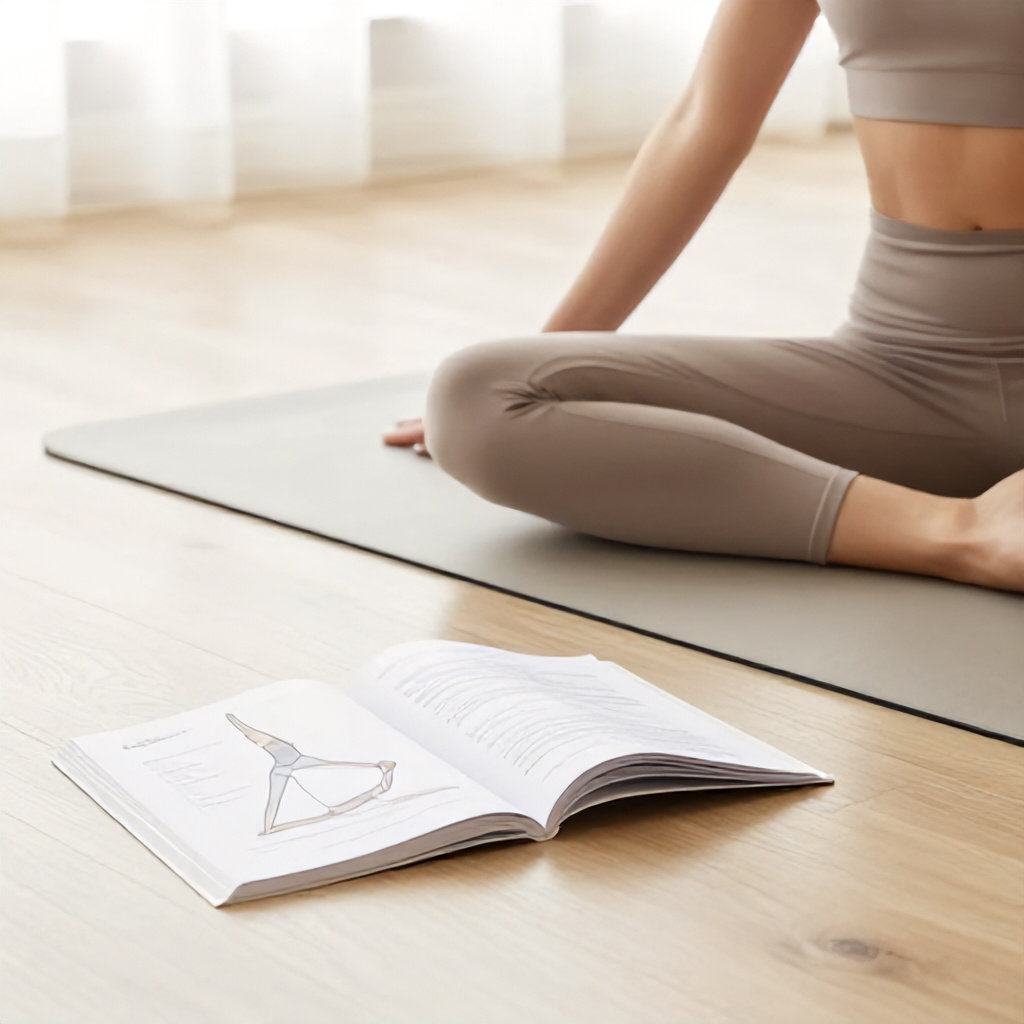
In a world saturated with digital content, a physical, printable resource stands out as a uniquely effective tool for learning and practicing yoga. It removes the distractions of screens and notifications, allowing for a more focused and intentional yoga practice. This kind of instructional content is designed to be immediately accessible and incredibly practical.

Why Visual Learning Works Best

Our brains are wired for visual learning. When it comes to understanding complex physical postures, seeing an image is often far more effective than reading a detailed description. An illustrated guide breaks down each yoga pose into its core visual components, showing you exactly where your limbs should be, how your spine should align, and the general shape your body should form. This visual guide streamlines the learning process, making yoga instruction approachable for beginners and a quick reference for experienced practitioners alike.

A well-designed visual guide uses stylized illustrations to highlight key alignment points, making it easier to grasp the nuances of each pose. These exercise illustrations act as a silent teacher, guiding your body movements without the need for constant verbal cues. This method of learning is particularly beneficial for developing a strong foundation in your yoga practice, ensuring you’re performing each pose safely and effectively.

The Benefits of a Physical Resource

Having a physical, printable resource offers several distinct advantages over digital alternatives. You can place it on the floor next to your yoga mat, tape it to a wall, or even laminate it for durability. This means no more fumbling with a phone, no more screen glare, and no more interruptions from incoming messages. It’s a dedicated tool for your fitness routine, fostering a deeper connection to your physical activity.

  • No screen distractions, allowing for full immersion in your yoga practice.
  • Easy to position anywhere in your practice space for constant reference.
  • Durable when printed on sturdy paper or laminated, enduring many sessions.
  • Personalization potential; you can mark favorite poses or add notes.
  • Accessible to everyone, regardless of tech savviness or device availability.
  • A tangible reminder of your commitment to your wellness routine.

What Makes a Great Illustrated Guide?

Not all illustrated guides are created equal. A truly effective printable illustrated yoga poses guide prioritizes clarity, simplicity, and accuracy. The best guides feature clean, clear, and simple illustrations that are easy to interpret at a glance. They avoid overly complex backgrounds or busy details that might distract from the pose itself.

Look for a minimalist design, often employing a flat graphic style. This ensures that the focus remains squarely on the body movements and the physical postures. Each illustration should accurately depict the pose, with subtle cues for proper alignment—perhaps an arrow indicating the direction of a stretch, or a highlighted area showing where to engage a muscle. This type of instructional content becomes an invaluable part of your health and fitness journey, supporting a safe and effective exercise routine.

  • Clear, simple illustrations that are easy to understand.
  • Accurate posture depiction with correct body alignment.
  • Minimalist design and a clean aesthetic.
  • A flat graphic style that emphasizes form over unnecessary detail.
  • Inclusion of key alignment cues and modifications where appropriate.
  • Sequential layout for building a logical yoga sequence.

Getting Started: Your Flexibility Journey

Beginning a flexibility routine, especially with a new yoga practice, can feel exciting. The key is to approach it with patience and self-awareness. Your printable resource will be your constant companion, guiding you through each step.

Preparing Your Space and Mind

Before you even unroll your mat, take a moment to prepare your practice space. Find a quiet corner where you won’t be disturbed. Clear any clutter to create a sense of calm and openness. Lay out your yoga mat, and place your printable resource nearby, easily visible. You might want to wear comfortable athletic wear that allows for a full range of motion without restriction.

Equally important is preparing your mind. Take a few deep breaths to center yourself. Let go of any stress or distractions from your day. This brief mental preparation helps you transition into a mindful state, allowing you to fully engage with your body movements and the present moment. This dedicated time becomes a sacred part of your wellness routine.

Understanding Your Body’s Limits

Yoga is not about competition or pushing yourself into painful positions. It’s about listening to your body and respecting its current capabilities. Every body is different, and your flexibility guide is there to support your journey, not to dictate perfection. As you move through the physical postures, pay close attention to any sensations. A gentle stretch is good; sharp pain is a signal to ease off.

Consistency over intensity is the mantra for flexibility. It’s far better to practice gentle exercises regularly than to attempt extreme stretches sporadically. Over time, with consistent yoga instruction and mindful practice, you’ll notice gradual improvements in your range of motion. Remember, this is your personal fitness routine, tailored to your body’s unique needs.

Essential Yoga Poses for Flexibility

A good printable resource will feature a range of yoga poses specifically chosen to target major muscle groups and enhance overall flexibility. These exercise illustrations will guide you through a balanced yoga sequence, ensuring you work various parts of your body effectively. Here are some fundamental poses that are excellent for building flexibility.

Gentle Warm-Up Poses

Always begin your yoga practice with a few warm-up poses to prepare your muscles and joints for deeper stretches. These gentle movements increase blood flow and awaken your body.

  • Cat-Cow Stretch (Marjaryasana-Bitilasana): This flowing movement warms the spine, shoulders, and hips. On an inhale, arch your back and lift your head (Cow). On an exhale, round your spine and tuck your chin (Cat). Repeat several times.
  • Child’s Pose (Balasana): A calming and restorative pose that gently stretches the hips, thighs, and ankles while relieving stress and fatigue. Kneel on your mat, sit your hips back towards your heels, and fold your torso forward, resting your forehead on the mat.

Standing Poses for Leg and Hip Flexibility

These poses build strength while simultaneously lengthening the muscles in your legs and opening your hips, which are often tight from sitting.

  • Downward-Facing Dog (Adho Mukha Svanasana): A foundational pose that stretches the hamstrings, calves, and shoulders while strengthening the arms and legs. It’s an excellent full-body stretch.
  • Triangle Pose (Trikonasana): This pose stretches the hamstrings, groin, and hips, while also opening the chest and shoulders. It improves balance and strengthens the legs.
  • Warrior II (Virabhadrasana II): Strengthens the legs and core while opening the hips and stretching the groins. This pose also builds stamina and focus.

Seated Poses for Spine and Hamstrings

Seated poses are wonderful for deepening stretches, particularly in the hamstrings and along the spine, promoting a more flexible back.

  • Seated Forward Fold (Paschimottanasana): A classic pose for stretching the entire back of the body, especially the hamstrings and spine. It also calms the mind.
  • Bound Angle Pose (Baddha Konasana): Excellent for opening the hips and inner thighs. Sit with the soles of your feet together, knees out to the sides, gently pulling your heels towards your pelvis.
  • Spinal Twist (Ardha Matsyendrasana): This pose deeply twists the spine, improving spinal mobility and digestion. It also stretches the hips, shoulders, and neck.

Cool-Down and Relaxation

Always conclude your yoga sequence with poses that help your body and mind relax, integrating the benefits of your practice.

  • Supine Spinal Twist (Supta Matsyendrasana): A gentle, restorative twist that releases tension in the spine, hips, and lower back. Lie on your back, hug one knee to your chest, then let it fall across your body.
  • Savasana (Corpse Pose): The ultimate relaxation pose. Lie flat on your back, arms and legs extended, palms facing up. Allow your body to completely relax, absorbing the benefits of your yoga practice. This pose is vital for physical and mental integration.

Building Your Personalized Yoga Sequence

One of the greatest advantages of a printable resource is the ability to customize your exercise routine. You can select the yoga poses that best suit your current needs and goals, creating a truly personalized fitness routine. This movement guide empowers you to be your own instructor, drawing from a library of effective physical postures.

Creating a Daily Exercise Routine

Start by assessing your current flexibility and identifying areas you want to improve. Your illustrated guide will provide a visual learning roadmap. For a balanced routine, aim to include poses that target different parts of your body. A good yoga sequence typically lasts between 15-30 minutes, but even 10 minutes of focused stretching can make a difference.

  1. Choose 5-7 yoga poses from your flexibility guide. Select a mix of warm-ups, standing poses, seated poses, and a cool-down.
  2. Begin with 2-3 gentle warm-up poses to prepare your body. Hold each for 30 seconds to 1 minute.
  3. Move into your main flexibility poses. Hold each stretch for 30 seconds to 1 minute, focusing on deep, steady breaths.
  4. Finish with 1-2 cool-down and relaxation poses, like a gentle twist and Savasana, for 2-5 minutes.
  5. Listen to your body throughout. If a pose feels too intense, ease off or choose a modification.

Consistency is more important than duration. Even short, daily sessions of gentle exercises will yield better results than long, infrequent ones. Your printable resource makes it easy to stick to this schedule, providing a constant visual reminder and instruction.

Making It a Consistent Wellness Routine

Integrating a new physical activity into your daily life requires intention and strategy. A printable illustrated guide can be a powerful tool for habit formation. By making your yoga instruction visible and accessible, you increase the likelihood of sticking with it.

  • Set a specific time each day for your yoga practice, even if it’s just 10 minutes. This creates a routine.
  • Keep your printable resource visible and ready, perhaps rolled up with your mat or taped to a wall in your practice area.
  • Track your progress. Notice how you feel after each session, and celebrate small improvements in your flexibility.
  • Pair your yoga routine with another existing habit, like having your morning coffee or winding down before bed.
  • Consider inviting a friend or family member to join you, creating a shared commitment to health and fitness.
  • Remember your “why.” Reconnect with the reasons you started this wellness routine whenever motivation wanes.

Maintaining Your Illustrated Yoga Poses Guide

To ensure your printable resource serves you well for a long time, consider how you’ll print and store it. A durable guide means consistent, uninterrupted access to your yoga instruction, supporting your ongoing health and fitness goals.

Printing and Lamination Tips

For the best experience, print your illustrated guide on sturdy paper, such as cardstock. This will prevent it from tearing easily and make it more resistant to wear and tear. If you plan to use it frequently or in an area where it might get damp (like near a water bottle), consider laminating the pages. Lamination protects the exercise illustrations from spills, creases, and general handling, ensuring your posture guide remains pristine and readable.

You can also bind the pages together using a simple ring binder or spiral binding, creating a compact and easy-to-flip booklet. This keeps all your yoga poses organized and prevents individual sheets from getting lost. A well-maintained printable resource is a long-term investment in your physical activity and overall wellness routine.

Keeping Your Practice Fresh

While your flexibility guide provides a solid foundation, remember to keep your yoga practice engaging. As your flexibility improves, you might explore variations of poses or introduce new ones from your guide. The beauty of a comprehensive visual guide is that it offers a wealth of options, allowing you to continually challenge yourself.

Don’t be afraid to experiment with different yoga sequences or focus on specific areas of your body on different days. One day might be dedicated to hip openers, another to hamstring stretches. This dynamic approach keeps your fitness routine exciting and prevents plateaus. Your journey to greater flexibility is ongoing, and your printable illustrated yoga poses guide is an adaptable tool designed to support every step of the way.

12 Yoga Poses for Effective Back Pain Relief

Yoga provides a gentle yet powerful pathway to back pain relief, offering a holistic approach that targets not just the symptoms but also the underlying causes of discomfort. Regular practice can significantly improve flexibility, strengthen the muscles that support your spine, and encourage better posture, leading to lasting comfort.

Why Yoga Offers Real Back Pain Relief

Back pain, whether it’s a dull ache or a sharp, persistent discomfort, often stems from a combination of factors: muscle imbalances, poor posture, lack of flexibility, and even stress. Yoga addresses these issues directly, providing effective pain management without relying solely on medication.

One of the primary benefits of incorporating yoga into your routine is enhanced flexibility. Tight hamstrings, hip flexors, and glutes can pull on the pelvis, contributing to lower back pain. Gentle stretching exercises found in yoga lengthen these muscles, easing tension and allowing for a more natural spinal alignment. This increased range of motion helps your body move more freely and with less strain on the vertebral column.

Beyond stretching, yoga builds essential muscle strength. Many poses engage the core muscles – your abdominal and back muscles – which are absolutely vital for providing stable lumbar support. A strong core acts like a natural corset, protecting your spine and preventing excessive strain. This muscle strengthening is key for long-term posture correction and preventing future episodes of chronic pain.

Yoga also fosters mindful movement and stress reduction. The practice encourages you to tune into your body, noticing areas of tension and learning to release them. Stress often manifests as physical tightness in the shoulders, neck, and back, exacerbating existing pain. By integrating breathwork and focused awareness, yoga helps calm the nervous system, reducing muscle tension and offering a powerful pain relief technique.

Important Considerations Before You Begin

While yoga is widely beneficial for back pain, it’s essential to approach your practice with awareness and caution. Always listen to your body; pain is a signal to ease off, not push through. Some movements might feel uncomfortable initially, but they should never cause sharp or increasing pain.

If you have severe or acute back pain, or a diagnosed spinal condition like a herniated disc, consult with a doctor or physical therapist before starting any new exercise regimen. They can advise on appropriate movements and help you understand any limitations. Many find therapeutic yoga or gentle yoga practices to be excellent complements to traditional physical therapy.

Consistency is more important than intensity. Even short, regular sessions of mindful movement can yield significant benefits for your musculoskeletal system and contribute to overall wellness practices. Focus on proper form rather than how deeply you can get into a pose. Using props like blankets, blocks, or straps can help you achieve poses safely and comfortably, allowing for deeper relaxation and stretch.

12 Yoga Poses for Effective Back Pain Relief

These yoga poses are chosen for their ability to gently stretch, strengthen, and release tension in the back, hips, and core. Practice them slowly, breathing deeply, and holding each pose for several breaths.

1. Cat-Cow Pose (Marjaryasana-Bitilasana)

This dynamic duo gently warms up the spine, improving flexibility and promoting spinal alignment. It’s excellent for both lower back pain and upper back stiffness, encouraging the vertebral column to move fluidly.

  1. Start on your hands and knees, with wrists directly under shoulders and knees under hips. Your spine should be neutral.
  2. As you inhale, drop your belly towards the mat, lift your chest and tailbone towards the ceiling, gently arching your back (Cow Pose).
  3. As you exhale, round your spine towards the ceiling, tuck your chin to your chest, and draw your navel towards your spine (Cat Pose).
  4. Flow between these two poses for 5-10 breaths, coordinating your movement with your breath.

Tips: Keep your neck long and avoid collapsing into your shoulders. Focus on articulating each vertebra.

2. Child’s Pose (Balasana)

Child’s Pose is a restorative yoga staple, offering a gentle stretch for the lower back and hips while calming the mind. It’s a wonderful pose for stress reduction and finding a moment of peace.

  1. Kneel on your mat with your big toes touching and knees wide apart, or together if that feels better for your lower back.
  2. Sit your hips back towards your heels.
  3. Fold forward, resting your torso between or on top of your thighs.
  4. Extend your arms forward with palms down, or rest them alongside your body with palms up.
  5. Rest your forehead on the mat.

Tips: If your forehead doesn’t comfortably reach the mat, place a block or folded blanket underneath it. If your hips don’t reach your heels, place a blanket between them.

3. Thread the Needle Pose (Urdhva Mukha Pasasana variation)

This pose targets the upper back and shoulders, releasing tension that often contributes to neck and upper back pain. It’s a fantastic gentle stretch for the thoracic spine.

  1. Start on your hands and knees, similar to Cat-Cow.
  2. Inhale and lift your right arm towards the ceiling, opening your chest to the right.
  3. Exhale and “thread” your right arm under your left armpit, palm facing up.
  4. Lower your right shoulder and the right side of your head to the mat.
  5. You can keep your left hand on the mat, extend it forward, or wrap it around your back for a deeper shoulder stretch.
  6. Hold for 5-8 breaths, then slowly unravel and repeat on the other side.

Tips: Keep your hips relatively stacked over your knees. Avoid putting too much weight on your head.

4. Sphinx Pose (Salamba Bhujangasana)

Sphinx Pose is a mild backbend that gently strengthens the back muscles and stretches the abdominal area. It’s a safer alternative to deeper backbends for those with lower back pain, offering gentle lumbar support.

  1. Lie on your stomach with your legs extended straight back, tops of your feet on the mat.
  2. Bring your forearms to the mat, elbows directly under your shoulders, palms flat.
  3. Gently press into your forearms and lift your chest, keeping your neck long and gaze forward.
  4. Keep your hips and lower body relaxed on the mat.
  5. Hold for 5-10 breaths, feeling a gentle compression in your lower back.

Tips: Avoid shrugging your shoulders towards your ears. Keep a gentle engagement in your core to protect your lower back.

5. Cobra Pose (Bhujangasana)

Cobra Pose is a slightly deeper backbend than Sphinx, further strengthening the back muscles and increasing spinal flexibility. It’s excellent for posture correction and can help counteract the effects of prolonged sitting.

  1. Lie on your stomach with your legs extended, tops of your feet on the mat.
  2. Place your hands flat on the mat under your shoulders, fingers pointing forward.
  3. Press your pubic bone and the tops of your feet into the mat.
  4. Inhale and slowly lift your head and chest off the mat, using your back muscles more than your hands.
  5. Keep your elbows close to your body. You don’t need to straighten your arms fully; keep a slight bend.
  6. Hold for a few breaths, then exhale to lower back down.

Tips: Imagine lengthening your spine as you lift. Keep your gaze soft and slightly forward to avoid crunching your neck.

6. Downward-Facing Dog (Adho Mukha Svanasana)

Downward Dog is a foundational yoga pose that lengthens the entire spine, stretches the hamstrings and calves, and strengthens the arms and shoulders. It helps decompress the vertebral column and improves overall body mechanics.

  1. Start on your hands and knees.
  2. Tuck your toes under and lift your hips up and back, forming an inverted V shape with your body.
  3. Press firmly through your hands, spreading your fingers wide.
  4. Straighten your arms and legs as much as possible, sending your heels towards the mat (they don’t need to touch).
  5. Let your head hang loosely between your arms, gazing towards your navel or thighs.

Tips: If your hamstrings are tight, keep a generous bend in your knees to prioritize lengthening your spine. Focus on externally rotating your upper arms.

7. Supine Spinal Twist (Supta Matsyendrasana)

Gentle twists are fantastic for releasing tension in the lower back and promoting spinal alignment. This restorative pose also aids in stress reduction and can improve digestion.

  1. Lie on your back with your knees bent and feet flat on the floor.
  2. Extend your arms out to a T-shape, palms facing up or down.
  3. Lift your hips slightly and shift them a few inches to the right.
  4. Let both knees fall over to the left side, keeping them stacked or allowing the top knee to rest slightly forward.
  5. If comfortable, turn your head to the right, looking over your right shoulder.
  6. Hold for several breaths, then return to center and repeat on the other side.

Tips: If your shoulders lift too much, place a blanket under them. A block or cushion between your knees can provide extra support.

8. Knees-to-Chest Pose (Apanasana)

This simple, soothing pose offers immediate relief for the lower back by gently stretching the lumbar spine and massaging the abdominal organs. It’s a great pain relief technique for acute lower back pain.

  1. Lie on your back with your legs extended.
  2. On an exhale, draw both knees towards your chest.
  3. Wrap your arms around your shins or the backs of your thighs.
  4. Gently hug your knees in, keeping your tailbone pressing down towards the mat.
  5. You can stay still or gently rock from side to side to massage your lower back.

Tips: If it’s uncomfortable to hug both knees, hug one knee at a time. Keep your shoulders relaxed and away from your ears.

9. Bridge Pose (Setu Bandhasana)

Bridge Pose strengthens the glutes, hamstrings, and back muscles, providing excellent lumbar support. It also opens the chest and shoulders, counteracting slouching and improving overall posture correction.

  1. Lie on your back with your knees bent and feet flat on the floor, hip-width apart, heels close to your glutes.
  2. Press into your feet and lift your hips off the mat, engaging your glutes and hamstrings.
  3. You can keep your arms alongside your body, palms down, or interlace your fingers underneath your back and press your arms into the mat for a deeper shoulder opening.
  4. Keep your thighs parallel and avoid letting your knees splay out.
  5. Hold for 5-8 breaths, then slowly lower your hips back down.

Tips: Imagine a block between your knees to keep them from splaying. For a restorative version, place a block under your sacrum (lower back) and relax.

10. Figure Four Stretch (Supine Pigeon Prep)

Tight hips are a common contributor to lower back pain, as they can pull on the pelvis and spine. This pose deeply stretches the outer hips and glutes, offering indirect but significant back pain relief.

  1. Lie on your back with your knees bent and feet flat on the floor.
  2. Cross your right ankle over your left thigh, just above the knee.
  3. Flex your right foot to protect your knee.
  4. Gently lift your left foot off the floor and interlace your fingers behind your left thigh.
  5. Draw your left knee towards your chest, feeling the stretch in your right outer hip.
  6. Hold for 5-8 breaths, then release and repeat on the other side.

Tips: Keep your head and shoulders relaxed on the mat. If the stretch is too intense, keep your left foot on the floor and gently press your right knee away from you.

11. Reclined Hand-to-Big-Toe Pose (Supta Padangusthasana)

Tight hamstrings can pull on the pelvis, flattening the natural curve of the lower back and contributing to discomfort. This pose offers a deep, controlled hamstring stretch without straining the back.

  1. Lie on your back with both legs extended.
  2. Bend your right knee and draw it towards your chest.
  3. Loop a strap or towel around the ball of your right foot, holding both ends with your hands.
  4. Slowly extend your right leg towards the ceiling, keeping a micro-bend in the knee if needed.
  5. Keep your left leg grounded and straight, pressing your left heel away from you.
  6. Gently pull on the strap to deepen the hamstring stretch, keeping your tailbone rooted.
  7. Hold for 5-8 breaths, then release and repeat on the other side.

Tips: Prioritize keeping your lower back flat on the mat over straightening your leg completely. Relax your shoulders.

12. Corpse Pose (Savasana)

Often underestimated, Savasana is a crucial restorative yoga pose for pain management and overall wellness. It allows your body to integrate the benefits of the practice, calms the nervous system, and promotes deep stress reduction, which is vital for back pain relief.

  1. Lie on your back with your legs extended, feet falling open naturally.
  2. Let your arms rest alongside your body, palms facing up, slightly away from your torso.
  3. Close your eyes and allow your body to feel heavy and relaxed on the mat.
  4. Release any tension in your face, jaw, and shoulders.
  5. Breathe naturally and deeply, allowing yourself to completely surrender.
  6. Stay in Savasana for 5-10 minutes.

Tips: If your lower back feels strained, place a rolled blanket or bolster under your knees. Cover yourself with a blanket for warmth and comfort.

Beyond the Poses: Holistic Healing for Your Back

While these yoga poses are incredibly effective, true back pain relief often comes from a broader approach to your health. Consistent practice is paramount; even 10-15 minutes daily can make a significant difference. Mindful movement extends beyond your mat – pay attention to your body mechanics throughout your day, from how you sit at your desk to how you lift objects.

Stress reduction through meditation, deep breathing, or even just quiet time, plays a vital role in managing chronic pain. Consider other wellness practices like adequate sleep, proper hydration, and a balanced diet to support your musculoskeletal system. Yoga is a powerful tool within a larger framework of holistic healing.

When to Seek Professional Help

Yoga is a fantastic tool for managing and preventing many types of back pain. However, it’s important to recognize when professional medical advice is needed. If you experience sudden, severe back pain, numbness or tingling in your legs, weakness, loss of bladder or bowel control, or pain that doesn’t improve with rest and gentle movement, consult a healthcare provider immediately. Your doctor can help diagnose the cause of your pain and recommend appropriate treatment, which may include physical therapy or other interventions.

Black and White Yoga Line Drawings: Understanding Poses Clearly and Effectively

The Simple Power of Black and White Yoga Line Drawings

Black and white line drawings offer a remarkably clear and effective way to understand yoga poses.

These minimalist visuals strip away the distractions of color and complex shading, focusing solely on the essential lines that define a posture. For anyone practicing yoga, from absolute beginners to seasoned yogis, these simple forms serve as powerful educational imagery. They distill the essence of each asana, making them easier to grasp and replicate. Think of them as the blueprints for your body on the mat.

The beauty of line art in this context lies in its directness. Without the visual noise of a photograph or a detailed painting, your eye is immediately drawn to the critical alignment points. You can see the curve of the spine, the angle of the limbs, and the overall balance of the pose with striking clarity. This makes them an invaluable tool for learning new yoga postures or refining existing ones.

These drawings often feature abstract figures, emphasizing the shape and flow of the body rather than individual details. This abstract quality can be incredibly freeing, allowing you to interpret the pose through your own physical experience rather than trying to perfectly mimic a specific person’s form. The plain background further enhances this focus, ensuring that nothing detracts from the central subject: the yoga posture itself.

Understanding Anatomy Through Simple Forms

While they may appear simple, black and white line drawings can provide surprisingly insightful anatomical representation. They often highlight the skeletal structure and the basic body mechanics involved in each pose. This isn’t about showing every muscle fiber, but rather the fundamental framework that supports the movement and stability of the asana.

Consider a drawing of Warrior II. You’ll see the strong, grounded stance, the extended arms creating a straight line, and the torso aligned over the hips. The line art emphasizes the engagement of the legs, the open chest, and the steady gaze. It’s a visual cue for proper alignment that you can easily recall when you’re in the pose yourself. This graphic representation is far more accessible than complex anatomical charts for many people.

These illustrations can also subtly convey the energy flow within a posture. The lines might suggest dynamism or stillness, extension or grounding. It’s a form of artistic depiction that speaks directly to kinesthetic learners, those who understand best through movement and physical sensation. The monochrome palette, often just pure black lines on white, amplifies this focus on form and structure. It’s a visual guide that cuts through the clutter.

The artistic rendering in these drawings prioritizes clarity. You might see subtle variations in line weight to suggest depth or emphasis, but the overall impression is one of clean, uncluttered information. This makes them perfect for quick reference, whether you’re studying a new sequence or just need a reminder of how to set up a particular pose.

Versatility of Line Art in Yoga

The appeal of black and white yoga line drawings extends beyond pure instruction. They are also a beautiful form of yoga art in their own right. The elegance of a well-executed line illustration can be captivating, transforming a functional visual aid into something aesthetically pleasing.

These drawings can be found in various styles, from very precise and almost anatomical representations to more fluid and gestural interpretations. Some might lean towards a minimalist silhouette, capturing the outer form with minimal strokes. Others might incorporate subtle hints of the skeletal structure, providing a deeper understanding of how the body is positioned.

This adaptability means that line art can cater to different learning styles and aesthetic preferences. Whether you prefer a highly detailed posture illustration or a more abstract depiction, there’s likely a line drawing that resonates with you. They are a visual guide that can be as simple or as detailed as needed.

The use of plain backgrounds is a deliberate choice that enhances the impact of the line illustration. It ensures that the focus remains squarely on the yoga pose. There are no distracting elements, no busy patterns, just the pure form of the body in asana. This simplicity is key to their effectiveness as a learning tool.

These drawings are excellent for creating educational materials. Imagine a yoga studio wall adorned with a series of these line art pieces, each depicting a fundamental pose. They offer a constant, unobtrusive reminder of proper form and alignment. They are also fantastic for personal practice journals or digital study guides.

Key Poses Illustrated Through Line Art

Let’s look at a few common yoga poses and how line drawings effectively represent them.

Mountain Pose (Tadasana)

In a black and white line drawing, Tadasana appears deceptively simple. The illustration will show a standing figure with feet together or hip-width apart. The key elements highlighted are the straight spine, the shoulders relaxed down and back, the arms hanging naturally by the sides with palms facing forward or inward, and the head held high. The lines emphasize the grounding through the feet and the upward lift through the crown of the head. It’s a posture of presence and stability, and the line art captures this through its upright, balanced form.

Downward-Facing Dog (Adho Mukha Svanasana)

This iconic yoga posture is a perfect candidate for line illustration. The drawing will typically depict an inverted V-shape. The hands are planted firmly on the ground, shoulder-width apart, with fingers spread. The feet are hip-width apart, and the hips are lifted high. The drawing emphasizes the extension of the spine, creating a long line from the hands to the hips, and then a further line from the hips down to the heels. You can often see subtle lines indicating the engagement of the legs and the slight bend in the knees if that’s a common modification. The simplicity of the lines conveys the stretch through the hamstrings and calves, and the opening in the shoulders.

Warrior II (Virabhadrasana II)

Warrior II is all about power and stability. A line drawing will show one leg forward, bent at the knee, with the thigh parallel to the floor. The back leg is straight and strong, with the foot turned out. The torso is upright, stacked over the hips, and the arms are extended horizontally to the sides, parallel to the floor, with the gaze directed over the front fingertips. The lines here are crucial for showing the alignment: the front knee over the ankle, the hips open to the side, and the straight, powerful lines of the arms creating a sense of expansiveness. It’s a fantastic example of how line art can illustrate body mechanics.

Triangle Pose (Trikonasana)

Triangle Pose is a beautiful standing pose that involves a long, triangular shape. The line drawing will show the feet wide apart, one leg straight and the other bent slightly at the knee (depending on the variation). The torso hinges at the hip, reaching down towards the front leg, while the opposite arm reaches up towards the sky. The drawing emphasizes the straight line of the spine, the extension of the arms creating two opposing lines, and the open chest. You can see the tilt of the torso and the grounding through the feet. It’s a clear visual guide to achieving the elongated, expansive feeling of the pose.

Child’s Pose (Balasana)

Even a resting pose like Child’s Pose benefits from line illustration. The drawing would show a figure kneeling, with the torso folded forward over the thighs. The arms might be extended forward or resting alongside the body. The lines here convey a sense of surrender and release. The rounded back, the forehead resting gently on the mat, and the relaxed limbs are all communicated through simple, flowing lines. It’s a peaceful silhouette that instantly suggests comfort and restoration.

Why Choose Line Art for Your Yoga Practice?

The effectiveness of black and white line drawings in yoga stems from their ability to simplify complex information. They bypass the visual clutter that can sometimes accompany photographs or detailed illustrations, allowing the practitioner to focus on the fundamental aspects of each pose.

These drawings are incredibly versatile. They can be used as a quick reference during a practice session, a study tool for understanding alignment, or simply as beautiful artistic depictions of the yoga journey. The monochrome aesthetic lends itself to a sense of calm and focus, which is perfectly aligned with the spirit of yoga.

The abstract figures often employed in line art allow for personal interpretation. Instead of feeling pressured to match a specific body type or flexibility level shown in a photograph, you can use the lines as a guide to find your own optimal expression of the pose. This makes them more inclusive and encouraging for practitioners of all levels.

Furthermore, the clarity of the lines can help in understanding the subtle nuances of body mechanics. You can observe how the weight is distributed, how the joints are stacked, and how the muscles are engaged, all through the elegant simplicity of line illustration. This makes them a valuable resource for anyone looking to deepen their understanding of yoga anatomy and posture.

Ultimately, black and white line drawings offer a pure, unadulterated way to connect with yoga postures. They are a testament to the power of simplicity, proving that sometimes, the most effective way to communicate is through the most basic of forms. They are a visual language that speaks directly to the body and mind, making the practice of yoga more accessible, understandable, and beautiful.

Exit mobile version