The Efficiency of Ten-Minute Jump Rope Training
A ten-minute jump rope routine provides a high-intensity cardio workout that rivals thirty minutes of steady-state jogging. By focusing on short, explosive bursts of movement, you trigger a metabolic response that keeps your body burning calories long after you set the rope down. This method relies on intensity rather than duration, making it a perfect fit for a crowded schedule. You do not need a gym membership or expensive equipment to improve your cardiovascular health, coordination, and muscular endurance. A single rope and a small patch of floor space are all the tools required to start.
Establishing Your Foundation
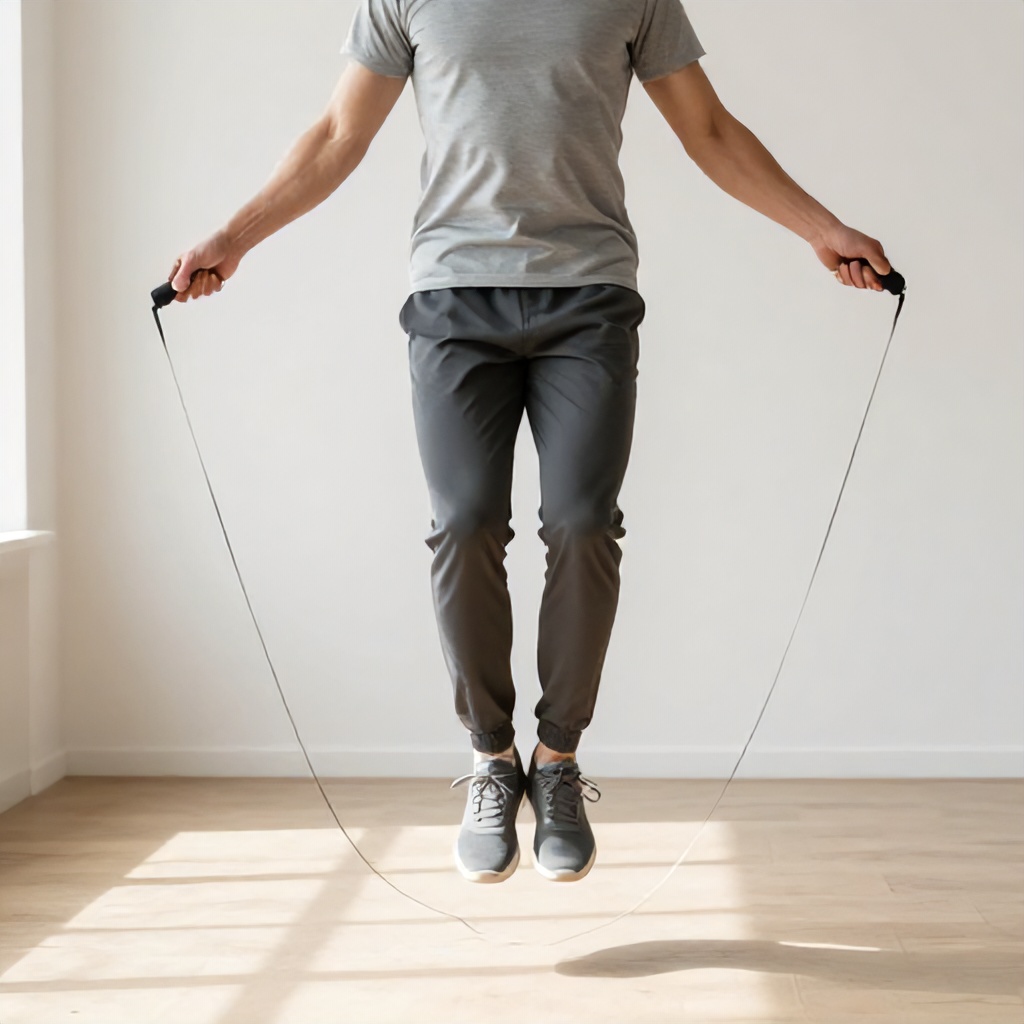
Proper technique prevents common injuries like shin splints and ankle strain. Before you attempt high-speed intervals, focus on the mechanics of the movement. Your hands should stay close to your hips, moving in small circles rather than wide arcs. Keep your elbows tucked in toward your ribcage. Stand tall with your gaze fixed forward, not down at your feet. The jump itself requires minimal effort; you only need to clear the rope by an inch or two. Use the balls of your feet to spring, keeping your knees slightly bent to absorb the impact. If you feel your calves tightening, take a moment to stretch before continuing your session.
Building the Habit
Consistency beats intensity in the first two weeks. Aim for three sessions per week to allow your joints and tendons to adapt to the repetitive impact. You might feel tempted to jump every day, but recovery is where the actual strength gains happen. Start with two minutes of total jumping time, broken into thirty-second intervals. Add one minute to your total duration every week until you comfortably hit the ten-minute mark. Small, incremental progress prevents burnout and keeps your motivation steady.
The Ten-Minute HIIT Routine
This structured workout uses a work-to-rest ratio designed to spike your heart rate and force your body to recover quickly. Use a timer on your phone to keep the pace strict. Do not skip the rest periods, as they are necessary for maintaining the intensity required for the next round.
- Warm-up: Two minutes of light, steady jumping or marching in place to loosen the ankles and shoulders.
- Interval One: Forty-five seconds of fast-paced jumping followed by fifteen seconds of rest. Repeat this five times.
- Interval Two: Thirty seconds of high-intensity jumping (try to increase your speed) followed by thirty seconds of active recovery, such as side-to-side hops or shadow boxing. Repeat this five times.
- Cool-down: One minute of slow, rhythmic breathing and calf stretches.
Integrating Advanced Drills
Once the basic bounce feels like second nature, introduce variety to keep your brain and muscles engaged. Agility training involves moving your feet in different patterns while the rope turns. These drills challenge your balance and coordination, moving the exercise from a simple cardio workout to a comprehensive athletic training session.
Variations for Progress
- The Boxer Skip: Shift your weight from one foot to the other in a rhythmic, running motion. This reduces the impact on your joints and mimics the footwork used in professional boxing.
- The High Knee: Lift your knees toward your chest with every jump. This engages your core muscles and significantly increases the calorie-burning potential of the routine.
- The Criss-Cross: Cross your arms in front of your body as the rope swings. This requires precise timing and improves your spatial awareness during the workout.
Maximizing Your Home Fitness Environment
Your environment dictates the success of your fitness routine. If you have to spend ten minutes clearing space or searching for your gear, you will eventually stop showing up. Keep your jump rope in a visible, accessible location, such as hanging on a hook near your door or sitting on top of your shoes. Use a thin rubber mat if you are jumping on hardwood or tile floors to provide extra cushioning for your joints. This small adjustment reduces noise and protects your floor, making it easier to jump without worrying about the neighbors or the impact on your arches.
Tracking Physical Activity and Results
Monitoring your progress provides the evidence needed to stay committed. Use a simple logbook or a notes app to track the number of successful sessions per week. Note how your breathing feels at the end of the ten minutes. Over time, you will notice that the same intensity leaves you less winded. This improvement in endurance is a clear indicator that your cardiovascular system is becoming more efficient. Do not obsess over the number on the scale; focus instead on how your body feels during daily tasks like climbing stairs or carrying groceries.
Overcoming Common Obstacles
Tripping on the rope happens to everyone, even experienced jumpers. When the rope hits your feet, do not let frustration end your workout. Simply reset your position, take a deep breath, and start again. If you find yourself tripping repeatedly, slow down your pace and focus on the timing of your wrist rotation. The speed of the rope should match the height of your jump. If the rope is hitting your toes, you are likely jumping too late; if it hits your heels, you are jumping too early. Adjusting your rhythm is a skill that develops with repetition.
Safety and Maintenance
Your gear matters as much as your form. Inspect your rope regularly for kinks or fraying, especially if you jump on concrete or rough surfaces. A damaged rope will not swing consistently, which forces you to compensate with awkward arm movements. Wear supportive athletic shoes with adequate cushioning in the forefoot. Flat-soled shoes or barefoot jumping can lead to unnecessary strain on the Achilles tendon. If you experience sharp pain in your feet or lower legs, stop the routine immediately and rest for several days. Listen to your body, as it will provide the best feedback on whether you are pushing too hard or training effectively.
The Long-Term Fitness Perspective
Short-duration exercise fits into almost any lifestyle because it removes the barrier of time. You no longer need to carve out an hour for travel and training. By dedicating ten minutes to a skipping workout, you maintain a consistent level of physical activity that supports your health goals without dominating your day. This habit-stacking approach—linking your workout to a specific time, like right before your morning shower or immediately after finishing work—creates a lasting routine. When you strip away the complexity of fitness, you are left with the basic, effective movements that deliver real results.