
Seeing the Change: A Woman’s Face Before and After Acne Treatment
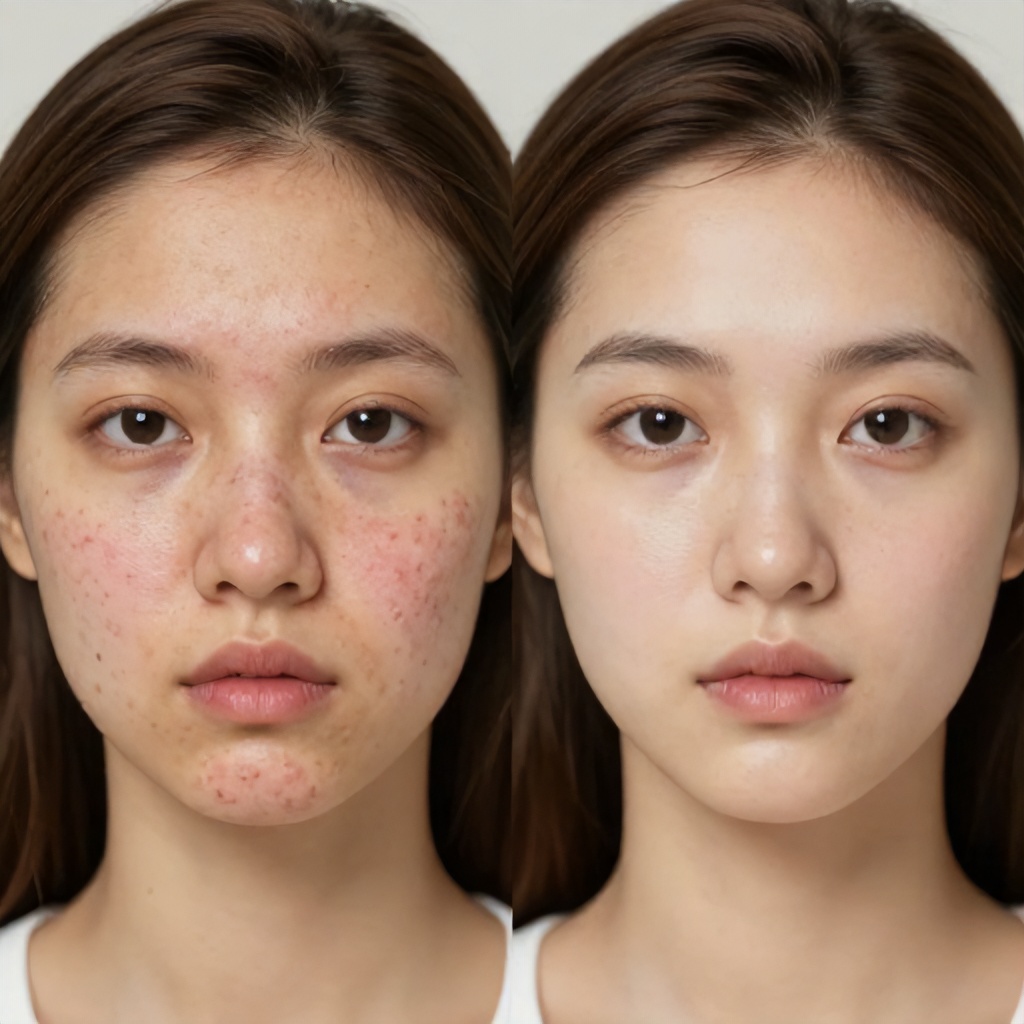
The journey from persistent acne to clear skin is often a significant one, and seeing the “before and after” can be incredibly motivating. It’s not just about aesthetics; it’s about reclaiming confidence and feeling comfortable in your own skin. This transformation is a testament to the effectiveness of various acne treatment procedures and the dedication of those seeking them.

Understanding the Acne Landscape
Acne isn’t a one-size-fits-all condition. It manifests in many forms: blackheads, whiteheads, papules, pustules, nodules, and cysts. The severity and type of acne significantly influence the treatment approach and, consequently, the visual results.
The “Before” Picture: Living with Acne
Before any treatment, the “before” picture is often characterized by active breakouts. These can be red, inflamed, and sometimes painful. Beyond the visible lesions, there’s often a lingering emotional toll. Many women experience self-consciousness, a reluctance to go without makeup, and a deep desire for relief. The skin texture might be uneven, with enlarged pores and areas of redness that persist even after a spot has healed.
Scarring is another common feature of the “before” state, particularly with more severe or long-standing acne. These scars can be atrophic (depressed, like ice pick or boxcar scars) or hypertrophic (raised). The presence of both active acne and scarring presents a complex challenge for treatment, often requiring a multi-pronged approach.
The daily routine can become a source of frustration. Constant application of spot treatments, the worry of touching the face, and the meticulous cleansing rituals can feel exhausting. The skin might be dry and irritated from harsh products, or oily and prone to further breakouts. It’s a cycle that many hope to break.
The “After” Picture: The Results of Treatment
The “after” picture is a celebration of healing and improvement. It represents a face where active breakouts are significantly reduced or eliminated. The skin tone appears more even, with diminished redness. Pores may look smaller, and the overall texture is smoother and clearer.
For those who experienced scarring, the “after” shows a noticeable reduction in the depth and visibility of these marks. This is often the result of targeted treatments designed to stimulate collagen production and resurface the skin. The skin looks healthier, more radiant, and less prone to the inflammation that characterized the “before” phase.
Beyond the visual changes, the emotional impact of successful acne treatment is profound. The confidence boost is palpable. Many women report feeling more comfortable going out without makeup, engaging in social activities without worry, and simply enjoying a sense of freedom from their skin concerns. The daily routine shifts from a battle to a simple, effective skincare regimen.
Common Acne Treatment Procedures and Their Impact
The path to the “after” picture involves various treatments, each with its own mechanism and potential results. The choice of treatment depends on the individual’s skin type, acne severity, and specific concerns.
Topical Treatments
These are often the first line of defense. They are applied directly to the skin and work by unclogging pores, reducing inflammation, or killing acne-causing bacteria.
- Retinoids: These vitamin A derivatives are fantastic for preventing clogged pores and promoting cell turnover. Over time, they can significantly improve acne and even the appearance of mild scarring. The skin might go through an initial purging phase, where breakouts temporarily worsen, before clearing.
- Benzoyl Peroxide: This is a powerful antibacterial agent that kills C. acnes bacteria. It’s effective for inflammatory acne but can be drying. Consistent use leads to fewer red, inflamed pimples.
- Antibiotics: Topical antibiotics help reduce inflammation and kill bacteria. They are often used in combination with other treatments to prevent resistance.
- Salicylic Acid: A beta-hydroxy acid (BHA), salicylic acid is oil-soluble, allowing it to penetrate pores and exfoliate from within. It’s excellent for blackheads and whiteheads.
The “before and after” with topical treatments often shows a gradual but steady improvement. Active breakouts shrink, and new ones are less frequent. The skin starts to look less angry and more settled. It requires patience and consistent application.
Oral Medications
For moderate to severe acne, or acne that doesn’t respond to topicals, oral medications are often prescribed.
- Antibiotics: Oral antibiotics reduce bacteria and inflammation throughout the body. They are typically used for a limited time to manage active breakouts.
- Hormonal Therapies: For women, birth control pills or spironolactone can be highly effective by regulating hormones that contribute to acne. The “after” from these treatments can be dramatic, leading to a significant reduction in hormonal breakouts.
- Isotretinoin (formerly Accutane): This is a powerful oral retinoid reserved for severe, persistent, or scarring acne. It works by dramatically reducing oil production, shrinking pores, and preventing clogged follicles. The results are often life-changing, leading to long-term remission for many. The “before and after” with isotretinoin is one of the most striking, moving from severe, cystic acne to remarkably clear skin. However, it comes with significant side effects and requires strict medical supervision.
The visual transformation with oral medications can be profound. Active inflammatory lesions decrease, and the skin becomes much calmer. The confidence gained from these systemic treatments can be immense.
In-Office Procedures
These treatments are performed by dermatologists or licensed aestheticians and can offer more immediate or targeted results, especially for scarring and stubborn acne.
- Chemical Peels: These use acids to exfoliate the top layers of skin, revealing smoother, clearer skin underneath. Different strengths target different concerns, from mild breakouts to post-acne marks. The “after” can show improved texture and reduced hyperpigmentation.
- Microdermabrasion: This mechanical exfoliation process buffs away the outer layer of skin, helping to unclog pores and improve skin texture. It’s gentler than some peels and can contribute to overall skin clarity.
- Laser and Light Therapies: Various lasers and light treatments can target acne bacteria, reduce inflammation, and resurface the skin to improve scarring. For example, pulsed dye lasers can reduce redness, while fractional lasers can stimulate collagen for scar revision. The “after” from these can be a significant improvement in both active acne and the appearance of scars.
- Extractions: Professional extraction of blackheads and whiteheads can immediately clear pores and prevent further inflammation. This is a quick way to improve the appearance of congested skin.
- Corticosteroid Injections: For large, painful cysts, a corticosteroid injection can quickly reduce inflammation and shrink the lesion, preventing further scarring. The “before” is a very swollen, red bump; the “after” is a much flatter, less inflamed area.
The results from in-office procedures can vary. Some offer immediate visible improvements, like reduced redness or cleared pores, while others require a series of treatments for optimal results, particularly for scar treatment. The “after” often shows a smoother, more refined complexion.
The Visual Evolution: Real-Life Transformations
The most compelling evidence of acne treatment success lies in the “before and after” photos shared by women. These images tell a story of struggle, perseverance, and eventual triumph.
Case Study 1: Mild to Moderate Inflammatory Acne
A woman struggling with persistent red papules and pustules on her cheeks and forehead. Her “before” shows a face dotted with angry spots, some with visible pus, and general redness. After a course of topical retinoids and benzoyl peroxide, combined with a gentle, non-comedogenic skincare routine, her “after” reveals a face with significantly fewer active breakouts. The redness has subsided, and the skin texture is smoother. She still has occasional minor blemishes, but the overwhelming inflammation is gone.
Case Study 2: Cystic Acne and Scarring
Another woman faced deep, painful cystic acne that left behind noticeable atrophic scars. Her “before” is characterized by large, inflamed nodules, some open sores, and the start of pitted scarring. After a course of oral isotretinoin followed by a series of fractional laser treatments, her “after” is remarkable. The cystic acne is completely resolved, and the laser treatments have significantly softened the appearance of her scars. Her skin is smoother, more even-toned, and the deep depressions are far less noticeable.
Case Study 3: Hormonal Acne and Hyperpigmentation
A woman experiencing breakouts primarily along her jawline and chin, often linked to her menstrual cycle. Her “before” shows dark spots (post-inflammatory hyperpigmentation) from previous breakouts, alongside active hormonal pimples. After being prescribed spironolactone and using a vitamin C serum to address hyperpigmentation, her “after” shows a dramatic reduction in jawline breakouts. The dark spots have faded considerably, leaving a more uniform complexion. Her skin looks brighter and more balanced.
Key Elements of a Successful “After” Picture
Achieving that desirable “after” state isn’t just about the procedure itself; it involves a holistic approach.
- Consistency: Sticking to the prescribed treatment plan, whether it’s applying topicals daily or taking oral medication as directed, is paramount.
- Patience: Skin takes time to heal and regenerate. Significant improvements often don’t happen overnight.
- Proper Skincare: Using gentle, non-comedogenic cleansers, moisturizers, and sunscreens is vital to support the treatment and prevent further irritation or breakouts.
- Lifestyle Factors: While not always the primary cause, diet, stress management, and sleep can play a role in skin health and can support the healing process.
- Professional Guidance: Working closely with a dermatologist ensures the right diagnosis and treatment plan, adjusting as needed based on results.
The “before and after” is more than just a visual comparison; it’s a narrative of progress. It highlights the effectiveness of modern dermatological advancements and the resilience of the skin. For anyone struggling with acne, seeing these transformations can offer hope and a clear path forward.