
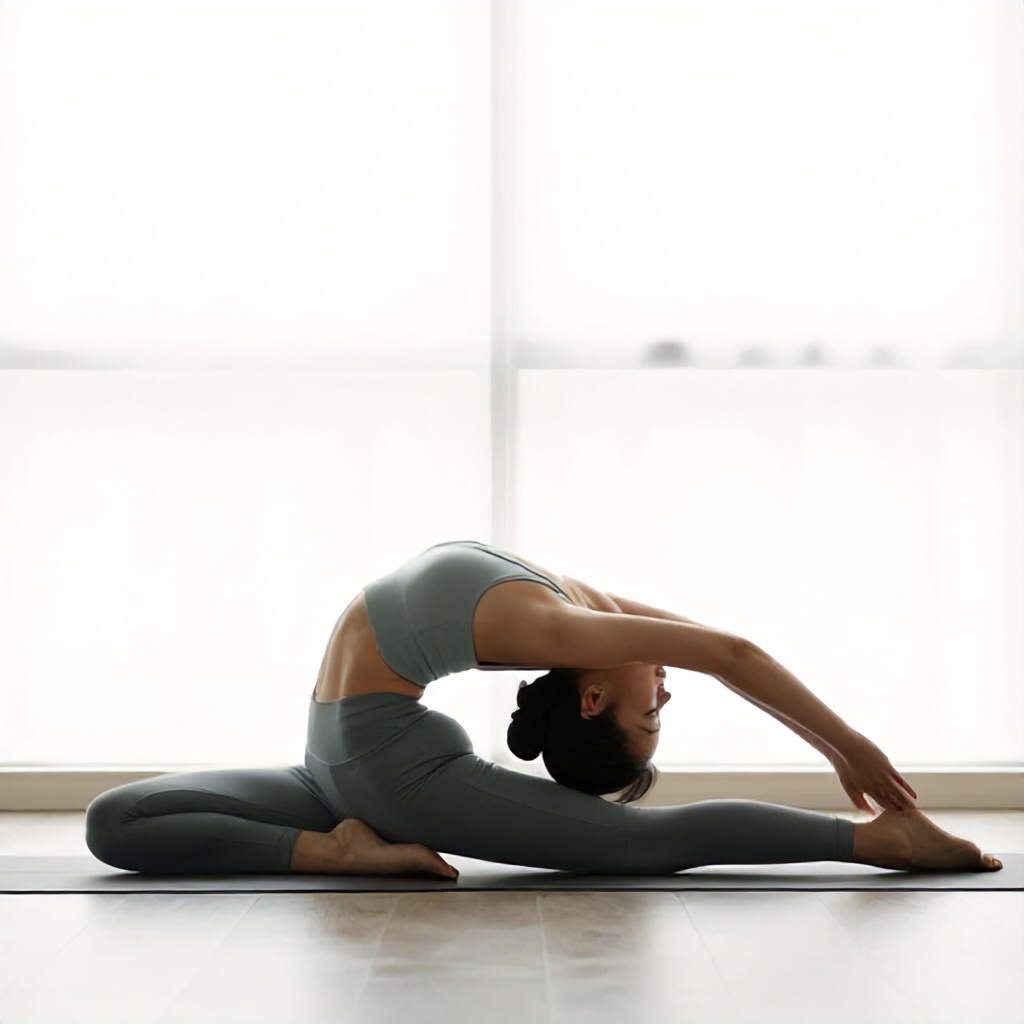
Incorporating yoga stretches into your routine is a powerful way to significantly improve your body’s flexibility, leading to better posture, reduced muscle stiffness, and a greater range of motion in daily activities.

Why Flexibility Matters for Everyone
Flexibility isn’t just for gymnasts or dancers; it’s a cornerstone of overall physical health. When your muscles and joints move through their full range of motion without restriction, you experience less pain, fewer injuries, and greater ease in everyday tasks. Think about reaching for something on a high shelf, bending down to tie your shoes, or simply turning your head to check your blind spot while driving. These simple movements become smoother and less strenuous with good flexibility.
Regular stretching helps lengthen muscle fibers, increases blood flow to soft tissues, and improves joint lubrication. This can translate to better athletic performance, a reduced risk of strains and sprains, and even relief from chronic back pain. It also contributes to better balance and coordination, which becomes increasingly important as we age.
Understanding Different Types of Stretching
Before diving into specific poses, it’s helpful to understand the two main categories of stretching commonly used in yoga and other fitness practices.
Static Stretching
This is what most people picture when they think of stretching. Static stretching involves holding a stretch for a period, typically 20-30 seconds, while your body is at rest. You gently extend a muscle to its furthest point and hold it there. This type of stretching is most effective when your muscles are already warm, such as after a light warm-up or at the end of a workout. It’s excellent for increasing your long-term flexibility and improving range of motion.
Dynamic Stretching
Dynamic stretching involves moving your body through a range of motion, rather than holding a fixed position. Think of leg swings, arm circles, or torso twists. These movements prepare your muscles for activity by increasing blood flow and mimicking the movements you’re about to perform. Dynamic stretches are ideal as part of a warm-up before exercise, helping to loosen up joints and muscles without overstretching cold tissues.
Yoga often blends elements of both, with sequences flowing dynamically between poses before holding certain stretches statically for deeper release.
Getting Started Safely: Important Considerations
Embarking on a flexibility journey with yoga is rewarding, but a few guidelines ensure you do so safely and effectively.
-
Listen to Your Body: This is paramount. Never push into pain. A stretch should feel like a gentle pull, not a sharp, searing sensation. If you feel pain, back off immediately.
-
Warm Up First: Always perform a light warm-up before deep stretching. Five to ten minutes of light cardio, like walking in place or gentle joint rotations, prepares your muscles and reduces injury risk.
-
Breathe Deeply: Your breath is a powerful tool in yoga. Use long, slow inhales and exhales to help relax your muscles and deepen your stretches. Holding your breath creates tension, which is counterproductive.
-
Be Consistent: Small, regular efforts yield better results than infrequent, intense sessions. Aim for short, consistent stretching routines several times a week.
-
Use Props: Don’t be afraid of yoga blocks, straps, or blankets. They can help you achieve proper alignment, support your body, and deepen stretches safely, especially if you’re new to yoga or have limited flexibility.
Essential Yoga Stretches for Improved Flexibility
These poses target key areas of the body often prone to tightness, such as the hips, hamstrings, spine, and shoulders. Integrate them into your routine to build comprehensive flexibility.
Downward-Facing Dog (Adho Mukha Svanasana)
This foundational yoga pose is a full-body stretch, lengthening the spine, hamstrings, and calves while strengthening the arms and legs. It’s an excellent way to prepare your body for deeper stretches and also offers a gentle inversion, bringing fresh blood to your head.
Start on your hands and knees, with wrists under shoulders and knees under hips. Spread your fingers wide, pressing firmly through your palms. Tuck your toes under, then lift your hips towards the ceiling, straightening your legs as much as comfortable. Aim to create a long line from your wrists to your hips, keeping your spine straight. You can keep a slight bend in your knees, especially if your hamstrings feel tight, and lift your heels if needed. Let your head hang heavy, relaxing your neck. Breathe deeply here, feeling the stretch along the back of your body.
Cat-Cow Pose (Marjaryasana-Bitilasana)
This gentle, flowing sequence warms up the spine and promotes spinal flexibility, easing tension in the back and neck. It’s perfect for a morning routine or as a warm-up before more intense stretches.
Begin on your hands and knees, wrists directly under your shoulders and knees under your hips. On an inhale, drop your belly towards the mat, lift your chest and tailbone, gazing slightly upward (Cow Pose). As you exhale, round your spine towards the ceiling, tucking your chin to your chest and drawing your navel in (Cat Pose). Flow smoothly between these two poses with your breath, creating a wave-like motion through your spine. Repeat for 5-10 cycles.
Child’s Pose (Balasana)
While often seen as a resting pose, Child’s Pose offers a beautiful gentle stretch for the hips, thighs, and lower back, while calming the mind. It’s a wonderful way to check in with your body.
From hands and knees, bring your big toes to touch and widen your knees as much as comfortable. Sink your hips back towards your heels. Extend your arms forward, resting your forehead on the mat. If your forehead doesn’t reach, place a block or cushion underneath it. Allow your body to fully relax into the pose, feeling the gentle opening in your hips and the lengthening of your spine. Hold for several breaths or longer.
Seated Forward Fold (Paschimottanasana)
This classic seated pose provides a deep stretch for the entire back side of the body, particularly the hamstrings and spine. It’s also calming for the nervous system.
Sit on the floor with your legs extended straight out in front of you, feet flexed, and toes pointing towards the ceiling. Sit tall, lengthening your spine. On an exhale, hinge forward from your hips, keeping your back as straight as possible. Reach for your shins, ankles, or feet. If your hamstrings are very tight, bend your knees slightly to maintain a flat back. The goal isn’t to touch your toes, but to lengthen your spine and feel a stretch in the back of your legs. Breathe deeply, allowing your body to soften with each exhale. Hold for 30 seconds to a minute.
Bound Angle Pose (Baddha Konasana)
Excellent for opening the hips and inner thighs, Bound Angle Pose can relieve tension in the groin and lower back. It’s a fantastic pose for anyone who sits for long periods.
Sit on the floor with your knees bent and the soles of your feet together. Let your knees fall open to the sides. You can bring your heels closer to your groin for a deeper stretch or further away for a gentler one. Hold onto your feet or ankles. Sit tall, lengthening your spine. You can gently press your knees towards the floor with your elbows, or simply let gravity do the work. For a deeper stretch, hinge forward from your hips, keeping your back straight. Breathe into the sensation in your inner thighs and hips. Hold for 30 seconds to a minute.
Supine Spinal Twist (Supta Matsyendrasana)
This relaxing twist helps to decompress and mobilize the spine, stretch the back muscles, and open the chest and shoulders. It’s a wonderful pose to do at the end of a routine.
Lie on your back with your knees bent and feet flat on the floor. Extend your arms out to a “T” shape, palms facing up. Lift your hips slightly and shift them a few inches to the right. Let both knees fall to the left side, stacking them or keeping them slightly offset. You can turn your head to the right, opposite your knees, to deepen the neck stretch. Keep both shoulders grounded as much as possible. Breathe deeply, allowing your spine to release. Hold for 30 seconds to a minute on each side.
Pigeon Pose (Eka Pada Rajakapotasana variation)
Pigeon Pose is a powerful hip opener, targeting the piriformis muscle and deep hip rotators. It can be intense, so approach it with care.
Start from Downward-Facing Dog, or on your hands and knees. Bring your right knee forward towards your right wrist. Angle your right shin across the mat so your right foot is near your left hip. Extend your left leg straight back behind you, keeping your hips squared forward. If your right hip is lifted, place a blanket or block underneath it for support. You can stay upright on your hands or fold forward over your front leg, resting on your forearms or forehead. Feel the stretch in your outer right hip. Hold for 30 seconds to a minute, then repeat on the other side.
Building Your Flexibility Routine
Consistency is key when it comes to improving flexibility. Here are some ideas for structuring your yoga stretching routine.
Beginner’s 15-Minute Daily Routine
This short routine focuses on fundamental stretches to gently introduce your body to increased flexibility.
-
Warm-up: 2 minutes of gentle marching in place, arm circles, and torso twists.
-
Cat-Cow Pose: 1 minute, flowing with your breath.
-
Downward-Facing Dog: 1 minute, pedaling out your feet.
-
Child’s Pose: 1 minute, focusing on deep breaths.
-
Seated Forward Fold: 1 minute, with bent knees if needed.
-
Bound Angle Pose: 1 minute, sitting tall.
-
Supine Spinal Twist: 1 minute per side.
-
Pigeon Pose: 1 minute per side (modify if too intense).
-
Savasana (Corpse Pose): 2 minutes, lying flat on your back, relaxing completely.
Intermediate 30-Minute Routine for Deeper Flexibility
Once you’re comfortable with the basics, you can extend your practice and hold poses longer.
-
Warm-up: 5 minutes of dynamic stretches like sun salutation variations or gentle joint rotations.
-
Cat-Cow Flow: 2 minutes.
-
Downward-Facing Dog: 2 minutes, focusing on lengthening the spine.
-
Low Lunge (Anjaneyasana): 1 minute per side, stretching hip flexors.
-
Half Split (Ardha Hanumanasana): 1 minute per side, targeting hamstrings.
-
Seated Forward Fold: 2 minutes, allowing gravity to assist.
-
Bound Angle Pose: 2 minutes, perhaps with a forward fold.
-
Pigeon Pose: 2 minutes per side, using props as needed.
-
Thread the Needle Pose: 1 minute per side, for shoulder and upper back release.
-
Supine Spinal Twist: 2 minutes per side.
-
Happy Baby Pose (Ananda Balasana): 1 minute, for inner groin and hip opening.
-
Savasana: 5 minutes, allowing your body to integrate the stretches.
Morning vs. Evening Routines
Consider the time of day when planning your stretches. A morning routine might focus on energizing, dynamic movements and gentle stretches to wake up the body. An evening routine could prioritize longer holds and calming poses to release tension from the day and prepare for sleep.
Tips for Deeper Flexibility Gains
Beyond the poses themselves, a few practices can enhance your flexibility journey.
-
Mindful Breathing: Use your breath to guide you deeper. Inhale to lengthen, exhale to soften and release into the stretch. Never hold your breath.
-
Consistency is Key: Regular, even short, sessions are far more effective than sporadic, intense ones. Aim for at least 3-4 times a week.
-
Use Props Wisely: Yoga blocks, straps, and blankets aren’t crutches; they are tools. They help you achieve proper alignment and support your body, allowing you to relax into a stretch without strain. A strap can help you reach your foot in a forward fold, for instance.
-
Hold Stretches Long Enough: For static stretches, aim for at least 20-30 seconds, and up to a minute or more for deeper releases, especially in poses like Pigeon or Seated Forward Fold.
-
Hydration and Nutrition: Well-hydrated muscles are more pliable. A balanced diet supports overall tissue health, aiding in recovery and flexibility.
Common Mistakes to Avoid
To ensure your stretching is safe and effective, be aware of these common pitfalls.
-
Bouncing: Never bounce into a stretch. This can activate the stretch reflex, causing muscles to contract rather than relax, and potentially lead to injury.
-
Pushing Too Hard: Flexibility takes time. Forcing your body into a position it’s not ready for can cause muscle tears or joint strain. Always respect your body’s current limits.
-
Holding Your Breath: As mentioned, breath is crucial. Holding your breath tenses your body, making it harder to relax into a stretch. Keep your breath steady and deep.
-
Ignoring Pain: Discomfort is normal; pain is a warning sign. If you feel sharp, shooting, or burning pain, ease out of the stretch immediately.
-
Skipping Warm-up: Stretching cold muscles is a recipe for injury. Always do a light warm-up to increase blood flow and prepare your tissues.
-
Comparing Yourself to Others: Everyone’s body is different. Focus on your own progress and what feels right for your body, rather than trying to mimic someone else’s flexibility.
When to Seek Professional Advice
While yoga stretches are generally safe and beneficial, there are times when it’s wise to consult a healthcare professional or a qualified yoga therapist.
If you experience persistent pain, numbness, tingling, or a sudden decrease in flexibility, especially after an injury, it’s important to get it checked out. If you have a pre-existing medical condition, chronic pain, or are recovering from surgery, talk to your doctor before starting any new stretching routine. They can offer personalized guidance and ensure your practice supports your health goals safely.
Improving flexibility through yoga is a journey, not a destination. Embrace the process with patience, consistency, and a deep respect for your body’s capabilities. With regular practice, you will notice significant improvements in how your body moves and feels.