Building a Stronger Midsection with Four Essential Movements
Developing a solid midsection requires more than just endless crunches on a yoga mat. True core stability comes from training the abdominal muscles to act as a stabilizer for the entire body during functional fitness tasks. When you focus on controlled, deliberate movements, you improve your posture and reduce the risk of lower back pain. These four exercises provide a comprehensive approach to physical conditioning without needing a gym membership or expensive equipment.
The Dead Bug for Deep Abdominal Engagement
The dead bug is a foundational movement that teaches you how to keep your spine neutral while your limbs move. Many people struggle with core activation because they arch their back during floor exercises. This movement forces you to press your lower back into the floor, which is the primary requirement for safe and effective abdominal toning.
How to Perform the Dead Bug
- Lie flat on your back with your arms extended toward the ceiling and your legs in the air, knees bent at a 90-degree angle.
- Exhale deeply while slowly lowering your right arm behind your head and extending your left leg straight out, keeping both limbs just inches above the floor.
- Maintain constant pressure between your lower back and the floor throughout the entire range of motion.
- Return to the starting position with control and repeat on the opposite side.
Focusing on the tempo is vital for this exercise. If you rush through the reps, you lose the muscle engagement necessary to build strength. Aim for a three-second count on the way down and a three-second count on the way back up. This slow pace turns a simple movement into a challenging test of torso strength. You will notice that your midsection begins to shake as you reach the bottom of the movement, which is a sign that your deep stabilizers are working hard.
This exercise is particularly effective for those who spend long hours sitting at a desk. It encourages the pelvis to stay in a neutral position, counteracting the tightness that often develops in the hip flexors. By practicing this daily, you create a stronger foundation for more complex athletic performance tasks. Keep your neck relaxed and your gaze fixed on the ceiling to avoid straining your upper traps.
The Plank with Shoulder Taps for Stability
The standard plank is a staple in any fitness routine, but adding shoulder taps introduces an element of anti-rotation. Anti-rotation is the ability of your core to resist twisting forces, which is a key component of functional fitness. When you lift one hand to tap the opposite shoulder, your body naturally wants to tilt or rotate. Your core muscles must fire rapidly to keep your hips square to the floor.
Executing the Plank with Shoulder Taps
- Start in a high plank position with your hands directly under your shoulders and your feet slightly wider than hip-width apart.
- Engage your glutes and pull your belly button toward your spine to create a rigid line from head to heels.
- Lift your right hand to touch your left shoulder, ensuring your hips do not sway or drop.
- Place your hand back down and repeat with the left hand touching the right shoulder.
The wider you place your feet, the easier it is to maintain balance. As you get stronger, bring your feet closer together to increase the difficulty. This exercise demonstration highlights the importance of keeping the torso quiet while the limbs are active. If you find your hips rocking side to side, slow down the movement and focus on squeezing your glutes tighter. This extra tension acts as an anchor for your entire body.
Incorporating this into your home workout routine helps build endurance in the obliques and the rectus abdominis. Because this is a bodyweight training movement, you can perform it anywhere. It is an excellent way to bridge the gap between static holds and dynamic movement. Consistency is the secret to seeing changes in your workout aesthetic, so try to add three sets of 20 taps to your weekly schedule.
Bird-Dog for Posterior Chain and Core Coordination
The bird-dog is an underrated exercise that targets the core while simultaneously working the muscles of the back. It is a perfect example of how physical conditioning should involve the entire body rather than just the front of the stomach. By extending opposite limbs, you challenge your balance and force your core to coordinate movement across the midline of your body.
Mastering the Bird-Dog
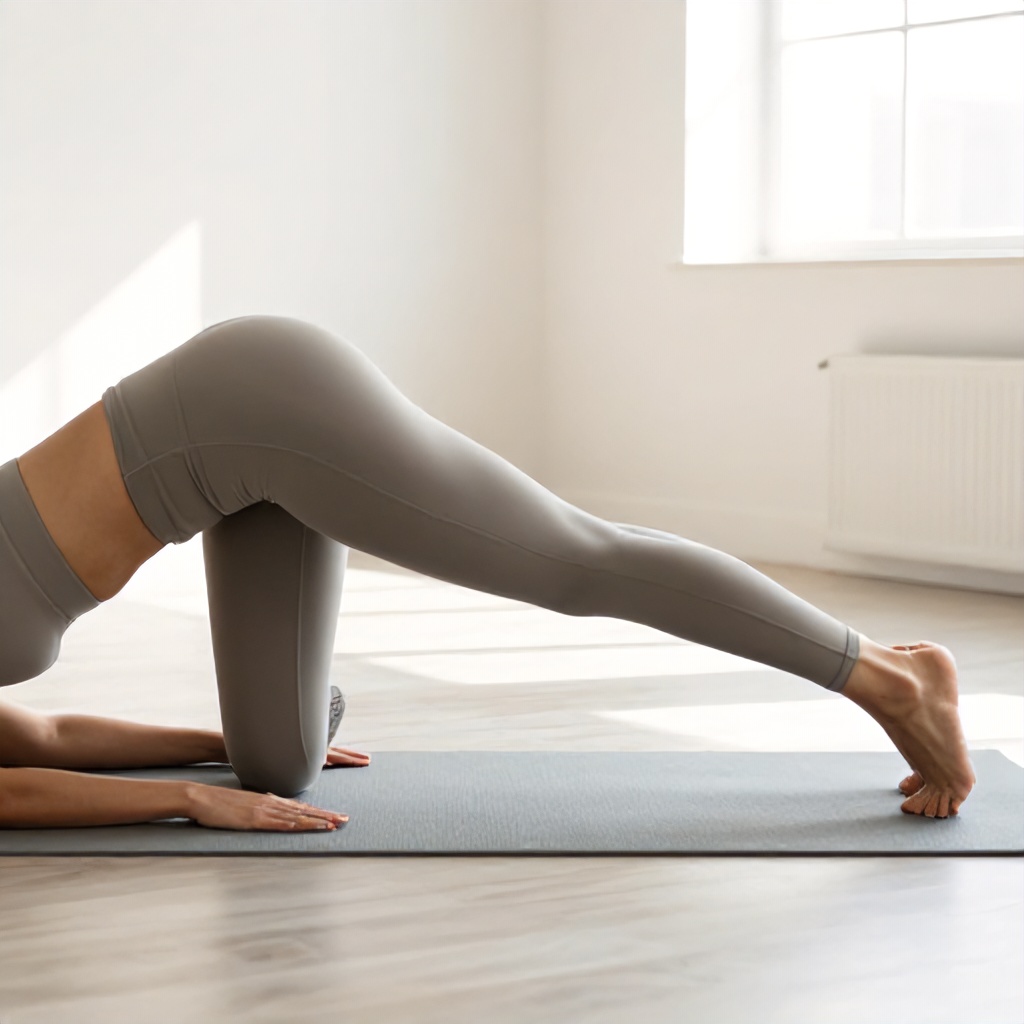
- Start on all fours in a tabletop position with your wrists under your shoulders and your knees under your hips.
- Extend your right arm forward and your left leg backward simultaneously, keeping them parallel to the floor.
- Pause for two seconds at the top, focusing on reaching through your heel and your fingertips.
- Return to the starting position and switch to the left arm and right leg.
The key to this movement is avoiding the urge to lift your leg too high. When you lift your leg toward the ceiling, you often arch your lower back, which defeats the purpose of the exercise. Keep your back flat as if you were balancing a tray of drinks on it. This level of control is what builds true torso strength and protects the spine during daily activities.
This exercise is highly recommended for those looking to improve their athletic performance. It teaches the body to stabilize under load, which translates well to lifting heavy objects or even just carrying groceries. Because it requires no equipment, it fits perfectly into a quick morning fitness instructional session. If you feel unstable, focus on gripping the floor with your fingers to provide a wider base of support.
The Hollow Body Hold for Maximum Tension
The hollow body hold is the ultimate test of core activation. It requires you to create a boat-like shape with your body, pressing your lower back firmly into the floor while lifting your shoulders and legs. This position forces every muscle in your midsection to work in unison. It is a staple in gymnastics and high-level training because of its effectiveness in creating a rigid, powerful core.
How to Hold the Hollow Body Position
- Lie on your back with your legs extended and your arms stretched overhead.
- Lift your legs and your shoulder blades off the floor simultaneously, creating a slight curve in your spine.
- Keep your lower back glued to the mat; if it lifts, your core is not engaged enough.
- Hold this position for 20 to 45 seconds while maintaining steady, controlled breathing.
If you find the full version too difficult, you can modify it by bending your knees or keeping your arms by your sides. The goal is to maintain the tension without sacrificing your form. As you get stronger, you can extend your arms and legs further to increase the lever length, which makes the exercise significantly harder. This is a classic example of progressive overload using only your body weight.
Including this in your midsection training will quickly improve your ability to hold tension throughout other exercises. It builds the mental focus required to keep your muscles engaged even when they start to fatigue. Many people find that their core strength plateaus because they only perform movements that involve repetition. Adding an isometric hold like the hollow body forces your muscles to adapt to sustained pressure, which leads to better overall abdominal toning.
Integrating These Exercises into Your Routine
You do not need to spend an hour on your core to see results. A focused 15-minute routine performed three times a week is often more effective than a long, unfocused session. Start by picking two of these exercises and performing three sets of each. As you become more comfortable with the movements, you can add the others to create a full circuit.
Tracking your progress is helpful for staying motivated. Write down how many reps you completed or how long you held a position. When you see that you can hold a hollow body for 10 seconds longer than you could last month, you know your physical conditioning is improving. This data-driven approach keeps you accountable and ensures that you are constantly challenging your body in new ways.
Remember that core strength is not just about the appearance of your abdominal muscles. It is about how your body functions during every movement you make. Whether you are reaching for a high shelf, playing a sport, or simply walking, a strong core supports your spine and improves your movement quality. By prioritizing these core-focused movements, you are investing in your long-term health and mobility.
Proper form is always more important than the number of repetitions. If you feel pain in your lower back, stop immediately and reset your position. It is common for the core to fatigue quickly, and once it does, your lower back often tries to take over the work. Listen to your body and prioritize quality over quantity. This ensures that you get the most out of your home workout without risking injury.
Finally, consider the role of breathing in your fitness routine. Many people hold their breath during difficult exercises, which increases blood pressure and reduces the effectiveness of the movement. Practice deep, rhythmic breathing throughout each exercise. Exhale during the most difficult part of the movement and inhale as you return to the starting position. This simple change can make a significant difference in your endurance and your ability to maintain proper form.
Consistency remains the most important factor in any fitness journey. You might not see changes overnight, but if you stick to these four movements, you will notice a difference in how your body feels and performs. Your midsection will become more resilient, your posture will improve, and you will feel more confident in your daily physical activities. Keep your equipment simple, focus on your form, and enjoy the process of building a stronger, more capable body from the comfort of your own home.
As you become more advanced, you can experiment with different tempos. Try performing the dead bug with a five-second count, or add a slight pause at the top of the bird-dog. These small adjustments keep the workout challenging and prevent your muscles from adapting to the same stimulus. The beauty of bodyweight training is that there is always a way to make a movement harder without needing to buy more gear.
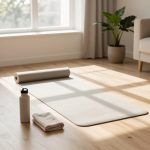
Always ensure your environment is safe for these exercises. A non-slip yoga mat is essential for preventing your hands or feet from sliding during planks or bird-dogs. If you do not have a mat, a carpeted surface can work, but be mindful of your wrists and knees. Creating a dedicated space for your fitness routine can also help you stay consistent. When your mat is already laid out, you are much more likely to complete your workout.
Pay attention to your recovery as well. Your abdominal muscles are like any other muscle group; they need time to repair and grow stronger. Avoid training your core with high intensity every single day. Give yourself at least one day of rest between sessions to allow your muscles to recover. This approach will lead to better results and prevent the burnout that often comes with overtraining.
By focusing on these four effective exercises, you are building a solid foundation for your fitness journey. Each movement serves a specific purpose in developing torso strength, stability, and coordination. Whether you are a beginner or someone looking to refine their current routine, these exercises offer a practical and efficient way to reach your goals. Stay patient, stay consistent, and enjoy the benefits of a stronger, more stable midsection.
The journey to a stronger core is a marathon, not a sprint. Focus on the small wins, like mastering the form of the dead bug or holding the plank for an extra ten seconds. These small improvements add up over time to create significant changes in your physical conditioning. Keep your focus on the movement, listen to your body, and keep showing up for yourself. Your future self will thank you for the effort you put into building a stronger, more resilient core today.
Integrating these movements into your life does not have to be complicated. You can do them while your coffee is brewing or during a short break in your day. The accessibility of these exercises is their greatest strength. By removing the barriers to entry, you make it easier to stay consistent and reach your goals. Start today, keep it simple, and watch how your body responds to the consistent, focused work you put in.
Finally, remember that nutrition and hydration play a role in how your body performs and recovers. While these exercises build the muscle, your overall health supports the process. Stay hydrated, eat a balanced diet, and get enough sleep. These lifestyle factors work alongside your fitness routine to help you achieve your best results. You have all the tools you need to build a stronger midsection; now it is just a matter of putting in the work.