
Nervous system regulation serves as the foundation for physical health, emotional stability, and long-term vitality in women. When your body remains stuck in a state of high alert, it struggles to manage metabolic waste, maintain healthy circulation, and support immune system function. By incorporating specific tools into your daily routine, you can signal to your brain that it is safe to shift out of survival mode and into a state of restoration. This process is not about fixing a broken system but rather providing the gentle inputs your body needs to perform its natural maintenance tasks effectively.

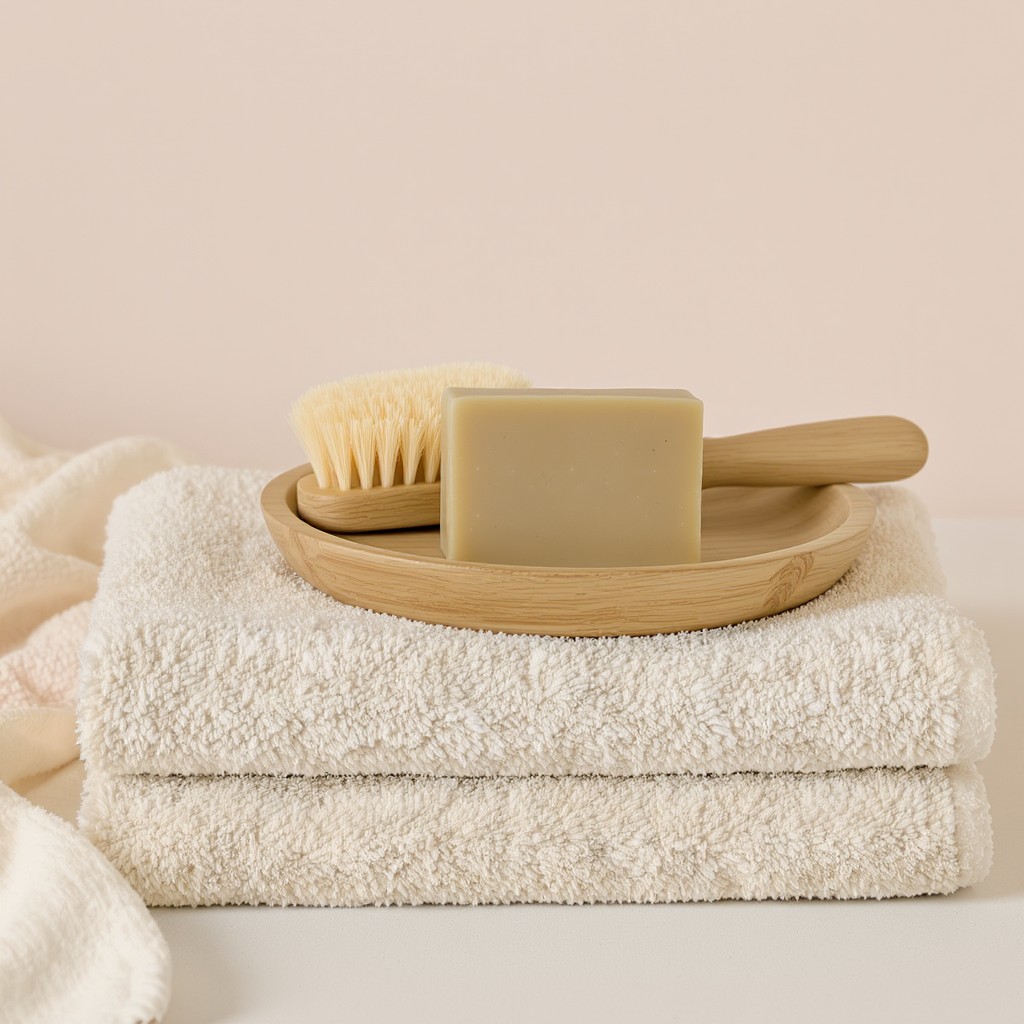
1. Dry Brushing for Lymphatic Flow
Your lymphatic system acts as the body’s internal waste management department. It collects metabolic byproducts, excess fluid, and cellular debris from your tissues, transporting them to lymph nodes for filtration. Unlike the circulatory system, which uses the heart as a pump, the lymphatic system relies entirely on muscle movement, deep breathing, and external stimulation to keep fluid moving.
When you sit for long periods or experience high levels of stress, this flow can become sluggish. This leads to fluid retention, a feeling of heaviness in the limbs, and a buildup of metabolic waste that can leave you feeling fatigued. Dry brushing provides the external stimulation necessary to encourage lymphatic drainage.
How to practice effectively
- Always brush toward the heart, as this follows the natural direction of lymphatic flow.
- Use light, sweeping strokes rather than scrubbing hard; the goal is to stimulate the skin, not irritate it.
- Start at your feet and work your way up your legs, then move to your hands and arms, finishing with your torso.
- Perform this ritual before your morning shower to wake up your circulation and prepare your skin for hydration.
Consistency matters more than intensity. A three-minute session performed four times a week is far more effective for tissue health than a twenty-minute session performed once a month.
2. Gua Sha for Facial Tension and Circulation
Facial tension often acts as a physical manifestation of nervous system dysregulation. When you are stressed, you likely clench your jaw, furrow your brow, or hold your neck muscles in a rigid position. This chronic tightness restricts blood flow and lymphatic drainage in the face, contributing to puffiness and a dull complexion.
A gua sha tool acts as a manual massage device that helps release these deep-seated patterns of tension. By gently gliding the stone over your skin, you stimulate circulation and encourage the movement of stagnant fluids. This supports skin vitality and helps maintain skin elasticity by keeping the underlying tissue supple and well-nourished.
The benefits of facial rejuvenation
Beyond the aesthetic improvements, using a gua sha tool offers a profound somatic connection. The act of touching your own face with intention signals to your nervous system that you are present and caring for yourself. This simple self-care practice helps soften the jawline and forehead, which are primary storage sites for daily stress. Over time, you may notice that you are less prone to tension headaches and that your face appears more rested, even after a long day.
3. Weighted Blankets for Somatic Grounding
Deep pressure stimulation is a proven method for calming the nervous system. A weighted blanket provides consistent, gentle pressure across the body, which mimics the feeling of being held or hugged. This sensation triggers the release of serotonin and dopamine while simultaneously lowering cortisol levels.
For women who struggle with racing thoughts at night, a weighted blanket can be a game-changer for sleep quality. It provides a physical boundary that helps you feel contained and secure. This sense of safety is essential for nervous system regulation, as it allows your body to transition from a sympathetic state—the fight or flight response—into a parasympathetic state, which is responsible for rest and digestion.
4. Magnesium Bath Flakes for Muscle Recovery
Magnesium is a mineral involved in hundreds of biochemical reactions, yet many women are deficient due to soil depletion and high stress levels. When your body is under stress, it burns through magnesium at an accelerated rate. This deficiency often manifests as muscle cramps, restless legs, and an inability to relax.
Adding magnesium bath flakes to warm water allows for transdermal absorption. This is an efficient way to replenish your levels while simultaneously soothing sore muscles and reducing systemic inflammation. The warmth of the water combined with the mineral absorption creates an environment where your nervous system can finally let go of the day’s accumulated tension.
If you have sensitive skin or open wounds, consult a healthcare provider before using bath salts. Always start with a small amount to ensure your skin tolerates the mineral concentration well.
5. Acupressure Mats for Nervous System Regulation
Acupressure mats are covered in thousands of tiny, non-piercing plastic spikes. While they look intimidating, lying on one for ten to twenty minutes can produce a deep sense of relaxation. The pressure points stimulate blood flow to the back and neck, which are common areas for holding stress.
This practice forces you to breathe through the initial sensation of discomfort. As you exhale and settle into the mat, your body releases endorphins, the body’s natural pain-relieving chemicals. This process is a powerful exercise in body awareness, teaching you how to remain calm and centered even when your body is receiving intense sensory input.
6. Essential Oil Diffusers for Sensory Anchoring
Your sense of smell is directly linked to the limbic system, the part of the brain that manages emotions and memories. By using an essential oil diffuser, you can create a sensory anchor that signals to your brain that it is time to shift gears. Scents like lavender, bergamot, or cedarwood have been shown to have a calming effect on the nervous system.
When you pair a specific scent with a calming activity—like reading, meditating, or stretching—you create a conditioned response. Eventually, the mere act of turning on your diffuser will begin to lower your heart rate and prepare your body for rest. This is a subtle but effective way to manage your environment and support your integrated health.
7. Breathwork Tools for Vagus Nerve Stimulation
The vagus nerve is the primary component of the parasympathetic nervous system. It runs from your brainstem down to your abdomen, and it is responsible for regulating your heart rate, digestion, and stress response. Specific breathing tools, such as a breathing whistle or a simple straw, can help you extend your exhalations.
Extending your exhale is the most direct way to stimulate the vagus nerve. When you exhale for longer than you inhale, you send a biological signal to your brain that you are safe. This simple mechanical intervention can stop a stress spiral in its tracks. Whether you use a dedicated tool or simply practice pursed-lip breathing, the focus remains on the length of the breath rather than the depth.
Practical steps for daily integration
- Start your morning with three minutes of dry brushing to stimulate lymphatic flow.
- Use a gua sha tool while applying your evening serum to release facial tension.
- Keep a weighted blanket on your bed to encourage deeper, more restorative sleep.
- Incorporate a magnesium bath twice a week to support muscle recovery and metabolic health.
- Use an acupressure mat during your lunch break to reset your nervous system.
- Diffuse calming scents in your workspace to maintain a sense of groundedness.
- Practice extended exhalations using a breathing tool whenever you feel your heart rate rising.
Understanding the Body-Mind Connection
The health of your nervous system is inextricably linked to how you perceive your body. When you view your body as a machine that needs to be pushed, you often ignore the subtle signals of fatigue or tension. This leads to burnout and a breakdown in your immune system support. Conversely, when you view your body as a partner, you begin to listen to its needs.
Integrated health is about recognizing that your physical symptoms—like fluid retention, skin dullness, or muscle tightness—are often messages from your nervous system. By using these seven tools, you are not just performing a routine; you are engaging in a dialogue with your own physiology. You are providing the necessary inputs to help your body clear out metabolic waste, improve circulation, and return to a state of balance.
Remember that these practices are meant to be flexible. You do not need to do all of them every single day. The goal is to build a toolkit that you can draw from based on what you need in the moment. If you are feeling sluggish, reach for the dry brush. If you are feeling overwhelmed, reach for the weighted blanket or the breathing tool. This is the essence of holistic wellness: learning to support your body in a way that feels sustainable, practical, and deeply nourishing.
As you continue this journey, pay attention to how your body responds. You might notice that your skin looks more vibrant, your sleep feels deeper, or your ability to handle stress improves. These are all signs that your nervous system is becoming more resilient. By prioritizing these small, consistent actions, you are investing in your long-term health and creating a foundation that will support you for years to come.
How long does it take to see results?
While some benefits, like muscle relaxation, can be felt immediately, systemic changes like improved lymphatic flow or skin vitality often take several weeks of consistent practice. Be patient with your body as it recalibrates.
Can these tools replace medical treatment?
These wellness items are intended to support your body’s natural processes and are not a substitute for professional medical advice, diagnosis, or treatment. Always consult with a healthcare provider if you have chronic health conditions or concerns about your symptoms.
Ultimately, the most important part of this process is the intention behind your actions. When you choose to care for your nervous system, you are making a commitment to your own well-being. This is a powerful act of self-care that ripples out into every other area of your life. Keep it simple, stay consistent, and trust the process of reconnecting with your body.