9 Gentle Morning Yoga Poses for a Calming Daily Routine
Start your day with intention and ease by incorporating these nine gentle morning yoga poses into your daily practice. This sequence is designed to awaken your body mindfully, offering a soft yet effective way to increase flexibility and promote a sense of calm before the demands of the day begin. It’s a simple, accessible yoga routine that requires no fancy equipment, just a willingness to move and breathe.
Why Morning Yoga?
Waking up can sometimes feel like a jolt. Your body might be stiff, and your mind can race with the day’s to-do list. Gentle morning yoga offers a beautiful alternative. It’s about easing into your day, not rushing through it. This mindful movement helps to lubricate your joints, gently stretch your muscles, and bring your attention inward. Think of it as a personal wellness routine that sets a positive tone, fostering body awareness and encouraging a holistic health approach.
The benefits extend beyond the physical. A short yoga flow in the morning can significantly impact your mental state. By focusing on your breathwork and the sensations in your body, you cultivate a sense of presence. This can reduce feelings of overwhelm and anxiety, paving the way for a more focused and peaceful day. It’s a form of self-care that nourishes both your physical and emotional well-being, making it a cornerstone of a sustainable daily practice.
Preparing for Your Morning Yoga
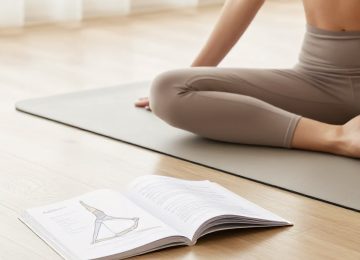
Before you begin, find a quiet space where you won’t be disturbed. Lay down a yoga mat or a comfortable rug. You don’t need elaborate setups; minimalist illustrations often capture the essence of these simple practices. Ensure the temperature is comfortable. You might want to have a glass of water nearby, but avoid drinking too much right before starting. The key is to create a serene environment that supports your intention for a calming start.
Listen to your body. This isn’t about pushing yourself or achieving perfect form. It’s about gentle stretching and mindful movement. If a pose feels uncomfortable or causes pain, ease out of it or modify it. The goal is to feel good, not to strain. Remember that consistency is more important than intensity when building a daily practice. Even five to ten minutes of these yoga postures can make a difference.
The Gentle Morning Yoga Sequence
This yoga sequence is designed to flow smoothly, moving from grounding poses to gentle stretches that awaken the entire body. Each pose is an asana that contributes to overall flexibility and a sense of groundedness. We’ll move through these postures with a focus on breath and gentle intention.
1. Child’s Pose (Balasana)
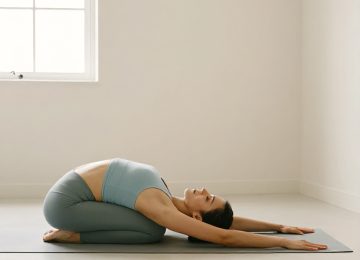
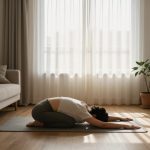
Begin by kneeling on your mat. Bring your big toes to touch and spread your knees wide, or keep them closer together, whichever feels more comfortable for your hips. Lower your torso between your thighs. Rest your forehead on the mat. Extend your arms forward, palms down, or bring them back alongside your body, palms facing up. Take deep, slow breaths here. Feel your back lengthen and your body release tension. This is a resting pose, a beautiful way to ground yourself and connect with your breath before moving into more active stretches.
Hold this pose for at least five deep breaths. It’s a wonderful way to initiate your morning yoga, encouraging a sense of peace and introspection. The gentle pressure on your forehead can also be very calming for the nervous system. This is a foundational posture for any guided practice focused on relaxation.
2. Cat-Cow Pose (Marjaryasana-Bitilasana)
From Child’s Pose, gently come up onto your hands and knees, aligning your wrists directly under your shoulders and your knees under your hips. Your spine should be neutral. As you inhale, drop your belly towards the mat, arch your back, and lift your gaze and tailbone towards the ceiling. This is Cow Pose. As you exhale, round your spine towards the ceiling, tuck your chin towards your chest, and draw your navel in. This is Cat Pose. Flow smoothly between these two poses, coordinating your breath with your movement. Imagine you are milking your spine with each inhale and exhale.
Continue this gentle flow for five to ten rounds. Cat-Cow is excellent for warming up the spine, improving flexibility, and increasing circulation. It’s a dynamic stretch that prepares your body for the day ahead, gently activating your core and back muscles. This is a key part of many yoga flows.
3. Downward-Facing Dog (Adho Mukha Svanasana)
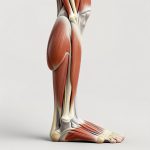
From your hands and knees, tuck your toes under and lift your hips up and back, forming an inverted V-shape with your body. Your hands should be shoulder-width apart, and your feet hip-width apart. Press firmly into your palms, spreading your fingers wide. Let your head hang naturally between your arms. You can keep a slight bend in your knees, especially if your hamstrings feel tight, and pedal your feet by bending one knee and then the other. This helps to release tension in your calves and hamstrings.
Hold Downward-Facing Dog for five to eight breaths. This pose is a full-body stretch, invigorating and energizing. It strengthens your arms and legs, stretches your shoulders, hamstrings, and calves, and can help to relieve mild back pain. It’s a powerful posture that also promotes relaxation and reduces stress, making it a staple in any well-rounded yoga routine.
4. Low Lunge (Anjaneyasana)
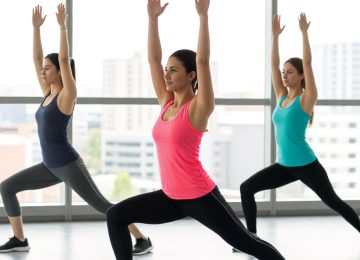
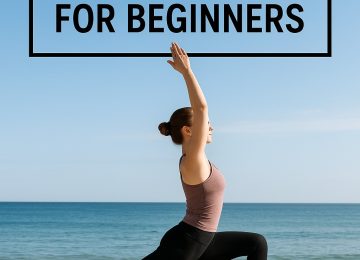
From Downward-Facing Dog, step your right foot forward between your hands. Lower your left knee to the mat, keeping your right knee stacked directly over your right ankle. You can keep your back toes tucked or untucked. Inhale and sweep your arms up overhead, keeping your shoulders relaxed. Feel a gentle stretch in your left hip flexor and the front of your left thigh. Keep your core engaged to support your lower back.
Hold Low Lunge for five breaths. Then, exhale and bring your hands back down to frame your front foot, and step back to Downward-Facing Dog. Repeat on the left side, stepping your left foot forward and lowering your right knee. Low Lunge is fantastic for opening the hips, strengthening the legs, and improving balance. It’s a grounding pose that also brings a sense of gentle power.
5. Thread the Needle Pose (Urdhva Mukha Pasasana Variation)
Return to your hands and knees. Inhale and reach your right arm up towards the ceiling, opening your chest. As you exhale, thread your right arm under your left arm, bringing your right shoulder and ear towards the mat. Keep your hips lifted over your knees. You can extend your left arm forward for a deeper stretch, or keep it bent with your fingertips on the mat for support. Feel the twist and stretch in your upper back and shoulder.
Hold Thread the Needle for five breaths. Inhale to unwind and return to hands and knees. Repeat on the other side, reaching your left arm up and threading it under your right. This pose is excellent for releasing tension in the upper back, shoulders, and neck. It’s a gentle spinal twist that promotes detoxification and can help to alleviate stiffness from sleeping. It adds a unique stretching routine element.
6. Seated Forward Bend (Paschimottanasana)
Come to a seated position with your legs extended straight out in front of you. Sit up tall, lengthening your spine. As you inhale, reach your arms overhead. As you exhale, hinge forward from your hips, reaching your hands towards your feet. It’s okay if you don’t touch your toes; rest your hands on your shins, ankles, or the floor beside your legs. Keep a slight bend in your knees if your hamstrings are tight. Relax your neck and allow your head to hang gently. Focus on lengthening your spine with each inhale and deepening the fold with each exhale.
Hold Seated Forward Bend for five to eight breaths. This pose is a wonderful hamstring stretch, but it also calms the mind and can help relieve stress and mild anxiety. It’s a deeply relaxing posture that encourages introspection and surrender. It’s a key part of a comprehensive yoga routine for flexibility exercises.
7. Seated Spinal Twist (Ardha Matsyendrasana Variation)
From your seated position, bend your right knee and place your right foot flat on the floor outside your left thigh. Keep your left leg extended or bend your left knee, tucking your left heel towards your right hip if comfortable. Inhale and lengthen your spine. As you exhale, twist your torso to the right, bringing your left elbow to the outside of your right knee, or hugging your knee with your left arm. Place your right hand on the floor behind you for support. Gaze gently over your right shoulder. Keep both sit bones grounded.
Hold the twist for five breaths. Inhale to lengthen, exhale to deepen the twist. Inhale to unwind and return to center. Repeat on the other side, bending your left knee and twisting to the left. This seated twist is fantastic for improving spinal mobility, aiding digestion, and releasing tension in the back and shoulders. It’s a restorative pose that also energizes the body.
8. Bridge Pose (Setu Bandhasana)
Lie down on your back with your knees bent and feet flat on the floor, hip-width apart. Your feet should be close enough to your hips that you can touch them with your fingertips. Your arms should be alongside your body, palms down. As you inhale, press into your feet and lift your hips off the floor. Keep your thighs parallel and your core engaged. You can interlace your fingers beneath your back and press your arms into the mat to lift your chest further, or keep your arms flat. Avoid letting your knees splay outwards.
Hold Bridge Pose for five to eight breaths. As you exhale, slowly lower your spine back down to the mat, one vertebra at a time. This pose is a gentle backbend that strengthens the spine, glutes, and hamstrings. It also opens the chest and shoulders, counteracting the effects of sitting or hunching. It’s an energizing pose that can help to combat fatigue, making it a great addition to morning yoga.
9. Corpse Pose (Savasana)
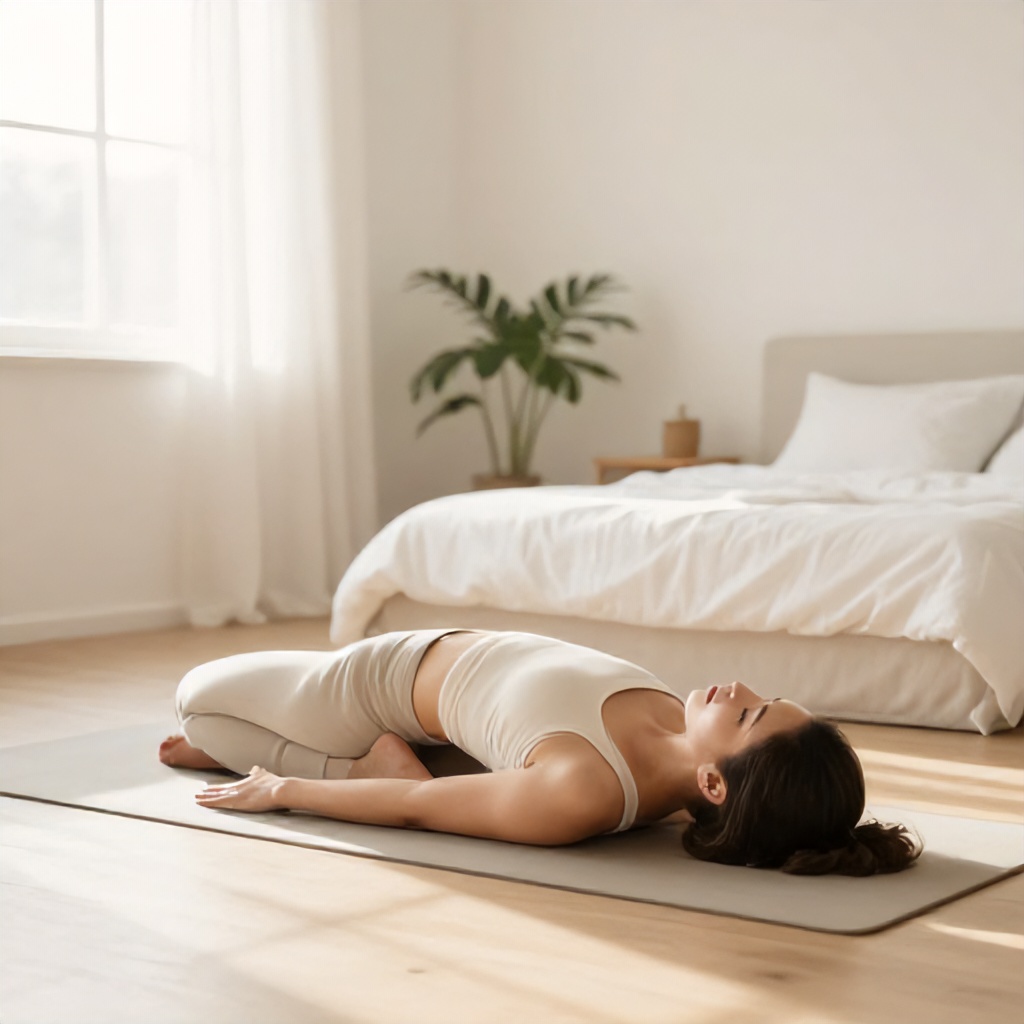
Finally, lie down on your back with your legs extended and your arms resting by your sides, palms facing up. Allow your feet to fall open naturally. Close your eyes and consciously release any tension you are holding in your body. Let your breath return to its natural rhythm. Simply rest here, allowing the benefits of your practice to integrate. This is a crucial part of any yoga flow, acting as a moment of deep relaxation and meditation.
Stay in Savasana for at least five minutes, or longer if time allows. This pose is not just about resting; it’s about allowing your body and mind to absorb the positive effects of your physical activity and breathwork. It’s a powerful relaxation technique that promotes overall well-being and is the perfect way to conclude your gentle morning yoga routine, leaving you feeling refreshed, calm, and ready for the day.