Blackhead Removal: A Closer Look at the Tweezers Technique
Using fine-tipped tweezers for blackhead removal can be an effective method when done with care and proper hygiene, offering a precise way to tackle stubborn comedones.
Understanding Blackheads
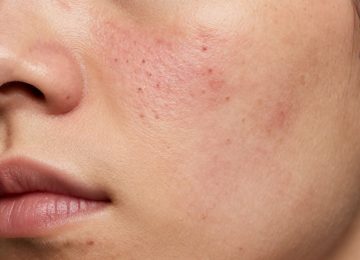
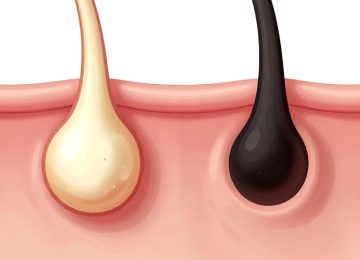
Blackheads, scientifically known as open comedones, are a common skin concern. They form when a hair follicle becomes plugged with oil (sebum) and dead skin cells. Unlike whiteheads, which are closed comedones, the top of a blackhead is open to the air. This exposure causes the trapped material to oxidize, turning it a dark or black color. It’s important to remember that this dark color isn’t dirt, but rather the result of a chemical reaction.
These little blemishes can appear anywhere on the body, but they are most frequently found on the face, particularly in the T-zone area – the forehead, nose, and chin. This is because these areas tend to have a higher concentration of sebaceous glands, which produce oil. While not a serious medical condition, blackheads can be a cosmetic concern for many people, affecting skin texture and overall appearance.
Several factors contribute to the formation of blackheads. Hormonal fluctuations, especially during puberty, menstruation, or pregnancy, can increase sebum production. Genetics also play a role; some individuals are simply more prone to developing clogged pores. Even certain cosmetic products, particularly those that are comedogenic (meaning they can clog pores), can exacerbate the problem. Environmental factors like pollution can also contribute to pore congestion.
Effective pore cleansing is key to managing blackheads. This involves a consistent skincare routine that helps to keep pores clear and reduce the buildup of oil and dead skin cells. While many over-the-counter products aim to address blackheads, sometimes a more targeted approach is needed. This is where manual extraction techniques come into play.
The Role of Tweezers in Blemish Extraction
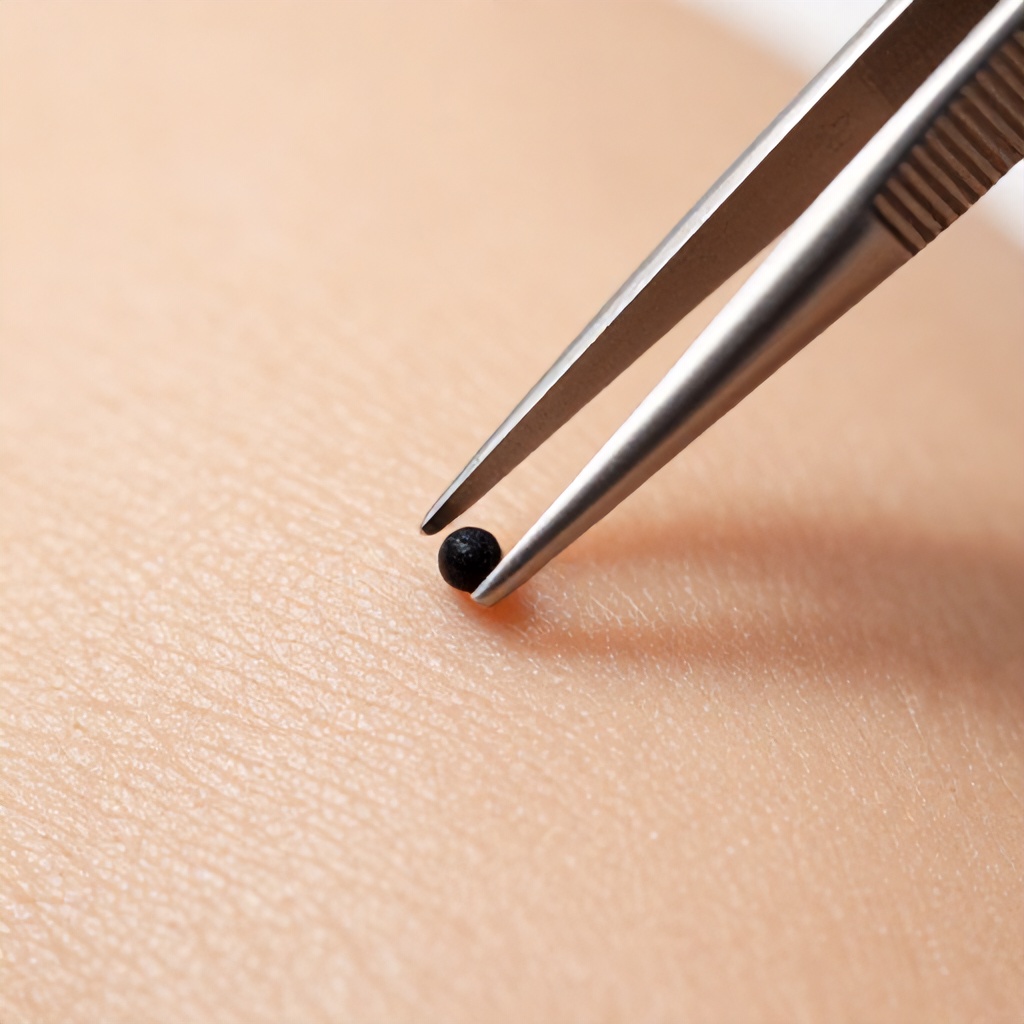
When it comes to blemish extraction, precision is paramount. This is where fine-tipped tweezers shine. Unlike broader tools, these specialized instruments allow for a very targeted approach, enabling the user to grasp and gently remove the contents of a blackhead with minimal surrounding skin disturbance. Think of them as a precision tool for a delicate task. The blue glove, often seen in clinical settings, signifies a commitment to hygiene and sterile technique, crucial for any skin treatment.
The effectiveness of tweezers for blackhead removal lies in their ability to create a controlled grip. This is especially useful for blackheads that are particularly stubborn or have a more prominent, solidified plug. The fine tips can get close to the pore opening, allowing for a more direct and efficient extraction. This method can be seen as a form of aesthetic procedure, aiming to improve the skin’s appearance.
It’s vital to understand that not all blackheads are suitable for manual extraction, regardless of the tool used. Very deep or inflamed blackheads should be left alone or treated by a professional. Attempting to extract these can lead to further inflammation, scarring, or infection. The goal of any pore unclogging effort should be to clear the pore safely and effectively, not to cause further damage.
The use of medical gloves during any skin treatment, including blackhead removal, is a standard practice in dermatology and aesthetic procedures. They act as a barrier, preventing the transfer of bacteria from the hands to the skin and vice versa. This adherence to sterile technique is not just about cleanliness; it’s about protecting the skin from potential infections and ensuring the best possible outcome for the skin treatment.
Preparing for Extraction
Before you even think about reaching for the tweezers, proper preparation is non-negotiable. This is the foundation of safe and effective pore cleansing. Skipping these steps significantly increases the risk of irritation, infection, and even scarring. Think of this as the essential preamble to any clinical action involving your skin.
The first and most critical step is to ensure everything is as clean as possible. Wash your hands thoroughly with soap and warm water. Then, wash the area of your face where the blackhead is located. Use a gentle cleanser that won’t strip your skin of its natural oils but will effectively remove surface dirt and oil. Pat your skin dry with a clean towel; avoid rubbing, which can cause irritation.
Next, you need to soften the skin and open up the pores. This makes the blackhead easier to extract and reduces the pressure needed. A warm compress is excellent for this. Soak a clean washcloth in warm (not hot) water, wring it out, and hold it gently against the affected area for about 5 to 10 minutes. Alternatively, you can take a warm shower or bath, as the steam will help to open your pores.
Now, it’s time to sterilize your tools. This is where the blue glove comes into play conceptually, even if you’re not a medical professional. If you are using tweezers, they must be impeccably clean. Wash them with soap and water, then sterilize them. You can do this by wiping them with rubbing alcohol or holding them over a flame for a few seconds (allow them to cool completely before use!). This step is vital to prevent introducing bacteria into your open pores. The goal is to mimic the precision and hygiene of a professional procedure.
Finally, put on your clean gloves. If you don’t have medical gloves, ensure your hands are freshly washed and dried. The gloves are a barrier, protecting both your skin and the tool from contamination. This attention to detail is what separates a potentially damaging attempt from a controlled, effective skin treatment.
The Tweezers Extraction Technique
With your skin softened and your tools sterilized, you’re ready for the actual extraction. This requires a steady hand and a gentle touch. Remember, the aim is to remove the plug, not to dig into your skin. This is a delicate form of facial care.
Grip the blackhead gently with the fine-tipped tweezers. Position the tips on either side of the blackhead, just at the opening of the pore. You want to grasp the solidified plug itself, not the surrounding skin. Apply very gentle, steady pressure. The idea is to coax the blackhead out, not to force it.
If the blackhead doesn’t come out with minimal pressure, do not force it. This is a sign that it’s not ready, or that tweezers might not be the best tool for this particular blemish. Forcing it can lead to bruising, inflammation, and potential scarring. It’s better to stop and try again another time, or to seek professional help. This is a key aspect of responsible zit removal.
If the blackhead does release, you should see a small, dark, waxy plug emerge. It might be a tiny filament or a slightly larger piece. The pore should appear clearer immediately afterward. Be prepared for a small amount of redness or a tiny bit of bleeding; this is normal, especially if the blackhead was particularly deep or impacted. This is a clinical action aimed at clearing the pore.
After successfully extracting a blackhead, it’s important to clean the area again. Use a gentle, alcohol-free toner to help close the pores and disinfect the area. Follow up with a non-comedogenic moisturizer to keep the skin hydrated. This is part of a thorough facial care routine.
If you are performing multiple extractions, re-sterilize your tweezers between each one. This prevents cross-contamination and ensures that you are not spreading any potential bacteria. This meticulous approach is what makes this method a viable option for pore unclogging when done correctly.
Aftercare and Prevention
The work isn’t over once the blackhead is gone. Proper aftercare is essential to promote healing and prevent future breakouts. This is crucial for maintaining good skin texture and overall health.
Immediately after extraction, the skin might be a little sensitive. Avoid applying any harsh products, such as exfoliants or strong acne treatments, to the treated area for at least 24 hours. A soothing, hydrating serum or a light, non-comedogenic moisturizer is best. The goal is to calm the skin and aid in its recovery. This is a fundamental part of any effective beauty treatment.
Continue with your regular gentle skincare routine. This includes cleansing twice a day, moisturizing, and using sunscreen. Sunscreen is particularly important, as newly extracted pores can be more susceptible to hyperpigmentation if exposed to the sun.
To prevent future blackheads, consistency is key. Incorporate ingredients like salicylic acid or benzoyl peroxide into your routine. Salicylic acid is a beta-hydroxy acid (BHA) that can penetrate oil and exfoliate inside the pore, helping to prevent future blockages. Benzoyl peroxide is an antibacterial agent that can help reduce the bacteria that contribute to acne.
Regular exfoliation, whether chemical or gentle physical exfoliation, helps to remove dead skin cells before they can clog pores. However, be careful not to over-exfoliate, as this can lead to irritation and make your skin more prone to problems. Finding the right balance is part of mastering your skincare.
Consider incorporating clay masks into your weekly routine. Clay masks can help to draw out impurities from the pores and absorb excess oil, acting as a deep pore cleansing treatment. This is a great way to maintain clear skin between more intensive treatments.
Finally, remember that sometimes, professional help is the best option. A dermatologist or licensed aesthetician can perform extractions safely and effectively, especially for more persistent or deep-seated blackheads. They have the knowledge, tools, and sterile environment to provide optimal skin treatment, ensuring the best possible results for your skin texture and health. They can also advise on the best long-term strategies for managing your skin concerns, turning a simple blemish extraction into part of a comprehensive skincare plan.