Up Close and Personal: Understanding Enlarged Pores and Blackheads
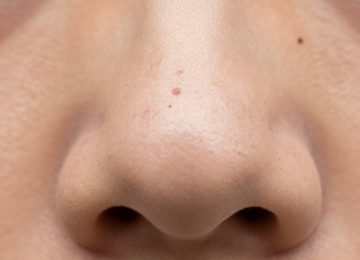
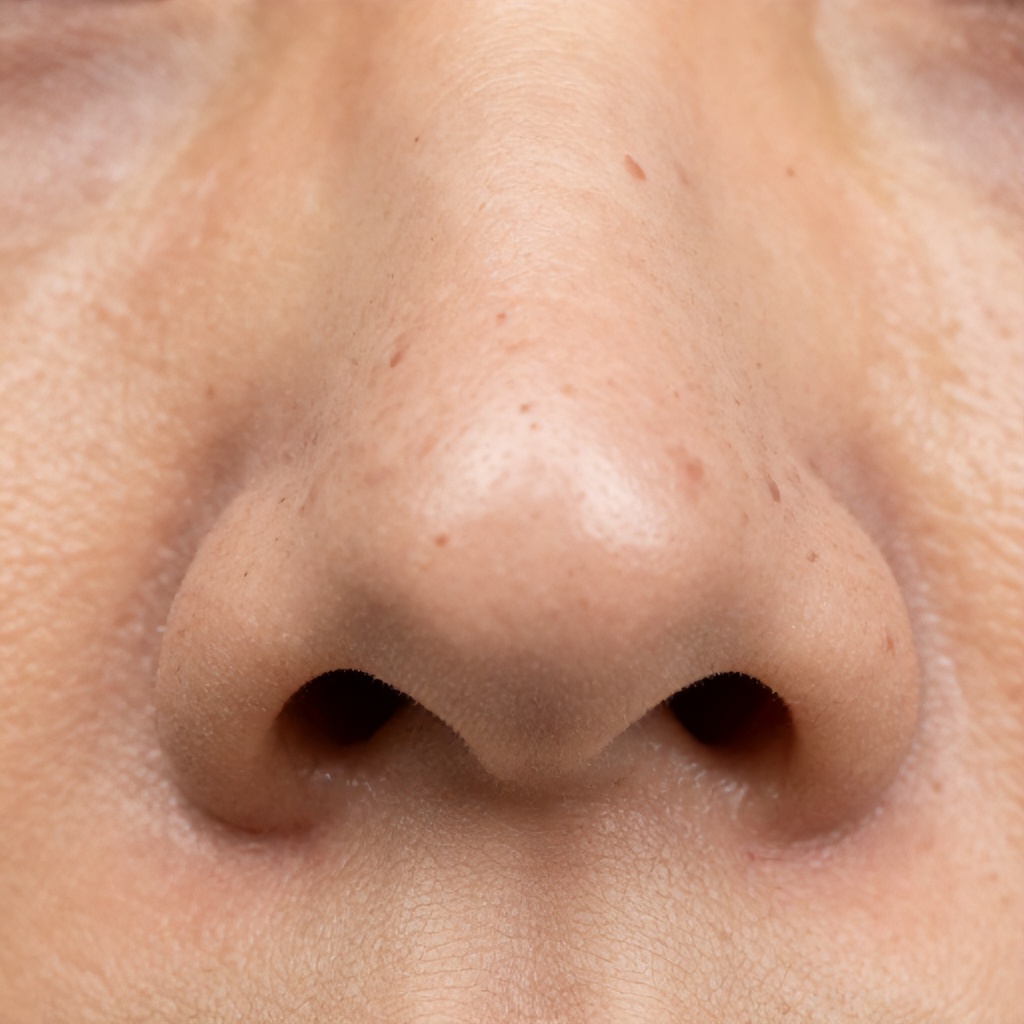
Seeing your skin up close, really close, can be a bit of a shock. We’re talking extreme close-up, where enlarged pores and blackheads become the main characters on your facial features. It’s not about judgment; it’s about understanding what’s happening on your skin surface. This visual detail, often revealed through macro photography, shows us the intricate landscape of human skin texture. It’s a world of tiny openings, sebaceous glands working overtime, and sometimes, the beginnings of what we call blemishes.
Many people notice enlarged pores, especially on the nose, cheeks, and chin. These aren’t necessarily a sign of poor hygiene, though cleanliness plays a role. They are simply openings in the skin that allow hair follicles and sebaceous glands to reach the surface. When these pores become clogged, they can appear larger and more prominent. This is where blackheads and other types of comedones come into play, creating a less-than-smooth skin texture.
What Exactly Are Enlarged Pores?
Enlarged pores are essentially just that: pores that have stretched or appear wider than usual. Several factors contribute to this. Genetics play a significant role; some individuals are simply predisposed to having more visible pores. As we age, our skin loses elasticity, and the collagen and elastin that keep our skin firm begin to break down. This can cause pores to sag and appear larger. Sun damage is another major culprit. UV radiation degrades collagen, leading to looser skin and more noticeable pores. Oily skin types often experience more prominent pores because the sebaceous glands produce more oil, which can stretch the pore opening over time.
Think of your pores like tiny funnels. Their job is to release oil (sebum) and sweat. When they are functioning normally, they are barely noticeable. But when they get filled with excess sebum, dead skin cells, and other debris, they can become distended. This is especially true for areas with a higher concentration of sebaceous glands, like the T-zone (forehead, nose, and chin).
Blackheads: The Dark Side of Clogged Pores
Blackheads, also known as open comedones, are a common type of congested spot. They occur when a pore becomes clogged with sebum and dead skin cells. The key difference between a blackhead and a pimple is that a blackhead is open to the air. This exposure causes the trapped sebum and skin cells to oxidize, turning them a dark or black color. It’s not dirt, as many people mistakenly believe. It’s simply the result of a chemical reaction.
Understanding this process is vital for effective skincare. Knowing that it’s sebum and dead skin cells, not grime, helps us approach treatment and prevention with the right tools and ingredients. The visual detail of a blackhead under extreme close-up can be quite striking, revealing the tiny, dark plug within the pore opening.
Other Types of Congested Spots
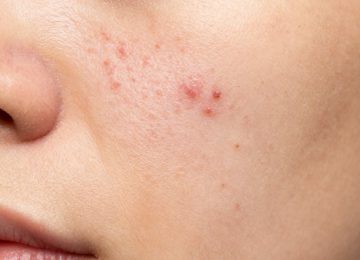
While blackheads are common, they aren’t the only form of clogged pore. Whiteheads, or closed comedones, are similar but are covered by a thin layer of skin, appearing as small white or flesh-colored bumps. These can sometimes develop into inflammatory acne if bacteria get involved and cause redness and swelling. Then there are papules and pustules, which are inflamed blemishes. Papules are small, red, tender bumps, while pustules are papules with pus at their tips.
The appearance of these congested spots can vary greatly depending on skin tone. On tan tones, inflammation might appear as darker spots, while on reddish tones, it can be more obviously red and irritated. The underlying cause, however, often remains the same: a pore that has become blocked.
Why Do Pores Get Enlarged and Clogged?
It’s a multifaceted issue, and pinpointing a single cause is rarely possible. It’s usually a combination of internal and external factors influencing your human skin. Understanding these drivers is the first step toward managing them.
Genetics and Age
Your DNA has a lot to say about your pore size. If your parents or grandparents had visible pores, there’s a good chance you will too. As we age, our skin naturally loses its firmness. Collagen and elastin, the proteins that provide structure and bounce, diminish over time. This loss of support means pores can appear to stretch and widen, contributing to an uneven texture.
Think of skin like a trampoline. When it’s new and taut, everything is held firmly in place. As it ages and gets worn out, it starts to sag, and the holes (pores) in it become more noticeable.
Sebum Production and Skin Type
Sebaceous glands are responsible for producing sebum, the natural oil that lubricates our skin. People with oily skin have more active sebaceous glands, leading to a higher production of sebum. This excess oil can mix with dead skin cells and debris, leading to clogged pores. If the pore is open, it forms a blackhead; if it’s closed, it becomes a whitehead. The more oil your skin produces, the higher the likelihood of encountering enlarged pores and congested spots.
If you have dry skin, you might not experience as many issues with enlarged pores and blackheads, but you might have other concerns like dullness or flakiness. It’s all about balance on the skin surface.
Environmental Factors
The environment we live in plays a role too. Pollution can contribute to skin congestion. Tiny particles from air pollution can get trapped in pores, exacerbating the problem. Sun exposure is a major contributor to enlarged pores. UV radiation damages collagen and elastin, leading to a loss of skin elasticity and making pores appear more prominent. Consistent sun protection is therefore a key part of any skincare routine aimed at improving skin texture.
Even the products you use can impact your pores. Heavy, pore-clogging ingredients in cosmetics or skincare can contribute to congestion. It’s why reading ingredient lists and choosing non-comedogenic products is often recommended by dermatological professionals.
Skincare Habits
How you care for your skin matters immensely. Inconsistent cleansing can allow dead skin cells and oil to build up. Over-exfoliating, however, can strip the skin of its natural oils, leading to irritation and potentially triggering the sebaceous glands to produce even more oil to compensate. This can create a cycle of congestion. Conversely, not exfoliating enough can lead to a buildup of dead skin cells that clog pores.
Finding the right balance in your skincare routine is key. It’s not about harsh scrubbing; it’s about gentle, consistent care that supports the skin’s natural functions.
Managing Enlarged Pores and Blackheads: Practical Skincare Strategies
Dealing with enlarged pores and blackheads doesn’t have to be a battle. With the right approach and consistent effort, you can significantly improve the appearance of your skin texture. It’s about smart choices and understanding what your skin needs.
Cleansing: The Foundation of Clear Skin
A good cleansing routine is non-negotiable. Wash your face twice a day to remove excess oil, dirt, and makeup. Look for gentle cleansers that won’t strip your skin. For those prone to oily skin and congestion, a salicylic acid cleanser can be beneficial. Salicylic acid is a beta-hydroxy acid (BHA) that is oil-soluble, meaning it can penetrate into the pore lining to help dissolve sebum and dead skin cells. This is a direct attack on the root cause of many blackheads and enlarged pores.
Don’t forget to cleanse after sweating heavily, whether from exercise or a hot day. Residual sweat can contribute to pore congestion.
Exfoliation: Unveiling Smoother Skin
Regular exfoliation is crucial for removing dead skin cells that can clog pores. There are two main types of exfoliation: physical and chemical.
- Physical exfoliants use small particles (like scrubs) to manually slough away dead skin cells. Be gentle; harsh scrubbing can cause micro-tears and irritation.
- Chemical exfoliants use acids like AHAs (alpha-hydroxy acids, such as glycolic and lactic acid) and BHAs (beta-hydroxy acids, like salicylic acid). AHAs work on the skin’s surface to loosen the bonds between dead skin cells, while BHAs penetrate pores. For blackheads and enlarged pores, BHAs are often more effective.
Start with exfoliating 1-2 times a week and gradually increase as your skin tolerates it. Over-exfoliation can lead to redness, irritation, and increased sensitivity, which is counterproductive.
Targeted Treatments for Congested Spots
Once your skin is clean and exfoliated, you can introduce targeted treatments. Ingredients like salicylic acid, niacinamide, and retinoids are excellent for managing enlarged pores and blackheads.
- Salicylic Acid (BHA): As mentioned, it’s a powerhouse for penetrating pores and dissolving blockages. You can find it in cleansers, toners, serums, and spot treatments.
- Niacinamide: This vitamin B3 derivative has multiple benefits. It helps regulate sebum production, reduces inflammation, and can improve the appearance of pore size over time by strengthening the skin barrier.
- Retinoids: Prescription retinoids (like tretinoin) and over-the-counter options (like retinol) are highly effective. They speed up cell turnover, preventing dead skin cells from accumulating and clogging pores. They also stimulate collagen production, which can help improve skin elasticity and make pores appear smaller. Start with a low concentration a few nights a week and increase gradually.
Using these ingredients consistently can make a noticeable difference in skin texture and the visibility of enlarged pores and blackheads.
Moisturize Wisely
Even oily and acne-prone skin needs moisture. Skipping moisturizer can actually cause your skin to produce more oil to compensate for the dryness. Choose lightweight, oil-free, non-comedogenic moisturizers. Gel-based or water-based formulas are often ideal. A well-hydrated skin barrier functions better and can appear smoother, helping to minimize the look of enlarged pores.
Sun Protection is Paramount
Daily use of broad-spectrum sunscreen with an SPF of 30 or higher is one of the most important steps you can take for your skin’s long-term health and appearance. Sun damage breaks down collagen, leading to sagging skin and more prominent pores. Protecting your skin from UV rays helps maintain its elasticity and firmness, indirectly contributing to the minimized appearance of enlarged pores.
Make sunscreen a habit, rain or shine. It’s a crucial step in preventing further damage and maintaining overall skin health.
Professional Help: When to See a Dermatologist
If you’ve tried over-the-counter treatments and are still struggling with persistent enlarged pores, blackheads, or other skin imperfections, it might be time to consult a dermatologist. They can offer prescription-strength treatments, in-office procedures like chemical peels or microdermabrasion, and personalized advice based on your specific skin condition. A dermatological assessment can provide clarity and a more targeted treatment plan.
Seeing your skin up close, with all its intricate details, doesn’t have to be a source of anxiety. By understanding the causes of enlarged pores and blackheads and adopting a consistent, targeted skincare routine, you can achieve clearer, smoother, and healthier-looking skin. It’s about embracing your skin’s unique landscape and caring for it with knowledge and patience.