Addressing persistent facial redness and skin surface unevenness requires a shift from aggressive scrubbing to a strategy focused on skin barrier health. Many people mistakenly treat texture issues with harsh physical exfoliants, which often exacerbates underlying inflammatory skin conditions and increases visible erythema. Achieving complexion clarity is less about finding a single miracle product and more about creating a consistent environment where your skin can repair its own protective layers. When the barrier is compromised, the skin loses moisture and becomes reactive, leading to the very redness and roughness you want to eliminate.
Understanding the Root Causes of Texture and Redness
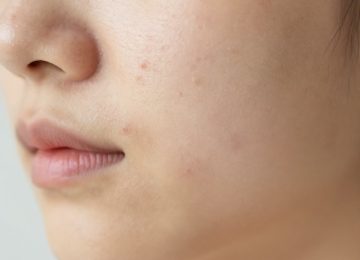
Skin surface unevenness often stems from a combination of dehydration, cellular buildup, and chronic inflammation. When skin cells do not shed properly, they accumulate on the surface, creating a dull, rough feeling that catches light unevenly. This is frequently compounded by dermal health issues where the underlying structure of the skin is irritated, leading to a flushed appearance. Identifying whether your redness is vascular, such as broken capillaries, or inflammatory, such as acne or rosacea, dictates your entire approach to complexion refinement.
The Role of the Skin Barrier
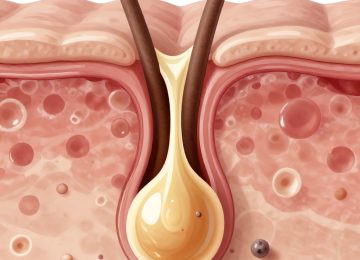
Your skin barrier acts as a shield against environmental stressors. Think of it like a brick wall where the skin cells are the bricks and the lipids are the mortar holding them together. If that mortar is weak, irritants enter easily, and water escapes rapidly. This leads to transepidermal water loss, which makes the skin look shriveled and feel coarse. Protecting this barrier is the first step in any skin rejuvenation plan. If your face feels tight after washing, your barrier is likely compromised.
Inflammation and Erythema
Facial redness is often a sign that your immune system is working overtime. When the skin is constantly inflamed, it produces heat and increases blood flow to the area, resulting in persistent redness. This is common in those with sensitive skin types or those who over-use active ingredients. Reducing this inflammation requires a cooling, soothing approach rather than a drying one. You must prioritize ingredients that calm the skin rather than those that promise to strip away every impurity.
Building a Routine for Complexion Clarity
A successful routine for addressing cutaneous irregularities relies on simplicity. You do not need ten steps to see a skincare transformation. Instead, you need high-quality, targeted products that work in harmony. Focus on gentle cleansing, hydration, and protection. By limiting the number of products, you reduce the risk of irritation and allow your skin to stabilize.
- Cleanse with a non-foaming, pH-balanced cleanser that does not leave the skin feeling stripped.
- Apply a hydrating serum containing humectants like glycerin or hyaluronic acid to pull moisture into the deeper layers.
- Use a moisturizer rich in ceramides to reinforce the lipid barrier and lock in hydration.
- Apply a mineral-based sunscreen every single morning to prevent further damage from ultraviolet rays.
Targeted Ingredients for Skin Smoothing
Not all ingredients are created equal when it comes to refining the skin surface. Some are designed to speed up cell turnover, while others focus on calming the surface. Choosing the right one depends on your specific skin tolerance. Always introduce new actives slowly to monitor how your skin reacts.
Gentle Exfoliation Options
If you struggle with texture, you might be tempted to reach for a scrub. Avoid physical scrubs, as they create micro-tears in the skin. Instead, look for polyhydroxy acids or PHAs. These are larger molecules that exfoliate the surface very gently without penetrating too deeply, making them ideal for those with sensitive skin or inflammatory skin conditions. They also act as humectants, meaning they hydrate while they smooth.
Soothing Agents for Redness Reduction
To address redness, look for ingredients that have a proven history of calming the skin. Niacinamide is a powerhouse for this purpose. It helps regulate oil production, improves the appearance of enlarged pores, and strengthens the skin barrier. Centella asiatica is another excellent choice, known for its ability to speed up healing and reduce the appearance of redness. Incorporating these into your daily routine can lead to a noticeable improvement in skin tone correction over time.
Advanced Considerations in Dermatological Aesthetics
Sometimes, topical treatment alone is not enough to address deep-seated texture issues. If you have tried a consistent routine for several months without seeing results, it might be time to look at professional options. Clinical skincare treatments can provide a deeper level of resurfacing that home products cannot achieve. However, these should always be approached with caution and under the guidance of a professional.
Professional Resurfacing Treatments
Chemical peels and laser therapies are common tools in aesthetic dermatology. A professional peel uses higher concentrations of acids to remove the top layer of dead skin cells, revealing smoother skin underneath. Lasers, on the other hand, can target specific blood vessels to reduce redness or use light energy to stimulate collagen production. These procedures are effective but require significant downtime and strict adherence to post-treatment care instructions.
Managing Expectations
Real change takes time. It is common to see advertisements promising instant results, but skin rejuvenation is a biological process that follows the natural cycle of cell turnover. This cycle typically takes about 28 to 40 days. You should expect to use a new product for at least six weeks before deciding if it is working for you. Patience is the most important tool in your kit.
Lifestyle Factors Affecting Skin Health
Your skin is a reflection of your internal health. While topical products are essential, they cannot compensate for a lifestyle that constantly triggers inflammation. Small changes in your daily habits can have a profound impact on your complexion clarity.
- Hydration: Drinking enough water supports the skin from the inside out, keeping cells plump and healthy.
- Diet: High-sugar diets can lead to glycation, a process that damages collagen and elastin, leading to premature aging and texture issues.
- Sleep: Your skin undergoes its most intense repair phase while you sleep. Lack of rest prevents this recovery, leading to dullness and increased sensitivity.
- Stress Management: Chronic stress increases cortisol levels, which can trigger breakouts and worsen inflammatory skin conditions.
Common Mistakes to Avoid
Many people inadvertently make their skin worse by trying to fix it too quickly. Over-exfoliating is the most common error. When you exfoliate every day, you remove the protective layer of the skin, leaving it vulnerable to bacteria and environmental damage. This leads to a cycle of redness and irritation that is difficult to break. If your skin feels sensitive, stop all active ingredients immediately and focus solely on hydration until the barrier feels restored.
The Danger of Over-Layering
Layering too many active ingredients can cause a chemical reaction on your skin that leads to contact dermatitis. For example, using a strong retinol alongside a high-strength vitamin C serum might be too much for your skin to handle. Stick to one active at a time, or alternate them on different nights. Your skin does not need to be bombarded with ingredients to improve; it needs consistency and support.
Ignoring Sun Protection
Sun damage is the primary cause of long-term texture irregularities and persistent redness. Ultraviolet radiation breaks down the structural proteins in your skin, leading to sagging, enlarged pores, and uneven pigmentation. Even on cloudy days, UV rays can penetrate your skin. A broad-spectrum sunscreen is the most effective anti-aging and texture-smoothing product you can own. Do not skip this step, regardless of your skin type or the weather.
Evaluating Your Progress
Tracking your progress is essential for staying motivated and understanding what works for your specific skin. Take photos in the same lighting every two weeks. You might not notice the subtle changes day-to-day, but comparing photos from month to month will reveal the progress you have made. Look for improvements in the way your skin reflects light, the reduction of redness around the nose and cheeks, and the overall softness of your skin surface.
When to See a Professional
If you notice that your redness is accompanied by itching, burning, or swelling, it is time to consult a dermatologist. These could be signs of an underlying condition like rosacea, eczema, or contact dermatitis that requires prescription-strength medication. Do not attempt to self-diagnose or treat severe symptoms with over-the-counter products, as this can often make the situation worse. A professional can provide a tailored plan that addresses your specific dermatological concerns safely.
Long-Term Maintenance for Clearer Skin
Once you have achieved your desired level of complexion clarity, the goal shifts to maintenance. You do not need to keep using high-strength actives forever. In fact, many people find that their skin thrives on a maintenance routine that focuses on gentle hydration and consistent sun protection. If you notice texture starting to return, you can reintroduce a gentle exfoliant once or twice a week, but always listen to your skin.
Adapting to Seasonal Changes
Your skin needs change with the seasons. In the winter, the air is drier, and your skin may require a heavier moisturizer or a facial oil to prevent flaking and roughness. In the summer, you might prefer lighter, gel-based formulas that feel less heavy in the heat. Being flexible with your routine allows you to maintain a healthy barrier throughout the year, preventing the seasonal flare-ups of redness and texture that many people experience.
The Importance of Consistency
The most effective skincare routine is the one you can stick to every single day. If you find a routine that is too complicated, you will eventually stop doing it. Choose products that you enjoy using and that fit into your lifestyle. Whether it is a quick three-step routine or a more detailed ritual, the key is to be consistent. Your skin will reward you with a clearer, smoother, and more radiant appearance over time.
Final Thoughts on Skin Health
Addressing skin redness and texture is a journey that requires patience, observation, and a gentle touch. By prioritizing the health of your skin barrier, choosing ingredients that soothe rather than strip, and protecting your skin from the sun, you can achieve a significant improvement in your complexion. Remember that your skin is a living organ, and it deserves to be treated with care. Avoid the temptation of quick fixes and focus on building a foundation of health that will serve you for years to come. With the right approach, you can enjoy a clearer, more balanced complexion that reflects your overall well-being.
Focusing on the basics—cleansing, moisturizing, and protecting—is often enough to see a dramatic shift in how your skin looks and feels. When you stop fighting against your skin and start working with it, you create the conditions necessary for true healing. This process is not about achieving perfection, but about reaching a state where your skin feels comfortable, resilient, and healthy. As you continue to refine your routine, you will learn to recognize the subtle signals your skin sends, allowing you to adjust your approach as needed. This awareness is the hallmark of a successful skincare journey and the key to long-term skin health.
Finally, remember that everyone’s skin is unique. What works for one person may not work for another, and that is perfectly normal. Do not be discouraged if a popular product does not give you the results you expected. Instead, use that experience to learn more about what your skin likes and dislikes. Over time, you will build a collection of products and habits that are perfectly suited to your skin’s needs. This personalized approach is the most effective way to address cutaneous irregularities and maintain a clear, vibrant complexion for the long haul.