Foods That Help Your Body Detoxify
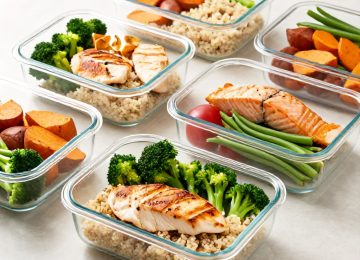
Your body has an amazing built-in detoxification system, and what you eat plays a starring role in keeping it running smoothly. Think of it like a well-oiled machine; certain foods act as the high-quality fuel and essential maintenance parts your liver, kidneys, and gut need to do their best work. It’s not about extreme cleanses or restrictive diets, but rather about incorporating nutrient-dense foods that support your body’s natural processes.
Understanding Your Body’s Detox Pathways
Detoxification isn’t a single event; it’s a complex, multi-stage process happening constantly. The primary organs involved are the liver, kidneys, intestines, lungs, and skin. The liver, in particular, is the powerhouse, transforming toxins into less harmful substances that can then be eliminated. This happens in two main phases: Phase I and Phase II detoxification. Phase I uses enzymes to make toxins more water-soluble, and Phase II then binds these modified toxins with other molecules to make them even easier to excrete.
Your kidneys filter waste products from your blood, producing urine. Your intestines help eliminate waste and toxins through bowel movements, and they also play a role in absorbing nutrients that support detox. Even your lungs and skin contribute by expelling volatile compounds and waste products.
Key Nutrients for Detoxification
Several key nutrients are essential for optimal function of these detox pathways. Without them, your body’s ability to process and eliminate waste can be hampered.
Sulfur-Rich Foods
Sulfur is a critical component of glutathione, often called the body’s “master antioxidant,” which is vital for Phase II liver detoxification. It helps neutralize free radicals and bind to toxins, making them easier to excrete.
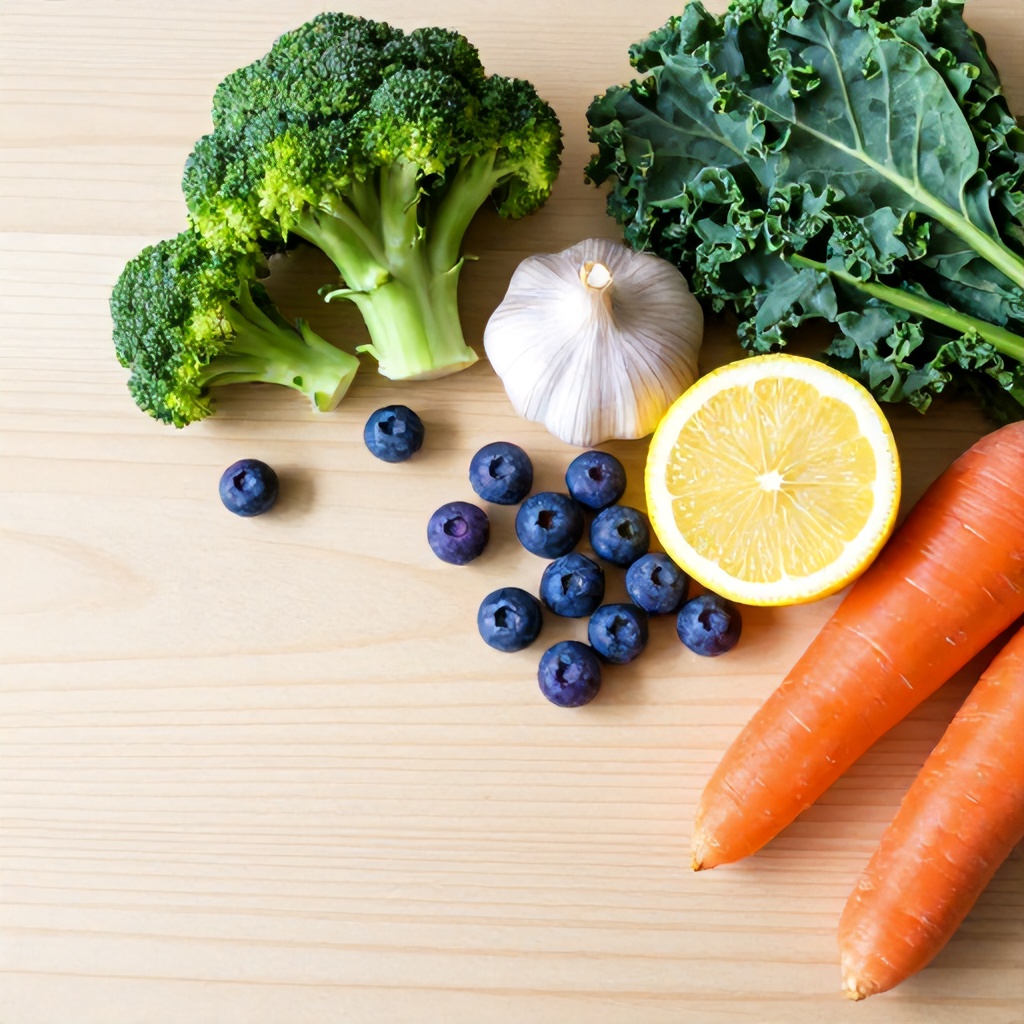
- Cruciferous Vegetables: Broccoli, cauliflower, Brussels sprouts, kale, cabbage, and bok choy are powerhouses. They contain compounds like sulforaphane and indole-3-carbinol, which support liver enzymes.
- Alliums: Garlic and onions are packed with sulfur compounds that aid in detoxification and possess antimicrobial properties.
- Eggs: A good source of sulfur-containing amino acids like methionine and cysteine.
- Lean Meats and Fish: Provide essential sulfur-containing amino acids.
Antioxidants
Antioxidants protect your cells from damage caused by free radicals, which are byproducts of normal metabolism and exposure to environmental toxins. They are crucial for supporting the liver’s detoxification efforts and reducing inflammation.
- Berries: Blueberries, raspberries, strawberries, and blackberries are loaded with anthocyanins and vitamin C.
- Leafy Greens: Spinach, kale, and Swiss chard are rich in vitamins A, C, and K, as well as lutein and zeaxanthin.
- Brightly Colored Fruits and Vegetables: Carrots, sweet potatoes, bell peppers, and tomatoes provide beta-carotene, vitamin C, and other phytonutrients.
- Nuts and Seeds: Almonds, walnuts, sunflower seeds, and flaxseeds offer vitamin E, selenium, and zinc.
- Green Tea: Contains potent antioxidants called catechins, particularly EGCG, which supports liver function.
Fiber
Fiber is essential for gut health and plays a direct role in eliminating toxins. It helps bind to waste products in the digestive tract, preventing their reabsorption into the bloodstream, and promotes regular bowel movements.
- Whole Grains: Oats, quinoa, brown rice, and barley.
- Legumes: Beans, lentils, and chickpeas.
- Fruits: Apples, pears, and berries (especially with the skin on).
- Vegetables: Broccoli, Brussels sprouts, and artichokes.
- Nuts and Seeds: Chia seeds, flaxseeds, and almonds.
Vitamins and Minerals
A wide array of vitamins and minerals are cofactors for the enzymes involved in detoxification pathways.
- B Vitamins: Especially B2 (riboflavin), B3 (niacin), B6 (pyridoxine), B9 (folate), and B12 (cobalamin) are crucial for Phase I and Phase II liver enzymes. You can find these in whole grains, leafy greens, eggs, and lean meats.
- Vitamin C: A powerful antioxidant that also aids in the regeneration of glutathione. Citrus fruits, bell peppers, and berries are excellent sources.
- Vitamin E: Another potent fat-soluble antioxidant, found in nuts, seeds, and vegetable oils.
- Selenium: A trace mineral that is a component of glutathione peroxidase, an enzyme that protects cells from oxidative damage. Brazil nuts are exceptionally high in selenium, but other sources include fish, eggs, and sunflower seeds.
- Zinc: Important for immune function and enzyme activity involved in detoxification. Oysters, red meat, pumpkin seeds, and lentils are good sources.
- Magnesium: Involved in hundreds of enzymatic reactions, including those in detoxification. Leafy greens, nuts, seeds, and dark chocolate are good options.
Healthy Fats
Healthy fats are necessary for the absorption of fat-soluble vitamins and play a role in reducing inflammation, which can hinder detoxification processes.
- Avocado: Rich in monounsaturated fats and antioxidants.
- Olive Oil: Extra virgin olive oil is a good source of monounsaturated fats and polyphenols.
- Fatty Fish: Salmon, mackerel, and sardines provide omega-3 fatty acids, which have anti-inflammatory properties.
- Nuts and Seeds: Walnuts, flaxseeds, and chia seeds offer omega-3s and omega-6s.
Specific Foods to Emphasize
Let’s break down some of the star players in your detox-friendly diet.
The Power of the Cruciferous Family
These vegetables are truly exceptional for detoxification. Their unique compounds, like sulforaphane, are potent activators of Phase II liver enzymes. This means they help your liver efficiently process and eliminate a wide range of toxins.
- Broccoli and Broccoli Sprouts: Broccoli sprouts contain exceptionally high levels of sulforaphane precursors.
- Cauliflower: Another excellent source of glucosinolates.
- Kale: Packed with vitamins, minerals, and antioxidants, plus detox-supporting compounds.
- Brussels Sprouts: Small but mighty, offering significant detox benefits.
Aim to incorporate at least one serving of cruciferous vegetables into your diet daily. Steaming or light sautéing can help preserve their beneficial compounds better than boiling.
Garlic and Onions: Nature’s Detoxifiers
These pungent alliums are more than just flavor enhancers. They contain sulfur compounds that support glutathione production and help the liver neutralize toxins. Garlic, in particular, has been studied for its ability to protect against heavy metal toxicity.
Adding fresh garlic and onions to your meals is a simple way to boost your body’s detox capacity. Raw garlic, when crushed and allowed to sit for a few minutes, maximizes its beneficial compounds.
Berries: Antioxidant Champions
These small fruits pack a massive antioxidant punch. Their vibrant colors come from anthocyanins, powerful antioxidants that combat oxidative stress. Vitamin C in berries also supports glutathione regeneration.
Enjoy a variety of berries daily. They are perfect in smoothies, yogurt, oatmeal, or simply eaten by the handful as a healthy snack.
Leafy Greens: Nutrient-Dense and Detoxifying
Spinach, kale, Swiss chard, and other leafy greens are nutritional powerhouses. They are rich in vitamins, minerals, and chlorophyll, which is thought to help bind to toxins and aid in their elimination.
These greens are incredibly versatile. Use them in salads, smoothies, stir-fries, or wilt them down as a side dish. The more variety, the better!
Lemons and Limes: Alkalizing and Stimulating
While acidic, citrus fruits like lemons and limes have an alkalizing effect on the body once metabolized. They are rich in vitamin C and can help stimulate bile production in the liver, which is essential for fat digestion and toxin elimination.
Start your day with a glass of warm water with lemon. Squeeze them into your water, dressings, or marinades throughout the day.
Turmeric: The Anti-Inflammatory Superstar
The active compound in turmeric, curcumin, is a potent anti-inflammatory and antioxidant. It has been shown to support liver detoxification pathways and protect liver cells from damage.
Incorporate turmeric into your cooking, especially in curries, soups, and golden milk lattes. Pairing it with black pepper enhances curcumin absorption.
Ginger: Digestive Aid and Detox Support
Ginger is well-known for its digestive benefits, helping to soothe nausea and promote gut motility. It also possesses anti-inflammatory and antioxidant properties that can support the body’s overall detoxification efforts.
Add fresh ginger to smoothies, teas, stir-fries, or use it in homemade juices.
Water: The Universal Solvent
This might seem obvious, but adequate hydration is absolutely fundamental for detoxification. Water is the medium through which your kidneys filter waste and flush it out of your body. It also keeps your digestive system moving smoothly.
Aim for at least 8 glasses of water per day, and more if you are active or live in a warm climate. Herbal teas also contribute to your fluid intake.
Foods to Moderate or Avoid
While focusing on beneficial foods is key, reducing your intake of substances that burden your detoxification system is equally important.
- Processed Foods: Often high in unhealthy fats, sugar, artificial additives, and sodium, which can overwhelm your liver and kidneys.
- Excessive Sugar: Contributes to inflammation and can negatively impact gut health.
- Unhealthy Fats: Trans fats and excessive saturated fats can increase inflammation and hinder metabolic processes.
- Excessive Alcohol: Places a significant burden on the liver, impairing its ability to detoxify other substances.
- Artificial Sweeteners and Additives: Some individuals may have sensitivities, and they can add to the toxic load.
Putting It All Together: A Practical Approach
Supporting your body’s natural detoxification is a lifestyle choice, not a temporary fix. It’s about consistently nourishing your body with whole, unprocessed foods that provide the building blocks for optimal health.
- Prioritize Whole Foods: Build your meals around vegetables, fruits, lean proteins, and healthy fats.
- Eat the Rainbow: Aim for a wide variety of colorful fruits and vegetables to ensure you’re getting a broad spectrum of nutrients and antioxidants.
- Stay Hydrated: Make water your primary beverage throughout the day.
- Listen to Your Body: Pay attention to how different foods make you feel.
- Cook at Home More Often: This gives you control over the ingredients you consume.
- Be Mindful of Your Environment: Reduce exposure to toxins where possible, from personal care products to cleaning supplies.
By making conscious food choices, you empower your body’s innate ability to cleanse and rejuvenate itself, leading to increased energy, better digestion, and overall improved well-being. It’s a journey of nourishing yourself from the inside out.