
Resistance bands provide a versatile way to build strength and improve muscle tone without needing a crowded home gym. These tools create constant tension throughout a movement, which forces your muscles to work harder during both the lifting and lowering phases of an exercise. Because they are lightweight and take up almost no space, they remain one of the most practical pieces of resistance training equipment for anyone looking to maintain a consistent fitness lifestyle.

The Mechanics of Elastic Resistance
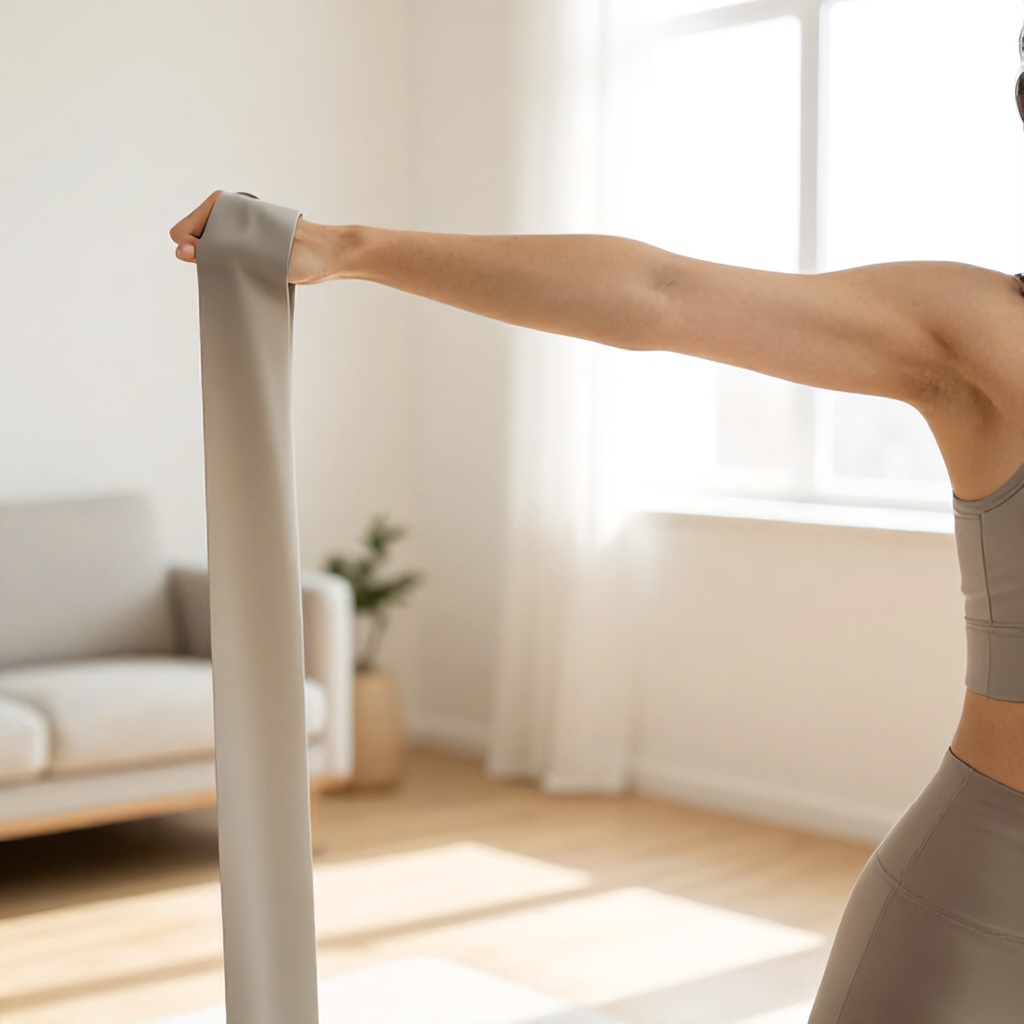
Elastic resistance bands function differently than free weights because they do not rely solely on gravity. When you stretch a band, the tension increases the further you pull it. This creates a unique stimulus for your muscles, often referred to as variable resistance. By adjusting your grip or your stance, you can change the intensity of any movement instantly.
Safety and Setup
Before starting any home exercise space routine, check your equipment for small tears or cracks. A band that snaps during use can cause injury. Always ensure your anchor points, such as door frames or sturdy furniture, are secure before attaching a resistance loop. Proper form remains the priority over the amount of tension you use. If you cannot complete a repetition with a controlled, steady motion, switch to a lighter band.
Warm-Up for Mobility
A five-minute warm-up prepares your joints and increases blood flow to your muscles. Start with light movement to signal to your body that physical conditioning is about to begin. Do not skip this phase, as it helps prevent strains during more intense movements.
- Arm circles: Move your arms in wide, controlled circles for thirty seconds in each direction.
- Torso twists: Stand with feet shoulder-width apart and gently rotate your upper body.
- Leg swings: Hold onto a wall for balance and swing one leg forward and backward to loosen the hip joint.
- Marching in place: Lift your knees high to activate the core and hip flexors.
Full Body Workout Routine
This routine targets all major muscle groups. Perform these exercises as a circuit, moving from one to the next with minimal rest. Complete three full rounds for an effective session.
Upper Body Focus
The upper body extension and pulling movements build functional strength for daily tasks. Focus on keeping your shoulders down and away from your ears to maintain proper alignment.
- Band Chest Press: Wrap the band behind your back and under your armpits. Hold the ends in your hands and push straight forward until your arms are fully extended. Return slowly to the starting position.
- Seated Row: Sit on the floor with your legs extended. Wrap the band around the soles of your feet. Hold the ends and pull your elbows back, squeezing your shoulder blades together. This promotes better posture.
- Overhead Press: Stand on the center of the band. Hold the ends at shoulder height with palms facing forward. Press upward until your arms are straight, then lower back to the start.
Lower Body and Core
Lower body exercises help with stability and functional movement. These movements engage the glutes, quads, and hamstrings while demanding core stabilization.
- Squats: Stand on the band with feet hip-width apart. Hold the ends of the band at shoulder height. Lower your hips as if sitting in a chair, keeping your chest upright and knees tracking over your toes.
- Glute Bridges: Lie on your back with your knees bent and feet flat. Place the band across your hips, holding the ends down to the floor. Lift your hips toward the ceiling, squeezing your glutes at the top.
- Banded Deadlifts: Stand on the middle of the band with a wide stance. Hinge at your hips, keeping your back flat, and grab the band. Stand up by driving through your heels and extending your hips.
Maximizing Muscle Engagement
To get the most out of your workout at home, focus on the quality of each repetition. Slow, deliberate movements are superior to fast, jerky ones. When you perform an isometric exercise, such as holding a squat at the bottom of the movement for three seconds, you increase the time your muscles spend under tension.
Mindful muscle engagement means thinking about the specific area you are working. If you are doing a row, visualize your back muscles doing the work rather than just using your arms. This mental connection improves your physical conditioning over time.
Recovery and Consistency
Active living is about more than just the time spent exercising. Recovery plays a significant role in how your body responds to strength training. Drink plenty of water and allow your muscles at least one day of rest between sessions targeting the same muscle groups. If you feel sharp pain, stop immediately and assess your form.
Consistency beats intensity in the long run. Even a short session of fifteen minutes provides benefits if you perform it regularly. Keep your resistance bands in a visible spot to remind yourself that your home gym routine is ready whenever you have a few spare moments.
Common Mistakes to Avoid
Many people make the mistake of using bands that are too heavy for their current strength level. This leads to compensations where other muscles take over to complete the movement, which defeats the purpose of the exercise. Start light and focus on perfecting your range of motion before increasing the resistance.
Another common error is locking your joints. Keep a slight bend in your elbows and knees during movements like presses or squats. This keeps the tension on the muscle rather than the joint itself. Finally, do not rush through the eccentric phase, which is the lowering part of the movement. Controlling the band as it returns to the starting position is where much of the muscle toning happens.
Adapting to Your Fitness Level
As you get stronger, you will notice that the exercises feel easier. You can progress by using a thicker band or by shortening the length of the band you are currently holding. Shortening the band increases the tension immediately. You can also increase the number of repetitions or reduce the rest time between sets to keep challenging your body.
Listen to your body. Some days you might feel energetic, while other days you might need a lighter session. Both are valid parts of a healthy fitness lifestyle. The goal is to keep moving and to build a habit that feels sustainable for your specific schedule and needs.
Integrating Bands into Daily Life
You do not need a dedicated room to make this work. These bands store easily in a drawer or a small bag. Because they are portable, you can take them with you when traveling to maintain your strength and conditioning. By viewing these tools as a simple part of your daily routine, you remove the barriers that often stop people from exercising.
Focus on the feeling of the movement. When you finish a session, you should feel a sense of accomplishment and a slight fatigue in the muscles you targeted. This is the sign of a productive workout. Stay patient with your progress and remember that small, consistent efforts lead to lasting changes in your physical health.