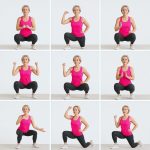
Engaging in gentle prenatal yoga at home offers expectant mothers a wonderful pathway to enhanced wellness and crucial support for their growing baby bump, fostering both physical comfort and emotional tranquility throughout pregnancy.
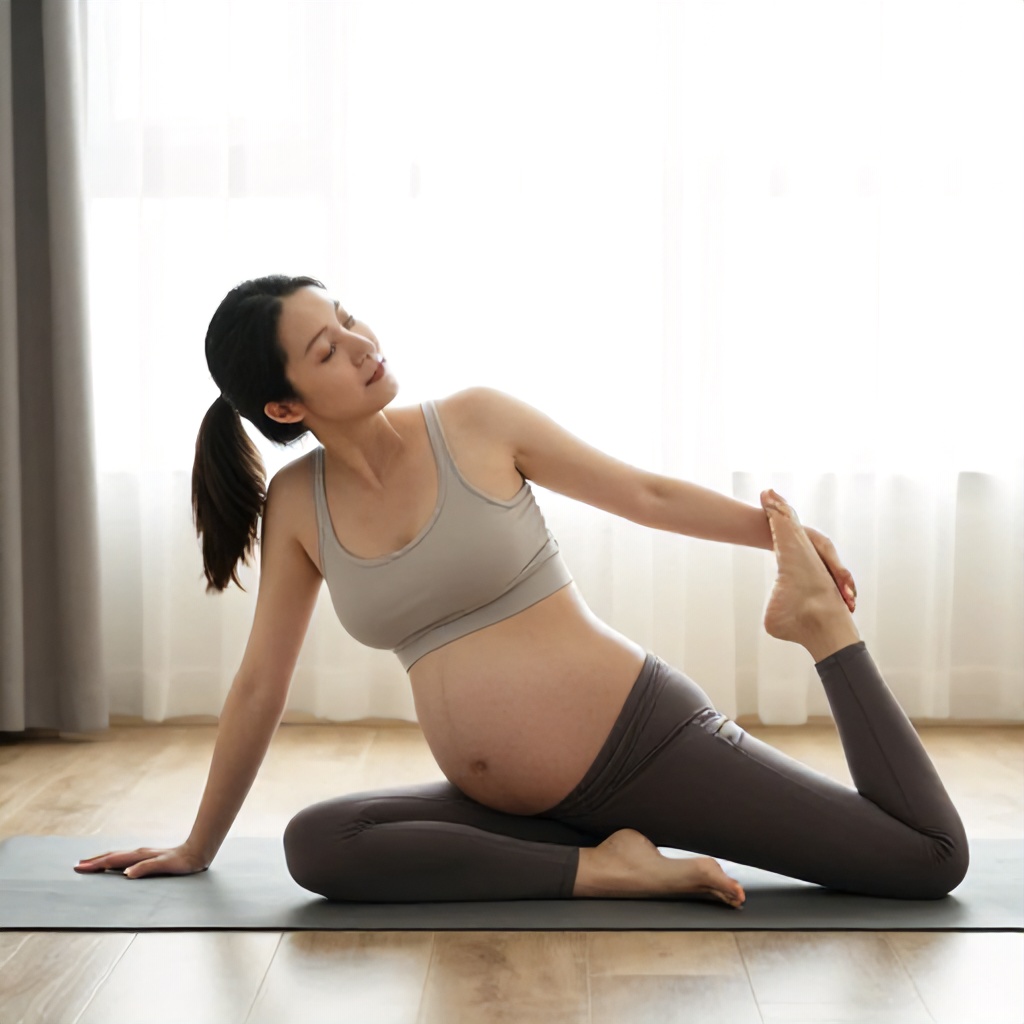
Why Gentle Prenatal Yoga is a Gift for Expectant Mothers
Pregnancy brings incredible changes to your body, and a regular, gentle yoga practice tailored for this special time can be profoundly beneficial. It’s a low-impact exercise that respects your body’s evolving needs, providing a holistic approach to maternal health. This practice isn’t just about movement; it’s about creating space, finding strength, and connecting deeply with yourself and your baby.
Physical Benefits for a Changing Body
As your baby bump grows, your center of gravity shifts, often leading to new aches and pains. Gentle prenatal yoga helps alleviate common discomforts like back pain, sciatica, and hip tension by improving flexibility for pregnancy and strengthening key muscle groups. Specific prenatal stretches can gently open the hips, which is incredibly useful as your body prepares for childbirth. Strengthening your core stability, particularly the deep abdominal muscles, provides essential abdominal support, which can reduce strain on your back and pelvis. Regular movement also supports healthy circulation, helping to reduce swelling in the extremities, a common complaint during pregnancy.
Emotional Well-being and Stress Reduction
Pregnancy can be a rollercoaster of emotions, from excitement to anxiety. Practicing yoga at home offers a dedicated space for stress reduction for pregnant women, promoting a sense of calm and control. The focus on breath and mindful movement helps quiet the mind, offering a much-needed respite from daily worries. This dedicated time for yourself can significantly improve your mood and overall emotional resilience, contributing positively to your holistic health journey.
Connecting with Your Baby
One of the most beautiful aspects of pregnancy yoga is the opportunity it provides for deeper connection with your developing baby. As you move through poses, you become more attuned to your body and the life growing within you. Many women find that the quiet focus of their practice allows them to visualize and bond with their baby, creating a powerful sense of presence and love. This mindful engagement is a wonderful way to support fetal development by nurturing a calm and happy maternal environment.
Getting Started with Your At-Home Yoga Practice
Setting up a dedicated space for your at-home yoga practice doesn’t require a lot of fancy equipment or a large area. The key is to create an environment that feels welcoming, safe, and conducive to relaxation and movement.
Creating Your Serene Environment
Choose a quiet corner in your home where you won’t be disturbed. This could be a bedroom, a living room, or even a spacious hallway. The goal is to establish a home yoga studio, however modest, that feels like your personal sanctuary. Consider incorporating elements that promote tranquility: perhaps a soft blanket, a few pillows, or even a small plant. Natural light yoga can be incredibly uplifting, so if possible, position your mat near a window. A serene environment enhances the overall experience, making your practice more enjoyable and effective.
Essential Gear for Comfort and Support
-
Exercise Mat: A good quality, non-slip exercise mat is fundamental. Look for one with adequate cushioning to protect your joints, especially your knees and wrists, as your body weight increases.
-
Yoga Apparel: Comfortable yoga apparel is crucial. Choose breathable, stretchy fabrics that allow for a full range of motion without restricting your belly or making you feel overheated. Loose-fitting tops and supportive leggings designed for pregnancy are ideal.
-
Props: While not strictly essential to start, props like blocks, straps, and bolsters can greatly enhance your practice by providing extra support and making poses more accessible. A cushion or folded blanket can also be useful for sitting poses to elevate your hips and ease pressure.
Finding Your Rhythm and Routine
Consistency is more important than intensity. Aim for short, regular sessions rather than long, infrequent ones. Even 15-20 minutes a few times a week can yield significant benefits. Listen to your body and adjust your schedule as needed. Some days you might feel energetic, others you might prefer a more restorative yoga session. The beauty of an at-home practice is its flexibility to fit into your unique pregnancy journey and daily life.
Key Principles for Safe Prenatal Yoga
Safety is paramount when practicing yoga during pregnancy. Always consult with your healthcare provider before starting any new exercise regimen. Once you have their approval, keep these important guidelines in mind to ensure a safe and beneficial practice.
Listen to Your Body Above All Else
Your body is undergoing remarkable changes, and what felt comfortable yesterday might not feel right today. Pay close attention to any signals of discomfort, pain, or strain. Never push through pain. Modify poses as needed, using props for support, or simply rest in Child’s Pose if you feel fatigued. This is not the time for intense stretching or trying to achieve advanced poses; focus on gentle movement and maintaining comfort.
Avoid Certain Poses and Modifications
As your pregnancy progresses, some poses become unsuitable. Avoid lying flat on your back for extended periods, especially after the first trimester, as this can compress a major blood vessel (vena cava) and restrict blood flow to your baby. Instead, use props to elevate your upper body or lie on your side. Deep twists should be avoided, as they can put pressure on your abdomen. Open twists, where you twist away from your belly, are generally safer. Inversions, deep backbends, and strong core work that involves crunching or excessive abdominal compression should also be avoided. Focus on modified yoga poses that support your changing body.
Hydration and Breaks are Your Friends
Stay well-hydrated before, during, and after your yoga sessions. Keep a water bottle nearby. Your body temperature can rise more easily during pregnancy, so it’s important to prevent overheating. Take frequent breaks whenever you feel tired or need to rest. A short pause to sip water and reconnect with your breath can make a big difference in how you feel throughout your practice.
Gentle Poses for Expectant Mothers
Many traditional yoga poses can be adapted to be safe and effective during pregnancy. These modified yoga poses are designed to support your baby bump, enhance flexibility, and alleviate common pregnancy discomforts. Remember to move slowly and mindfully.
Cat-Cow Pose (Marjaryasana-Bitilasana)
This gentle flow is excellent for spinal mobility and relieving back pain. Start on your hands and knees, wrists under shoulders, knees under hips. Inhale as you drop your belly, lift your chest, and gaze slightly up (Cow). Exhale as you round your spine towards the ceiling, tuck your chin to your chest (Cat). This rhythmic movement helps to gently stretch the spine and can create space for your baby bump, easing tension in the lower back. It’s a fantastic prenatal stretch that also encourages core stability without strain.
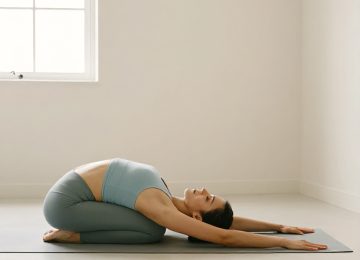
Child’s Pose (Balasana) with Modifications
Child’s Pose is a wonderful restorative yoga pose for rest and relaxation. To modify for pregnancy, widen your knees significantly, allowing your belly to rest between your thighs or on a bolster. Extend your arms forward or rest them alongside your body. This pose provides a gentle stretch for the hips and lower back, offering a calming retreat whenever you need a moment of peace. It’s excellent for stress reduction for pregnant women and promoting a sense of security.
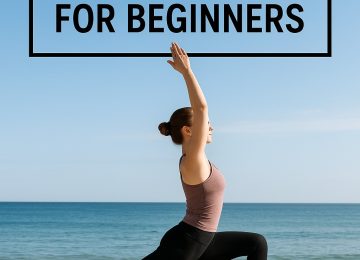
Warrior II (Virabhadrasana II) – Modified
Warrior II builds strength in the legs and opens the hips, while also improving balance. Stand with your feet wide apart, one foot pointing forward, the other turned out slightly. Bend your front knee to a 90-degree angle, ensuring it’s directly over your ankle. Keep your torso upright and arms extended parallel to the floor. For baby bump support, ensure your stance isn’t too wide, and listen to your hips. This pose strengthens the legs, which is beneficial for carrying extra weight, and promotes hip opening poses that can be helpful for labor preparation.
Bound Angle Pose (Baddha Konasana)
This seated pose is a fantastic hip opening pose, improving flexibility in the inner thighs and groin. Sit on the floor with the soles of your feet together, knees dropping out to the sides. You can sit on a folded blanket or cushion to elevate your hips, making it more comfortable and allowing your knees to release further. Gently hold your feet or ankles. This pose helps prepare the pelvis for birth and can relieve tension in the hips, contributing to overall maternal health. It’s a gentle exercise during pregnancy that promotes relaxation.
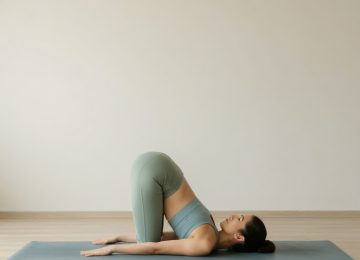
Pelvic Tilts (Supine or Seated)
Pelvic tilts are simple yet incredibly effective for strengthening the deep abdominal muscles and relieving lower back pain. Lie on your back with knees bent and feet flat on the floor (if comfortable, otherwise perform seated). Gently press your lower back into the floor, tilting your pelvis upwards, then release. This small movement helps to engage your core stability and can be done throughout the day. It’s a great way to maintain abdominal support and practice gentle exercise during pregnancy without any strain.
Mindfulness and Relaxation Techniques
Beyond the physical postures, prenatal yoga emphasizes mindfulness in pregnancy and relaxation techniques that are invaluable for both mother and baby. These practices help cultivate inner calm and prepare you mentally for childbirth and motherhood.
Breathwork (Pranayama) for Calm
Focusing on your breath is a cornerstone of yoga. Simple breathing exercises, or pranayama, can significantly reduce stress and anxiety. Try “Dirga Pranayama” or Three-Part Breath: inhale deeply, filling your belly, then your ribs, then your chest. Exhale slowly in reverse. This deep, conscious breathing activates your parasympathetic nervous system, promoting relaxation and bringing oxygen to both you and your baby. Practicing this regularly helps you develop a powerful tool for managing discomfort and staying calm during labor.
Guided Meditation for Connection
Many online resources offer guided meditation specifically for pregnancy. Find a comfortable seated or reclined position. Close your eyes and simply listen to the soothing voice guiding you to focus on your breath, release tension, and connect with your baby. This practice can enhance your bond with your child and foster a deep sense of peace. It’s a powerful relaxation technique that supports your emotional well-being and fetal development.
Body Scan for Awareness
A body scan meditation involves systematically bringing your awareness to different parts of your body, noticing any sensations without judgment. Start from your toes and slowly move up to the crown of your head, observing areas of tension and consciously releasing them. This practice helps you become more attuned to your body’s signals, which is especially important during pregnancy, and provides an effective method for stress reduction for pregnant women.
Integrating Yoga into Your Daily Routine
Making gentle prenatal yoga a consistent part of your life doesn’t have to be overwhelming. Small, consistent efforts can lead to profound benefits for your wellness for expectant mothers journey.
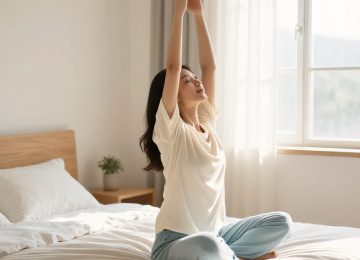
Think of your yoga practice as a daily ritual, a sacred time just for you and your baby. It could be the first thing you do in the morning to gently wake your body, or a calming wind-down routine before bed. Even five to ten minutes of focused breathing or a few gentle prenatal stretches can make a difference. The goal is to create a sustainable habit that supports your maternal health and prepares you for the beautiful journey ahead. Remember, this is about nurturing yourself, building strength, and fostering a deep connection with the new life growing within you, all from the comfort and privacy of your own home.