
HOW TO GET GLOWING SKIN WHEN YOU’RE TIRED, STRESSED OR JUST… DONE
Because sometimes your face needs to look well-rested, even when your life isn’t

The Curated by Jessica Harris
Oct 16, 2025
21
2
Share
There are weeks when your skin politely refuses to cooperate. The kind of week that involves five hours of sleep, four oat flat whites, and the dawning realisation that the “glow” you’re seeing is actually dehydration in disguise. Your reflection looks as knackered as you feel — and no, the £68 serum hasn’t fixed it overnight. It’s a common predicament, one that leaves us staring in the mirror, wondering if there’s any hope for that dull, tired skin. We’ve all been there, right? The late nights bleed into early mornings, stress levels are through the roof, and suddenly, your complexion is broadcasting your exhaustion to the world. It’s not about vanity; it’s about feeling put-together, even when you’re running on fumes. The good news? Glow is recoverable. Even if you’re stressed, overtired, or just plain over it, you can fake luminosity faster than you can say “double espresso, please.” This isn’t about a miracle cure; it’s about smart, actionable steps that bring your skin back to life, making you look instantly more awake and, dare I say, convincingly well-rested.
The Science of Tired Skin: Why You Look So Drained
When we’re tired or stressed, our bodies go into a kind of survival mode. This means that non-essential functions, like skin cell turnover and repair, get put on the back burner. Cortisol, the stress hormone, can wreak havoc, leading to inflammation, increased oil production, and a compromised skin barrier. This barrier is what keeps moisture in and irritants out. When it’s damaged, your skin becomes more susceptible to dehydration and can appear dull and lackluster. Furthermore, lack of sleep directly impacts blood flow. When you’re well-rested, your skin receives a healthy supply of oxygen and nutrients, which contributes to that natural, healthy flush. When you’re not sleeping enough, circulation slows down, making your skin look pale and ashen. This reduced circulation also means that waste products aren’t cleared away as efficiently, further contributing to that tired, puffy look. Dehydration is another major culprit. When your skin lacks water, it loses its plumpness and elasticity, making fine lines and wrinkles more prominent. It’s a vicious cycle: stress leads to poor sleep, poor sleep leads to reduced circulation and dehydration, and all of this culminates in skin that looks anything but glowing.
1. Start with Circulation: Waking Up Your Skin
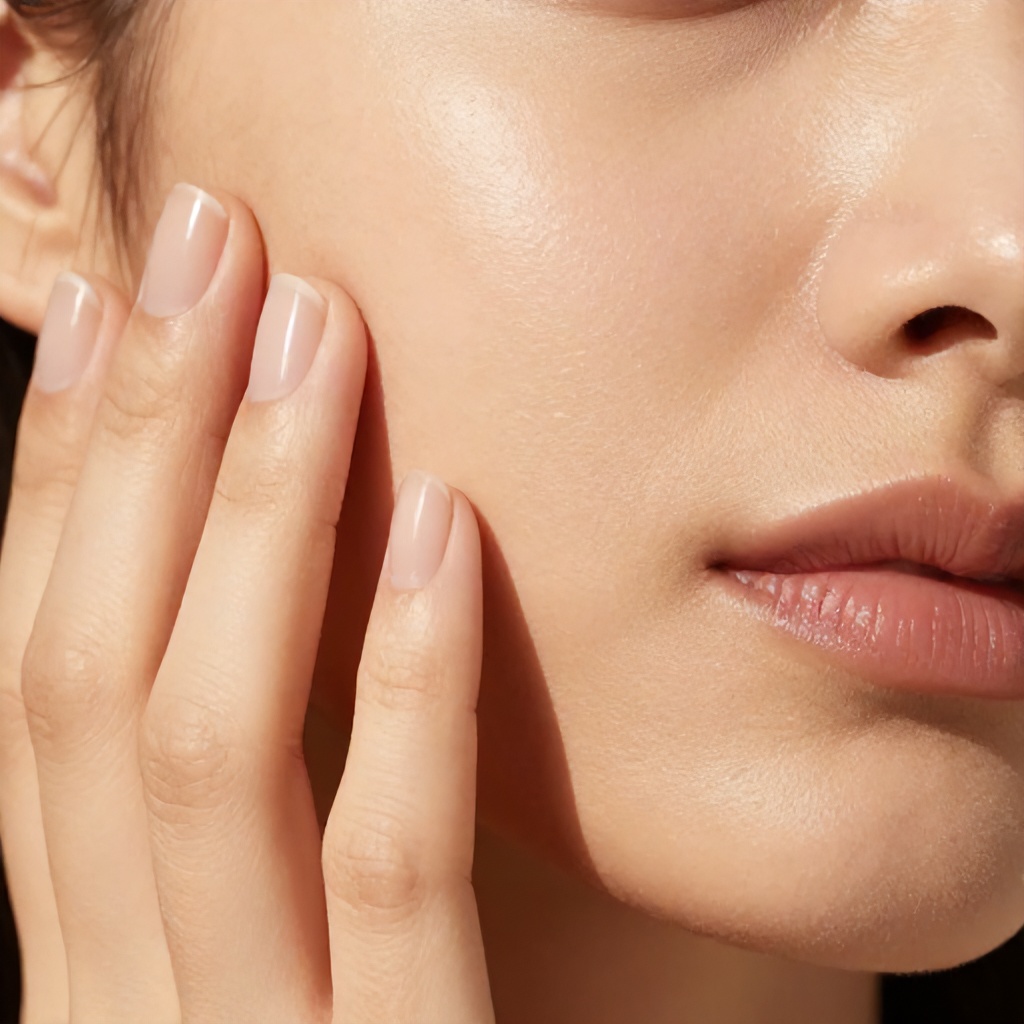
When skin looks dull, it’s usually because nothing’s moving. Think of it like a stagnant pond versus a flowing river – the latter is always more vibrant. To combat that tired, lifeless look, the first step is to get things flowing again. This means boosting circulation. A mini facial massage is your secret weapon here. It doesn’t need to be a lengthy, elaborate ritual; just two minutes, ideally before you even open your laptop or start your day, can make a world of difference. The act of massaging your skin helps to increase blood flow to the surface, bringing fresh oxygen and nutrients to your skin cells. This immediate influx of vitality can make your complexion appear brighter and more alive. You can use a facial oil or a rich cream to provide slip and nourishment during the massage. Oils are fantastic because they not only lubricate the skin for smooth gliding but also provide emollient benefits, helping to soften and condition. Look for oils rich in fatty acids that support the skin barrier. If you’re on a tighter budget, don’t despair; many affordable options can provide a surprisingly plush base for massage without clogging pores. The key is to use gentle, upward and outward strokes. Sweep along your jawline, moving from the chin towards your ear. Then, move across your cheeks, again, sweeping outwards towards your temples. Don’t forget the delicate area around your eyes and the brow bone; these areas can often show signs of fatigue most prominently. A gentle upward motion here can help to lift and de-puff. For those who want to take their facial massage to the next level, consider a gua sha tool. These smooth, often stone tools are designed to glide over the skin, promoting lymphatic drainage and further boosting circulation. When using a gua sha, always ensure you have enough product on your skin to prevent pulling or dragging. The upward and outward strokes remain the same, focusing on sculpting and lifting the face. Remember, consistency is key. Even a short massage a few times a week will yield better results than an occasional, lengthy session. This simple act of touch can transform your skin from looking tired and sluggish to looking refreshed and radiant.
Tip: The Power of Touch
When performing your facial massage, use the pads of your fingertips or your gua sha tool. Apply gentle to medium pressure, focusing on upward and outward strokes. For the jawline, start at the chin and glide towards the ear. For the cheeks, sweep from the nose towards the temples. For the forehead, move upwards from the eyebrows to the hairline. Don’t forget to gently massage around the orbital bone to help with puffiness.
2. Exfoliate Like a Minimalist: Resurfacing for Radiance
When your skin looks flat and lifeless, it’s easy to think that piling on more products is the answer. However, when skin’s looking dull, more isn’t more — it’s often inflammation waiting to happen. Over-exfoliating can strip your skin of its natural oils, compromise its barrier function, and lead to redness and irritation, making your skin look even worse. The goal here is to gently resurface the skin, removing dead skin cells that are blocking light and making your complexion appear opaque. Think of it as clearing away the dust from a lampshade so the light can shine through. You don’t need a complex, 17-step acid routine. Instead, opt for something gentle yet effective. Daily peel pads are a fantastic option because they are quick, foolproof, and deliver consistent results. These pads are pre-soaked in a blend of exfoliating acids, often AHAs (alpha-hydroxy acids) and BHAs (beta-hydroxy acids), which work to dissolve the bonds between dead skin cells. For those with sensitive skin, look for formulas specifically designed to be gentle, often containing lower concentrations of acids or buffered formulations. If your skin is particularly reactive, a product like Medik8 Press & Glow, which uses a low concentration of polyhydroxy acid (PHA), can be a great choice. PHAs are larger molecules than AHAs and BHAs, meaning they penetrate the skin more slowly and are less likely to cause irritation. Both types of gentle exfoliants work to resurface the skin without the sting, revealing brighter, smoother skin underneath. Beyond daily treatments, incorporating a weekly or bi-weekly enzymatic or gentle physical exfoliant can further enhance your skin’s luminosity. Products that use fruit enzymes, like those found in Tatcha The Rice Polish or Susanne Kaufmann Enzyme Peel, are excellent for breaking down dead skin cells without harsh scrubbing. These types of exfoliants smooth and brighten the skin, making it more receptive to your subsequent skincare steps. When your skin is properly exfoliated, your hydrating serum and moisturiser can actually penetrate more effectively, doing their job properly. This means you get more bang for your buck from your entire routine. The key is to listen to your skin. If you experience redness, stinging, or increased sensitivity, you’re likely overdoing it. Scale back to once or twice a week, or switch to an even gentler formula. The aim is to reveal a smoother, brighter complexion, not to irritate it.
Tip: Gentle Exfoliation for Tired Skin
When your skin is feeling stressed and tired, opt for chemical exfoliants like AHAs (glycolic, lactic acid) or PHAs (gluconolactone) over harsh physical scrubs. Look for products that are labeled as “gentle” or “daily.” If using an exfoliating serum or toner, start with 2-3 times a week and gradually increase frequency as your skin tolerates it. Always follow up with hydration.
3. Layer Hydration Like It’s Couture: Quenching Dehydrated Skin
Dehydrated skin is the sworn enemy of glow. When your skin lacks water, it loses its plumpness, its bounce, and its ability to reflect light evenly. Instead of looking dewy, it can appear tight, flaky, and dull. Think of this step as building a beautiful outfit, layer by layer. Each product has a role to play in creating a smooth, luminous canvas. The foundation of this hydration strategy is a good hydrating serum. These serums are typically packed with humectants, ingredients that draw moisture from the air and deeper layers of your skin to the surface. Hyaluronic acid is a star ingredient here, capable of holding up to 1000 times its weight in water. Applying a hyaluronic acid serum to damp skin is particularly effective, as it can pull that surface moisture into your skin. For a more affordable yet potent option, Vichy Mineral 89 is a fantastic choice, featuring just a few key ingredients, including hyaluronic acid and volcanic water, to boost hydration and strengthen the skin barrier. After your serum, it’s time to lock it all in with a moisturiser. This is where emollients and occlusives come into play. Emollients help to smooth and soften the skin, while occlusives form a protective barrier on the skin’s surface to prevent moisture loss. If you’re looking to splurge, La Mer’s The Moisturising Soft Cream is a cult favorite for a reason, providing intense hydration and a luxurious feel. For a more budget-conscious yet equally effective option, Biossance Squalane + Omega Repair Cream offers deep nourishment with squalane and essential fatty acids. The key is to choose a moisturiser that suits your skin type; if you’re prone to breakouts, opt for a lighter, gel-based formula. Finally, no matter the weather or your skin’s condition, the last step in your daytime routine should always be SPF. Sun exposure can further dehydrate and damage your skin, undoing all your hard work. A broad-spectrum SPF of 30 or higher is essential. Many sunscreens now offer hydrating benefits, so you can get protection and hydration in one step. The goal is to create a plump, well-hydrated complexion that reflects light beautifully, giving you that coveted luminosity. Don’t underestimate the power of a good hydration routine; it’s the bedrock of healthy, glowing skin, especially when you’re feeling anything but.
Tip: The Hydration Sandwich
Apply your hydrating serum to slightly damp skin. Follow with your moisturiser to seal in the serum’s benefits. For daytime, always finish with SPF. This “sandwich” method ensures maximum hydration and protection.
4. Use Light Cleverly: The Illusion of a Full Night’s Sleep
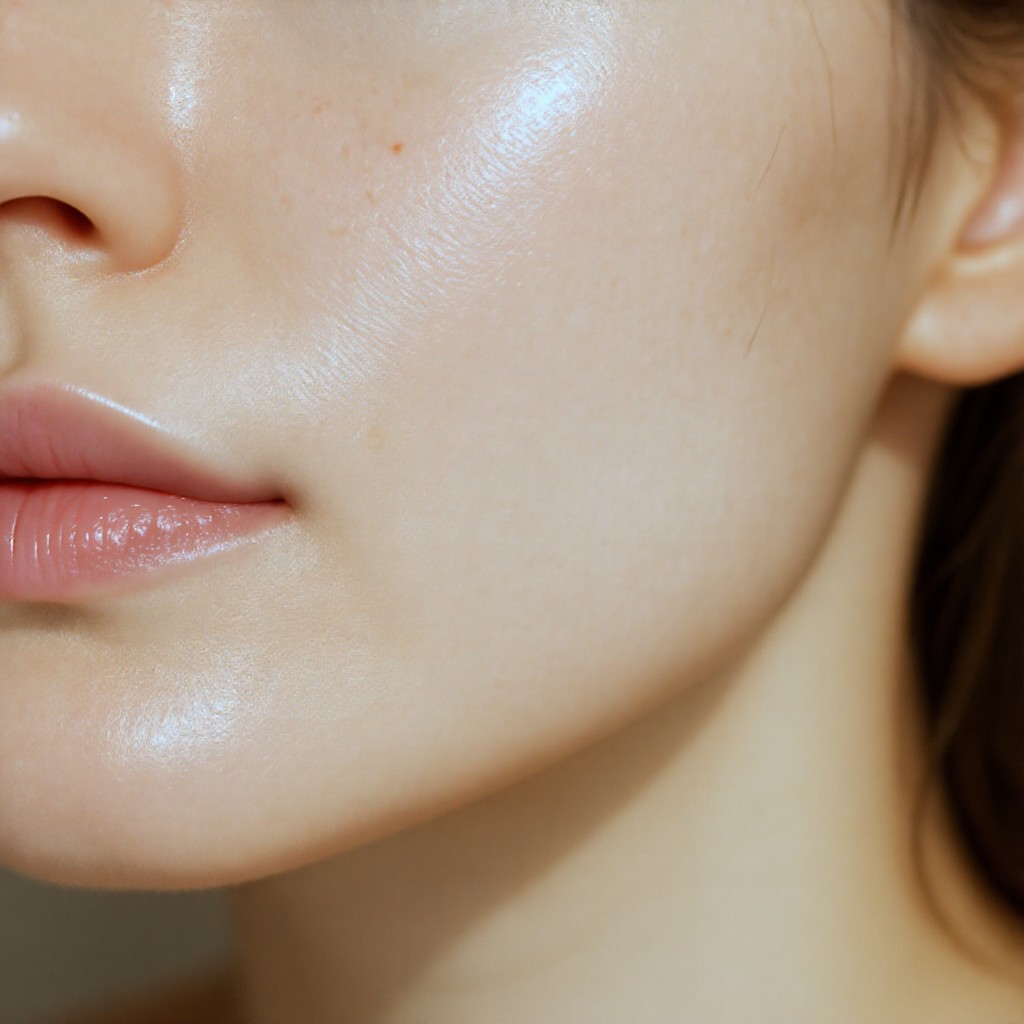
When you’re running on empty, the goal is to create the illusion of a full night’s sleep, and that’s where strategic use of light comes in. Forget heavy, matte foundations that can settle into fine lines and make tired skin look even more parched. Instead, we’re aiming for a luminous base that mimics healthy, well-hydrated skin. Start with a radiance-boosting primer. These primers are designed to catch and reflect light, giving your skin an instant glow. Think of them as a subtle illuminator for your entire face. Products like NARS Radiance Primer SPF 35 or Charlotte Tilbury Wonderglow are excellent choices, providing a soft-focus effect and a hint of luminosity. Apply this all over your face after your moisturiser and SPF, or just in the areas where you want to add a bit more brightness, like your cheekbones and forehead. When it comes to foundation, skip anything that promises a matte finish. Instead, gravitate towards formulas with skin-like textures. These are often described as dewy, satin, or natural finish. Chanel Les Beiges Water-Fresh Tint is a perfect example, offering sheer coverage and a beautiful, hydrating finish that looks like your skin, but better. Armani Luminous Silk Foundation is another classic, known for its buildable coverage and radiant, natural-looking finish. If you’re not a foundation wearer, a tinted moisturiser or a sheer SPF can provide enough coverage while still allowing your natural skin to show through. To further combat dark circles and any dullness around the eyes, strategically apply concealer. Dot Hourglass Vanish Concealer under your eyes, focusing on the inner and outer corners where shadows tend to appear. Blend it out gently with a brush or your fingertip to avoid a heavy, cakey look. For a touch of targeted glow, a highlight stick is your best friend. Westman Atelier Lit Up Highlight Stick is a favorite for its sheer, balmy texture that melts into the skin, providing a believable sheen rather than a glittery sparkle. Dab a small amount on the high points of your face: the tops of your cheekbones, down the bridge of your nose, and on your cupid’s bow. For a more diffused, all-over glow, Saie Glowy Super Gel can be mixed into anything – your foundation, moisturiser, or even your SPF – to impart a subtle, healthy-looking radiance. It’s like bottled sunshine, giving you that “just had a great night’s sleep” look without the actual sleep. The key is to use these illuminating products sparingly and strategically, focusing on areas where light naturally hits the face. This creates dimension and makes your skin look plump and healthy, effectively masking any signs of fatigue.
Tip: Strategic Highlighting
Apply highlight sticks or liquid highlighters to the high points of your face: the tops of cheekbones, brow bone, inner corner of the eye, cupid’s bow, and a tiny bit down the bridge of the nose. Blend well to avoid harsh lines.
5. Colour = Life: Bringing Vitality Back to Your Face
When you’re feeling drained, your entire face can look a bit washed out. Adding a touch of colour is one of the quickest and most effective ways to bring life and vitality back to your complexion. It’s like adding a splash of colour to a black and white photograph – it instantly makes everything more vibrant. Blush is your secret weapon here. A cream or liquid blush is often best for tired skin because it blends seamlessly and provides a dewy finish, rather than a powdery one that can emphasize dryness or texture. Look for shades that mimic a natural flush, like soft peaches, rosy pinks, or warm corals. Apply it to the apples of your cheeks and blend upwards towards your temples. This upward motion helps to lift the face, counteracting any sagging or drooping that can occur when you’re tired. A cream blush melts into the skin, giving you that “lit-from-within” glow. For a subtle, healthy flush, consider a sheer tint or a balm. If you’re not a fan of traditional blush, a bronzer can also add warmth and dimension to the face. Opt for a matte or satin finish bronzer and apply it lightly to the areas where the sun would naturally hit: your forehead, cheekbones, and jawline. This can help to create a more sculpted look and add a healthy sun-kissed glow. Even a touch of colour on your lips can make a huge difference. A tinted lip balm or a sheer lipstick in a flattering shade can instantly brighten your whole face. Avoid very dark or matte lipsticks, which can sometimes make your lips look smaller and your face look more tired. Instead, go for something with a bit of shine or a natural, rosy hue. For your eyes, a touch of mascara can open them up and make you look more awake. If you have time, a swipe of a neutral eyeshadow or a subtle cream shadow can add definition without looking heavy. The goal is to use colour cosmetics to enhance your features and create the impression of health and vitality, even when you’re feeling anything but. It’s about looking refreshed and put-together, not overly made-up. These small touches of colour can create a significant impact, making you look and feel more awake and confident.
Tip: Blush for a Lift
Cream or liquid blushes are ideal for tired skin as they provide a natural, dewy finish. Apply to the apples of your cheeks and blend upwards towards your temples to create a lifting effect.
6. Hydrate from Within: The Foundation of Luminosity
While topical treatments are fantastic for immediate results, true luminosity starts from within. What you consume plays a significant role in the health and appearance of your skin. Dehydration is a major contributor to dull, tired-looking skin, and it’s not just about what you put on your face; it’s about what you drink. Water is essential for every bodily function, including maintaining skin elasticity and plumpness. When you’re dehydrated, your skin cells shrink, leading to a dull complexion and more pronounced fine lines. Aim to drink at least eight glasses of water a day, and more if you’re active or in a hot climate. Herbal teas and infused water can also contribute to your daily fluid intake and offer additional benefits. For example, green tea is packed with antioxidants that can help protect your skin from environmental damage. Beyond water, consider incorporating foods rich in omega-3 fatty acids into your diet. These healthy fats are crucial for maintaining a strong skin barrier, which helps to keep moisture locked in and irritants out. Fatty fish like salmon and mackerel, as well as nuts and seeds like walnuts and flaxseeds, are excellent sources. Antioxidant-rich fruits and vegetables are also vital. Berries, leafy greens, and brightly coloured produce are loaded with vitamins and minerals that fight free radical damage, a major cause of premature aging and dullness. Vitamin C, in particular, is known for its skin-brightening properties and its role in collagen production. Think of your diet as feeding your skin from the inside out. When your body is well-nourished and hydrated, your skin will naturally reflect that health. This internal approach complements your external skincare routine, creating a holistic strategy for achieving and maintaining glowing skin. It’s a long-term investment in your skin’s health and radiance, ensuring that your glow isn’t just a temporary fix but a sustainable state of being.
Tip: Internal Hydration
Carry a reusable water bottle and sip throughout the day. Add slices of cucumber, lemon, or berries to your water for added flavor and nutrients. Consider herbal teas like chamomile or peppermint for a soothing, hydrating option.
7. Sleep Hygiene: The Ultimate Glow-Getter
We’ve all heard it a million times: sleep is important. But when you’re stressed and overwhelmed, getting enough quality sleep can feel like an impossible luxury. Yet, it’s arguably the most powerful tool in your arsenal for achieving glowing skin. During sleep, your body undergoes crucial repair and regeneration processes. Skin cells renew themselves, collagen production increases, and inflammation decreases. When you don’t get enough sleep, these vital processes are disrupted. Your skin’s ability to repair itself is compromised, leading to a duller complexion and increased susceptibility to breakouts. Furthermore, lack of sleep can lead to increased cortisol levels, which, as we’ve discussed, can trigger inflammation and damage the skin barrier. The result is skin that looks tired, puffy, and lackluster. Improving your sleep hygiene is key. This involves creating a consistent sleep schedule, even on weekends, and establishing a relaxing bedtime routine. This routine could include a warm bath, reading a book, or practicing gentle stretching. Ensure your bedroom is dark, quiet, and cool, as these conditions are optimal for sleep. Avoid screens, caffeine, and heavy meals close to bedtime. If you’re struggling with persistent sleep issues, consider talking to a healthcare professional. While we can’t always control external stressors, we can prioritize sleep as a non-negotiable part of our self-care. Think of sleep not as downtime, but as active recovery for your skin and your entire body. The more you prioritize it, the more your skin will thank you with a natural, healthy radiance that no amount of makeup can truly replicate. It’s the most natural and effective way to achieve that well-rested, glowing look.
Tip: Create a Sleep Sanctuary
Make your bedroom a haven for sleep. Use blackout curtains to block out light, earplugs if noise is an issue, and ensure your mattress and pillows are comfortable. Aim for a consistent bedtime and wake-up time, even on weekends.
8. The Power of a Good Night’s Rest (Even if it’s Short)
Sometimes, despite our best efforts, a full eight hours just isn’t in the cards. Life happens. But even a shorter, quality sleep can make a noticeable difference. The key is to maximize the restorative power of the sleep you do get. This means focusing on sleep quality over quantity when a long duration isn’t possible. Deep sleep and REM sleep are the most crucial stages for physical and mental restoration. If you know you’ll be getting less sleep than usual, try to ensure that the sleep you do get is uninterrupted. This might mean turning off notifications on your phone, avoiding late-night screen time, and creating a calm environment. Even a power nap of 20-30 minutes can provide a significant boost in alertness and reduce the signs of fatigue. While it won’t replace a full night’s sleep, it can help to mitigate some of the immediate effects of sleep deprivation on your skin, such as dullness and puffiness. The goal is to be strategic about your rest. If you have a particularly demanding day or a short night ahead, focus on getting as much quality sleep as possible in the available time. This might involve going to bed a little earlier than usual, even if it’s just by an hour, or ensuring your sleep environment is as conducive to rest as possible. Remember, every little bit counts when it comes to combating tired skin. Prioritizing even short periods of quality rest can help your skin recover and look more radiant.
9. When All Else Fails: Makeup Magic for Instant Luminosity
Let’s be honest, sometimes you need a quick fix. When your skin is screaming for attention and you have a big meeting or an event, makeup can be your best friend. The trick is to use it to enhance, not mask, your skin. Start with a hydrating primer that has a luminous finish. This will create a smooth, glowing canvas for the rest of your makeup. Then, opt for a lightweight foundation or a tinted moisturiser with a dewy finish. These formulas will provide coverage without looking heavy or cakey. If you have dark circles or blemishes, use a concealer sparingly, focusing only on the areas that need it. Blend it out well to avoid harsh lines. For an instant glow, a cream or liquid highlighter is your go-to. Apply it to the high points of your face – cheekbones, brow bone, and cupid’s bow – to catch the light. A touch of cream blush will add a healthy flush to your cheeks, making you look more awake and vibrant. Finish with a hydrating lip balm or a sheer lipstick in a flattering shade. The goal is to create a natural, radiant look that makes you appear well-rested and refreshed, even if you’re not. It’s about faking it until you make it, and with the right techniques and products, you can achieve a beautiful, glowing complexion in minutes.
Frequently Asked Questions
Q: Can I really get glowing skin when I’m stressed?
A: Absolutely! While stress can impact your skin negatively, by focusing on hydration, circulation, and gentle exfoliation, you can significantly improve your skin’s appearance and achieve a more luminous look. Makeup can also provide an instant boost.
Q: How often should I exfoliate if my skin is tired?
A: When your skin is tired and stressed, it’s best to exfoliate gently and less frequently. Start with once or twice a week using a mild chemical exfoliant or an enzymatic peel. Pay attention to how your skin reacts and adjust accordingly.
Q: What’s the best way to hydrate tired skin?
A: Layering is key! Start with a hydrating serum containing ingredients like hyaluronic acid, followed by a rich moisturiser. Don’t forget to drink plenty of water throughout the day to hydrate from within.
Q: Can facial massage really help tired skin?
A: Yes! Facial massage boosts circulation, which brings oxygen and nutrients to the skin, helping to brighten a dull complexion and reduce puffiness. It also helps with lymphatic drainage, which can de-puff the face.
Q: What makeup products are best for dull, tired skin?
A: Look for hydrating primers, lightweight foundations with a dewy finish, cream or liquid highlighters, and cream blushes. These products will add luminosity and a healthy flush without settling into fine lines.