
When You Find a Tiny Yellow Thing Stuck in Your Skin
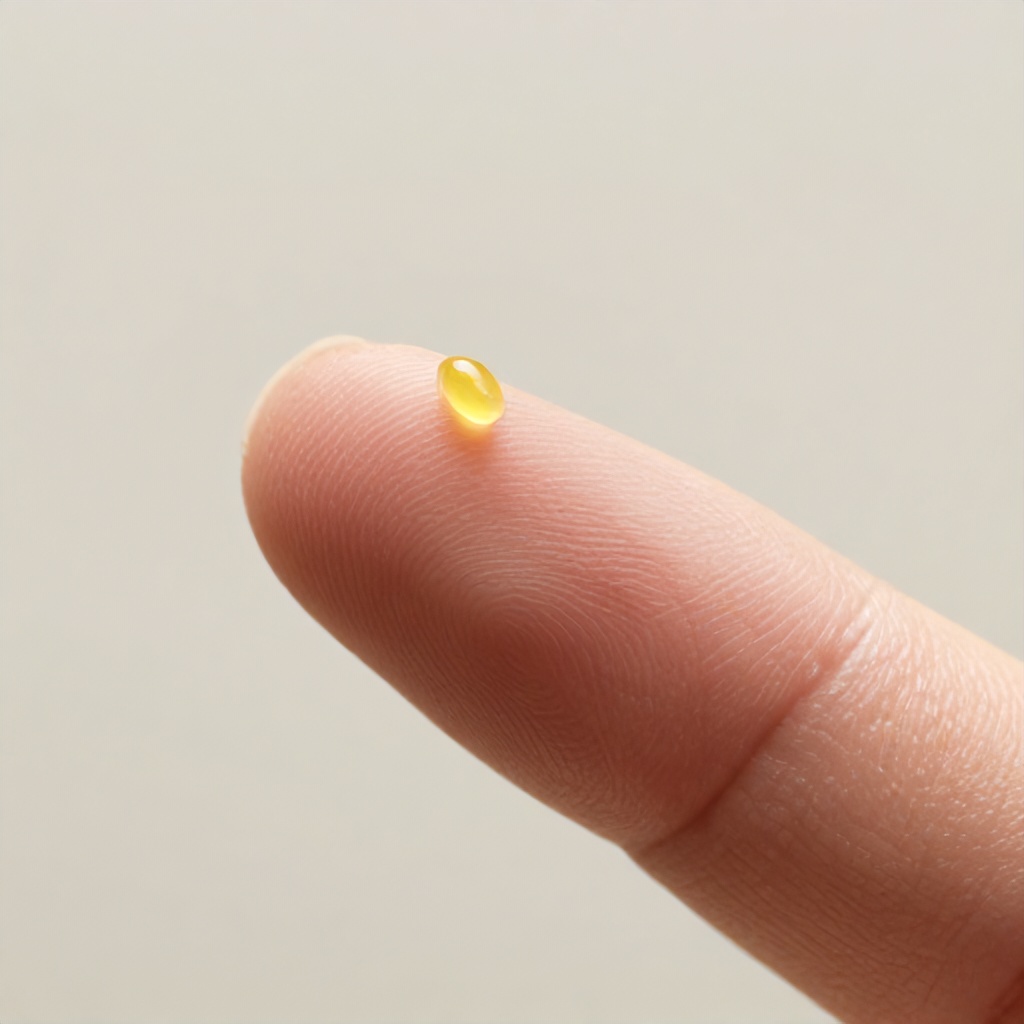
You’ve spotted it. A small, yellowish object peeking out from your skin, and the urge to get it out is immediate and strong. This isn’t just about a minor annoyance; it’s about understanding what it might be and how to safely remove it, especially when it’s small and embedded. This is where your trusty pair of tweezers might come into play, but caution is key for effective extraction.

What Could That Little Yellow Blob Be?
That little yellow intruder could be a few different things. Often, it’s a splinter, but not the usual woody kind. Sometimes, it’s a tiny piece of plastic, glass, or even a bit of dried sap from a plant. Less commonly, it might be a small calcification or a tiny cyst that has surfaced. The color and texture can offer clues. A waxy yellow might suggest something organic, while a more translucent or hard yellow could point to a synthetic material.
Understanding the potential culprit helps determine the best approach for its removal. Is it something that will break apart easily? Is it likely to cause infection if left behind? These are important questions to consider before you even reach for your grasping tool.
Common Culprits and Their Characteristics
Splinters are probably the most frequent offenders. While we often think of wood, splinters can be made of fiberglass, plastic, or even metal fragments. These can cause significant skin irritation if they remain lodged.
Tiny seeds or plant matter can also get embedded, especially if you’ve been gardening or handling plants without gloves. These might appear as small, dark yellow or brown specks.
Occasionally, what looks like a foreign body is actually a small, hardened collection of sebum or keratin, a type of milia or a tiny cyst that has become visible just under the epidermis. These are generally harmless but can be unsightly and sometimes uncomfortable.
If you’ve been working with certain materials, like insulation or even some types of craft supplies, tiny fragments of those could be the source of your yellow object.
When to Reach for the Tweezers
The decision to use tweezers for extraction is a big one. It depends on the size, depth, and nature of the embedded object. If the object is sitting just at the surface of the skin, clearly visible, and looks like it can be easily grasped without digging, tweezers are a good first-line option. Think of a tiny splinter that’s sticking out just enough to snag on fabric.
For anything deeply embedded, or if the object is very fragile and likely to break into smaller pieces, it’s usually best to seek professional help. Attempting to dig out a deep foreign body can cause more damage, introduce infection, and make it harder for a medical professional to remove later.
A magnified view can be incredibly helpful here. Using a magnifying glass or a strong light source can help you assess the situation more accurately. If you can see a clear edge to grasp, and it doesn’t look like it’s deeply rooted in the tissue, then proceeding with tweezers might be appropriate.
Assessing the Situation: A Quick Checklist
Before you start, take a moment to evaluate:
- How deep is the object? Can you see a clear end to grasp?
- What is the object made of? Does it look like it will shatter easily?
- Is the area red, swollen, or showing signs of infection (pus, increased pain)? If so, stop and seek medical advice.
- How large is the object? Tiny, superficial objects are candidates for home removal.
Preparing for a Delicate Procedure
If you’ve decided tweezers are the way to go, preparation is key to a successful and safe extraction. This isn’t a race; it’s a delicate procedure that requires patience and cleanliness. The goal is to remove the foreign material without causing further injury or infection.
First, wash your hands thoroughly with soap and water. This is non-negotiable. You don’t want to introduce new germs into the tiny wound you’re about to create or manipulate.
Next, clean the area around the foreign body. Use mild soap and water, or an antiseptic wipe. Gently pat the area dry with a clean towel or sterile gauze. Good lighting is essential. Position yourself so you have a clear, well-lit view of the affected skin.
Sterilize your tweezers. This is another critical step. You can do this by wiping the tips with rubbing alcohol or by holding them briefly over a flame (allowing them to cool completely before use, of course). Clean, sharp-pointed tweezers are best for precision removal.
Gathering Your Supplies
Having everything you need at hand will make the process smoother:
- Clean, pointed tweezers
- Soap and water
- Antiseptic wipes or rubbing alcohol
- Clean cloth or sterile gauze
- Magnifying glass (optional, but highly recommended)
- Good lighting
- Antibiotic ointment
- Bandage
The Art of Tweezing: Step-by-Step Extraction
Now for the actual extraction. Take a deep breath. This requires a steady hand and a calm approach. Remember, you are aiming for precision removal, not forceful pulling.
- Get a Good Grip: Using your sterilized, pointed tweezers, gently grasp the visible end of the yellowish object. Try to get as close to the skin surface as possible without pinching the skin itself.
- Pull Gently and Steadily: Once you have a secure grip, pull the object out slowly and steadily. Follow the angle at which it entered the skin. Avoid yanking or twisting, as this can break the object or cause unnecessary tissue damage.
- Assess the Removal: Once the object is out, examine it to ensure you’ve removed the entire piece. If it looks like a fragment is still embedded, do not continue digging. It’s time to seek professional medical help.
- Clean the Wound: After successful extraction, gently clean the area again with soap and water or an antiseptic.
- Apply Antibiotic Ointment: A thin layer of antibiotic ointment can help prevent infection and promote healing for this minor wound care.
- Cover and Protect: Apply a sterile bandage to protect the small wound. Change the bandage daily or if it becomes wet or dirty.
If you feel any significant resistance or pain during the process, stop. Forcing the issue can lead to a skin injury that’s worse than the original problem.
When to Call in the Professionals
There are definite times when home extraction with tweezers is not the best course of action. If the object is deeply embedded, if it’s causing severe pain, or if you suspect it might be something more serious than a simple splinter, it’s time to consult a doctor or visit an urgent care clinic. This is particularly true for anything that looks like it could be a piece of glass or metal, or if the area shows signs of infection.
Signs of infection include increasing redness, swelling, warmth, pus, or fever. If you notice any of these, do not attempt further home treatment. A healthcare professional has the sterile tools and expertise for safe foreign body extraction and can manage any complications.
Dermatologists are specialists in skin conditions and procedures. They are well-equipped to handle difficult foreign body removal, especially if it involves the epidermis or deeper subcutaneous layers. They can also diagnose what the object might be if you’re unsure.
Red Flags for Professional Help
- The object is very deep or cannot be easily grasped.
- The area is extremely painful.
- There are signs of infection (redness, swelling, pus, warmth, fever).
- You suspect the object is fragile and might break.
- The object is near the eye or in a sensitive area.
- You have underlying health conditions like diabetes or a compromised immune system.
- You are unsure about the nature of the object.
Aftercare for a Minor Skin Injury
Even after a successful extraction, proper wound management is important. Keep the area clean and dry. Watch for any signs of infection as the skin heals. If you notice any unusual redness, swelling, or discharge, contact your doctor.
Most minor embedded objects, once removed, heal without issue. The key is to have approached the situation with cleanliness and care. For larger or deeper foreign material, or if you had to resort to more invasive measures, follow your healthcare provider’s specific aftercare instructions carefully.
Remember, your skin is a remarkable barrier. When it’s breached by a foreign body, your body’s natural response is to try and expel it or wall it off. Helping it along with a gentle, clean extraction can often be the best approach for quick and effective recovery from this type of skin irritation.