
Conquering Cakey Makeup: How to Smooth Out Dry, Flaky Skin
Dry, flaky skin is a common makeup nemesis, especially around the nose and mouth where the skin surface is often thinner and more prone to irritation. It’s that frustrating moment when your foundation looks patchy, your concealer creases, and instead of a smooth canvas, you’re left with makeup imperfections highlighting every bit of peeling skin. This isn’t about hiding your natural skin tone; it’s about making your cosmetic application look as flawless as possible, even when your skin condition is a bit parched.

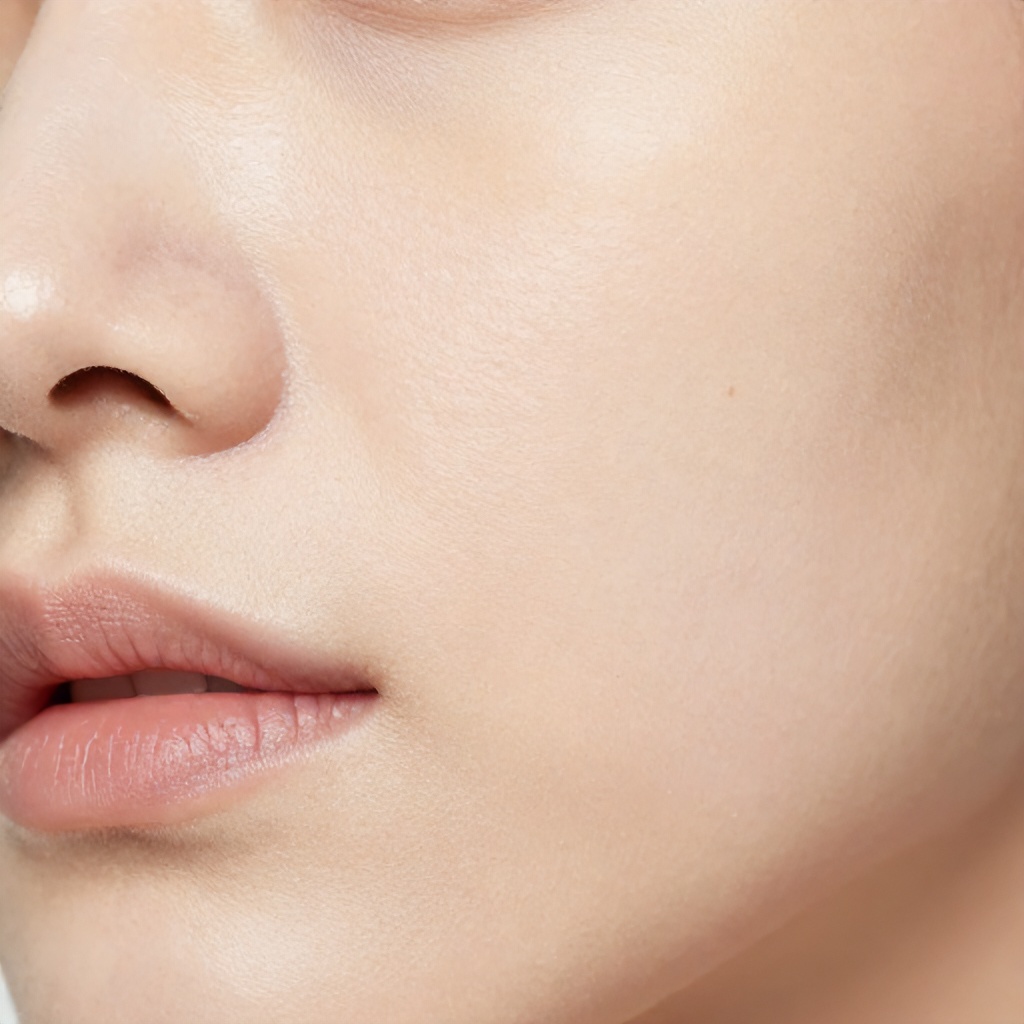
Understanding the Culprits Behind Dry, Flaky Skin
Several factors contribute to that dreaded dry, flaky skin texture that makes makeup application a challenge. Understanding these can help you tackle the issue at its root, not just mask it.
Environmental Factors
The weather plays a huge role. Cold, dry air in winter can strip your skin of its natural moisture, leading to dehydration. Conversely, excessive sun exposure can also damage the skin barrier, making it more vulnerable to dryness and peeling. Even indoor heating and air conditioning can contribute to a drier skin surface.
Skincare Habits
Harsh cleansers, over-exfoliation, or using products with high alcohol content can disrupt your skin’s natural balance. These can strip away essential oils, leaving your skin feeling tight and looking flaky. Think of it like washing your hands with dish soap all the time; eventually, they get dry and cracked.
Internal Factors
Believe it or not, what you eat and how much water you drink impacts your skin quality. Dehydrated skin from not drinking enough water is a very real thing. Certain medications or underlying health conditions can also manifest as dry or flaky skin.
The Nose and Mouth Area: A Special Case
The facial area around the nose and mouth, including the nasolabial fold, is particularly susceptible. This skin is often thinner, has fewer oil glands, and is constantly in motion due to talking, eating, and smiling. This movement can exacerbate dryness and make it harder for makeup to adhere evenly. You might notice that even with careful application, makeup looks uneven here first.
Prepping Your Skin for Flawless Makeup: The Foundation of Success
Before you even think about foundation, your skin needs proper preparation. This is where you lay the groundwork for smooth, even makeup coverage. Skipping these steps is like trying to paint a wall without priming it – you’re going to get streaky, uneven results.
Hydration is Key
This sounds obvious, but it bears repeating. Drink plenty of water throughout the day. Your skin reflects your internal hydration levels. Aim for at least eight glasses daily. Your dermal dryness will thank you.
Gentle Cleansing
Switch to a creamy, hydrating cleanser. Avoid anything that leaves your skin feeling stripped or tight. Look for ingredients like glycerin, hyaluronic acid, or ceramides. Cleanse your face gently, especially around the nose and mouth, without harsh scrubbing.
Exfoliation: The Right Way
While exfoliation is crucial for removing dead skin cells, overdoing it will worsen flaky skin. For dry, flaky skin, opt for a gentle chemical exfoliant with AHAs (like lactic or glycolic acid) or BHAs (salicylic acid) a couple of times a week. Alternatively, a very soft konjac sponge can offer mild physical exfoliation. Always follow up with moisturizer. This helps prevent the peeling skin from accumulating.
Moisturize, Moisturize, Moisturize!
This is arguably the most important step for dry, flaky skin. Apply a rich, emollient moisturizer immediately after cleansing while your skin is still slightly damp. This helps to lock in moisture. For extra dry patches, consider a thicker cream or even a facial oil. Pay special attention to the nose and mouth areas. Let the moisturizer sink in for at least 5-10 minutes before applying makeup. This gives the product time to absorb and create a smooth skin surface.
Hydrating Serums and Essences
If your skin is particularly dehydrated, consider adding a hydrating serum or essence to your routine. These products are packed with humectants that draw moisture into the skin, plumping it up and creating a smoother canvas for cosmetic application. Look for hyaluronic acid, snail mucin, or panthenol.
Makeup Application Techniques for Dry, Flaky Skin
Once your skin is prepped, it’s time to apply your makeup. The techniques you use can make a huge difference in how your makeup looks on dry, flaky skin.
Primer Power
A hydrating or smoothing primer is your best friend. Look for primers that contain moisturizing ingredients and create a barrier between your skin and your foundation. This can prevent the foundation from sinking into dry patches and looking cakey. Apply a thin layer, focusing on areas prone to dryness and uneven makeup.
Foundation Choices
Say goodbye to matte, full-coverage foundations that can cling to dry patches and emphasize texture. Instead, opt for dewy, satin, or sheer-to-medium coverage foundations. Liquid or cream formulas are generally better than powders. Tinted moisturizers or BB creams can also be excellent choices for a lighter, more natural finish. When applying, use a damp makeup sponge or a stippling brush to gently press the product into the skin, rather than swiping. This helps to build coverage gradually and avoid disturbing dry patches.
Concealer Smarts
For under-eye circles or blemishes, use a hydrating concealer. Apply it sparingly and blend it out with your finger or a damp sponge. Avoid layering too much product, as this can lead to creasing and emphasize any peeling skin. A cream concealer is often more forgiving on dry skin than a liquid or powder formula.
Strategic Powder Use
Powder can be your enemy when you have dry, flaky skin. If you must set your makeup, use a very finely milled translucent powder and apply it with a small, fluffy brush only where absolutely necessary – typically the T-zone. Avoid baking or applying powder heavily, especially around the nose and mouth, as it will only highlight the dry skin texture.
Blush and Bronzer Application
Cream blushes and bronzers are ideal for dry skin. They blend seamlessly and add a natural-looking flush and dimension. Apply them by gently tapping and blending with your fingers or a damp sponge. Avoid powder formulas, which can look chalky and accentuate dry patches.
Lip Care is Essential
Dryness around the mouth can lead to flaky lips and lipstick that looks uneven. Exfoliate your lips gently with a sugar scrub or a soft toothbrush, then apply a nourishing lip balm. For lipstick, opt for hydrating formulas like satin or creamy mattes. Avoid extremely matte liquid lipsticks, which can be very drying and settle into lip lines and any peeling skin.
Troubleshooting Common Makeup Issues on Dry Skin
Even with the best preparation, you might encounter some common makeup imperfections. Here’s how to fix them.
Patchy Foundation Near the Nose
If you notice your foundation looking patchy around your nose, resist the urge to pile on more product. Instead, try gently pressing a bit of your moisturizer or a hydrating primer into the area with your fingertip. Then, use a damp sponge to lightly tap more foundation over the spot, blending outwards.
Creasing in the Nasolabial Fold
This area is notorious for makeup creasing. Ensure you’ve applied a hydrating moisturizer and primer here. When applying concealer or foundation, use a very small amount and blend it by gently pressing it in. Avoid over-blending, which can push the product into the creases. A setting spray with a dewy finish can also help meld the makeup into the skin.
Makeup Clinging to Dry Patches
If your makeup is clinging to flaky skin, it’s a sign that either your skin wasn’t hydrated enough, or your foundation formula is too mattifying. In a pinch, you can try a facial mist to slightly dampen the area, then gently press a bit of moisturizer or a hydrating primer over the patch. Follow with a touch more foundation, tapping it in rather than swiping.
Long-Term Strategies for Healthier, Smoother Skin
While these makeup tips are fantastic for immediate results, addressing the underlying skin condition is key for long-term success. Focusing on improving your skin quality will naturally make makeup application easier.
Incorporate Humectants and Emollients
Look for skincare products containing ingredients like hyaluronic acid, glycerin, ceramides, and squalane. These work to attract and retain moisture in the skin, improving its overall hydration and reducing flakiness. Layering these ingredients can be particularly effective for very dry skin.
Consider a Humidifier
Especially during dry winter months, using a humidifier in your home can add much-needed moisture to the air, benefiting your skin and reducing dermal dryness.
Protect Your Skin
Always wear sunscreen, even on cloudy days. Sun damage weakens the skin barrier, making it more susceptible to dryness and irritation. Protecting your facial skin is paramount.
Listen to Your Skin
Pay attention to how your skin reacts to different products and environmental factors. If a product causes dryness or irritation, stop using it. Adjust your routine based on your skin’s needs. What works for one person might not work for another, and that’s okay. Your unique skin concerns deserve tailored solutions.
Managing dry, flaky skin and achieving smooth makeup application is entirely possible with the right approach. It’s a combination of diligent skincare, smart product choices, and gentle makeup techniques. By understanding your skin’s needs and treating it with care, you can say goodbye to cakey makeup and hello to a beautiful, even finish that lets your natural skin tone shine through.