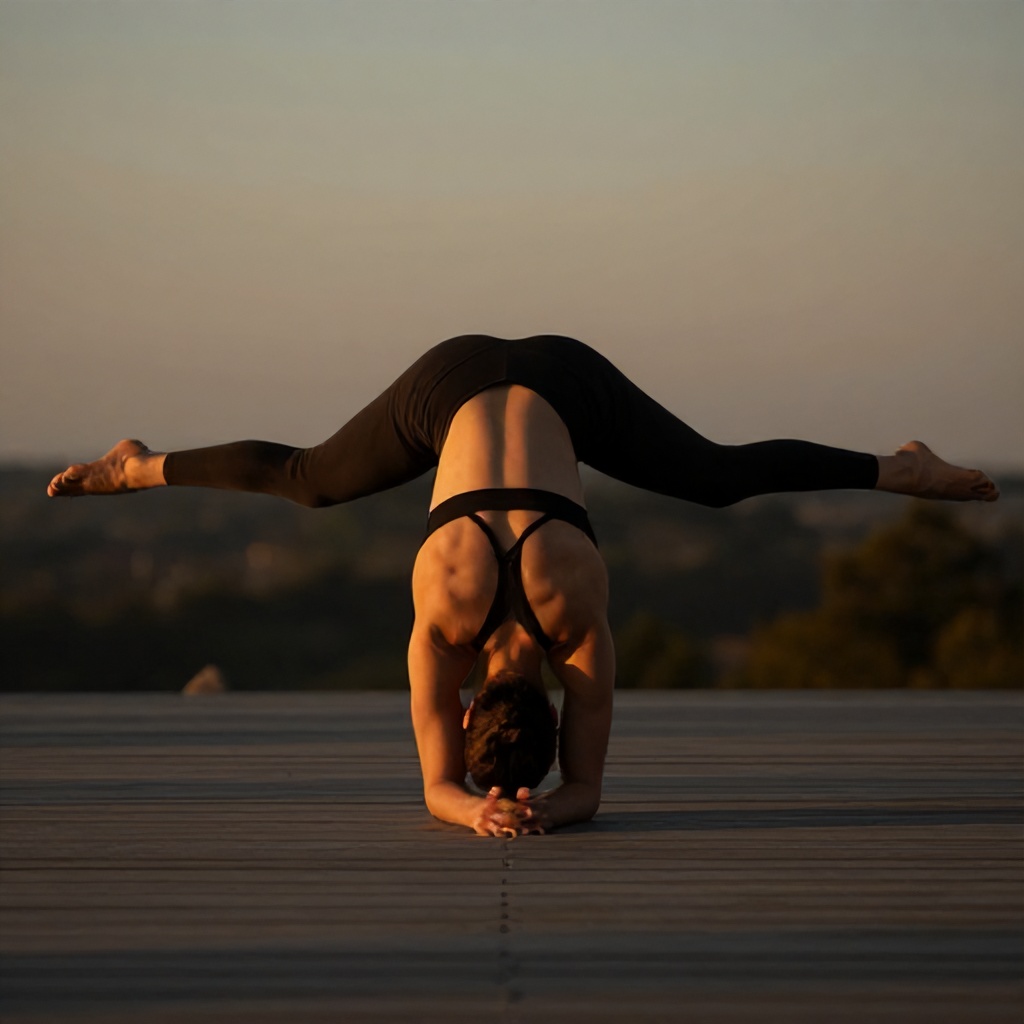
Practicing advanced arm balance yoga poses during golden hour combines intense physical discipline with a specific aesthetic silhouette that feels both grounding and visually striking. The warm, diffused light of the setting sun highlights the structural integrity of your form, turning a standard inversion practice into a meditative state. When the shadows grow long and the air cools, your body responds differently to the demands of core stability and upper body strength. This transition period is the ideal window for refining your technique while enjoying the zen atmosphere of the waning day.
The Physics of Sunset Arm Balances
Arm balances require more than just raw muscle; they rely on a precise understanding of body alignment and weight distribution. When you move through an advanced yoga sequence as the sun dips below the horizon, your focus shifts toward internal sensation rather than external performance. You are not just holding a shape. You are negotiating with gravity.
Success in these poses depends on several mechanical factors:
- Shoulder stability is the foundation for every lift. Keep your shoulder blades broad and engaged against your back ribs.
- Engagement of the deep core muscles prevents the lower back from dumping weight into the lumbar spine.
- Gaze, or drishti, acts as an anchor. Fix your eyes on a non-moving point to maintain balance and control.
- Fingertip pressure matters. Pressing the pads of your fingers into the mat creates a suction effect that protects your wrists and stabilizes your base.
Setting the Scene for Your Practice
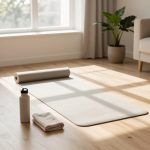
Creating a dedicated space for sunset yoga does not require a studio. Whether you are on a balcony, in a minimalist interior design space, or on a quiet patch of grass, the environment influences your somatic awareness. Position your mat so you are facing the light. This allows the sun to illuminate your body, making it easier to notice micro-adjustments in your posture. If you are indoors, clear the area of clutter to ensure your focus stays on the movement rather than the surroundings.
Wear clothing that allows for full range of motion without being overly loose. Fabric that bunches up can distract you when you are balancing on your hands. A simple, fitted tank and leggings provide the best feedback for your skin, helping you sense your body weight exercise patterns more clearly.
Advanced Sequences for Evening Flow
Transitioning into arm balances requires a thorough warm-up. Jumping straight into a handstand or a complex transition can strain cold muscles. Start with a gentle hatha yoga sequence to open the wrists, shoulders, and hips. Move into a vinyasa flow that incorporates sun salutations to build heat. Once your body feels supple, you can begin to integrate more challenging shapes.
- Begin with Crow Pose (Bakasana) to establish a connection between your core and your hands. Focus on lifting the heels toward the glutes.
- Move into Side Crow (Parsva Bakasana) to introduce a spinal twist. This pose demands significant upper body strength and lateral core engagement.
- Advance to Eight-Angle Pose (Astavakrasana). This requires flexibility training in the hips and hamstrings, combined with a strong grip on the mat.
- Finish with a controlled transition into a handstand or a forearm stand if your energy levels allow.
Refining Your Technique
Many practitioners struggle with the transition between poses. The secret is not in the strength of your arms, but in the efficiency of your movement. When you move from a seated position into an arm balance, use your breath to initiate the lift. Exhale fully as you engage your abdominals to pull your body weight off the floor. This creates a moment of lightness that makes the pose feel almost effortless.
Avoid the habit of locking your elbows. Keep a micro-bend in the joints to ensure the muscles are doing the work rather than the bones. This functional movement approach protects your joints from long-term wear and tear while building functional endurance.
The Mental Benefits of Golden Hour Practice
The visual experience of sunset yoga offers a unique psychological reset. As the sky shifts colors, your nervous system begins to downshift from the intensity of the day. This is the perfect time to practice mindfulness. By focusing entirely on the balance and control required for your asana, you naturally push away the mental noise of your daily routine.
Athletic poise is not just about looking good in a photo. It is about the ability to remain calm when your body is under stress. When you are balancing on your hands, your heart rate naturally increases. Using your breath to slow that rhythm down is a powerful tool for stress management. Each inhale brings length to your spine, while each exhale helps you sink deeper into your foundation.
Safety and Longevity
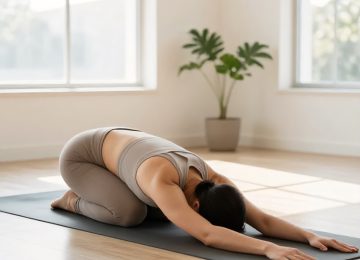
Even for an experienced yoga practitioner, safety is paramount. Over-practicing can lead to repetitive strain injuries, especially in the wrists and shoulders. Listen to your body. If your wrists feel tender, swap a hand-based balance for a forearm-based one. If your core feels fatigued, take a child’s pose and reset.
Consistency beats intensity every time. You will see better results from fifteen minutes of focused, intentional practice three times a week than from an hour of sloppy, rushed movement. Use the sunset as your timer. When the light fades, your practice should naturally wind down into a restorative state.
Curating Your Sunset Practice Environment
The aesthetic of your practice space can influence your mood. If you prefer a zen atmosphere, keep your equipment minimal. A high-quality, non-slip mat is the only essential piece of gear. If you practice outdoors, ensure your surface is flat and free of debris. If you are inside, consider the lighting. Harsh overhead bulbs kill the mood; try using a soft lamp or natural light from a window.
Keep a journal nearby to record how your body felt during the session. Did you find more stability in your handstand today? Was your core engagement stronger during your transitions? Tracking these details helps you see progress over time. It also helps you identify patterns in your energy levels throughout the week.
Remember that the goal is not to master every pose perfectly. The goal is to show up, breathe, and move with intention. The sunset provides a beautiful backdrop, but the real work happens inside your own body. By focusing on the fundamentals of alignment and the quality of your breath, you will find that your practice becomes a source of strength that carries over into every other part of your life.
As you move through your final balance, take a moment to appreciate the stillness. The world may be busy, but for these few minutes, you are entirely present. This is the essence of advanced yoga. It is not about the complexity of the shape, but the clarity of the mind that holds it.