Understanding Professional Ingrown Toenail Treatment
Professional treatment for an ingrown toenail, clinically known as onychocryptosis, becomes necessary when home remedies fail to resolve pain or when signs of a toe infection appear. A podiatrist performs a clinical examination to assess the severity of the nail bed inflammation and determine if minor surgical intervention is required to prevent further complications. Leaving a chronic ingrown nail untreated often leads to persistent periungual inflammation, where the skin surrounding the nail becomes swollen, red, and painful.
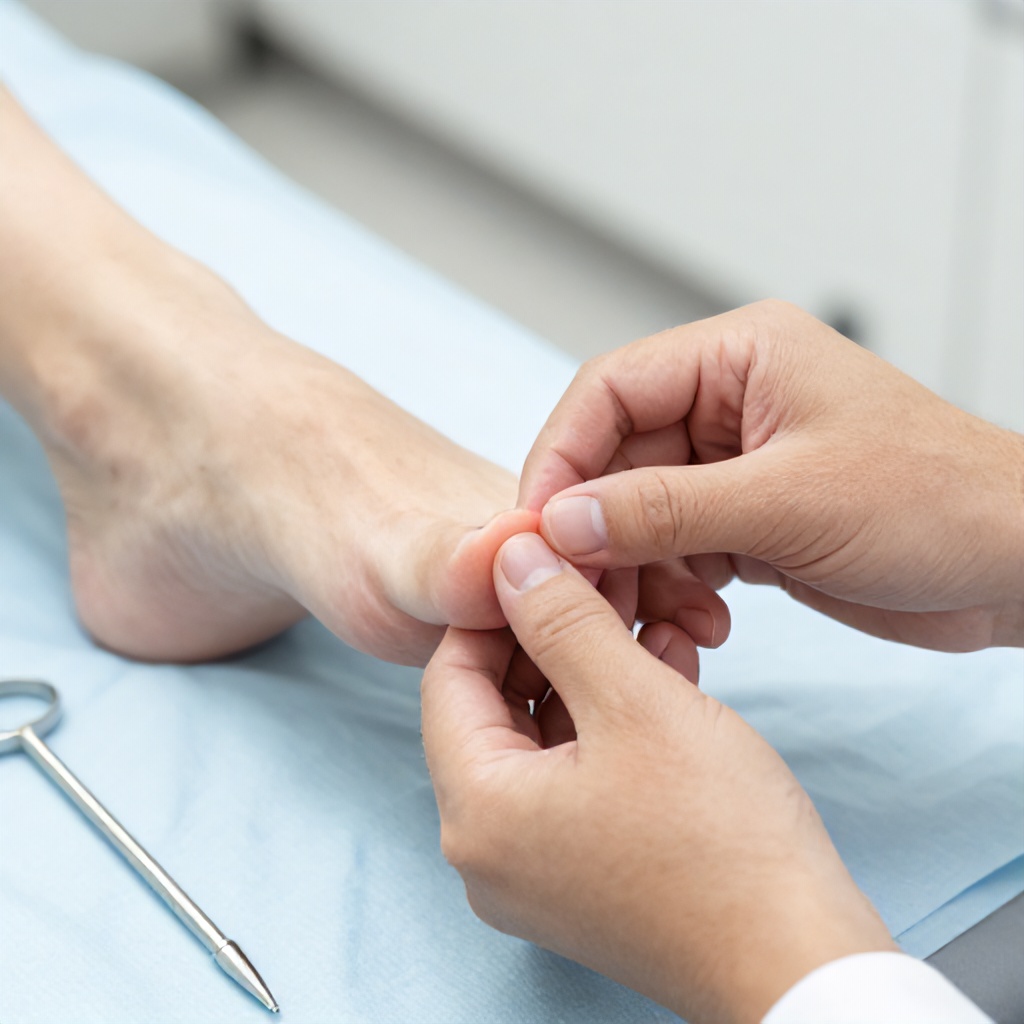
When you visit a clinic for professional foot care, the goal is to remove the offending nail spicule—the sharp corner of the nail plate digging into the soft tissue—while minimizing trauma to the nail matrix. This procedure is typically performed as ambulatory foot surgery, meaning you walk out of the office on your own immediately following the appointment. By addressing the nail pathology early, you prevent the cycle of recurrent pain and potential systemic issues associated with localized infections.
The Clinical Examination Process
Before any surgical nail avulsion takes place, the practitioner performs a thorough assessment of your digit health. They look for specific indicators of paronychia, which is the infection of the skin folds around the nail. This involves checking for pus, excessive heat, or throbbing sensations that suggest an active bacterial presence. The doctor will ask about your medical history, specifically focusing on conditions like diabetes or circulatory issues that might affect how your body heals after a minor surgical intervention.
Assessing the Severity
Not every case requires surgery. In early stages, the podiatrist may simply lift the nail edge and place a small splint or cotton wick to encourage the nail to grow over the skin rather than into it. However, if the nail edge excision is deemed necessary, the procedure is straightforward and highly effective. The doctor evaluates the curvature of the nail plate and the amount of soft tissue inflammation to decide the best approach for long-term relief.
The Surgical Procedure Explained
Ingrown toenail surgery is a routine medical procedure designed to provide permanent relief from chronic pain. The entire process is conducted under sterile conditions to ensure safety and reduce the risk of post-operative complications. You can expect the following steps during your visit to the podiatrist.
- The toe is cleaned thoroughly using a medical scrub or antiseptic technique to eliminate surface bacteria.
- A local anesthetic is injected at the base of the toe to ensure the area is completely numb. You will feel pressure, but no sharp pain.
- The podiatrist uses sterile surgical instruments to carefully remove the offending portion of the nail plate.
- If the nail grows back repeatedly, a chemical agent like phenol may be applied to the nail matrix to prevent that specific section of the nail from growing back permanently.
- The area is bandaged, and you receive specific instructions for at-home care.
Post-Procedure Recovery
Recovery is usually swift, though your toe will remain sensitive for a few days. You should keep the foot elevated as much as possible during the first 24 hours to reduce swelling and throbbing. Most patients return to normal footwear within a few days, provided the shoes are wide enough to avoid pressure on the surgical site. It is vital to keep the dressing clean and dry until your follow-up appointment or as directed by your podiatrist.
When to Seek Urgent Medical Care
While most ingrown toenail treatments are routine, you must monitor your toe for signs that the infection is spreading. If you notice red streaks extending up your foot, a fever, or chills, contact your healthcare provider immediately. These are signs that the infection is no longer localized to the nail bed and requires systemic antibiotics or more intensive clinical podiatric care.
Preventing Future Nail Pathology
After your procedure, preventing a recurrence is the next priority. Many people develop ingrown nails due to improper trimming habits. Cutting nails too short or rounding the edges encourages the corners to pierce the skin as they grow. Always trim your nails straight across, leaving the corners slightly visible above the skin line.
- Wear shoes with a wide toe box to prevent compression.
- Avoid tight socks that pull the toes together.
- Manage foot hygiene daily, especially if you are prone to sweaty feet.
- Schedule regular professional foot care if you have a naturally high nail curvature or thick nails.
Choosing proper footwear is one of the most effective ways to support digit health. When toes are crowded, the pressure forces the nail plate into the soft tissue, creating the perfect environment for inflammation. By opting for shoes that allow for natural toe splay, you reduce the mechanical stress that often triggers a chronic ingrown nail. If you work in a profession that requires heavy boots or restrictive footwear, consider using silicone toe protectors to provide a buffer between the nail and the shoe material.
Professional Care vs. Home Management
Attempting to perform “bathroom surgery” at home is strongly discouraged. Using non-sterile tools to dig out a nail spicule often drives bacteria deeper into the tissue, turning a minor irritation into a serious infection. Clinical podiatric care provides a sterile environment, proper anesthesia, and the expertise to remove the nail correctly without damaging the surrounding skin or the nail bed itself. Relying on professional intervention ensures that the root cause—the nail shape or growth pattern—is addressed rather than just the surface symptoms.
If you have diabetes, peripheral neuropathy, or poor circulation, never attempt to treat an ingrown toenail at home. These conditions can mask the pain of an infection, allowing it to progress to a dangerous level before you realize there is a problem. Always consult a podiatrist at the first sign of discomfort to ensure your foot health remains a priority and to avoid the complications associated with advanced nail pathology.
Maintaining Long-Term Foot Health
Consistent care is the key to avoiding recurring issues. Once your toe has healed from the nail edge excision, maintain a routine of checking your feet regularly. Look for any changes in the skin or nail color, as these can be early indicators of potential trouble. If you notice the skin beginning to look red or feeling tender again, do not wait for it to become painful. Early intervention by a professional is always faster, less invasive, and more comfortable than waiting until the infection is advanced.
By understanding the nature of your nail growth and working with a podiatrist, you can manage your foot health effectively. Professional treatment is not merely about fixing a painful toe; it is about restoring your mobility and ensuring that your feet can support you comfortably throughout your daily activities. Prioritize your comfort and seek expert advice whenever you feel that “nagging” pain that signals an ingrown nail is developing.